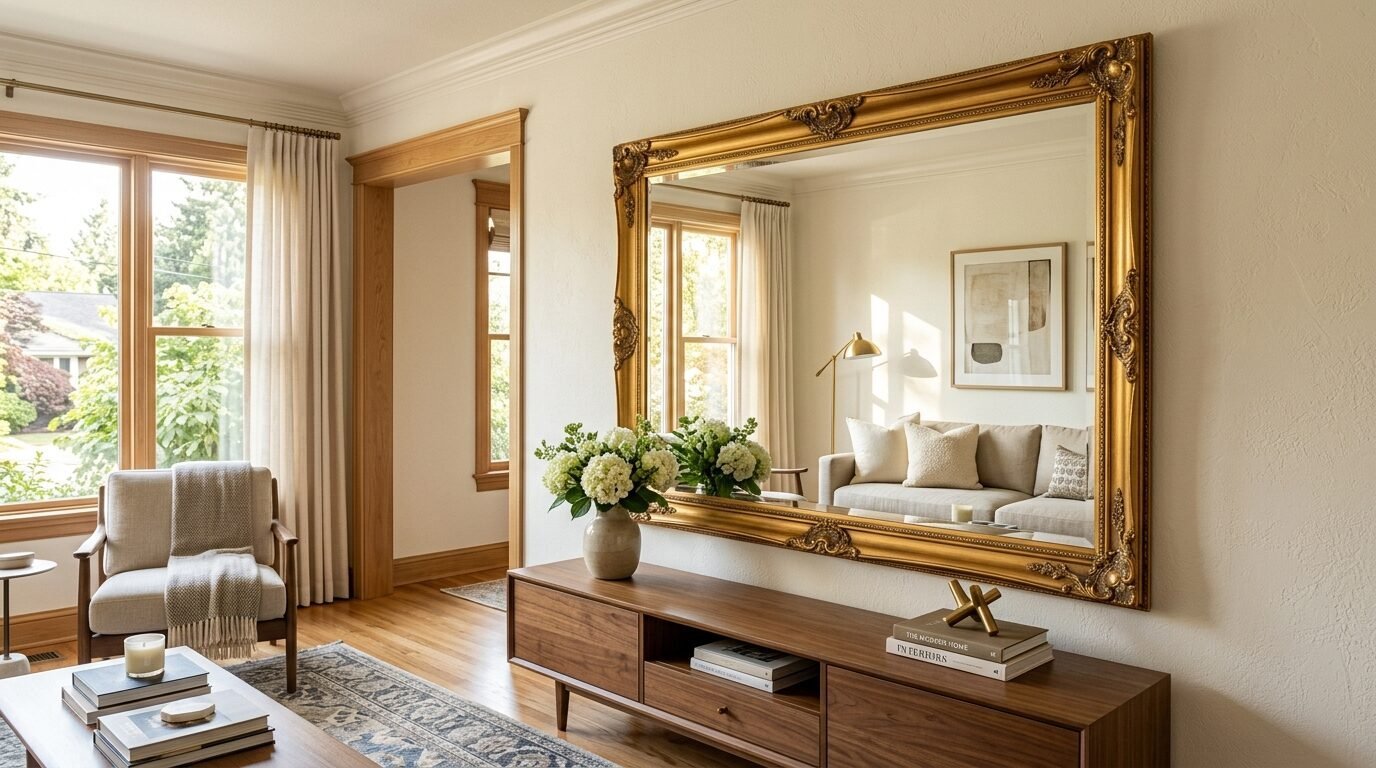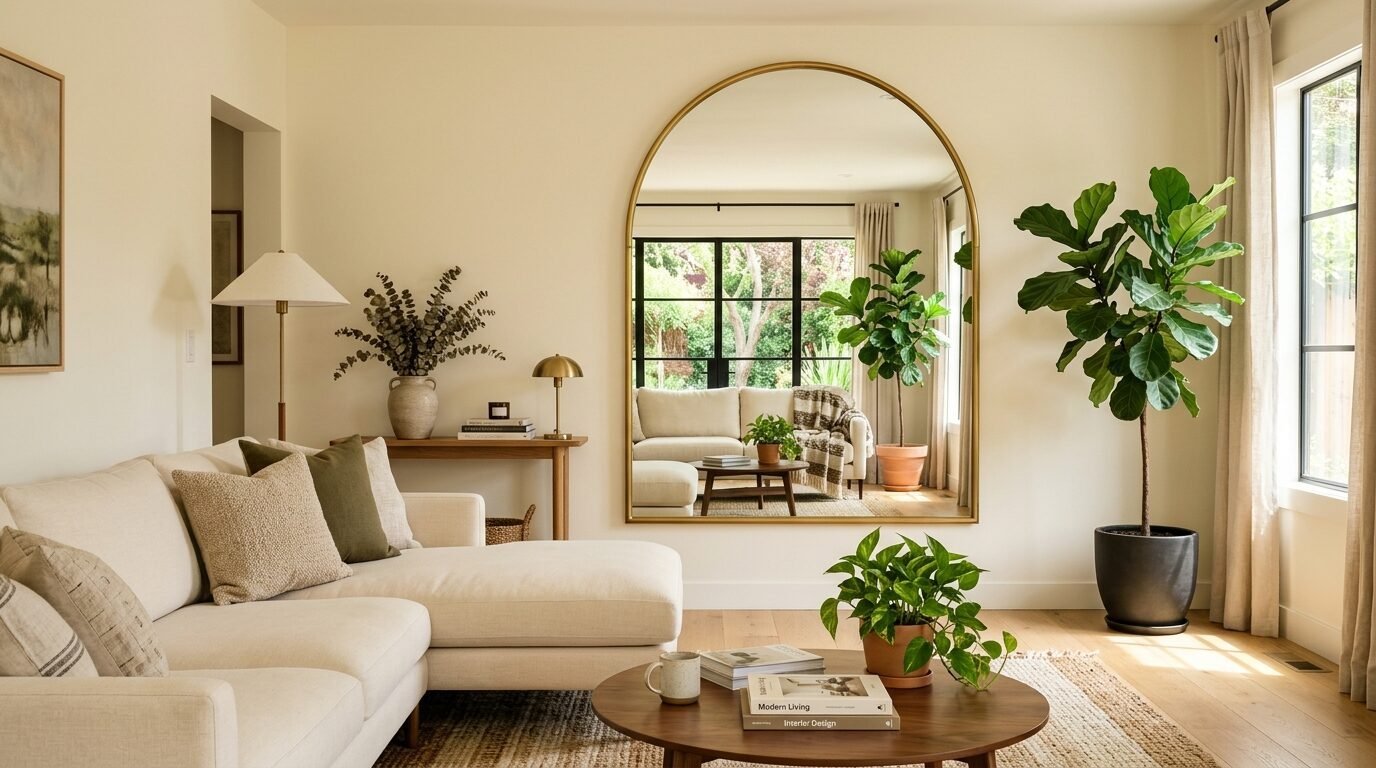
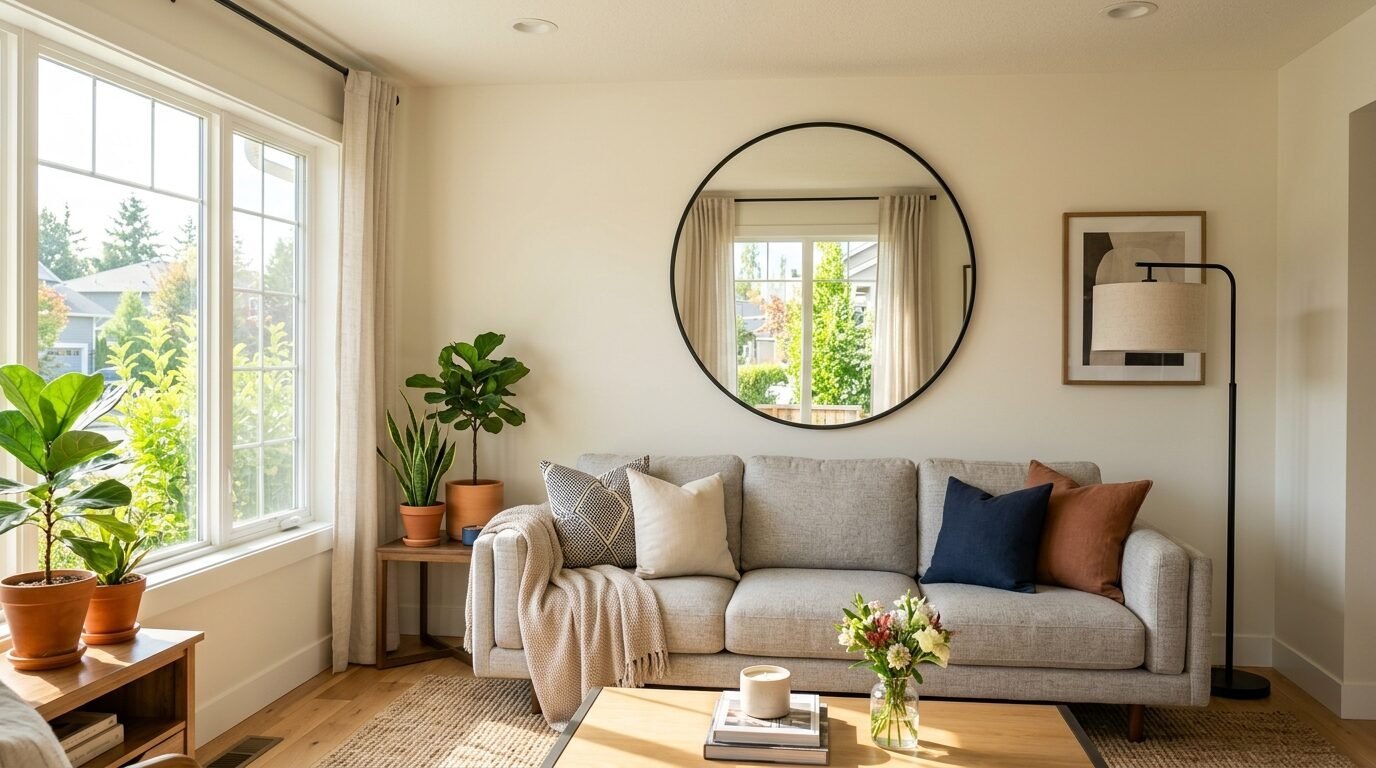
You spent 120 dollars on a sleek glass piece for your hallway last month. You hung it up, stepped back, and felt immediate regret. It looked tiny, bounced zero light, and made the wall look like an empty office lobby.
I have been there. In my early staging days, I messed up scale constantly. Hanging glass is not just about decor; it changes how a room feels. Let us fix that right now.
This guide gives you the exact blueprint to select, size, and place glass across your home. You will get clear steps for your living area, dining room, and entry spaces. We cover current prices from 40 to 800 dollars, standard safety rules, and ways to style pieces without ruining your drywall.
You will see how to fix dark corners and make tiny layouts feel twice as large. We leave out heavy commercial remodeling and focus strictly on DIY home setups you can finish this weekend.
Why Does Scale Matter Most When Selecting Your Home Glass?
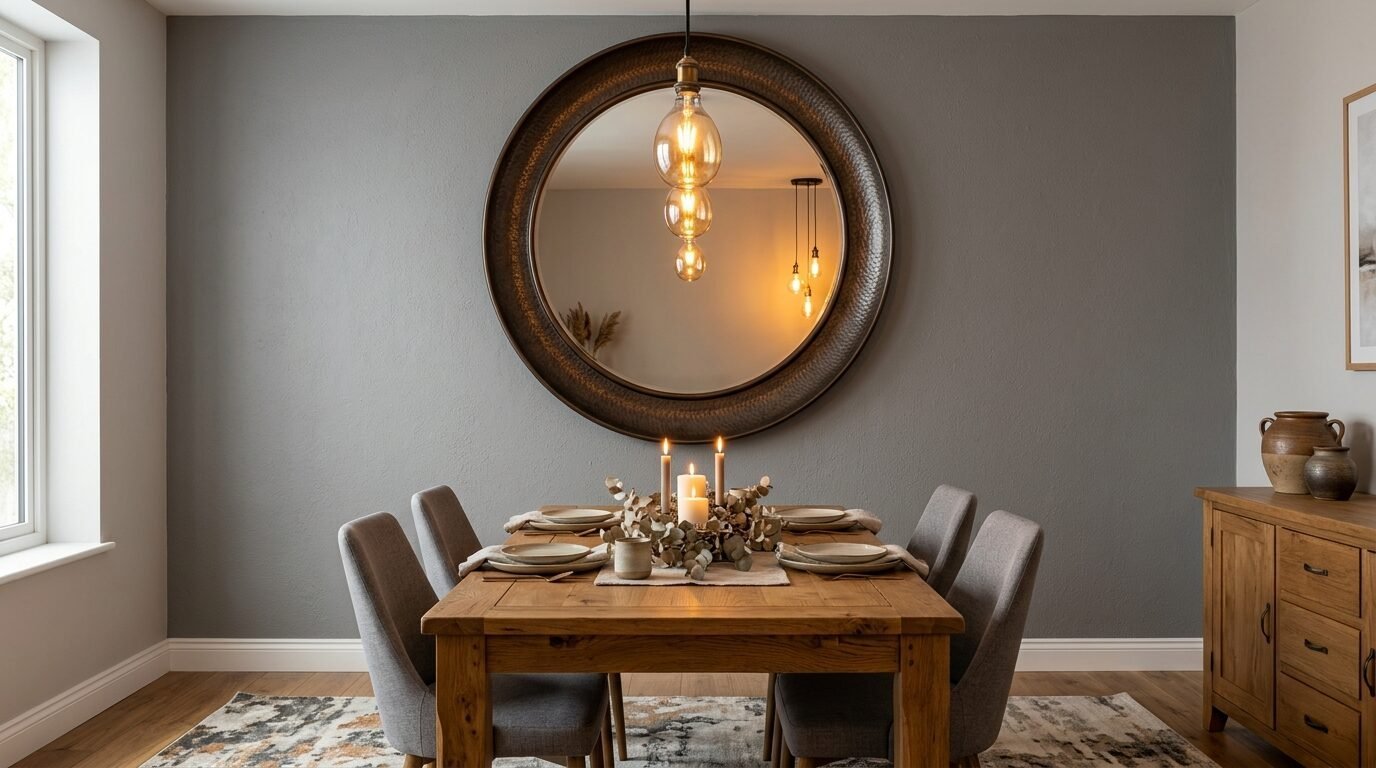
Scale dictates whether your room looks professionally designed or completely mismatched. In my experience, home decorators pick pieces that are far too small for their walls. When you place a tiny oval frame above a massive nine-foot sofa, the entire arrangement looks disconnected and strange. I have noticed this error in dozens of living rooms, where a small piece of glass gets swallowed by empty drywall space.
Let us look at a quick case study from a client setup last fall. My friend Sarah wanted to dress up her bare dining room wall. She bought an eighteen-inch round mirror from Target for 35 dollars. Once hung, it looked like a small speck on her twelve-foot wall.
We pulled it down and swapped it for a forty-inch black iron frame piece that cost 220 dollars. The change was instant. The larger glass reflected the entire dining table and made the ceiling feel two feet higher.
Here is a breakdown of standard sizing guidelines based on typical furniture measurements:
When you shop for a new frame, keep your furniture width in mind. Your piece should measure between two-thirds and three-quarters of the width of the furniture below it. Going smaller creates a floating effect that pulls the eye down. Going wider makes the setup top-heavy, which causes visual stress.
How Do You Choose the Best Mirror for a Small Bedroom Setup?
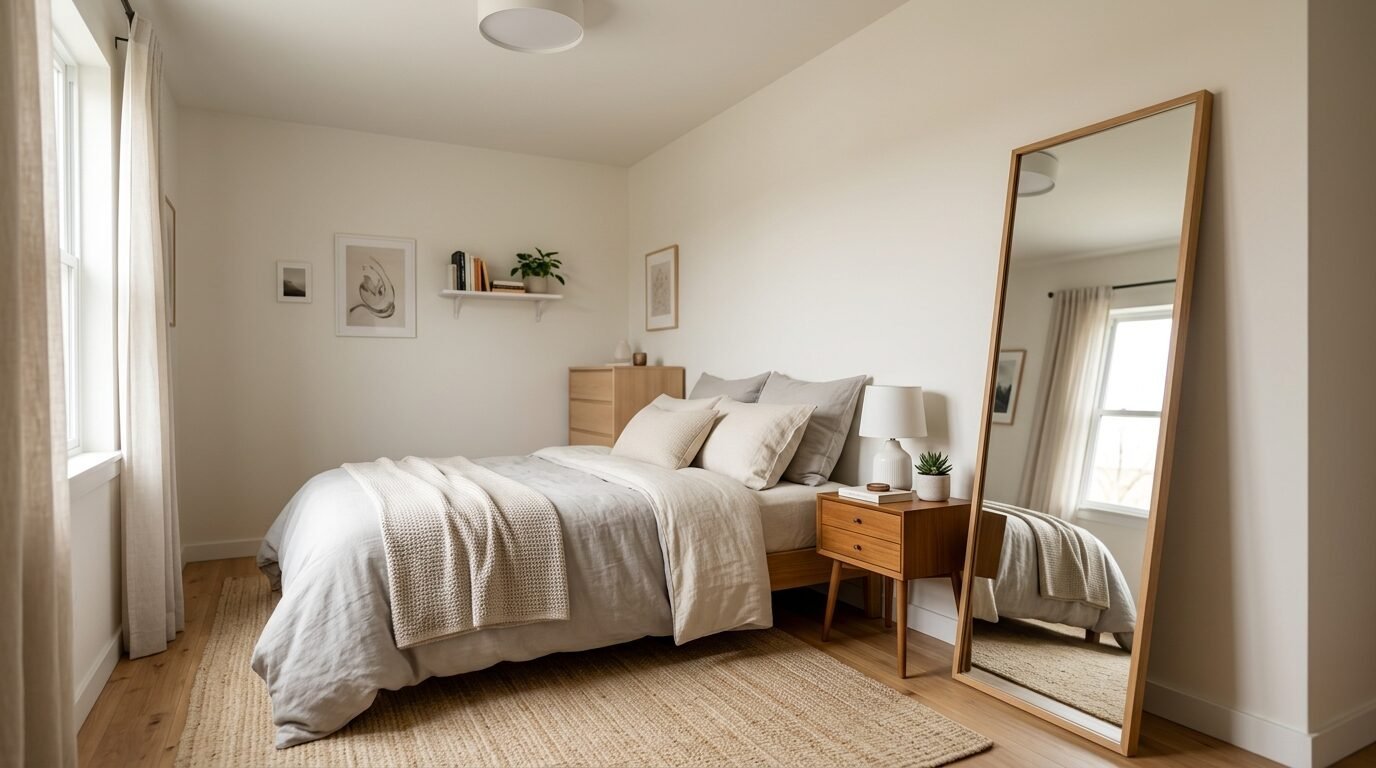
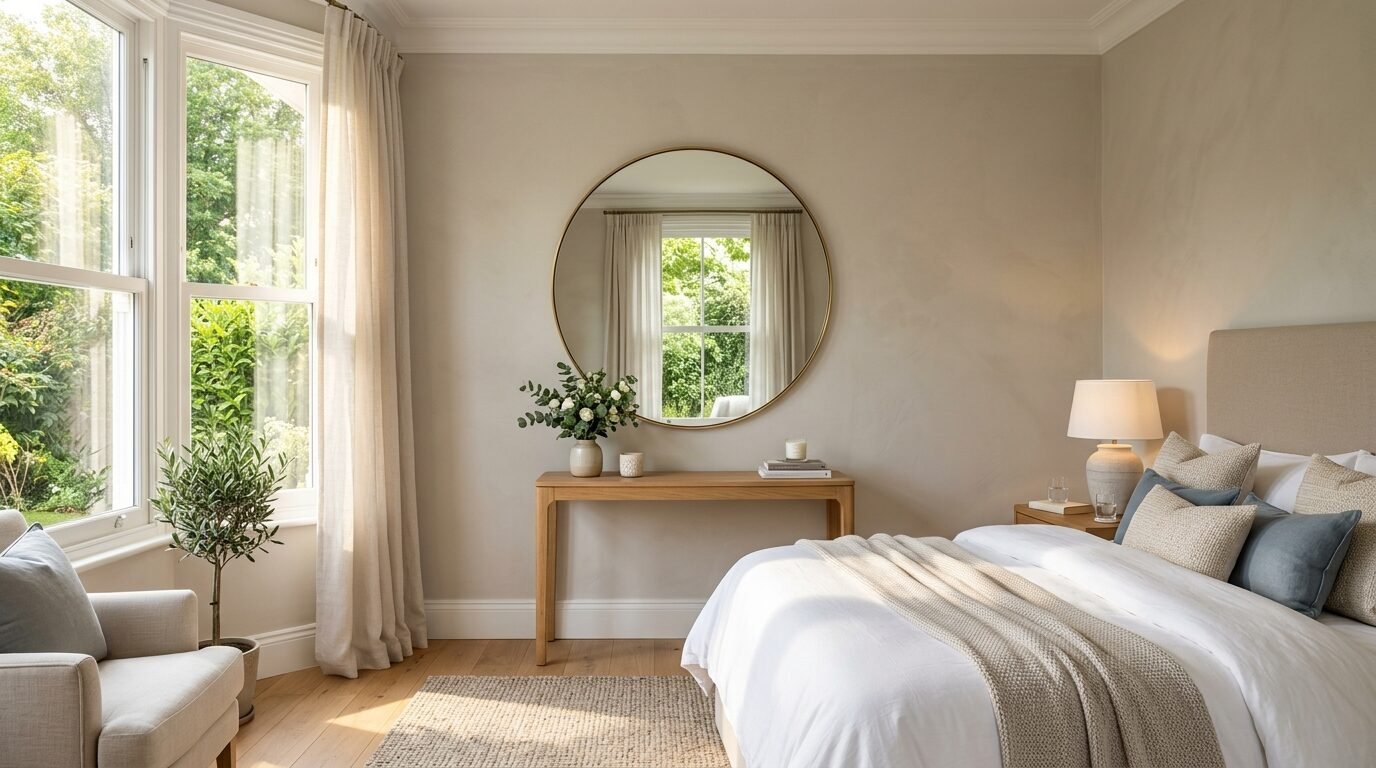
A small bedroom demands smart placement and lightweight materials to look open instead of crowded. When space is tight, bulky wooden frames steal valuable visual real estate. Instead, focus on sleek options that blend into your existing layout. I have seen this work beautifully when matching glass to specific bedroom styles, whether you prefer cozy textures or a clean look.
Maximizing Square Footage in Tight Quarters
For a truly compact room, heavy glass frames can feel dangerous or bulky. This is where modern mirror stickers offer a great alternative. These thin acrylic sheets stick directly to your closet doors or drywall without screws.
They weigh almost nothing and cost under 20 dollars for a pack of twelve. In my early college apartment, I covered a dark corner with geometric mirror stickers. It instantly bounced light across my bed and made the narrow six-foot alcove feel like a wide dressing space.
Selecting Frames That Match Your Bedroom Styles
If you prefer a classic aesthetic, a full-length floor mirror works wonders. Lean a tall sixty-inch rectangular piece against an empty corner. Secure it with wall anchors at the top to prevent tipping.
For spaces using a simple style, frameless options with polished edges keep the look clean and calm. Avoid ornate gold baroque frames in a tiny room because they catch dust and clutter the view.
Let us look at a step-by-step tutorial for mounting bedroom glass safely:
• Locate the wood studs behind your drywall using a digital stud finder tool like the Zircon HD55.
• Mark the exact height using a pencil, ensuring the center of the glass sits fifty-seven inches from the floor.
• Drill a pilot hole directly into the center of the wood stud.
• Insert a heavy-duty anchor screw rated for at least fifty pounds.
• Hang your frame carefully and use a bubble level to check your alignment.
Where Should You Place Mirrors to Build the Best Lighting Design?
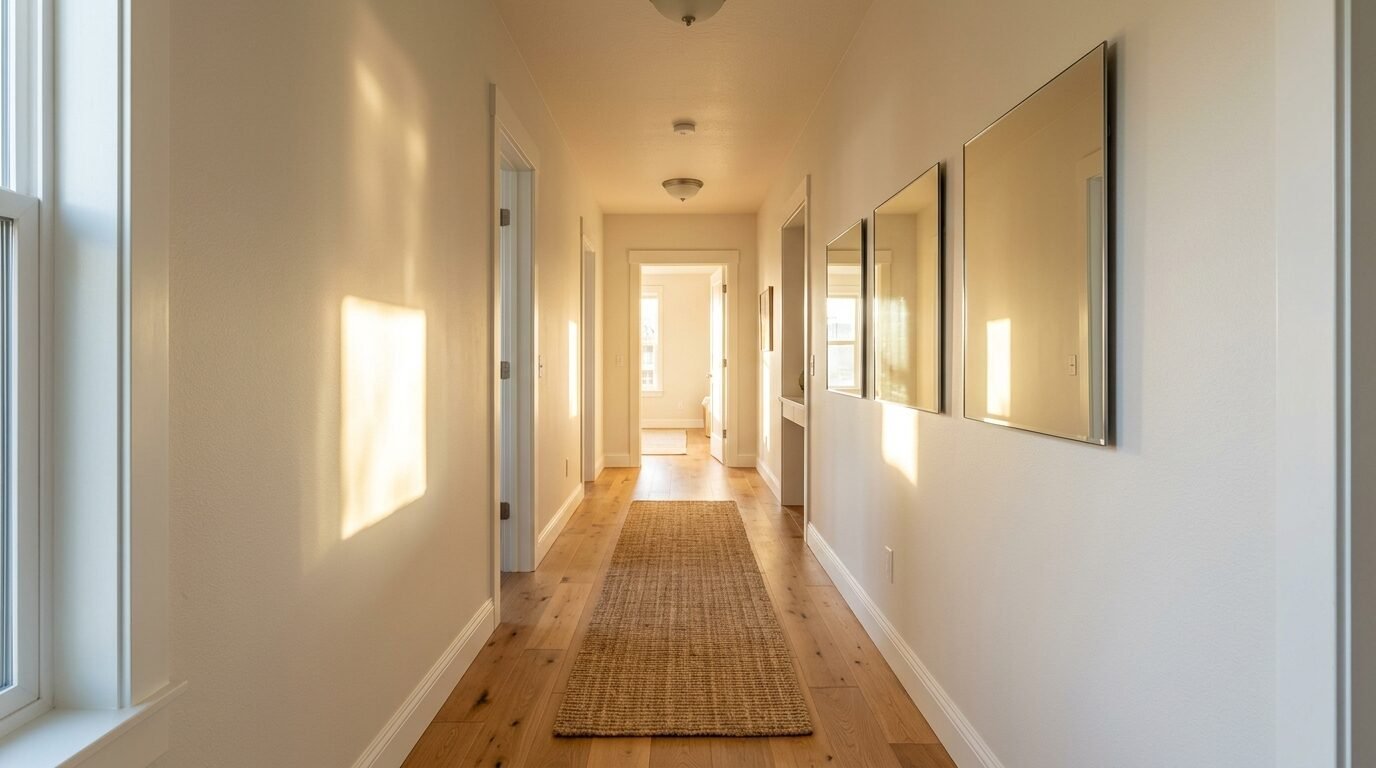
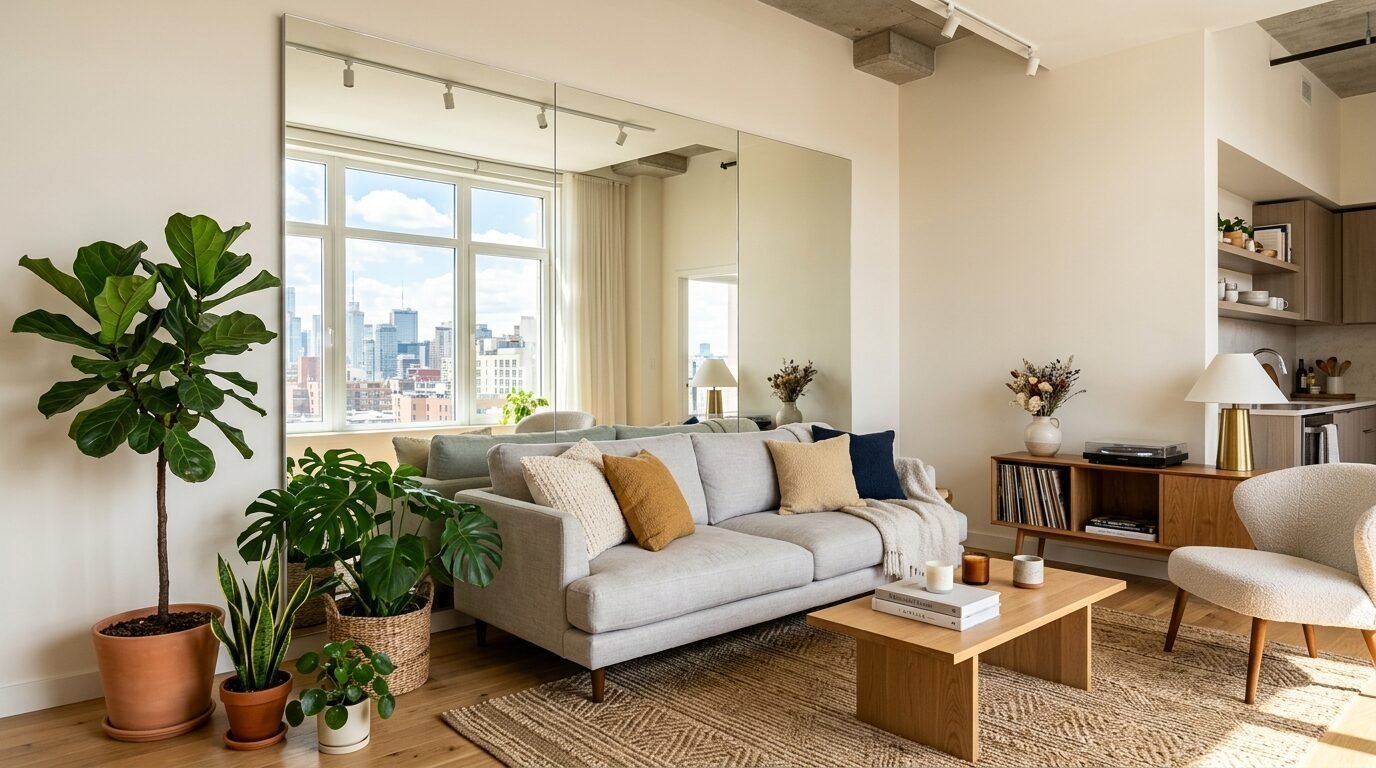
Smart mirror work turns dark, shadow-filled rooms into bright spaces by catching natural sun rays. You do not need expensive lamps or rewiring to change how light moves through your home. By placing glass directly across from your main windows, you catch outdoor light and bounce it deep into your interior floor plan.
Balancing Natural and Artificial Glow
I have tried putting mirrors next to windows, but it fails because the light passes right by the glass. The real trick is to place the piece on the wall directly opposite the light source.
Last winter, I worked on a basement living room with only one small garden window. The space felt like a cave. We hung a large thirty-six-inch grid mirror on the far wall. The glass caught the afternoon sun and spread it across the entire ceiling, instantly cutting down the need for overhead lights.
Fixing Common Blind Spots in Your Floor Plan
Dark hallways are another spot where glass fixes layout issues. A long, narrow hall feels like a tunnel. Hanging three identical square frames in a row creates a gallery feel that opens up the path.
Look for basic mirror designs that focus on clear reflection rather than tinted glass. Tinted or antique options absorb light instead of throwing it back into the room.
Let us review a quick cost breakdown of popular glass styles for lighting layouts:
What Are the Best Ways to Hang and Style Living Room Mirrors?
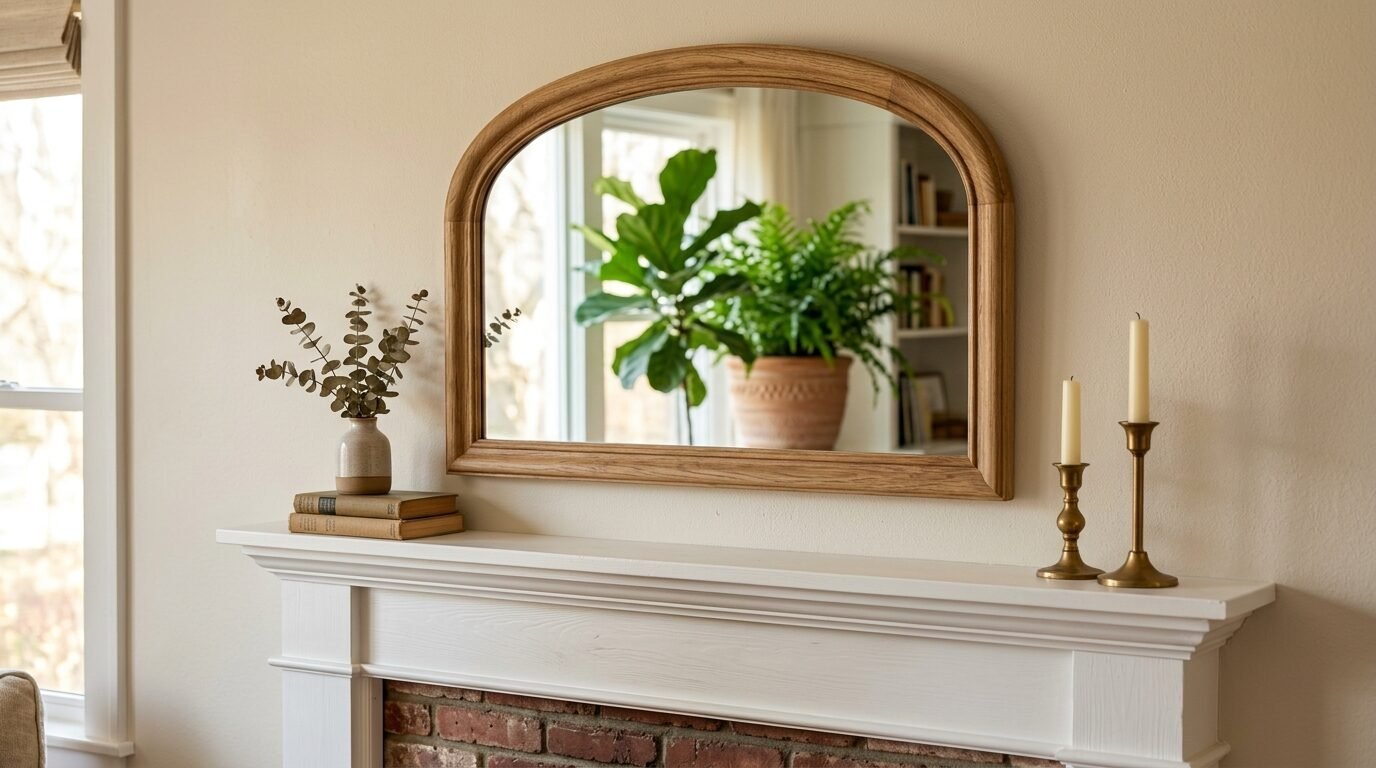
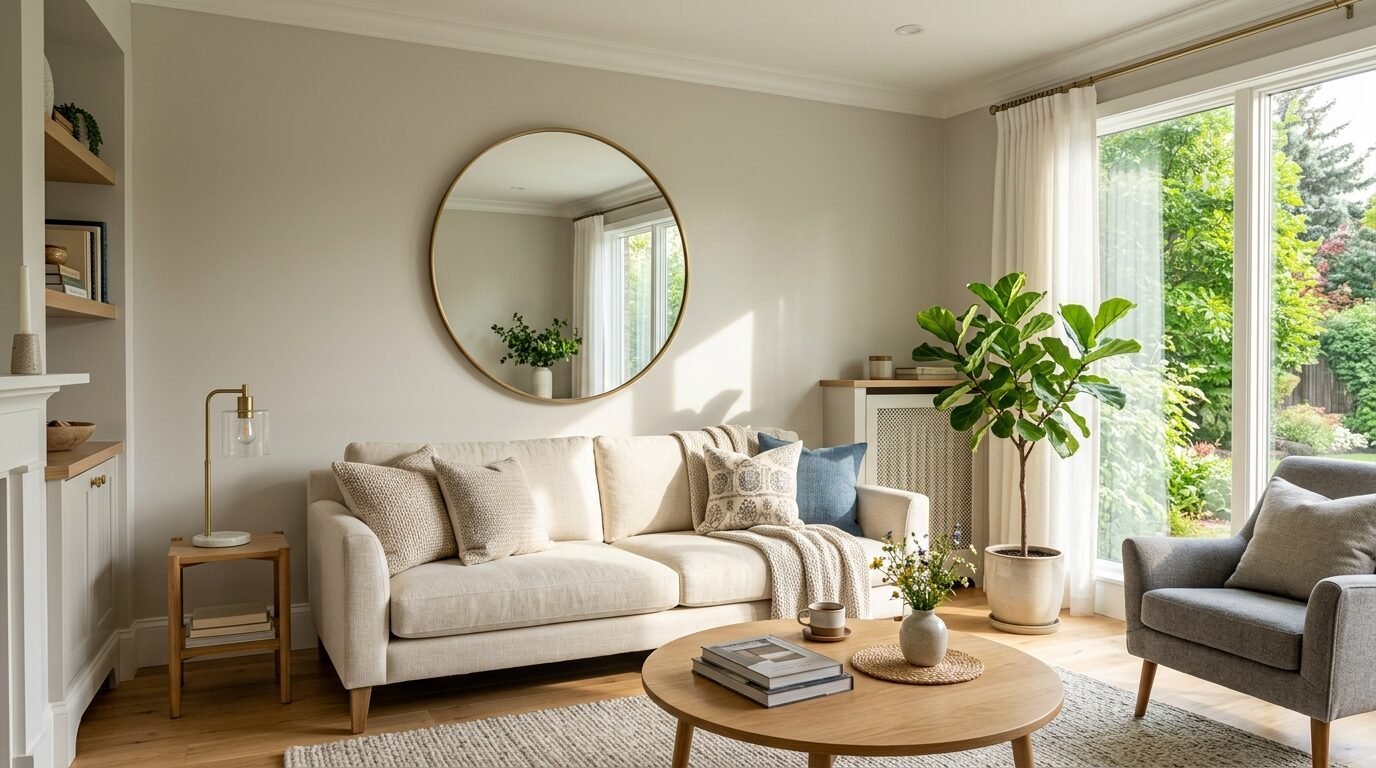
Living rooms require a balance between art pieces and reflective glass to feel warm and welcoming. A massive piece of glass can feel cold if it only reflects a bare ceiling or a television screen. You want your mirror work to capture something beautiful, like a piece of art, a houseplant, or a decorative light fixture.
Let us walk through a day in the life of a living room layout setup. Think about walking into a home at 6 PM. The sun is setting, and family members are gathering. If your mirror faces the television, everyone sees double screen glare, which causes eye strain.
If you shift that same mirror to sit above the fireplace mantle, it catches the soft glow of your table lamps and the warm tones of your room decor. The space feels cozy instead of distracting.
Here are common errors people make when styling living areas and how to prevent them:
• Hanging glass too high on the wall, which forces guests to stare at the ceiling grid.
• Using thin wire strings that cause the frame to tilt forward away from the drywall.
• Mixing too many busy patterns around a detailed frame piece.
• Forgetting to dust the top ledge of deep wooden frames, which drops debris onto furniture below.
Frequently Asked Questions About Home Wall Mirrors
Get quick, direct answers to the most common questions about selecting and mounting wall glass. These responses address common worries about weight, placement, safety, and cost so you can shop with total confidence.
Can you use mirror stickers on textured walls?
Plain adhesive sheets do not stick well to bumpy drywall or plaster surfaces. The uneven texture prevents the glue from forming a flat bond, which causes the pieces to fall and warp. If you have textured walls, stick the sheets onto a smooth piece of plywood first, then hang the plywood frame using standard picture hangers.
What is the safest way to hang a heavy mirror without studs?
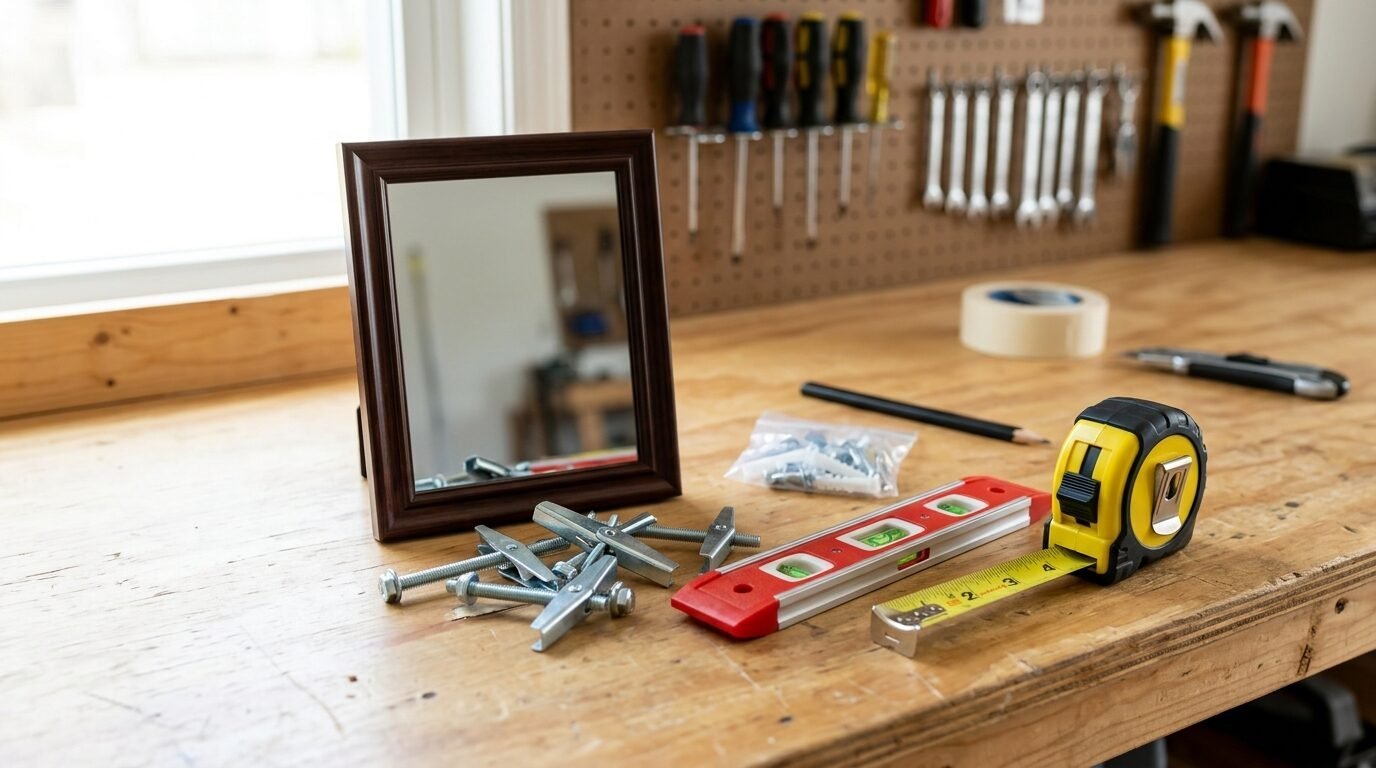
When wood studs are not available, use toggle bolts or heavy metal drywall anchors rated for one hundred pounds. Never trust regular plastic plug anchors or sticky tape for frames over ten pounds. Toggle bolts open up behind the drywall sheet, spreading the weight safely across a wider surface area.
How high should a mirror sit above a fireplace mantle?
Your frame should hover four to six inches above the top edge of the fireplace mantle piece. If you lift it higher, you break the visual connection between the two items, making the glass look like it is floating away. If your frame is extra tall, resting it directly on the mantle and anchoring the top is a great styling choice.
Do round mirrors make a room look bigger than rectangular ones?
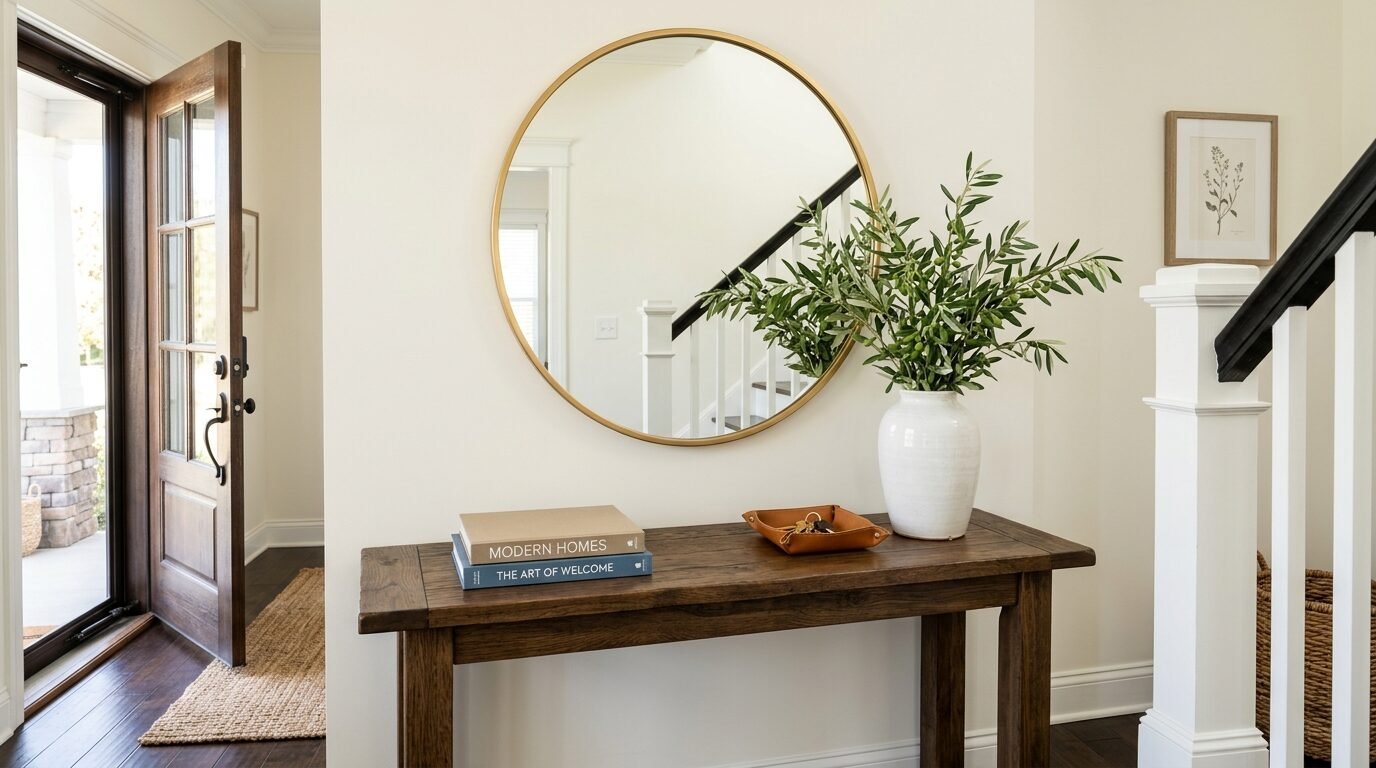
Round shapes soften sharp room angles and draw the eye inward, making them perfect for small entryways. Rectangular options expand the room horizontally or vertically depending on how you turn them. For small rooms, a long horizontal rectangle gives the deepest illusion of extra space.
How do you clean antique glass without causing damage?
Avoid harsh chemical sprays or ammonia on vintage silver backings. These liquids can seep past the edges and turn the silver coating black. Use a dry microfiber cloth with a tiny drop of warm water to wipe the front surface gently.
Are frameless mirrors cheaper than framed options?
Basic glass sheets without borders cost significantly less because manufacturing frames requires extra metal or wood labor. A plain thirty-inch frameless circle often costs under 40 dollars, while the same size glass with a brass border can easily run over 150 dollars.
Can you hang a bedroom mirror directly facing the bed?
Many people find this placement distracting or unsettling during the night because any movement catches the reflection. Placing the glass next to the bed or inside closet doors creates a more restful sleeping space while keeping the handy perks of a full view.
What thickness should you look for in a quality wall mirror?
Look for glass that is one-quarter of an inch thick. Cheap pieces are often one-eighth of an inch thick, which bends easily and creates a distorted image like a funhouse mirror. Thicker glass stays perfectly flat and offers a much truer reflection.
How do you stop a leaning floor mirror from sliding?
Place a non-slip rubber pad under the base of the frame where it meets your flooring. Also, install a safety strap at the top of the frame and screw it directly into a wall stud to prevent children or pets from pulling it down.
Can bathroom moisture ruin a standard wall mirror?
Standard backing glues can break down over time when exposed to high steam and humidity, leading to black edge rot. For bathrooms, purchase pieces labeled moisture-resistant or sealed copper-free options to ensure they last for decades.
Summary of Best Buying Steps for Home Decorators
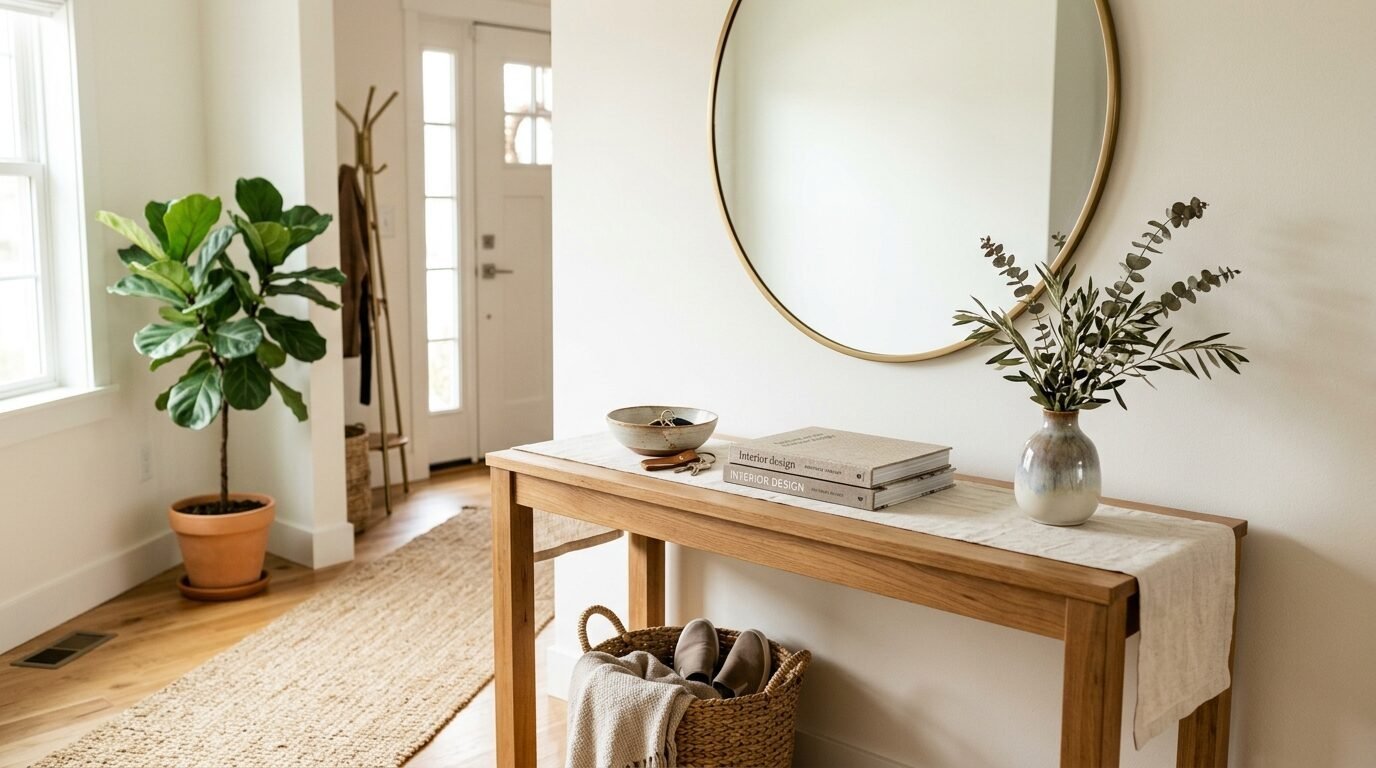
Choosing the right mirror comes down to measuring your space and matching your existing room style. Start by checking your furniture width, tracking your natural window light, and selecting safe hanging hardware. Avoid rushing into a purchase before checking your wall studs and scale. With these simple style guidelines, your new glass piece will transform your room into a bright, welcoming space you love showing off.

Anya Castellan is the Founder and Editor-in-Chief of Home Wall Trends. An art history graduate of the Rhode Island School of Design with twelve years of experience writing for leading American design publications, she specializes in composition, gallery wall theory, and the quiet architecture of domestic space. A former contributing editor at Architectural Digest and guest lecturer at Parsons School of Design, Anya personally reads and signs off on every piece before it is published.