A single blank wall often feels like a missed opportunity. You stare at the flat white surface and wonder how to make your home feel more like you. I spent years thinking a gallon of beige paint was the only answer. That changed when I realized a focal point creates the soul of a room. Whether you live in a small apartment or a house with tall ceilings, these designs work. I saw a simple slat wall change a cold living room into a cozy sanctuary last winter. It did not take a massive budget or a week of work. This guide focuses on the latest wall designs for living room spaces that actually matter in 2026. These ideas prioritize texture, organic materials, and personal expression. You will find ways to use light and shadow to your advantage. Stop settling for boring spaces. Your home deserves a feature wall that starts conversations.
Executive Summary
Choosing the right accent wall involves more than picking a pretty color. You must consider the light in your room and the height of your ceilings. In my experience, homeowners often overlook the tactile nature of a wall. A flat paint color looks different than a textured lime wash or wood slats. This article details 25 specific strategies to upgrade your space. We look at organic accent wall styles and elegant accent wall living room trends. Expect to see realistic cost breakdowns and time estimates for each project. I include specific tool recommendations like FrogTape for sharp lines and Command strips for gallery walls. We also address common failure points like poor adhesive choices on textured drywall. You will find a roadmap for every skill level from beginner DIYers to advanced home renovators.
1. Limewash Texture
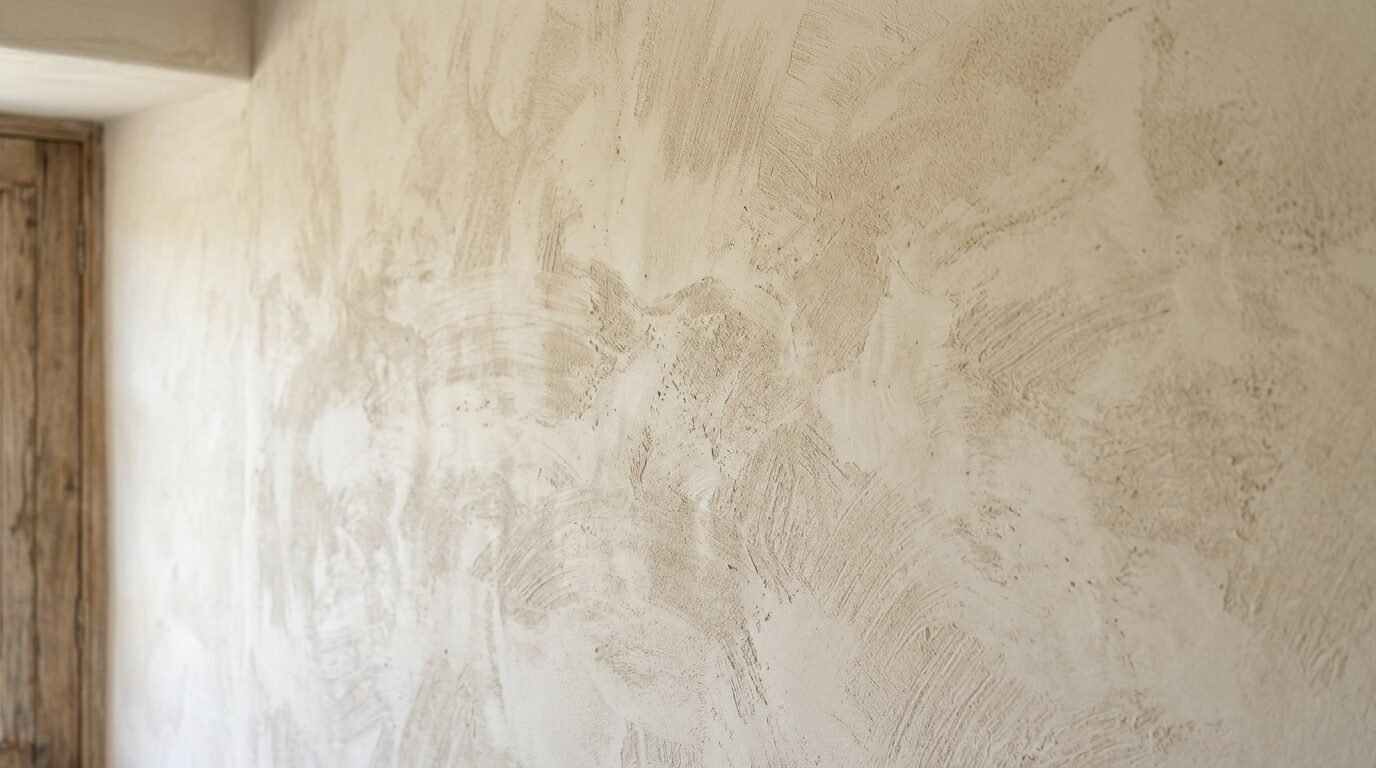
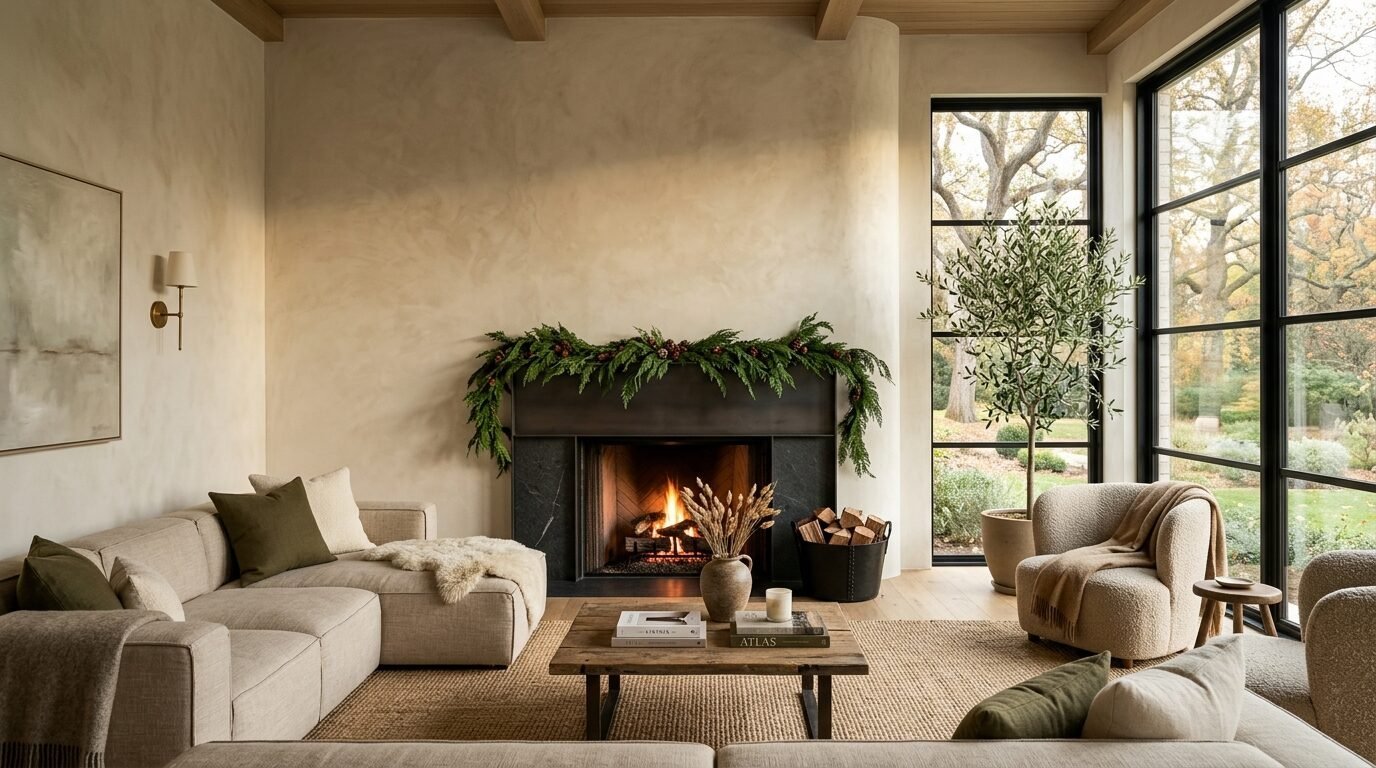
Limewash is making a huge comeback because it creates a soft weathered look. It feels organic and earthy rather than flat and plastic. I first used limewash in a sunroom and the way it caught the afternoon light was incredible. You apply it in overlapping brush strokes to create a mottled effect. This technique hides small imperfections on your drywall. Use a brand like Portola Paints or Romabio for the best results. You need a specific block brush to get the right movement. It takes about two coats to see the full depth of the pigment. This style works best in rooms with plenty of natural light. The matte finish feels expensive and high end.
2. Vertical Wood Slats
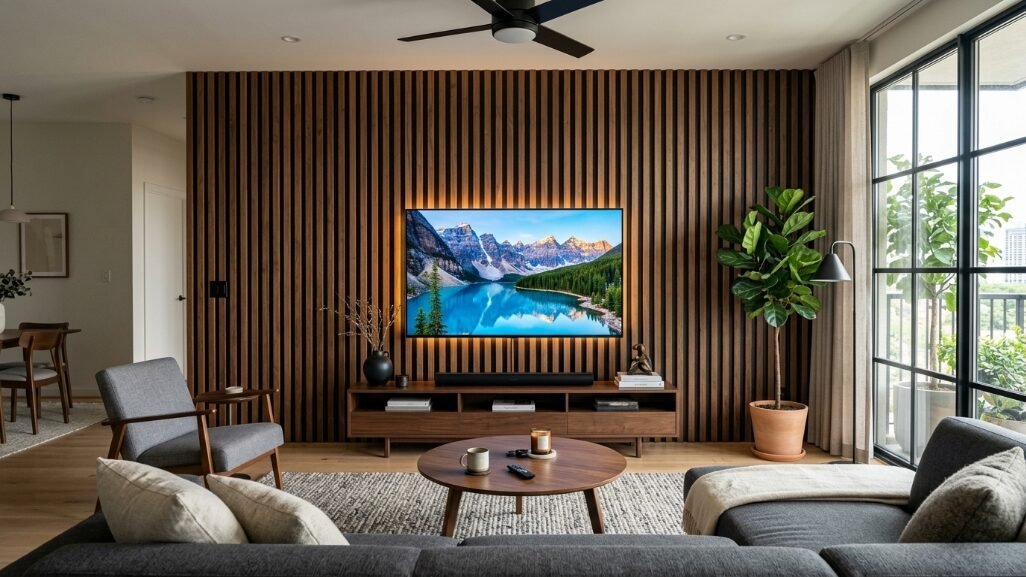
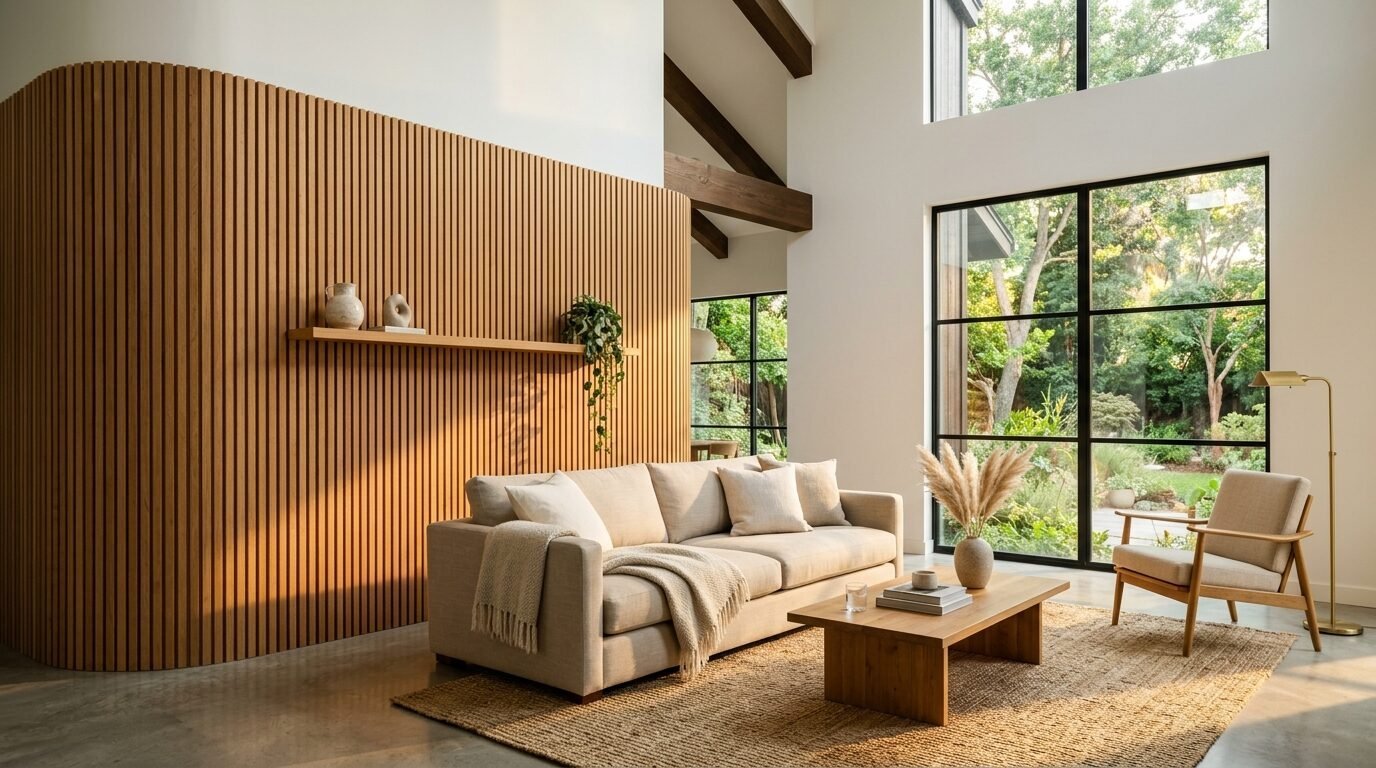
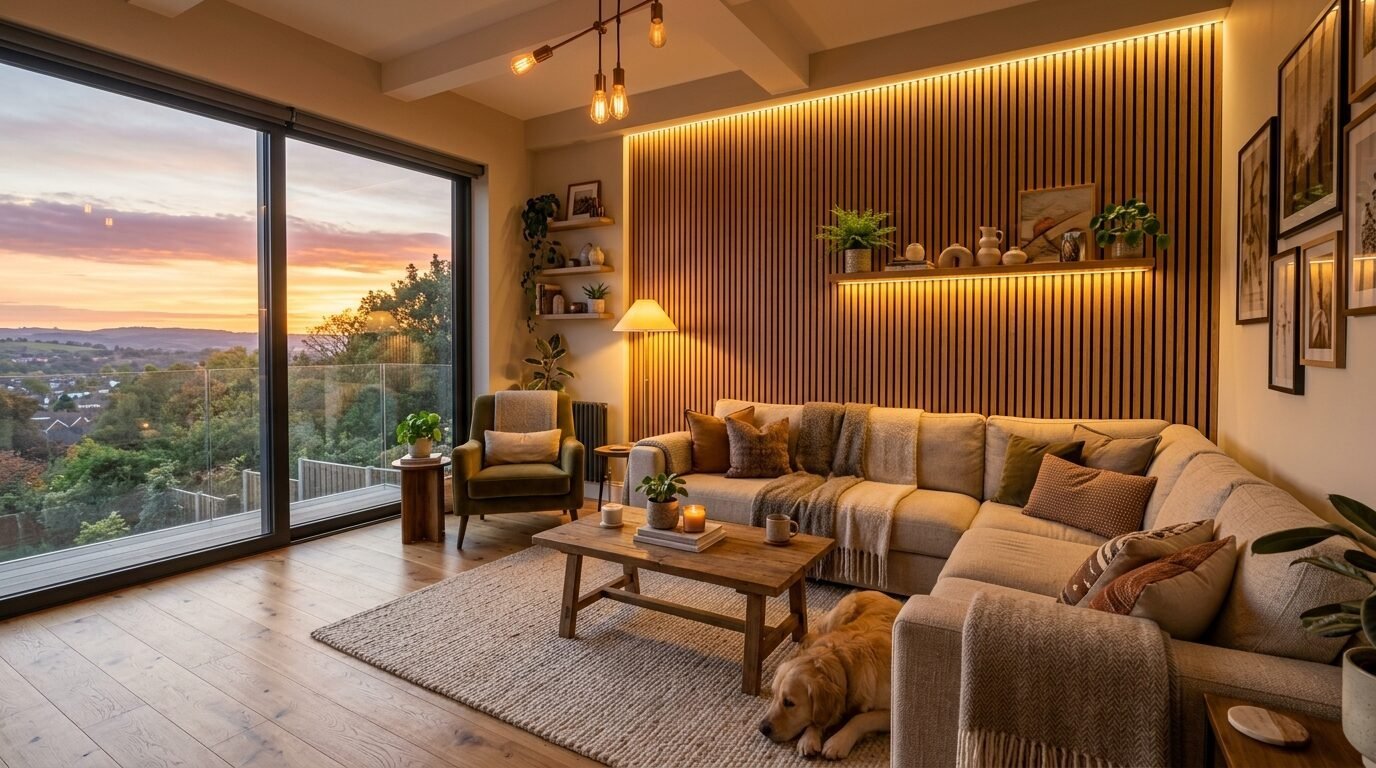
Vertical slats help if you have a tall accent walls in living room setup. They draw the eye upward and make the ceiling feel even higher. I noticed this trend in modern boutique hotels before it moved into homes. You can buy pre-made panels from brands like The Wood Veneer Hub. If you want to save money, buy individual pine strips from Home Depot. Stain them a warm walnut or keep them natural for a Scandi vibe. Space them exactly half an inch apart for a professional look. Use a black background behind the slats to create deep shadows. This adds a three dimensional quality that paint cannot match. It also helps with room acoustics by breaking up sound waves.
3. Moody Charcoal Tones
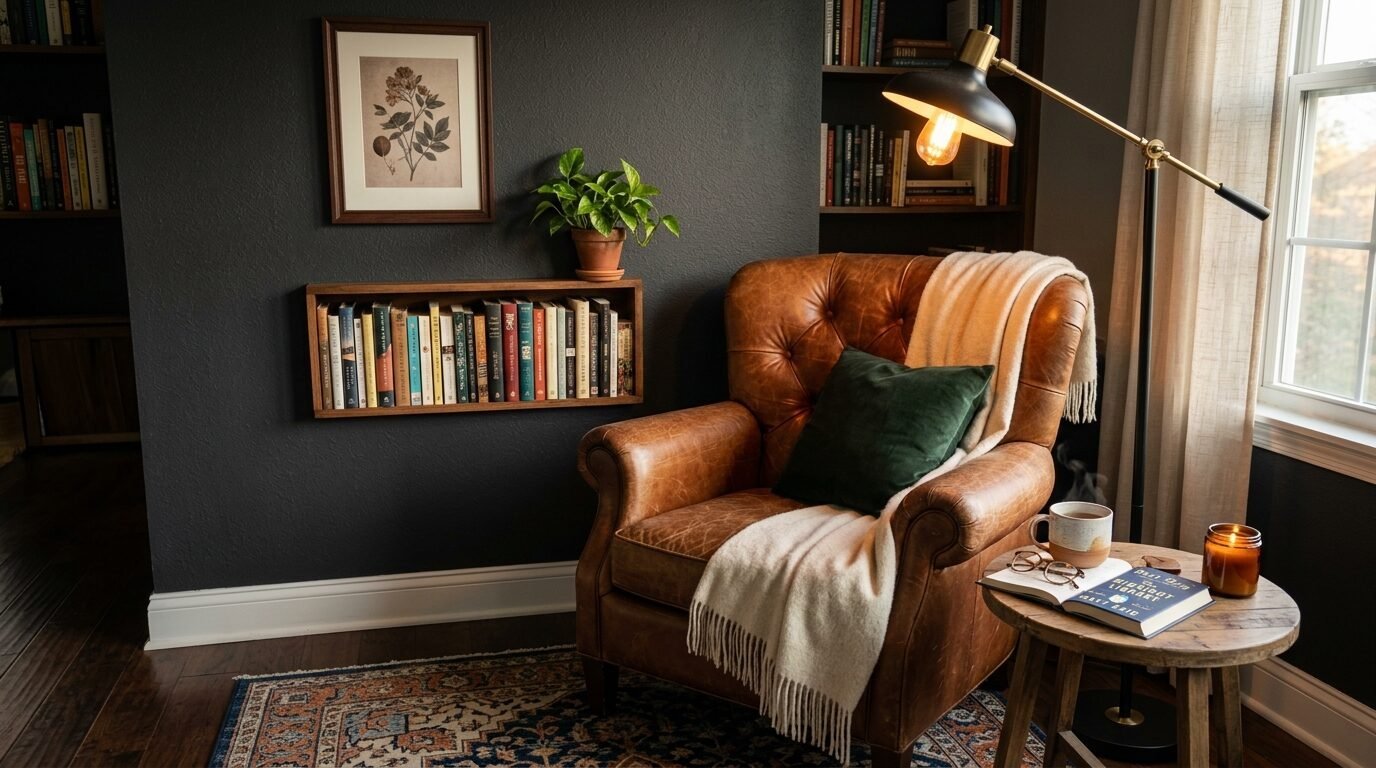
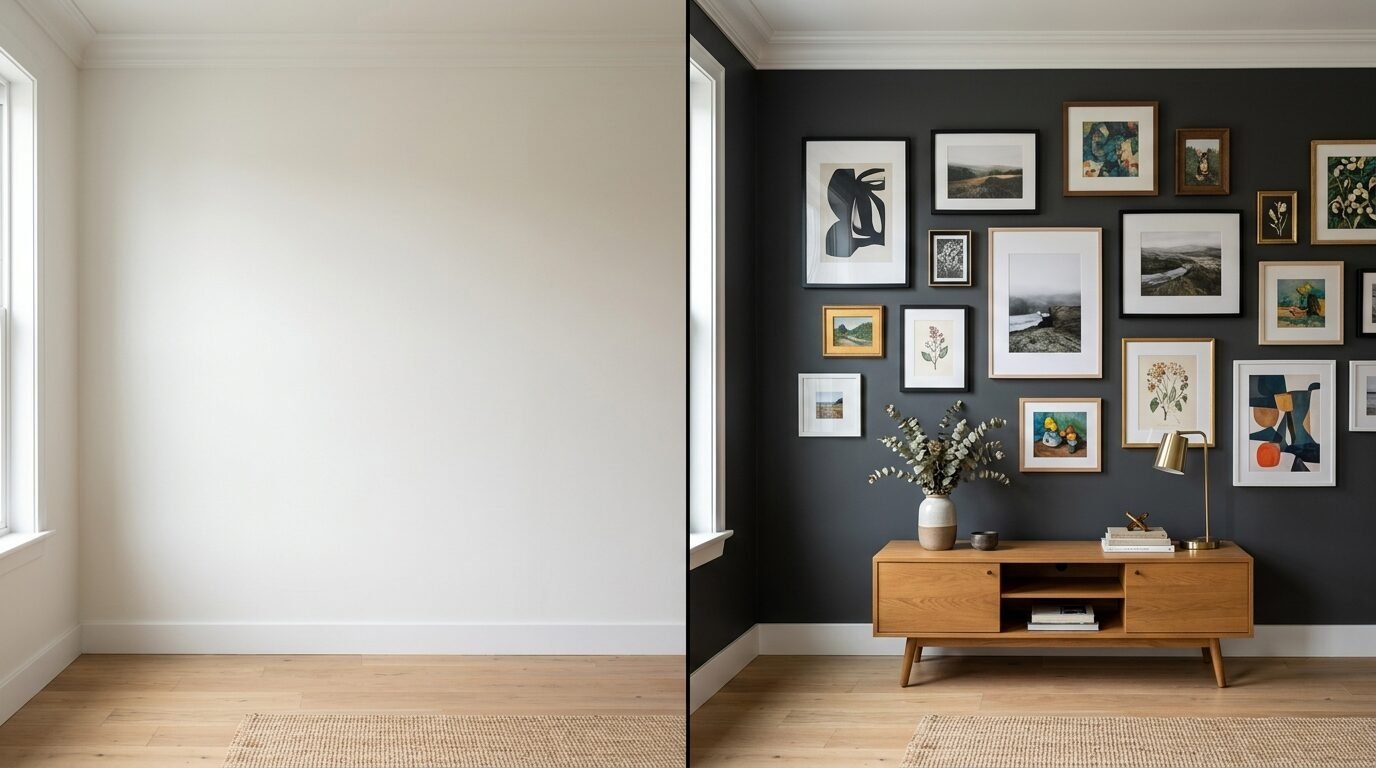
Dark walls are not scary if you choose the right hue. A deep charcoal like Iron Ore by Sherwin Williams creates instant drama. I once painted a small living room entirely dark and it actually felt larger. The corners seem to disappear which creates an infinite feel. This is a top choice for an accent wall for small living room spaces. You must balance the dark paint with light furniture and warm wood accents. Use a matte or flat finish to keep the wall from looking like plastic. Avoid high gloss in dark colors as every bump on the wall will show. Place a large mirror on the opposite wall to bounce light back onto the dark surface.
4. Peel and Stick Botanical Wallpaper
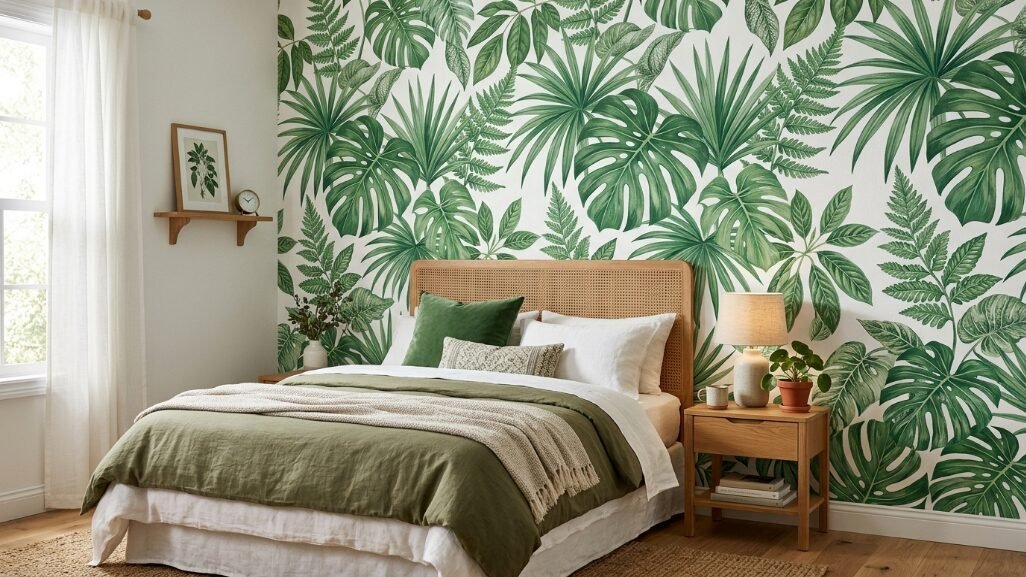
Renters often feel stuck with white walls but peel and stick options changed the game. Brands like Spoonflower or Tempaper offer incredible botanical prints. I suggest choosing a large scale pattern for a living room feature wall. Small patterns can feel too busy or cluttered. I tried a floral print in a guest bedroom last year and it took three hours to finish. Make sure your wall is smooth and clean before you start. Use a plastic squeegee to remove air bubbles as you go. If you make a mistake you just pull it off and start again. It is the most low risk way to try a bold design.
5. Overlapping Gallery Wall
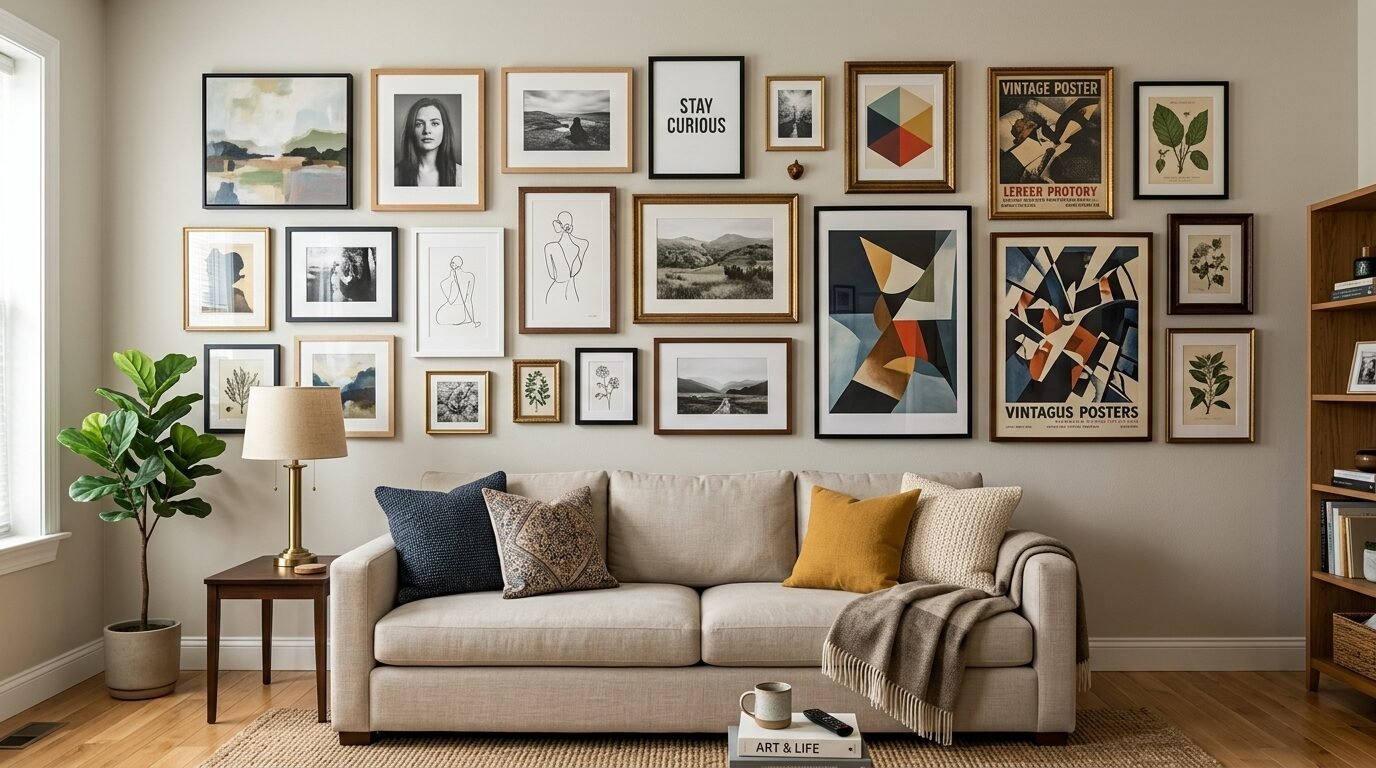
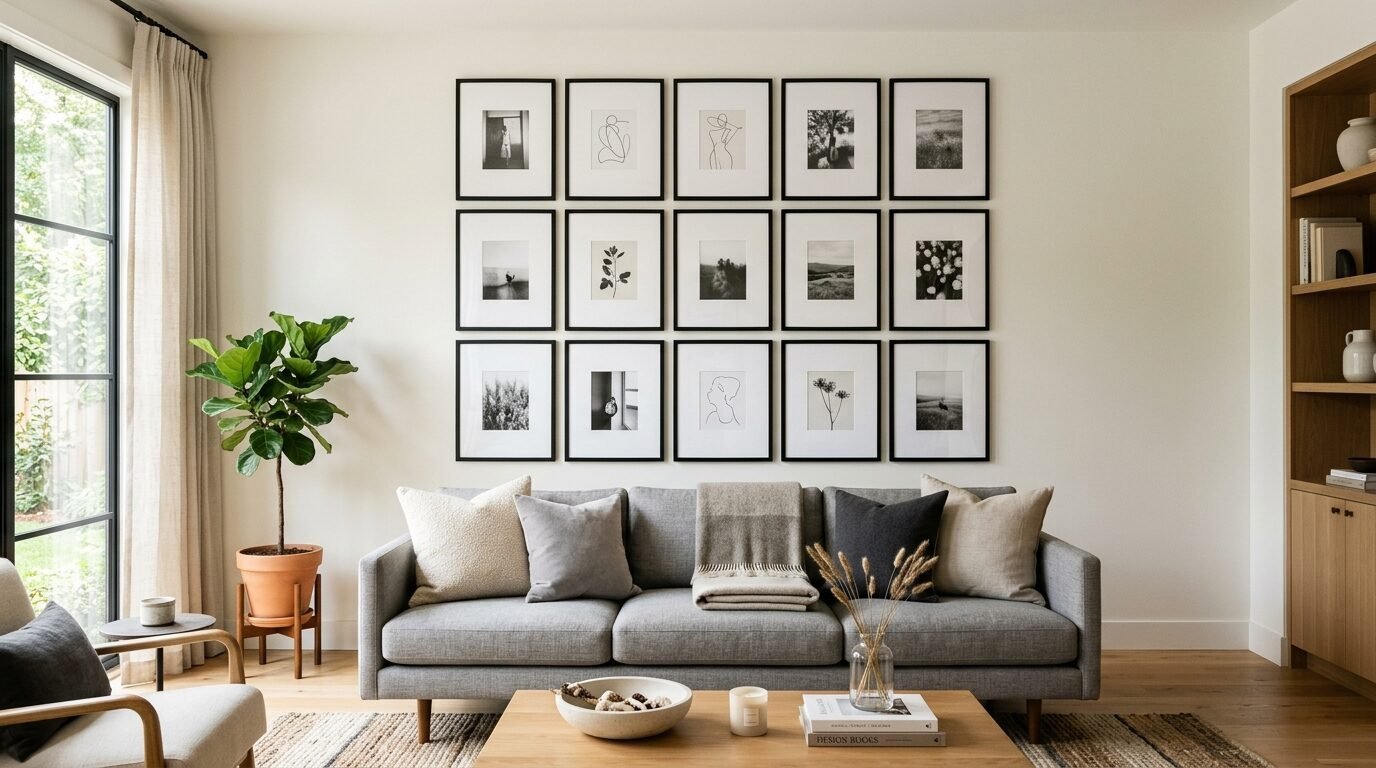
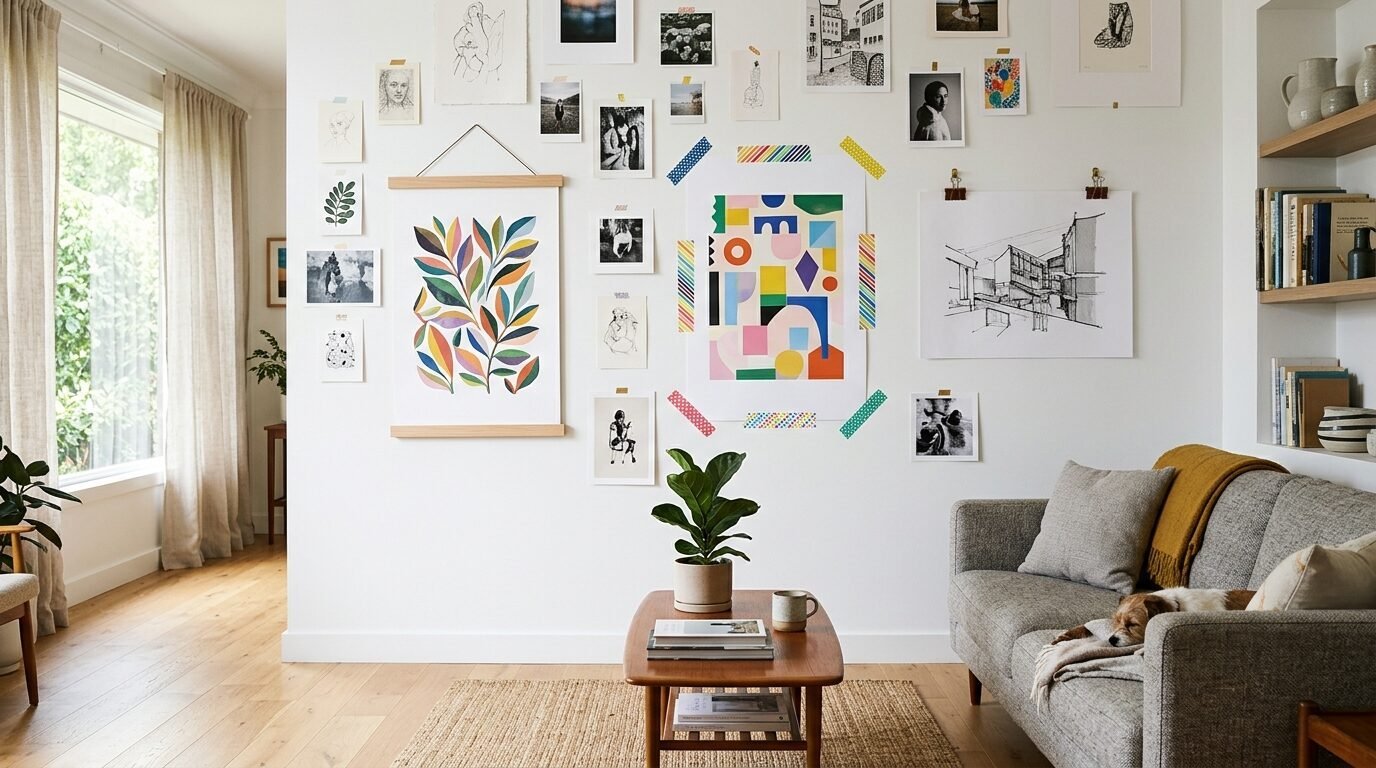
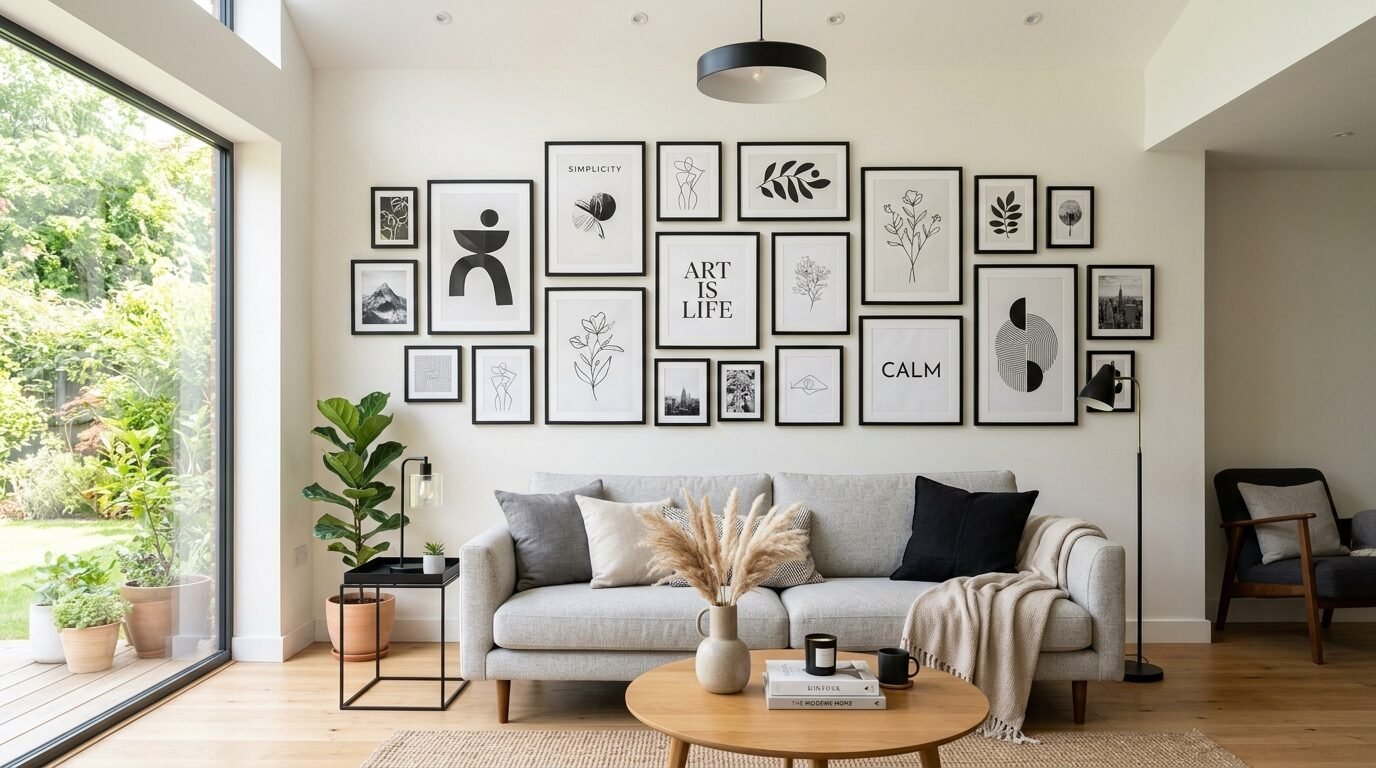
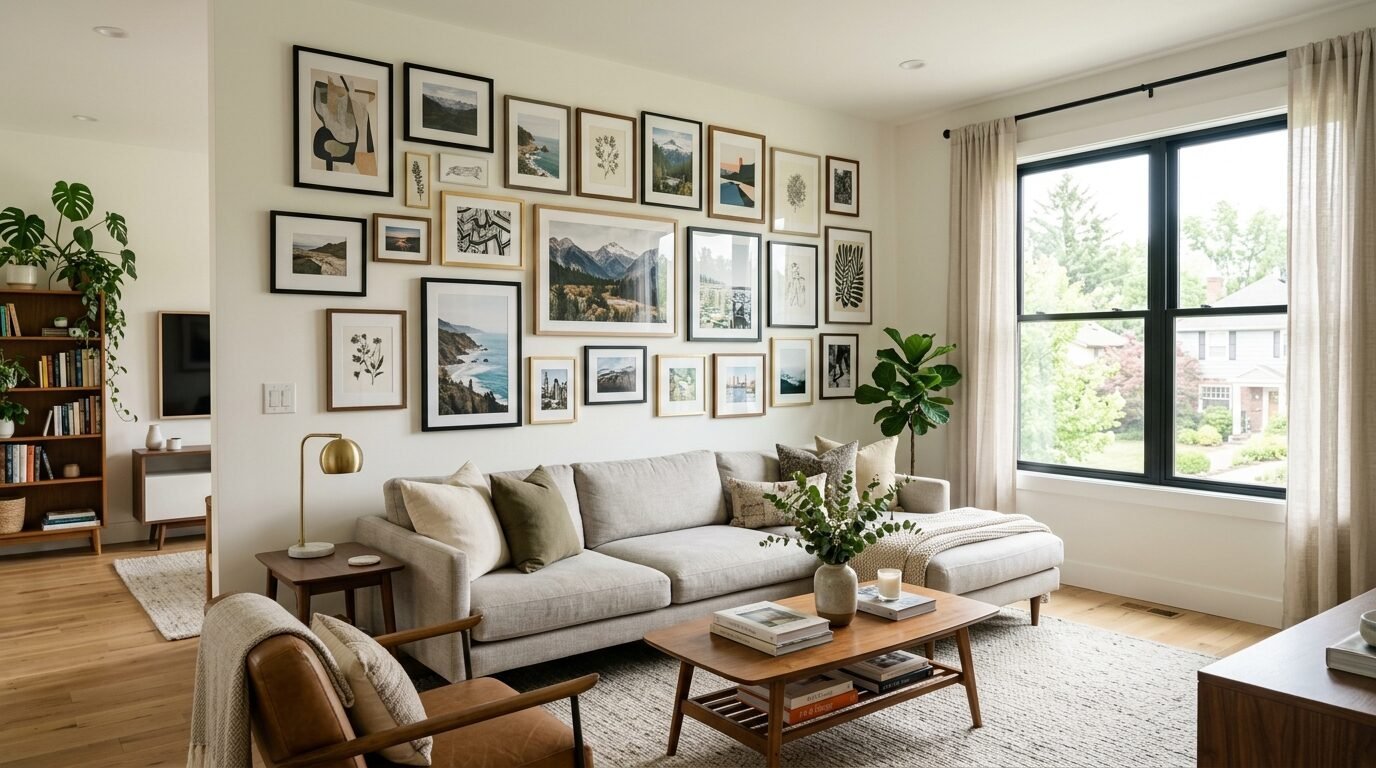
A gallery wall is about more than just hanging pictures. It tells a story of your travels and family history. I prefer mixing different frame styles for a curated look rather than a matching set. Start by laying your frames on the floor to find the right arrangement. Use a mix of photography, sketches, and 3D objects like small baskets. In my experience, keeping the gap between frames around two inches works best. Use Command Picture Hanging Strips if you want to avoid holes in your wall. This is a living wall that grows as you collect more memories. It works perfectly behind a sofa or along a staircase.
6. Modern Board and Batten
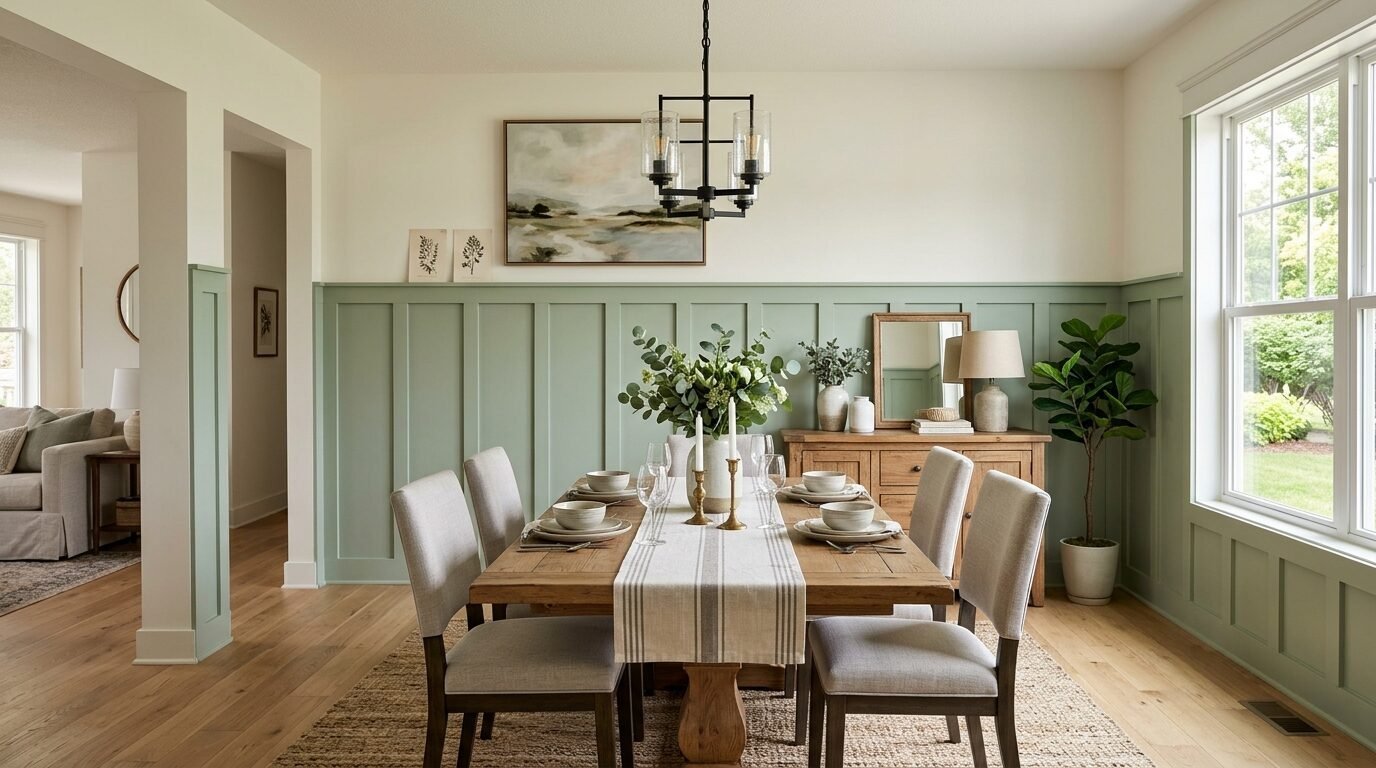
Board and batten adds architectural interest to a plain room. It involves installing vertical strips of wood over horizontal baseboards. I like the look of a three quarter height wall. It creates a ledge where you can lean small art pieces or candles. Use MDF strips for a smooth paint finish or real wood for a rustic feel. I’ve seen this work best in entryways and dining areas. Paint the wood and the wall the same color for a seamless look. This creates shadow lines that change throughout the day. It makes a new construction home feel like it has historic character. Use a level at every step to ensure your lines stay straight.
7. Geometric Paint Patterns
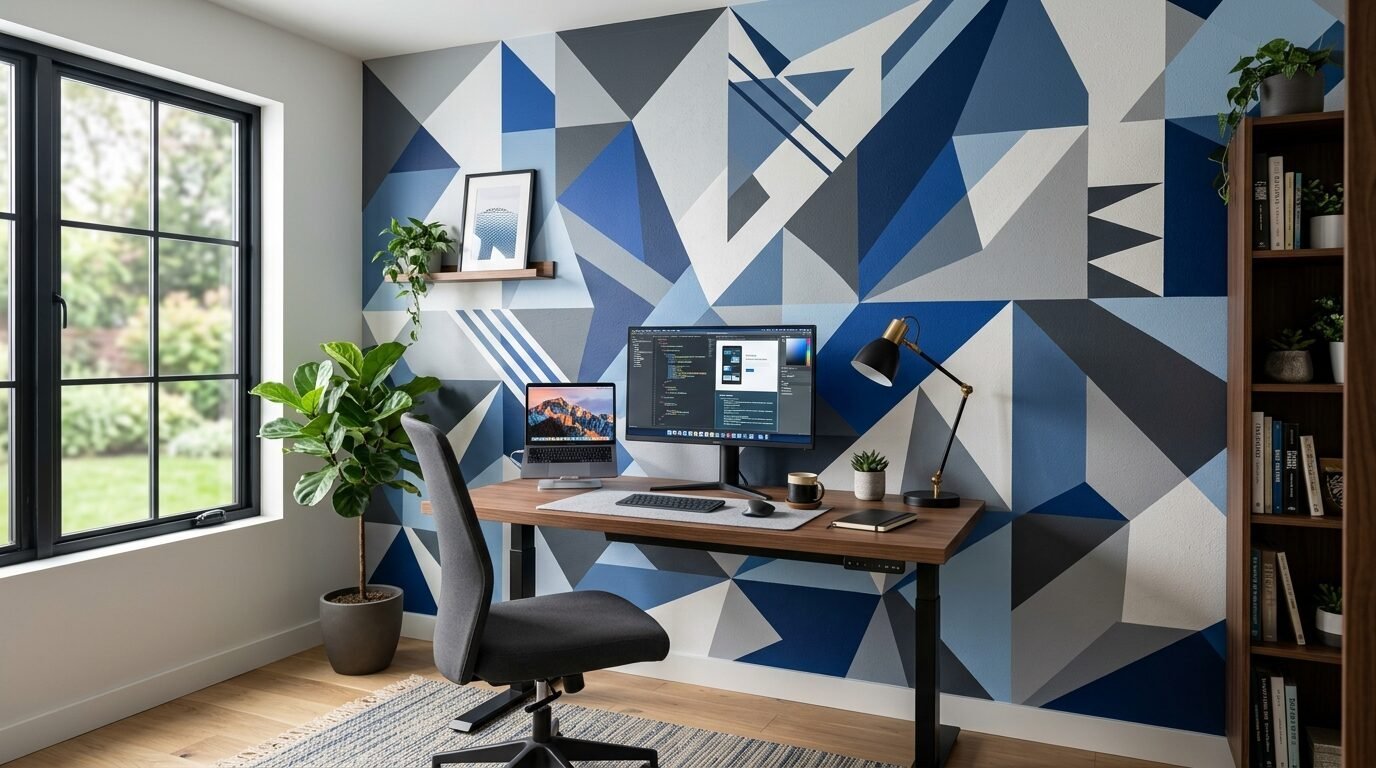
You do not need to be an artist to create a geometric wall. All you need is high quality painter tape like FrogTape and a vision. I recommend sketching your design on paper first. Triangles and sharp angles create a modern energetic vibe. Use two or three colors from the same palette for a cohesive look. I once did a soft sage and cream geometric wall that felt very calming. Pull the tape while the paint is still slightly damp for the sharpest lines. This is a great weekend project that costs less than fifty dollars. It works well in a home office or a child’s play area.
8. Natural Stone Veneer
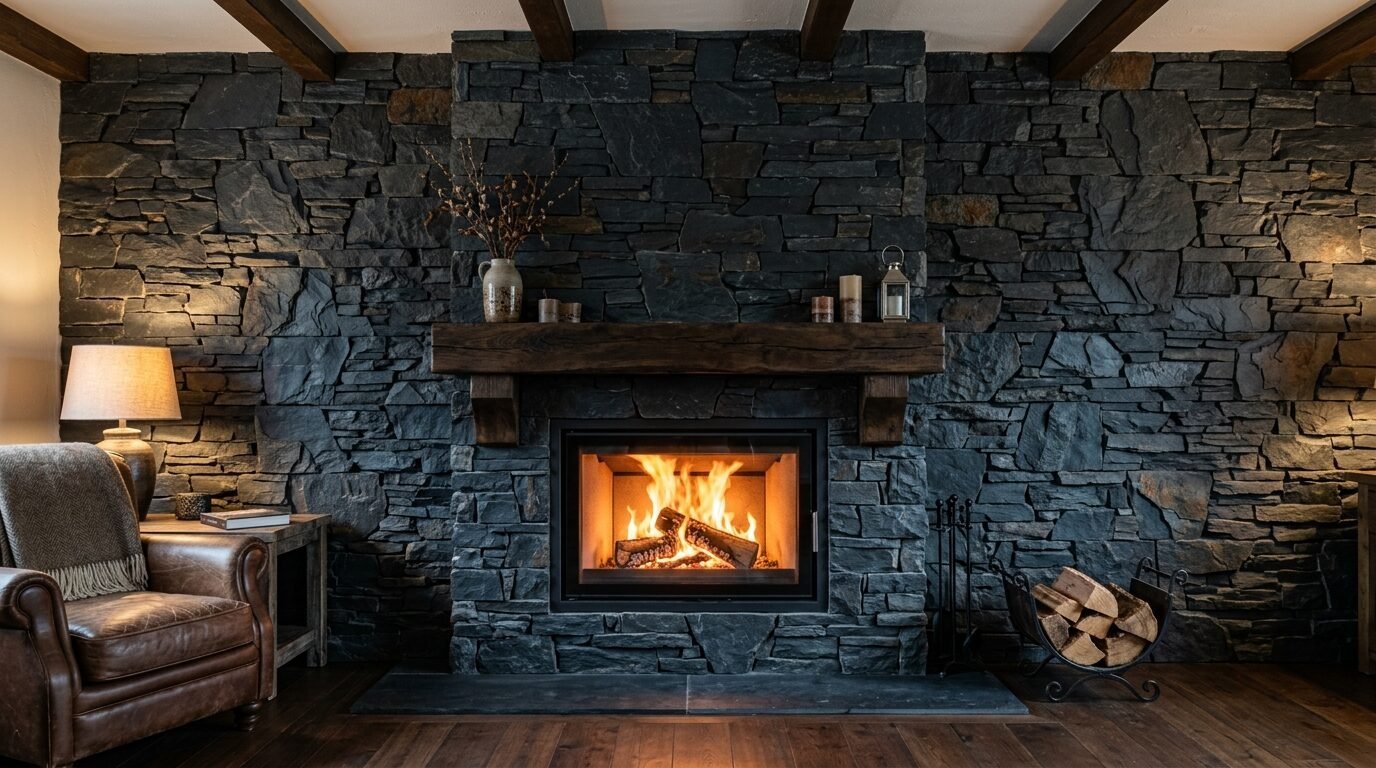
Stone brings an organic accent wall feel that connects the indoors with nature. Real stone is heavy and expensive but thin stone veneers are manageable. You can apply them directly to drywall using a strong adhesive. I saw a fireplace wall covered in slate veneer and it became the soul of the house. The texture is rough and varied which looks great under recessed lighting. It provides a rugged contrast to soft fabrics like velvet or linen. This project takes more time and requires a wet saw for cuts. The result is a high end look that increases your home value.
9. Oversized Statement Art
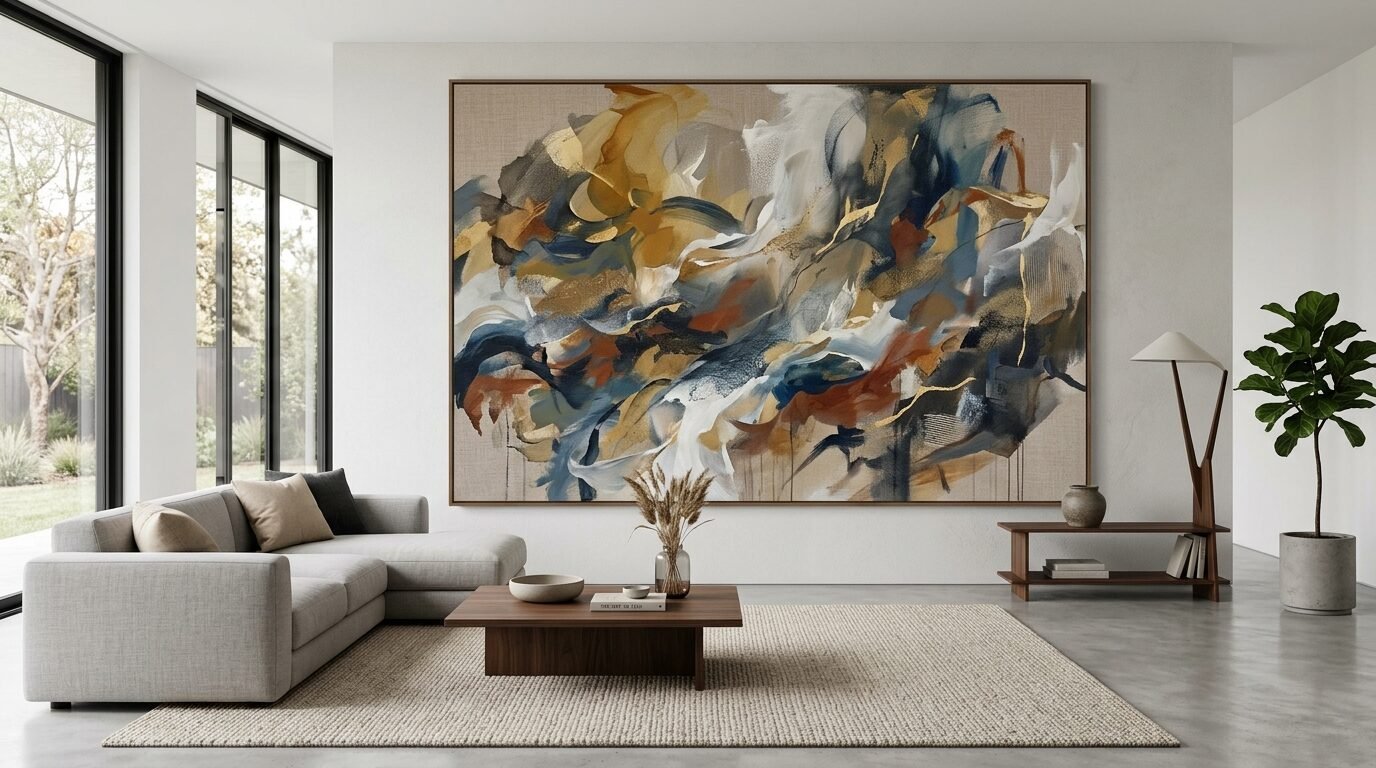
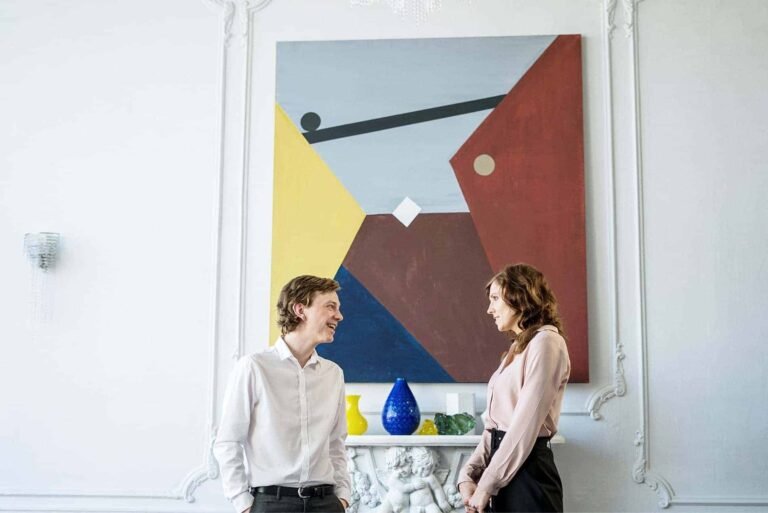
Sometimes one large piece of art is better than ten small ones. A massive canvas can act as a feature wall on its own. I look for pieces that are at least five feet wide for a standard living room. This simplifies the room and creates a clear focal point. You can find affordable large art at stores like West Elm or local estate sales. If you are creative, buy a large drop cloth and paint your own abstract design. Secure the frame into studs because large pieces are heavy. This approach is perfect for people who like a minimalist or modern aesthetic. It feels gallery like and sophisticated.
10. Tactile Grasscloth Wallpaper
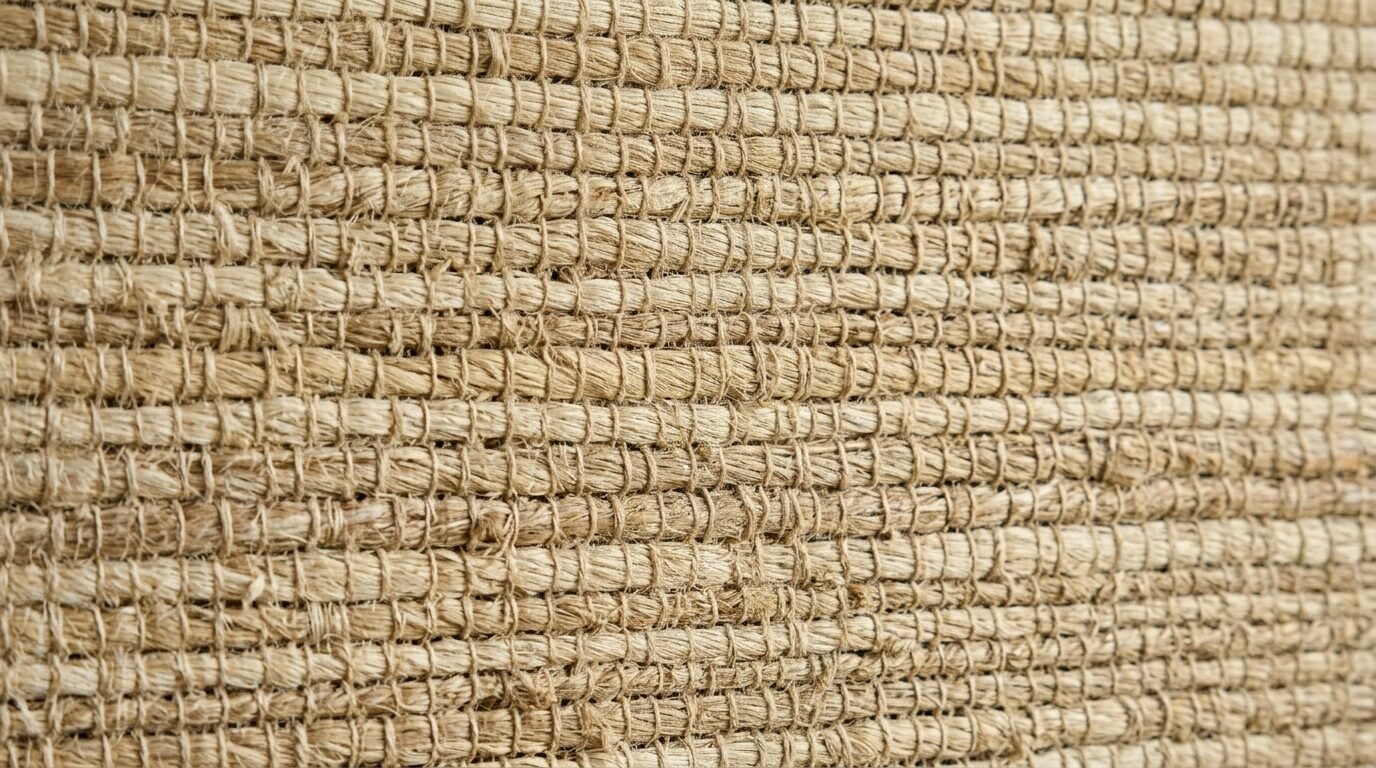
Grasscloth adds a layer of luxury through its natural fibers. It is made from woven seagrass or jute. I love the way it feels to the touch and how it absorbs sound. The seams are usually visible which is a hallmark of the material. Do not try to hide them. Use a professional installer if you are nervous as grasscloth is delicate. It does not handle moisture well so keep it out of bathrooms. In a living room, it adds warmth that paint simply cannot provide. I prefer neutral tones like sand or soft grey to let the texture shine. It is an elegant accent wall living room staple.
11. Framed Wallpaper Panels
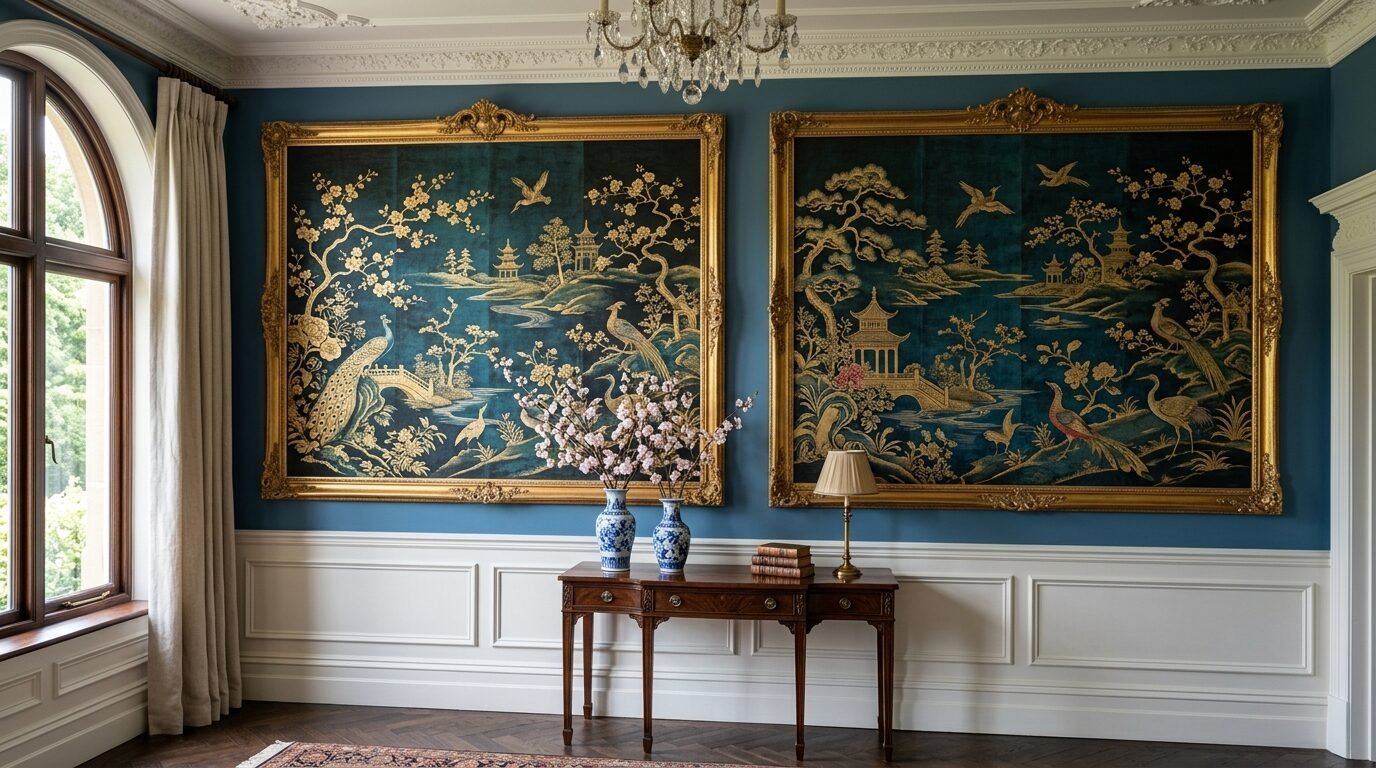
If you love a luxury wallpaper but cannot afford the whole wall, frame it. Buy two or three rolls of high end Chinoiserie or scenic wallpaper. Create large “frames” using decorative wall molding. Install the wallpaper inside these sections. I saw this in a traditional home and it looked like expensive custom murals. It breaks up the wall and adds a classic European feel. You can paint the molding a contrasting color for more pop. This method also makes it easier to change the look later. You only have to remove small sections of paper rather than the entire wall.
12. Painted Archway Shapes
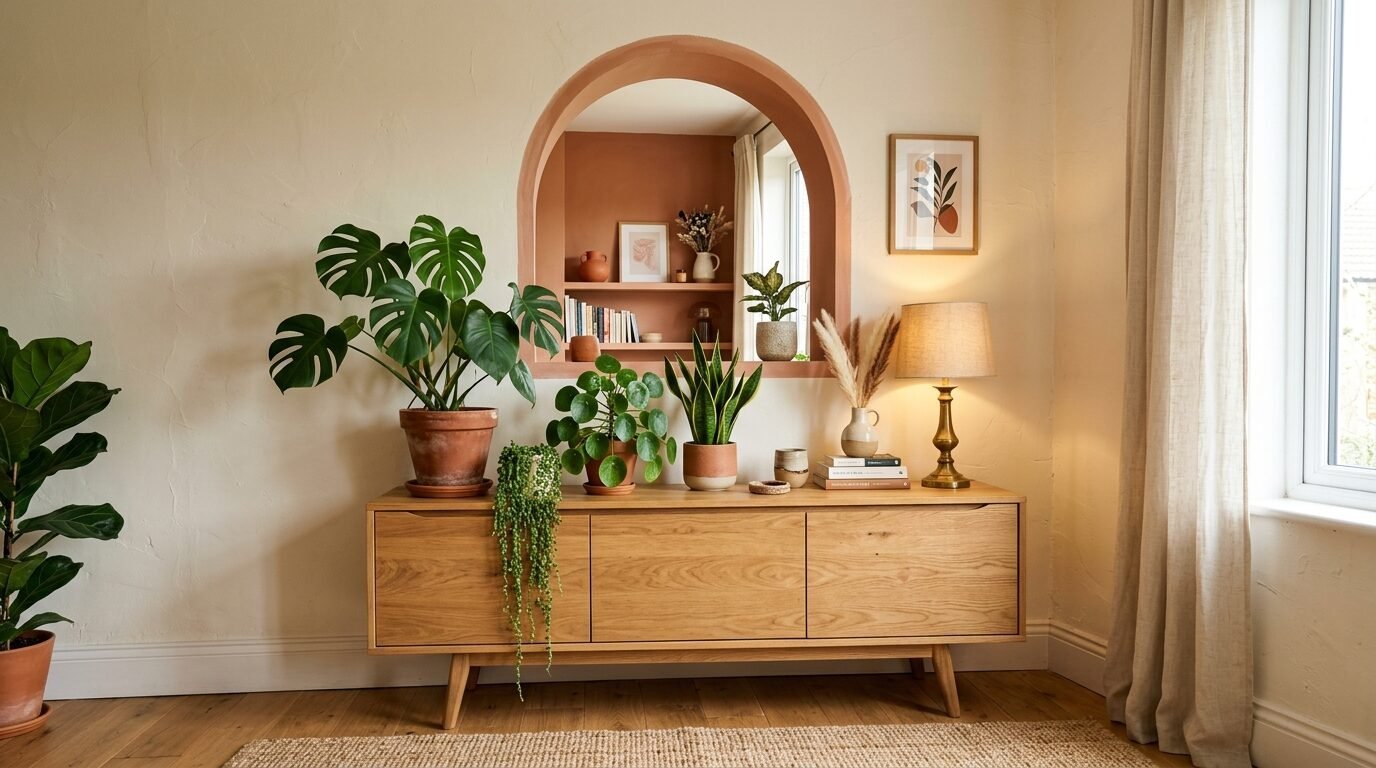
Arches soften the hard lines of a square room. You can paint a large arch behind a TV or a sideboard. Use a piece of string and a pencil to draw a perfect curve. I’ve noticed this works well to define a “zone” in an open concept floor plan. Use a color that is two shades darker than your main wall. It creates a sense of architectural depth without any construction. This is a popular accent wall for living room ideas in 2026. It feels playful yet grounded. I once used a dusty terracotta for an arch in a boho style living room. It instantly made the space feel warmer.
13. Modern Farmhouse Shiplap
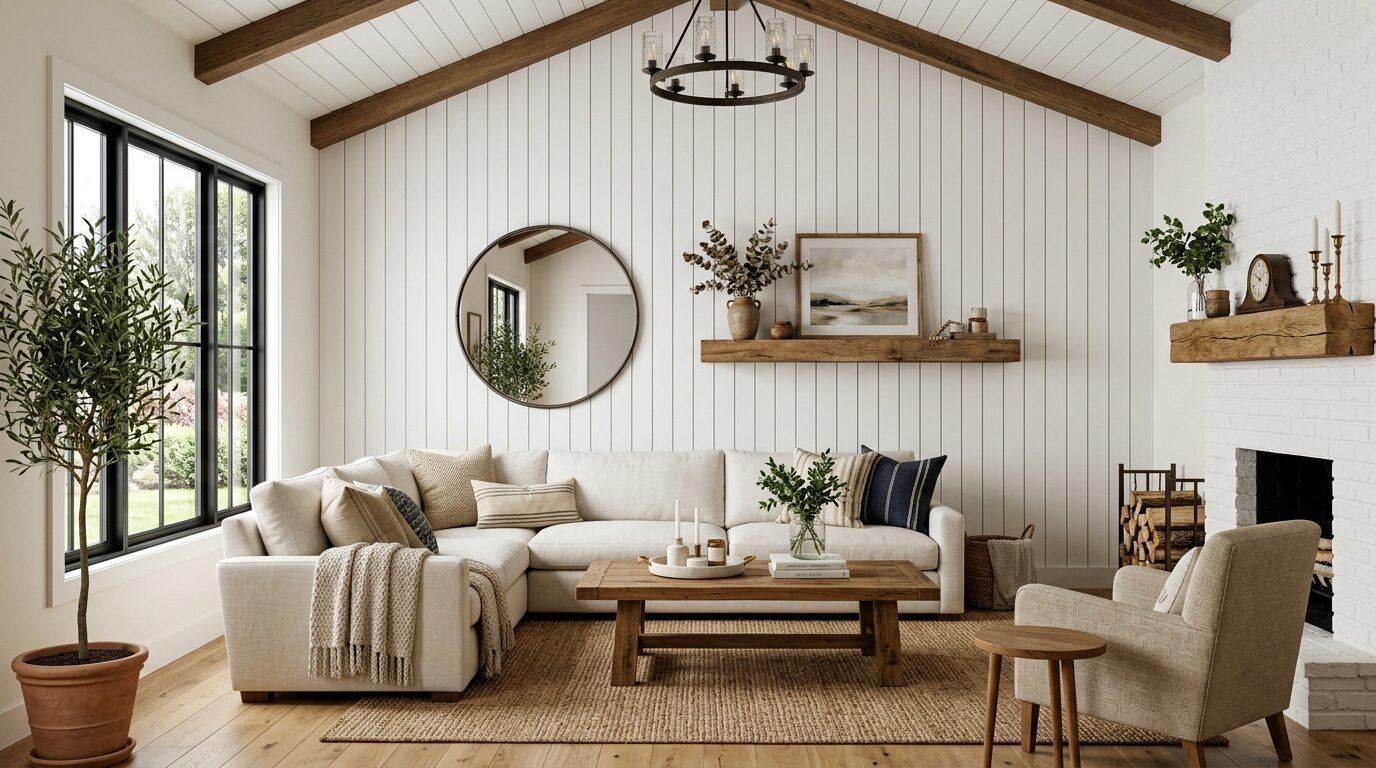
Shiplap is still a favorite for many because of its clean lines. For a modern look, install the boards vertically instead of horizontally. I prefer a “nickel gap” spacing which is about the width of a coin. Paint it a crisp white or a soft charcoal. I’ve seen homeowners use it on a single wall to add subtle texture. It is a durable choice for homes with kids or pets. Use real wood boards for a more authentic feel than plastic panels. It works well in coastal or farmhouse themed rooms. Make sure to find the studs before you start nailing.
14. Color Blocked Corners
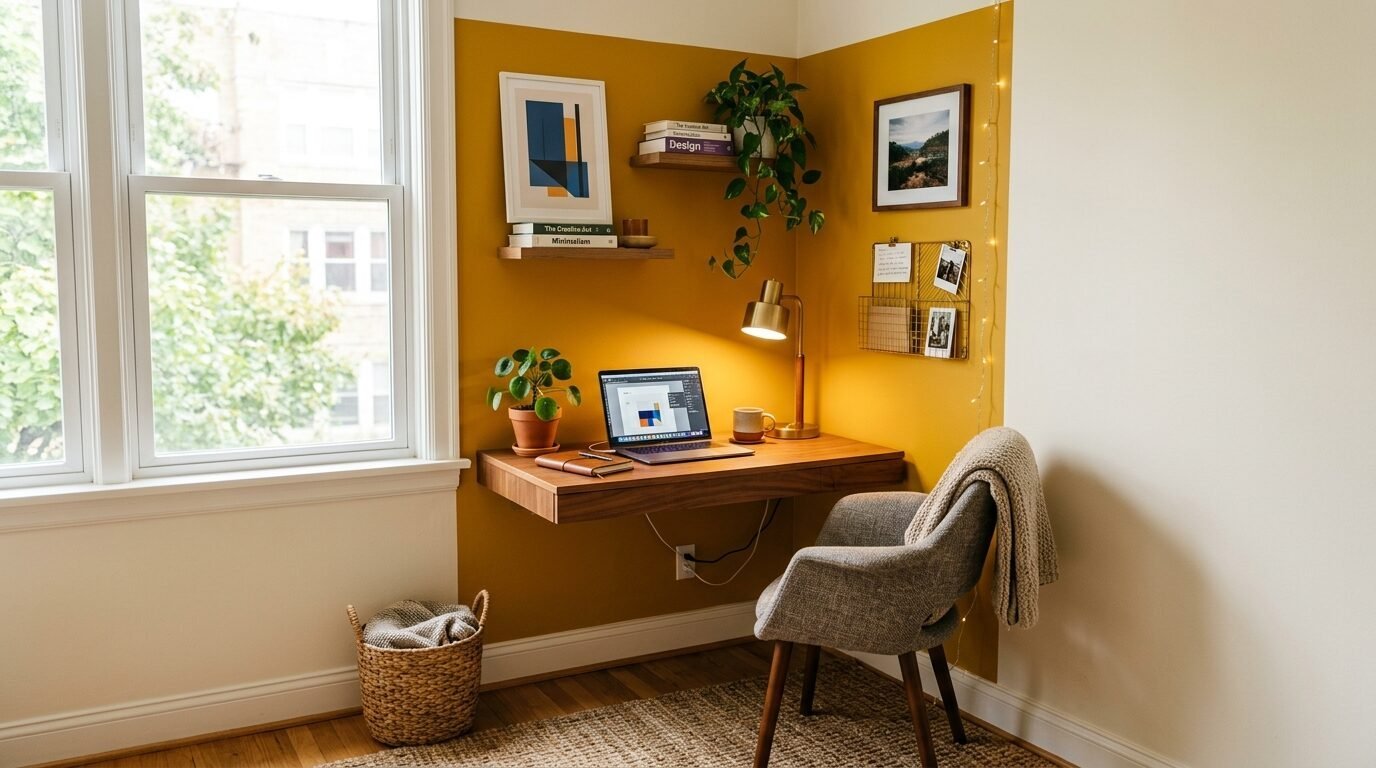
Color blocking does not have to stay on one wall. You can wrap a color around a corner to create a reading nook. This visual trick defines a space without using physical dividers. I tried this in a small apartment to separate the office from the lounge. Use bold contrasting colors for a high energy look. Or use tonal shades for something more sophisticated. I’ve seen this work best with mid century modern furniture. It is a great way to use up leftover paint from other projects. Keep the furniture within the colored zone to reinforce the idea.
15. Floor to Ceiling Library
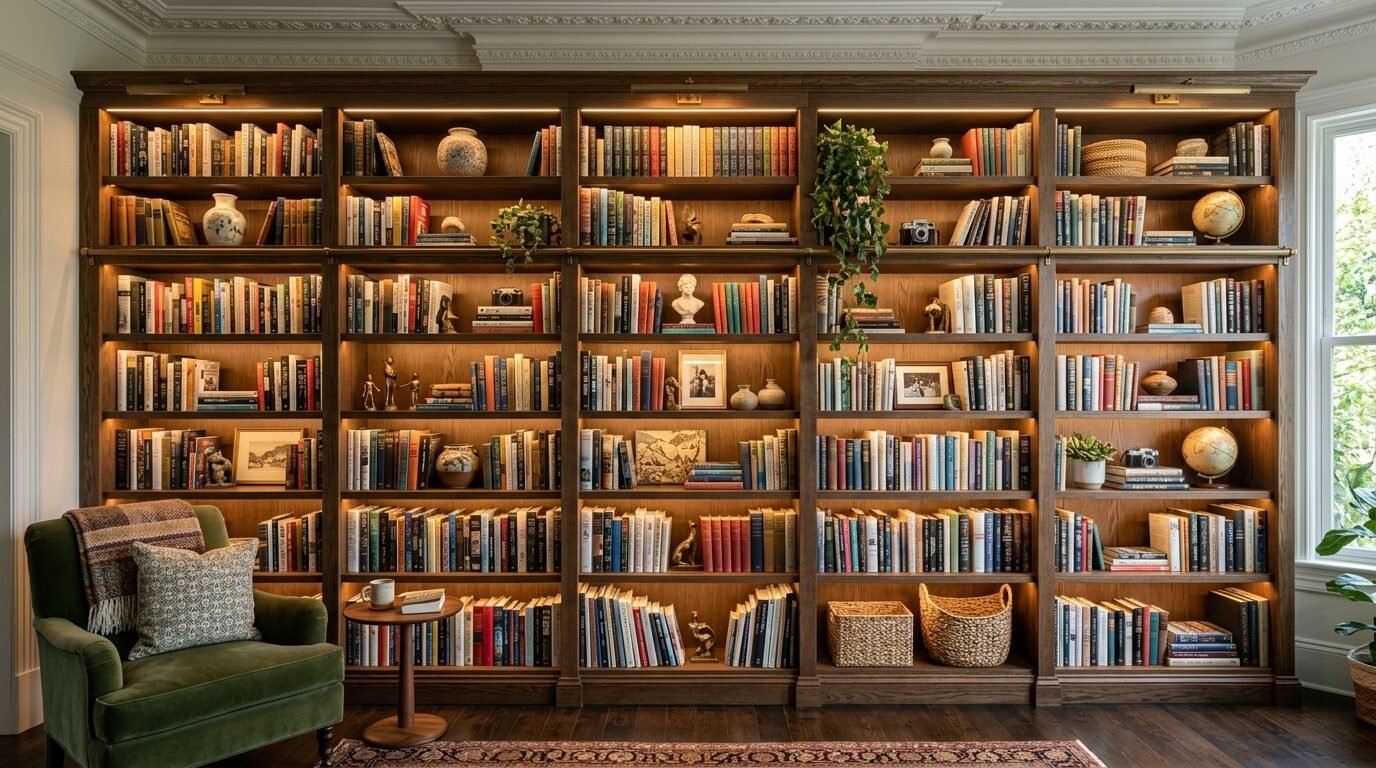
A wall of books is the ultimate accent for a home. Use IKEA Billy bookcases and add trim to make them look built in. I’ve seen this transform a standard room into a scholarly retreat. Arrange books by color for a Pinterest worthy look or by subject for a classic feel. Include some open shelving for vases and small sculptures. This adds massive amounts of storage while looking beautiful. In my experience, adding lighting at the top of the shelves makes a huge difference. It glows at night and makes the room feel expensive. This is a functional and beautiful feature wall.
16. Antiqued Mirror Wall
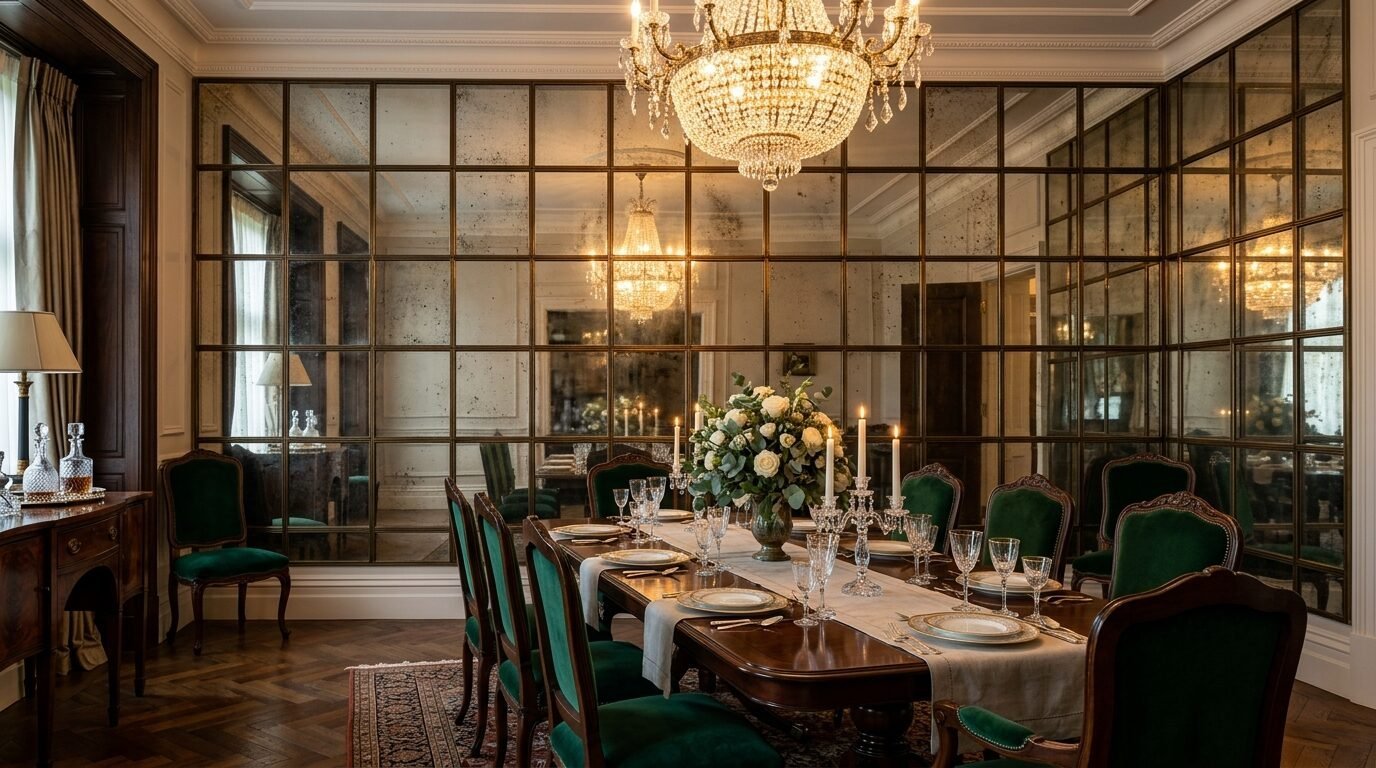
Mirrors are great for an accent wall for small living room layouts. They bounce light and double the visual space. Instead of standard clear mirrors, try antiqued or foxed glass. This has a mottled metallic finish that looks vintage. I saw a dining wall covered in mirrored tiles and it felt like a French bistro. It adds a touch of glam without being too shiny. You can buy mirrored panels that are easy to install with specialized adhesive. This works especially well in rooms that lack windows. It creates a “window” where there is only a wall.
17. Exposed Brick Slips
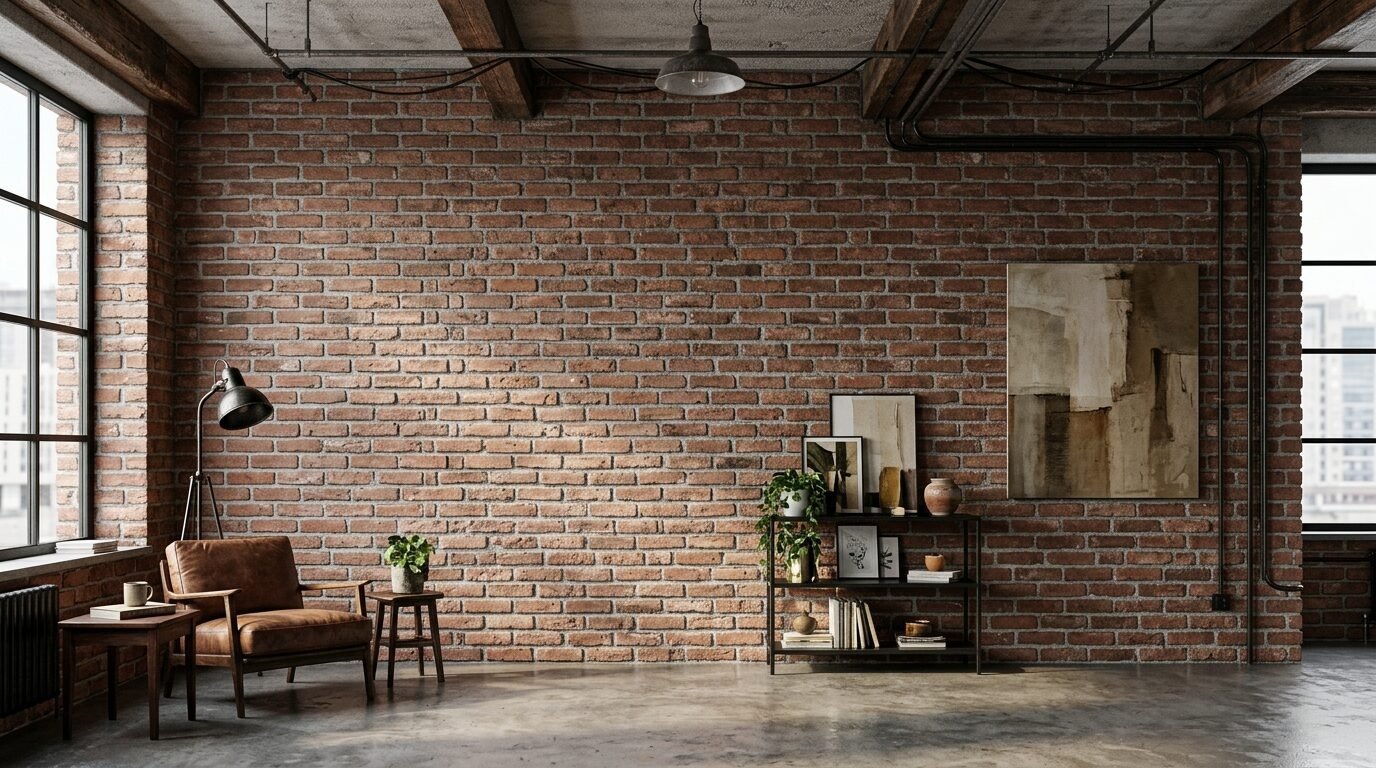
If your home does not have real brick, use brick slips. These are thin slices of real brick that you install like tile. I love the industrial loft vibe they bring to a living room. You can leave them natural or paint them white for a “whitewashed” look. I’ve seen this work perfectly behind a wood burning stove. The texture is unmatched and it feels permanent and solid. Use a grey grout for a traditional look or white for a modern feel. It is a messy project but the payoff is incredible. It adds a sense of history to a new building.
18. Stenciled Pattern Designs
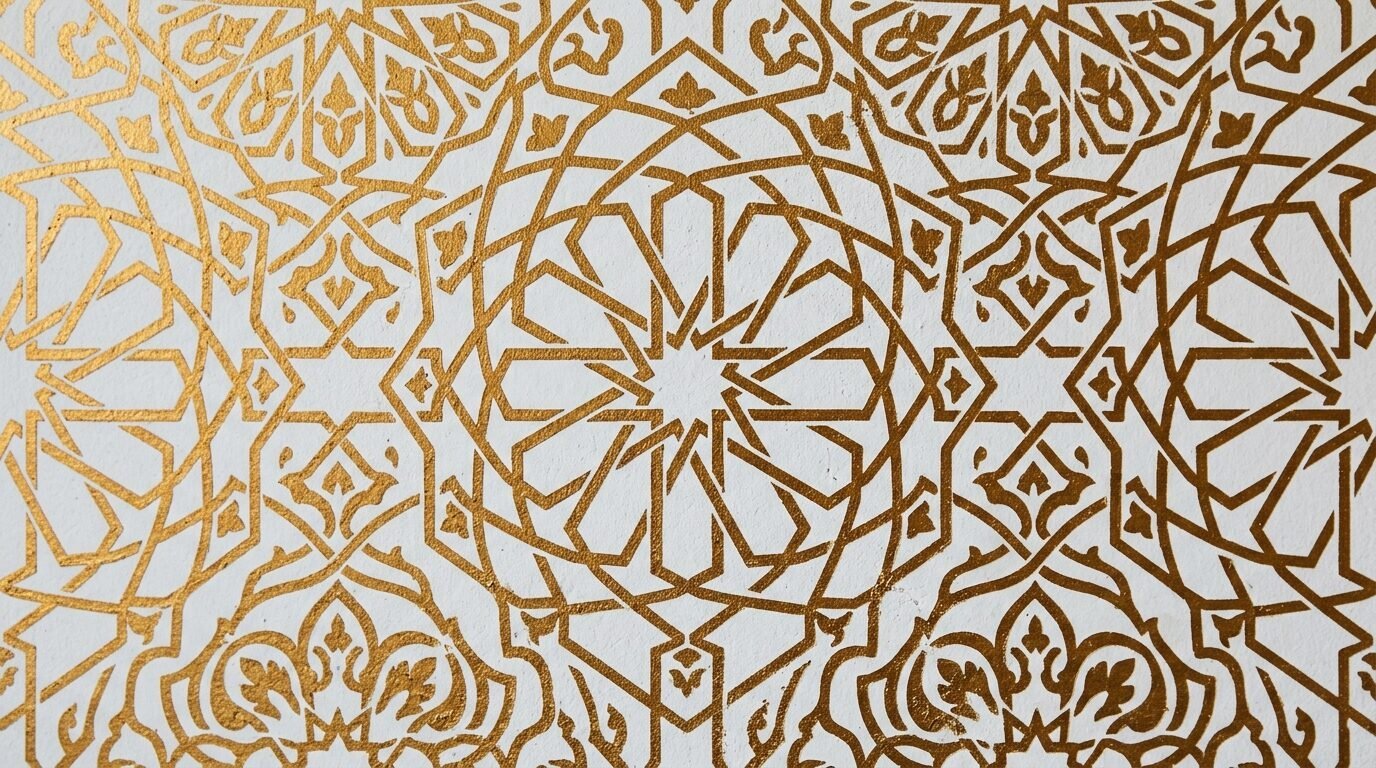
Stenciling allows you to get the look of wallpaper for a fraction of the cost. You can find large scale stencils online that mimic expensive tile or Moroccan patterns. I suggest using a “dry brush” technique to avoid paint bleeding under the stencil. I once spent a Saturday stenciling a wall and the result looked like custom tile. Use a level to keep the pattern straight as you move across the wall. This is a great way to add a subtle pattern using a metallic paint over a matte base. It catches the light in a beautiful way.
19. Velvet Upholstered Panels
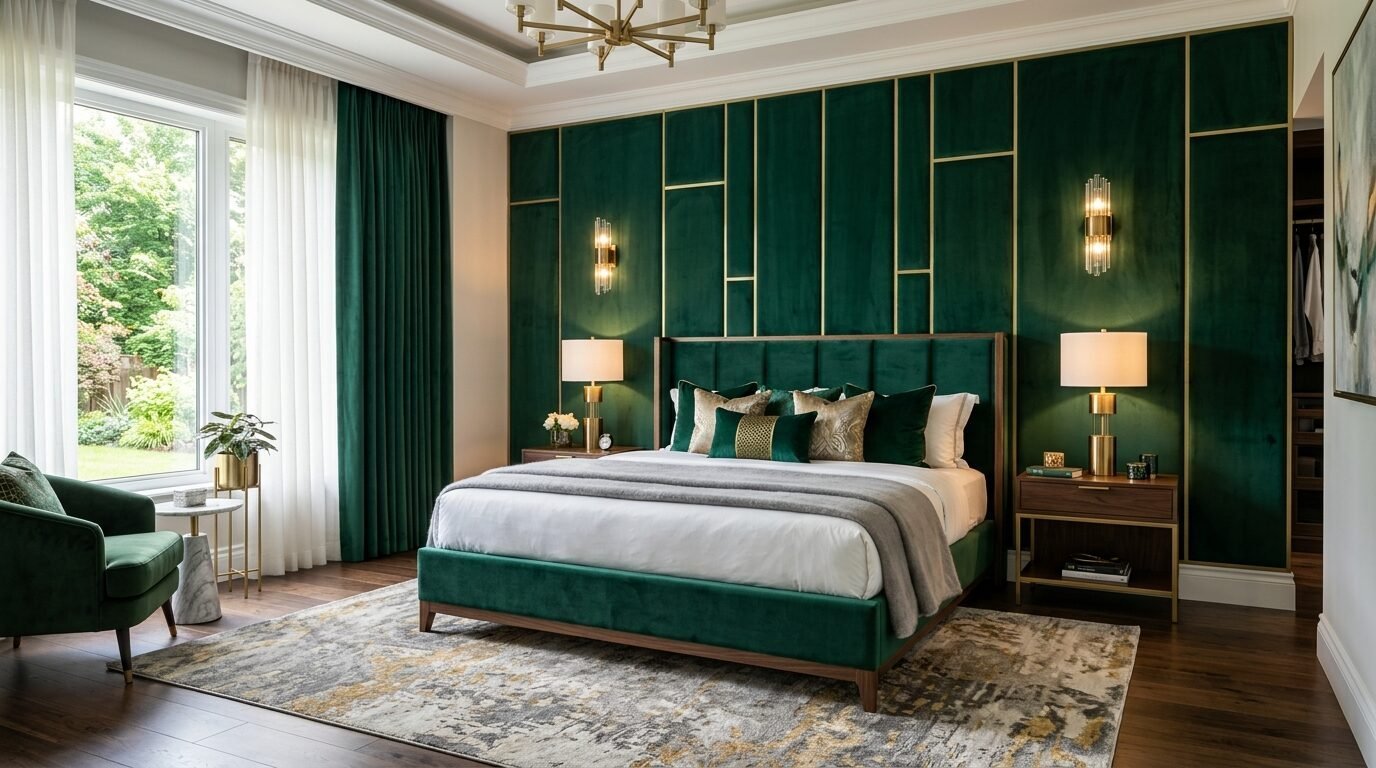
For a touch of extreme luxury, consider fabric panels. You wrap plywood panels in foam and velvet and mount them to the wall. This creates a soft padded surface that feels like a high end hotel. I’ve seen this used behind a sofa to create a built in headrest effect. It is also excellent for soundproofing a media room. Use a rich jewel tone like emerald or navy for maximum impact. It feels incredibly cozy and warm. This project requires some basic upholstery skills but is very rewarding. It is the height of elegant accent wall living room design.
20. Two Tone Horizontal Split
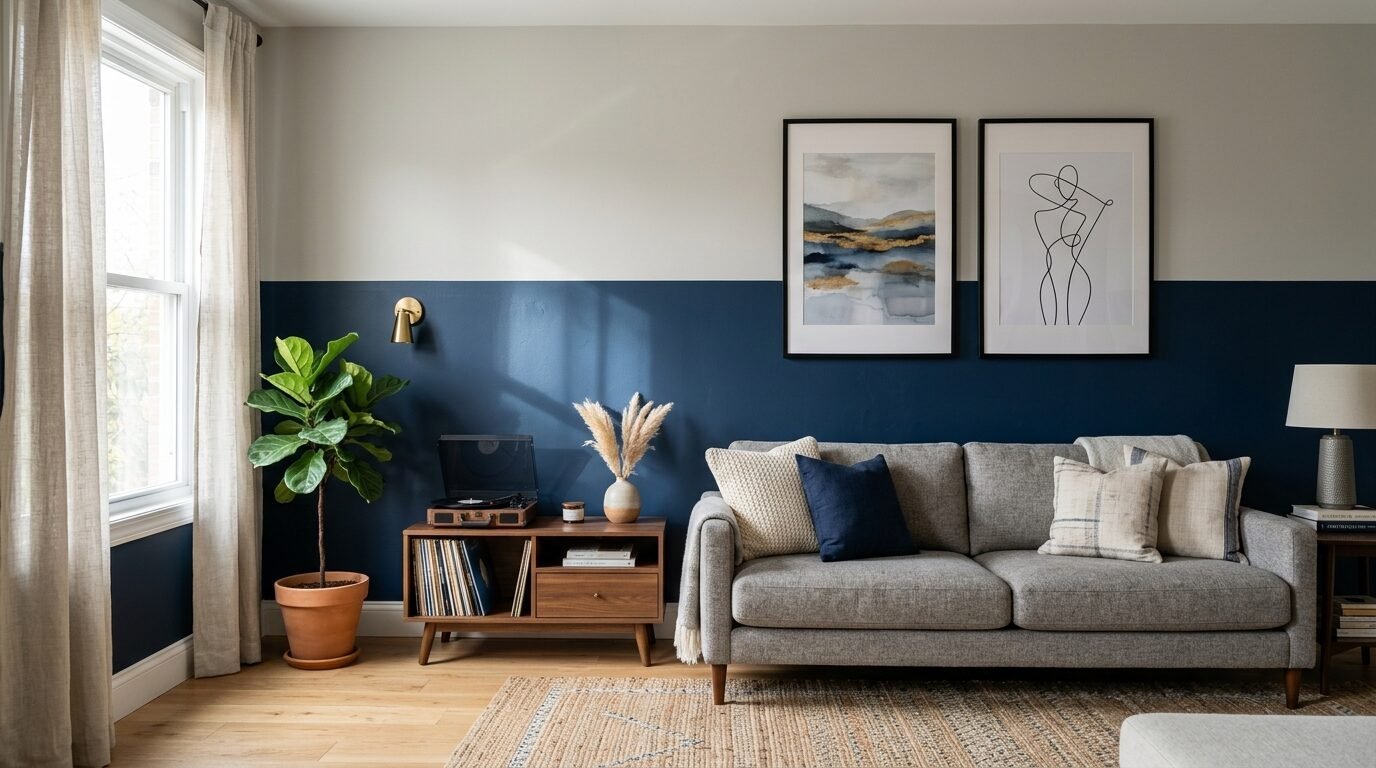
A horizontal split is a simple way to add interest. Paint the bottom third of the wall a darker color and the top two thirds a lighter shade. I noticed this helps ground a room with very high ceilings. It creates a “horizon line” that feels calm and balanced. Use a chair rail molding to hide the transition for a traditional look. Or leave a clean paint line for a modern feel. I’ve seen this work with a dark navy on bottom and a light grey on top. It makes the room feel structured and intentional.
21. Reclaimed Wood Planks
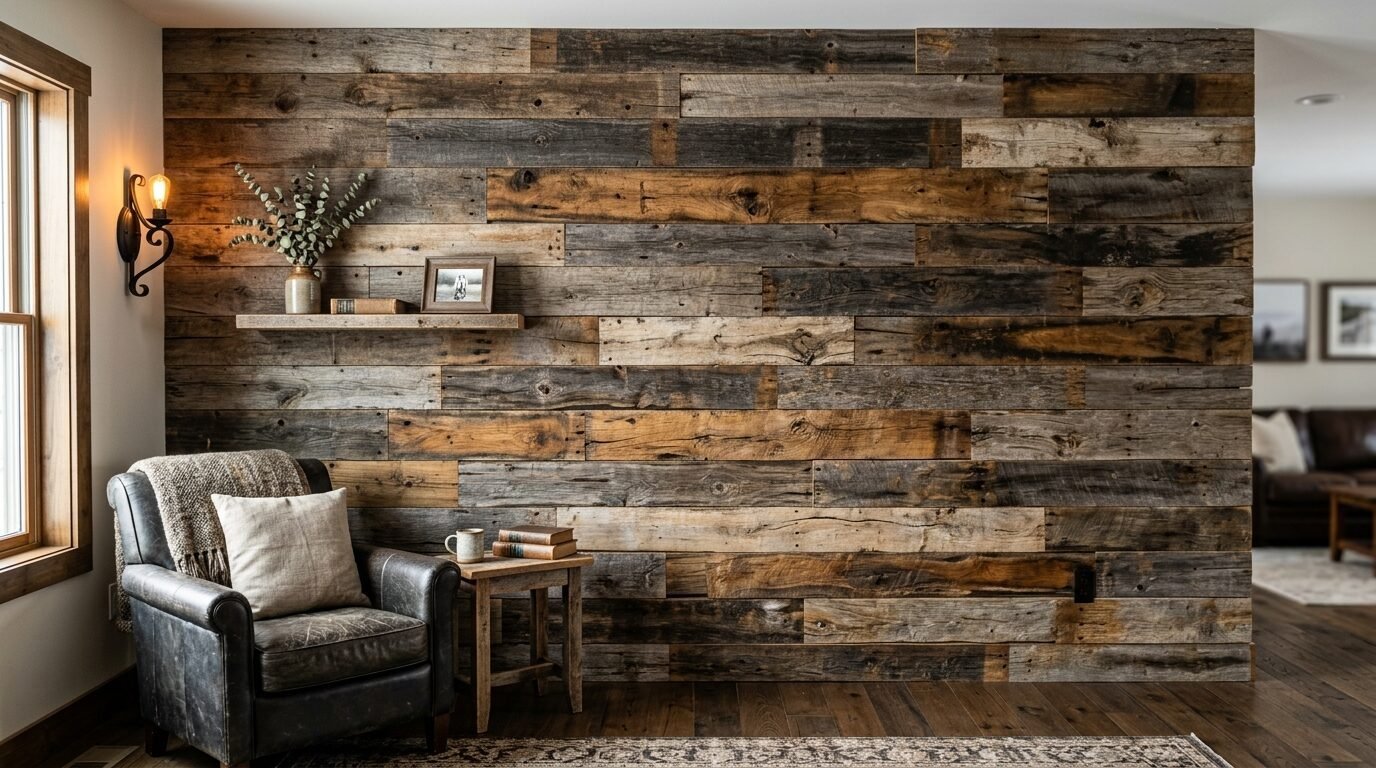
Reclaimed wood brings a story and warmth to your home. Use old barn wood or pallet wood for a rustic look. I love the varied colors and textures of weathered timber. Brands like Stikwood offer real wood planks with a peel and stick backing. I saw a living room with a reclaimed oak wall and it felt like a mountain cabin. It is a sustainable choice that uses recycled materials. Ensure the wood is properly treated for indoor use to avoid pests. The natural knots and cracks add character that new wood lacks.
22. Metallic Plaster Finish
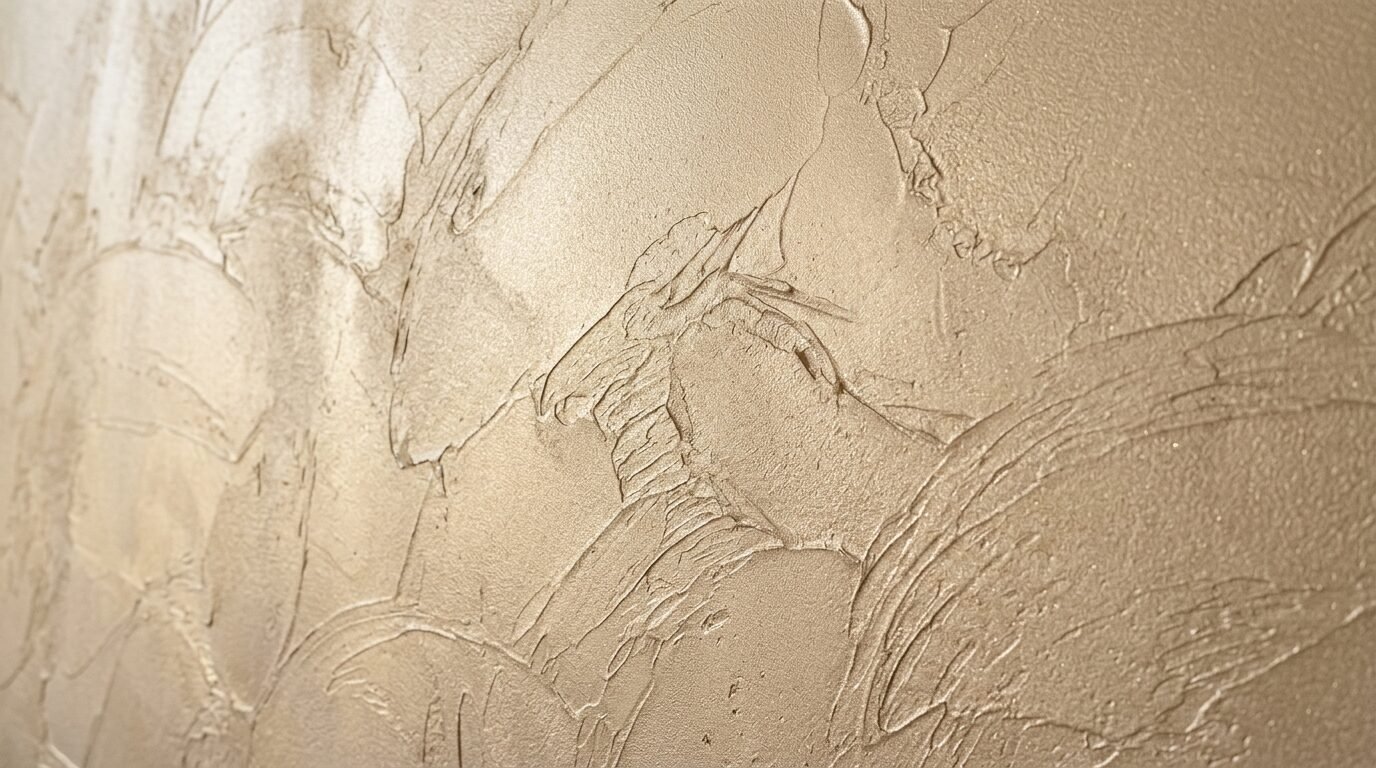
Metallic plaster adds a soft shimmer that feels sophisticated. It is a Venetian plaster technique that includes metallic pigments. I’ve seen it used in modern condos to add a “glow” to the walls. It requires a trowel to apply in thin layers. The result is a smooth polished surface that reflects light. It feels like living inside a piece of jewelry. I prefer champagne or soft gold tones over bright silver. This is a high end finish that usually requires a professional. However, a dedicated DIYer can learn the technique with some practice.
23. Cork Tile Mosaic
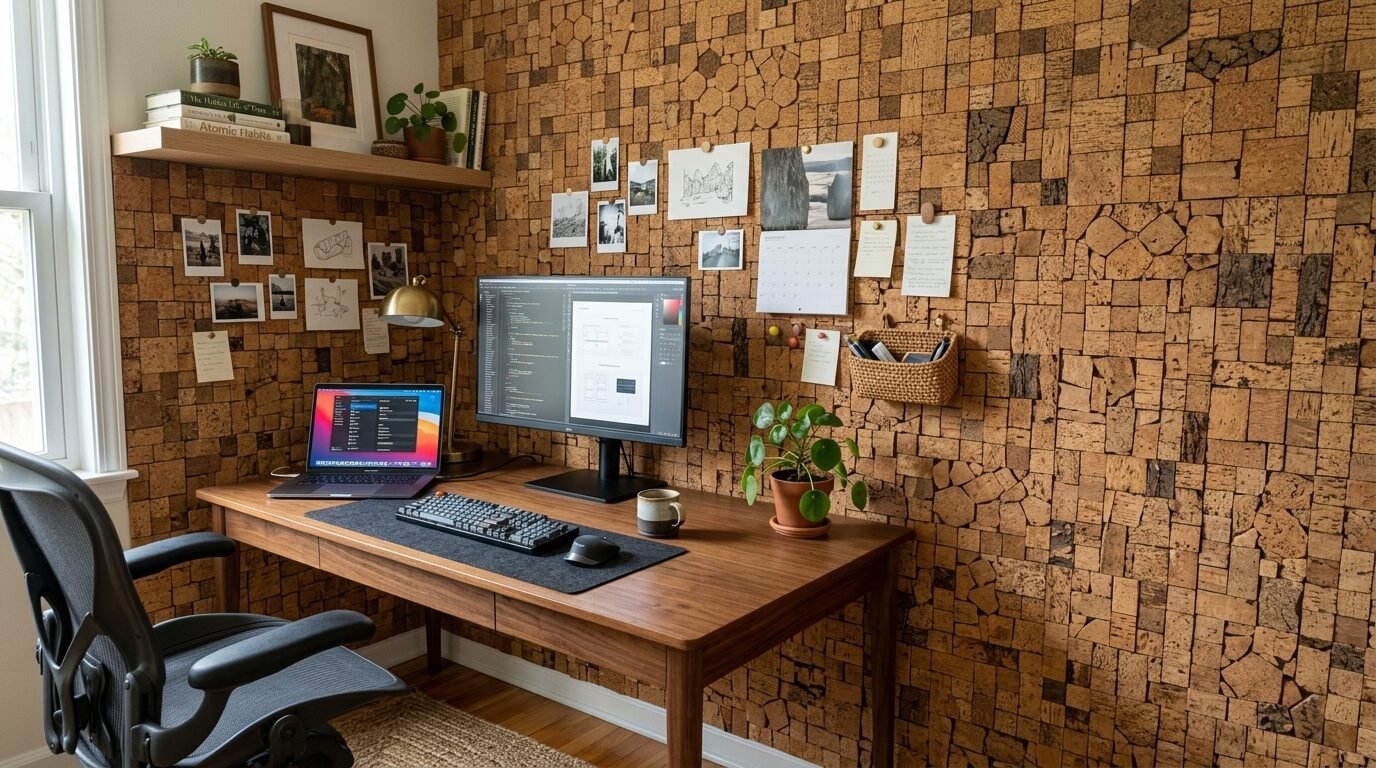
Cork is an eco friendly material that is often overlooked. You can buy cork tiles in various shades and thicknesses. I saw a home office where one wall was entirely cork. It acted as a giant mood board for the owner. It is naturally antimicrobial and provides great insulation. The organic texture fits perfectly with the organic accent wall trend of 2026. Use a mix of dark and light cork tiles to create a mosaic pattern. It is easy to install with simple adhesive. It feels soft and quiet.
24. Hand Painted Mural
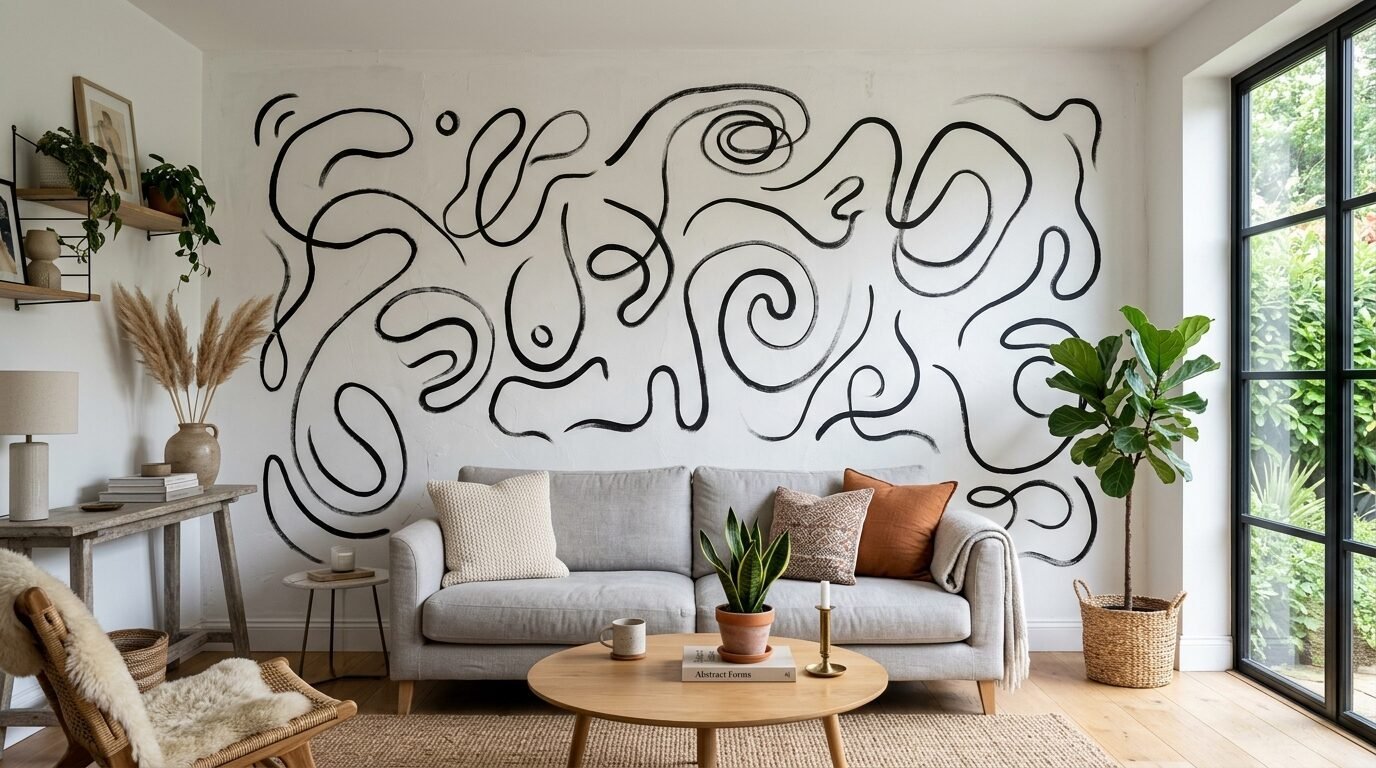
If you have a steady hand, paint a simple mural. You do not need to be a master painter. Think of large abstract shapes or simple line art. I’ve seen beautiful murals that are just black lines on a white background. It makes the wall feel like a giant canvas. If you are not confident, use a projector to trace a design onto the wall. This ensures your proportions are correct. A mural is the ultimate way to make your home unique. It reflects your personality more than any store bought item.
25. Large Format Tile
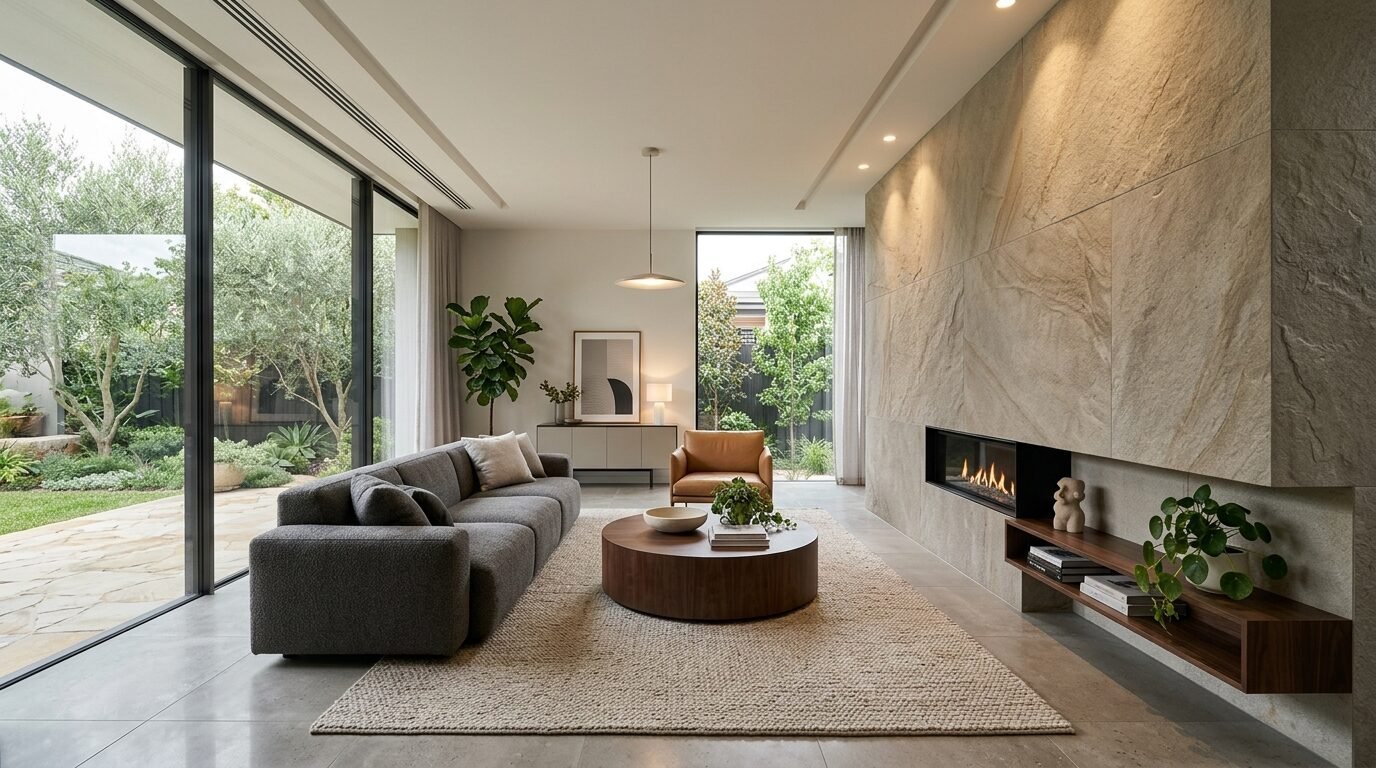
Tiling a living room wall is a bold and modern move. Use large 24×48 inch porcelain tiles for a seamless look. I saw a feature wall in a desert home made of matte sandstone tiles. It felt cool and architectural. This is a great choice if you have a fireplace on the same wall. It creates a cohesive look that is very easy to clean. Use a matching grout color to make the lines disappear. It is a permanent choice so pick a neutral color you love. It adds a level of polish that paint cannot achieve.
Frequently Asked Questions
What is the best wall for an accent wall?
The best wall is usually the one your eyes land on first. This is often the wall behind the sofa or the fireplace. I’ve noticed that walls without windows or doors work best. They provide a clean canvas for your design.
Should an accent wall be darker or lighter?
Most people choose a darker color to create depth. A dark wall pulls the eye in and makes the other walls pop. However, in a very dark room, a lighter textured wall can help brighten the space. I’ve seen both work depending on the natural light.
Are accent walls out of style in 2026?
No, but the style has changed. We are moving away from just a “red wall” and toward texture. People want organic materials like wood, stone, and plaster. The goal is to create a feeling rather than just a splash of color.
How do I choose a color for my feature wall?
Look at the largest piece of furniture in your room. If your sofa is blue, choose a color that complements it. I often use a color that is two shades darker than the other walls. This ensures the room feels cohesive rather than disjointed.
Can I have two accent walls in one room?
I generally advise against it. Two accent walls can make a room feel chaotic. It is better to have one strong focal point. If you want more interest, use subtle textures on the other walls instead.
Conclusion
Creating a feature wall is the fastest way to make your house feel like a home. You do not need a massive renovation budget to see a major change. I’ve seen a simple arch of paint or a few wood slats turn a boring room into a favorite space. Start with one of these 25 ideas and see how it shifts the energy of your living room. Focus on what makes you feel comfortable and inspired. Whether you choose the luxury of velvet panels or the simplicity of a gallery wall, make it yours. Your walls are the backdrop of your life. Do not leave them blank. Which idea will you try first this weekend?

Anya Castellan is the Founder and Editor-in-Chief of Home Wall Trends. An art history graduate of the Rhode Island School of Design with twelve years of experience writing for leading American design publications, she specializes in composition, gallery wall theory, and the quiet architecture of domestic space. A former contributing editor at Architectural Digest and guest lecturer at Parsons School of Design, Anya personally reads and signs off on every piece before it is published.