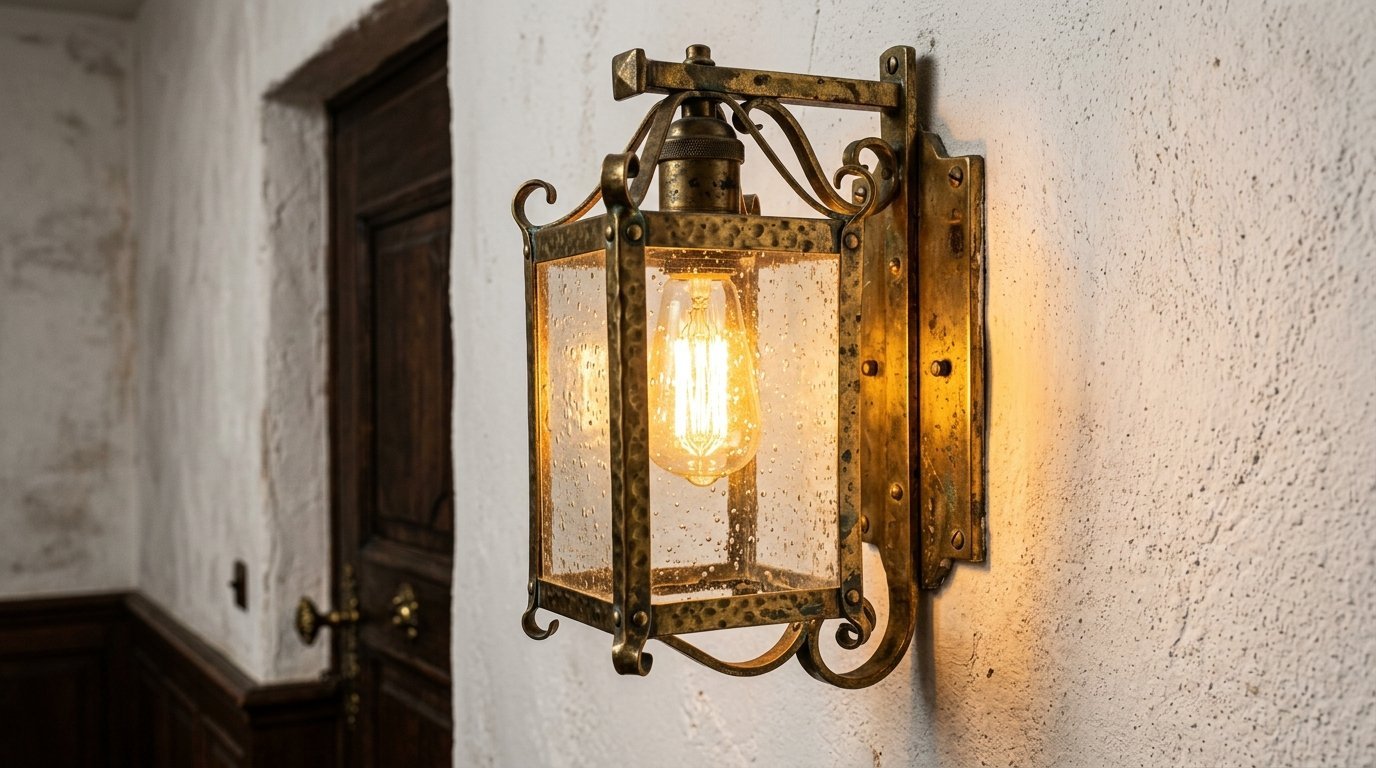
You want character. You want history on your walls. You buy a cheap replica online. It arrives looking like shiny plastic. I wasted hundreds of dollars on fake metal fixtures three years ago. I thought I was getting a deal. I was wrong. The paint chipped within weeks. The glass rattled every time someone closed the front door. You need genuine quality for your classic house. You need solid brass, aged copper, and real wrought iron. I spent the last two years tracking down authentic fixtures. I talked to electricians. I visited salvage yards across the country. I bought pieces from private collectors. Now I know exactly where to look.
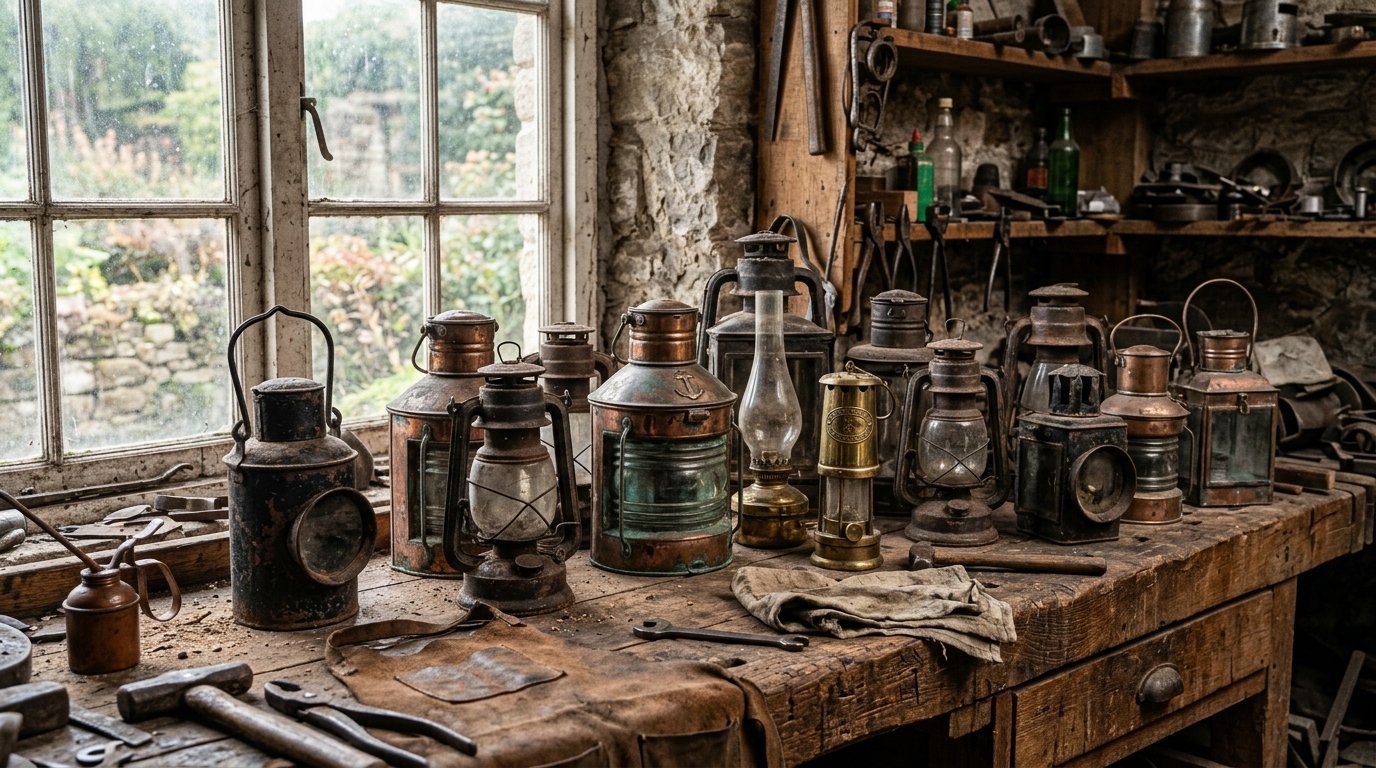
You will get the exact blueprint for finding authentic fixtures today. We cover the top online marketplaces for real brass and copper fixtures. We look at local sourcing strategies that save money. You get exact price ranges for different styles. We talk about converting gas fixtures to electric sconces safely. You get styling ideas for your entrance table and hallways. You will stop wasting money on cheap knockoffs. You will invest in pieces that last generations. Let us get started.
The True Lantern Aesthetic for Your Classic House
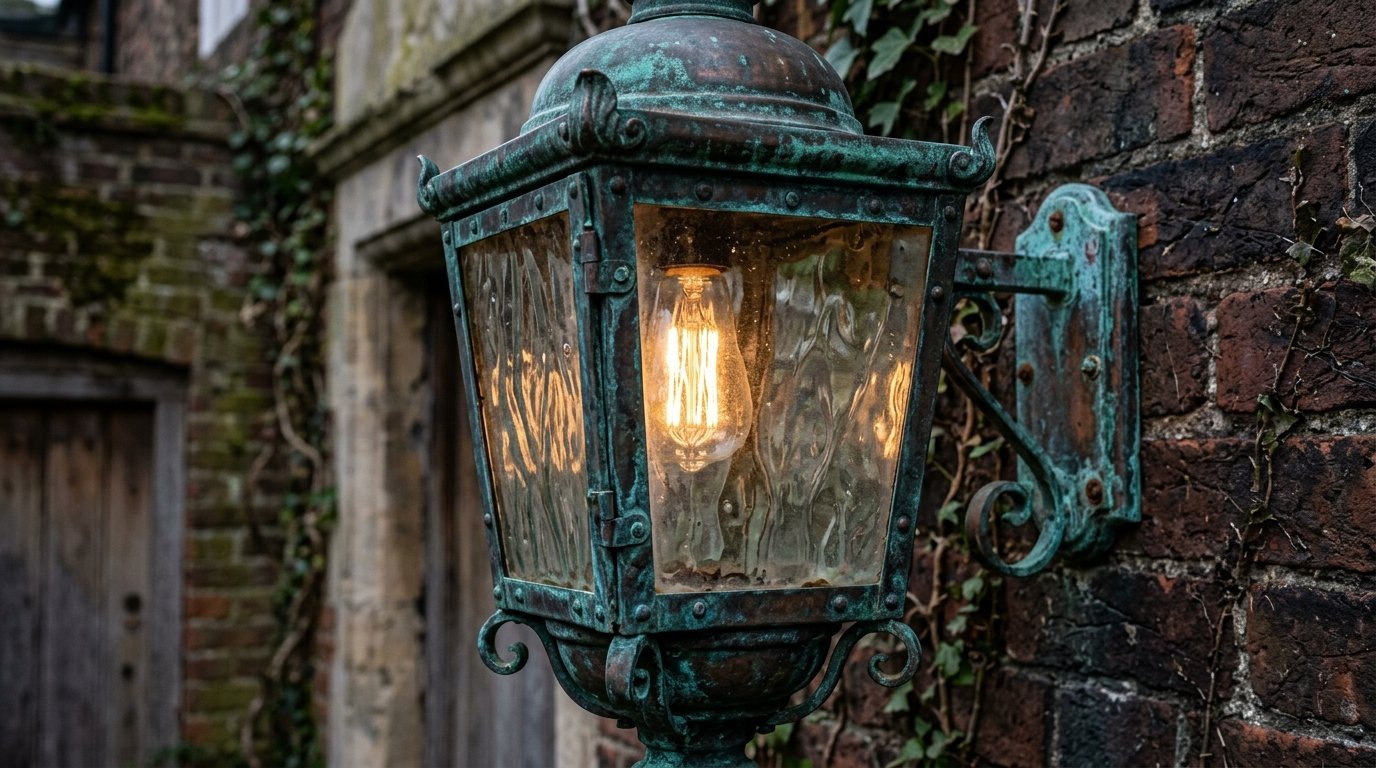
Cheap fixtures ruin the feel of an old home. Authentic pieces tell a story. You can spot a mass-produced fixture from across the room. The finish looks sprayed on. The glass lacks imperfections. Real antique lanterns have soul. They have natural patina. The metal wears naturally over decades of use.
I bought a 1920s copper fixture last spring. The verdigris finish took decades to form. You cannot fake that look in a factory. A true vintage farmhouse needs this level of detail.
Look for these specific details in authentic pieces:
- Heavy cast metal construction
- Hand blown or seeded glass panels
- Natural oxidation on brass or copper
- Irregular solder joints
- Ceramic socket bases
You want materials that age gracefully. Brass gets darker. Copper turns green. Iron rusts slightly at the edges. This natural aging creates the perfect vintage farmhouse decor vibe. I always look for solid brass. It holds up well indoors and outdoors. Cast iron requires more maintenance but looks striking.
Your classic house deserves better than big box store lighting. Real fixtures elevate the entire space. They catch the eye. They start conversations. My guests constantly ask about the matching sconces in my hallway. I tell them the story behind the purchase. That connection matters.
Top Online Marketplaces for Real Antique Lanterns

The internet makes finding vintage pieces easier than ever. You just need to know where to look. I spend hours browsing specific sites every week. I have a strict list of favorites.
Etsy is my first stop. You find independent pickers and antique dealers here. Search for specific terms. Type “19th century brass sconce” instead of just “old lamp”. You get better results. I check seller reviews carefully. I ask for extra photos of the wiring.
eBay remains a powerhouse for old lanterns. You have to filter out the new items. Select the “used” and “vintage” filters. Set up saved searches. I get email alerts for “cast iron carriage lantern”. I snagged a pair of 1930s porch lights for $85 last month. You have to act fast on good deals.
Chairish caters to higher-end buyers. The pieces cost more. The curation is excellent. You find verified antiques here. I use Chairish when I need a specific style. They verify the sellers. The shipping is reliable. You pay a premium for that peace of mind.
1stDibs operates similarly to Chairish. The prices run even higher. You find museum-quality pieces here. I browse 1stDibs for inspiration. Sometimes I find a fair deal on a set of sconces. You can make offers on most items.
Ruby Lane focuses strictly on antiques and vintage collectibles. They have strict rules for sellers. You will not find cheap reproductions here. The site feels older. The inventory is fantastic. I found my favorite entrance table light here.
Always check return policies. Vintage items often sell “as is”. Ask questions before buying. Ask about cracks in the glass. Ask if the metal has been polished recently. You want original patina. Polished brass loses its historical charm.
Best Specialty Retailers for Vintage Farmhouse Decor
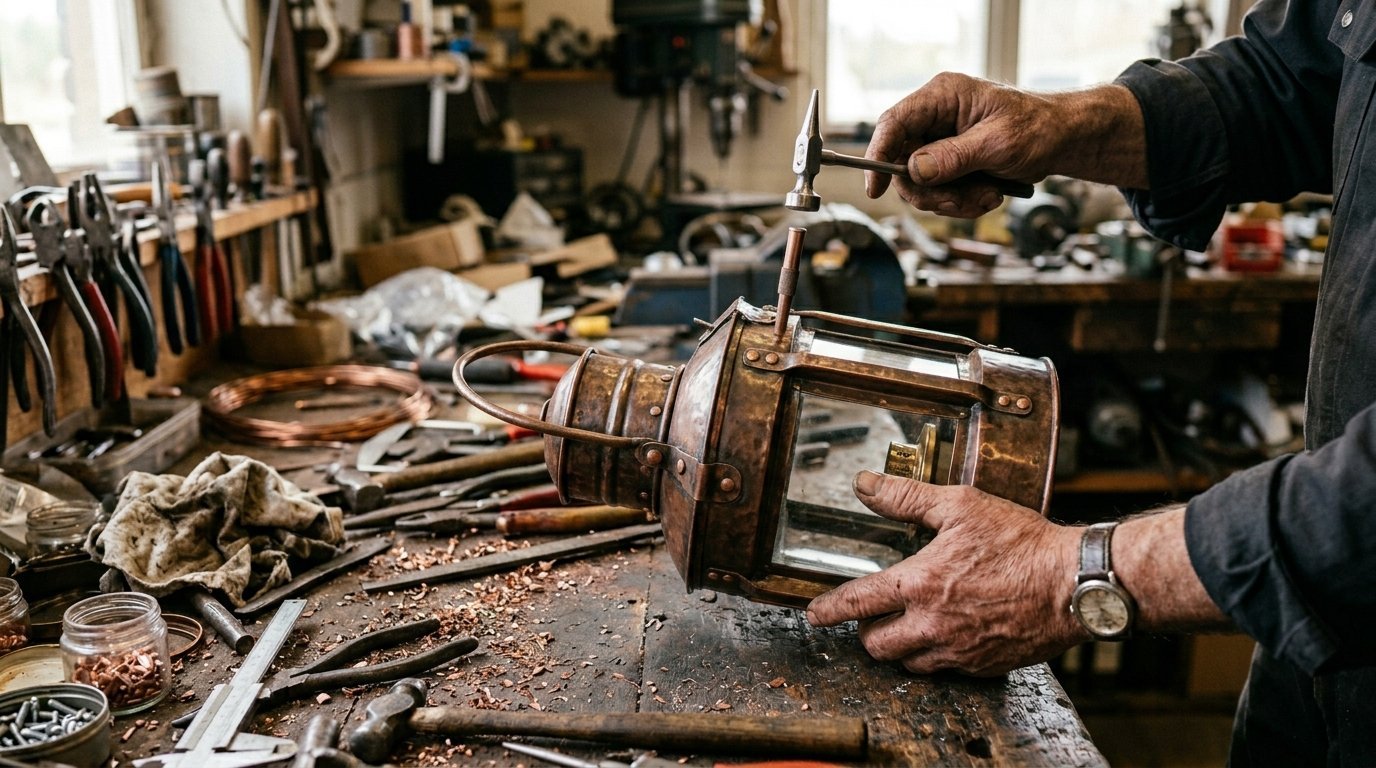
Sometimes you cannot find the perfect antique. Sometimes you need four matching sconces. Buying authentic reproductions makes sense here. Some companies make fixtures the old-fashioned way. They use heavy metals. They hand apply finishes.
Bevolo makes incredible copper fixtures. They operate in New Orleans. They still use hand riveting techniques. Their gas lanterns look stunning. They make electric versions too. I bought two Bevolo sconces for a client last year. The quality blew my mind. They age beautifully over time.
Rejuvenation specializes in period-authentic lighting. They restore actual antiques. They also manufacture faithful reproductions. I love their early 20th-century styles. Their finishes look incredibly realistic. You can customize the length and finish of most fixtures.
Heritage Lanterns crafts pieces in Maine. They focus on colonial and early American styles. They use solid copper and brass. Their pieces look perfect in a vintage farmhouse setting. I visited their shop once. Watching them work the metal was an amazing experience.
Visual Comfort offers high-end designer lighting. They collaborate with famous designers. Some of their lines mimic antique styling perfectly. The prices are high. The construction justifies the cost. I specify their fixtures for luxury projects.
House of Antique Hardware sells lighting and hardware. They have a massive catalog. You find great sconce options here. Their prices fit most budgets. They offer unfinished brass. Unfinished brass ages naturally in your home. I prefer this over factory-applied faux aging.
When buying reproductions, avoid anything labeled “plated”. Plated metal feels light. It scratches easily. You want solid construction. Solid brass or copper costs more upfront. It lasts forever.
Local Sourcing: Flea Markets and Estate Sales
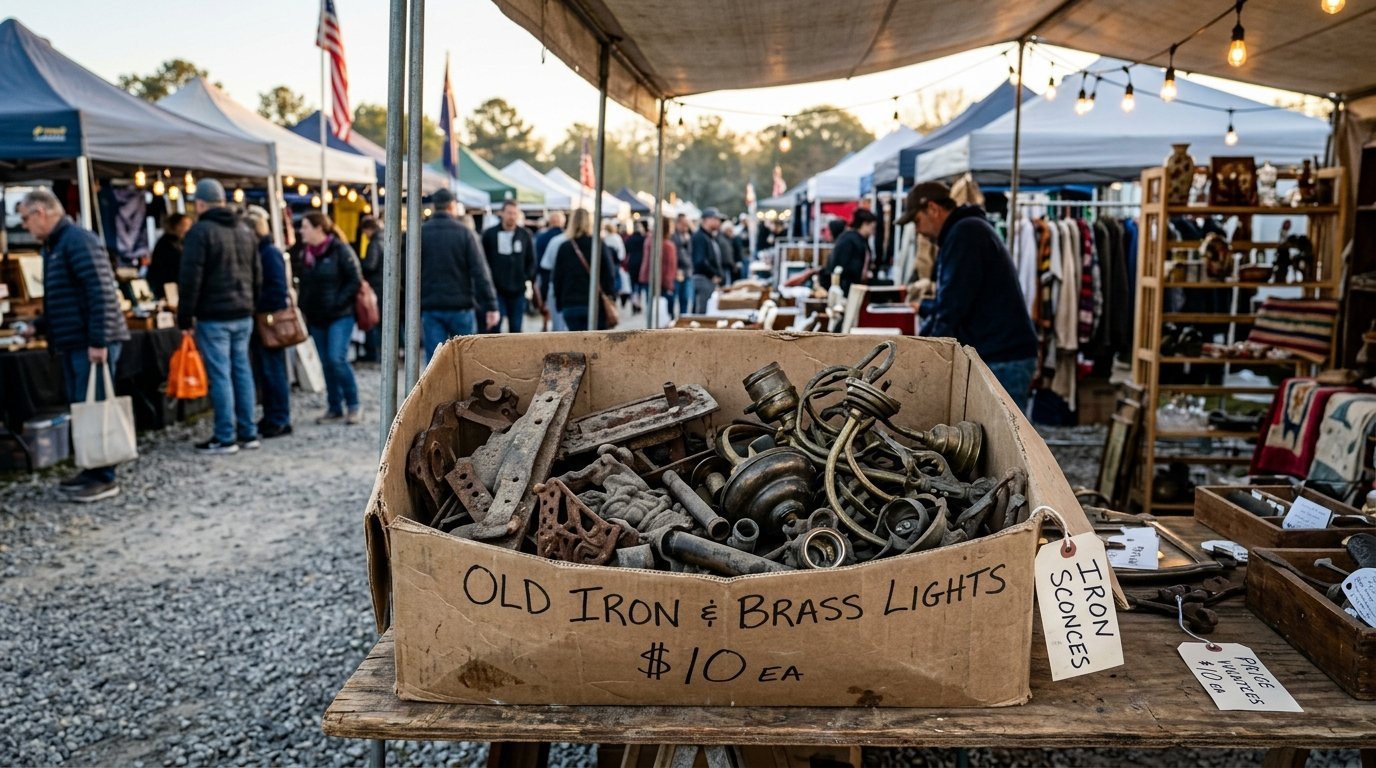
Online shopping is convenient. Local shopping is thrilling. You can touch the pieces. You can inspect the metal. You can negotiate face-to-face. I spend most weekends hunting locally.
Flea markets offer incredible deals. You have to wake up early. I arrive before the sun comes up. The best old lanterns sell in the first hour. I pack a strong flashlight. I pack a magnet. A magnet sticks to iron or steel. It does not stick to solid brass or copper. This helps me spot cheap plated metal immediately.
Architectural salvage yards are gold mines. Old buildings get demolished. The salvage crews save the lighting. You find massive exterior sconces here. You find ornate gas fixtures. The pieces are usually dirty. You have to look past the grime. I bought a set of bronze theater sconces from a salvage yard. They looked terrible. I cleaned them up. They look spectacular now.
Estate sales provide access to unpicked homes. You find fixtures still hanging on the walls. You can see how they look installed. I check the basement and garage first. People often replace old fixtures and store the originals. I found a pair of matching carriage lanterns in a dusty attic last year. I paid $20 for both.
Antique malls house multiple dealers under one roof. The prices run higher than flea markets. The curation saves you time. Dealers often specialize in specific eras. I know a dealer who only sells Victorian lighting. I go to him when I need something specific for a classic house.
Always carry cash. Dealers prefer cash. Cash gives you negotiating power. I always ask “What is your best price on this?” Most dealers will drop the price by ten or twenty percent. Be polite. Build relationships with dealers. They will call you when they find good pieces.
Spotting Fake Replicas When Shopping
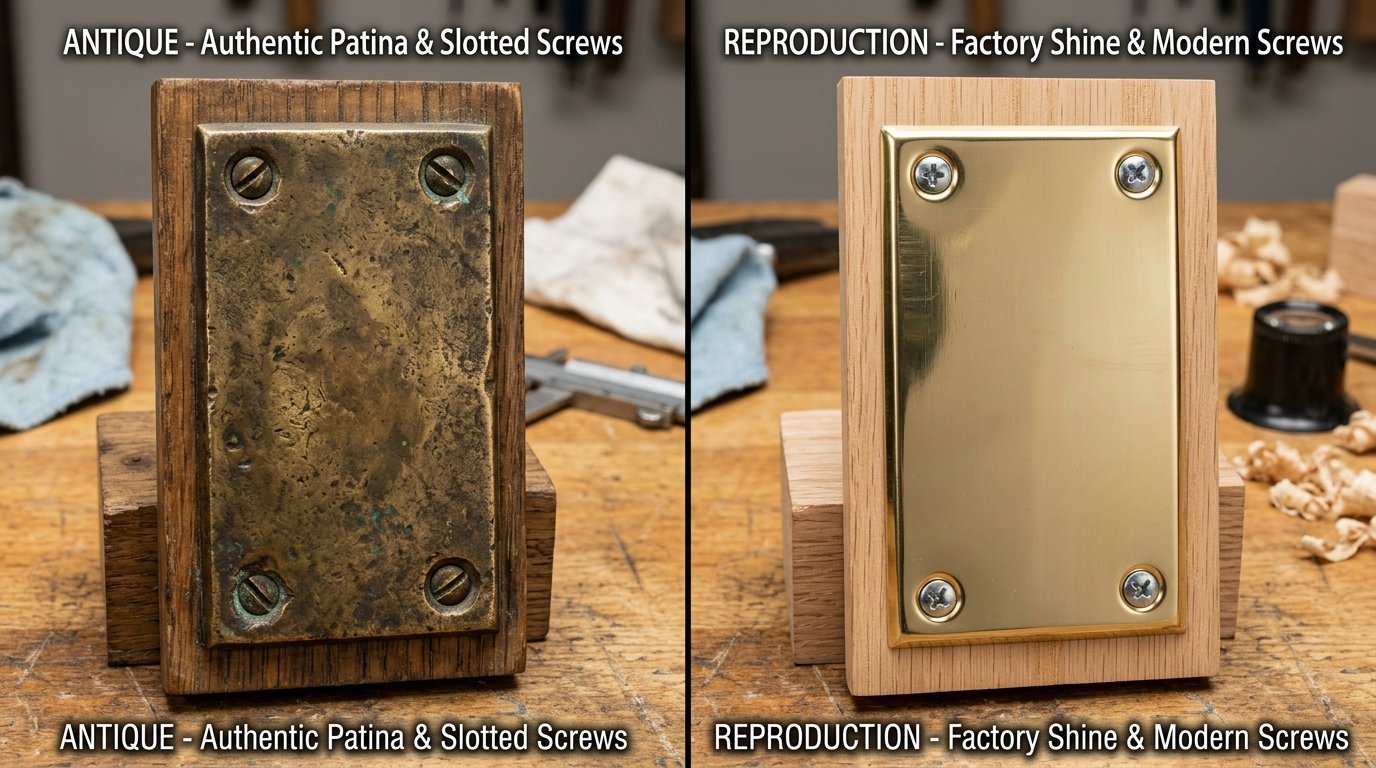
The market is full of fakes. Factories churn out cheap copies. They use harsh chemicals to fake the aging. You need to know the difference. I got fooled early on. I refuse to get fooled again.
Look at the weight. An authentic cast iron or brass sconce is heavy. A fake feels shockingly light. Pick it up. If it feels like cheap tin, walk away. Weight implies quality.
Check the backplate. The backplate sits against the wall. Antique backplates often have irregular shapes. They might have old paint drips. New replicas have perfectly stamped, flat backs. They look machine-made.
Inspect the hardware. Old fixtures use flathead screws. Phillips head screws became common in the 1930s. If a “Victorian” lantern has Phillips screws, it is a reproduction. Look at the nuts and bolts. Old hardware has inconsistent threading.
Examine the glass. Hand blown glass has tiny air bubbles. The thickness varies. Factory glass is perfectly uniform. I look for slightly wavy glass. It distorts the light beautifully.
Study the finish. Natural patina takes decades. It looks uneven. It builds up in the crevices. Fake patina looks painted on. Sometimes it literally is paint. Scratch a hidden spot lightly with a coin. If black paint flakes off to reveal shiny metal, it is a fake.
Look at the socket. Old sockets are heavy brass with porcelain interiors. Cardboard interiors indicate a newer piece. Rewired antiques might have new sockets. Ask the seller. A good seller knows the history of the wiring.
Trust your instincts. If a deal seems too good to be true, it probably is. I walk away from questionable pieces. I prefer spending more on a guaranteed original. Your vintage farmhouse decor relies on authenticity.
Pricing Guide for an Old Lamp or Lantern
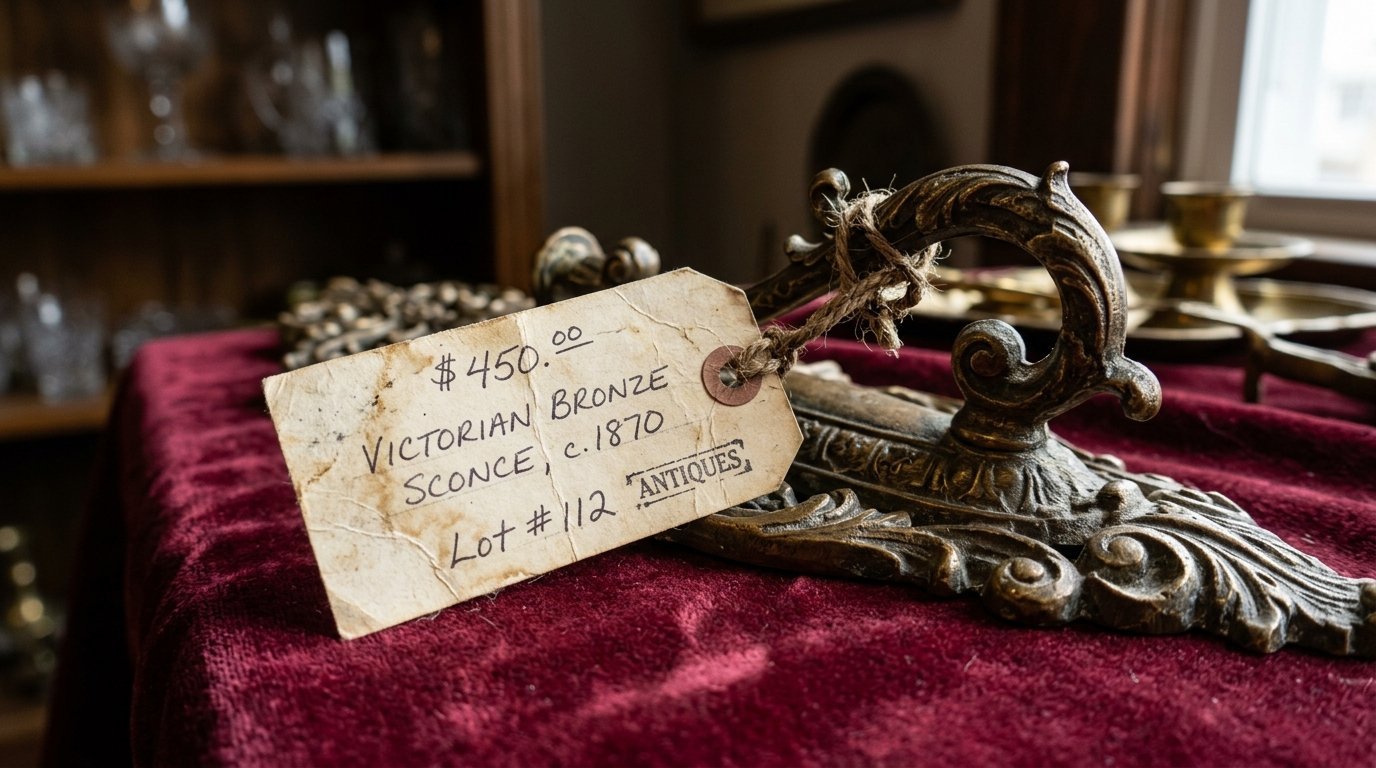
Budgeting for antique lighting is tricky. Prices vary wildly. A piece costs $50 at a flea market. A similar piece costs $500 at an antique boutique. I track prices constantly. Here is what you should expect to pay right now.
Small, unrestored brass sconces run between $75 and $150 each. These need rewiring. They might need cleaning. I buy these when I want a project.
Restored, single brass sconces cost $200 to $350. The dealer did the hard work. The wiring is safe. The metal is stabilized. You pay for their labor.
Matching pairs command a premium. Finding two identical antique sconces is hard. Expect to pay $500 to $800 for a restored pair of quality brass or copper lanterns. I gladly pay this for a matching set. They flank a mirror perfectly.
Large exterior carriage lanterns are expensive. Genuine 19th-century gas lanterns start at $800. They easily exceed $2000. The size dictates the price. The metal type matters. Bronze costs more than brass.
Condition drives the price down. Cracked glass reduces value by thirty percent. Missing finials lower the price. Dented metal hurts the value. I sometimes buy damaged pieces for parts. I use the glass to fix other lanterns.
Age drives the price up. Pre-1900 fixtures cost more money. The craftsmanship was better. The materials were purer.
Do not overpay for basic cast iron. Cast iron was cheap to produce. It should remain affordable. I rarely pay more than $100 for an unrestored iron sconce.
Remember the rewiring costs. Factor that into your budget. A $50 bargain lantern costs another $100 to make safe. Keep the total investment in mind.
Converting Old Lanterns into Safe Wall Sconces
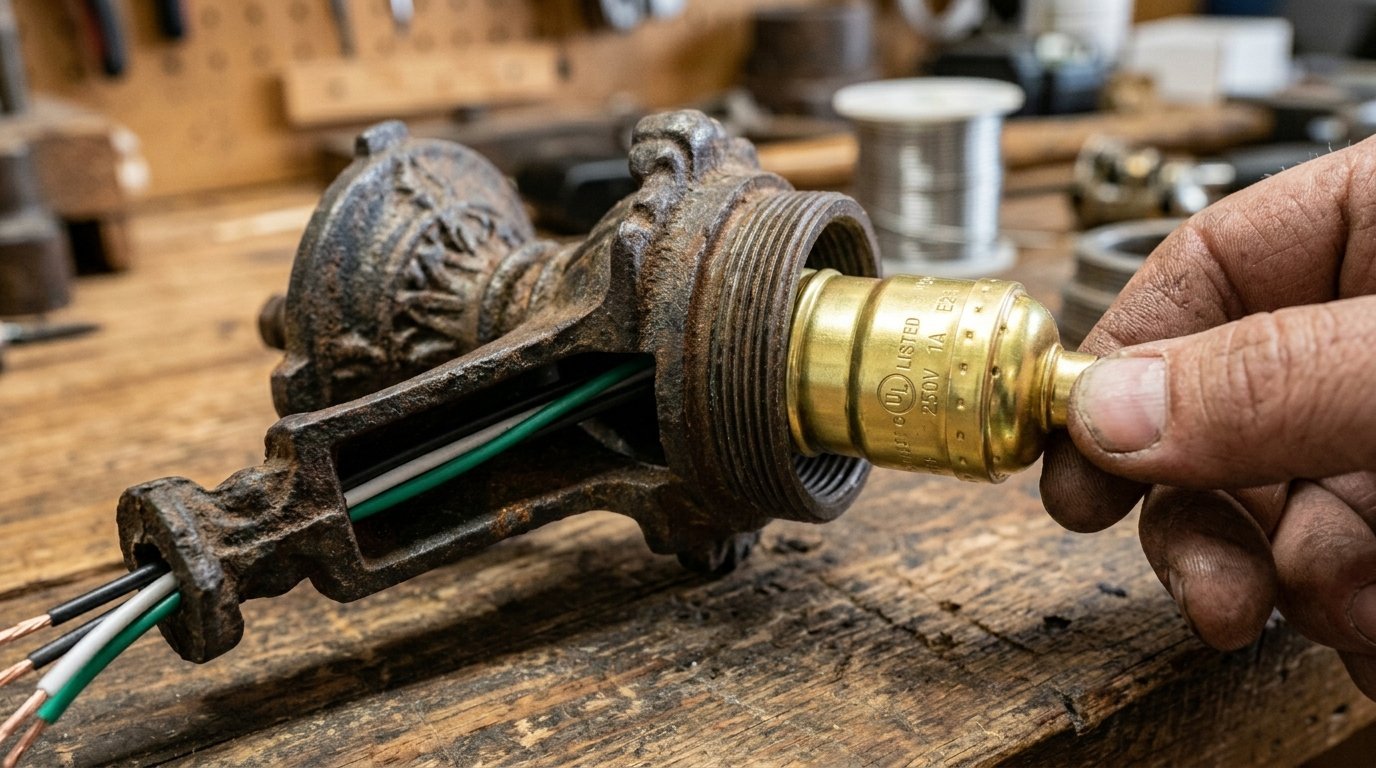
You found the perfect antique lantern. Now you have to hang it. Safety comes first. Old wiring is dangerous. Cloth-covered wires degrade. They cause fires. I never use original wiring. I replace everything.
You must gut the old electrical components. Remove the old socket. Pull out the old wires. Clean the inside of the metal housing.
Buy a high-quality rewiring kit. I use kits with solid brass sockets. I use modern wiring with proper insulation. UL listed components are non-negotiable.
Many old lanterns were originally gas fixtures. Converting gas to electric requires specific parts. You need a threaded hollow nipple. This allows the wire to pass through the old gas line.
Follow my basic rewiring flow:
- Thread the new wire through the fixture base
- Strip the wire ends carefully
- Attach the neutral wire to the silver screw
- Attach the hot wire to the brass screw
- Secure the new socket into the housing
- Attach a dedicated ground wire to the metal body
Grounding is mandatory. Old metal fixtures conduct electricity. A short circuit without a ground is lethal. I always drill a small hole in the backplate. I attach a green ground screw. I connect the ground wire there.
Hire a licensed electrician if you feel unsure. I do my own wiring. I had an electrician check my work for the first year. Peace of mind is worth the hourly rate. They can also reinforce the wall box. Antique fixtures are heavy. Standard plastic wall boxes will fail. You need a steel box braced to a stud.
Use LED bulbs. They generate very little heat. Old metal fixtures trap heat. Incandescent bulbs can damage the wiring over time. LEDs look great now. You can buy Edison-style LEDs. They mimic vintage filaments perfectly.
Tools Required for Restoring Antique Sconces
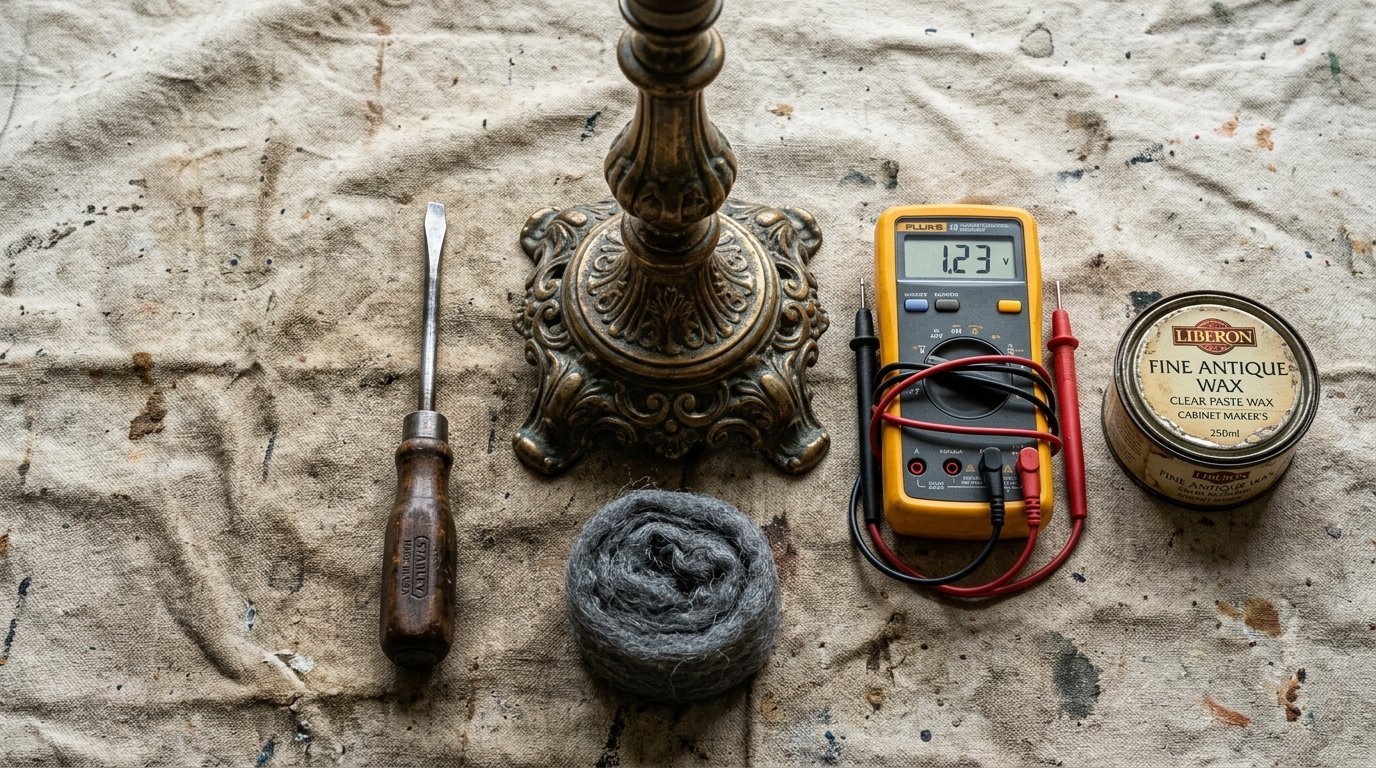
Restoring an old lamp requires the right gear. I ruined several pieces early on. I used the wrong screwdrivers. I scratched the metal. I learned the hard way. Now I keep a dedicated toolbox for lighting restoration.
You need a set of hollow ground screwdrivers. Standard screwdrivers are wedge-shaped. They slip out of old, soft brass screws. They strip the heads immediately. Hollow ground screwdrivers have parallel tips. They grip the slot perfectly. I never touch an antique screw without one.
Keep a pair of wire strippers nearby. You need precise cuts on electrical wire. Dull scissors will fray the copper strands. Frayed wires cause electrical shorts. Buy a dedicated stripping tool. It costs $15. It saves hours of frustration.
Stock up on fine steel wool. I use grade 0000 steel wool exclusively. It removes dirt without scratching the metal beneath. I rub it very gently over tarnished areas. It smooths out rough spots perfectly.
Buy a multimeter. You must test your wiring before hanging the fixture. The multimeter checks for continuity. It ensures the hot wire connects to the center tab. It confirms the ground wire functions properly. Never skip this test.
Keep small brass brushes handy. Toothbrushes work well for soap and water. Brass brushes tackle heavier grime on cast iron. Never use steel brushes on brass or copper fixtures. Steel is harder than brass. It will leave deep scratches instantly.
Get a can of clear paste wax. Wax protects the metal after cleaning. It stops cast iron from rusting. It seals the patina on raw copper. I apply a paper-thin coat. I buff it out with a clean cotton rag.
Keep spare screws organized. Antique screws use strange thread pitches. You cannot buy replacements at a local hardware store. I save every screw from broken fixtures. This stash rescues me constantly.
Styling Vintage Farmhouse Decor Around the Entrance Table
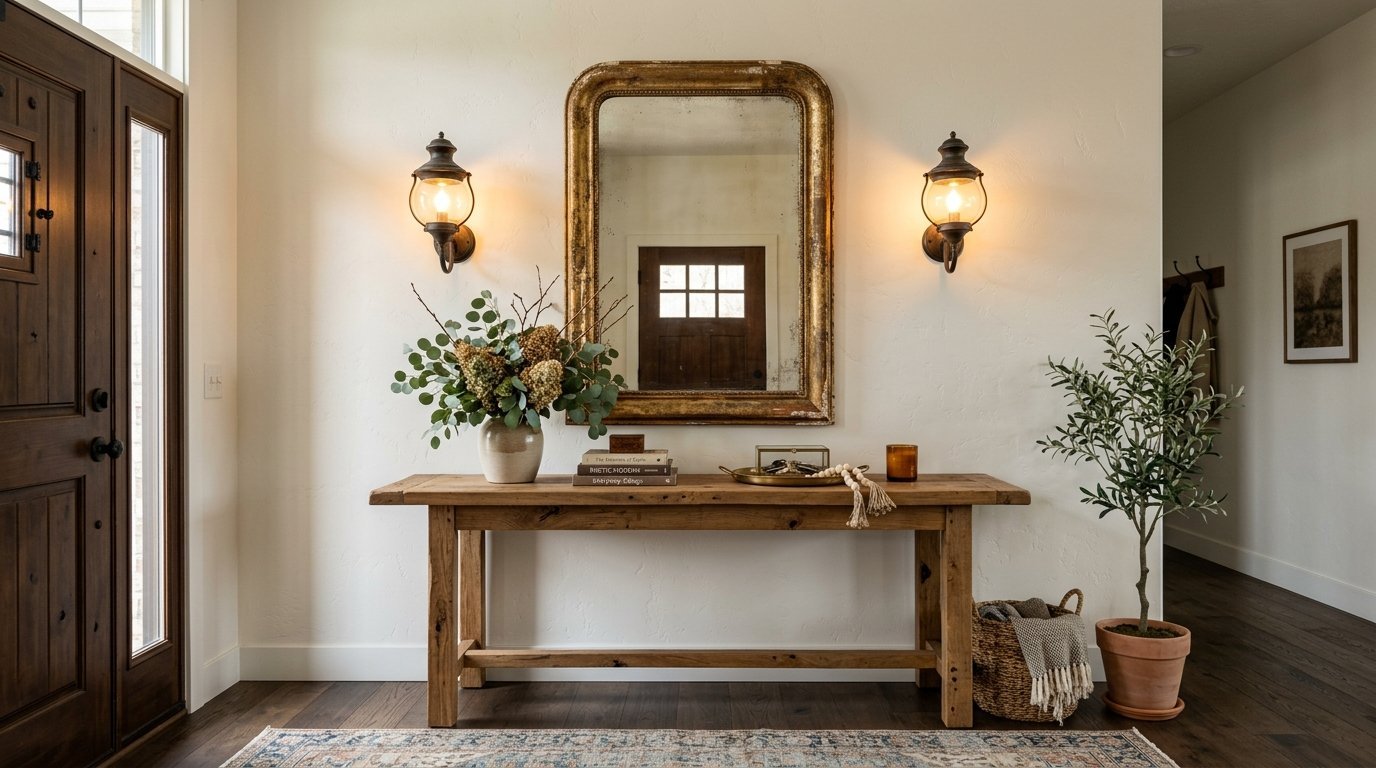
The entryway sets the tone for your home. It welcomes guests. It shows off your style immediately. Sconces frame this space beautifully. I spend a lot of time designing entryways.
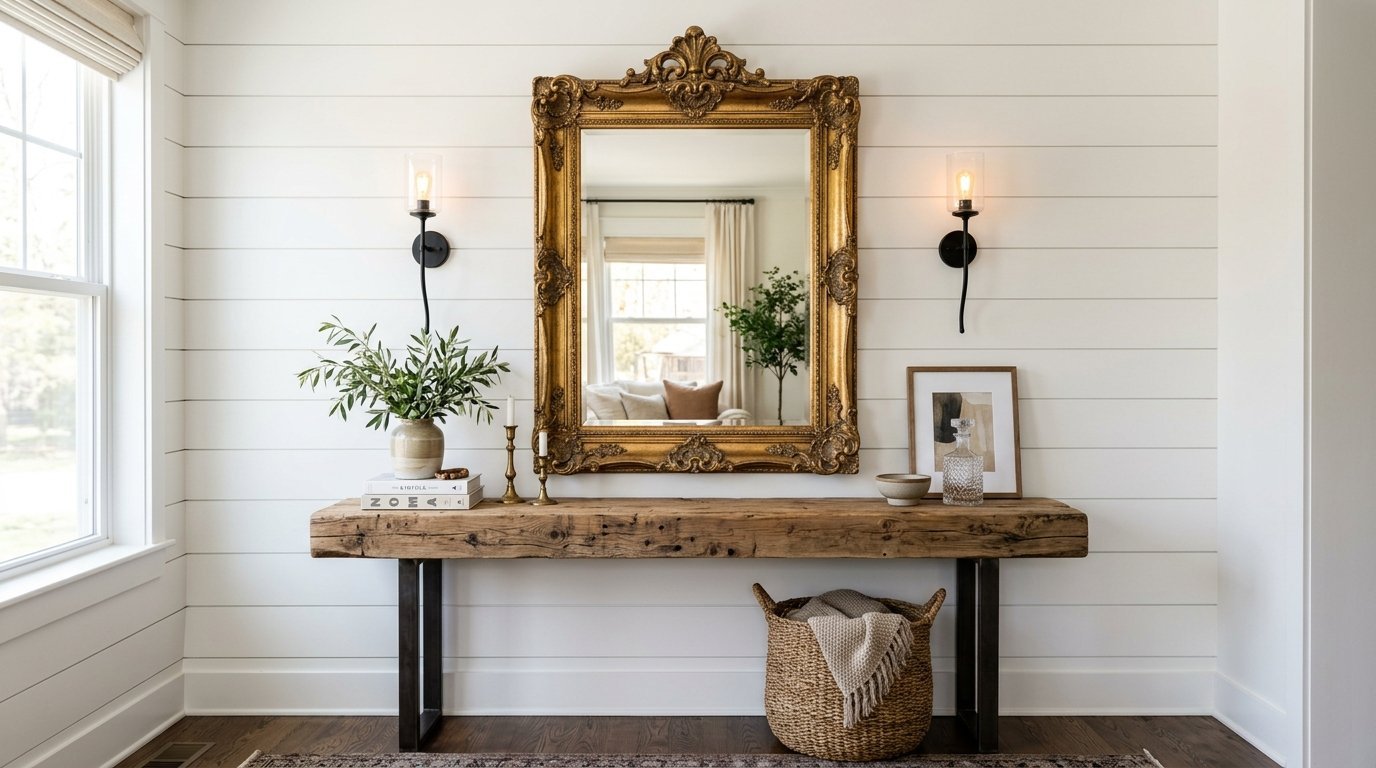
Start with the entrance table. It needs to feel grounded. I use heavy wood tables. An old workbench works perfectly. Reclaimed oak looks stunning. The table anchors the wall.
Place a large mirror above the table. A mirror bounces light around the room. I prefer distressed frames. Gold leaf looks great if it is worn. The mirror needs to sit precisely between your wall sconces.
Spacing the sconces correctly is hard. I hang them roughly 60 inches from the floor. This puts the light source at eye level. I space them about 6 to 8 inches away from the mirror frame. This creates a tight, cohesive grouping.
Balance the visual weight on the table. Place a tall ceramic vase on one side. Put a stack of vintage books on the other. Do not clutter the surface. Let the sconces be the star of the wall.
Use the right light temperature. I strictly use 2700K bulbs. This mimics the warm glow of an old lamp. Bright white light ruins the vintage farmhouse aesthetic. It looks too sterile. Warm light makes the space feel cozy.
Mix your metal finishes carefully. Your sconces might be aged brass. Your door hardware might be iron. That is fine. Matching everything looks forced. Homes acquire different pieces over time. Mixing metals feels authentic. I usually stick to two metal tones per room.
Place a small lamp on the table. A tiny accent lamp creates layers of light. Turn off the overhead lights. Turn on the sconces and the table lamp. The atmosphere changes completely. It feels intimate.
Placing Sconces in Bathrooms and Hallways
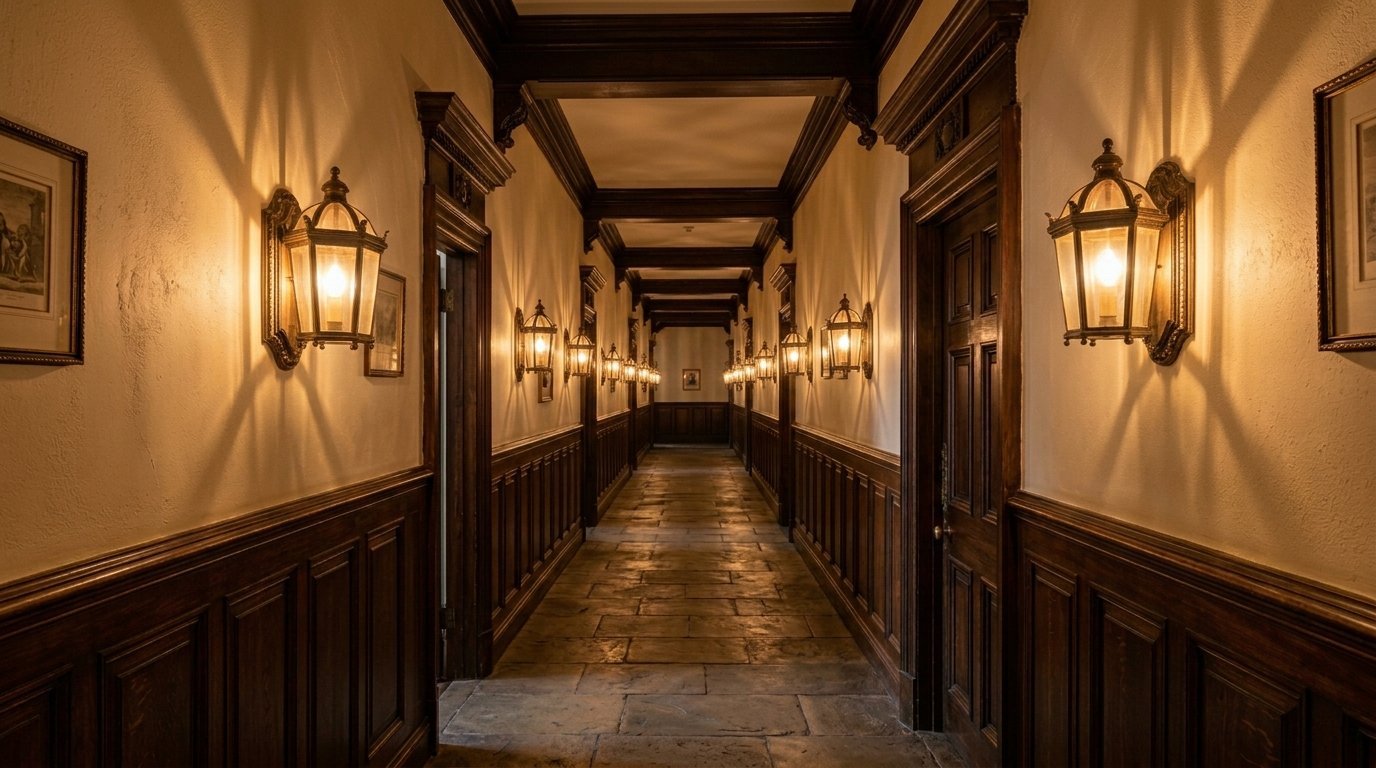
Your classic house needs consistent lighting everywhere. Entryways get all the attention. Bathrooms and hallways need just as much care. I treat these spaces with equal respect.
Hallways feel dark and narrow. Overhead lighting creates harsh shadows. Sconces push light against the walls. This makes the hallway feel wider. I space hallway sconces every eight feet. I alternate them on opposite walls. This creates a beautiful walking rhythm.
Keep hallway fixtures relatively flat. You do not want a lantern sticking out twelve inches. People will bump into it. I look for half-lantern styles. The back sits flat against the drywall. The front curves out slightly. These save massive amounts of space.
Bathrooms require damp-rated fixtures. Sconces flanking a bathroom mirror look incredible. They provide excellent task lighting. Overhead vanity lights cast terrible shadows on your face. Sconces light your face evenly.
I hang bathroom sconces higher than hallway sconces. Place them around 65 inches off the floor. This centers the light source near your face.
Use sealed glass in bathrooms. Moisture ruins open wiring over time. An enclosed vintage lantern protects the socket from shower steam. I run a bead of clear silicone behind the backplate. This seals the electrical box completely.
Keep the metal finishes logical in the bathroom. If you have unlacquered brass faucets, use brass sconces. The metals will age together. The room will feel completely unified over time.
Do not use fabric shades in a bathroom. Fabric absorbs moisture. It collects dust. It smells musty after a year. Stick to bare bulbs or glass covers. Glass cleans easily. It lasts forever.
Identifying Specific Eras of Lantern Design
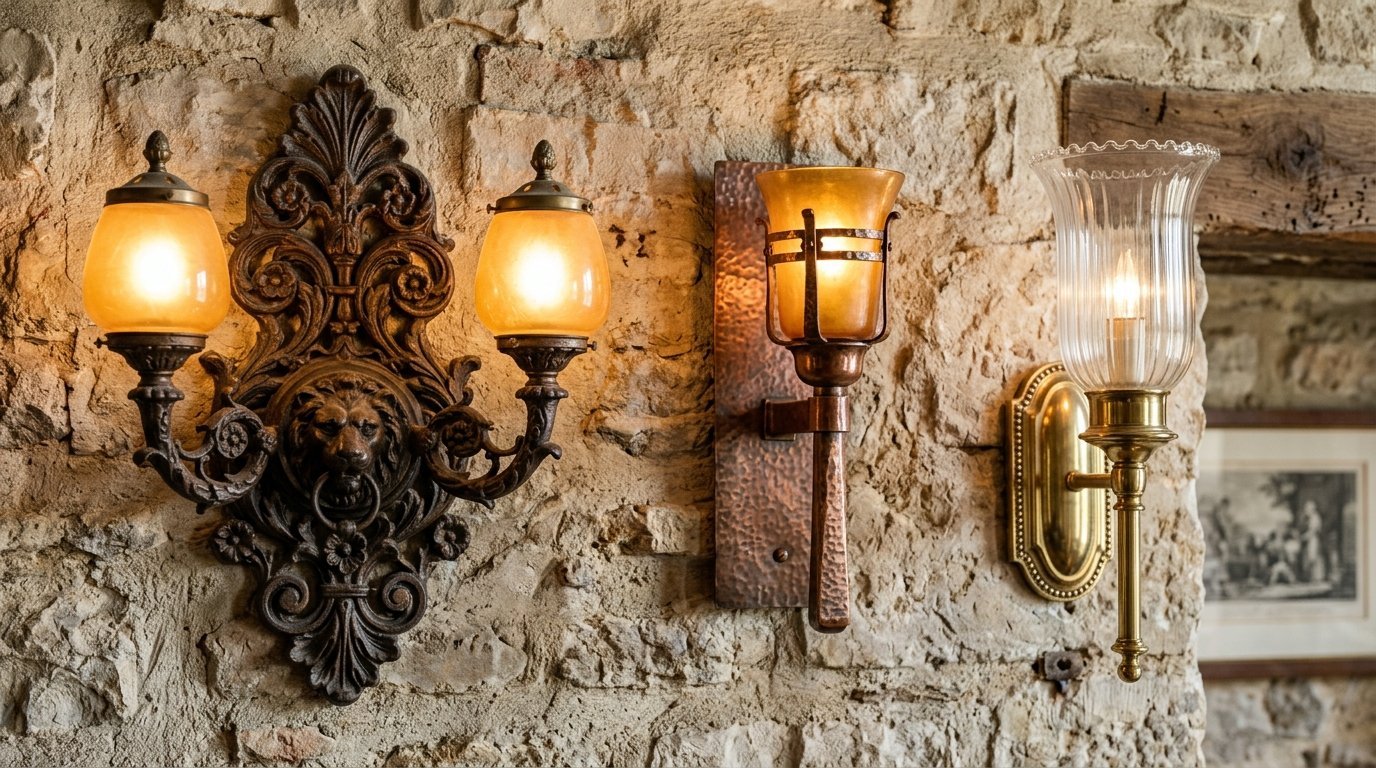
Knowing your history helps you buy smarter. Dealers throw around terms loosely. They call everything “Victorian.” You need to spot the actual differences. I spent months studying old catalogs. It changed how I shop.
Victorian lanterns look incredibly ornate. They date from 1840 to 1900. You see heavy cast iron. You see intricate floral patterns. Gas keys stick out from the sides. The glass often features etching. I use these in very formal dining rooms. They demand attention.
Arts and Crafts fixtures emerged after 1900. They reacted against Victorian fussiness. You see straight lines. You see hammered copper. The glass is usually amber or green mica. These pieces look phenomenal in a vintage farmhouse. They feel grounded and earthy.
Art Deco lighting arrived in the 1920s. Think of geometric shapes. Think of sleek chrome and nickel. You see stepped glass shades. These do not fit a classic house perfectly. They look better in modern spaces. I usually skip Art Deco pieces when hunting for farmhouse decor.
Colonial Revival dominated the 1930s. People wanted pieces that looked like the 1700s. You see simple brass eagles. You see clear glass hurricane shades. These mimic the old lamp styles of early America. They represent the safest choice for a classic house. They never look out of place.
Mid-Century Modern fixtures start in the 1950s. You see sputnik shapes. You see spun aluminum cones. I avoid these completely for this aesthetic. They clash with rustic wood tables. They ruin the farmhouse vibe instantly.
Always match the fixture era to your home era. Putting a 1960s aluminum sconce in an 1890s farmhouse feels wrong. It jars the eye. Stick to pieces made before 1940 for the best results.
Case Study: Fixing a 1920s Copper Exterior Sconce
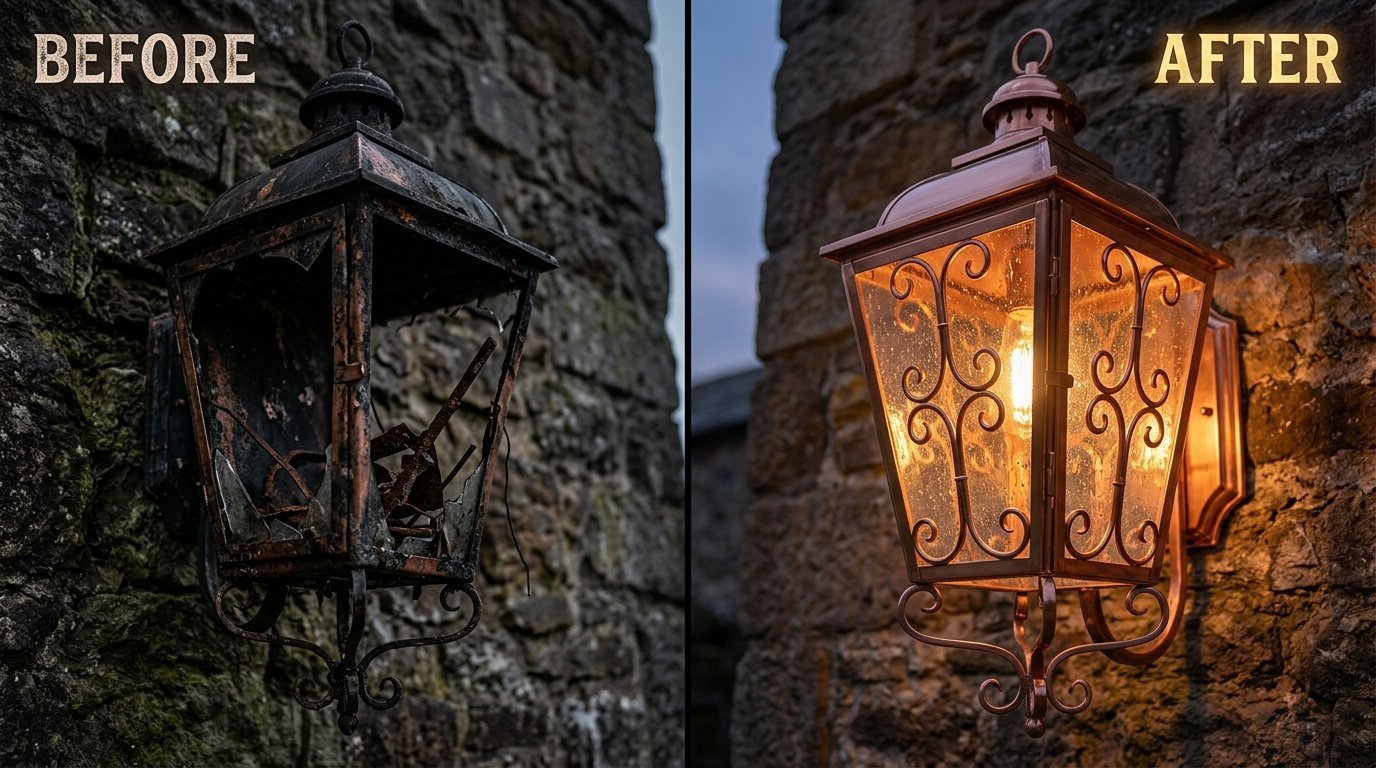
I want to show you exactly how this works. I bought a battered copper sconce in 2024. The dealer wanted $40. I paid $30. It looked like a piece of junk. It turned into a masterpiece.
The piece sat in a damp barn for decades. The copper had turned completely black. The glass was missing entirely. The original cloth wires crumbled in my hands. The mounting bracket was bent. Most people would throw it away.
I started by disassembling the entire frame. I soaked the rusty iron screws in penetrating oil. I waited 24 hours. The screws backed out perfectly. Patience saves antique hardware.
I cleaned the copper with gentle dish soap. I did not scrub hard. I wanted the dark patina to stay. I just removed the loose dirt. The metal looked rich and dark brown afterward.
I measured the empty glass panels. I took the measurements to a local stained-glass shop. They cut four pieces of seeded glass for $45. Seeded glass has tiny bubbles inside. It looks authentically old.
I installed a new brass socket. I wired it with fresh 18-gauge wire. I attached a green ground screw to the backplate. I bent the mounting bracket straight using a soft rubber mallet.
I slid the new glass panels into the copper frame. I folded the small copper tabs over to hold the glass tight. I hung the fixture next to my back door.
The total cost was $75. A comparable new fixture from a high-end retailer costs $600. The new fixture looks fake. My $75 fixture has ninety years of real history. This process works. You just have to put in the time.
Maintaining the Patina Over Decades
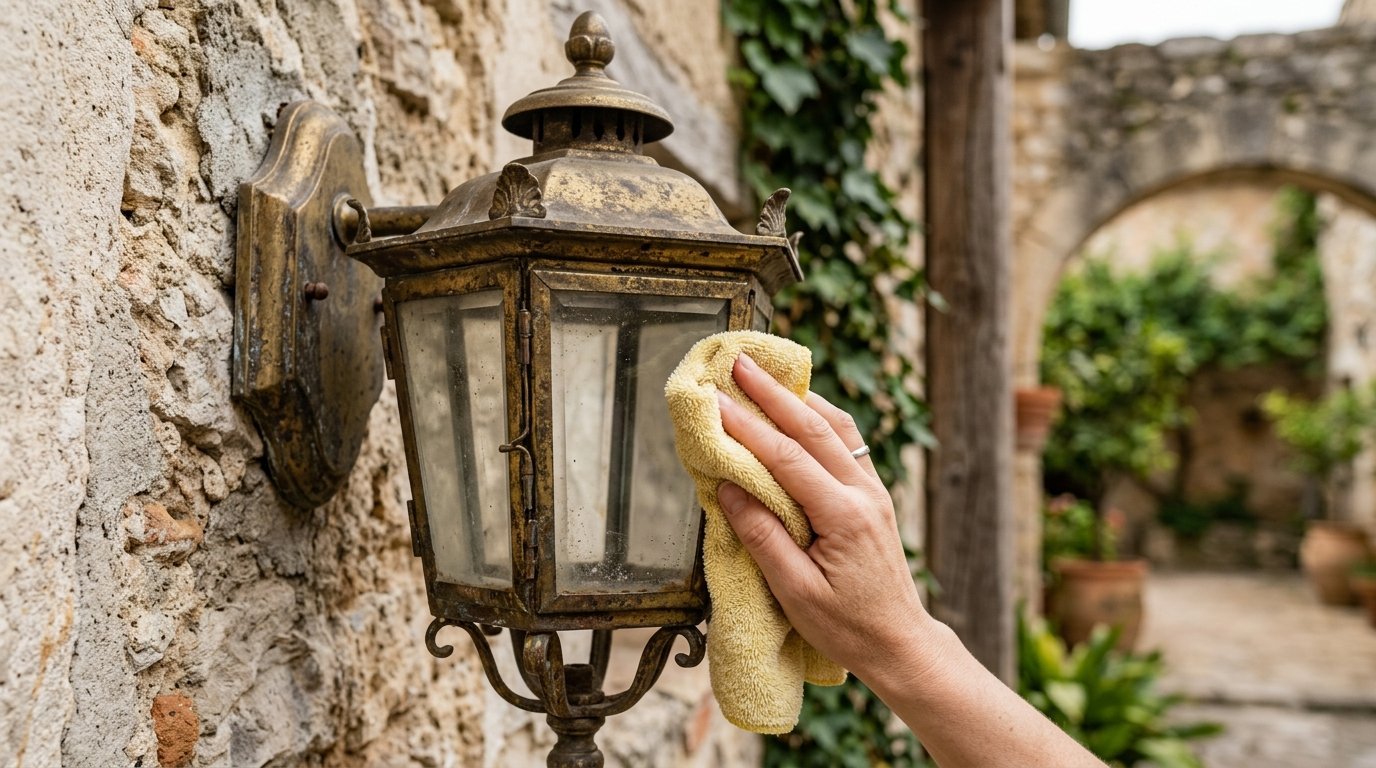
You installed your vintage pieces. Now you have to take care of them. Antique metal requires gentle handling. I ruined a beautiful brass finish once. I used a harsh chemical cleaner. The patina vanished instantly. It looked like cheap plastic afterward.
Dust them regularly. I use a soft microfiber cloth. A feather duster works well for intricate details. Dust holds moisture. Moisture causes unwanted corrosion. Keep the metal dry.
Clean the glass panels carefully. Spray glass cleaner onto a cloth first. Never spray directly onto the fixture. The liquid seeps into the metal joints. It degrades the wiring over time.
Leave the metal alone. Do not polish antique brass or copper. The dark, aged look is the goal. Polishing destroys the history. If you buy unfinished new brass, let it age naturally. Touching it with bare hands speeds up the aging. The oils in your skin react with the metal.
Check the mounting screws annually. Heavy fixtures can pull away from the wall. Wood framing shifts over time. Tighten any loose screws. Make sure the backplate sits flush against the drywall.
Replace bulbs carefully. Old glass is brittle. The screws holding the glass panes can seize up. Apply a tiny drop of penetrating oil to stubborn screws. Wait ten minutes. Turn slowly. Forcing a tight screw will shatter the glass.
Watch for rust on cast iron. Indoor environments are usually dry enough. Entryway sconces near open doors catch humidity. If rust appears, rub it gently with fine steel wool. Wipe it clean. Apply a very thin coat of paste wax. The wax seals the iron from the air. It stops the rust completely.
Frequently Asked Questions
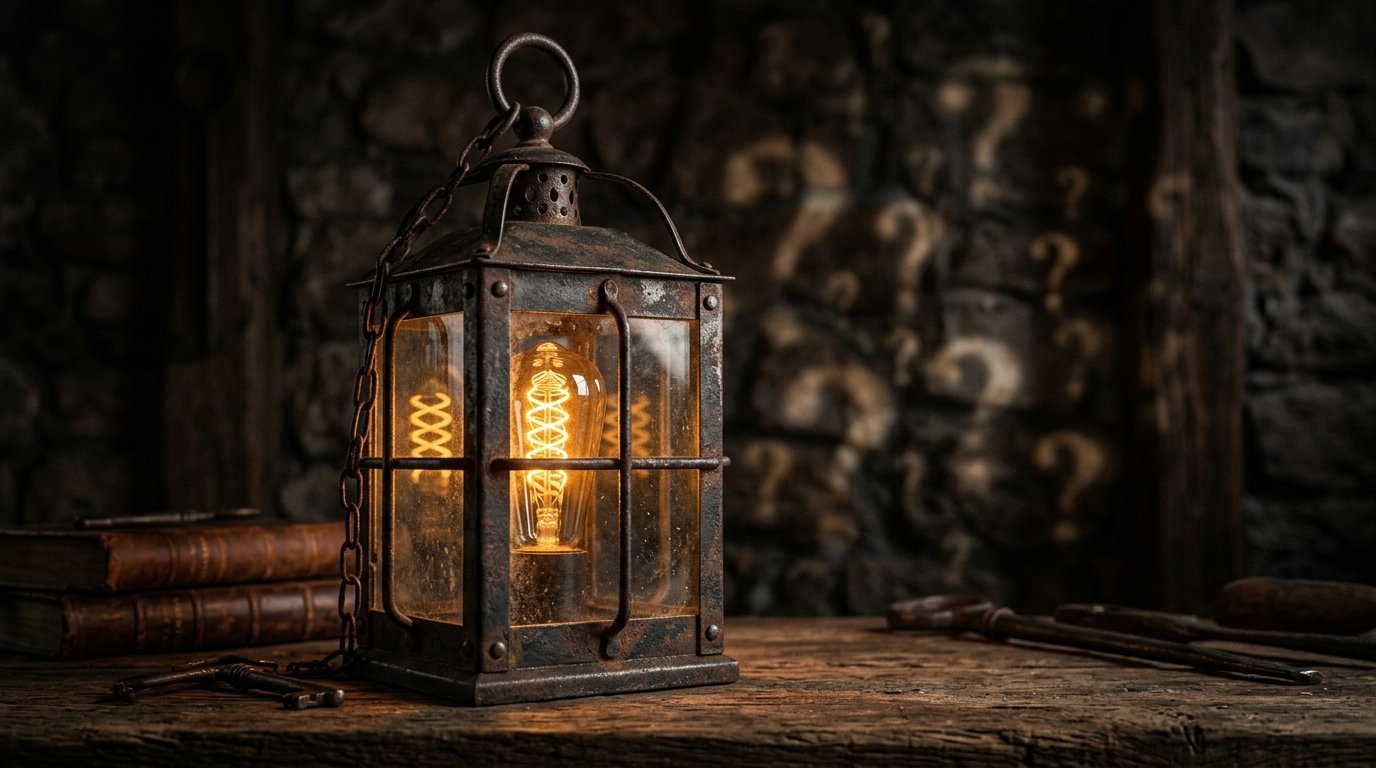
How do I clean a very dirty antique lantern?
Use mild dish soap and warm water. Use an old toothbrush for the crevices. Avoid all acidic cleaners. Vinegar will strip natural patina. Rinse with clean water. Dry the fixture completely with a soft towel. Leave it in the sun for an hour to evaporate trapped moisture.
Can I use outdoor lanterns inside my house?
Yes. Outdoor lanterns make fantastic indoor sconces. They are built tougher. They usually have better water sealing. They look incredibly dramatic in hallways and living rooms. I use exterior fixtures indoors constantly. They give massive character to a classic house.
What is the difference between a sconce and a lantern?
A lantern refers to the enclosed light fixture itself. It usually has glass panels protecting the bulb. A sconce is the mounting method. A sconce attaches directly to a wall. You mount a lantern on a sconce arm. People use the terms interchangeably now.
Do vintage fixtures consume more electricity?
The fixture itself does not consume electricity. The bulb dictates the power usage. You can put a modern LED bulb in a 100-year-old fixture. It will cost pennies to run. Always use LEDs to keep the heat down.
Is it safe to buy old lighting from Europe?
European wiring operates on 220 volts. US wiring is 110 volts. The original wires will not work. The sockets might not fit US bulbs. You have to strip the entire fixture. You must rebuild it with US standard sockets and wires. It is a big job. I only do it for spectacular pieces.
What size sconce should I buy for a bathroom mirror?
Keep the scale proportional. A massive mirror needs large sconces. A small powder room mirror needs delicate fixtures. Measure the mirror height. Your sconce should be roughly one-third the height of the mirror. This creates perfect visual balance.
How do I match new hardware to old lanterns?
You do not need an exact match. You just need the same visual weight. Dark aged brass pairs beautifully with oil-rubbed bronze door knobs. Raw copper looks great next to cast iron hinges. Just avoid mixing bright shiny chrome with heavy rustic metals.
Will heavy cast iron sconces rip my drywall?
Yes, they will. Never mount a heavy iron fixture using plastic drywall anchors. You must attach the electrical box directly to a wooden wall stud. If the placement misses a stud, you must install a metal cross-brace between the studs. Safety is non-negotiable here.
Final Thoughts
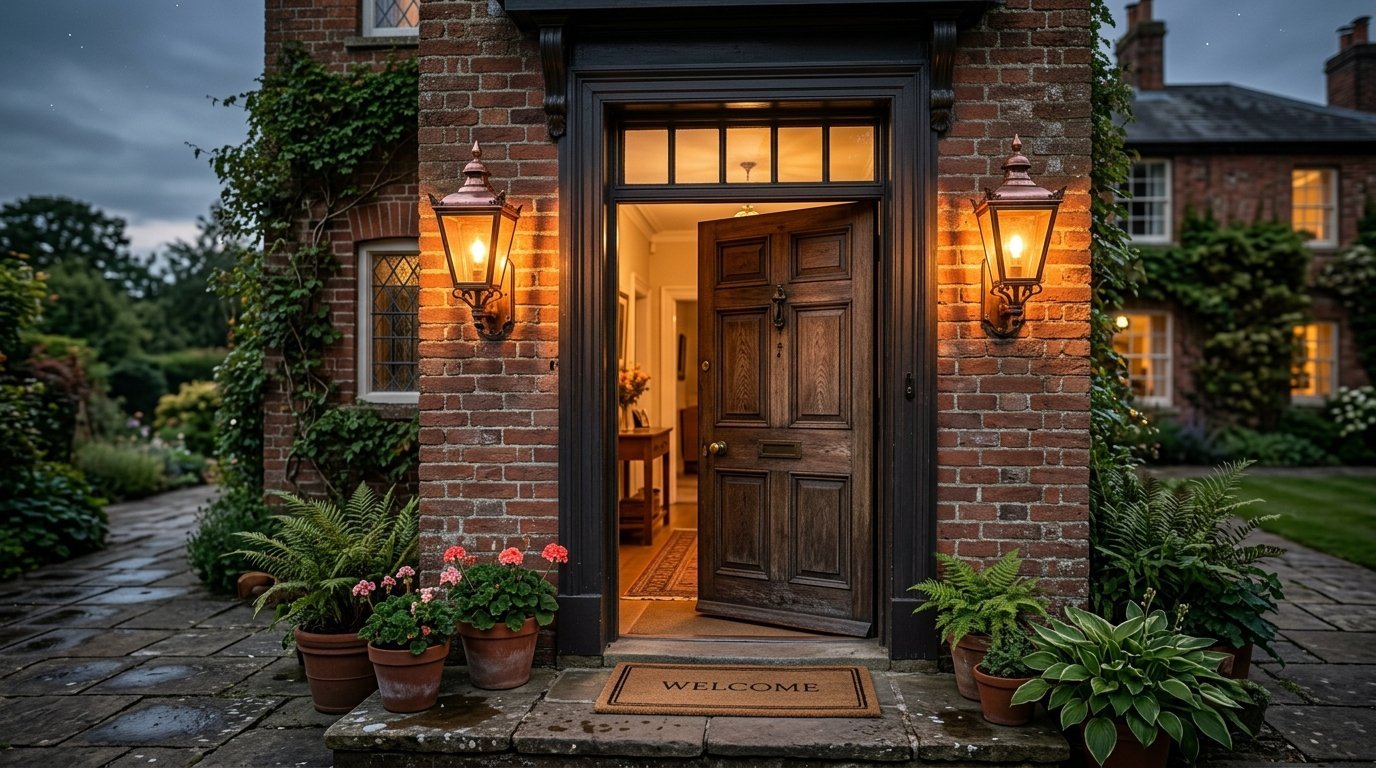
Finding real vintage lighting takes patience. You cannot order it with one click. You have to hunt. You have to verify the quality. You have to get your hands dirty.
The effort pays off completely. Your home stops looking like a catalog. It starts reflecting your taste. It feels rooted in history. Those old lanterns cast beautiful shadows. They create warmth on your entrance table. They outlast everything else in the room.

Anya Castellan is the Founder and Editor-in-Chief of Home Wall Trends. An art history graduate of the Rhode Island School of Design with twelve years of experience writing for leading American design publications, she specializes in composition, gallery wall theory, and the quiet architecture of domestic space. A former contributing editor at Architectural Digest and guest lecturer at Parsons School of Design, Anya personally reads and signs off on every piece before it is published.