
You hear a sudden crash in the middle of the night. Your heart stops completely. You walk into the living room and see shattered glass everywhere. Your massive vintage frame just ripped a chunk of painted drywall out. I saw this destroy a beautiful piece in my hallway three years ago. The damp air got behind the frame and caused black spots on the silver backing. The cheap plastic anchors ripped straight out of the wall under the strain. Finding hardware that will truly hold on without destroying your walls changes how you decorate. This guide shows you exactly where to buy the right gear for every surface. You will get specific brand names and exact weight limits. I will share my exact steps for keeping heavy frames flush and safe.
You want to hang massive art pieces without losing your security deposit. Standard sticky strips peel paint right off. Standard nails leave gaping holes in flat paint. This guide walks you through the best hardware for every wall type imaginable. You will read about exact tools for drywall plaster and masonry surfaces. I detail the precise hooks needed for a sprawling gallery wall. You will see the best hardware for securing a massive vintage piece. I share exactly how to hang heavy pine signs safely. You will find out where to source these items locally and online right now. Everything here focuses on keeping your walls intact and your art off the floor. Get your measuring tape ready for action.
The Physics Of Keeping Heavy Art On The Wall

When you hang a massive piece two forces fight against you. Shear force pulls straight down toward the floor. Outward force rips the fastener away from the wall. Most people only look at the pound rating printed on the box. That rating only applies to shear downward force under perfect factory conditions. A thick frame pushes the center of gravity away from the wall. This creates a severe lever action. The top of the frame tries to peel the hook outward continuously. You need hardware designed to combat both downward and outward stress.
Drywall behaves like hard chalk wrapped in thick paper. It crumbles under concentrated outward stress instantly. Cinder block resists downward force but rejects standard drilling entirely. Plaster shatters like glass if you use the wrong drill bit. Matching the fastener to the exact wall material prevents disasters completely.
I learned this the hard way while setting up a boho bedroom aesthetic. I tried hanging a thick woven piece on a crumbling plaster wall. The entire anchor gave way within three days of hanging.
- Diagnose your wall material before buying anything.
- Press a thumbtack into a hidden corner.
- If it goes in easily you have standard drywall.
- If it bends you likely have plaster over lath.
- If it hits solid rock you have concrete or brick.
You must match your shopping list to your specific wall type. Buying the wrong anchor guarantees a mess later.
Standard Adhesive Limits And Realistic Expectations
Everybody wants to use standard adhesive strips for everything. They promise a perfectly clean removal when you move out. They work beautifully for small frames and light paper canvases. They fail catastrophically when pushed past their specific limits. A thick frame pulls outward and slowly stretches the adhesive backing. Temperature changes cause the adhesive to turn hard and brittle. Summer humidity melts the bonding agent right off the paint.
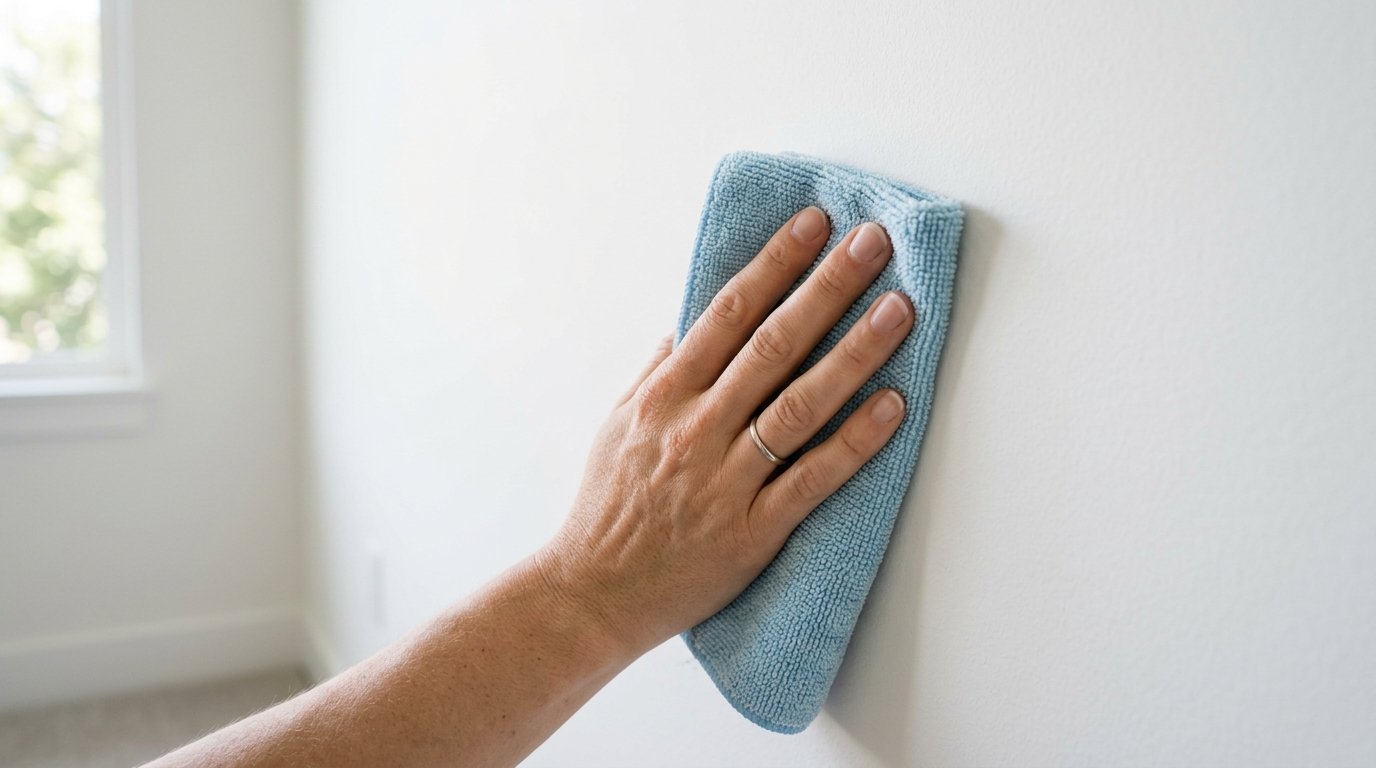
If you must use adhesive for heavier items you need maximum prep work. You cannot just wipe the wall with a dry paper towel. You must use high purity isopropyl alcohol. I use a dedicated Norwex microfiber cloth for this specific step. The cloth picks up invisible dust and ambient room oils. The alcohol strips away any greasy residue from the paint surface.
Let the alcohol dry completely for five minutes. Press the strip firmly for a full sixty seconds against the wall. Wait a full twenty four hours before hanging the art piece. This waiting period lets the adhesive cure and bond with the paint texture perfectly.
Even with perfect prep I never trust adhesive for anything over ten pounds. I never use them over a bed or a baby crib. Buy the velcro style strips rather than the single hook style. The velcro style distributes the weight across a much larger surface area. Target and Walmart sell bulk packs of these heavy duty velcro strips for about fifteen dollars. The brand name Command Strips outperform generic store brands every time.
Securing A Big Mirror Flawlessly Without Studs

I love placing a big mirror in a room to bounce natural light around. You often need to place it exactly center over a bedroom dresser. Wall studs rarely align with the exact center of your furniture layout. You need drywall specific hardware that disperses the heavy load sideways.
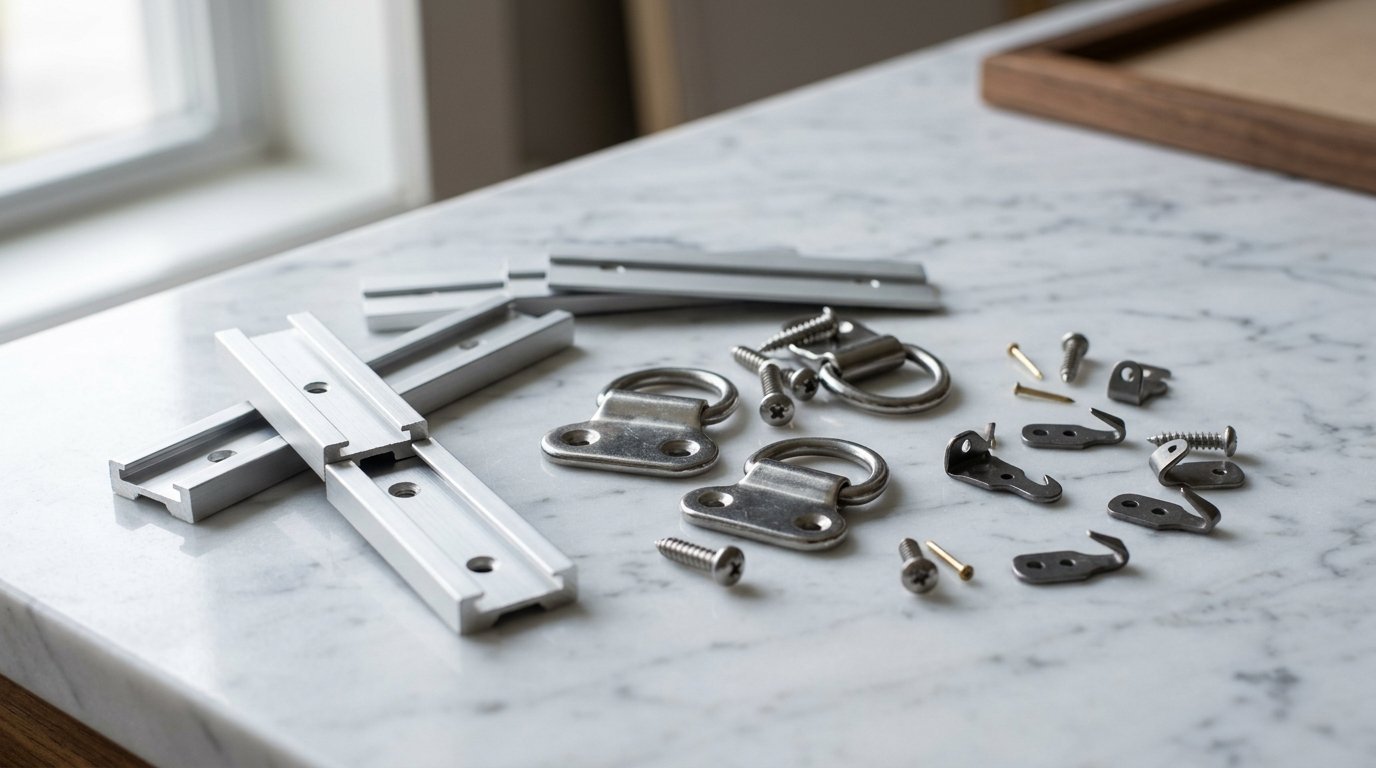
The absolute best hardware for this job is the heavy duty French cleat. You can buy extruded aluminum French cleats at Home Depot or Lowe’s right now. They sit in the picture hanging aisle near the specialty wire and nails. The Hangman brand dominates this retail space.
A French cleat uses two interlocking metal brackets. One bracket screws firmly into the back of the frame. The other bracket anchors into the drywall using specialized locking toggles. The weight distributes across six to twelve inches of solid aluminum. This prevents the outward pulling action entirely.
I noticed an issue with a gold framed circle mirror in my bedroom last summer. Every time I wiped the glass water gathered at the absolute bottom curve. The frame started shifting left and right because it hung on a single standard wire. Switching to a French cleat locked it perfectly flat against the wall. This makes wiping down the glass much easier every week. You can scrub the glass safely without the frame swaying at all.
You can buy these aluminum cleats online through Amazon or specialty framing shops. Look for aircraft grade aluminum options for anything over forty pounds. A twenty inch Hangman cleat costs around twenty dollars and holds up to two hundred pounds securely.
Finding The Right Hardware For A Massive Gallery Wall

A sprawling gallery wall requires absolute military precision. You cannot afford to make mistakes and leave twenty holes in the drywall. Renter friendly decorating means making the smallest possible mark on the property. Standard nails leave terrible pockmarks in flat paint finishes.
The absolute best tool is the micro hook. Brands like OOK sell professional grade steel hooks in bulk boxes. You can find them at Michael’s Hobby Lobby or local Ace hardware stores. These hooks use a tiny hardened steel nail driven at a steep downward angle. The nail leaves a hole the exact size of a sewing pin. You can cover the hole later with a tiny dab of plain toothpaste or spackle.
These hooks hold up to fifty pounds in standard half inch drywall. The steep angle relies on the shear strength of the inner drywall core. You need to buy the kits that include multiple weight ratings. Use the ten pound hooks for small five by seven photos. Use the fifty pound hooks for large central focal pieces.
The Template Trick For Perfect Spacing
I always map my layout on brown kraft paper first. I trace every frame onto the paper and mark the top center. I tape the paper templates to the wall using blue painters tape. I step back and adjust the paper until the layout looks right. I drive the OOK nail straight through the paper mark. Then I tear the paper away from the wall. This ensures exact placement on the very first try. It saves your drywall from multiple failed leveling attempts.
Managing Thick Wood Signs Like Letras De Madera
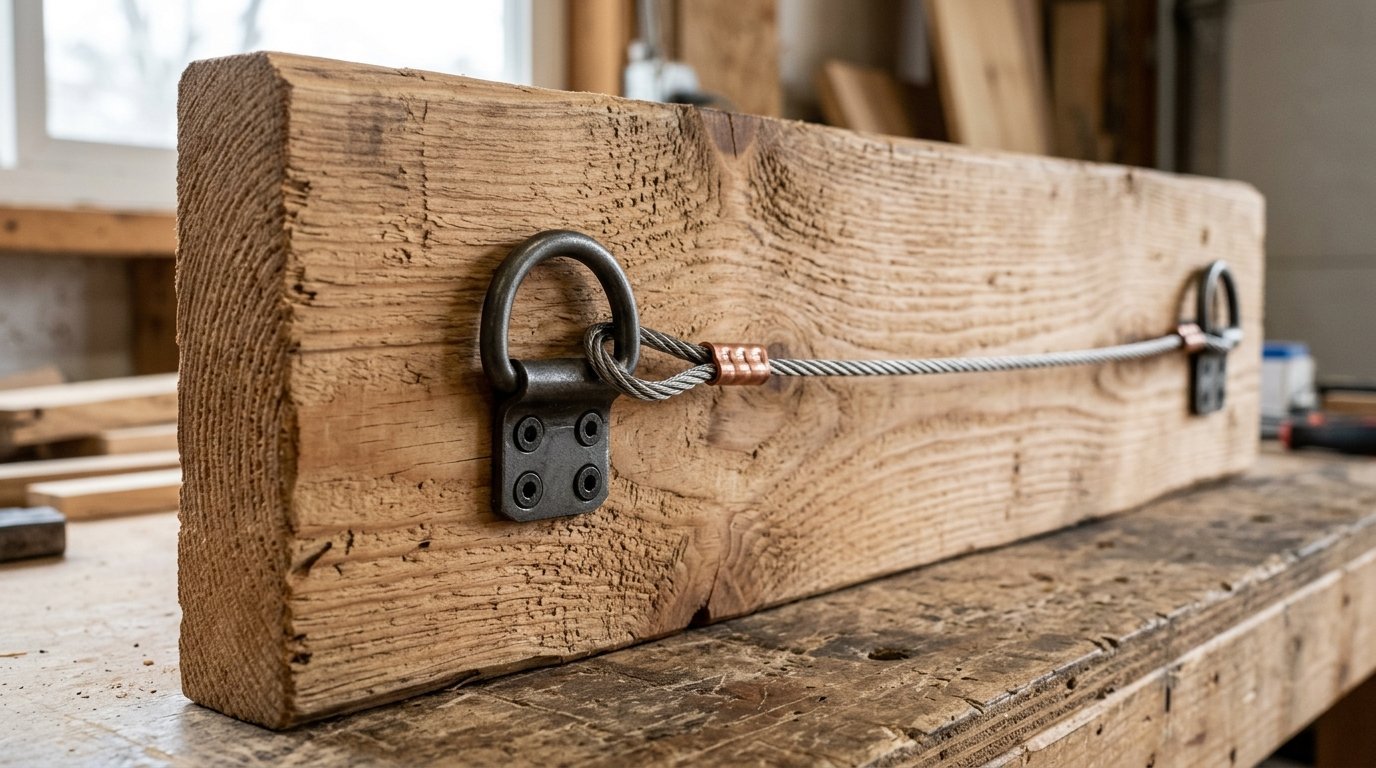
Three months ago I threw a fresh piece of pine right into the trash bin. I tried to craft a farmhouse welcome sign for my porch. The wood was incredibly thick and heavy. I attached a cheap sawtooth hanger to the top back edge. The hanger snapped off the moment I lifted it from the workbench.
Thick wood art like Letras De Madera requires serious mechanical attachment points. Do not trust the tiny screws that come with cheap sawtooth hanger kits. You need to buy heavy duty steel D rings. Hardware stores sell D rings with multiple deep screw holes. You secure the D ring to the wood using three quarter inch wood screws. This ensures the ring will never tear out of the soft wood grain.
Then you run plastic coated picture wire between the two steel rings. The plastic coating prevents the sharp wire from cutting your hands during installation. It also prevents rusting in humid bathroom or porch environments.
You can source heavy duty D rings from professional framing supply websites. Tractor Supply and Ace Hardware also carry heavy duty metal options in their chain aisle. Always buy wire rated for double the weight of your actual piece. If your heavy farmhouse sign weighs twenty pounds buy forty pound rated wire. A spool of fifty pound coated wire costs about ten dollars at any hardware store.
Defeating Hard Surfaces Like Cinder Block And Brick
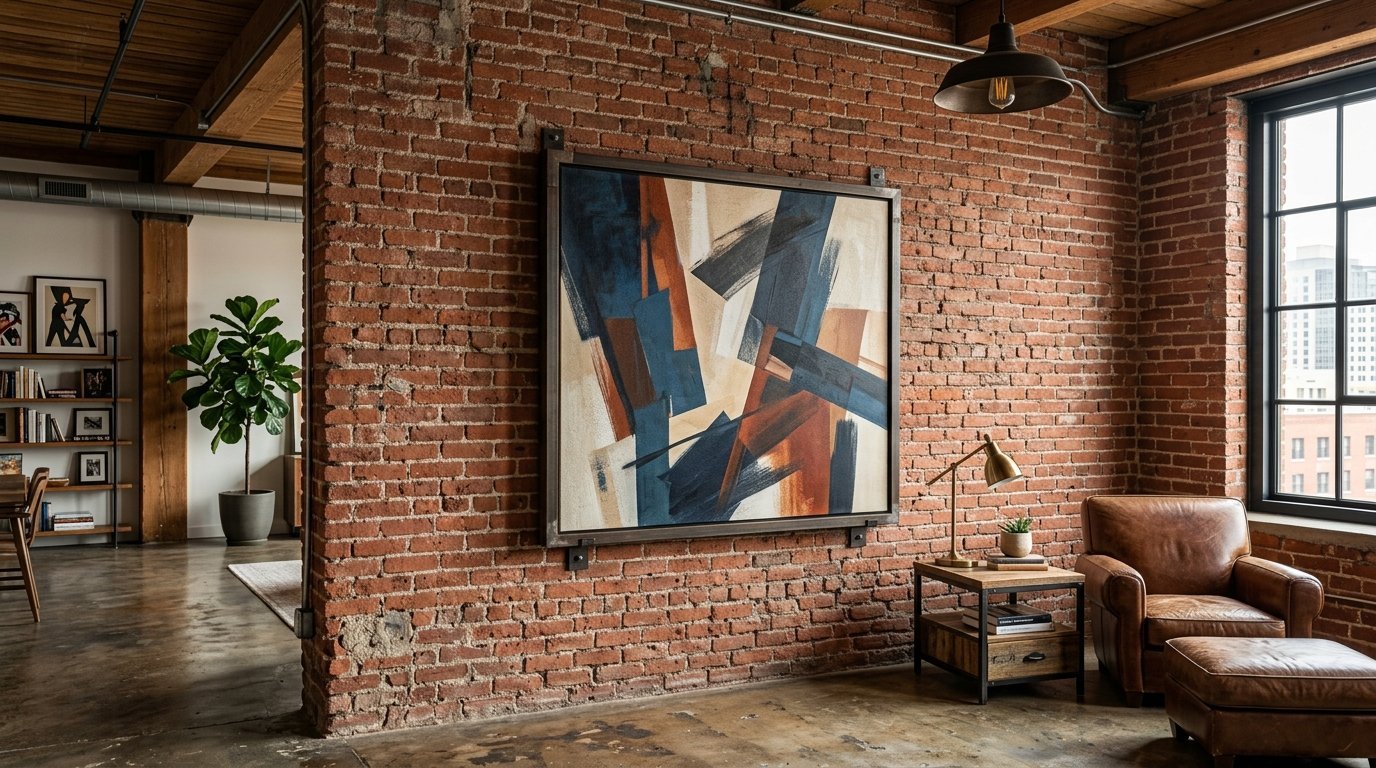
Many urban lofts and finished basement rooms feature exposed masonry walls. Hanging anything on cinder block feels entirely impossible without renting a hammer drill. You do not need to rent heavy noisy machinery for this task. You need to buy hardwall plastic hangers.
These tiny plastic hooks feature four extremely sharp hardened steel pins facing the wall. You hold the hook completely flat against the masonry surface. You tap the four pins simultaneously with a standard household hammer. The pins penetrate the block face or the mortar joint perfectly. They lock firmly in place and hold up to twenty five pounds effortlessly.
You can buy these specifically on Amazon by searching for hardwall block hangers. Home Depot carries a very limited selection in their specialty fastener aisle.
For exposed interior brick you have another entirely drill free choice available. Brick clips grab the top and bottom edge of individual exposed bricks. They use strong spring tension to hold on tightly to the rough face. You literally snap them over the brick face with your bare hands. They feature a small curved hook on the front for your picture wire.
These metal clips hold up to twenty five pounds each. You can use two clips spaced apart to distribute a fifty pound load safely. You can remove them instantly by pinching the metal spring together. They leave absolute zero marks on the red brick or the gray mortar. Hardware stores rarely stock these specific clips on the shelf. You will need to order brick clips online. Always measure the exact vertical height of your bricks before ordering anything. Standard bricks run about two and a quarter inches high. Vintage warehouse bricks can vary wildly in size and depth.
Specialty Drywall Heroes Without The Stud Finder
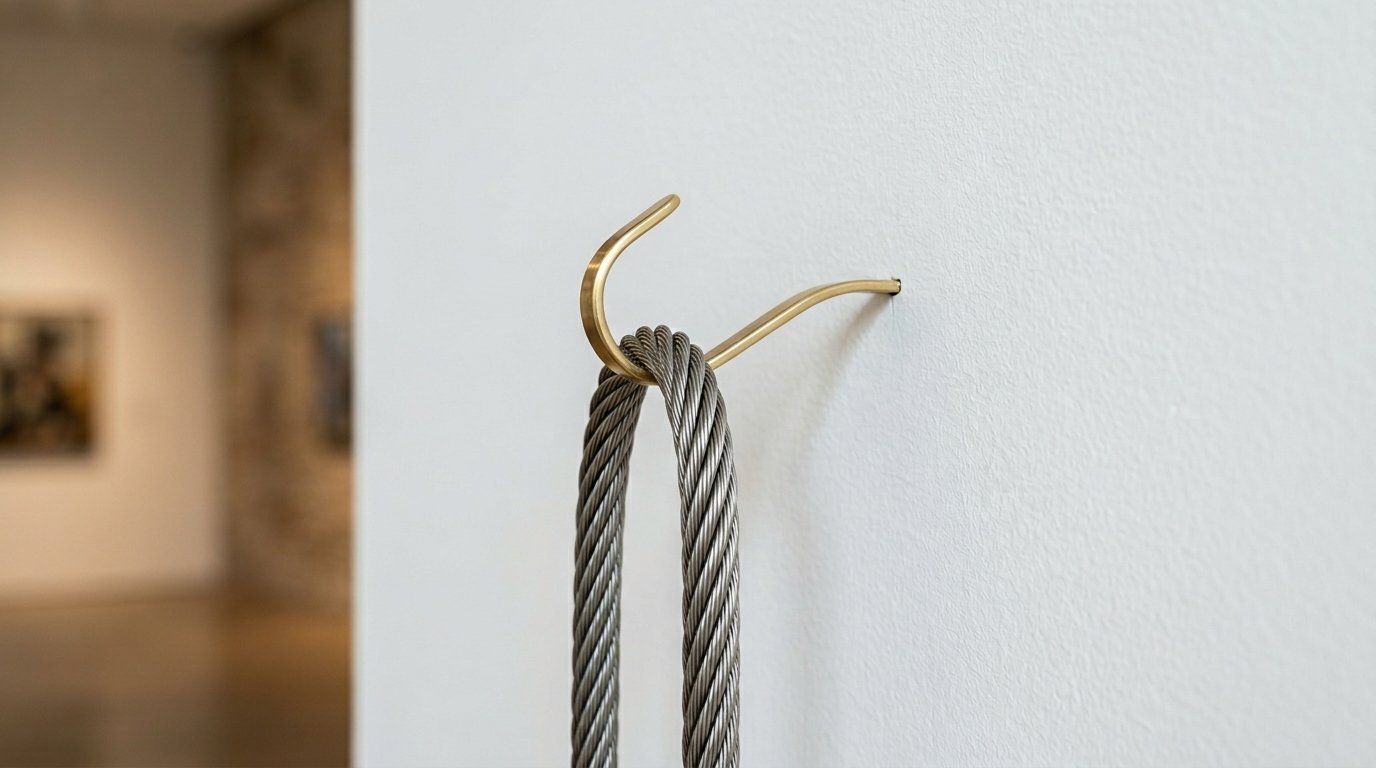
Sometimes you need specialty hardware for incredibly specific room setups. Monkey hooks look like sharply curved pieces of thick metal wire. You push the extremely sharp end straight through the painted drywall. You twist the wire and it loops upward behind the drywall sheet.
The genius design uses the back of the wall itself for leverage. They require absolute zero tools to install. You literally push them in with your bare thumb. They hold up to thirty five pounds easily without bowing. The hole they leave is barely visible from three feet away. You can buy them in assorted multi packs at any large hardware chain for under ten dollars.
Another specialty item is the heavy duty drywall claw. The Hillman brand manufactures these specific fasteners. These look like flat metal plates with two fiercely curved fangs. You push the fangs firmly into the wall using both thumbs. The flat plate sits completely flush against the wall paint.
They hold a massive amount of weight in plain hollow drywall. They work perfectly for mirrors backed with standard braided steel wire. I keep a full box of these in my toolbox at all times. They make repositioning art pieces incredibly fast and painless. You just pull them straight out and push them in somewhere else. A pack of five Hillman drywall claws costs about six dollars at Lowe’s.
Sourcing Professional Grade Security Framing Supplies
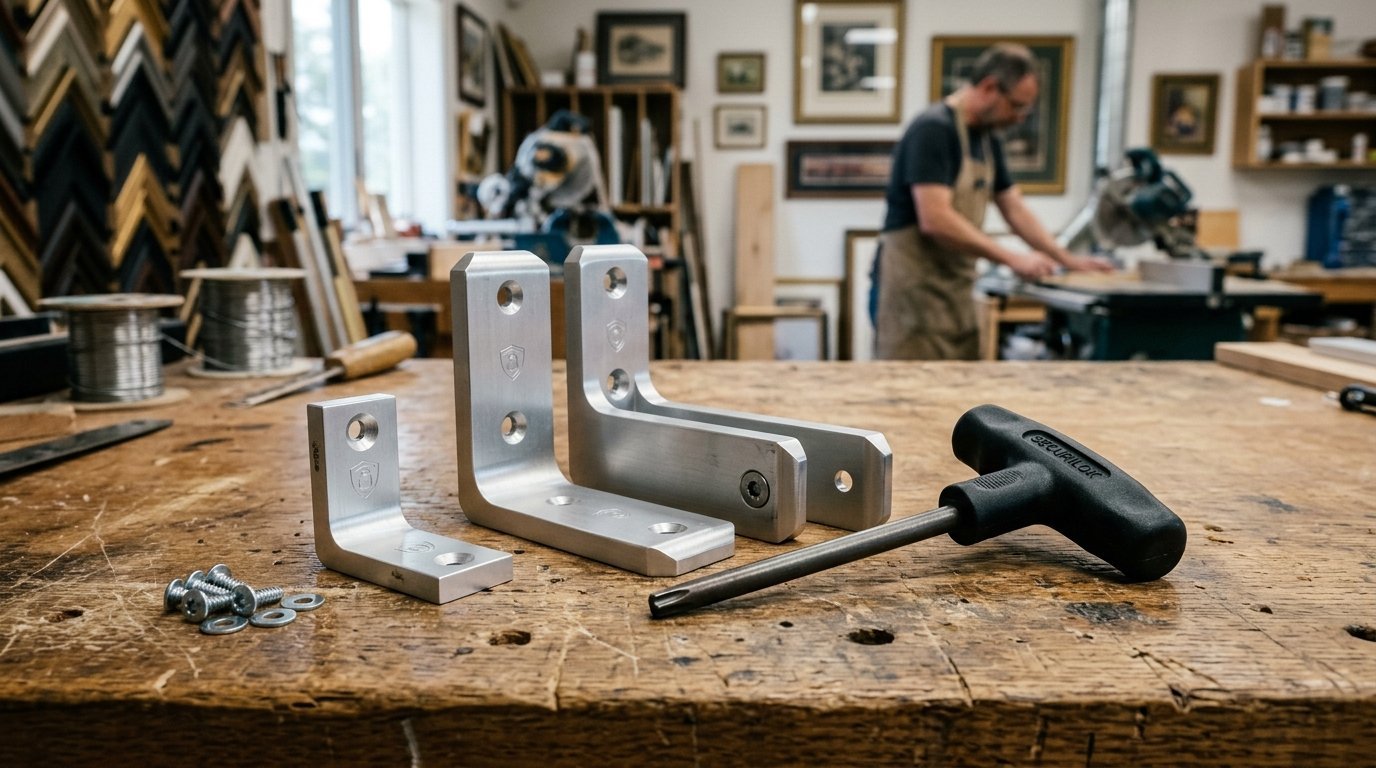
Big box retail stores carry basic consumer grade hardware. Consumer grade works flawlessly for most standard everyday decorating tasks. Massive heavy pieces or priceless antique items require true professional hardware. You need to buy from dedicated custom framing suppliers.
Websites like United Mfrs Supplies cater specifically to custom frame shops across the country. They sell heavy duty metal security hardware. Security hardware locks the frame directly to the wall with a special metal key. Hotels and busy restaurants use this hardware to prevent theft and accidents. It also prevents a heavy mirror from ever falling off the wall during a slamming door vibration.
You attach three small metal plates to the wall surface. You attach three corresponding metal brackets to the wood frame. You slide the frame straight down onto the top two brackets. You use a specialized T wrench to rotate the bottom hidden lock. The frame cannot move up down left or right. It sits completely flush and strictly locked in place.
I use this exact system when I set up a mirror background for photography sessions. The frame never moves when I accidentally lean against it for a mirror selfie. It provides ultimate peace of mind for heavy pieces in high traffic hallways. You can buy basic security hardware kits on Amazon for about fifteen dollars. Professional framing sites offer bulk pricing and stronger aircraft metal alloys.
Preparing Your Vintage Frames And Thrifted Finds
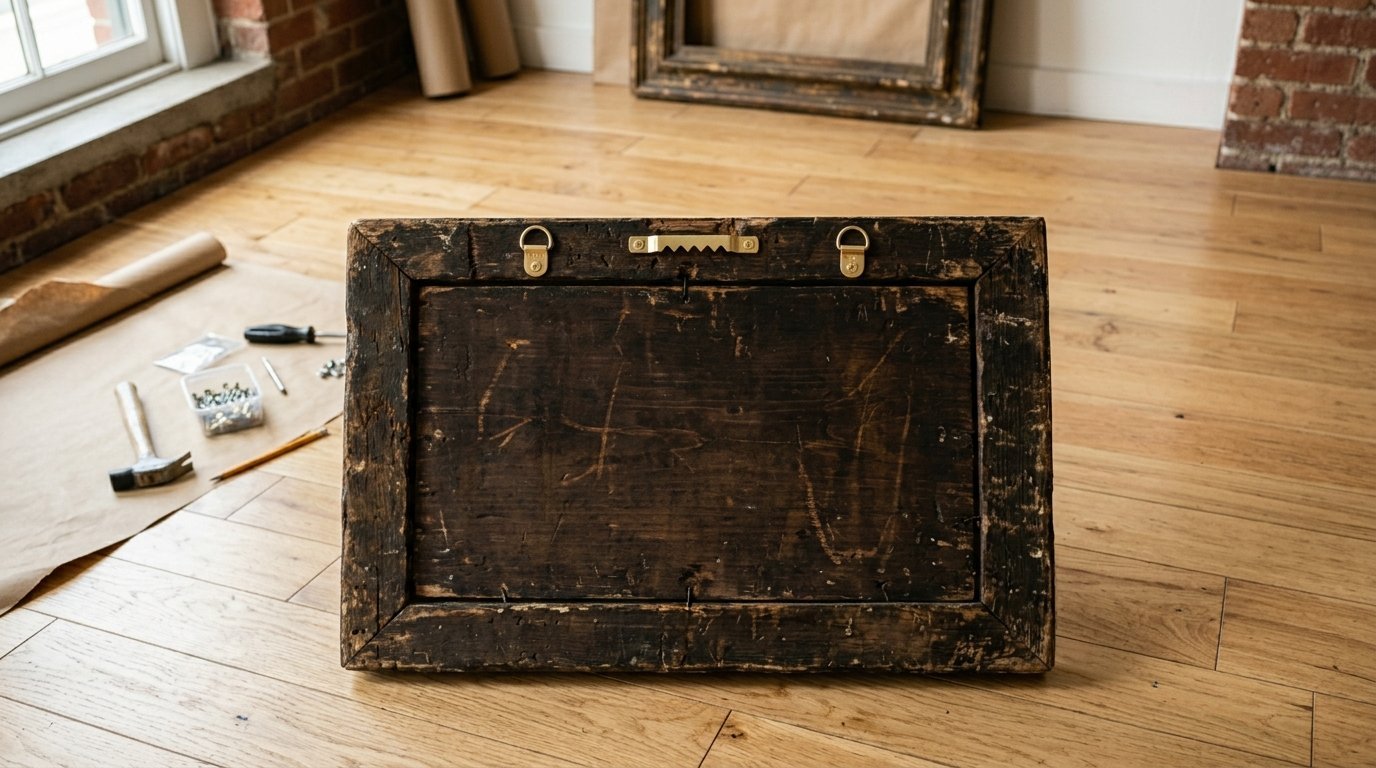
Hardware on the wall only tells half the full story. The hardware on the actual frame must match the wall strength exactly. Old vintage frames often have rotting wood backs from years of garage storage. The original rusty eye hooks will rip straight out of soft decaying wood.
You must inspect the back of every single thrifted piece you buy. Remove rusty nails and brittle broken wires immediately with pliers. Fill the old stripped holes with a strong two part wood epoxy. Drill fresh small pilot holes into solid undamaged wood sections. Install brand new heavy duty steel D rings. String fresh braided steel wire tightly between the rings.
Wire Tension Tricks
Leave just enough slack in the wire to form a slight gentle triangle. Too much slack puts excessive outward pulling force on the wall hook. Too tight and you cannot hook it onto the wall easily without scratching the paint.
I always clean the glass before hanging a heavy piece on the wall. I use distilled water and a 3M glass cloth exclusively. Cleaning it flat on the floor prevents you from pushing hard against the wall hook later. Wrestling a heavy frame while trying to scrub a deep smudge is dangerous. Do the prep work flat on the ground.
Step By Step Installation For Fifty Pound Items
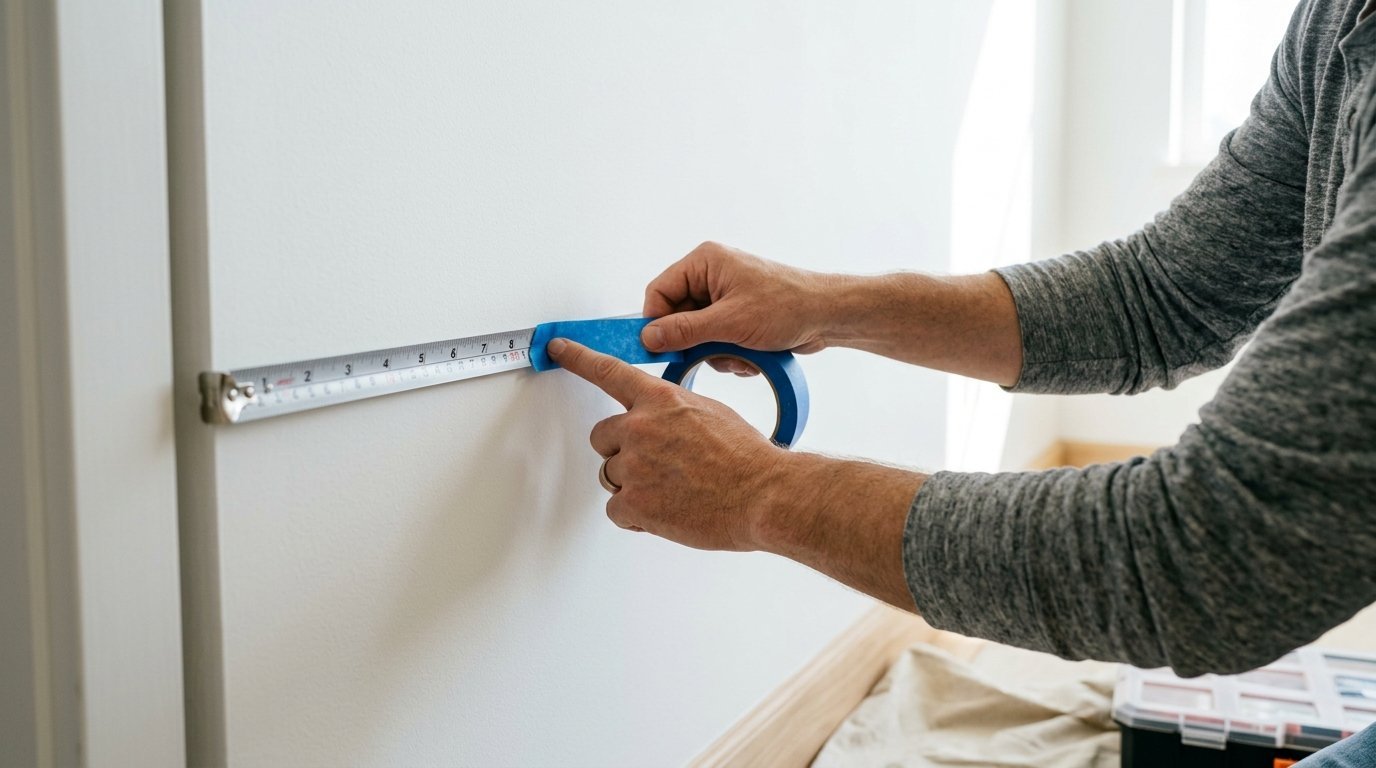
Hanging a massive fifty pound object requires a strict physical sequence. Do not guess the placement and hope for the best.
- Measure the exact distance from the top of the frame to the highest point of the wire.
- Pull the wire tight with your finger to simulate the actual hanging tension.
- Mark your desired top edge height on the wall with blue painters tape.
- Measure down from that blue tape by the exact distance you just calculated.
- That specific spot is exactly where your wall hook needs to go.
Hold your heavy duty wall hook flat against the drywall. Check the surrounding wall area for electrical outlets and light switches. Never drive a nail straight up from a wall outlet box. Drive the hardened steel pins into the drywall at the proper steep angle.
Lift the heavy mirror using your legs not your back. Guide the wire gently over the wall hook. Keep both hands firmly under the frame bottom. Slowly transfer the physical weight to the wall hook. Listen closely for any tearing paper or cracking sounds from the drywall. If you hear a sharp crack take the mirror down immediately. The drywall in that spot might have previous hidden water damage. Shift your placement to a nearby solid wood wall stud. Use a three inch heavy duty wood screw directly into the solid stud.
The Exact Toolkit To Prep And Clean Before Hanging
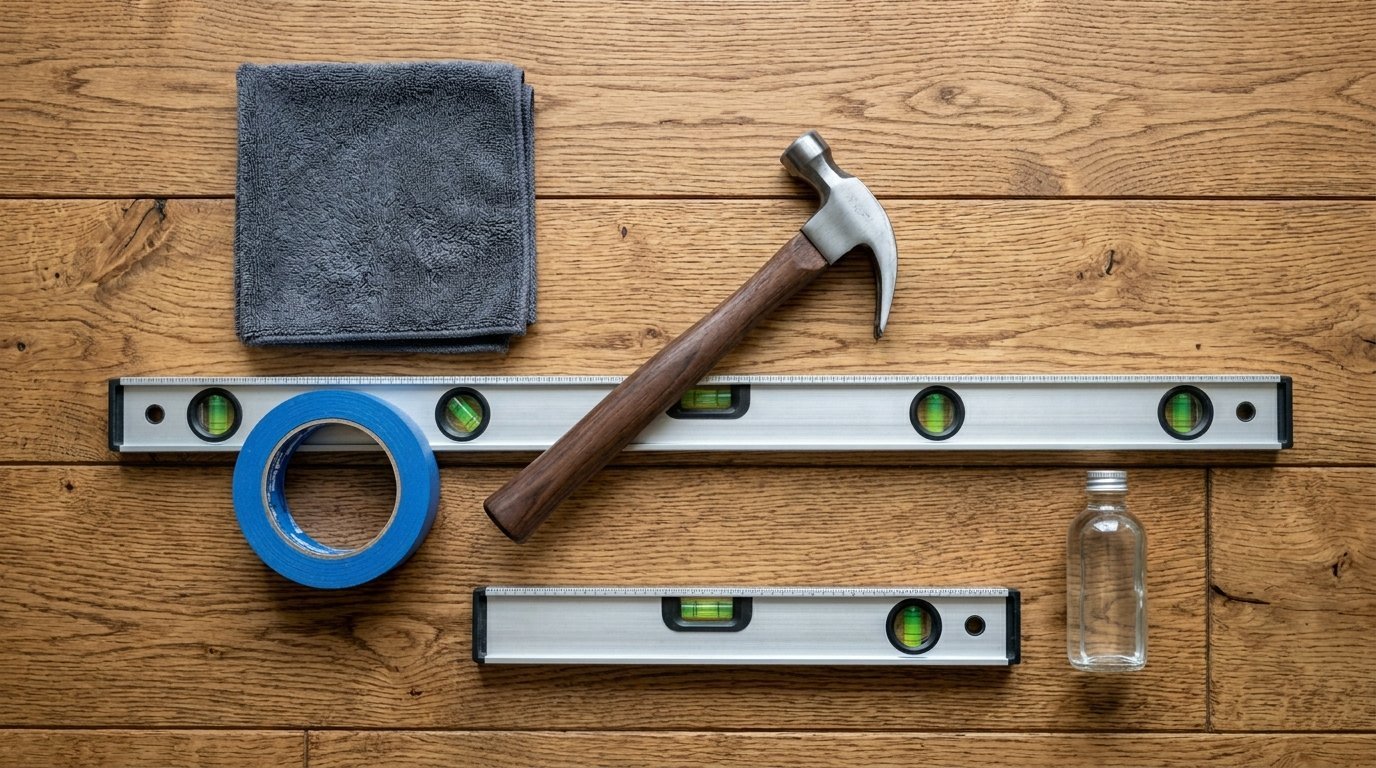
Every flawless hanging project begins with the right prep tools. You cannot just hammer a nail and walk away. Having the right cleaning and prep tools makes the job professional.
- A reliable digital stud finder with deep scan mode.
- Blue painters tape for marking walls without peeling paint.
- A twenty four inch bubble level for exact horizontal alignment.
- A standard sixteen ounce smooth face claw hammer.
- High purity ninety one percent isopropyl alcohol.
- A Norwex or 3M microfiber cleaning cloth.
The microfiber cloth handles all the dust removal before you place any adhesive strips. You wipe the wall dry completely. Then you wipe it again with the pure alcohol. This combination removes invisible oils from cooking or human hands.
I always keep a tiny tube of white spackle in this toolkit too. Whenever I remove an old hook I immediately fill the pinhole. A quick swipe of spackle on a fingertip makes the hole vanish instantly. You wipe the excess away with a damp cloth. This keeps your walls looking pristine year after year.
Frequently Asked Questions

Can standard adhesive strips really hold a forty pound mirror?
No. The rating on the package assumes perfectly distributed weight and ideal room humidity. A heavy thick frame creates outward leverage that slowly peels the adhesive off the paint. Always use mechanical metal fasteners for anything weighing over fifteen pounds.
Will metal monkey hooks damage older plaster walls?
Yes. Plaster is extremely brittle and unforgiving. Pushing a thick metal wire directly through plaster will shatter the surrounding wall area instantly. Monkey hooks are designed exclusively for modern drywall sheets. For plaster walls you need to drill a clean pilot hole and use a metal toggle bolt.
How do I hang items without making any holes at all?
For completely hole free hanging you are heavily limited to lightweight items only. Use heavy duty velcro strips for paper canvases under ten pounds. For exposed brick walls use tension based metal brick clips. Anything heavy on flat painted drywall requires at least a microscopic pinhole.
Where can I buy heavy duty French cleats locally today?
Home Depot Lowe’s and your local Ace Hardware carry strong aluminum French cleats. You will find them in the dedicated picture hanging aisle or the specialty heavy hardware section. They usually range from six inches to thirty inches wide.
Do I absolutely need a stud finder to hang a gallery layout?
No. Finding studs for a large sprawling layout is nearly impossible because your specific art spacing dictates the wall placement. Use micro steel hooks with hardened steel pins instead. They rely entirely on the inner drywall core strength and do not require wall studs at all.
Why did my heavy duty plastic anchor pull straight out of the wall?
You likely used a cheap plastic expansion anchor in plain hollow drywall. Those specific plastic plugs are meant exclusively for solid concrete or brick. In hollow drywall they just spin endlessly and tear a much larger hole. You must use metal toggle style anchors or deeply threaded metal drywall anchors.
Final Thoughts On Securing Your Decor

You now have the exact blueprint for hanging your heaviest wall pieces. You know exactly which aisles to browse at the local hardware store. You know why matching the specific hardware to the wall material matters so much. Stop relying on cheap plastic anchors and tiny single nails.
Invest in aircraft grade aluminum cleats and hardened steel micro hooks. Your walls will stay perfectly intact for years. Your heavy vintage frames and thick pine wood signs will stay exactly where you put them originally. Gather your microfiber cloths and your heavy duty metal hardware. Start mapping out your next big blank wall project today.

Anya Castellan is the Founder and Editor-in-Chief of Home Wall Trends. An art history graduate of the Rhode Island School of Design with twelve years of experience writing for leading American design publications, she specializes in composition, gallery wall theory, and the quiet architecture of domestic space. A former contributing editor at Architectural Digest and guest lecturer at Parsons School of Design, Anya personally reads and signs off on every piece before it is published.