Three months ago a heavy wood frame fell near a baby bed in my friend’s house. The loud sound woke the entire street. Nobody slept that night. Hanging nursery art safely requires strict rules. You cannot guess. Gravity always wins. Babies pull up on crib rails constantly. They reach out and grab things. Walls vibrate hard when doors slam. I have tried many hanging methods over the years. Some failed miserably. Last summer moisture pooled behind a gold frame circle mirror in my bedroom. The hardware rusted and gave out. You must prevent these hidden dangers in a kids room. You will master the exact step by step method to secure wall decor right now.
You will get exact measurements for safe above crib placement. We cover specific hardware brands that refuse to fail. You will see why acrylic beats glass every time. I share three personal mistakes that ruined my own projects. You get exact costs for the safest mounting gear. We review alternatives like canvas and pine wood signs. You get a foolproof method to lock frames to the drywall. I break down exact tools required. Your baby room will look beautiful. More urgently it will remain entirely safe.
Why Traditional Hanging Methods Fail in a Baby Room
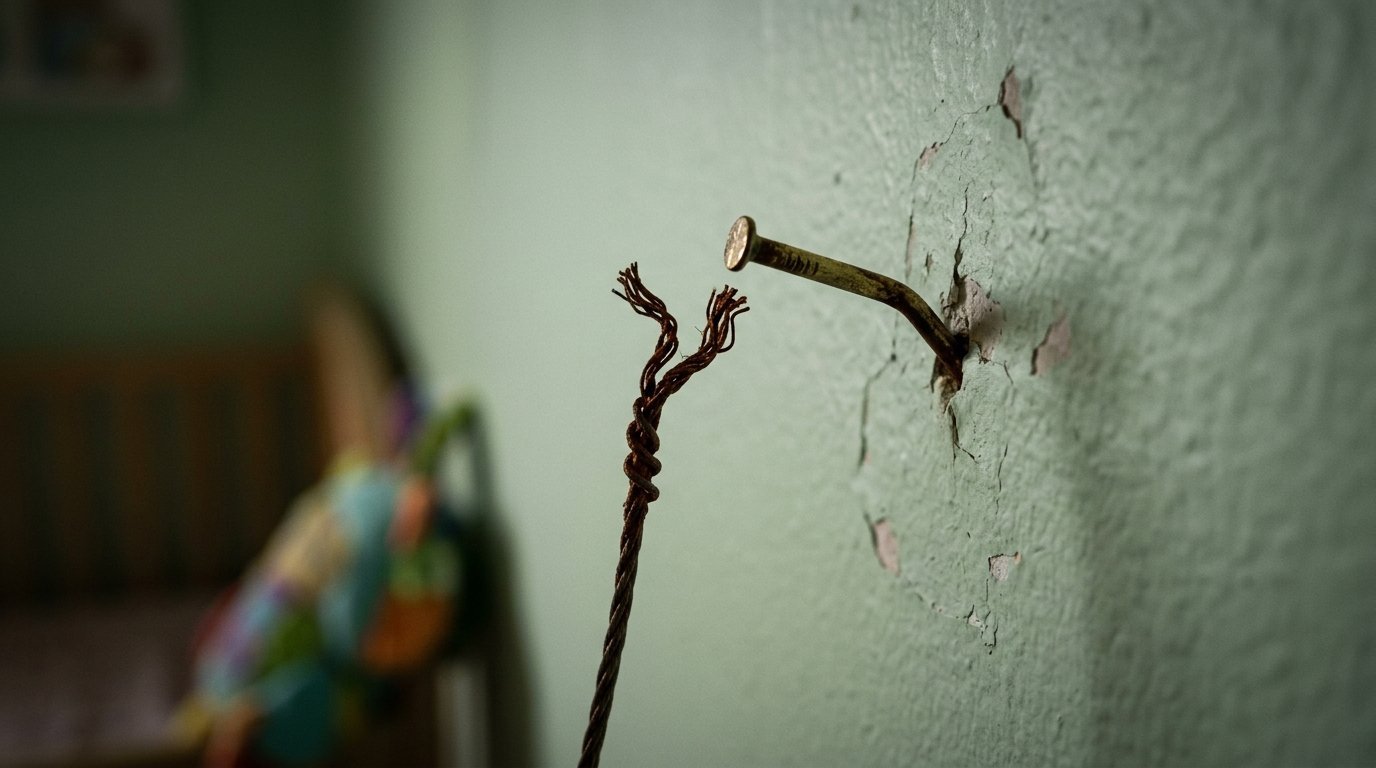
People often use a single nail to hang a frame. This is a massive mistake. A single nail offers zero horizontal stability. A slammed door can knock the piece off the wall easily. The nail itself slowly pulls out of the gypsum dust. The daily micro vibrations in a house loosen the hole. The frame will eventually drop.
String or wire presents another hidden risk. The wire can rust or snap. Three years ago moisture destroyed a hallway decorative piece I owned. Damp air got behind the frame backing. The metal wire rusted completely. It broke in half during the night. The piece shattered on the hardwood floor.
Humidifiers in a nursery create the exact same wet environment. Southern states like Florida experience extreme indoor humidity naturally. This moisture weakens standard drywall over time. The paper face of the drywall becomes soft. Standard anchors pull straight out of this wet material.
Adhesive strips also fail in humid rooms. The glue melts and loses its grip completely. I have seen Command Strips peel off nursery walls during hot summer weeks. The glue cannot handle the constant moisture from a Vicks vaporizer. You need hardware bolted directly into wooden studs. The industry standard says wire is fine. I completely disagree. Wire gives a toddler room to pull the frame away from the paint. You must lock the piece rigidly to the studs instead.
The Hidden Danger of Picture Wire
Picture wire stretches over time. The heavy weight of the wood frame pulls the wire tight. The frame slowly lowers down the wall. The wire also allows the frame to swing back and forth. A swinging frame damages the paint. It also works the wall hook loose. A toddler can easily unhook a wired picture by pushing upward.
Why Adhesive Strips Melt in Nurseries
Adhesive strips rely on a chemical bond with the wall paint. Humidity breaks down this chemical bond quickly. Nurseries stay very warm and humid. The moisture acts like a solvent on the glue backing. The strip slowly slides down the wall. It leaves a sticky residue behind. Eventually the entire piece falls without warning.
The Micro Vibration Problem with Nails
Houses constantly move and shift. Footsteps on hardwood floors create tiny vibrations in the walls. Closing doors send shockwaves through the wooden studs. These vibrations transfer directly to a standard picture nail. The nail wiggles infinitesimally inside the drywall hole. Over months the hole grows larger. The nail loses friction and drops out.
Regional Humidity and Wall Strength
Homes in dry climates face different risks than coastal homes. Dry air causes wooden frames to shrink and crack. Wet coastal air causes the wood to swell. Swelling wood pulls against the hanging hardware. The constant expansion and contraction weakens the joints. You must use hardware that accommodates this seasonal movement safely.
The Acrylic Rule for Baby Photos
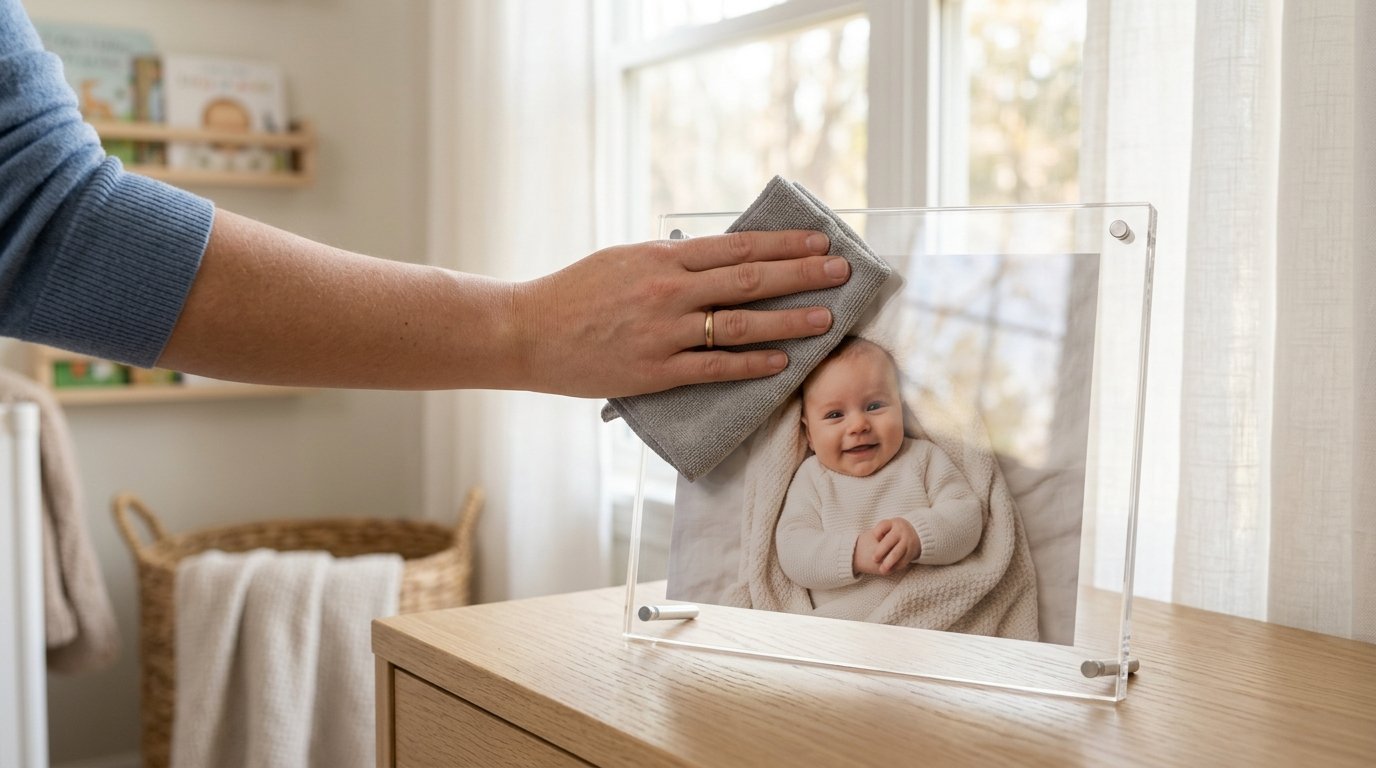
You must ban all glass from the nursery. Glass shatters into thousands of invisible shards. You can never find them all in a high pile rug. A crawling baby will find those shards immediately. You must use acrylic or plexiglass instead. The safety tradeoff is entirely worth the extra care required.
I ruined home glass last year using cheap paper towels. They left scratches and lint residue everywhere. Acrylic scratches even easier than standard glass. You must clean acrylic using only clean microfiber cloths. You need a specific plastic polish like Novus to clean it right. Never use ammonia based window cleaners on acrylic panels. The chemicals will cloud the plastic permanently.
Frame baby photos in acrylic to protect your child. We use Framebridge for custom acrylic framing. Their frames cost around $85 but offer high build quality. The corners meet perfectly without gaps. Craig Frames offers budget acrylic choices around $30. Their frames feel slightly lighter but look great on the wall. Americanflat sells multi packs for $45. All three brands ship with shatterproof acrylic fronts exclusively.
You must specify acrylic when ordering custom pieces locally. Frame shops default to standard glass to save money. You must insist on the plastic alternative. I always tap the front of a frame with my fingernail. Glass makes a sharp clicking sound. Acrylic makes a dull thud. Check every single frame before hanging it in the baby room.
Glass Shards and High Pile Rugs
A broken glass pane explodes outward. The tiny splinters bury themselves deep into carpet fibers. A vacuum cleaner cannot pull all the pieces out. Your baby will eventually crawl over that exact spot. A microscopic glass shard will embed in their skin. You must eliminate this risk completely by using acrylic glazing.
Choosing the Right Acrylic Thickness
Acrylic sheets come in different thicknesses. The cheapest frames use a paper thin plastic sheet. This thin plastic warps over time. It makes your baby photos look wavy and distorted. You want acrylic that is at least one eighth of an inch thick. Thick acrylic stays flat and mimics the look of real glass.
How to Clean Acrylic Panels Safely
You must remove dust with a dry microfiber cloth first. Wiping dust with a wet cloth drags the dirt across the plastic. This creates permanent swirl marks. Spray the Novus cleaner directly onto a second clean cloth. Wipe the panel in slow straight lines. Never wipe in circles. Press very gently to avoid stressing the plastic.
Budget Versus Premium Frame Brands
Premium brands use solid wood and thick cast acrylic. They look identical to high end gallery frames. Budget brands often use compressed cardboard and extruded polystyrene plastic. The cheap plastic scratches if you just look at it wrong. You should buy fewer high quality frames instead of many cheap ones.
Hardware That Locks Wall Decor to the Wall
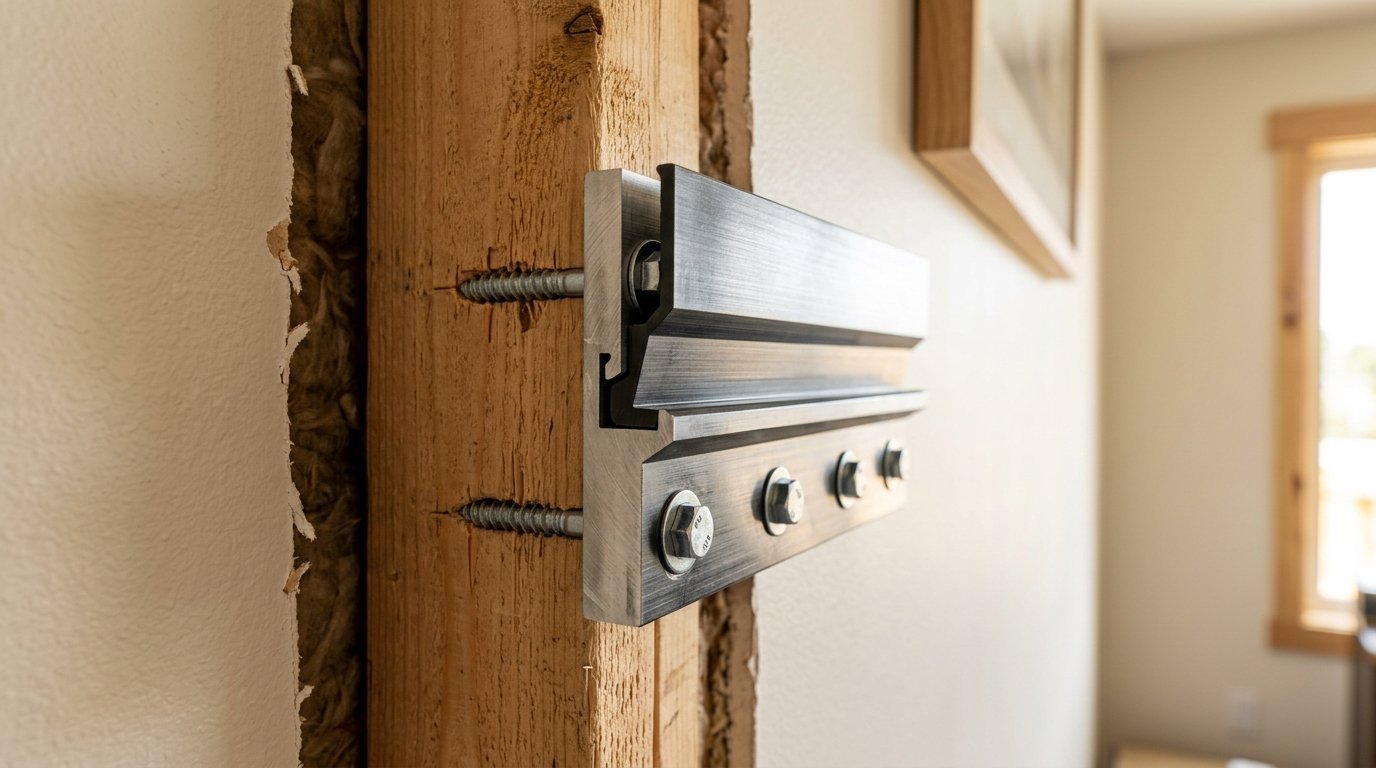
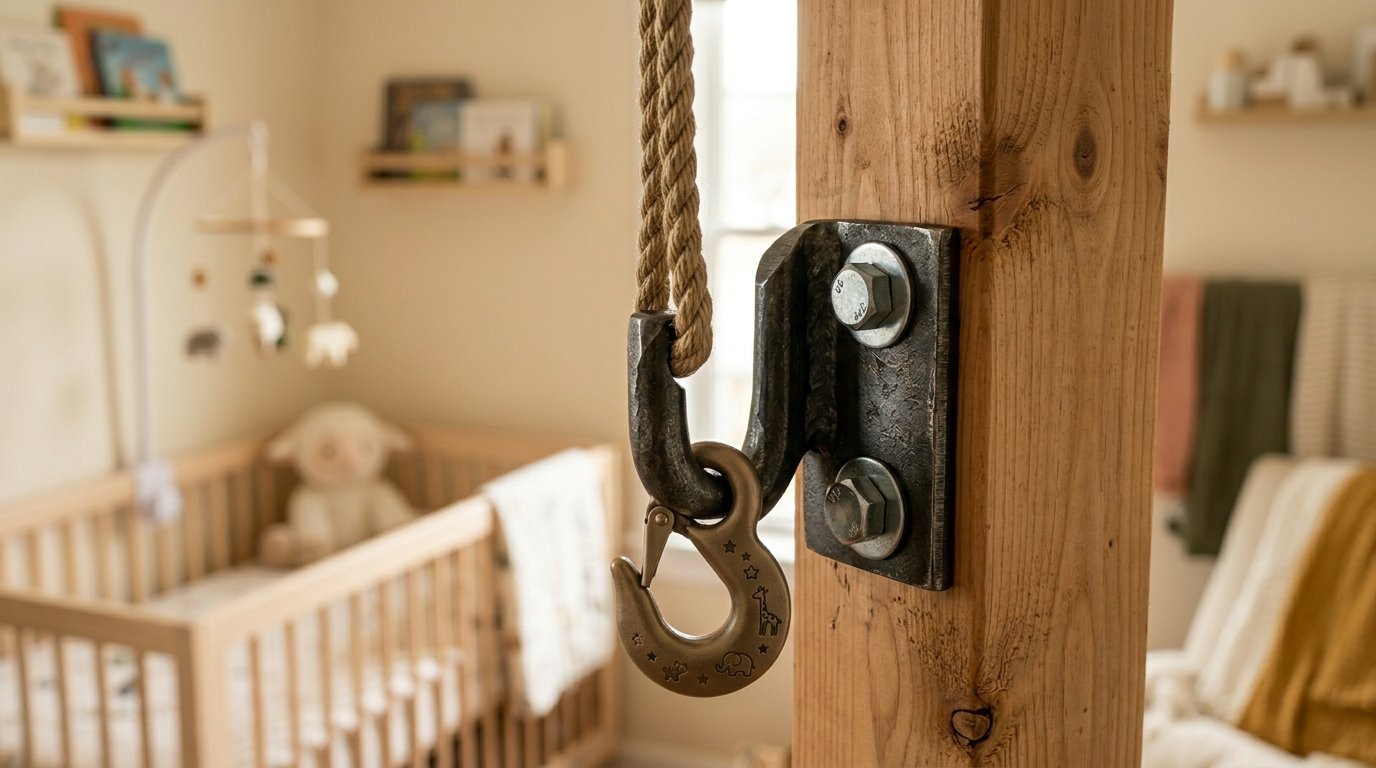
You need hardware that locks the piece in place securely. French cleats are the absolute safest choice for heavy items. A French cleat uses two interlocking metal brackets. One bracket screws deeply into the wall stud. The other bracket screws into the frame backing.
They slide together and lock instantly. The child cannot push the frame off the wall from the bottom. Gravity forces the two metal pieces to wedge tighter together. They sit completely flush against the drywall. There is no gap for tiny fingers to grab.
Security hardware requires a specific wrench to remove the piece. Hotels use this exact hardware to stop theft. You install a specialized T-screw into the bottom of the frame. You turn the screw with a hidden wrench to lock it. I prefer the metal French cleat for heavy items. It holds massive weight and requires no special tools to install.
You can buy Hangman Products French Cleats for $15 online. They hold up to 200 pounds of weight. Oook Anchor kits cost $12 and hold 50 pounds. The 3M Claw costs $10 and penetrates drywall deeply without tools. I still prefer screws driven directly into the wooden studs.
| Hardware Brand | Weight Limit | Wall Type | Safety Rating |
| Hangman Cleat | 200 lbs | Stud or Drywall | Highest |
| Oook Anchors | 50 lbs | Drywall | High |
| 3M Claw | 45 lbs | Drywall | Medium |
| Standard Nail | 10 lbs | Wood | Lowest |
| Adhesive Strip | 5 lbs | Flat Paint | Lowest |
| Hotel Security Lock | 100 lbs | Stud | Highest |
French Cleat Mechanics Explained
A metal French cleat features a forty five degree angle. The wall piece faces up. The frame piece faces down. When they meet they form a solid rectangular block. The weight distributes evenly across the entire length of the metal. This eliminates single point stress on the drywall.
Hotel Security Lock Systems
Hotel locks use three separate contact points. Two brackets sit at the top corners. A special locking screw sits at the bottom center. You must use a proprietary wrench to turn the bottom screw behind the frame. This hardware makes the frame completely immovable. It is brilliant for a toddler room.
Heavy Duty Drywall Anchors
Sometimes you cannot find a stud exactly where you want it. You must use a heavy duty toggle bolt in this case. A toggle bolt has metal wings that snap open behind the drywall. You tighten the bolt and it clamps the drywall tight. This is much safer than a plastic push in anchor.
Hardware Cost Comparison
Safe hardware costs very little compared to the overall room budget. A fifteen dollar French cleat provides permanent peace of mind. A cheap two dollar picture hanging kit provides constant anxiety. You should throw away the cheap hardware that comes in the box. Always upgrade to the heaviest duty option available.
Exact Height and Distance Rules for Above the Crib
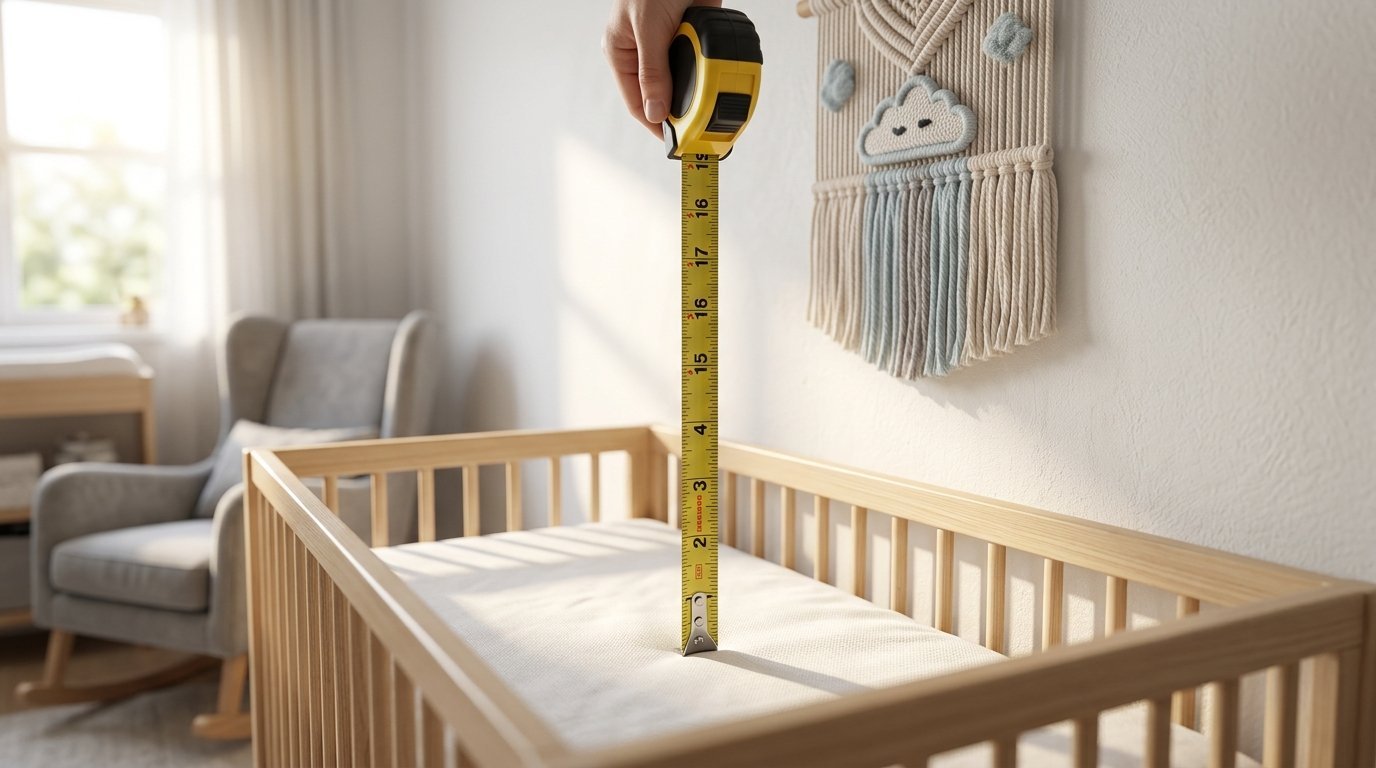
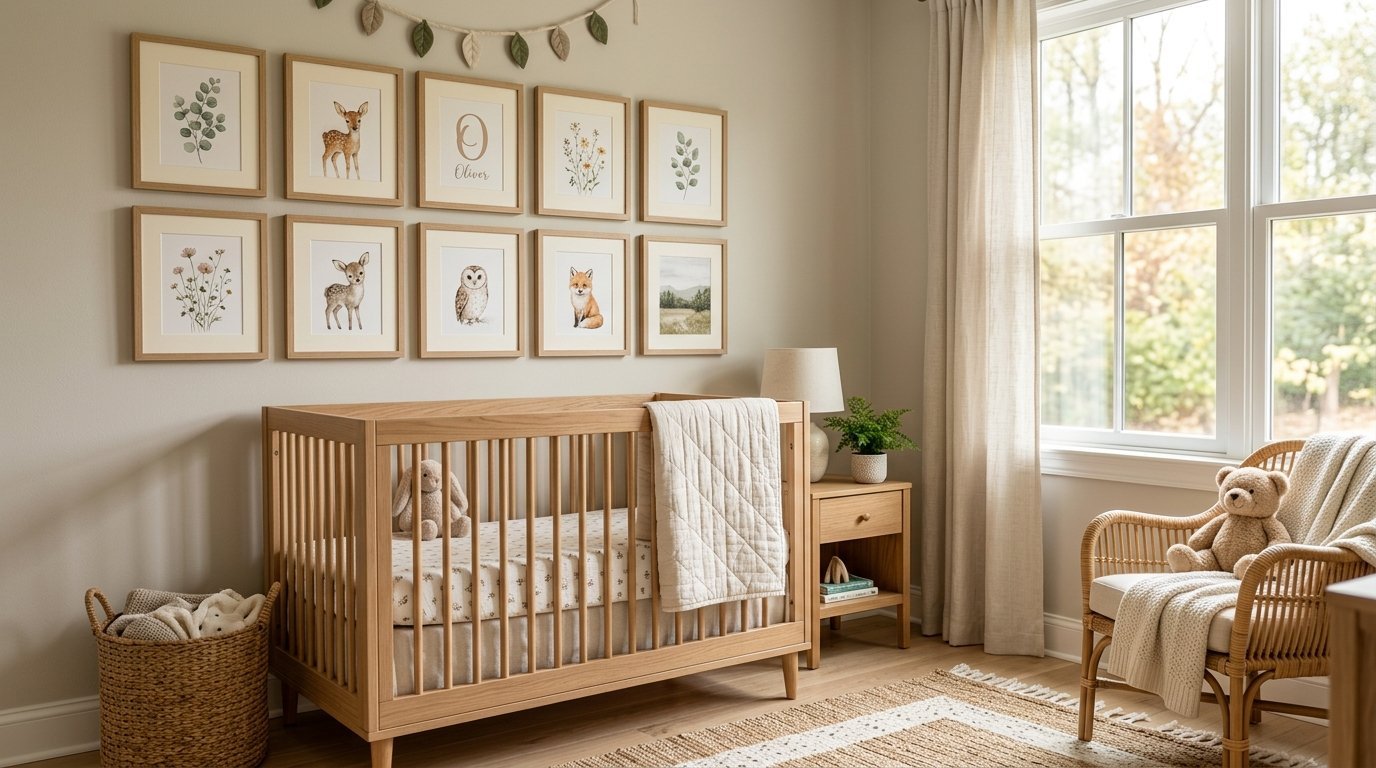
You must position wall decor completely out of reach. A standing toddler can reach surprisingly high. The bottom edge of any frame must sit at least 15 inches above the highest mattress setting. You must measure from the mattress up. Do not measure from the top of the crib rail.
Babies stand directly on the mattress. They will grab anything within arms reach. If the piece is heavy do not hang it above the crib at all. Hang heavy items on the opposite wall entirely. Place only soft items directly over the sleeping zone. You cannot risk a heavy object falling on a sleeping baby.
You must adjust the decor height as the baby grows. When you lower the mattress you do not need to move the art. But when the baby moves to a toddler bed the rules change. A toddler can stand on their bed and reach much higher. You must reevaluate the room layout every single birthday.
I have seen parents hang beautiful heavy mirrors right over the changing table. A baby will kick and flail during diaper changes. They can easily kick the bottom of the mirror. You must keep the immediate space around the changing pad completely clear. Safety always beats aesthetics in a kids room.
Measuring from the Highest Mattress Setting
Cribs feature adjustable mattress heights. You start with the mattress at the highest level for a newborn. You must base all your wall measurements on this top setting. Take a tape measure and place it flat on the mattress. Measure straight up the wall fifteen inches. Mark that exact spot lightly.
The Toddler Wingspan Danger Zone
A toddler has a wingspan that grows rapidly. They will reach sideways out of the crib slats. You must keep the side walls clear as well. Do not hang cords or frames within two feet of the crib sides. They will pull on anything they can hook their fingers around.
Why Heavy Items Belong on Opposite Walls
The safest place for a heavy frame is across the room. If the frame falls it hits the floor harmlessly. The baby remains completely safe in their bed. You can still enjoy the art from the rocking chair. This placement removes the physical danger while keeping the room stylish.
Ceiling Height and Visual Balance
High ceilings make you want to hang art higher. This naturally helps with baby safety. If you have eight foot ceilings a fifteen inch gap might push the art very high. It might look slightly awkward. You must accept the awkward look. Do not lower the art into the danger zone just for looks.
Safe Alternatives to Heavy Frames
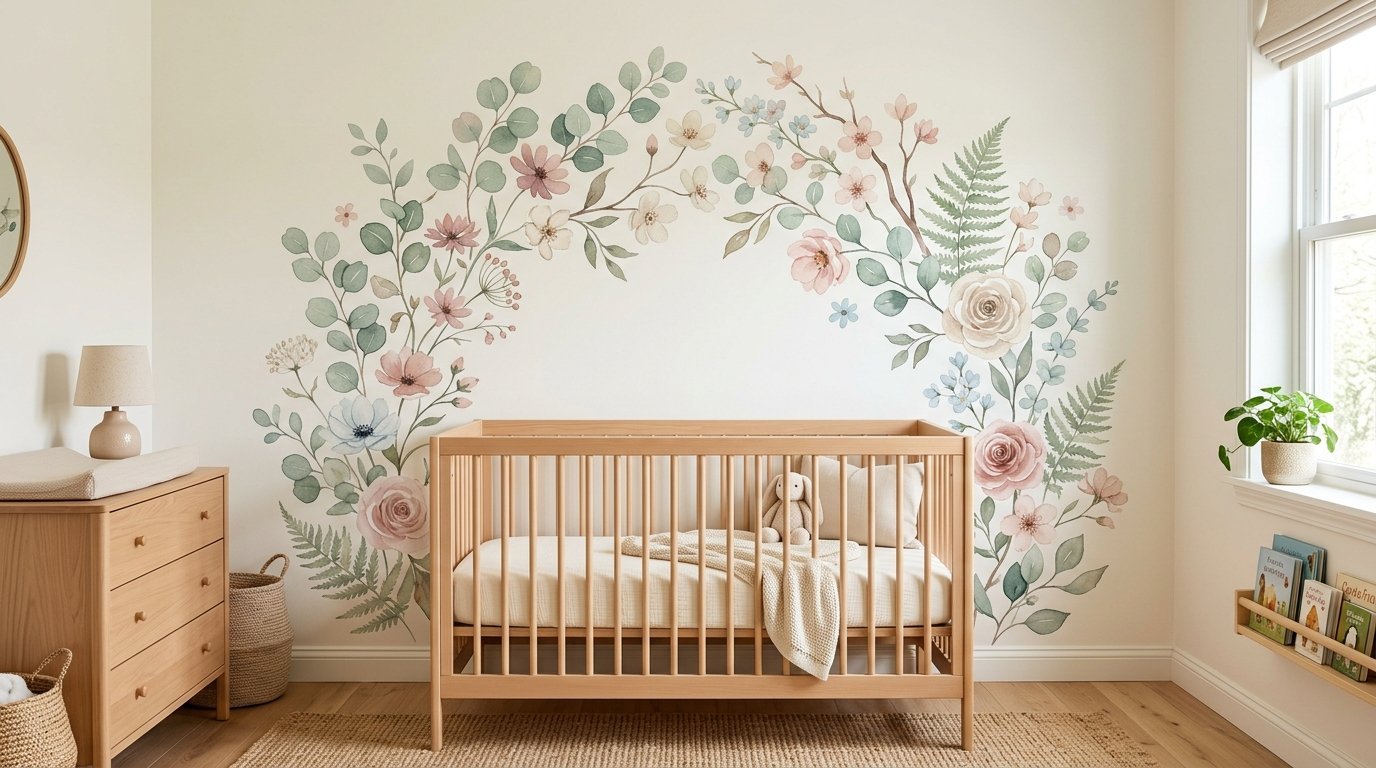
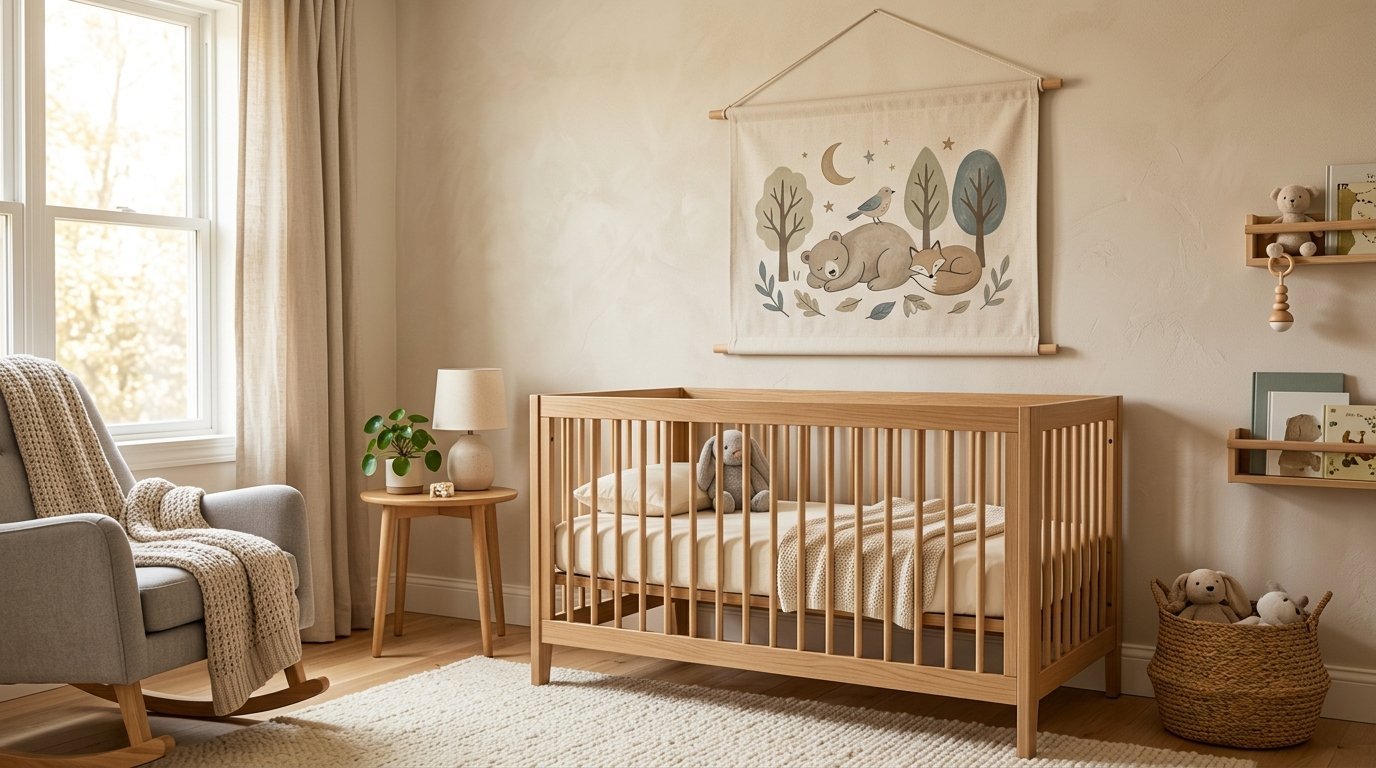
You do not need heavy wood or metal. You can use soft materials instead. Fabric tapestries weigh almost nothing. Vinyl wall decals stick flat to the paint. They pose zero falling risk. Canvas wraps weigh very little compared to framed art. They have no glass and no sharp corners.
I tried to craft a farmhouse welcome sign from pine wood three months ago. It did not turn out as intended. It was too heavy for the hallway wall. I realized pine wood signs work perfectly for a nursery. Pine is a very soft lightweight wood. You can paint them with non toxic water based paint.
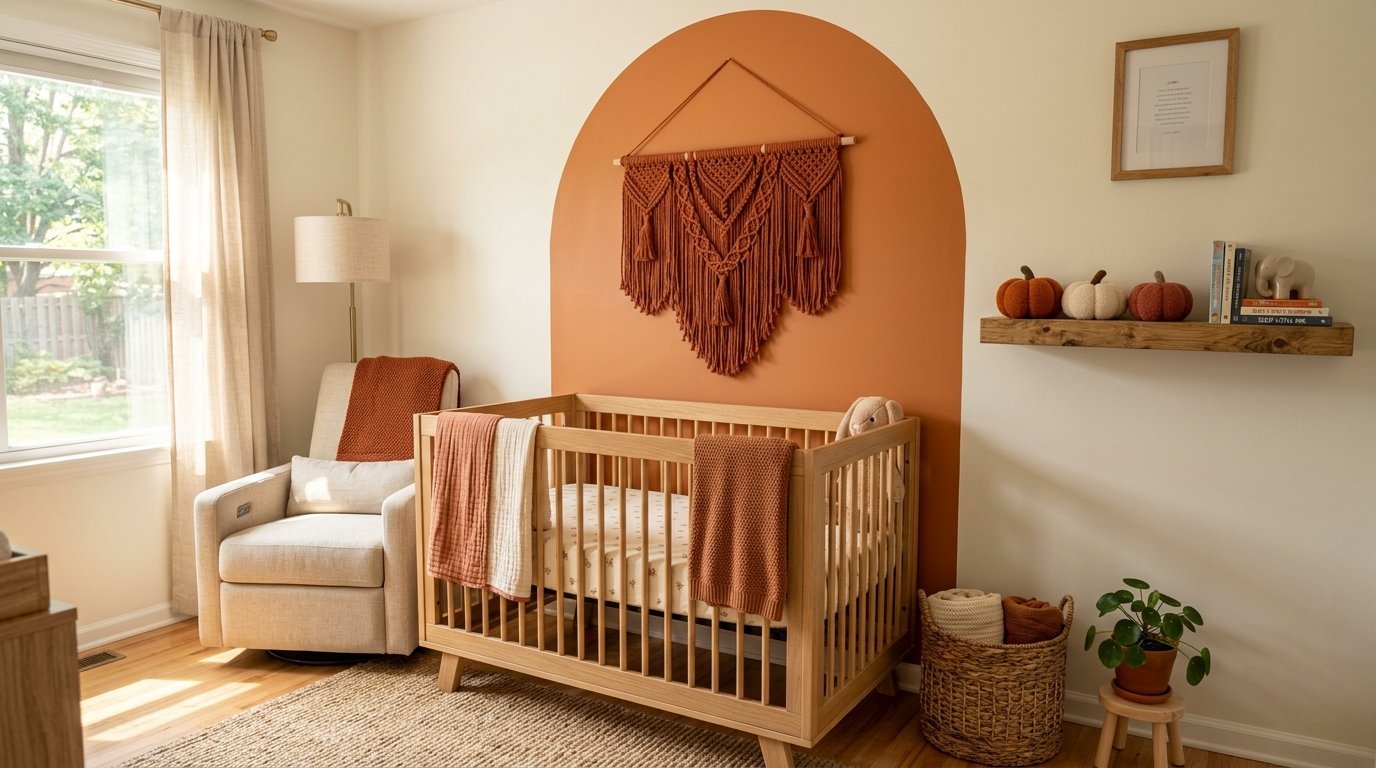
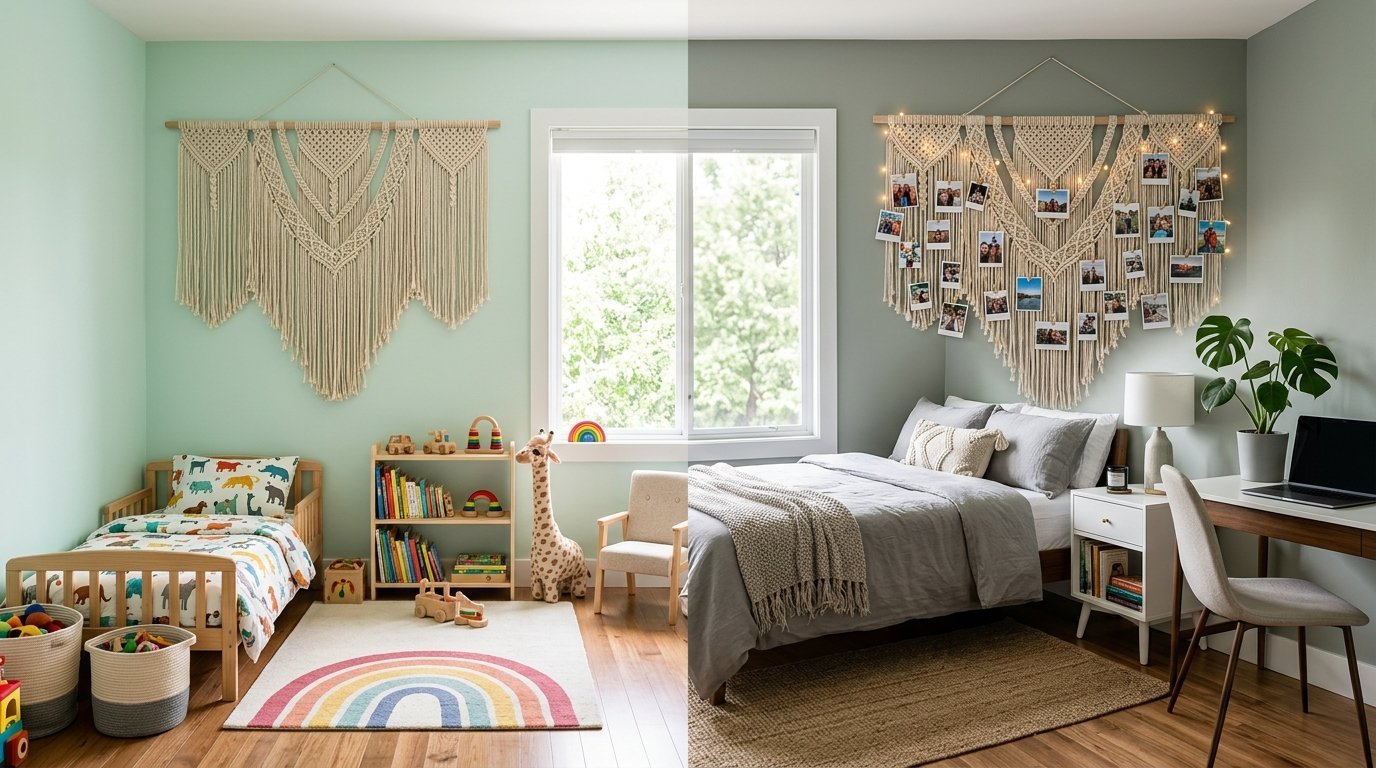
Macrame wall hangings offer another soft texture. You must keep all strings short. Long strings pose a severe strangulation hazard. You should pin the bottom strings flat to the wall. Do not let them dangle freely in the breeze. Soft felt banners also look amazing and weigh mere ounces.
You can buy beautiful peel and stick wallpaper murals. They cover the entire wall in beautiful art. They require absolutely no hanging hardware. A mural gives you massive visual impact with absolutely zero physical risk. It is the smartest design choice for the crib wall.
Fabric Tapestries and Soft Banners
Tapestries use lightweight organic cotton or linen. You can hang them with tiny push pins or command strips. If a tapestry falls it lands like a soft blanket. Banners look great hung on a simple wooden dowel. You must make sure the dowel itself is very lightweight balsa wood.
High Quality Vinyl Wall Decals
Vinyl decals look exactly like painted murals. You peel them off a backing paper and smooth them onto the wall. High quality decals use water based adhesives. They do not damage the paint when you remove them. They lay completely flat so a baby cannot peel the edges up.
Canvas Wraps Without Wooden Borders
A canvas wrap stretches fabric over a thin pine frame. There is no heavy exterior border. There is no acrylic panel. The entire piece weighs less than a pound. You must still hang it securely using a metal sawtooth hanger. A falling canvas might startle a baby but will not cause harm.
Lightweight Pine Wood Signs
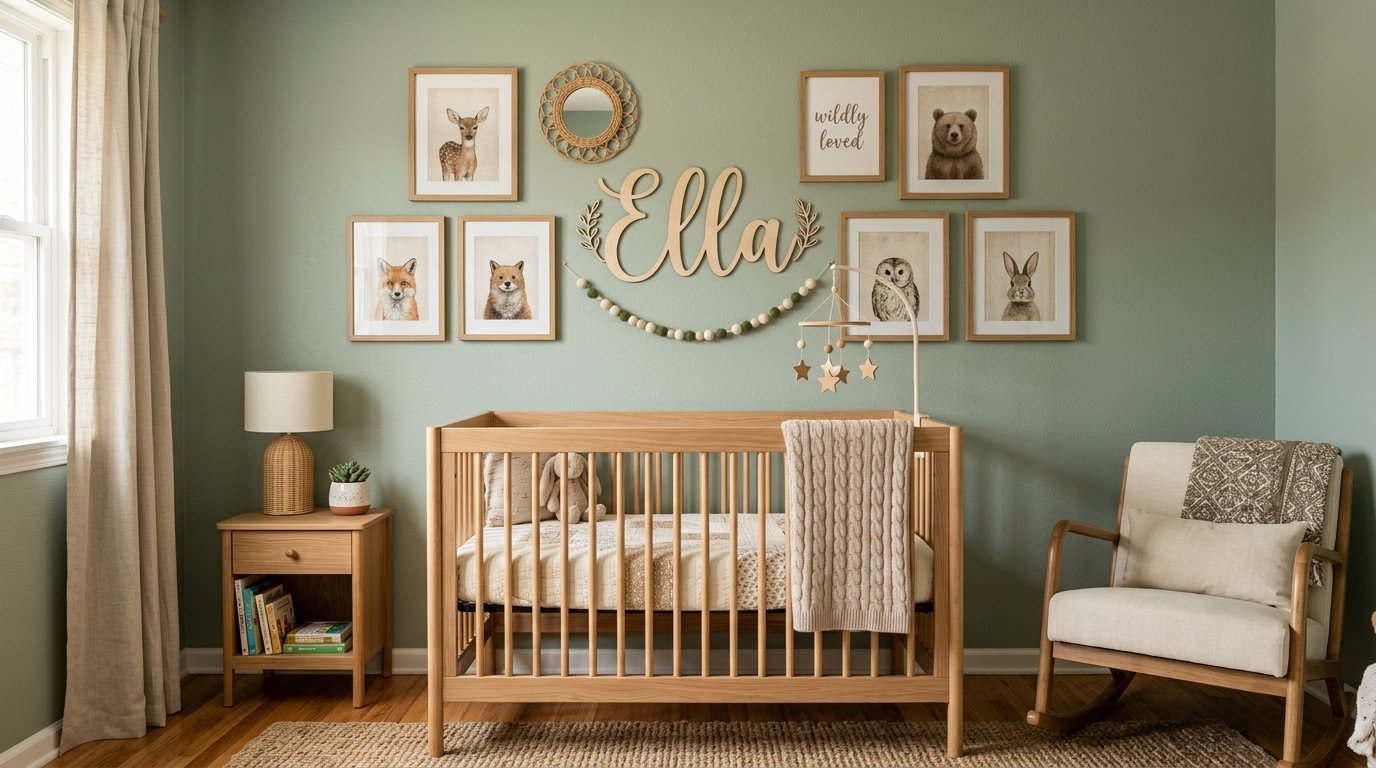
Solid oak or maple wood is extremely heavy. Pine wood is light and porous. A custom name sign made from quarter inch pine weighs very little. You must avoid thin laser cut signs with sharp points. Those points can snap off and become choking hazards. Sand all edges perfectly smooth.
Step by Step Installation for Nursery Frames
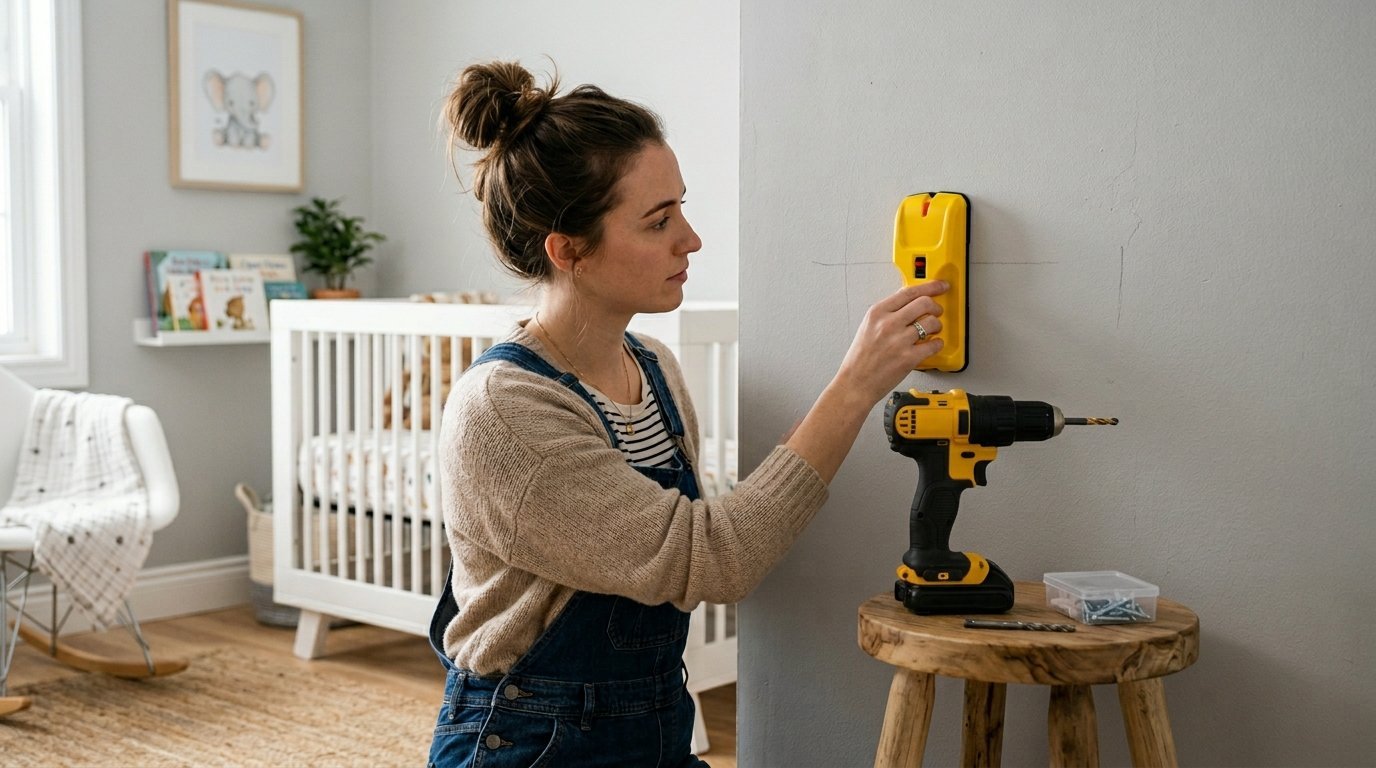
You must follow exact directions to secure items properly. You cannot skip steps to save time.
- Find the wooden wall stud using a Zircon magnetic stud finder.
- Mark the exact stud center lightly with a pencil.
- Hold the wall side of the metal French cleat against the mark.
- Place a small bubble level perfectly on top of the cleat.
- Adjust the cleat until the bubble sits exactly in the center lines.
- Drive two inch DeWalt wood screws through the cleat directly into the stud.
- Attach the frame side of the cleat to the top back of the decor piece.
- Lift the piece up and slide the two metal cleats together until they lock.
- Pull lightly on the bottom of the piece to test the firm grip.
- Wipe the acrylic front gently with a dry microfiber cloth to finish.
You must buy the right screws. Do not use the tiny screws included in the package. Go to the hardware store and buy two inch construction screws. They bite deeply into the wood. Check your stud finder battery before you start. A low battery gives false readings and ruins your wall.
Mapping the wall with blue painters tape helps immensely. Put tape exactly where the frame will sit. Step back and look at the tape from the doorway. Adjust the tape until it looks perfect. Then drill your holes directly through the tape. Peel the tape away before hanging the final piece.
Finding the True Center of a Stud
Studs are exactly one and a half inches wide. You must hit the dead center for maximum strength. Run the stud finder from the left until it beeps. Mark that edge. Run it from the right until it beeps. Mark that edge. Drill your screw exactly between your two pencil marks.
Leveling the Metal Cleat Perfectly
A crooked cleat makes the whole frame hang sideways. You cannot adjust a French cleat once the screws are driven. You must hold the level tight against the metal while drilling. Do not trust your eyes. Trust the bubble. A perfectly level cleat makes the rest of the job easy.
Driving Screws to the Right Depth
You must drive the screw firmly until the head sits flat. Do not overdrive the screw. Overdriving strips the wood inside the stud. A stripped hole has zero holding power. Stop the drill exactly when the screw head touches the metal bracket. Use a handheld Stanley screwdriver for the final turn.
Locking the Two Halves Together
You will feel a satisfying click when the cleats lock. The frame will suddenly sit tight against the wall. You should not see any gap from the side view. If you see a gap you did not engage the lock properly. Lift the frame up and try sliding it down again.
How Humidity and Vaporizers Damage Nursery Walls
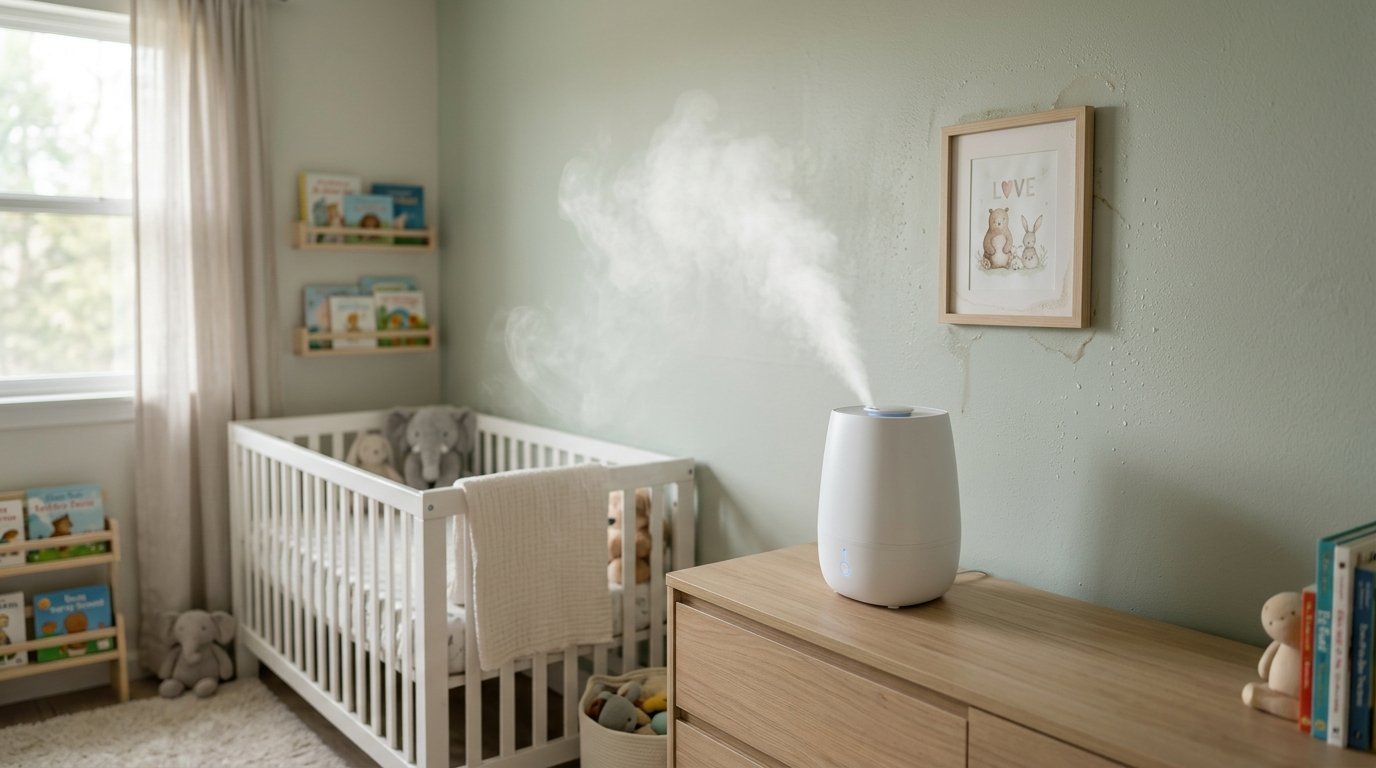
Many parents run humidifiers in the baby room every night. Humidifiers pump heavy moisture directly into the air. This moisture soaks deeply into the drywall paper. Wet drywall becomes soft and crumbly over time. Standard drywall anchors will pull straight out of this wet material.
Moisture also rusts metal hardware quickly. Last summer I cleaned a gold framed circle mirror in my bedroom. Water gathered in the bottom crease of the gold frame. The moisture sat there and rusted the metal backing completely. The rust stained the wall and ruined the hanger.
You must keep humidifiers far away from the walls. Place the machine in the exact center of the room. Point the vapor nozzle toward the open doorway. Keep the room relative humidity between forty and sixty percent. Buy a cheap digital hygrometer to monitor the moisture levels daily.
Check your hanging hardware every single month. Look closely for tiny orange rust spots. Check for loose screws by wiggling the frame gently. Mold can also grow completely hidden behind large frames on wet walls. Pull the frames down twice a year to inspect the paint behind them.
The Daily Output of a Humidifier
A standard Vicks humidifier pushes gallons of water into the air daily. This water must go somewhere. It condenses on cold walls and windows. The drywall absorbs this condensation like a giant sponge. The structural integrity of the gypsum powder breaks down completely. The wall turns to mush.
Gypsum Powder Breakdown in Drywall
Drywall consists of pressed gypsum dust wrapped in thick paper. When gypsum gets wet it returns to a muddy paste. A heavy screw holding a mirror will slice straight down through wet gypsum. The piece will crash to the floor. You must rely on wooden studs in damp rooms.
Metal Rusting Behind the Frame
Hardware manufacturers use cheap steel for picture hooks. This steel rusts rapidly in moist air. The rust eats through the metal making it brittle. A rusted wire or hook will snap under constant tension. Upgrading to aluminum hardware prevents this rusting problem entirely. Aluminum never rusts.
Monthly Hardware Maintenance Checks
You must make safety checks a monthly routine. Pick the first day of every month. Walk around the nursery and touch every single wall hanging. Wiggle them slightly. Check the screws. Look for water stains on the paint. A five minute monthly check stops catastrophic failures before they happen.
Frequently Asked Questions

Can command strips go over a baby bed?
You must never use adhesive strips directly above a baby bed. Adhesive strips dry out and fail rapidly in high humidity environments. A baby room often uses a humidifier to ease congestion. This moisture melts the adhesive backing fast. The object will fall directly down onto the mattress.
Is regular glass okay for baby photos?
There is no safe glass for a kids room. You must completely ban glass from these spaces. Glass shatters into microscopic pieces when dropped. A crawling baby will find those hidden shards immediately. You must switch all picture glazing to shatterproof acrylic or plexiglass instead to protect them.
How heavy is too heavy for nursery walls?
Any item over five pounds requires heavy duty hardware. If a piece weighs more than ten pounds you should move it. Heavy wooden pieces belong on walls far away from the sleeping zone. A falling ten pound object causes severe injury. Choose lightweight canvas prints or soft fabric banners instead.
Do I always need a wall stud?
You must always find a wooden stud for heavy items. Drywall anchors hold well under perfect conditions only. A baby room does not offer perfect conditions. Slamming doors create vibrations that wiggle the anchors loose constantly. A wooden stud provides a permanent solid grip that never fails.
Will a toddler pull items off the paint?
Yes toddlers possess surprising physical strength. They will stand on the mattress and pull on anything nearby. They will grab the bottom edge of a frame and hang entirely on it. You must use locking security hardware like French cleats. This prevents upward lifting and keeps the piece rigid.
Are canvas prints safer than framed art?
Canvas prints offer a much safer choice than traditional framing. A canvas wrap has no heavy wooden borders or glass panels. The entire piece consists of lightweight fabric stretched over thin pine. A falling canvas causes much less harm. You must still secure canvas art properly to the studs.
What tools do I need for installation?
You need specific tools to do this job right. Buy a magnetic stud finder to locate the wood framing reliably. You need a cordless drill to drive long screws deeply. A small bubble level keeps the hardware perfectly straight. Never use a hammer and nails in a baby room.
How do I clean acrylic safely?
Acrylic scratches much faster than traditional glass. You must only use perfectly clean microfiber cloths. You need a plastic specific cleaning spray like Novus. Never use standard window cleaners on acrylic panels. The ammonia will cloud the plastic permanently. Wipe the surface very gently in a slow straight line.
What if I have hard plaster walls?
Plaster walls require a completely different method. Plaster is hard and brittle. A standard screw will crack the plaster instantly. You must pre drill a pilot hole using a masonry bit. You then insert a specific plaster toggle bolt. Plaster walls hold weight incredibly well with the right bolts.
Are vinyl decals completely safe?
Vinyl wall decals represent the safest possible choice for wall decor. They weigh zero pounds and require no hardware. They stick totally flat to the paint. You must buy high quality decals that do not peel at the edges. Cheap decals dry out fast and become a peeling choking hazard.
Can I hang a heavy mirror in a kids room?
Mirrors are extremely heavy and require careful thought. You must mount mirrors directly to wall studs using heavy duty cleats. Never hang a heavy mirror above the crib or the changing table. Hang it near the floor so the toddler can look at themselves safely.
How often should I check the hardware?
You must check every piece of hardware on the first day monthly. Houses settle over time. Wood expands and contracts with changing seasons. Hardware naturally loosens. Grasp the sides of the frame and wiggle it gently. If you feel any movement you must tighten the screws immediately.
Final Thoughts on Kids Room Safety
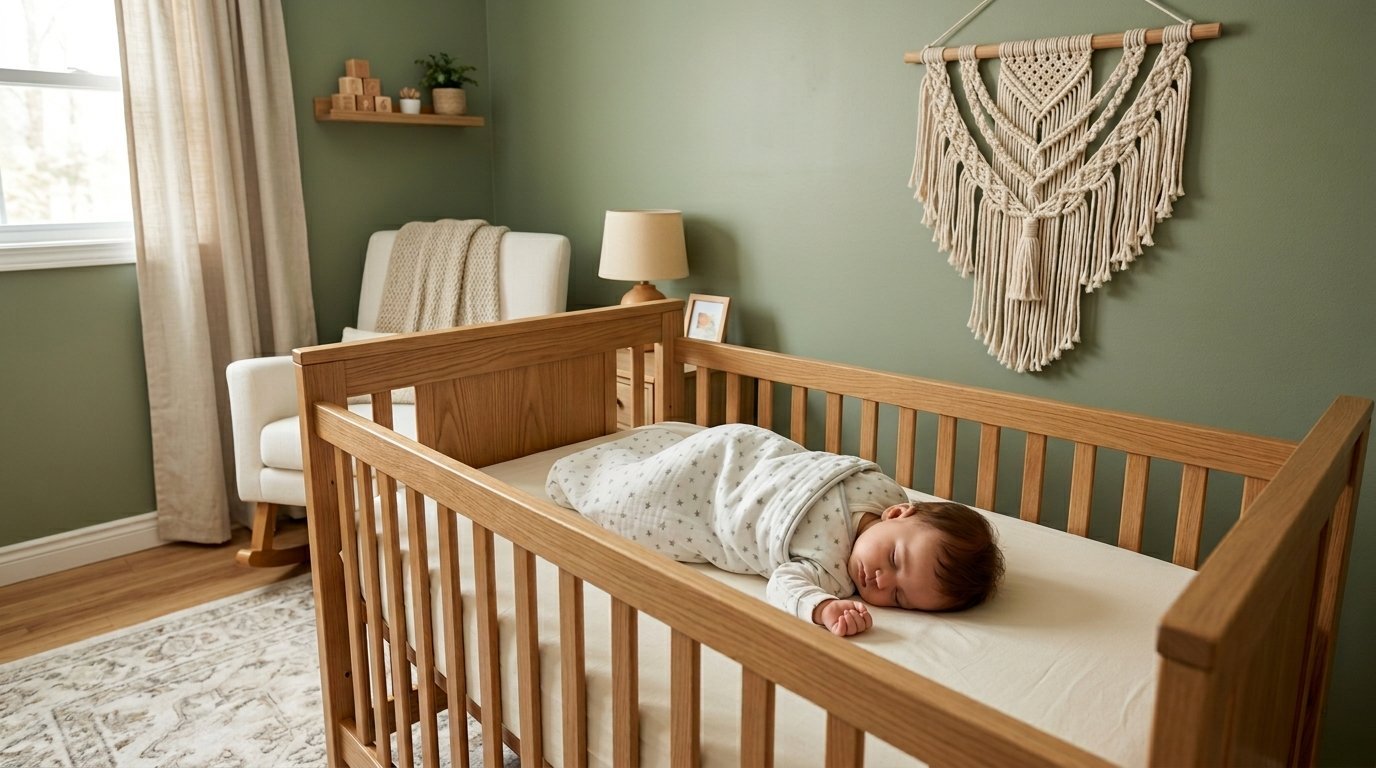
Your baby deserves a beautiful and completely safe environment. You now know exactly how to secure heavy objects to the wall properly. You understand why acrylic must replace glass in every single frame you own. The hardware choices you make today will protect your child for years. Do not cut corners to save a few dollars. Buy the magnetic stud finder. Buy the locking metal French cleats. Follow the strict fifteen inch height rule without exception

Anya Castellan is the Founder and Editor-in-Chief of Home Wall Trends. An art history graduate of the Rhode Island School of Design with twelve years of experience writing for leading American design publications, she specializes in composition, gallery wall theory, and the quiet architecture of domestic space. A former contributing editor at Architectural Digest and guest lecturer at Parsons School of Design, Anya personally reads and signs off on every piece before it is published.