Walking down a long, narrow space often feels like moving through a dark bowling alley. Bare walls make the area feel completely sterile and cold. Putting too many items on the walls creates an overwhelming, claustrophobic trap. You need pieces that sit flat against the drywall to save your walking room. You want materials that catch the eye without catching your shoulders as you walk past. This specific balance requires precise measurements and careful material choices.
Here is exactly what you get in this guide:
- Twenty three exact layout ideas for narrow spaces
- Specific cost estimates for every single project
- Real material choices that survive heavy foot traffic
- Exact measurements for perfect frame placement
1. Hang A Single Continuous Picture Ledge
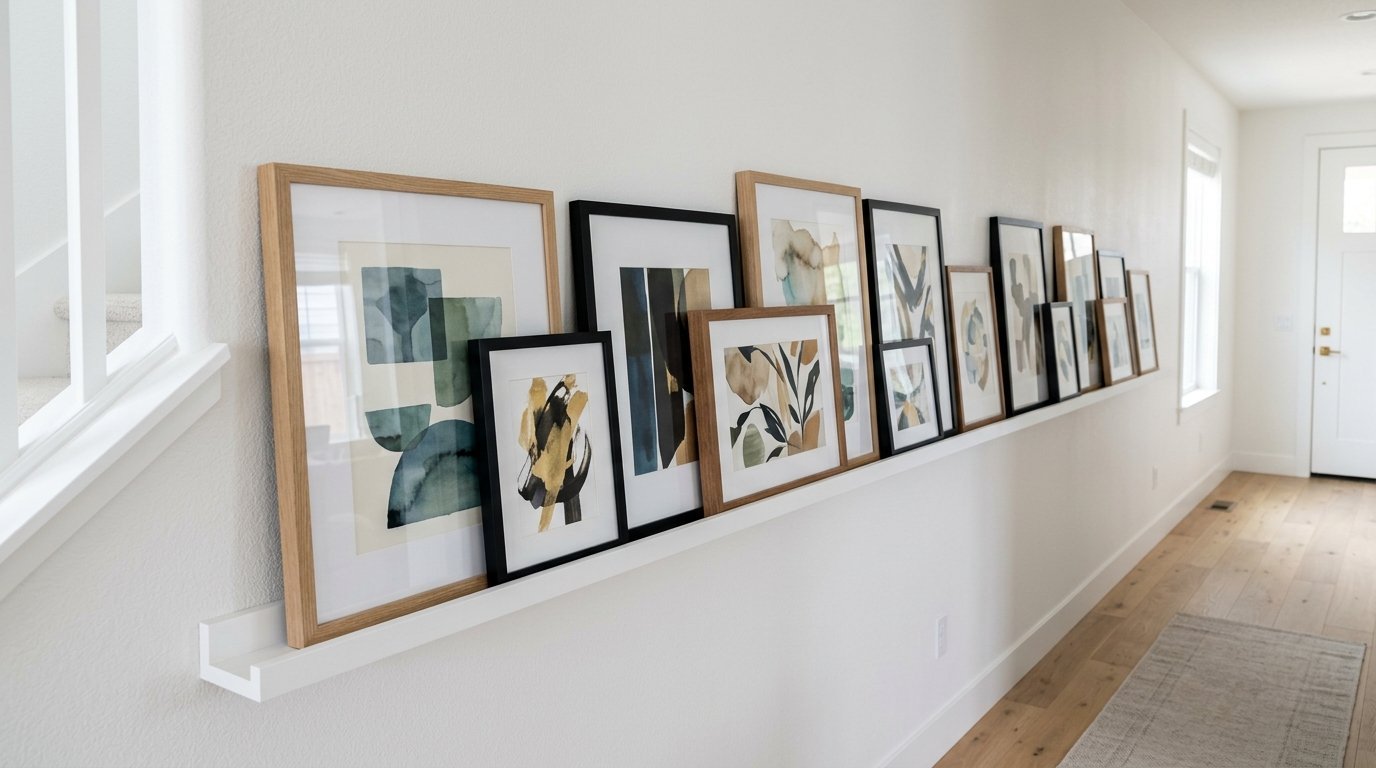
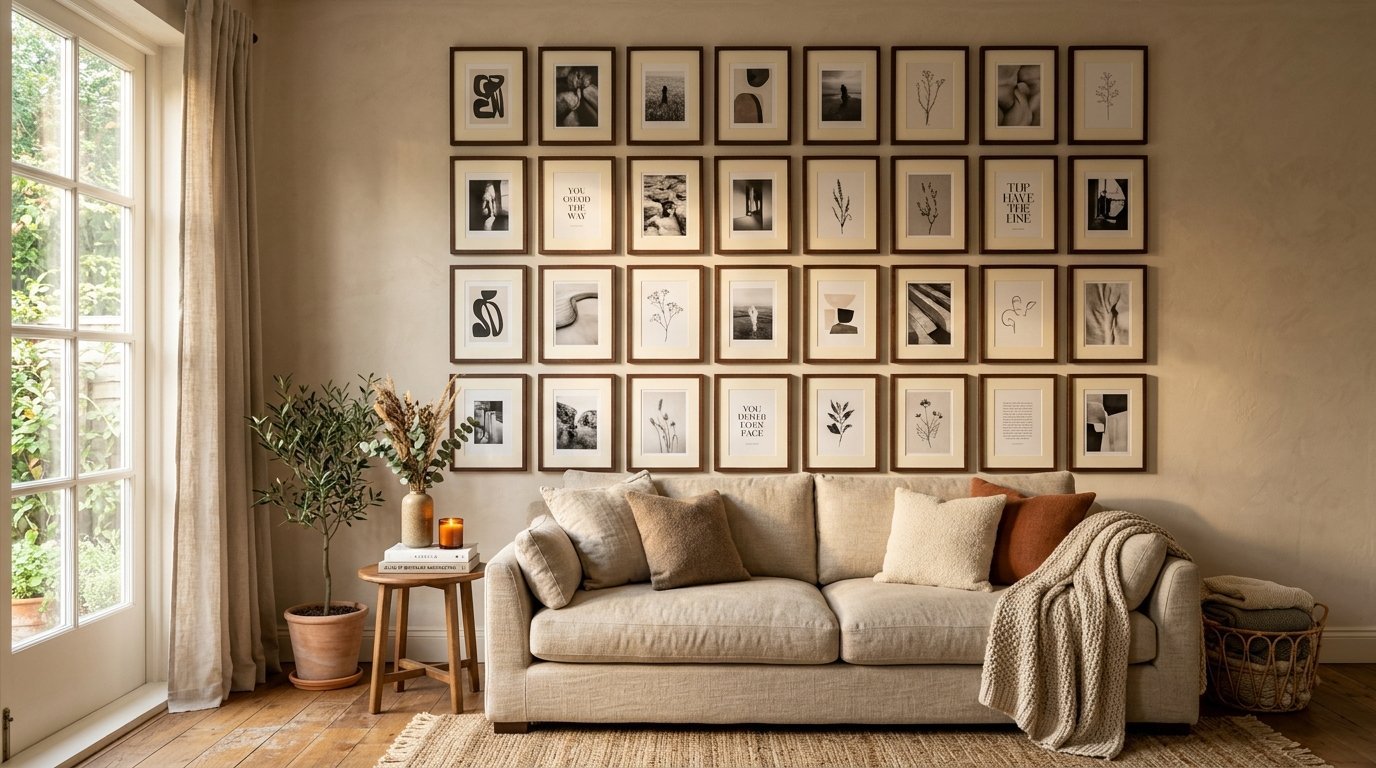
A single long shelf creates a clean line. This draws the eye straight down the space. You avoid the messy look of scattered frames. I place a custom cut wooden ledge exactly sixty inches from the floor. This sits perfectly at average eye level. You spend around forty dollars on basic pine materials. Paint the wood the exact same color as your wall. This makes the shelf disappear entirely. You then rest your frames against the wall. This lets you swap art in seconds. You never need to patch a nail hole again. Overlapping different frame sizes looks best. Keep the frame colors strictly black, white, and natural wood. A unified color palette stops the arrangement from feeling overwhelming in a tight area. Space the shelf right in the center of your longest wall. Use strong wall anchors because glass gets heavy quickly.
2. Mount Oversized Round Mirrors
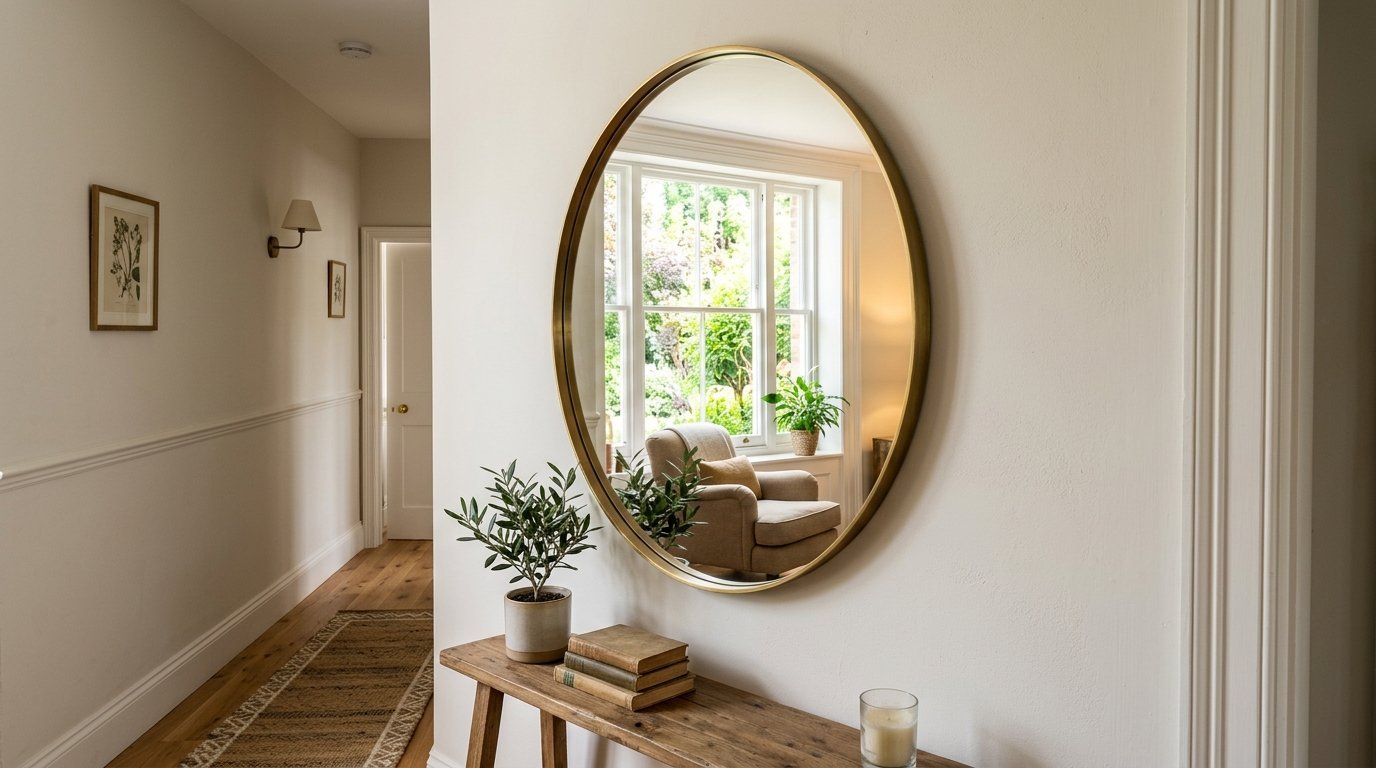
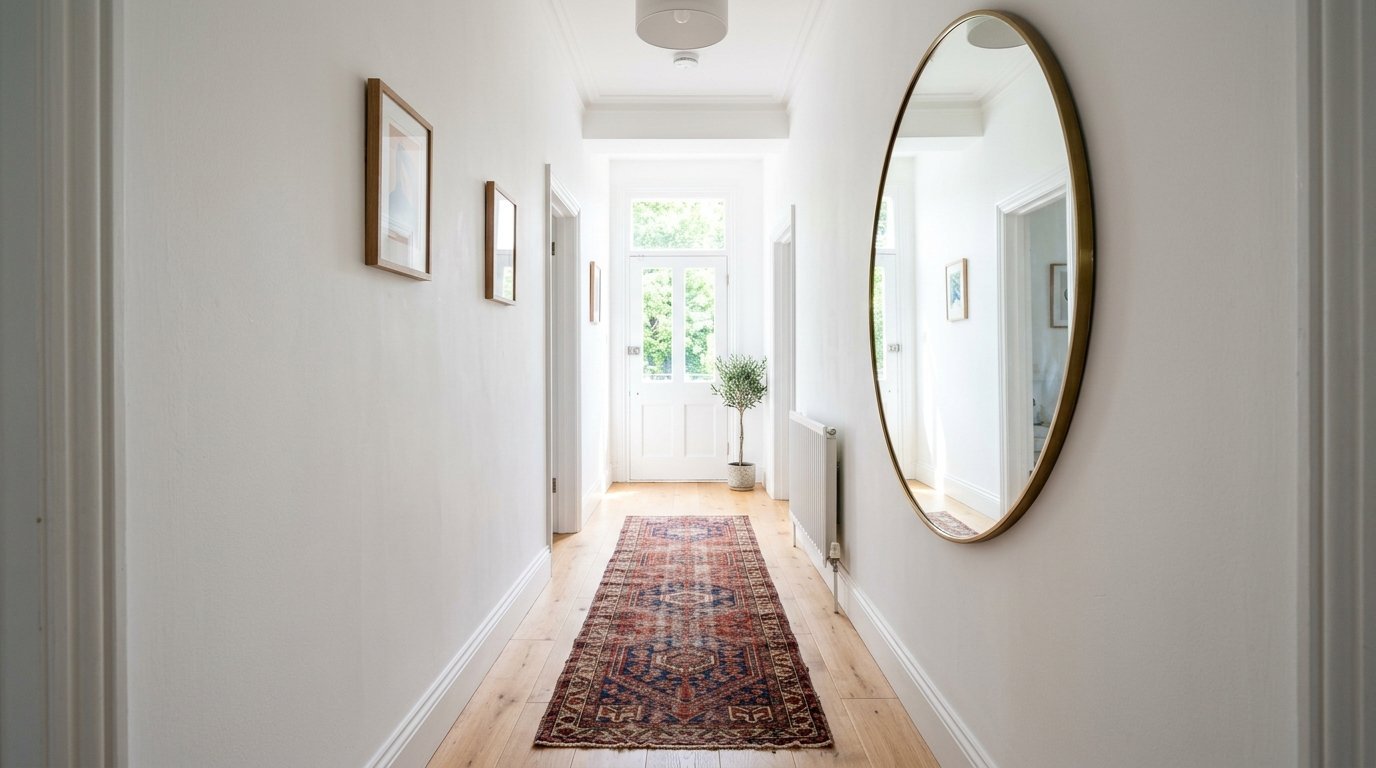
Mirrors double the visual width of narrow spaces. They bounce light from adjacent rooms. A thirty six inch round mirror breaks up straight architectural lines. I once ruined a vintage frame trying to clean the glass. The acid in my vinegar cleaning spray peeled the gold paint right off the wood. You must use safe cleaners near delicate borders. A clean, gleaming mirror gives your space a true Vida De Luxo feel. Hang the mirror directly across from a window if possible. You spend about one hundred dollars for a quality piece. Use heavy duty wall anchors rated for fifty pounds. A round shape feels much softer than harsh rectangles. It anchors your home entrance decor beautifully without blocking foot traffic. Wipe the glass weekly to keep the space feeling bright.
3. Install Tall Wall Molding
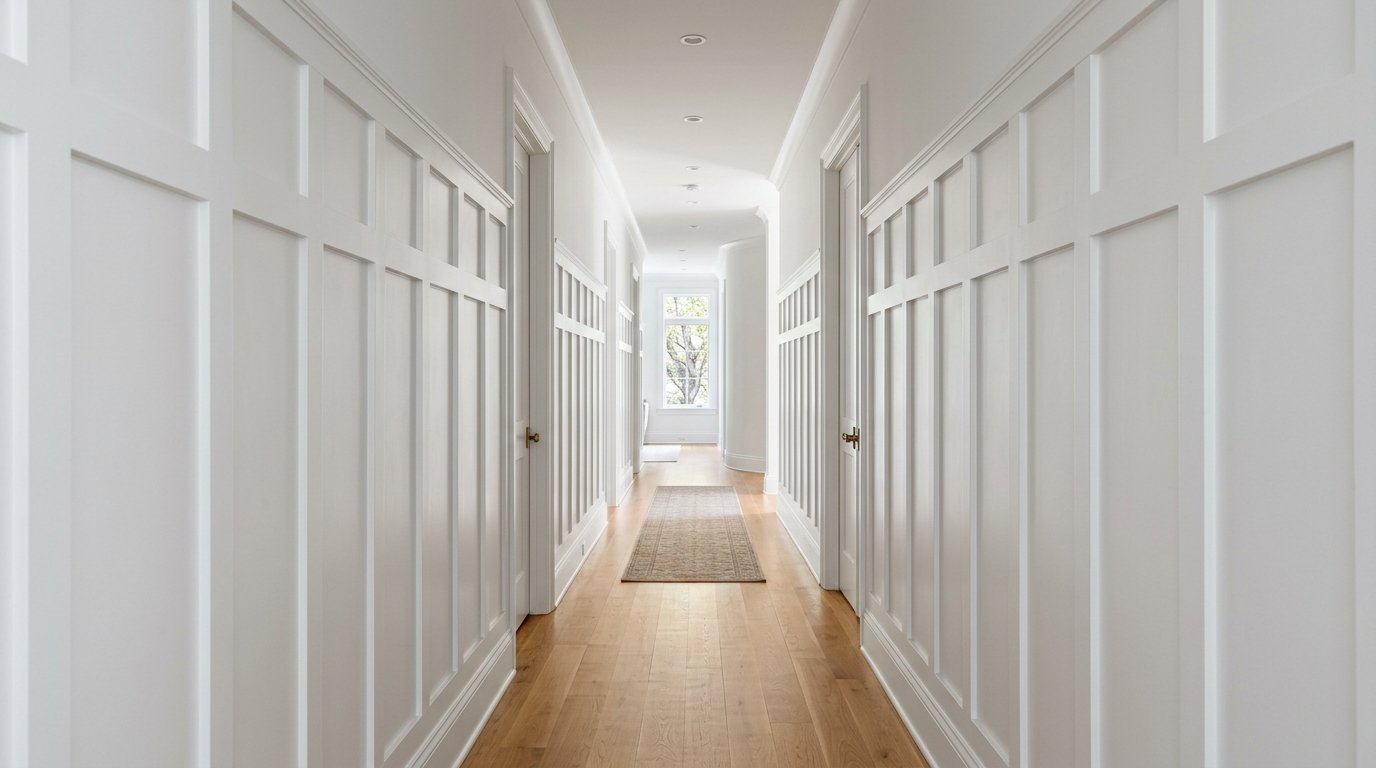
Wall molding creates instant architectural character. It gives flat walls depth without taking up floor space. I use basic pine trim boards. Paint the molding the exact same shade as the drywall. This creates a subtle shadow line. It looks incredibly expensive and custom. You spend around two hundred dollars on materials. Rent a brad nailer for the weekend. Space the vertical boxes precisely twenty four inches apart. This classic hall design never goes out of style. It survives heavy foot traffic easily. You never worry about knocking picture frames off the wall. The trim wipes clean in seconds. Run the boxes from the baseboards straight up to the home ceiling. This trick makes low ceilings feel incredibly tall. It requires patience but costs very little money.
4. Display Boho Macrame Wall Hangings
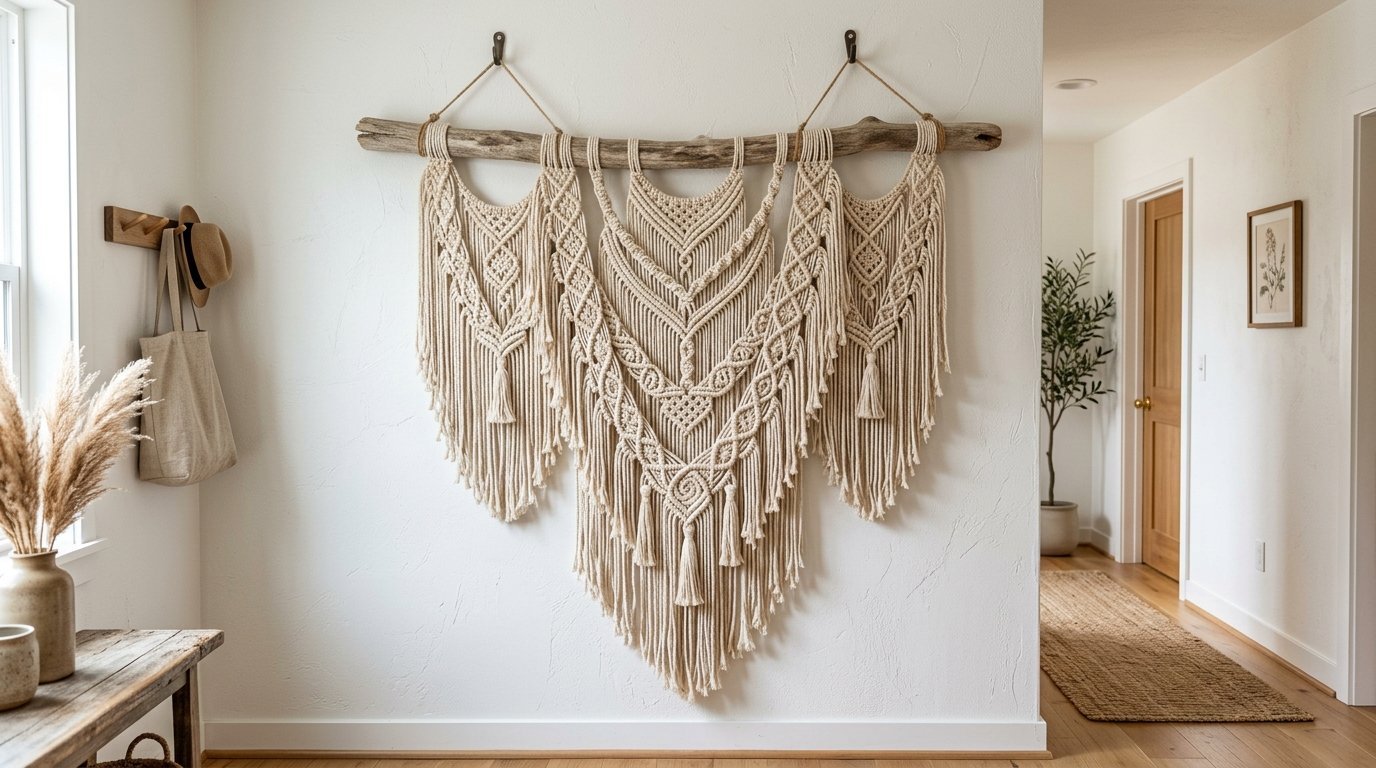
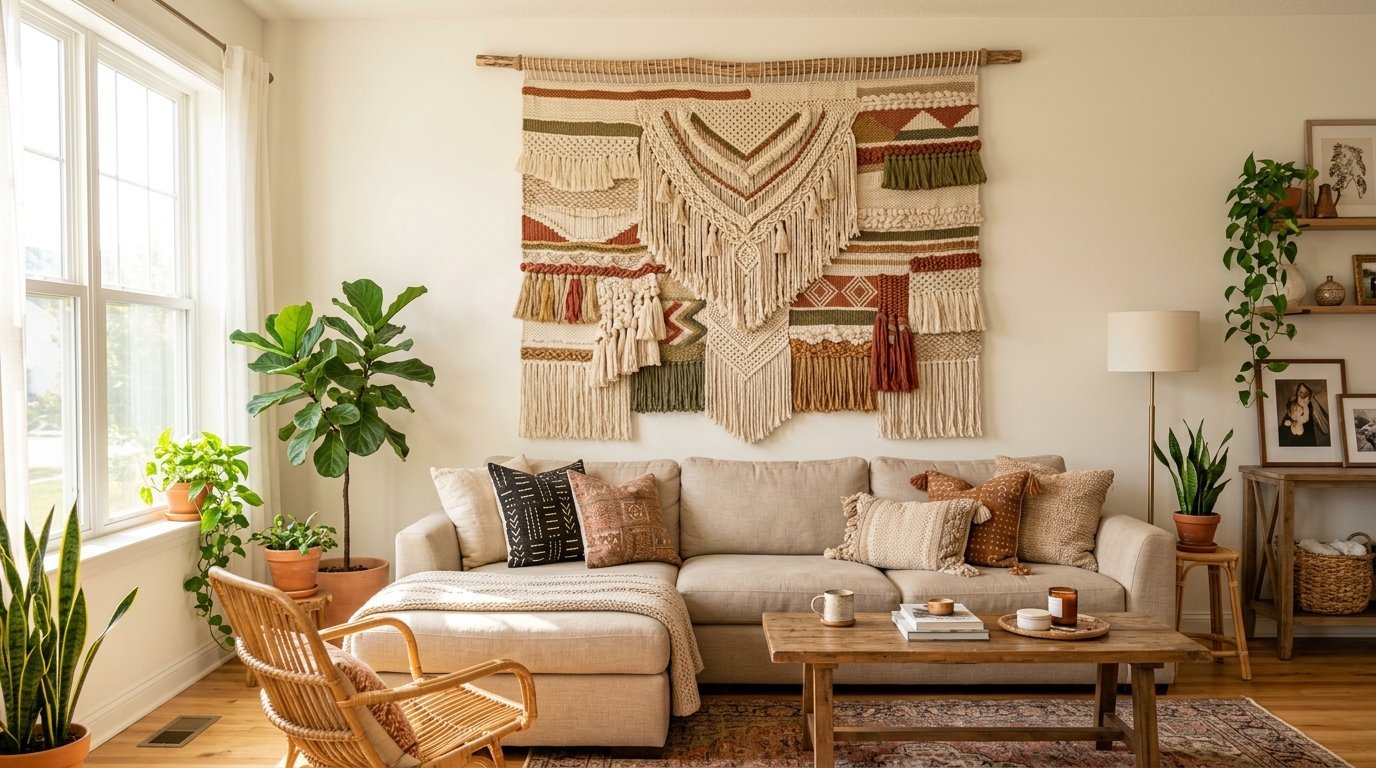
Soft textiles absorb echoing sounds in long corridors. A large macrame piece lays completely flat against the drywall. This saves precious walking space. You must check your home climate first. I placed a beautiful woven piece in my hallway three years ago. Damp air completely destroyed it over time. Keep humidity levels low if you hang cotton decor. You buy high quality handmade pieces for around seventy dollars. Pick natural unbleached cotton cord for a warm look. Suspend the weaving from a natural driftwood branch. This brings an organic texture indoors. Center the piece on your longest empty wall. Comb the fringe down straight once a month. It keeps the artwork looking fresh and neat. The soft fabric contrasts perfectly with hard wooden floors.
5. Paint A Half Wall Color Block
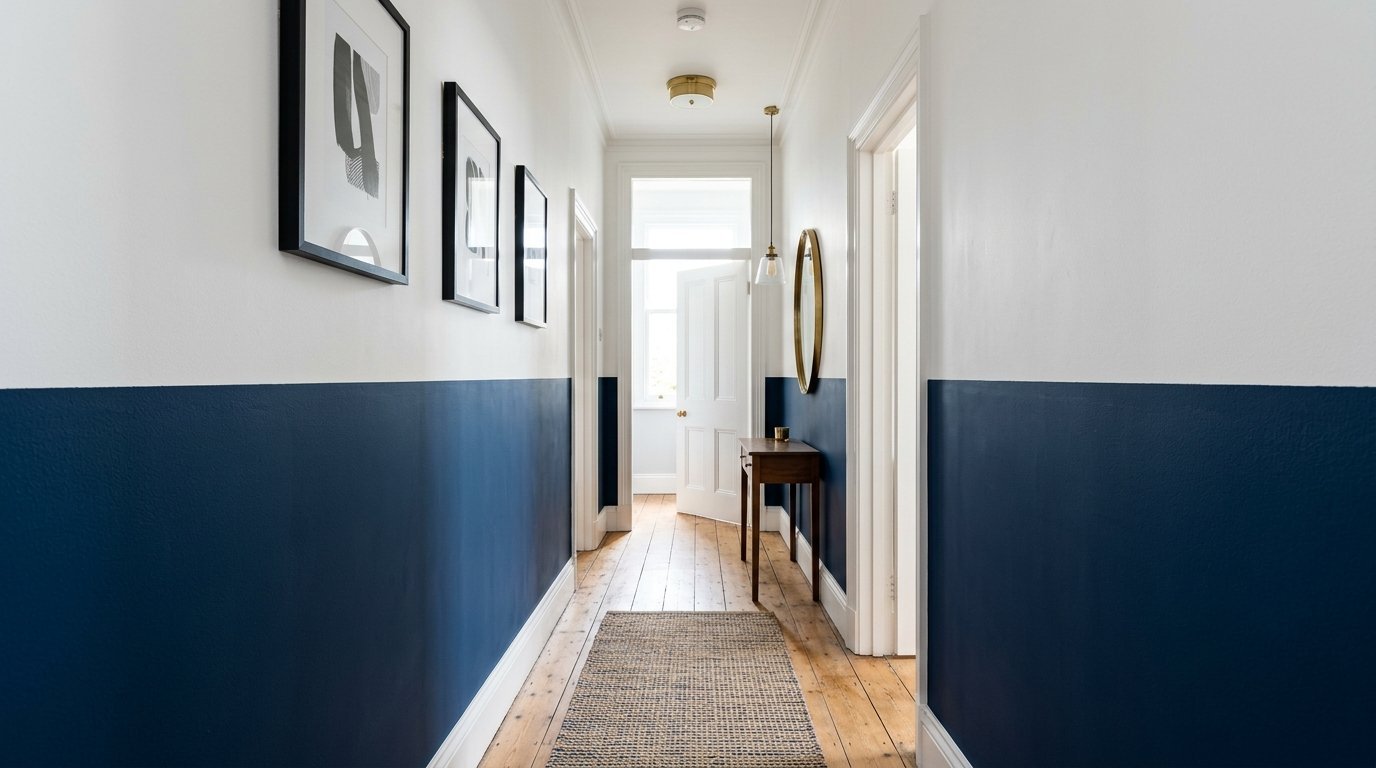
Paint costs very little. It changes a room instantly. Paint the bottom half of your wall a dark color. Paint the top half crisp white. This tricks the eye entirely. The white upper half makes the room feel much wider. It pushes the walls outward visually. You need one gallon of premium interior paint. Tape a perfectly straight line exactly thirty six inches from the floor. Use a laser level to get this right. Press the tape down hard to stop paint bleeds. Peel the tape away while the paint remains slightly wet. This gives you a sharp, clean edge. Choose a dark navy or forest green for the bottom. Dark colors hide scuff marks from shoes and bags. This project takes only one afternoon to finish.
6. Attach Vertical Wood Slat Panels
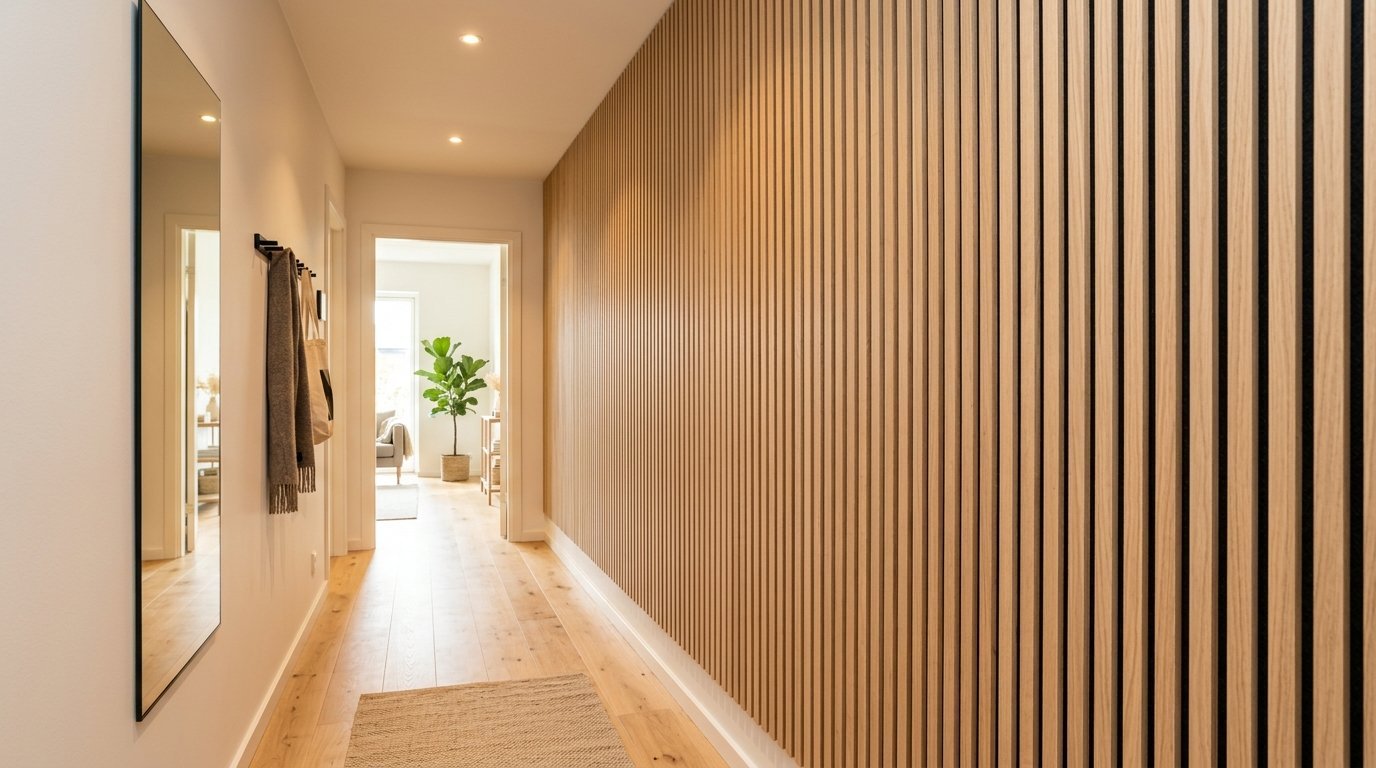
Wood slats give a space a modern, Scandinavian feel. They warm up sterile environments quickly. Buy pre made acoustic wood panels. They come in massive sheets. Screw them directly into your wall studs. They sit very close to the wall. The vertical lines force you to look upward. They make a low ceiling feel taller. They also block sound from echoing down the corridor. You spend about one hundred and fifty dollars per panel. Choose a light oak finish for a bright look. The natural wood grain provides much needed texture. This installation takes less than two hours. Wipe the wood gently with a dry microfiber cloth weekly. Dust gathers quickly between the slats. You get high end corridor design for a very low price.
7. Frame Vintage Architectural Blueprints
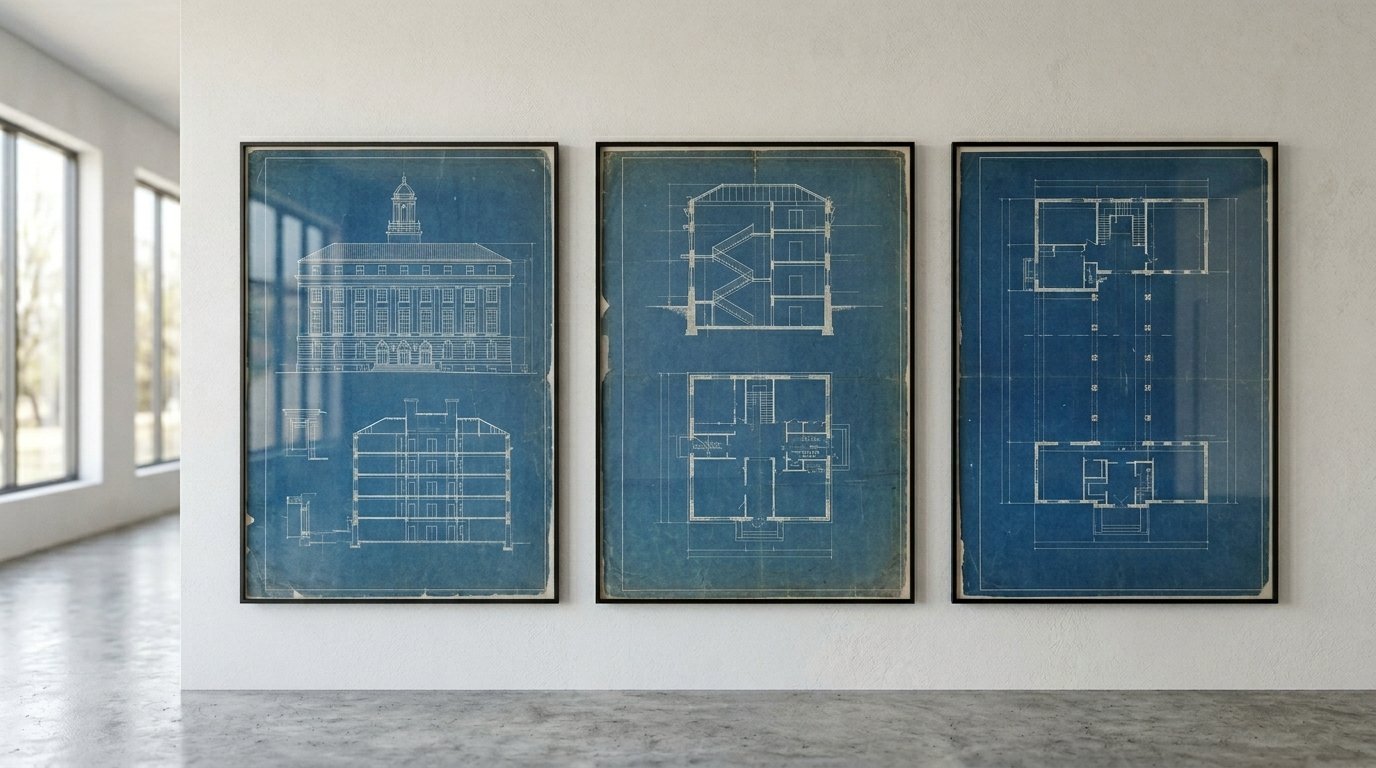
Blueprints offer incredible visual detail. They look sophisticated and smart. Find digital downloads of old city plans online. Print them on oversized matte paper. A twenty four by thirty six inch print costs about thirty dollars. Place them in super slim black metal frames. Hang three prints side by side. Space them exactly four inches apart. The blue tones look great against neutral walls. The fine white lines draw you in close. Guests always stop to read the tiny letters. This art starts conversations right at your front door. It brings historical character to a brand new house. Clean the acrylic frame covers with a soft cloth. Never spray glass cleaner directly onto the frame edges. The liquid seeps in and ruins the delicate paper.
8. Mount Flat Woven Baskets
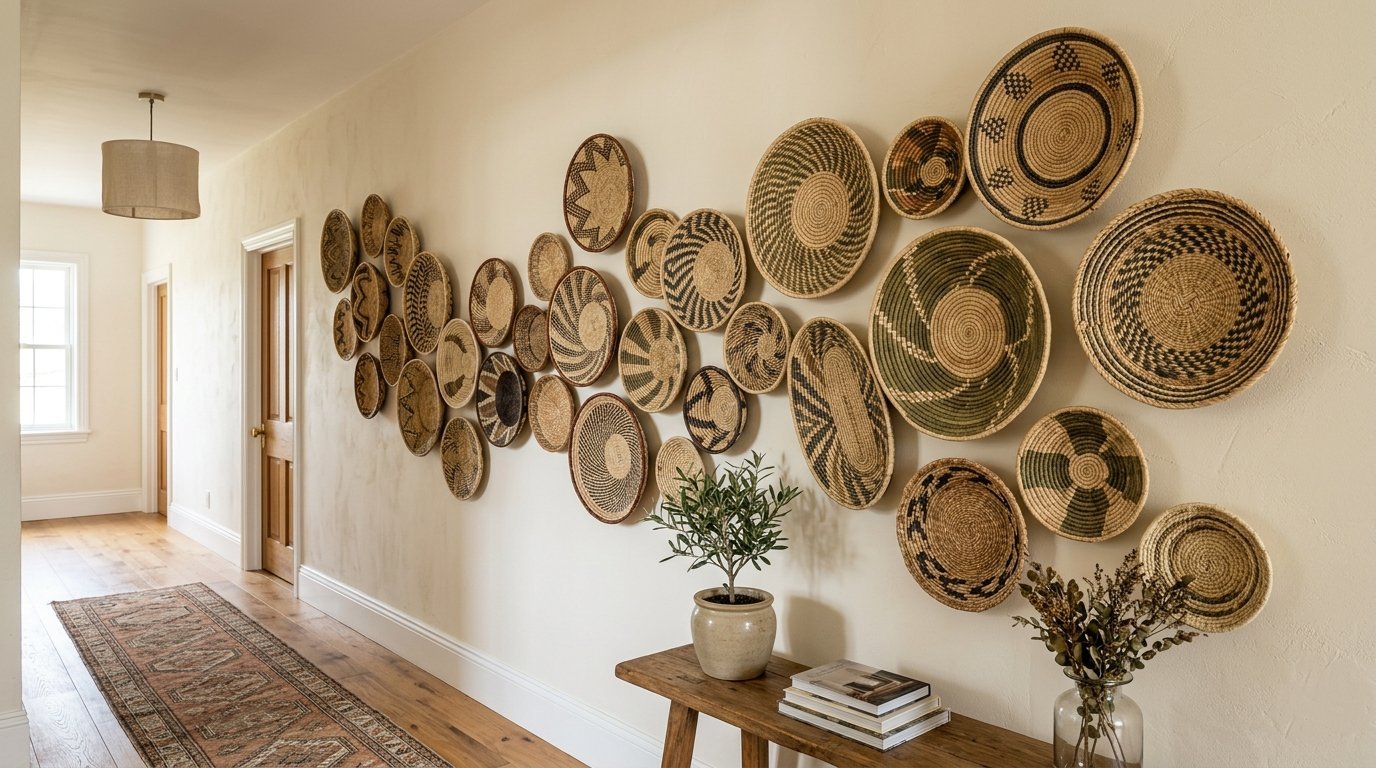
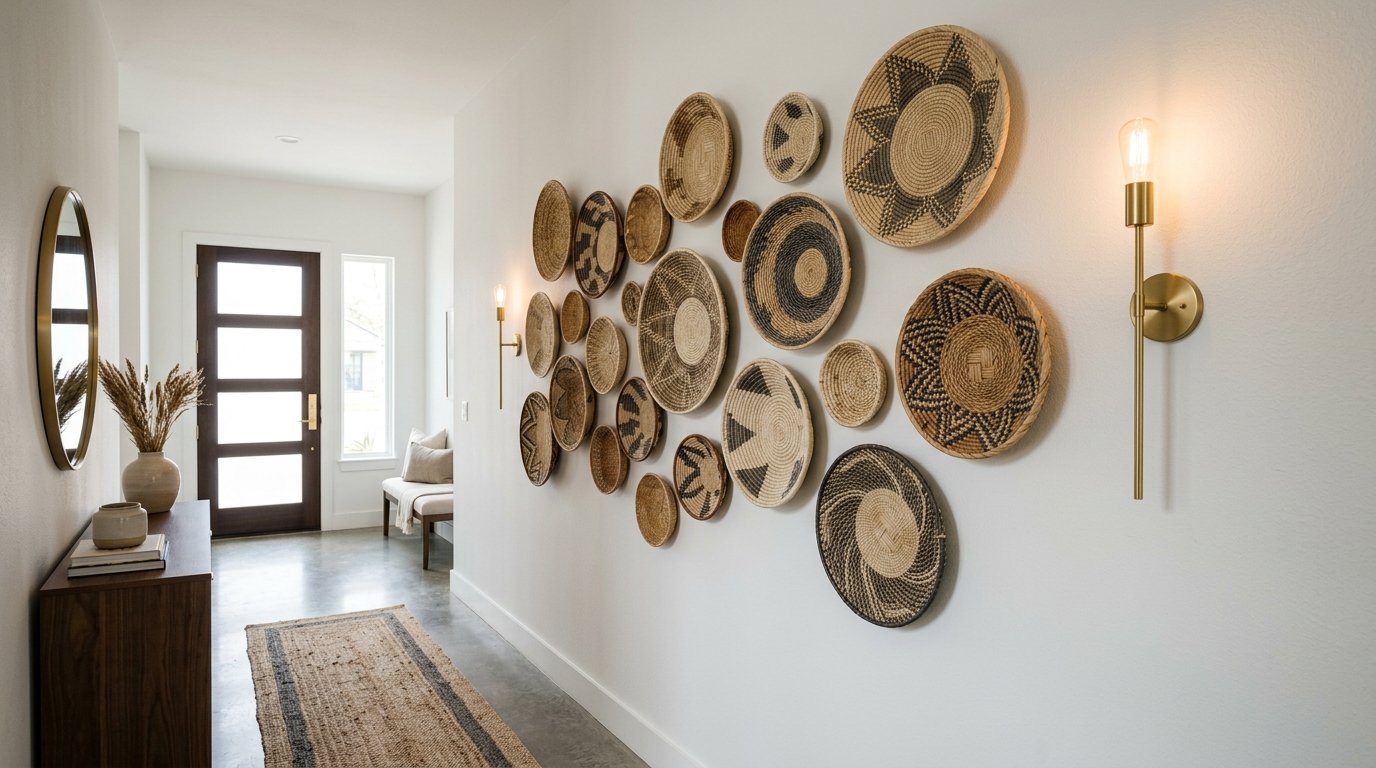
Handwoven baskets bring immediate warmth. They cost very little at local thrift shops. You want shallow baskets that sit tight against the drywall. Pick baskets with varying patterns and colors. I lay them out on the floor first. You arrange them in an organic, flowing shape. Start with the largest basket in the center. Build outward with the smaller sizes. Tap a small finishing nail right through the center of each basket. The weave hides the nail head completely. They catch no dust and require zero cleaning. This softens harsh architectural lines instantly. You create a custom gallery wall for under fifty dollars. The natural sea grass materials smell wonderful. They give the space a relaxed, earthy vibe. You move them around easily if you change your mind.
9. Create Farmhouse Wood Signs
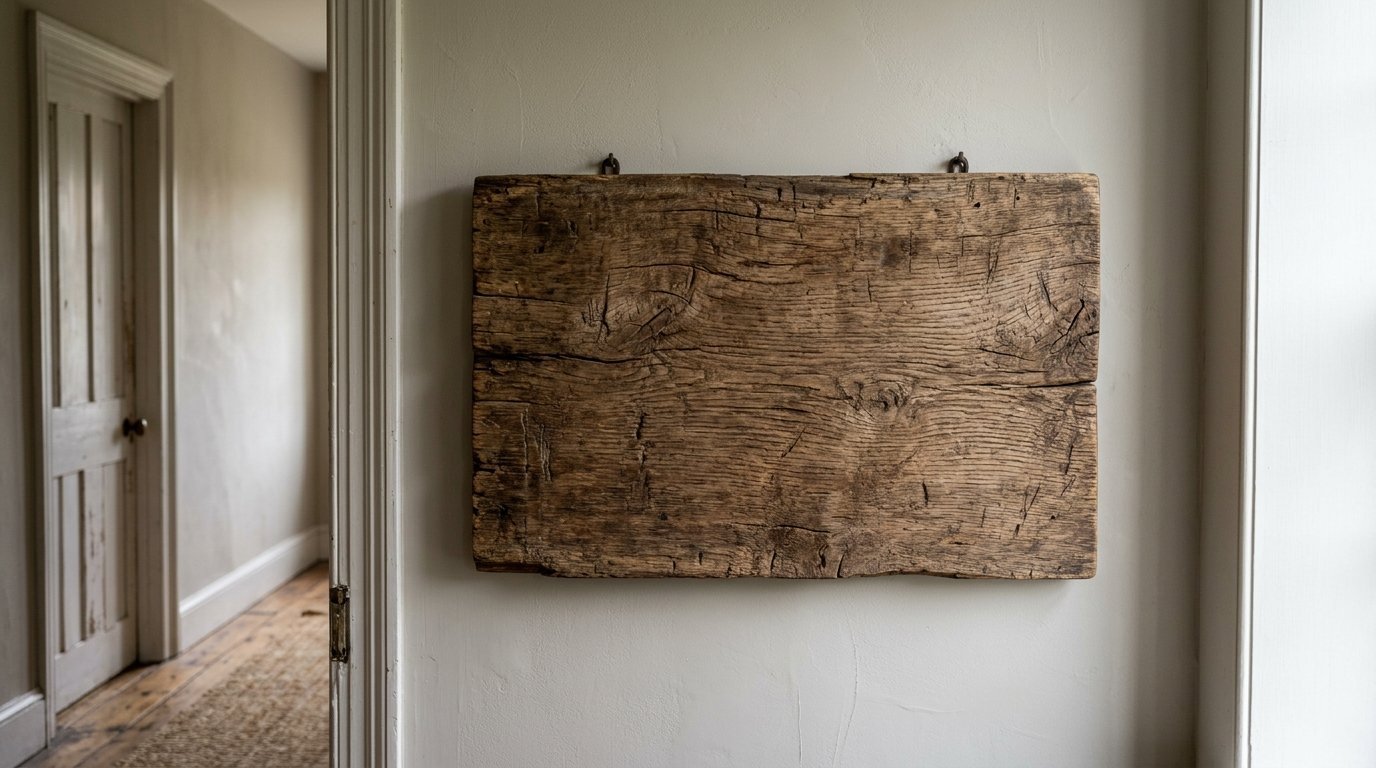
Custom typography provides immediate character to blank walls. You control the exact message and size. Choose your materials very carefully. Three months ago, I threw away a pine wood sign I made. It looked entirely mass produced and cheap. Use reclaimed oak or weathered barn wood instead. A solid piece of hardwood costs roughly thirty dollars.
Materials you need for this project:
- Reclaimed oak wood
- Matte black acrylic paint
- Recessed metal hardware
- Sandpaper for rough edges
Stencil your letters using a small detail brush. Sand the edges gently after the paint dries. This creates a naturally aged appearance. Hang the sign flush using recessed hardware. It sits completely flat and out of the way. This bridges the gap between bedroom decor design and public living spaces perfectly. Keep the words short and welcoming.
10. Install Slim Wall Sconces
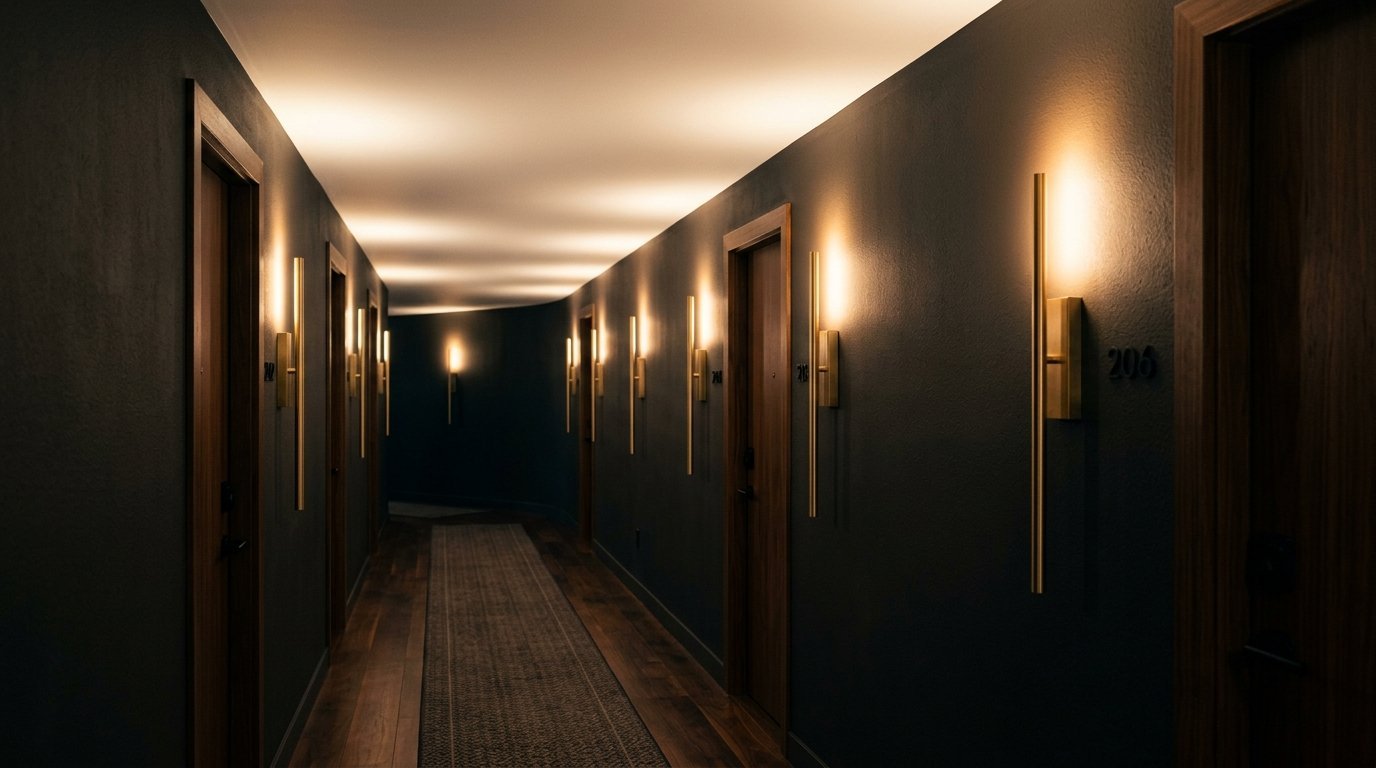
Lighting dictates how a space feels entirely. Harsh overhead lights cast ugly shadows on the walls. Wall sconces provide a soft, flattering glow. Buy fixtures that stick out less than four inches. This keeps them out of your walking path. Hire an electrician to hardwire them properly. You pay about two hundred dollars for the labor. Place the sconces every five feet down the hall. Point the light upward toward the home ceiling. This washes the wall with light. It makes the hallway feel open and airy. Choose a matte brass finish for a classic look. Warm white bulbs make the space feel incredibly cozy at night. You completely change the corridor design just by turning on a switch. Put them on a dimmer for full control.
11. Hang A Symmetrical Canvas Duo
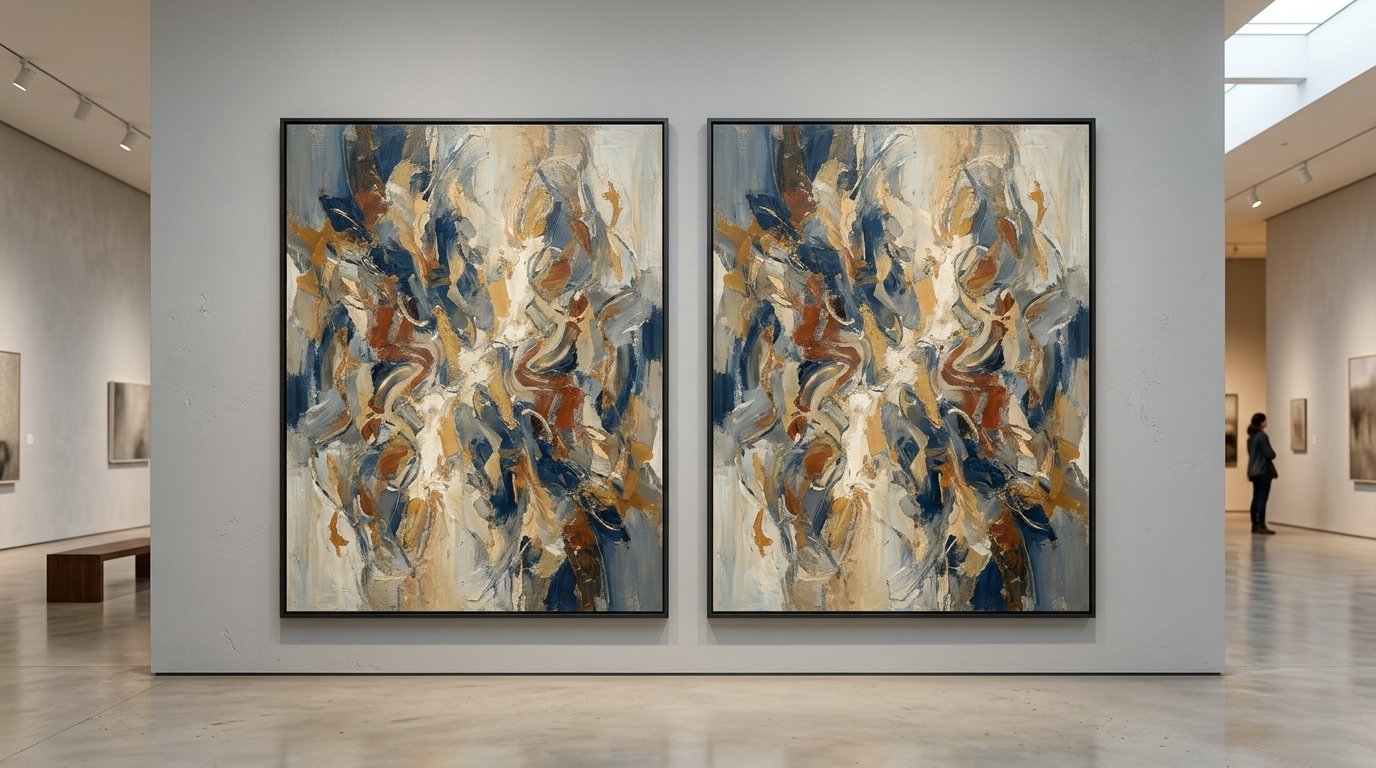
Sometimes less art does much more work. Two massive canvases look highly intentional. They fill a blank wall without looking messy. Buy two pieces that share a single continuous image. The matching sizes create calm symmetry. Center the pair on your longest wall. Leave exactly two inches of empty space between them. Hang them using heavy picture wire. Check the top edges with a bubble level. This sleek arrangement acts as high end gallery art. It forces the eyes to rest on one focal point. You avoid the visual clutter of twenty small frames. You spend about two hundred dollars for a good quality set. Canvas sits lighter on the wall than heavy glass mirrors. Dust the top edges of the canvas weekly.
12. Use Removable Textured Wallpaper
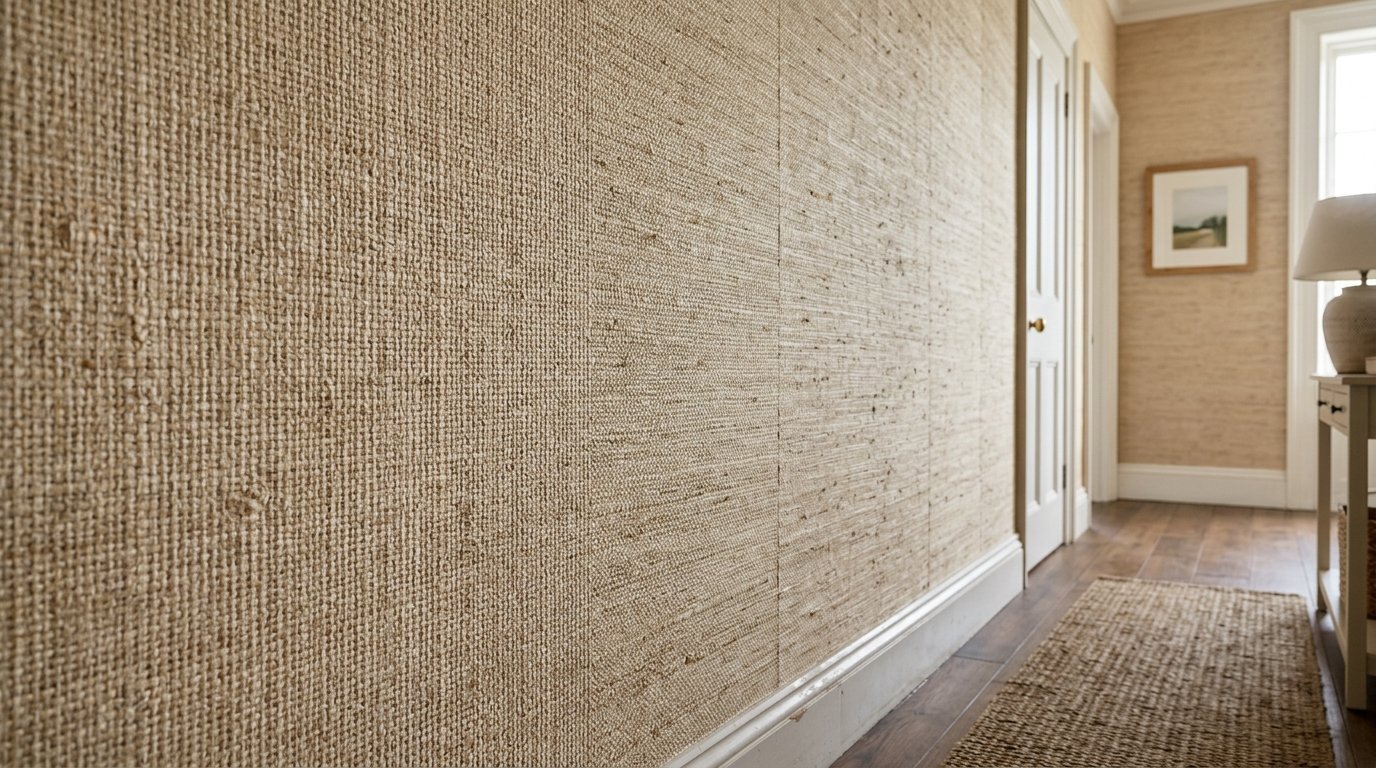
Wallpaper brings incredible depth to boring areas. Modern removable options cause no damage. Pick a subtle grasscloth texture. Avoid busy, loud patterns. The texture catches the ambient light beautifully. It hides uneven drywall imperfections completely. Buy rolls from the exact same dye lot. This prevents color mismatches on your wall. You spend around forty dollars a roll. Wash the wall down completely before sticking the paper. Smooth out air bubbles with a plastic scraper. This job takes patience and steady hands. The finished product looks like a luxury hotel corridor. You simply peel it off when you move out. This works perfectly for rental homes. It warms up the space instantly without requiring a single nail.
13. Place A Floating Console Shelf
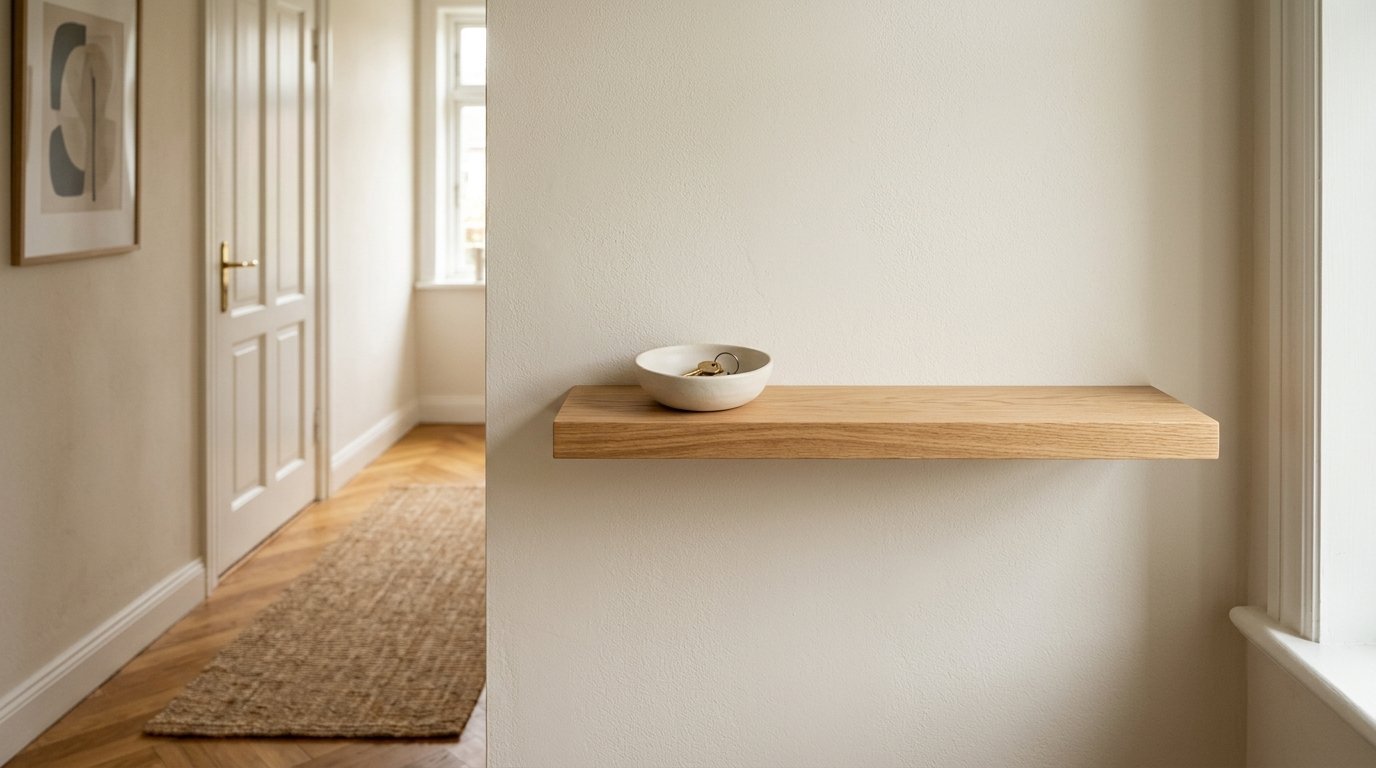
Every front door needs a dedicated drop zone. A full table blocks the walkway completely. A floating console shelf fixes this space issue. It attaches securely to the wooden studs. There are no legs to trip over in the dark. Buy a shelf strictly ten inches deep. This leaves plenty of walking room for guests. Mount it thirty two inches from the floor. Place a small ceramic bowl on top for your keys. This anchors your home entrance decor beautifully. It gives the space a clear, functional purpose. Wipe the wood surface clean weekly. Keep the styling incredibly minimal. A single vase and a key bowl work best. Adding more items makes the narrow space feel instantly messy.
14. Mount Dark Crown Molding
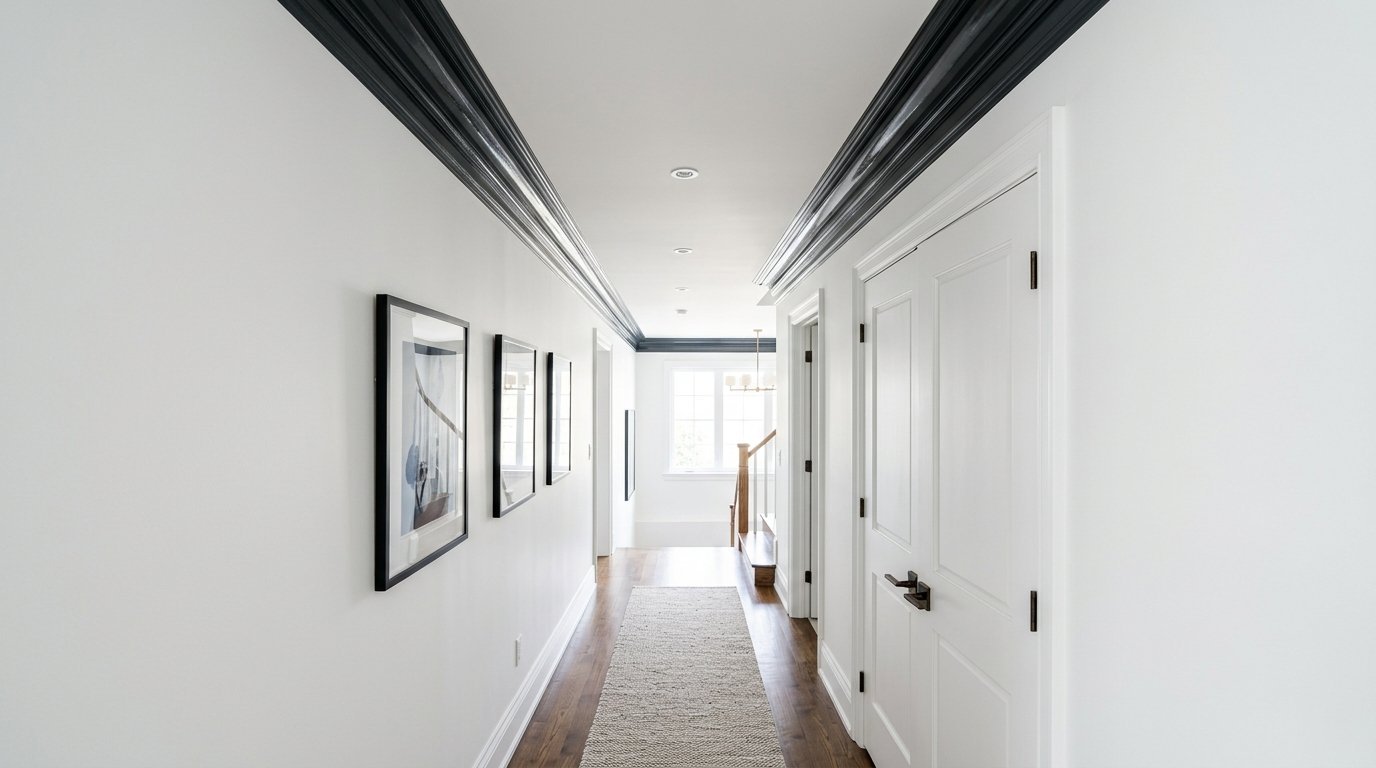
Crown molding finishes a room neatly. Painting it a bold color changes the entire feel. Paint your walls bright white. Paint the crown molding deep charcoal or black. This draws the eye straight up to the ceiling. It clearly defines the borders of the room. It makes the space feel highly tailored and rich. Use a high gloss paint for the trim. The shine reflects your hallway lights perfectly. This costs very little if you do the labor yourself. You simply need steady hands and good painter tape. This trick creates instant architectural interest. Dark trim hides dust much better than white trim. It acts as a permanent frame for the entire room. You never need to hang art if your trim looks this good.
15. Frame Pressed Botanical Prints
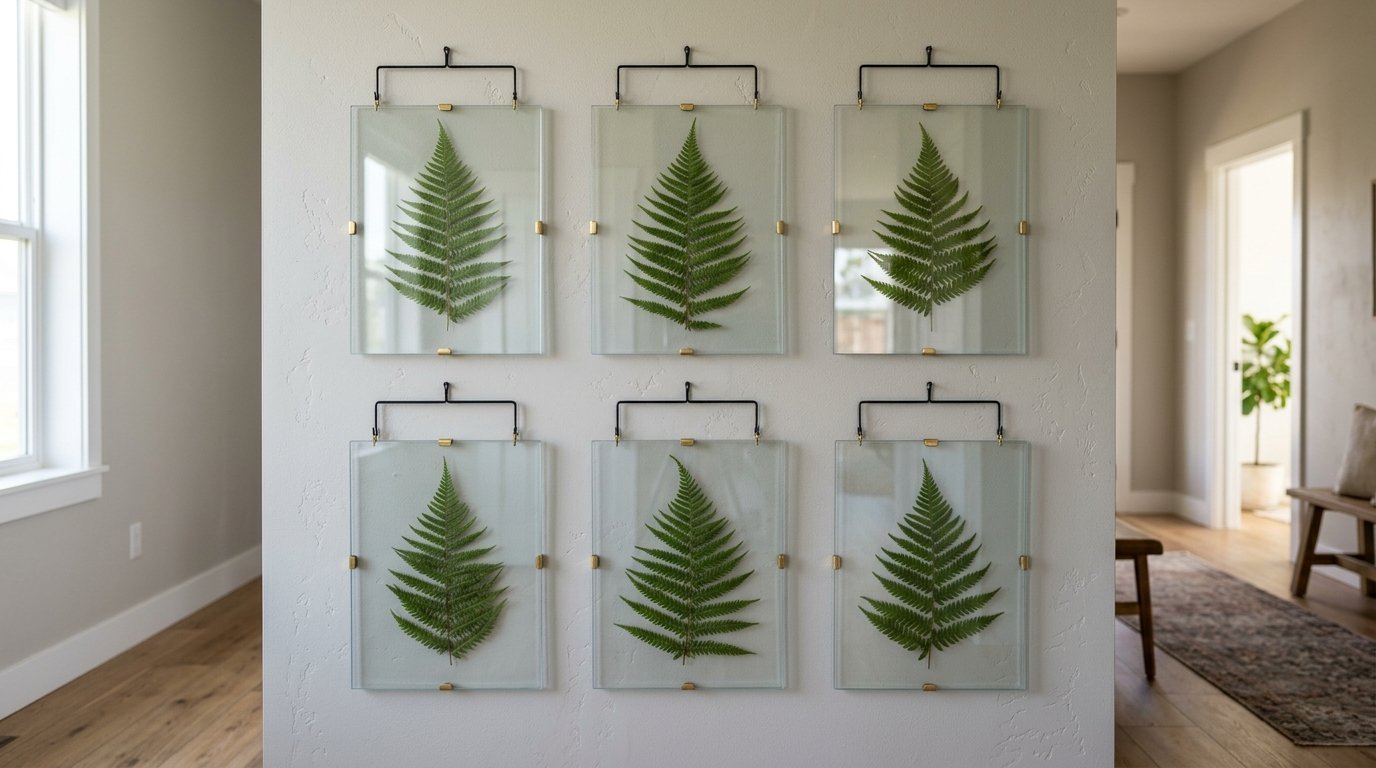
Nature brings life into dark, windowless corridors. Pressed leaves and flowers look incredibly delicate. Buy completely transparent glass frames. The wall color shows right through the glass. This makes the frames feel weightless on the wall. I place real fern leaves between the glass panes. You buy floating frames for around twenty dollars each. Hang a grid of six frames together. This bridges the gap between hallway style and bedroom decor design. Keep them away from direct sunlight. The ultraviolet rays fade the green colors fast. They require nothing more than a quick dusting. You collect leaves from your own yard for free. Press them inside heavy books for two weeks. This DIY art looks incredibly high end.
16. Display Oversized Typography
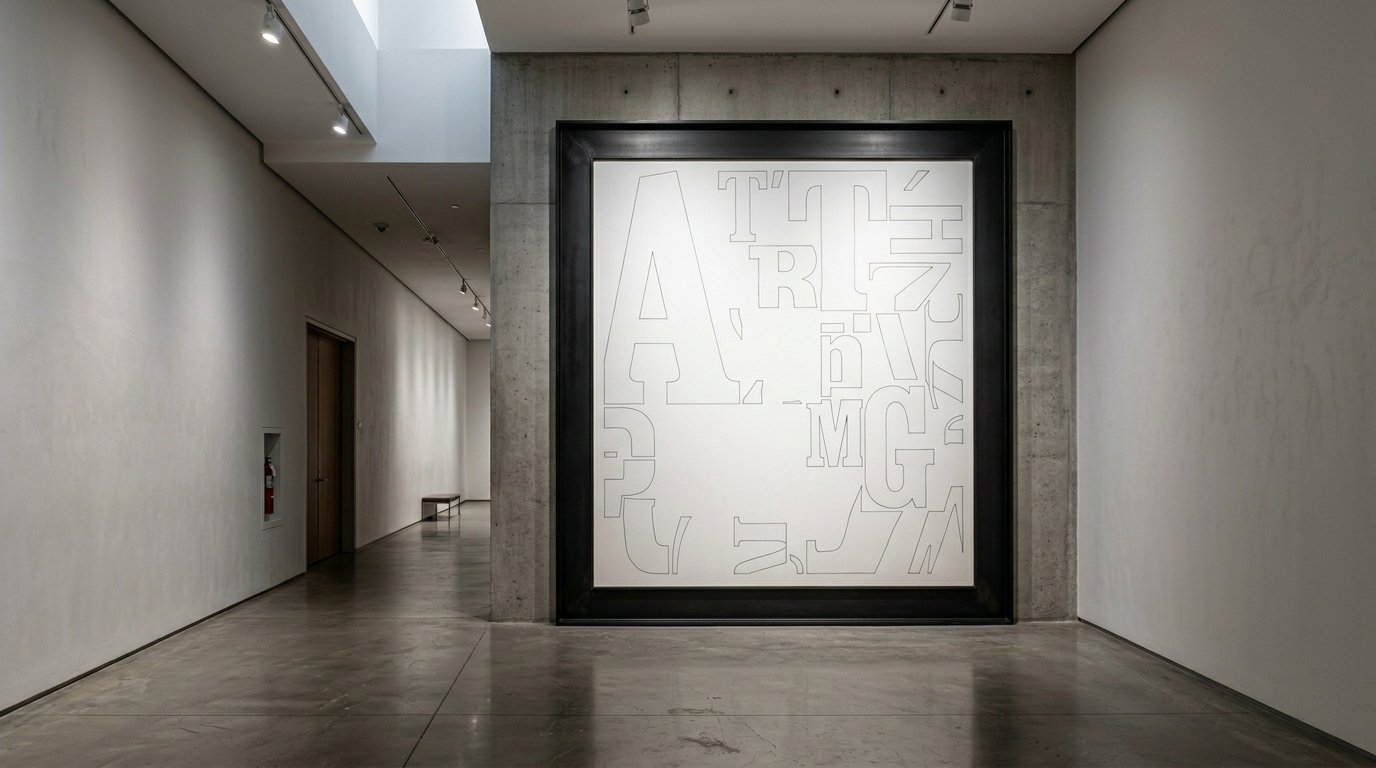
Words hold power in interior design. One massive typography print makes a bold statement. Pick a short quote that means something to your family. Print it in a stark black plain font. Leave plenty of white space around the words. The white space gives the eyes a break. Frame the print behind anti glare acrylic. Hang it at the very end of your hallway. This gives you a clear destination point as you walk. It acts as a visual anchor for the eyes. Keep the surrounding walls completely bare. Let the words command the space entirely. A local print shop charges thirty dollars for a large poster. You roll it up and frame it yourself to save money.
17. Hang Flat Woven Rugs
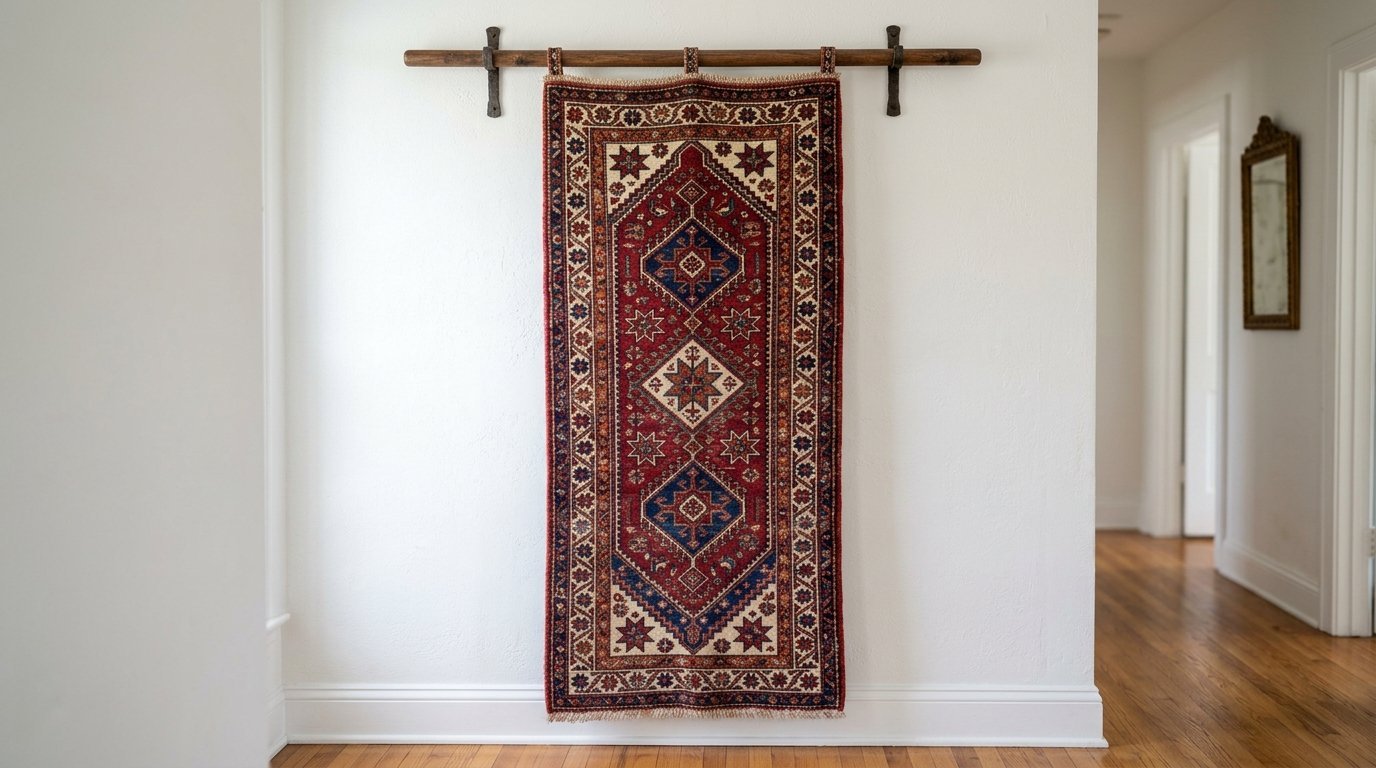
Rugs belong on the walls too. A vintage Turkish rug acts as a massive tapestry. It covers a huge blank area instantly. The thick wool absorbs echoing footsteps perfectly. You buy a small runner rug for about fifty dollars. Sew a canvas sleeve onto the back top edge. Slide a heavy wooden dowel through the sleeve. Hang the dowel from two sturdy hooks. This keeps the rug perfectly straight. The rich reds and blues warm up a sterile hall. You vacuum it gently once a month. It creates a stunning focal point. This texture looks incredibly rich and worldly. It hides wall imperfections beautifully. You avoid the glare that comes with huge glass frames.
18. Install A Living Plant Wall
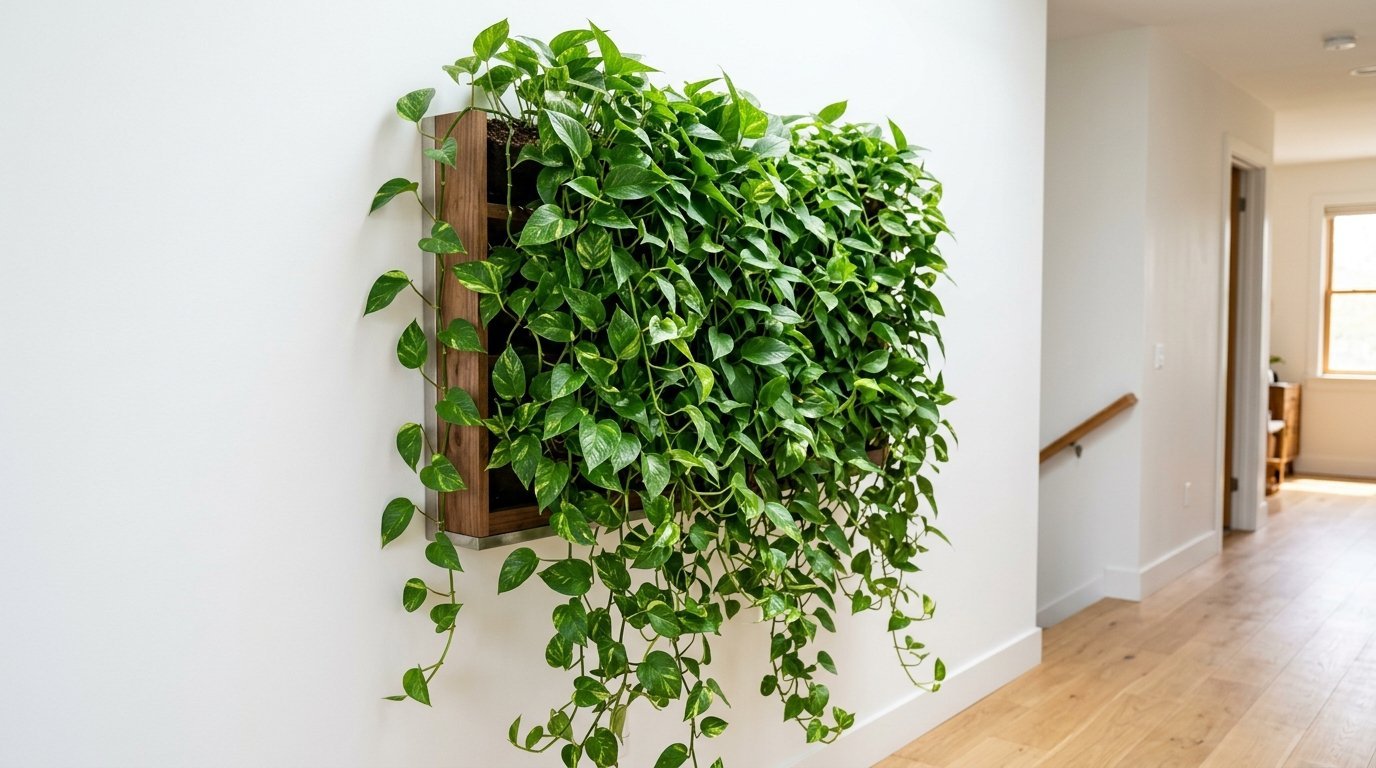
Plants clean the air and look amazing. A vertical planter box sits flat against the drywall. Pick low light plants like Pothos or Snake plants. They survive dark corridors easily. Use plastic waterproof wall planters. You mount them with standard drywall screws. Place them near any available natural light. Water them carefully to avoid drywall damage. They grow downward and create a green waterfall. A green wall feels incredibly fresh. It brings the outdoors inside your home. Check the soil moisture every single week. Wipe the leaves with a damp cloth to remove dust. You spend roughly eighty dollars on the pots and plants. The vibrant green pops perfectly against white painted walls.
19. Mount Slim Book Ledges
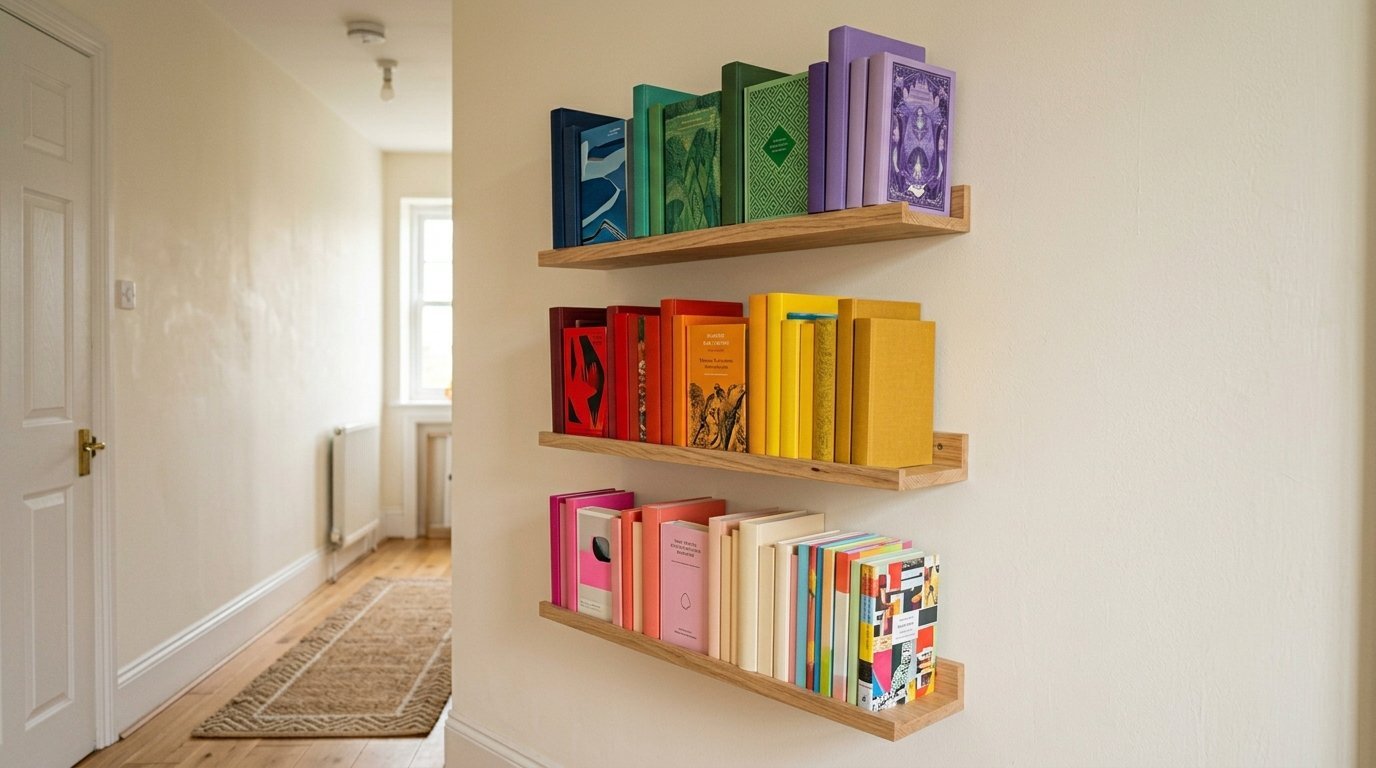
Books make a house feel warm and lived in. Traditional bookshelves take up way too much floor space. Slim picture ledges work perfectly for books. You face the book covers outward toward the room. This turns your library into rotating artwork. Mount three ledges vertically. Space them sixteen inches apart. Sort the books strictly by cover color. A rainbow arrangement looks highly organized and clean. You spend thirty dollars on the wood ledges. This provides an interactive element for guests passing through. You swap the books out whenever you want a fresh look. Keep the ledges exactly four inches deep. This prevents anyone from bumping them with their shoulders.
20. Frame Minimalist Line Art
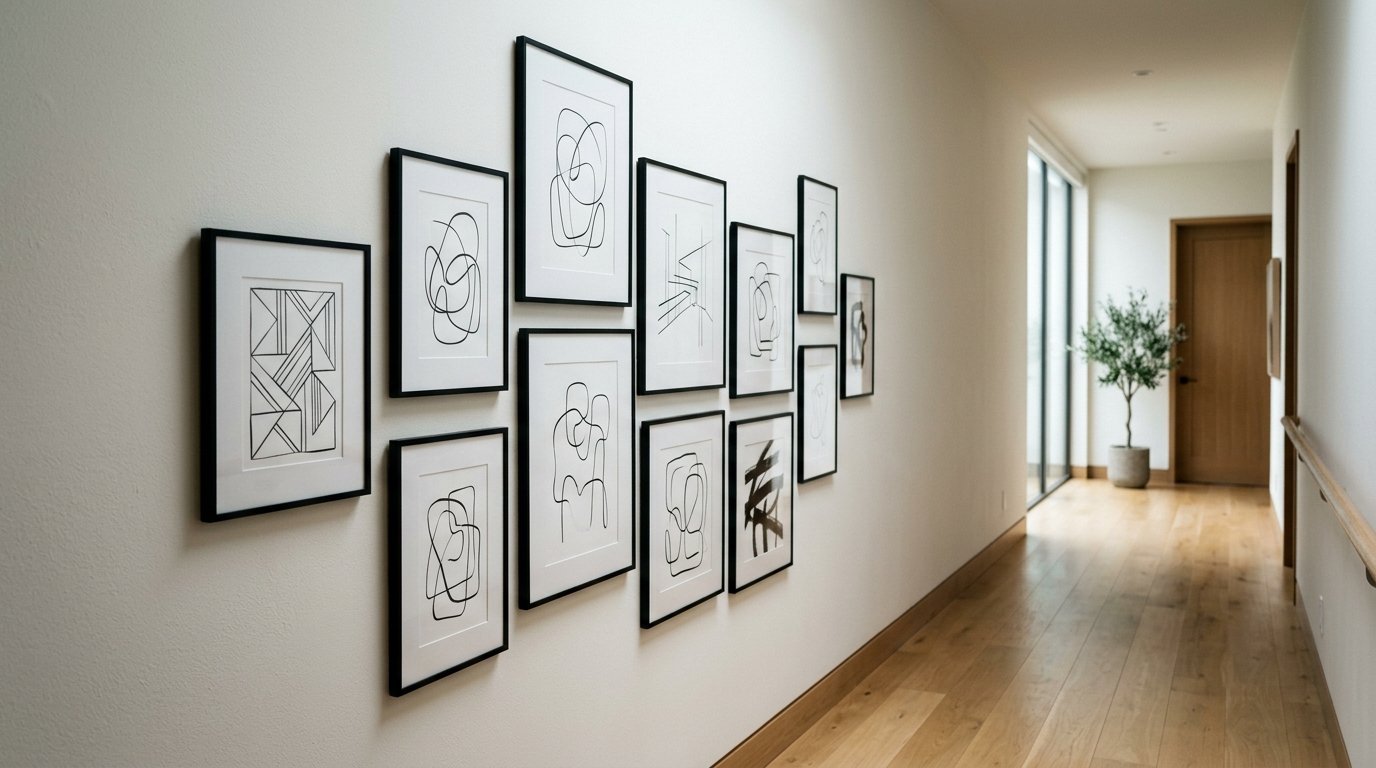
Line art uses simple, continuous black strokes. It leaves a massive amount of empty white space. This prevents the art from feeling heavy on the wall. Buy digital prints from independent artists online. Print them on thick watercolor paper at home. Use incredibly thin black metal frames. Hang them in a staggered pattern down the hall. This creates visual movement down the corridor. The simplicity suits any modern home perfectly. It costs less than fifty dollars for a complete set of three. The minimal ink lets the room breathe. Dust the frame edges lightly every week. Match the frame color to your door hardware. This ties the entire hall design together seamlessly.
21. Use Metallic Wall Sculptures
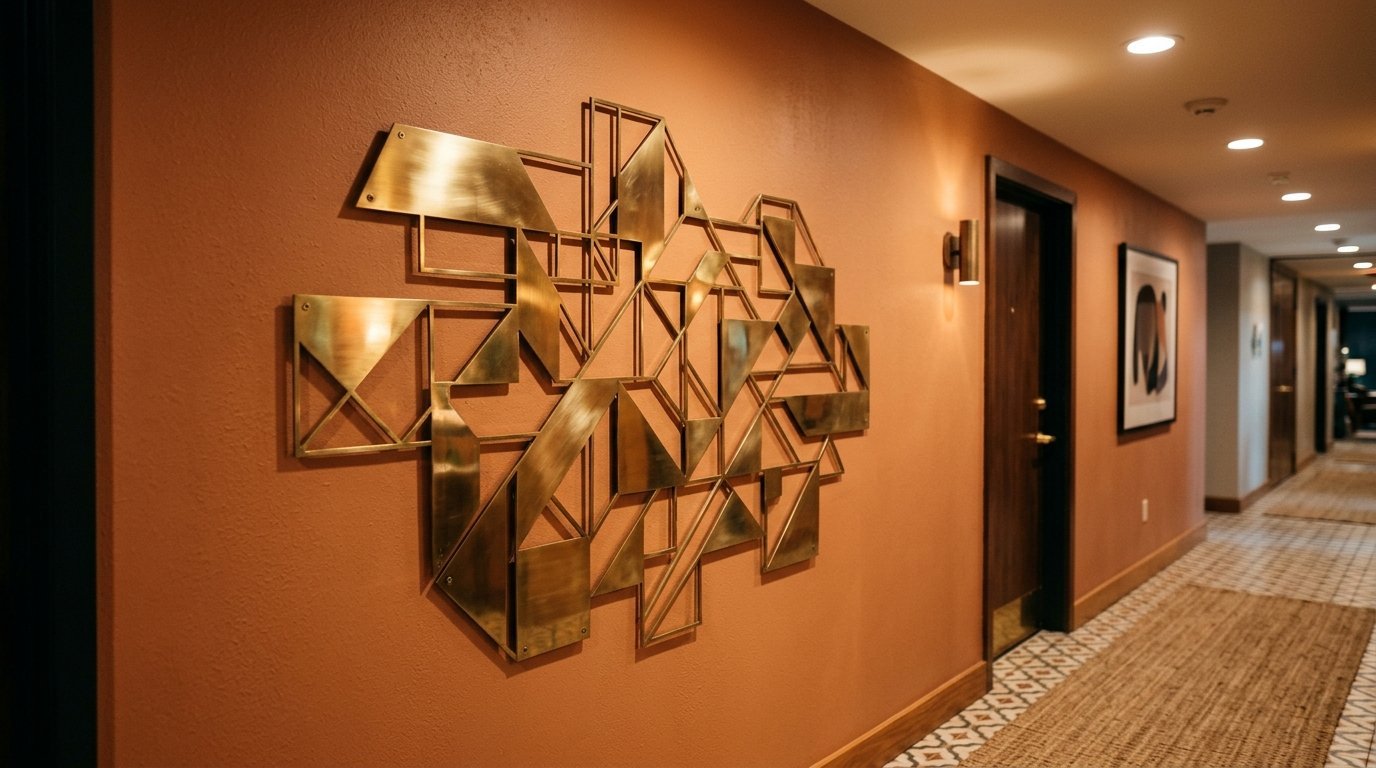
Metal art reflects ambient room light beautifully. A flat brass or copper sculpture takes up zero floor space. Pay close attention to indoor humidity. Last summer, water gathered at the bottom curve of a gold frame in my room. Wipe down metal pieces weekly to prevent tarnishing and rust. You find excellent retro modern replicas for about eighty dollars. Choose pieces with open negative space. You see the wall color right through the artwork. This keeps the design from feeling heavy or solid. Mount the sculpture using clear plastic hooks. The hardware remains completely invisible. The metallic finish gives a high end touch to basic corridor design. Keep the shapes geometric and simple.
22. Paint An Arch Wall Mural
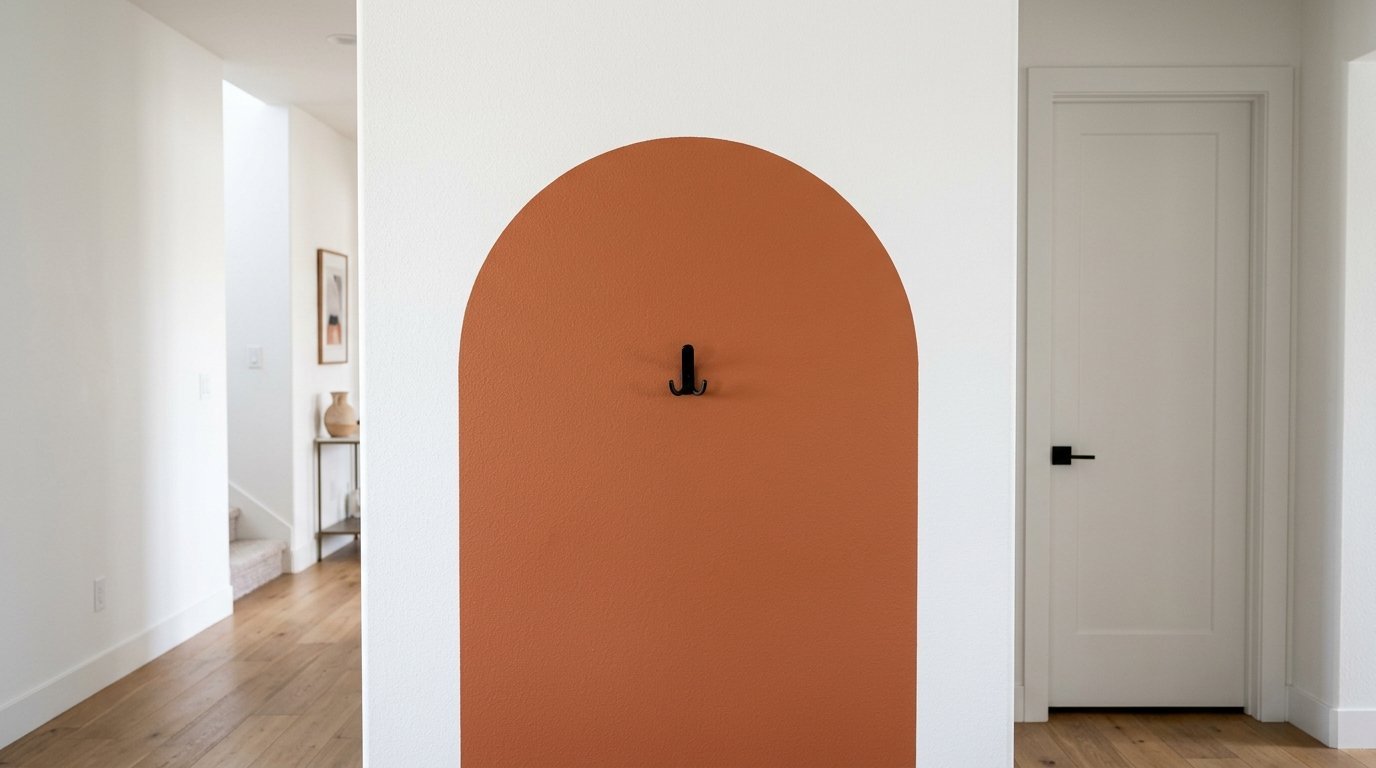
A painted arch creates a fake architectural feature. It takes up absolutely zero physical space. Pick a warm terracotta or deep sage paint color. Tie a piece of string to a pencil. Pin the other end of the string to the wall. Draw a perfect half circle lightly. Paint inside the lines carefully with an angled brush. You spend fifteen dollars on a small quart of paint. Place a small wall hook directly inside the painted arch. Hang a lightweight jacket or hat there. This looks incredibly custom and intentional. It warms up the exact center of a long wall perfectly. You paint right over it if you ever get bored.
23. Maintain Everything Properly
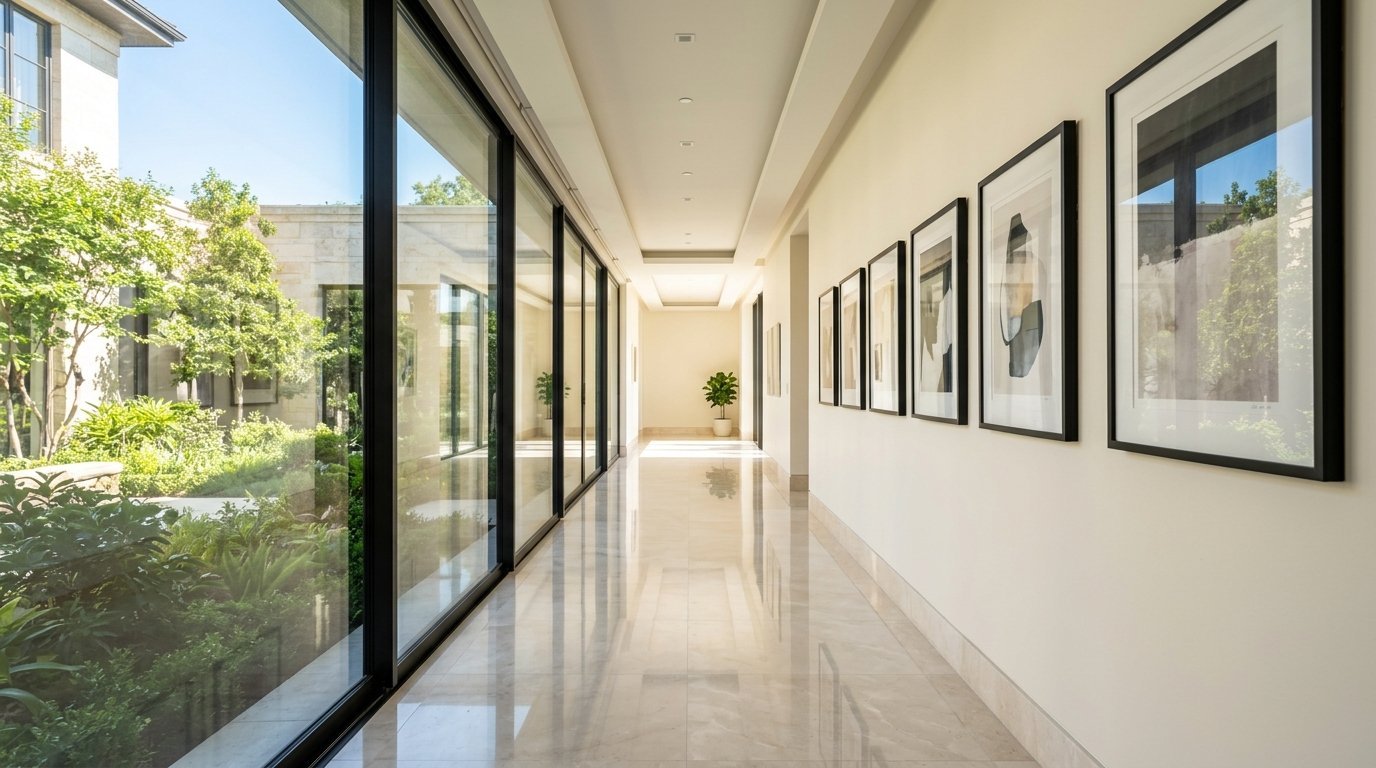
Dusty frames and cloudy glass ruined the feel of my home last year. Dirty decor makes a narrow space feel neglected and small. I now strictly use Sprayway or Invisible Glass with a microfiber cloth. Method glass cleaner works well for lighter smudges. Spray the cleaner onto the cloth, never directly on the art. I use a Norwex or 3M cloth for a flawless finish. Wipe the surface using a precise side to side cleaning routine. Go from top to bottom. Use distilled water and rubbing alcohol for tough spots. Clean your decor every single week. This simple habit keeps your hallway looking bright. Proper care preserves your investments for years. A spotless area always feels twice as large.
Frequently Asked Questions
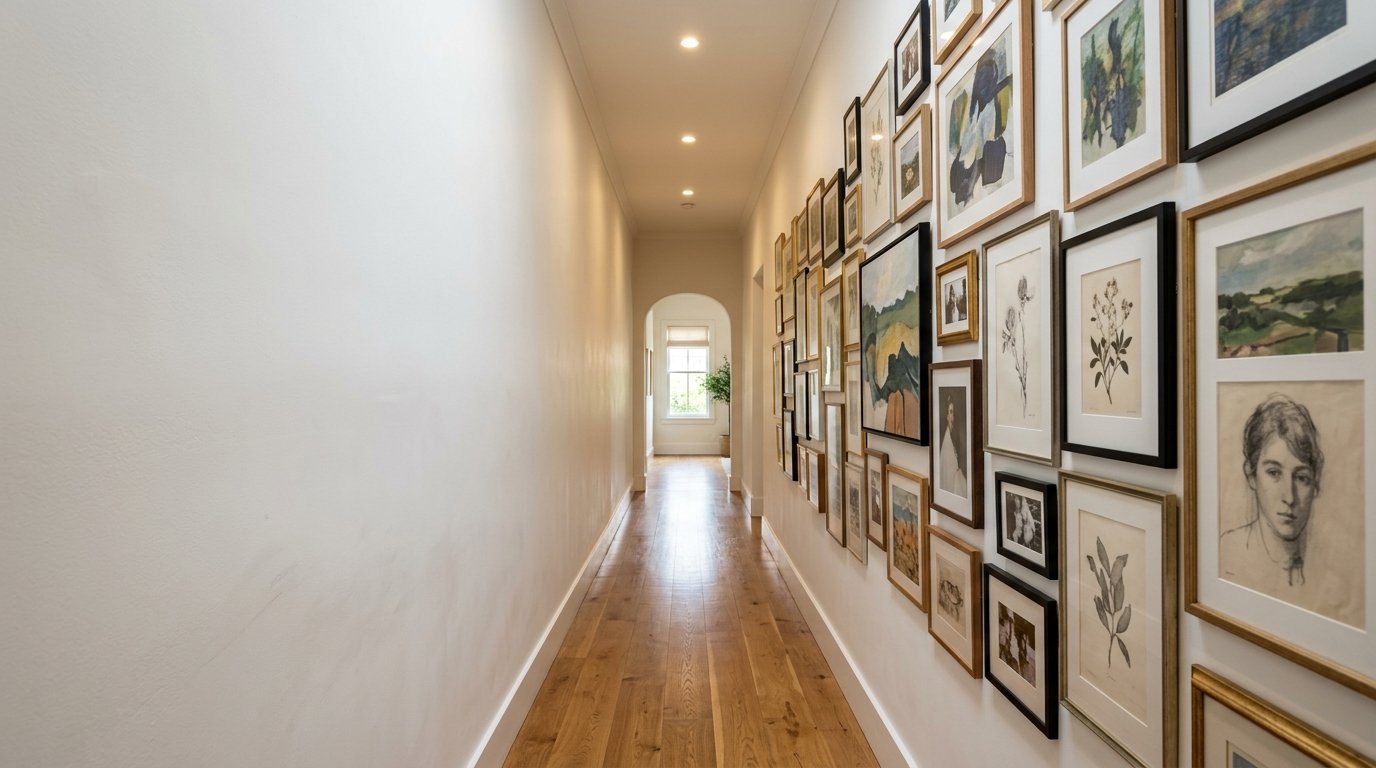
How high should I hang art in a hallway?
Hang your art exactly sixty inches from the floor to the center of the piece. This rests right at average eye level. It keeps the visual line steady as you walk down the hall.
What colors make a corridor look wider?
Use bright white or light gray paint. These colors bounce light around the tight area. Paint the trim the exact same color as the walls to remove visual boundaries completely.
Can I use a runner rug with wall decor?
Yes. Match the colors in your rug to your wall pieces. Keep the rug pattern very simple. Too much detail on the floor and walls creates a chaotic feeling.
How do I light a dark hallway?
Install slim wall sconces. Place them every six feet. Use warm white bulbs. This draws the eyes up toward the home ceiling and washes the walls with soft light.
Should I decorate both sides of a narrow hall?
No. Pick one main wall to decorate. Leave the opposite side completely blank. This gives your eyes a resting place. It stops the area from feeling like a tunnel.
Final Thoughts
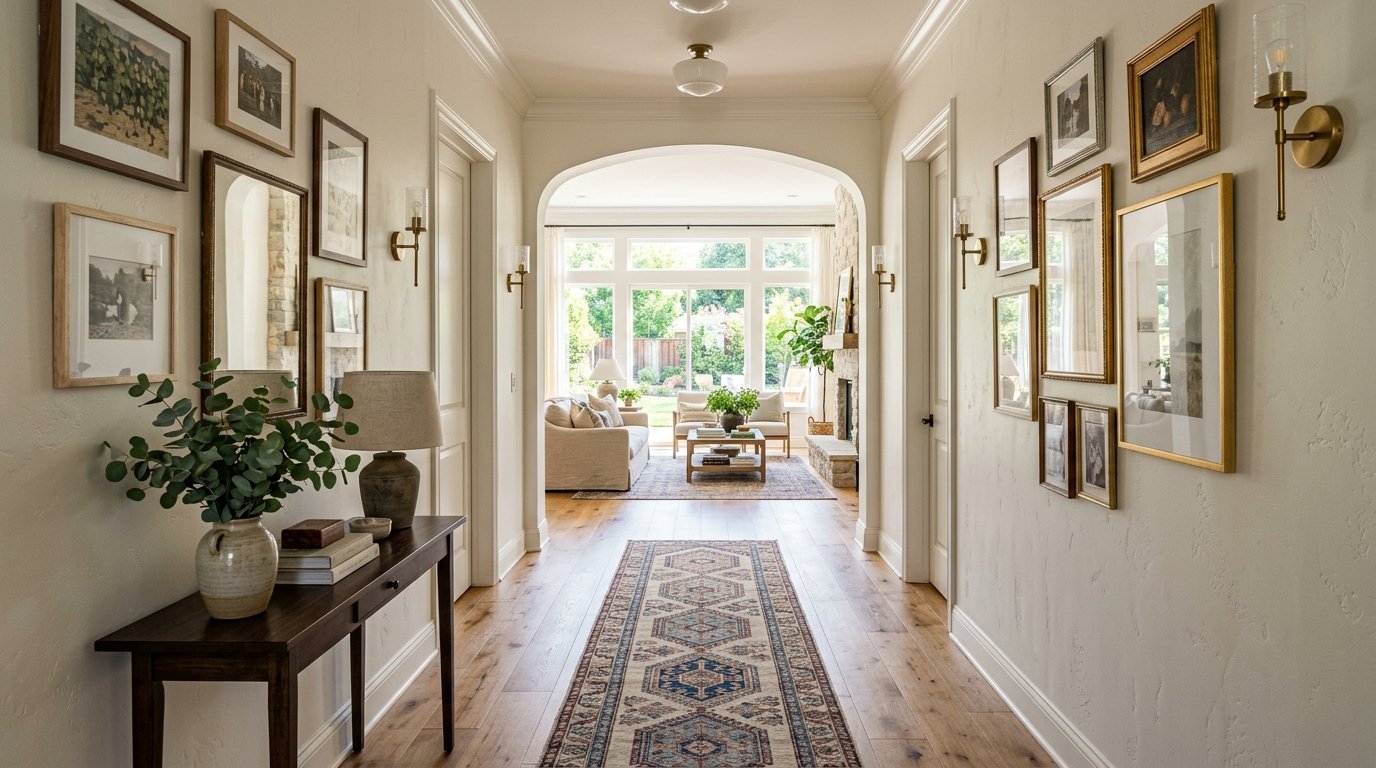
A narrow corridor holds immense design potential. You dictate the exact mood of your home right at the front door. Treat this space with the exact same care you give your main living areas. Pick pieces that lay perfectly flat against the drywall. Measure twice before you drill any holes. Spend money on top quality frames and very good lighting. Keep your glass surfaces spotless with the right supplies. You now possess twenty three exact blueprints to change your space today. Pick one single idea and start there. The smallest changes make the biggest difference in tight spaces.

Anya Castellan is the Founder and Editor-in-Chief of Home Wall Trends. An art history graduate of the Rhode Island School of Design with twelve years of experience writing for leading American design publications, she specializes in composition, gallery wall theory, and the quiet architecture of domestic space. A former contributing editor at Architectural Digest and guest lecturer at Parsons School of Design, Anya personally reads and signs off on every piece before it is published.