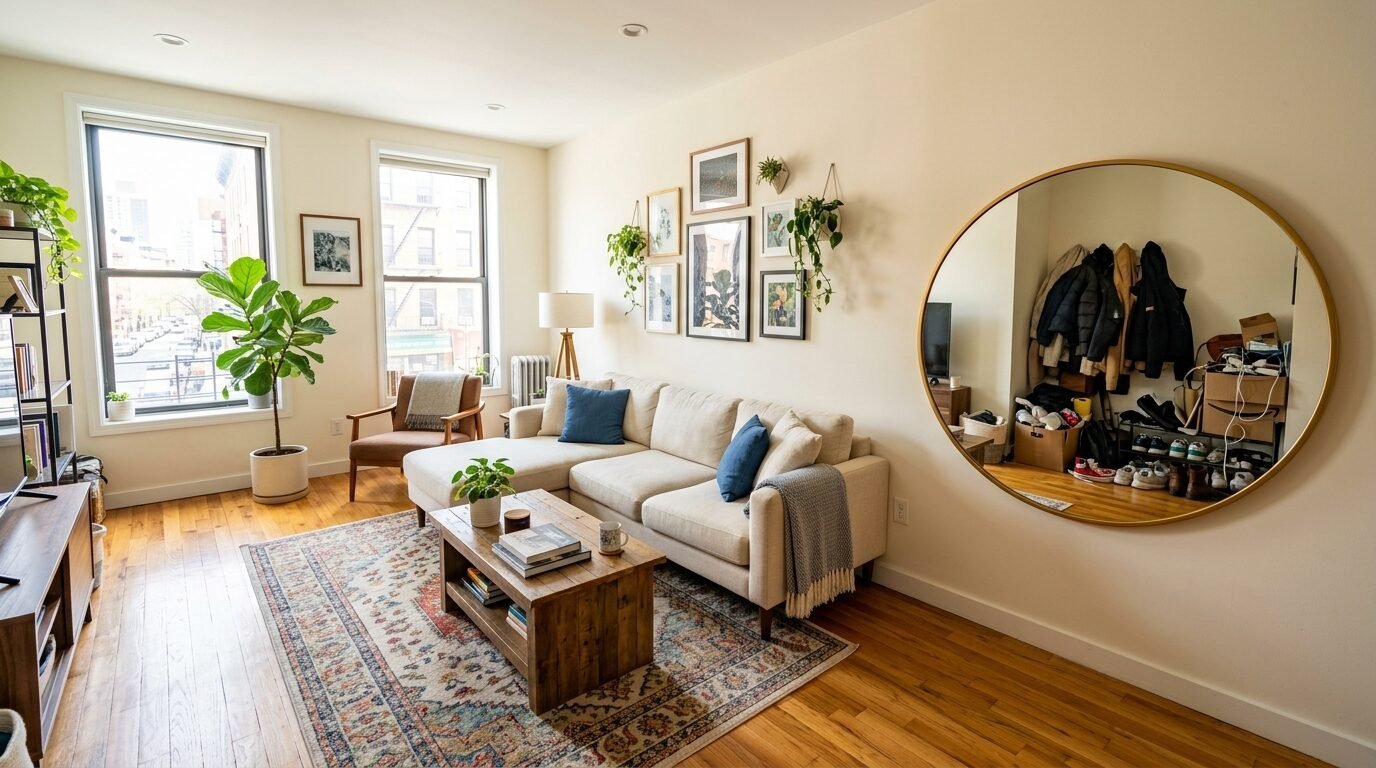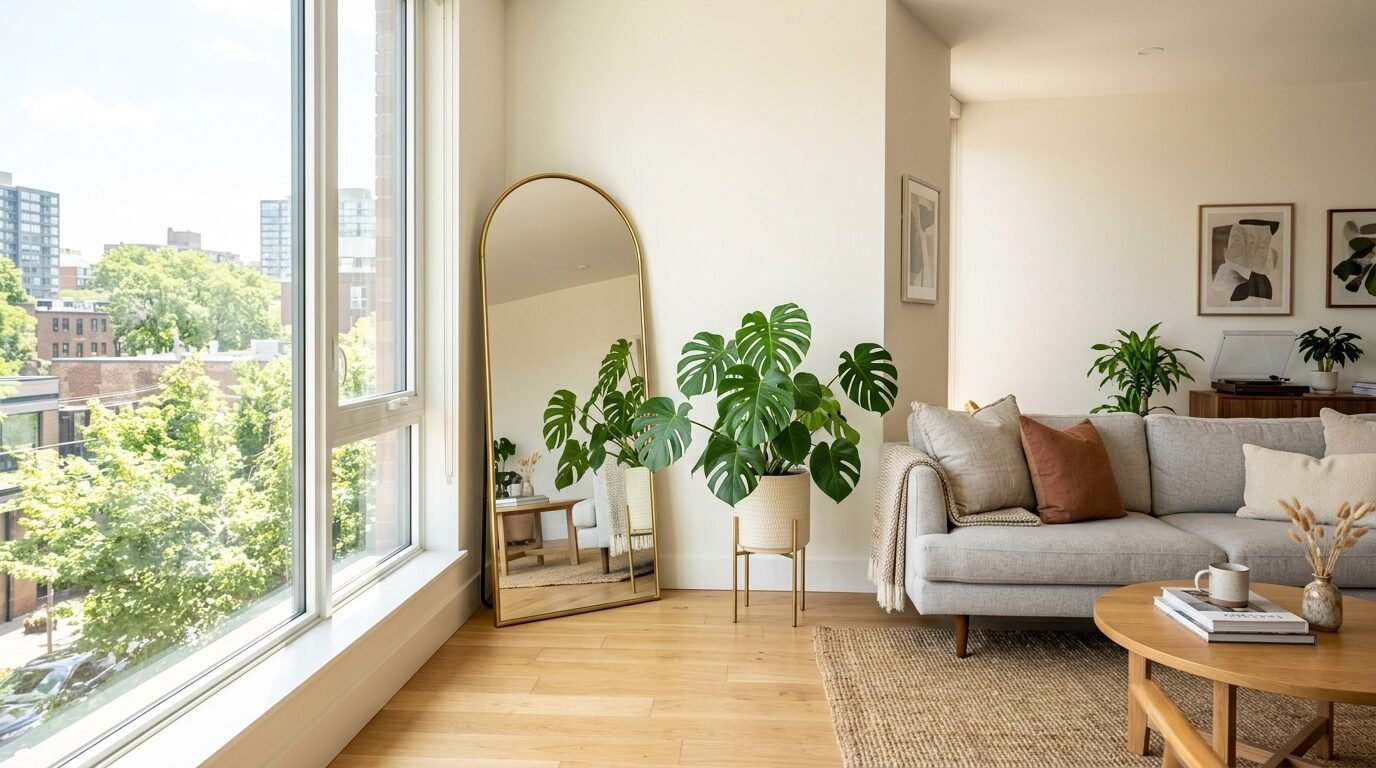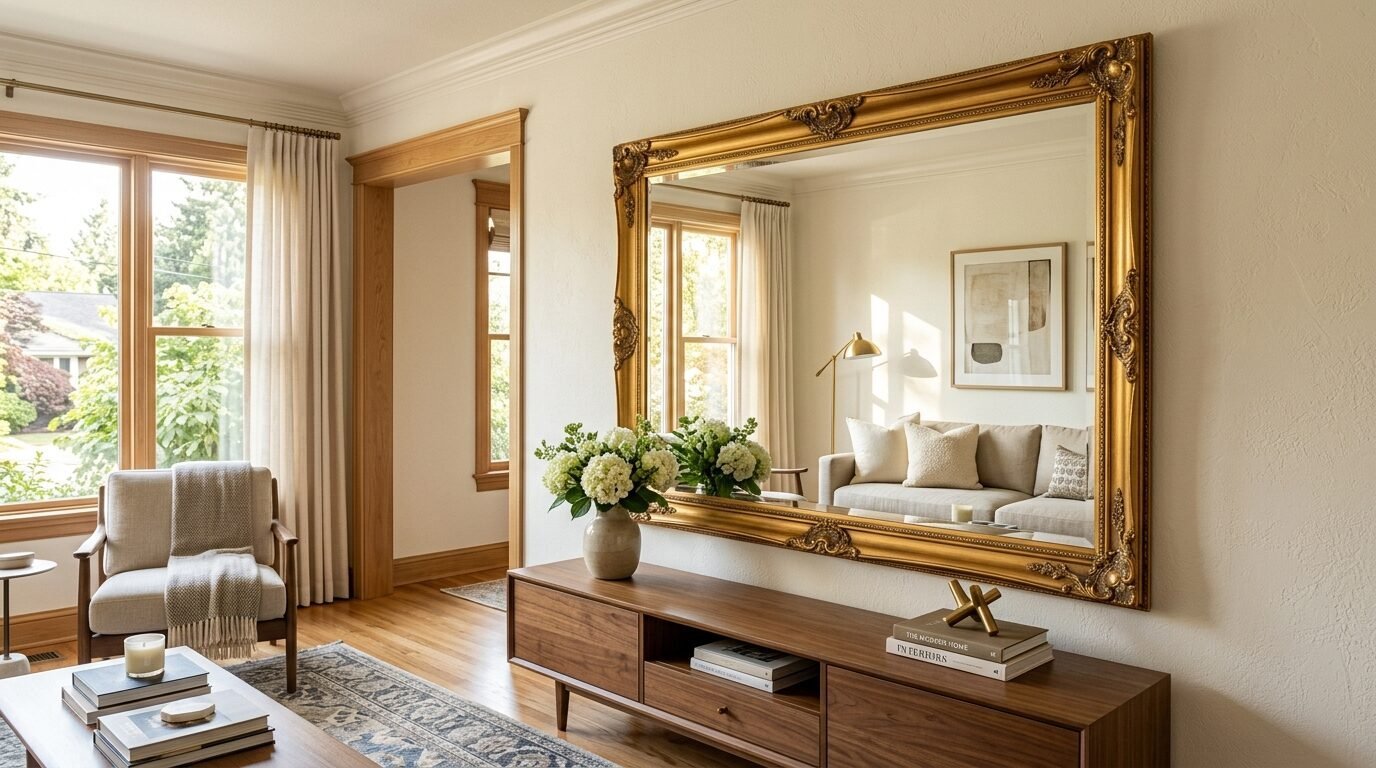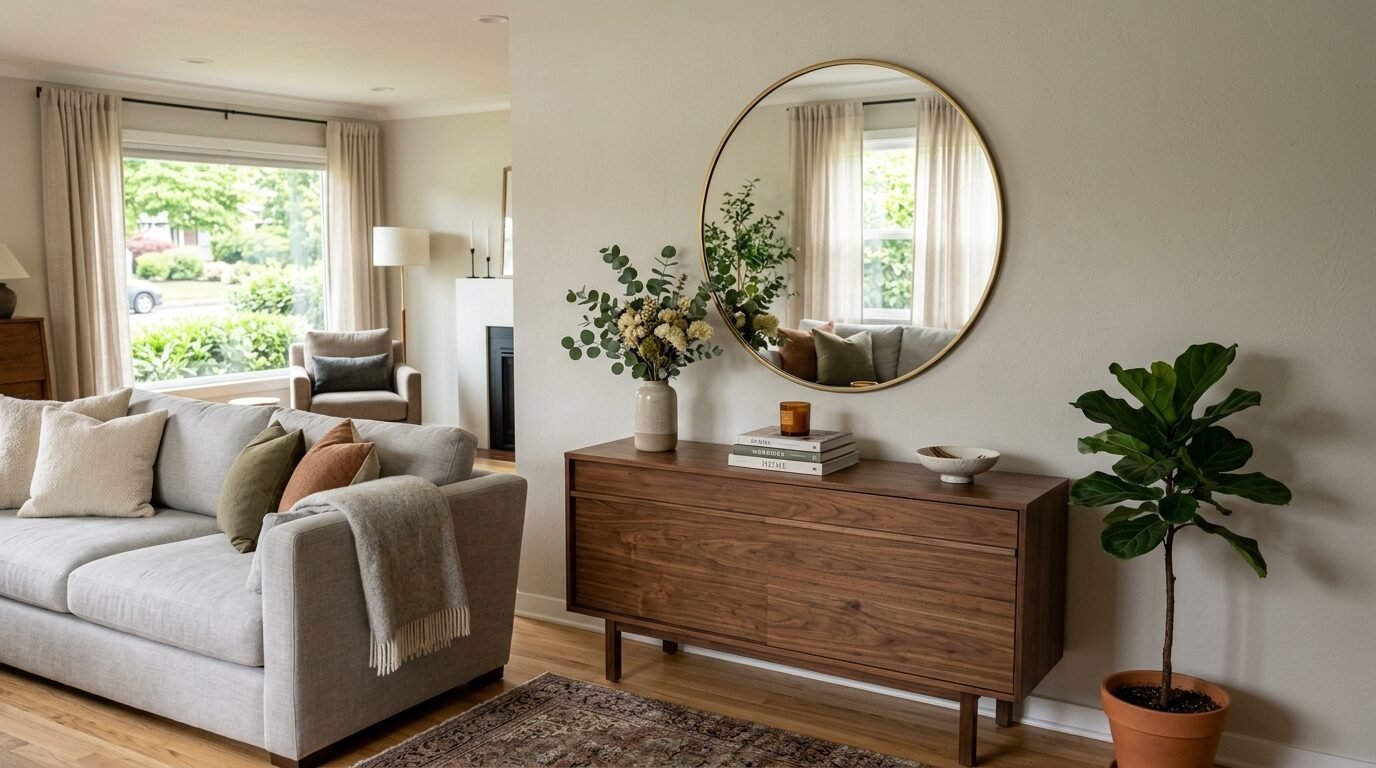
You wake up to a loud noise at midnight. Your favorite glass mirror lies shattered on the hardwood floor. The wall surface shows a jagged hole. This scenario happens often during careless home updates. Drywall consists of soft gypsum plaster. Two layers of heavy paper encase this chalky core. It handles straight pressure well. It fails completely under pulling forces. A heavy frame creates a constant downward pull. This force rips through the soft plaster over time.
Summary
In my experience, standard nails offer zero safety for heavy items. The metal slide creates a loose track inside the panel. The heavy object hangs by a thread. I have seen beautiful rooms ruined by simple hanging errors. You must treat your wall surfaces with care. Proper hardware creates a solid grip. It distributes the weight across a larger space. This guide outlines the clear actions to protect your home. You can display heavy items with total confidence.
10 Things to Check Before Mounting Heavy Mirrors
Let us cover the preparation steps before you start. Check these items to prevent surface damage.
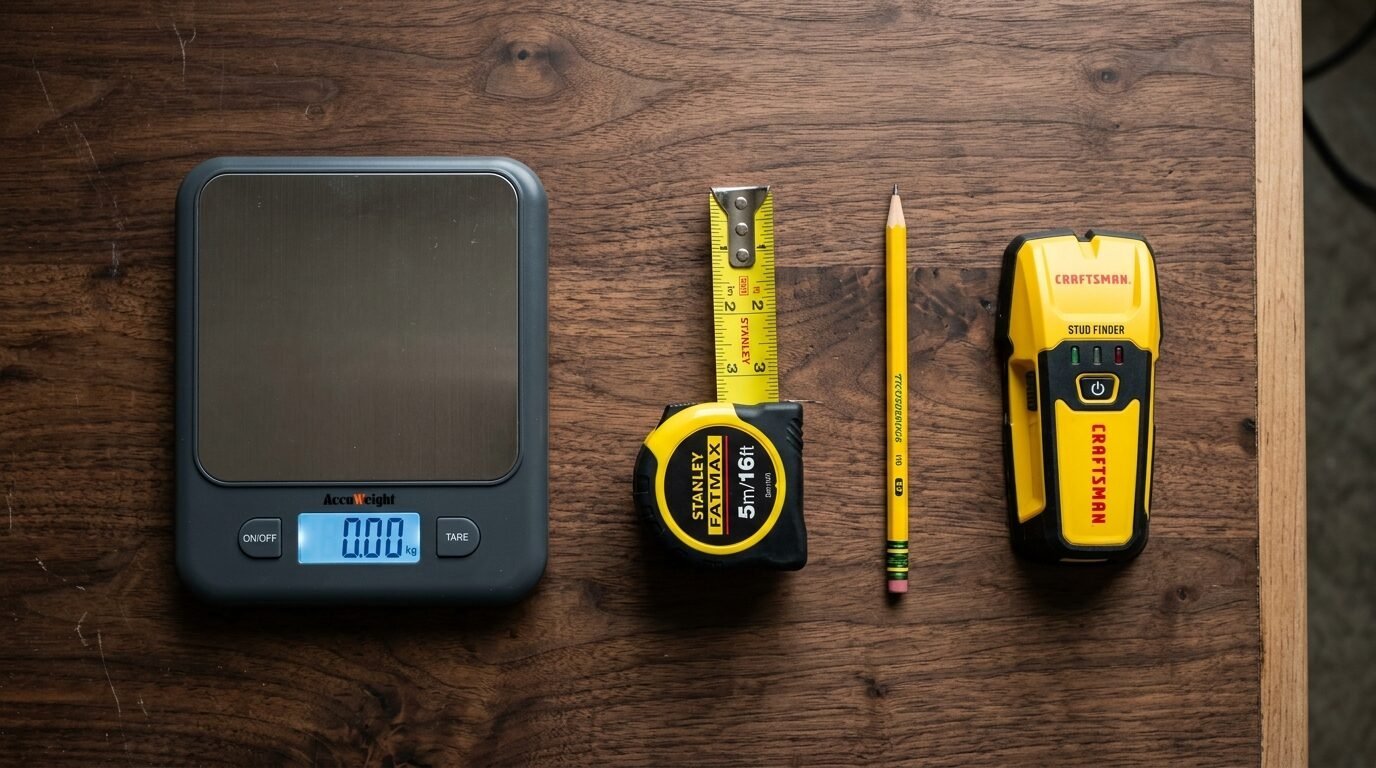
First, weigh your mirror exactly. Step on a scale with the frame. Step on the scale without it. Subtract the numbers to find the true weight.
Second, check your wall thickness. Drill a tiny pilot hole in an inconspicuous spot. Insert a toothpick to measure the depth. Most modern panels measure half an inch.
Third, examine the back hardware on the frame. Look for sturdy D-rings or a strong steel wire. Loose rings cause sudden balance shifts.
Fourth, scan for hidden power lines behind the target zone. Use a reliable voltage scanner tool. Avoid drilling near electrical switches or outlets.
Fifth, inspect the wall condition carefully. Look for signs of moisture or crumbling chalk. Soft surfaces cannot support heavy frames.
Sixth, map out your wall studs. Wooden beams provide the strongest mounting points. Use a magnetic finder tool to spot the hidden drywall screws.
Seventh, gather your installation gear. Lay out your tape measure, pencil, and power tools on a clean cloth.
Eighth, choose the perfect height. Mark the center point at eye level. This usually sits sixty inches from the floor.
Ninth, read the hardware weight ratings. Never match a forty-pound mirror with a forty-pound hook. Always double the hardware capacity for safety.
Tenth, clear the surrounding floor space. Move side tables and chairs away from the work area. This protects your furniture from falling plaster dust.
During past Home Projects, skipping these checks caused bad mistakes. I once ignored a soft plaster spot. The entire hook pulled out by lunchtime. Now I follow this list every single time.
Selecting the Right Anchors for Drywall Home Projects
Let us talk about hardware options for your Diy Home Improvement needs. Different anchors perform different jobs.
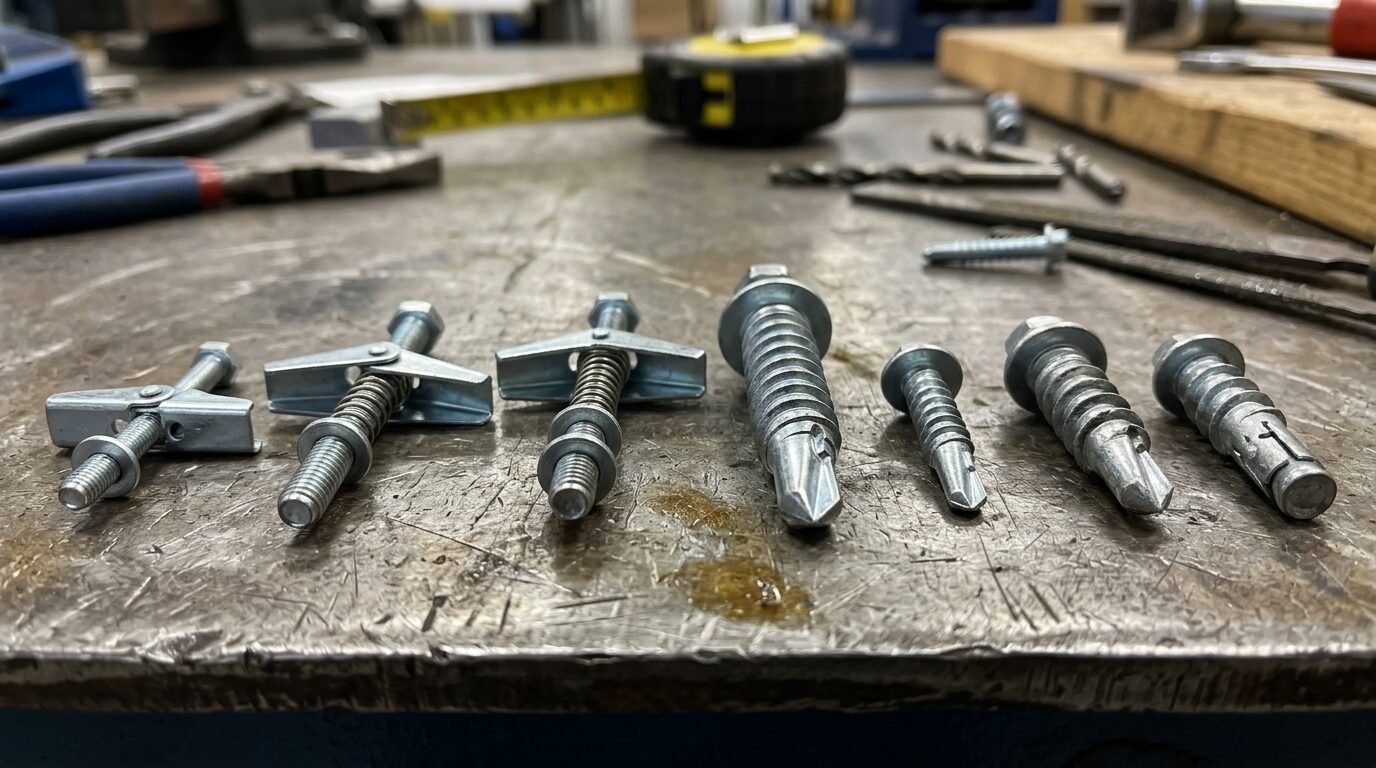
Toggler Snaptoggle bolts are the gold standard for hollow walls. They feature a solid zinc channel. This channel snaps flat behind the plasterboard panel. You spin a machine bolt into the metal thread. It holds eighty pounds without cracking the surface.
E-Z Ancor Twist-N-Lock zinc fasteners work beautifully for medium weights. They have deep outer threads. They bite into the chalky core without a pilot hole. They hold forty pounds safely.
Hangman Aluminum French Cleats offer incredible strength for extra large pieces. One metal track screws into the Wall. The other track fastens to the mirror frame. The two pieces interlocking together spread the weight evenly.
OOK Heavy Duty Picture Hooks utilize small hardened nails driven at a sharp angle. They leave tiny holes behind. They support Simple Pictures and small mirrors up to thirty pounds.
3M Claw hangers use curved steel prongs. You push them into the sheet using your thumbs. They provide immediate support for twenty pounds.
Gorilla Grade hooks resemble long bent wires. You push them through a small hole. They loop behind the panel to hold weight.
Let us look at a quick comparison table for these mounting tools.
| Hardware Name | Safe Weight Limit | Hole Size Created | Reusable Design |
| Toggler Snaptoggle | Eighty Pounds | Half Inch | Yes |
| E-Z Ancor Zinc | Forty Pounds | Quarter Inch | No |
| Hangman French Cleat | One Hundred Pounds | Small Screw Openings | Yes |
| 3M Claw Hanger | Thirty Pounds | Thin Pin Marks | No |
| OOK Angled Hook | Twenty Pounds | Small Nail Holes | Yes |
In my experience, plastic wall plugs are unreliable. They slip loose when the indoor humidity changes. Stick to zinc or steel toggle hardware for peace of mind.
Step by Step Guide to Secure Mirror Placement
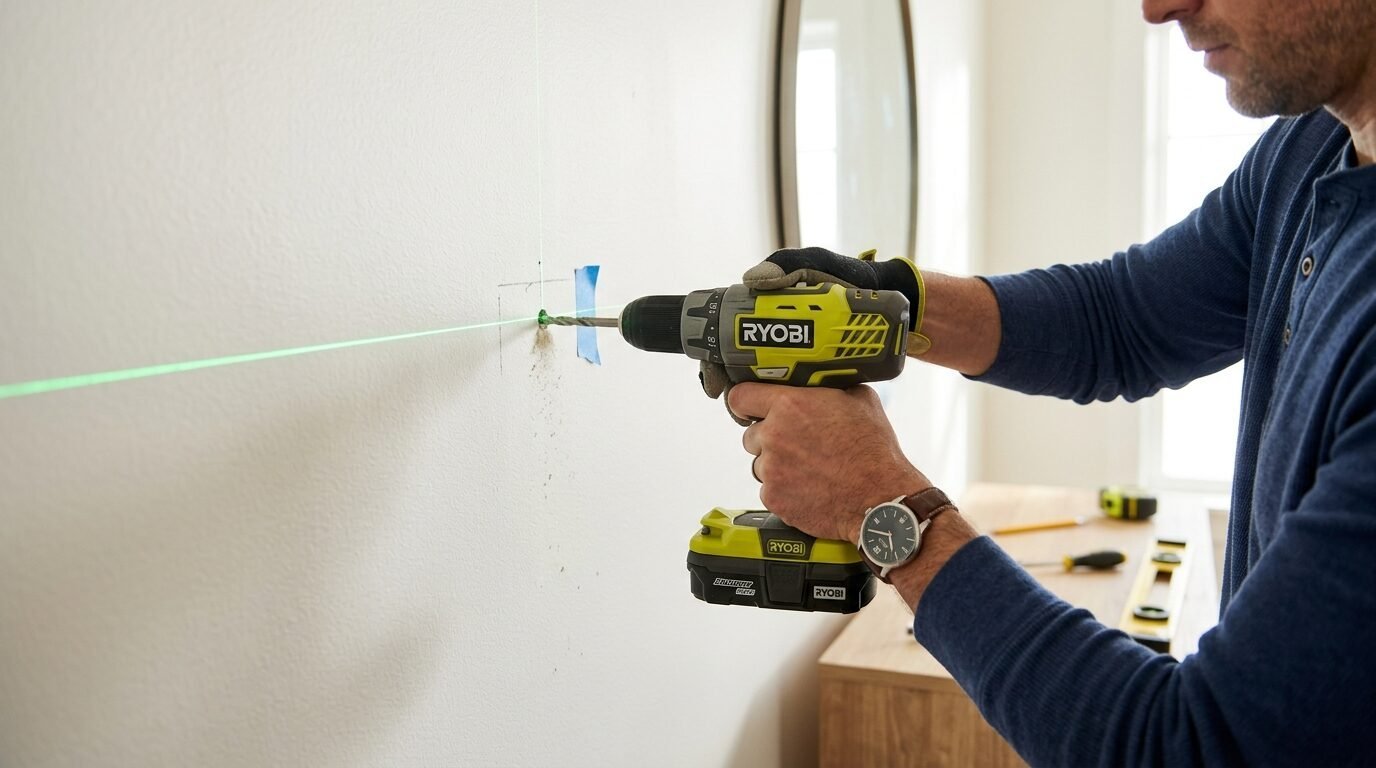
Hold on to your tools. Let us begin the installation steps now.
Start by lifting the mirror to the desired spot on the Wall. Have a helper assist you with this step. Mark the top center point with a sharp pencil.
Set the mirror back down on a soft rug. Measure the distance from the top frame edge to the hanging bracket. Mark this exact distance below your first wall mark. This represents your hardware placement point.
Set up your Bosch GLL30 Laser Level. Project a bright line across your lower mark. This step makes sure your mirror hangs perfectly straight.
Run your Zircon StudSensor HD55 along the laser line. Mark any stud locations with a small letter S. If a stud aligns with your mark, use a heavy wood screw. If the space is hollow, prepare your toggle bolt.
Attach a half-inch bit to your Dewalt Cordless Drill. Drill a straight hole through the plasterboard mark. Keep the tool steady to avoid cracking the outer paper layer.
Slide the metal bar of the Toggler Snaptoggle through the new hole. Pull the plastic rings back toward you. This action flips the metal bar flat against the inside wall.
Slide the plastic cap down the straps until it sits flush with the surface. Snap the extra plastic straps off by moving them side to side.
Place the machine screw through your mirror hook. Thread the screw into the wall anchor. Tighten it firmly using a manual screwdriver. Leave a tiny gap for the mirror wire to rest.
Lift the mirror carefully. Lower the wire onto the wall hook. Ensure the connection sits deep in the hook groove. Slowly release your grip while keeping your hands nearby. Check the level one final time.
Real Testing: Five Hanging Methods Put to the Test
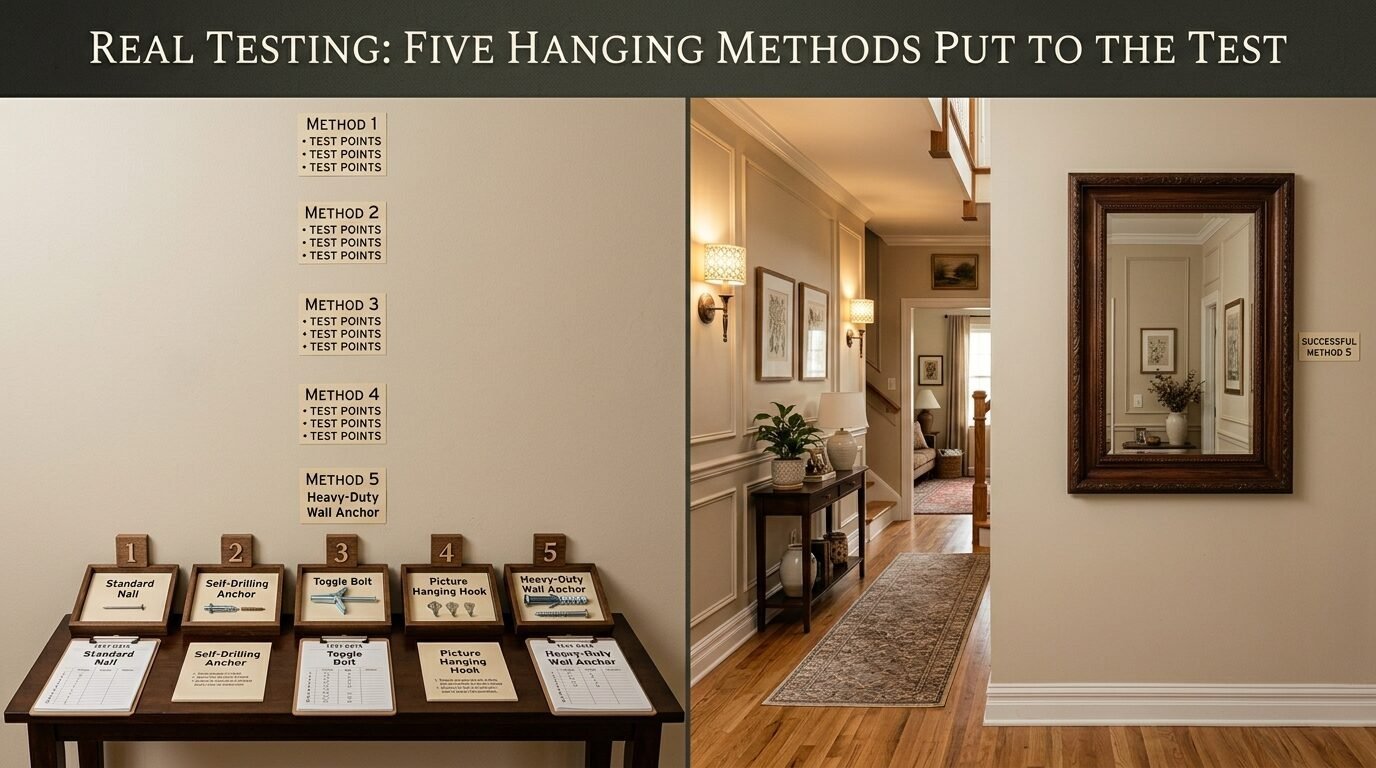
Let us look at real examples from my home repair files. These stories show how hardware behaves over time.
My first case involved a forty-pound wood mirror in a busy hallway. We used two Toggler Snaptoggles. After two years of heavy door slams, the wall remains perfect. The hardware did not move a single millimeter.
The second case featured a thirty-pound round glass mirror. The homeowner used plastic expansion plugs. Within four months, the plugs pulled out by half an inch. The mirror tilted forward dangerously. We removed the plugs and installed E-Z Ancor fasteners. The wall is now completely secure.
Our third case involved an antique sixty-pound mirror in a dining room. We selected a twelve-inch Hangman French Cleat. The cleat allowed us to catch one wooden stud and use two toggle bolts in the hollow space. The weight distribution was ideal. The mirror has stayed perfectly straight for three years.
The fourth case used a 3M Claw hanger for a gallery setup with Simple Pictures. The small metal teeth held twenty pounds easily. It left almost no mark when we moved the frames later.
The fifth case focused on storage shelves next to a decorative mirror setup. The homeowner kept heavy kitchen canning jars on the shelving. We used toggle bolts to tie the shelving unit to the structural wall. This step prevented the heavy jars from pulling the structure forward.
Troubleshooting Common Mirror Mounting Blunders
Problems can arise during any home project. Here is how to handle unexpected difficulties.
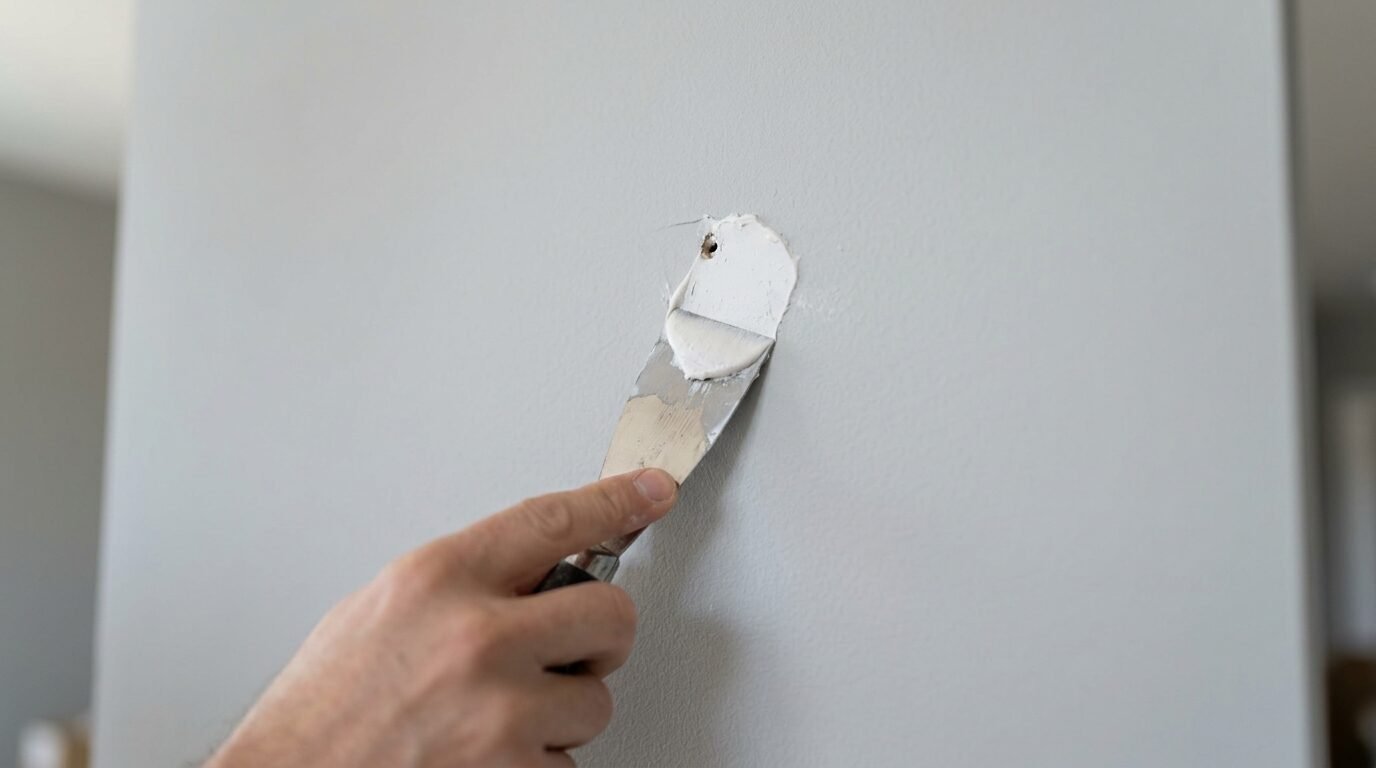
If your drill bit wanders, the hole becomes too large. The anchor will slip through the opening. Do not panic. Move your mirror placement up or down by three inches. Fill the ruined hole with a high-quality spackle paste. Smooth it with a putty knife.
Sometimes your drill hits a hidden metal plate behind the sheet. This plate protects electrical wires. Stop drilling immediately. Do not force the tool. Move your mounting point over to a safe area.
If your mirror hangs crooked, the hanging wire might be uneven. Check the wire attachments on the back of the frame. Tighten any loose screws on the D-rings.
Rental homes require extra care. You want to avoid drilling half-inch holes for toggles. Use two separate OOK hooks instead. They use thin nails that leave minimal marks. You can fill the holes with a dab of white toothpaste when you move out.
I once saw a beginner force an anchor with a hammer. The impact shattered the inner gypsum core. The wall lost all its holding power. Always use gentle pressure and the correct drill bit size.
Frequently Asked Questions
Can I hang a heavy mirror with double sided tape?
No, sticky tape fails under constant weight. The mirror will fall and break.
How do I know if my wall is plaster or drywall?
Tap the surface. Drywall sounds hollow. Plaster sounds solid and feels much colder to the touch.
What happens if I hit a wall stud?
Use a standard wood screw instead of a toggle anchor. Wood screws provide the strongest hold.
How much weight can a toggle bolt hold?
A standard heavy-duty toggle bolt can hold up to eighty pounds in half-inch panels.
Do I need two hooks for a large mirror?
Yes, two hooks prevent tilting and distribute the weight more evenly across the surface.
How do I repair a hole from a toggle anchor?
Pack the hollow space with crumpled paper. Apply joint compound over the front. Sand it smooth.
Can I use a plaster anchor in drywall?
No, plaster hardware requires different expansion styles. Stick to specific plasterboard fasteners.
Should the hanging wire be tight or loose?
Keep the wire relatively tight. A loose wire makes the mirror lean away from the wall.
What tool replaces a laser level?
You can use a standard bubble level and a straight yardstick to mark your lines.
Are plastic screw anchors safe for heavy glass?
No, plastic plugs easily slip out of soft gypsum over time. Avoid them for heavy items.
How far apart should I place two wall hooks?
Space them out to match one-third and two-thirds of the total frame width.
Can I mount a mirror over a fireplace?
Yes, but check for brick or concrete behind the paneling first. Use masonry anchors if needed.
What is gypsum plasterboard made of?
It is a layer of soft white chalky minerals pressed between thick sheets of paper.
How do I stop drywall from cracking while drilling?
Place a piece of blue painter tape over the mark before you drill your hole.
Can a tenant install toggle bolts?
Check your lease first. Most landlords allow small holes if you patch them before moving.
Final Thoughts on Secure Wall Mounting

Mounting heavy glass frames does not require professional help. You can achieve great results with the right preparation. Select heavy-duty zinc anchors or aluminum cleats for your home projects. Take precise measurements with your tape. Use your level to keep lines straight. Protect your walls from unnecessary damage by following these steps. Your decorative frames will stay safe and secure for years to come.

Anya Castellan is the Founder and Editor-in-Chief of Home Wall Trends. An art history graduate of the Rhode Island School of Design with twelve years of experience writing for leading American design publications, she specializes in composition, gallery wall theory, and the quiet architecture of domestic space. A former contributing editor at Architectural Digest and guest lecturer at Parsons School of Design, Anya personally reads and signs off on every piece before it is published.