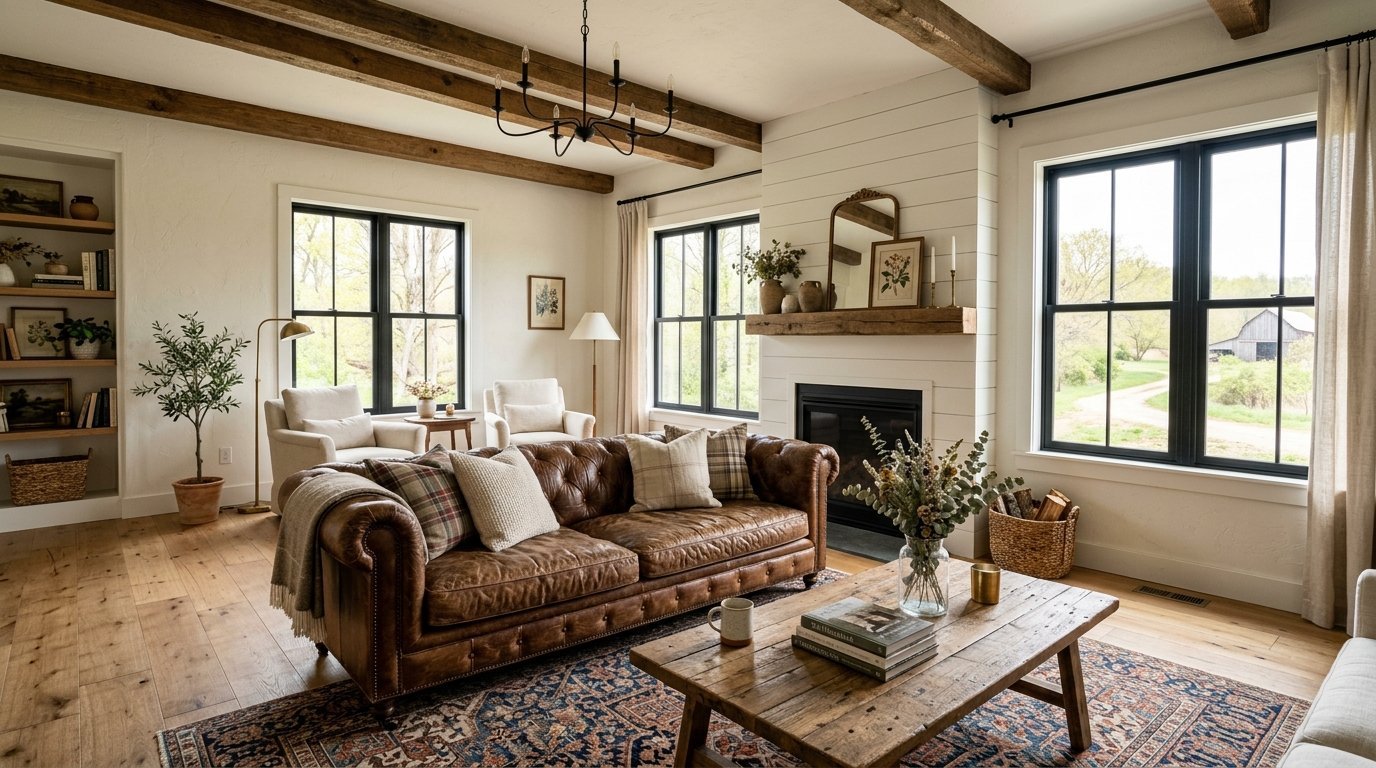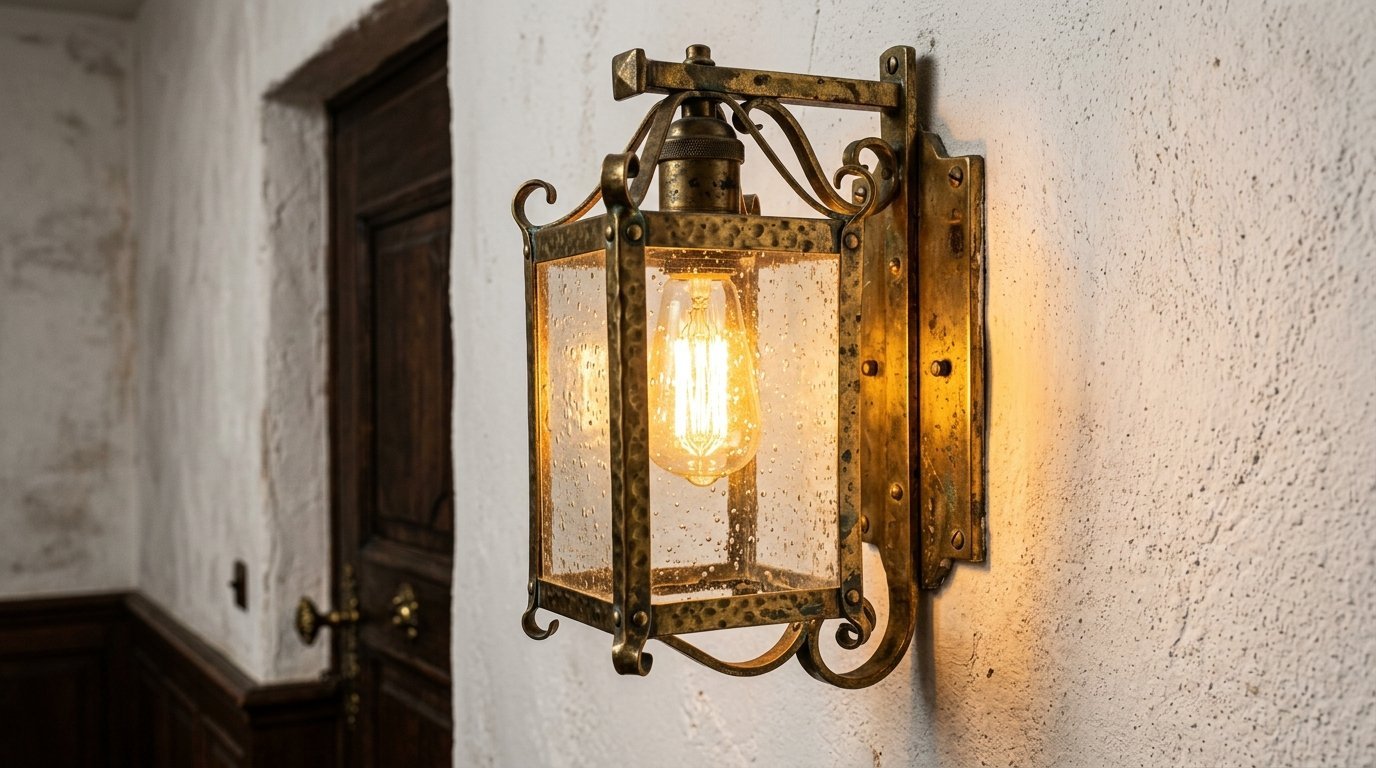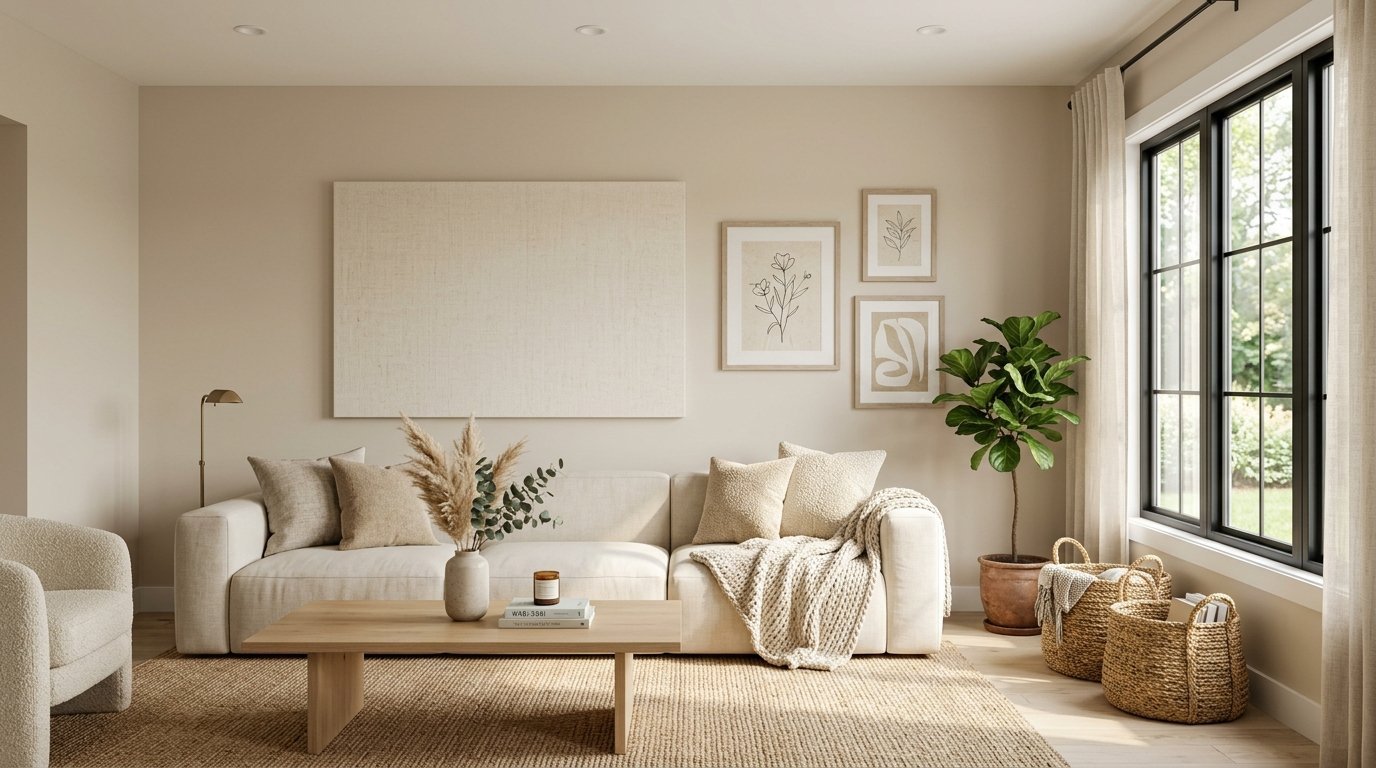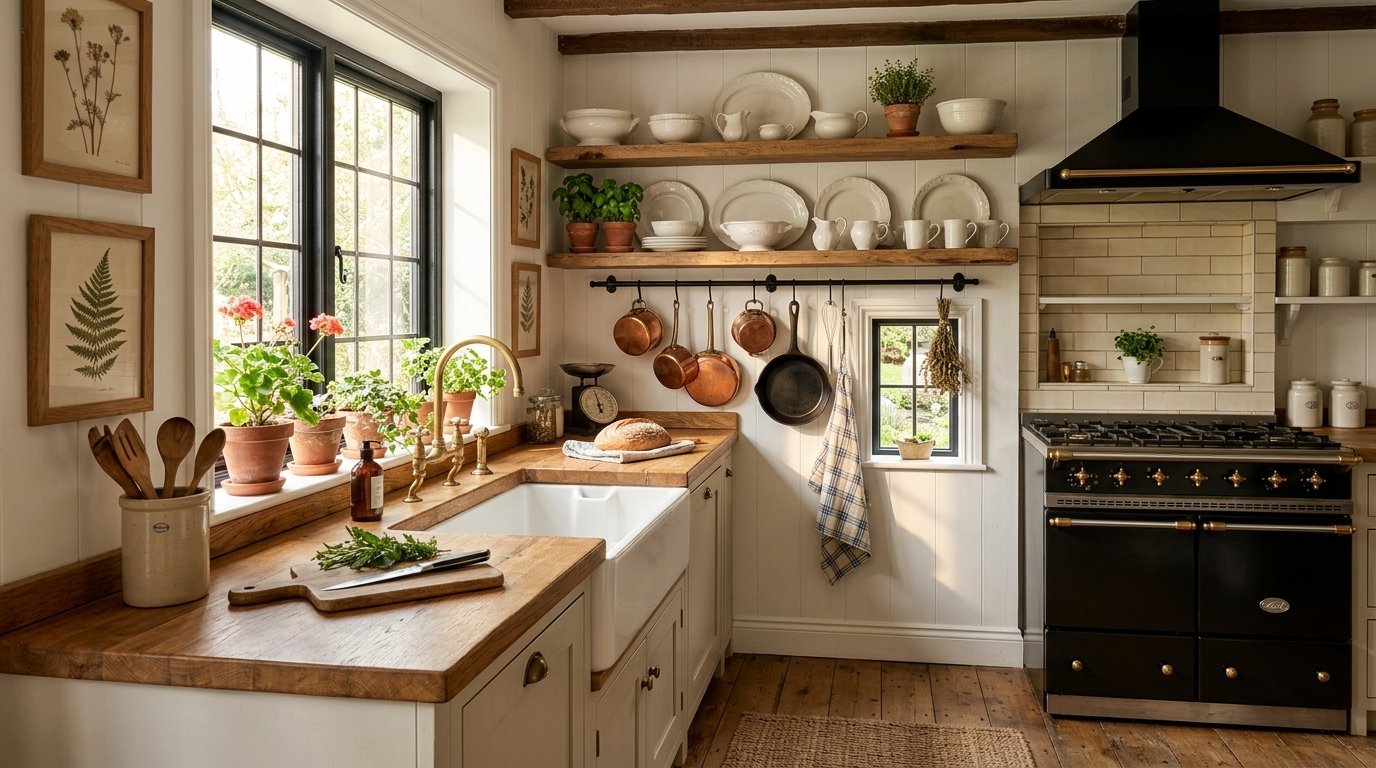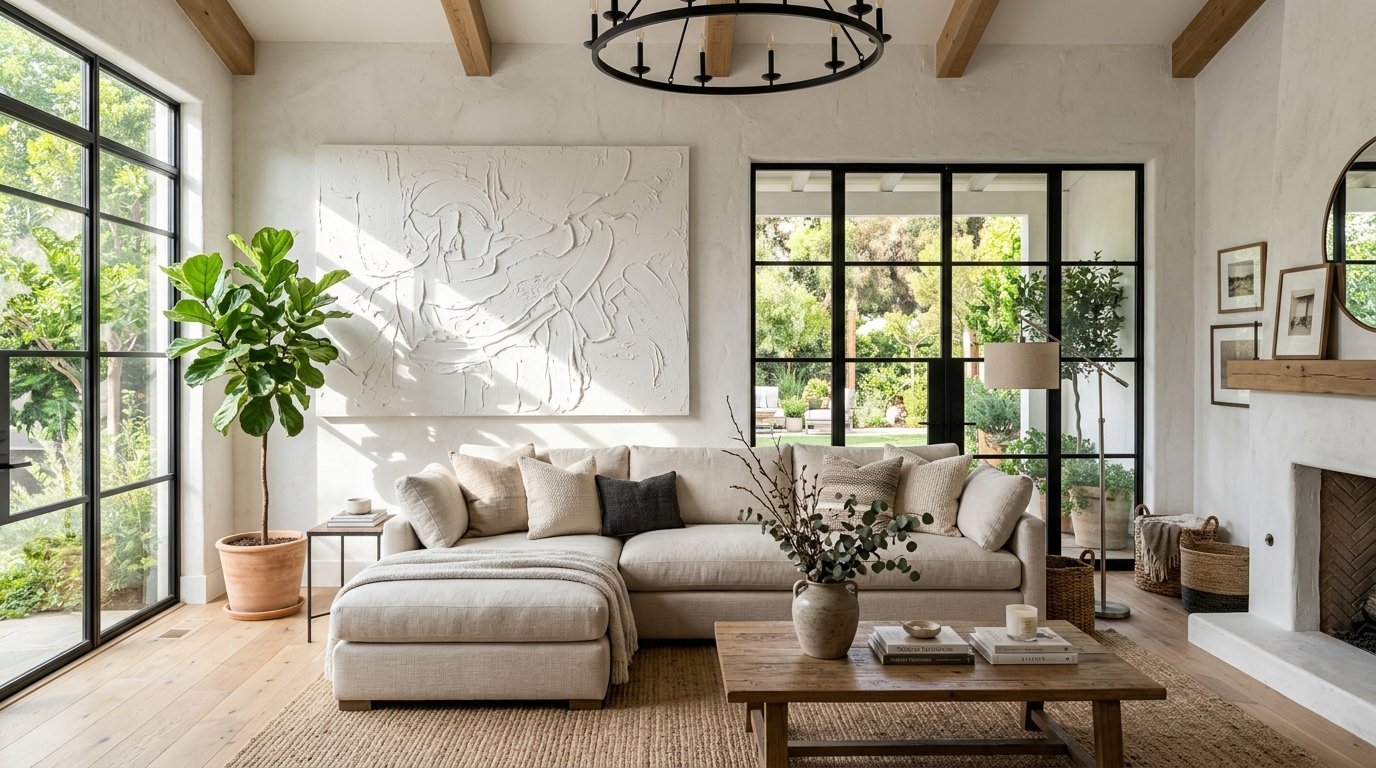
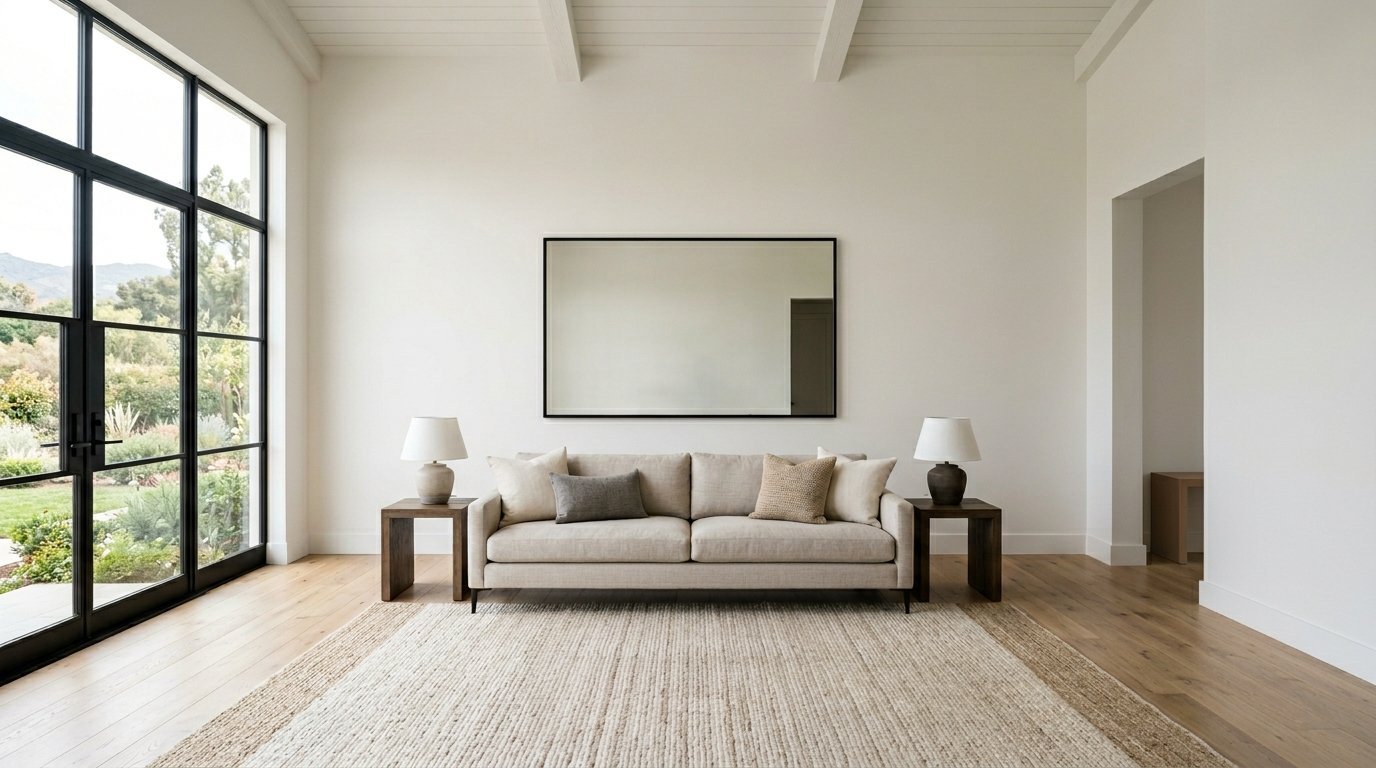
I walked into my client Sarah’s house last Tuesday. She spent $400 on wall decor at a local home goods store. Her living room felt incredibly small. Every inch of wall space held a tiny wooden sign or a small picture frame. The room lacked breathing room completely. I see this exact situation every single week. People love the farmhouse aesthetic. They buy lots of small items. Then they hang everything at once. The space feels messy and loud. I fixed Sarah’s space in two hours. We removed twenty small pieces from her walls. We hung one large mirror instead. The entire room opened up instantly. You will save money and time by reading this guide. I will share exactly what fails in most homes. I will give you exact measurements for fixing these exact problems.
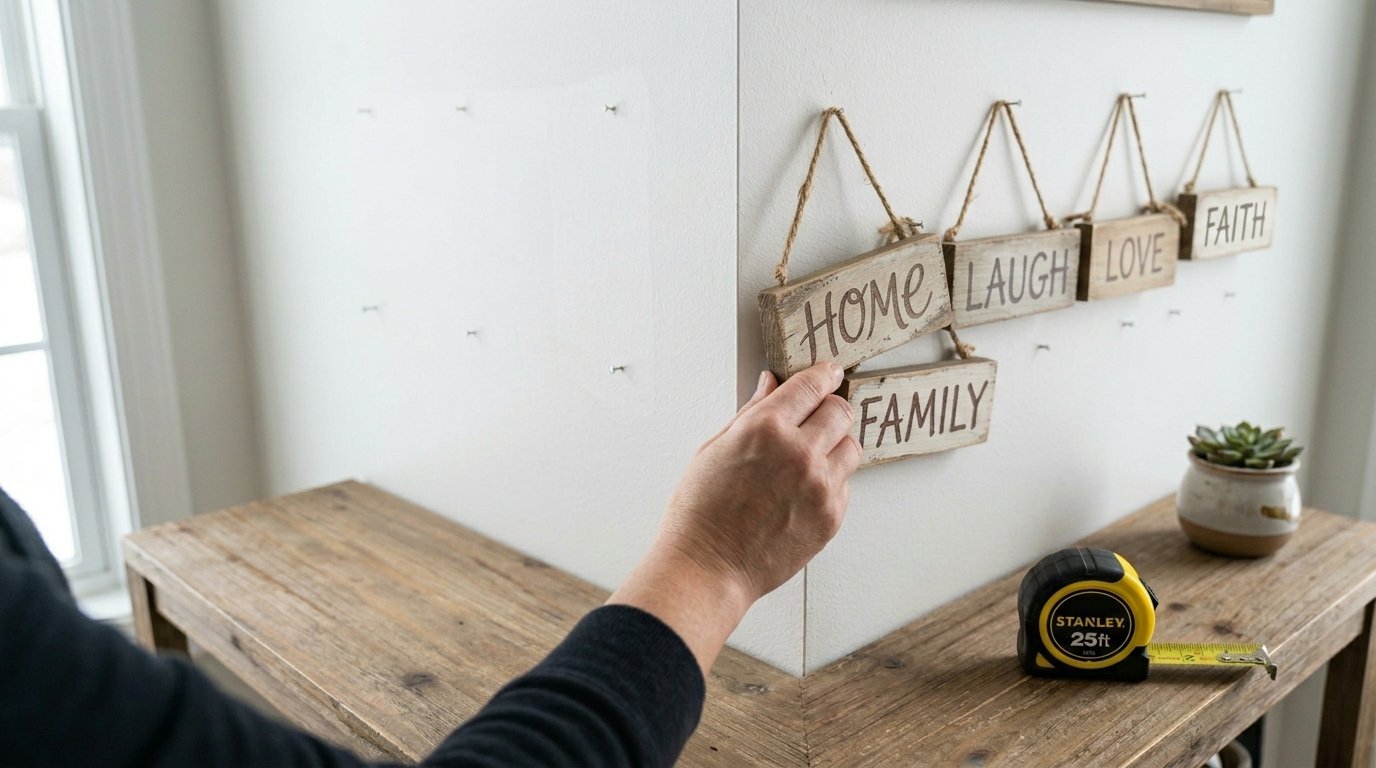
You will stop wasting money on tiny decor pieces today. Your walls will finally look professionally styled. Many people struggle with creating a balanced look. They buy items without a clear plan. This leads to rooms that feel chaotic instead of calming. I have spent the last five years styling homes. I have seen every possible layout mistake. I know exactly what makes a room feel peaceful. I know what makes a room feel like a junk shop. We will walk through the exact steps to fix your walls. You will learn the exact sizes to buy. You will learn the exact heights for hanging your art. Your space will finally feel like those high end magazine photos. You just need to follow a few strict rules.
1. Buying Too Many Word Signs
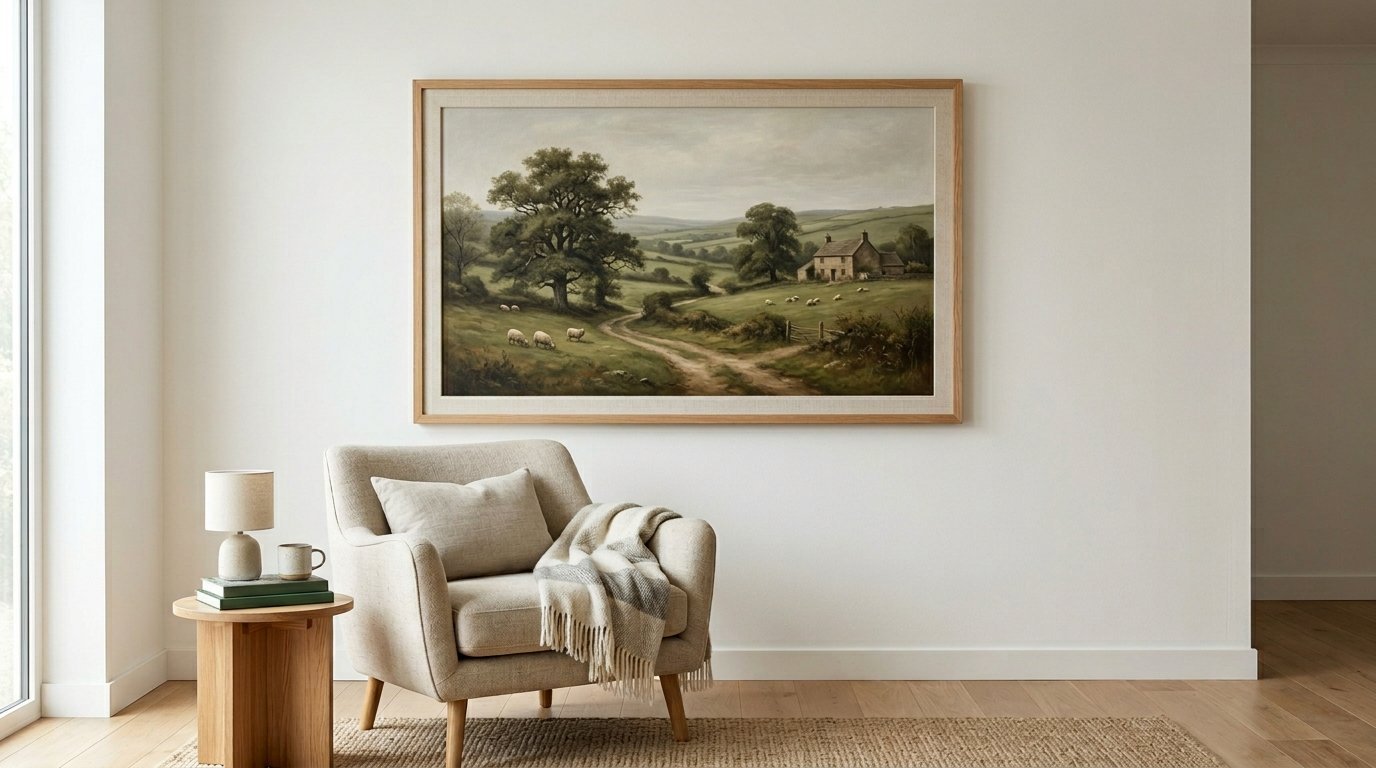
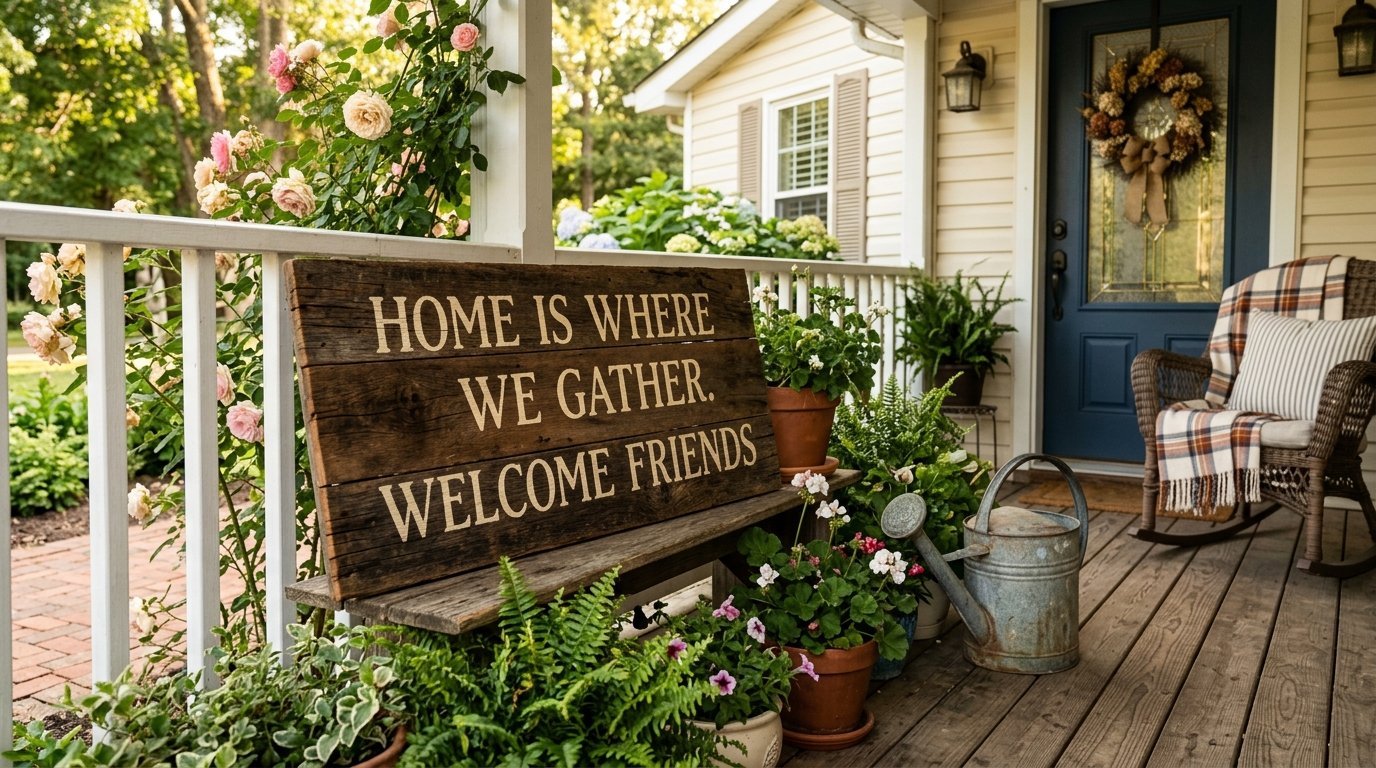
Word art gets completely out of hand in most homes today. People buy signs that say family, gather, and eat. They hang one in the kitchen. They hang three more in the hallway. This instantly cheapens your Modern Farmhouse Living Room. I styled a home in Austin last month. The owner had fourteen signs on the main floor. It felt like the walls were yelling at me. Your home should feel peaceful and quiet.
I tell my clients to follow a strict one sign rule. You get one typography piece per floor of your house. If you have a large canvas with a quote in the living room, you cannot put a wooden word sign in the kitchen. This forces you to pick art with actual imagery. You should hang landscapes, portraits, or abstract pieces.
You need to look at your current walls right now. Take down all but one word sign. You will instantly feel a difference in the room. The space will feel more mature.
In my experience, buyers spend too much on cheap signage. A small sign from a craft store costs $15. People buy ten of them over a year. They spend $150 on clutter. You should take that $150 and buy one large landscape print from Etsy. You can frame it in a simple black frame from Target. Target sells their Threshold frames for about $35. This single large piece looks infinitely better than a gallery of words.
Here are the rules for fixing word sign clutter:
- Count every single word sign currently hanging in your house right now.
- Remove all of them except your absolute favorite piece.
- Replace the empty spots with framed mirrors or landscape paintings.
- Never group two text pieces on the same wall under any circumstances.
2. Using Only Distressed Finishes
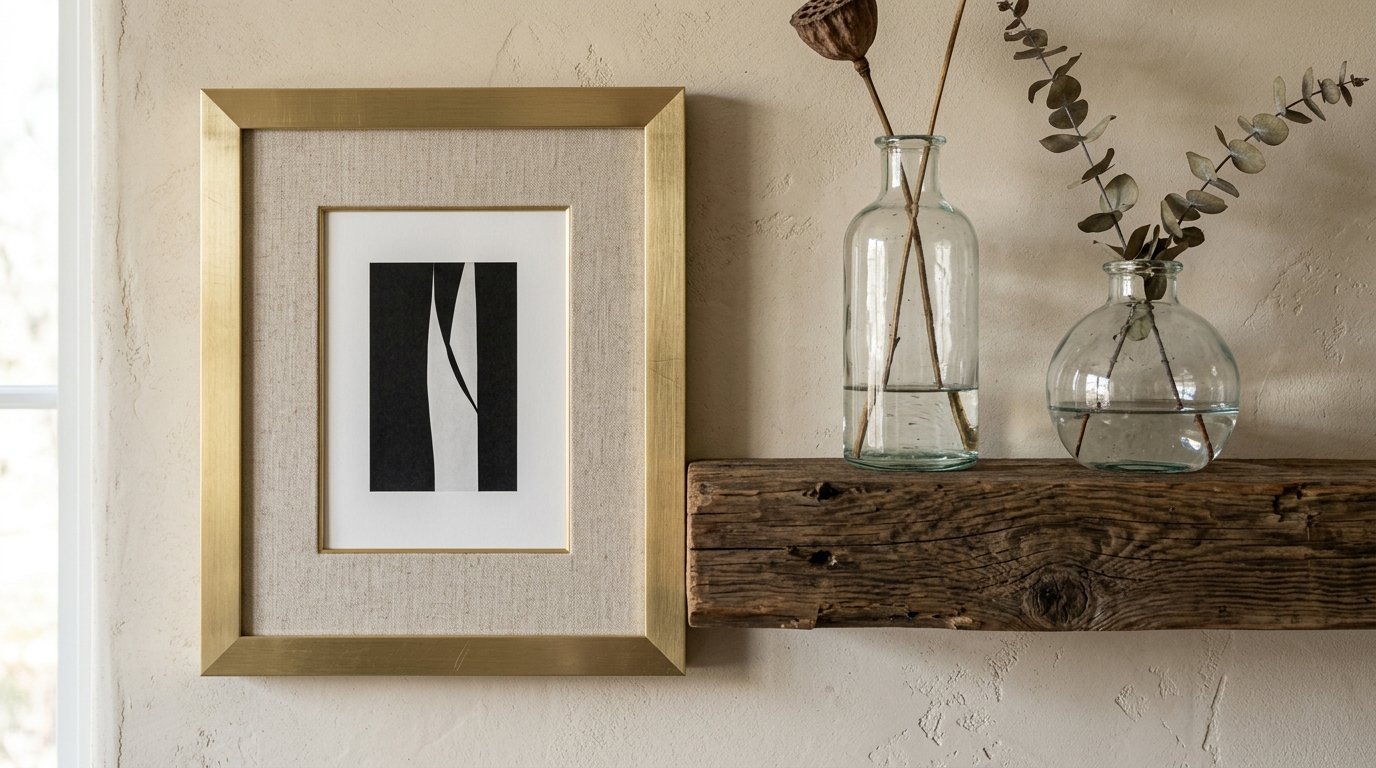
People think farmhouse style means everything must look old. They buy distressed white picture frames. They buy chipped wooden clocks. They buy rusted metal shelves. They put all these things on one wall. The result looks dusty and messy. A successful Room Makeover requires contrast. If every piece on your wall features chipped paint, nothing stands out.
I walked into a home remodel three months ago. The homeowner bought exclusively distressed items. Her walls looked like an antique mall booth. I told her we needed clean lines to make the old pieces pop. We drove to Pottery Barn that afternoon. We bought three sleek, matte black metal frames. We placed these clean frames next to her distressed wooden clock. The entire wall changed. The clock suddenly looked like an expensive antique. The clean frames provided a visual break.
You must mix your materials carefully. You should aim for a ratio. Try pairing eighty percent clean finishes with twenty percent distressed finishes. If you have a chipped wooden shelf, put smooth glass vases on it. If you have a distressed mirror, surround it with solid colored art.
I recommend keeping your main large items clean. Buy a smooth wood or solid metal mirror. Use your distressed pieces for very small accents. Wayfair sells excellent smooth metal frames for around $40. You can mix these with older pieces easily.
Here is exactly how to mix your wall materials:
- Pick one distressed focal piece for your wall.
- Surround that piece with clean, unchipped frames.
- Add sleek metal accents to break up the heavy wood texture.
- Remove anything that looks intentionally damaged by machines.
3. Hanging Art Too High Above Furniture
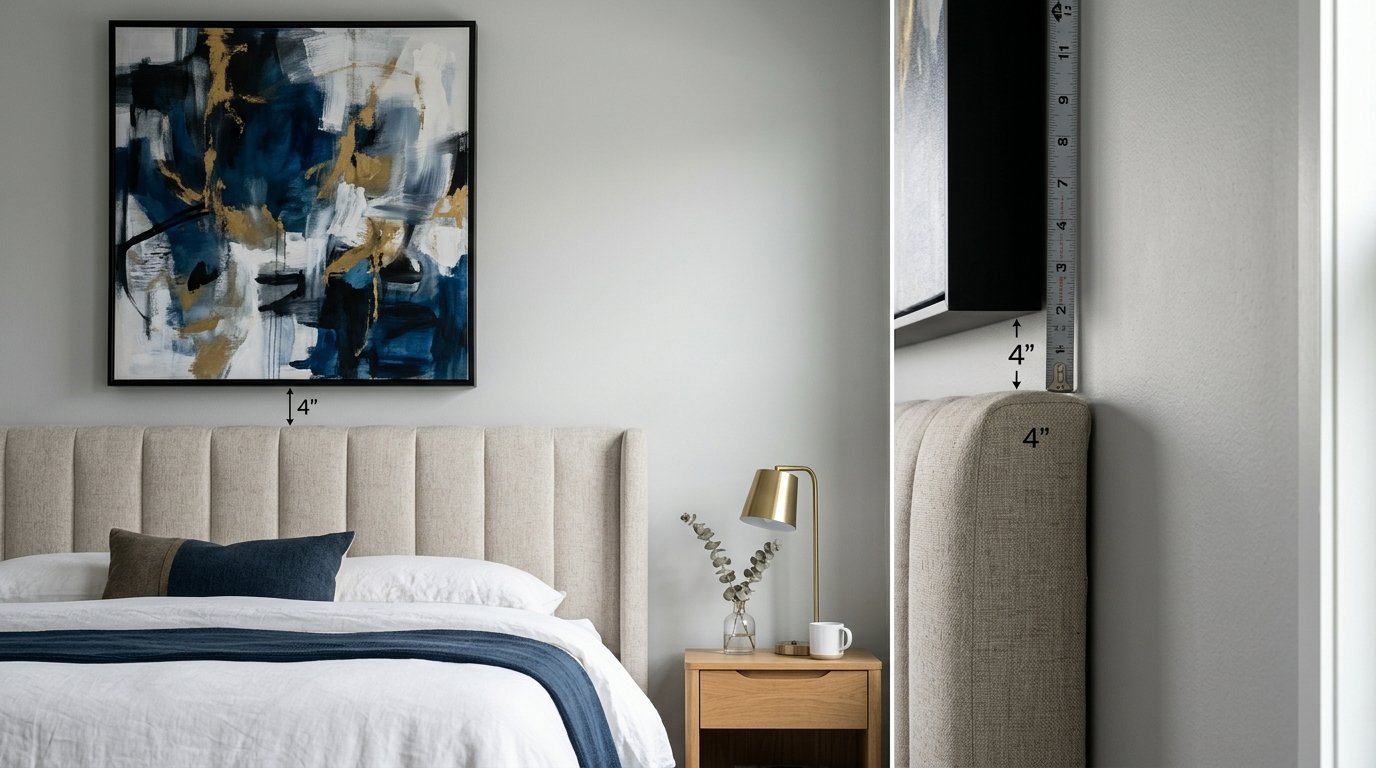
I see this specific error in almost every single home I visit. People hang their art way too close to the ceiling. They buy a beautiful painting for their Bedroom Makeover. Then they hang it a foot above the headboard. The art floats away from the furniture. It looks completely disconnected. The room feels awkward and unbalanced.
You must connect your wall decor to your furniture. I use a very strict measuring system. Your art should hang exactly four to six inches above your sofa, console table, or headboard. No exceptions. I carry a Stanley tape measure in my pocket every day. I measure every single gap. If the gap is larger than six inches, I move the nail down.
I visited a client in Denver last year. She hated her living room. She thought her sofa was too small. Her sofa was fine. Her giant farmhouse clock was hanging two feet above the sofa. The space between the sofa and the clock drew my eye immediately. The gap looked terrible. I took the clock down. I used heavy duty Command Strips to remount it five inches above the sofa back. She gasped. The room looked instantly cohesive.
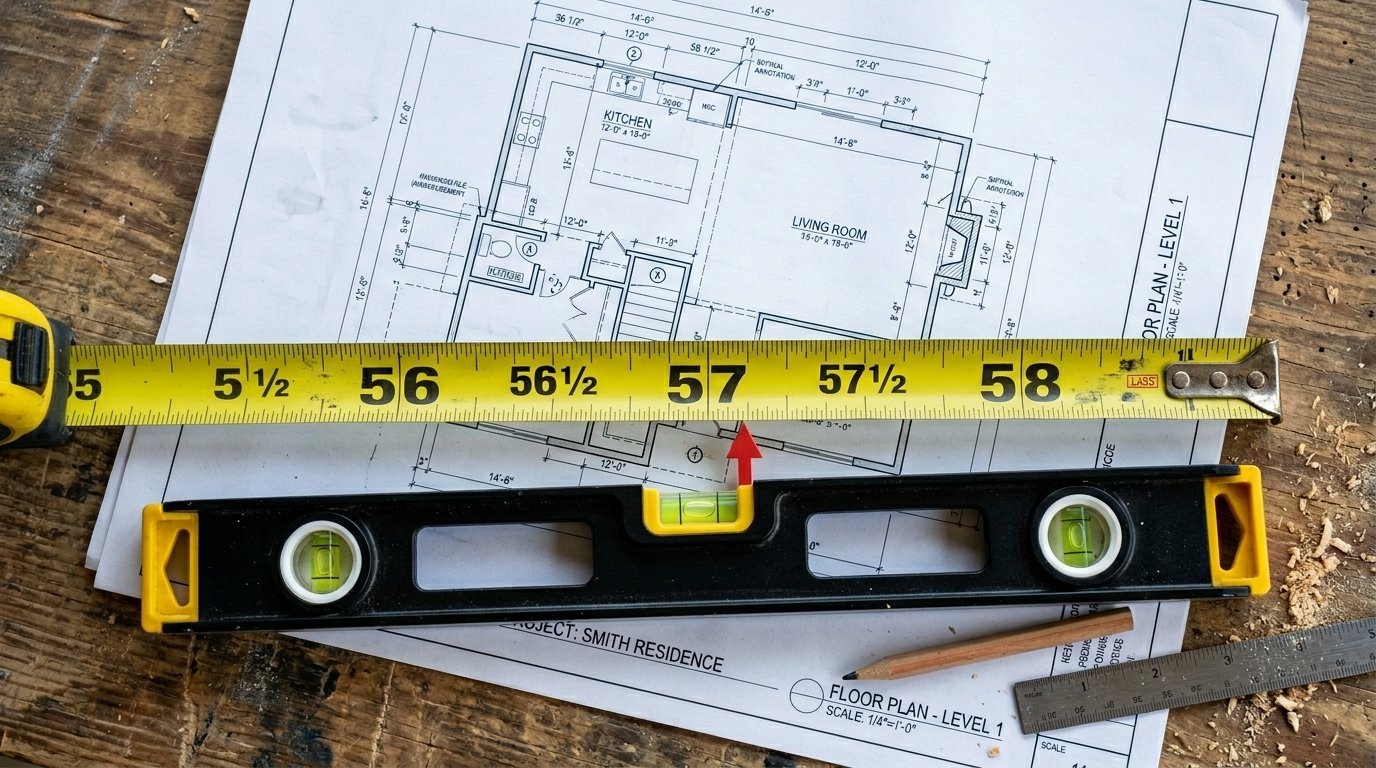
You need to stop guessing where to hammer the nail. You need to measure. If you do not have furniture under your art, you must hang the center of the piece at exactly 57 inches from the floor. This represents average human eye level.
Follow these exact hanging measurements:
- Measure five inches up from the top edge of your sofa back.
- Mark that spot with a pencil to place the bottom edge of your frame.
- Keep the center of standalone art exactly 57 inches off the floor.
- Use a level to ensure the piece sits perfectly straight.
4. Filling Every Empty Corner
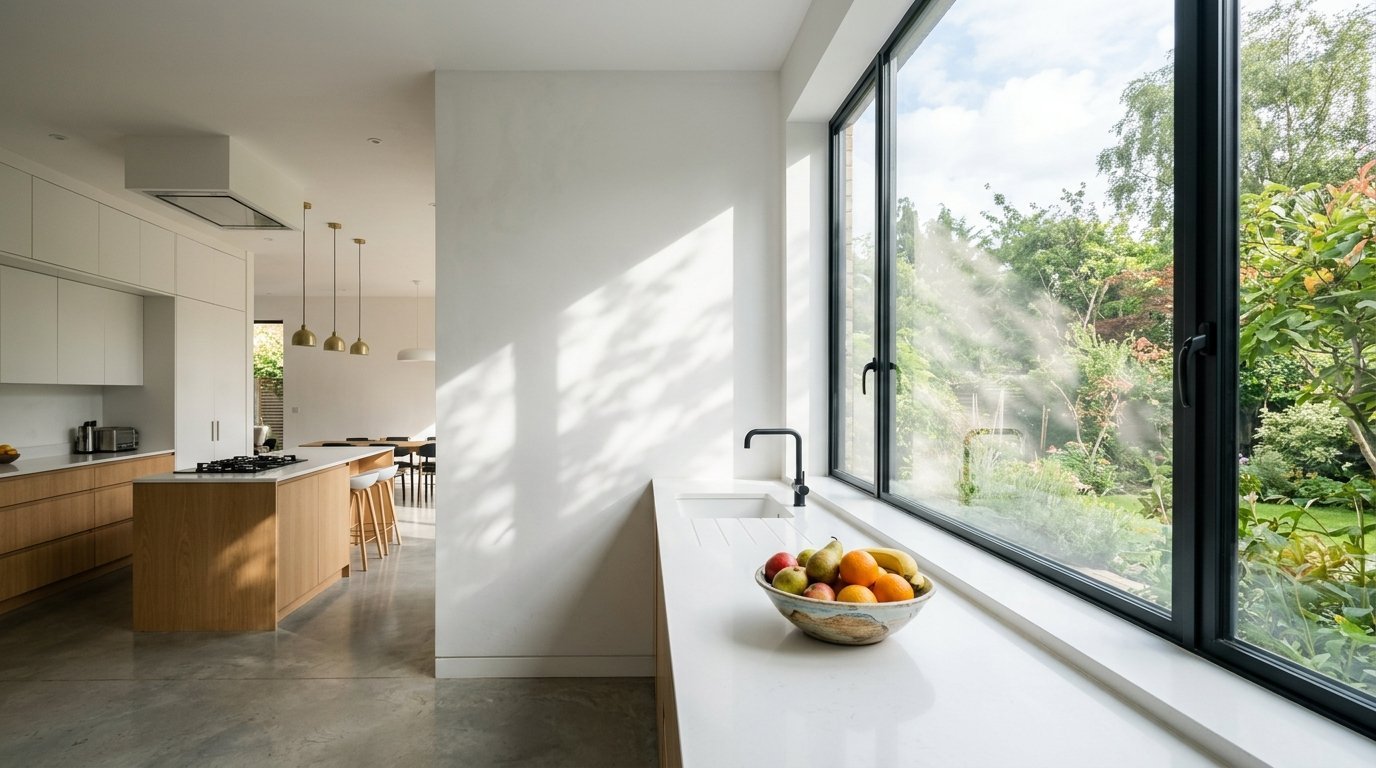
People fear blank walls. They think an empty space looks unfinished. They try to find a tiny piece of decor for every single corner. They put a small shelf next to the window. They hang a tiny wreath above the light switch. This destroys the flow of a home. This creates massive visual clutter. Your eyes need places to rest.
I helped a family with their Kitchen Layout last week. The wife hated cooking in there. The space felt chaotic. The countertops were clear, but the walls were entirely covered. She had decorative plates, small plants, signs, and calendars filling every gap between the cabinets. I took everything down. We left the wall next to the window completely bare. We left the space above the cabinets empty. The kitchen felt twice as big.
You need to embrace white space. Blank drywall acts as a frame for your actual decor. If you fill a Game Room with posters, dart boards, and neon signs on every wall, the room feels like a messy bar. If you leave two walls blank and put all the art on one wall, the room feels intentional.
I tell people to group their items. Create one large gallery wall. Then leave the opposing wall completely empty. This takes courage. You will feel the urge to hang a small picture on the empty wall. You must resist that urge.
Try this exact editing method today:
- Choose two walls in your room to remain completely bare.
- Move your favorite items to the remaining walls to create groupings.
- Take down any small item hanging within two feet of a corner.
- Stand back and notice how much larger the room feels.
5. Picking Small Pieces Over Large Statements
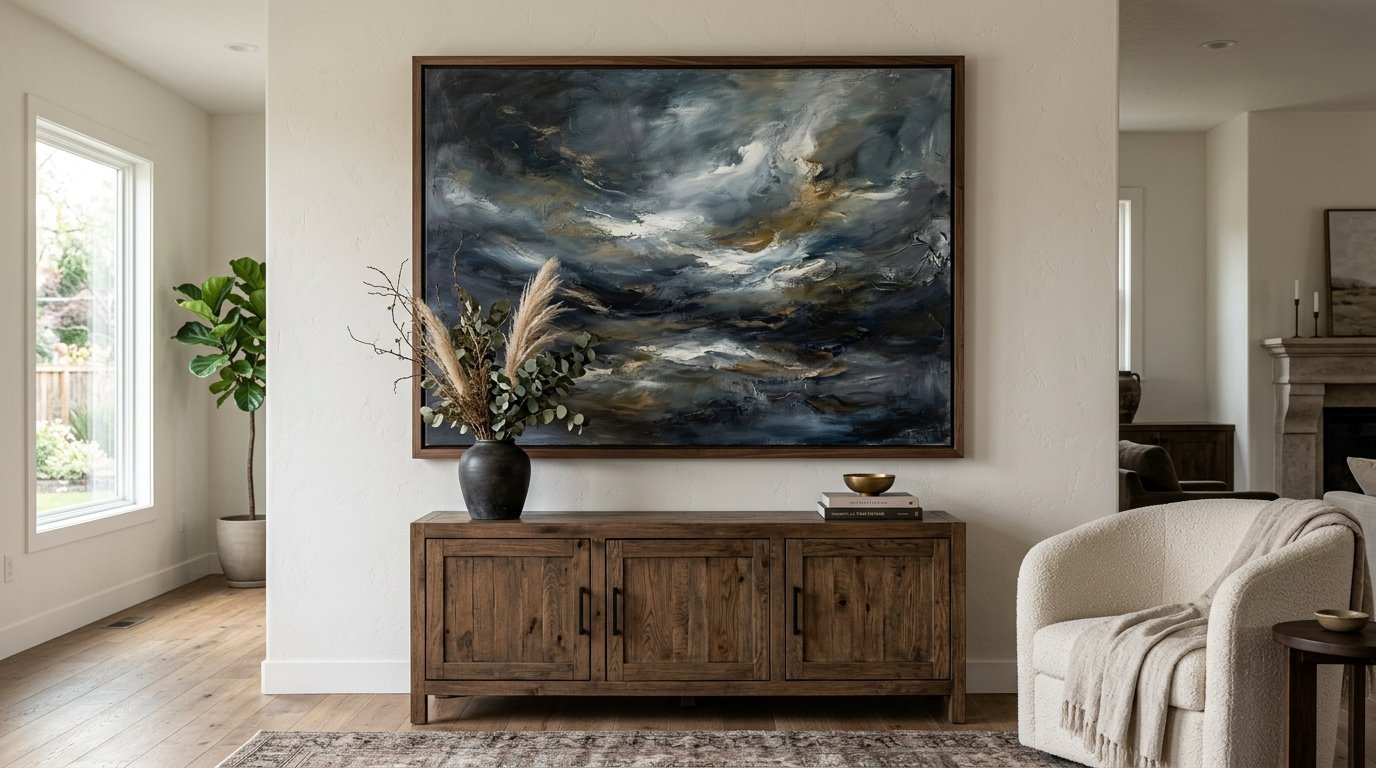
Small decor items ruin Cozy Living Rooms. People go shopping and see a cute 5×7 frame for $10. They buy it. They see a small decorative plate for $12. They buy it. They do this for a year. Then they try to hang twenty tiny, unrelated items on a massive living room wall. The wall looks like a garage sale.
You need to buy big things. Large scale art makes a room feel expensive. Large scale art makes a room feel custom. Small pieces make a room feel cheap.
I learned this lesson the hard way in my own home. I tried to build a farmhouse gallery wall. I bought fifteen small frames from HomeGoods. I spent three hours hanging them. The wall looked terrible. The frames were too small for the ten foot wall. I took them all down. I went online and ordered one massive 36×48 inch canvas print. I paid $200 for it. I hung it in the center of the wall. The room transformed instantly. The single large piece commanded attention. It looked like a designer lived there.
You must measure your wall first. If you have an eight foot wide empty wall, a tiny 8×10 frame will look ridiculous. You need a piece that fills at least half the width of the wall. If you cannot afford large original art, buy a large frame from IKEA. You can buy the IKEA Ribba frame in a huge size for $25. Then you can print a digital file from Etsy at a local print shop for $20.
Here is your large scale art checklist:
- Measure the total width of your empty wall space.
- Buy a frame that fills at least half of that measured width.
- Stop buying decor items smaller than 11×14 inches for main walls.
- Use one massive piece instead of six small pieces whenever possible.
6. Decorating With Fake Plastic Greenery
The farmhouse style made fake greenery very popular. People hang plastic eucalyptus wreaths on their windows. They put fake plastic lavender in wall pockets. They hang cheap artificial vines above their doorways. This ruins the high end look of a Modern Farmhouse. Plastic plants catch dust. They look shiny in natural light. They make the whole room feel artificial.
You need to bring real textures into your home. You do not need to keep house plants alive. You can use preserved natural items.
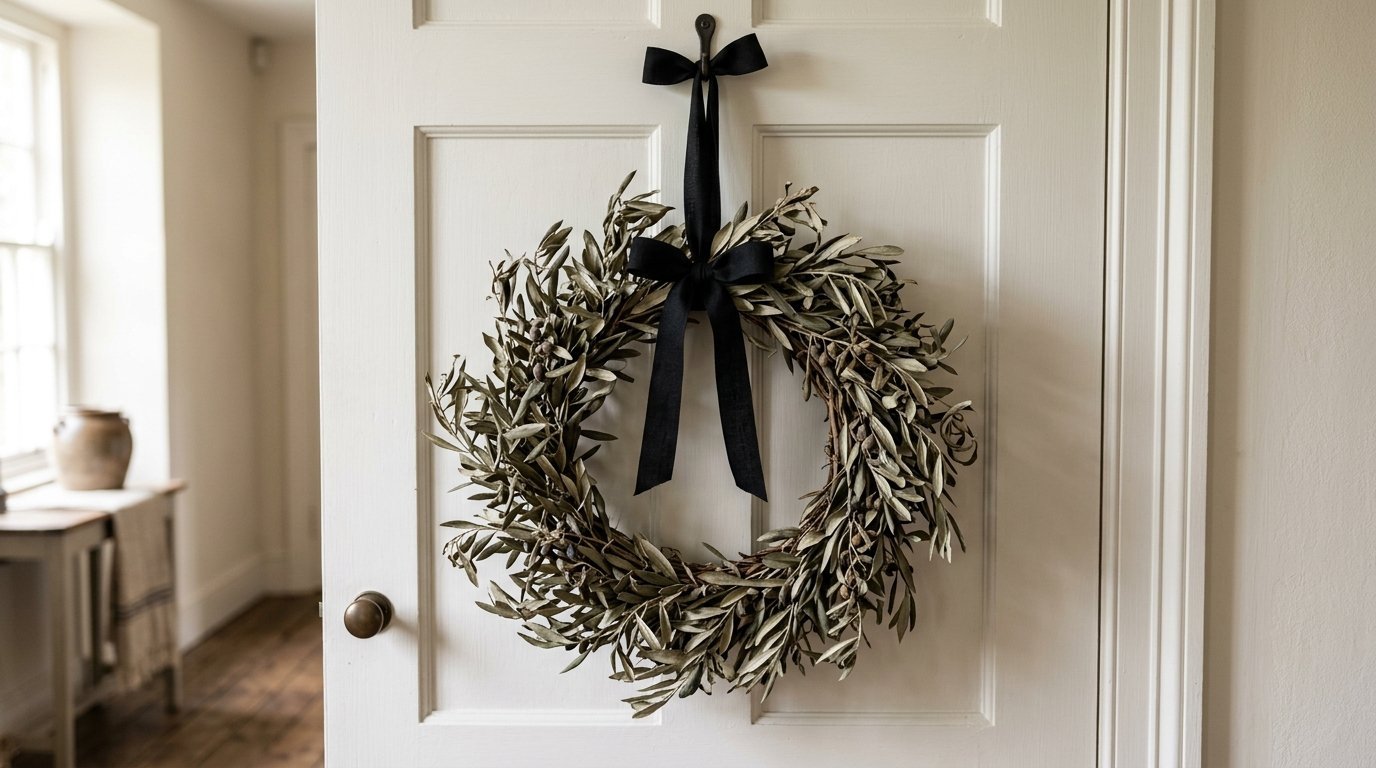
I visited a beautiful home in Georgia. The architecture was stunning. The furniture cost thousands of dollars. But the owner hung bright green plastic wreaths on every interior door. The shiny plastic completely ruined the expensive feel of the house. I replaced her plastic wreaths with dried olive branches. I bought the dried branches from a local florist for $40. The natural texture made the doors look elegant. The preserved leaves had a beautiful, muted green color. They did not shine under the lights.
You should shop for dried botanicals. Look at a website called Afloral. They sell real, dried stems and preserved wreaths. They cost a little more than the plastic versions from Michaels. The look is entirely different. A preserved boxwood wreath will last for years. It will look real because it is real.
If you want to use greenery on your walls, follow these rules:
- Throw away any greenery that has a plastic shine under a lightbulb.
- Buy dried eucalyptus or preserved olive branches instead.
- Place your dried stems in simple glass or ceramic wall vases.
- Dust your preserved wreaths with a hair dryer on a cool setting monthly.
Frequently Asked Questions
How high should I hang my farmhouse mirror?
You must treat mirrors just like art. Hang the mirror so the exact center sits at 57 inches from the floor. If you place the mirror above a console table, leave exactly four to six inches of blank space between the table top and the bottom edge of the mirror frame.
What colors work best for modern styling?
You should stick to a very strict palette. Use matte black, warm brass, and natural wood tones. Paint your walls a soft, warm white. Use these neutral colors for your frames and shelves. Bring in color only through the actual art prints or natural greenery.
Can I mix farmhouse with modern furniture?
Yes, this creates the best looking spaces. You should pair a sleek, straight lined modern sofa with a rustic, chunky wooden wall shelf. The contrast makes both pieces look better. A room with only rustic items feels like a theme park. A mixed room feels gathered over time.
How do I fill a huge two story living room wall?
You do not need to fill the top half. Treat the room like a standard eight foot ceiling room. Hang your art at normal human eye level. Leave the entire second story wall completely blank. This draws the eye down to the living space and keeps the room feeling grounded.
What is the best way to hang heavy wooden pieces?
You should never trust standard nails in drywall for heavy items. Always use a stud finder. If you cannot hit a stud, use heavy duty toggle bolts. A metal toggle bolt will hold fifty pounds easily. This keeps your heavy farmhouse mirrors from ripping out of the drywall.
Final Thoughts
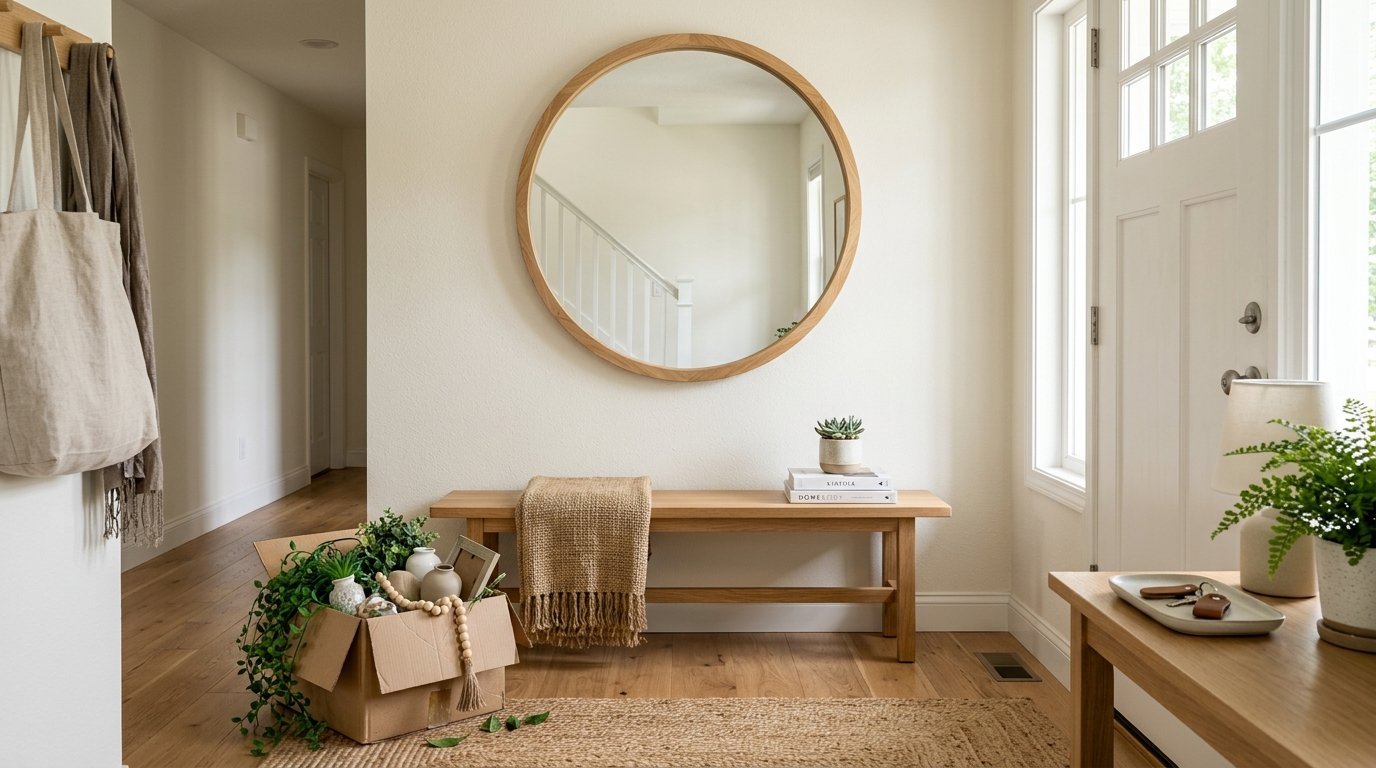
You now have the exact blueprints to fix your walls. You know why those small signs make your living room feel cramped. You know why plastic plants drag down the look of your expensive furniture. The fixes take very little time. You can take down the extra clutter right now. You do not need to spend any money to start editing your space.
Taking items off the wall usually makes the biggest difference. I have seen clients transform their homes simply by removing twenty percent of their decor. They realize the blank space looks clean, not empty. They see their furniture stand out for the first time. You should grab a box today. Walk through your house. Take down the tiny frames. Take down the extra typography signs. Take down the chipped shelves. Leave your favorite, largest pieces. Your home will breathe again. Your walls will finally look intentional, calm, and perfectly styled.

Anya Castellan is the Founder and Editor-in-Chief of Home Wall Trends. An art history graduate of the Rhode Island School of Design with twelve years of experience writing for leading American design publications, she specializes in composition, gallery wall theory, and the quiet architecture of domestic space. A former contributing editor at Architectural Digest and guest lecturer at Parsons School of Design, Anya personally reads and signs off on every piece before it is published.