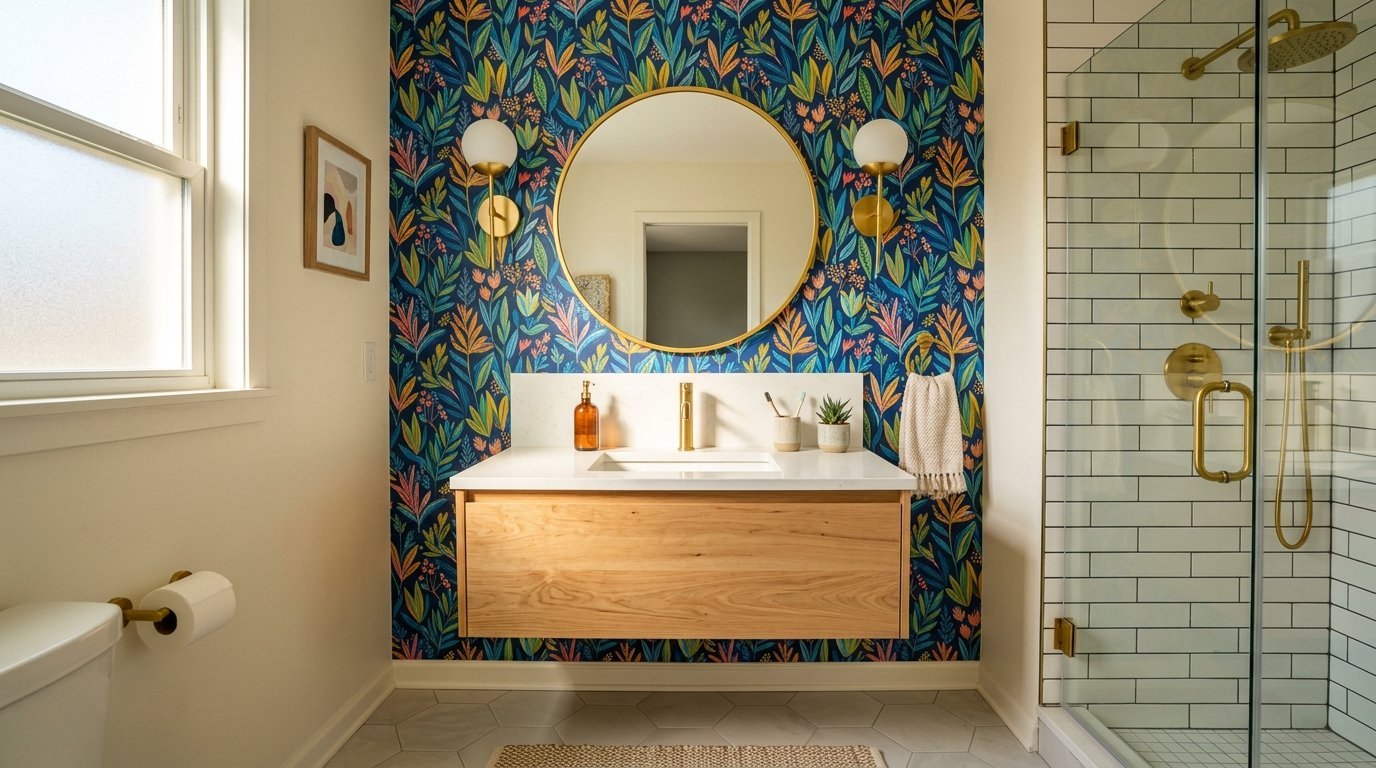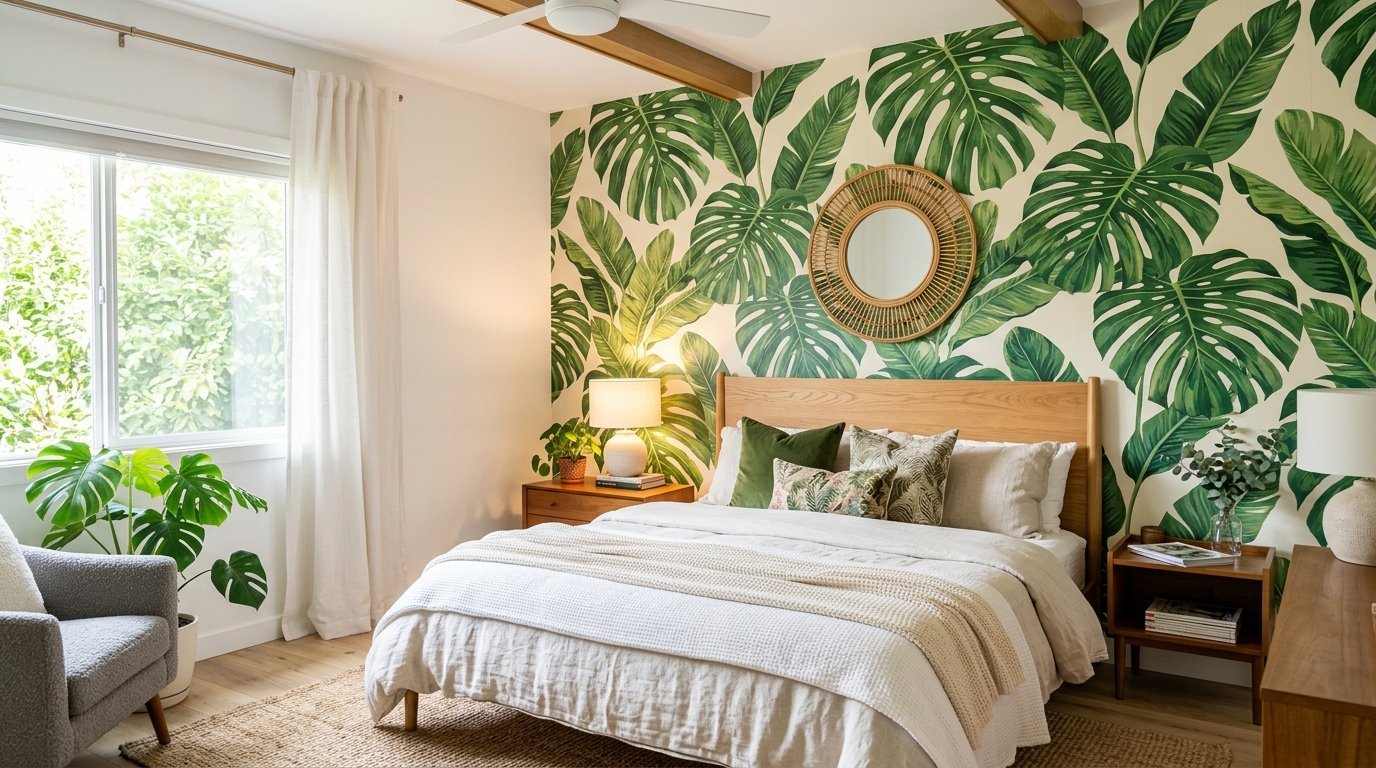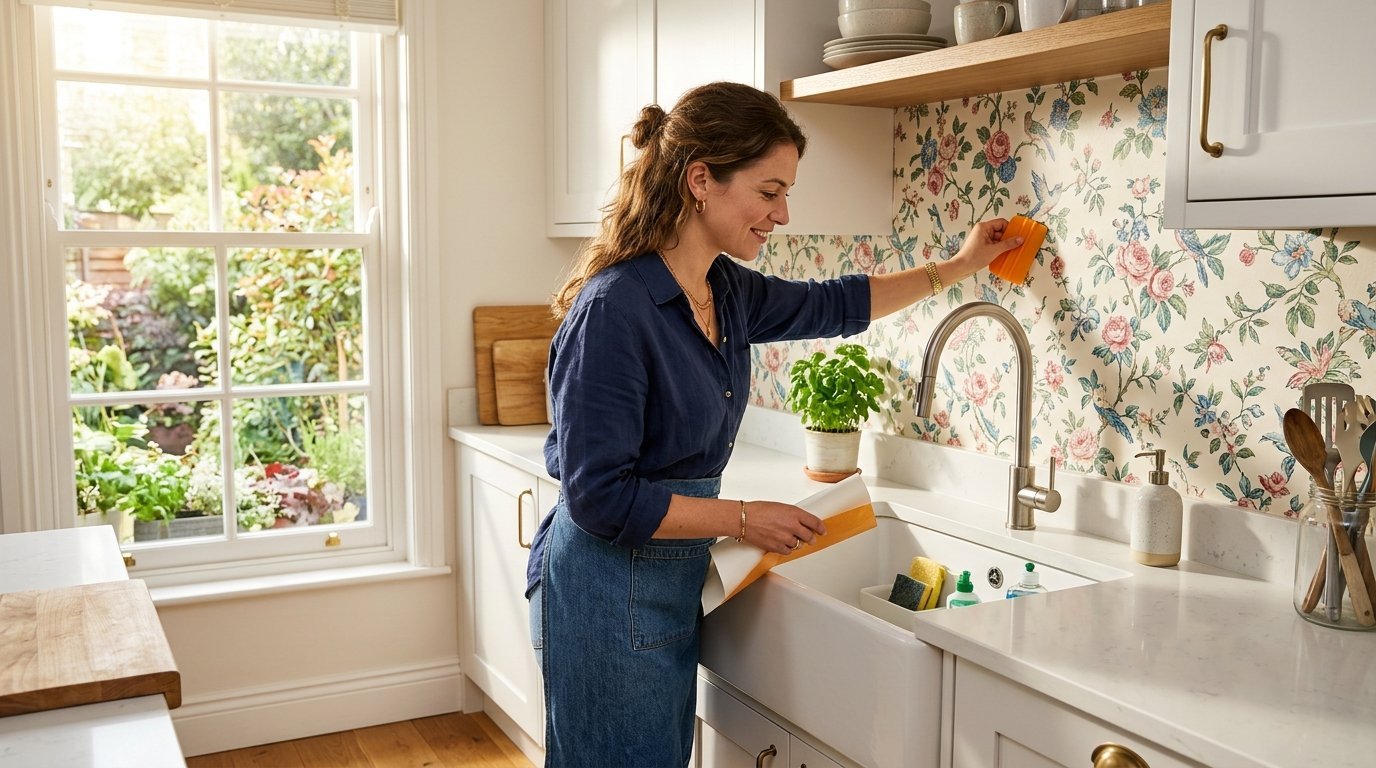

Small spaces deserve grand styles. Closets and hallways often suffer from plain white walls and boring paint colors. You can change these tight spaces into stylish zones with removable prints. Temporary sheets provide an instant facelift without long-term commitments or messy glue cleanup routines.
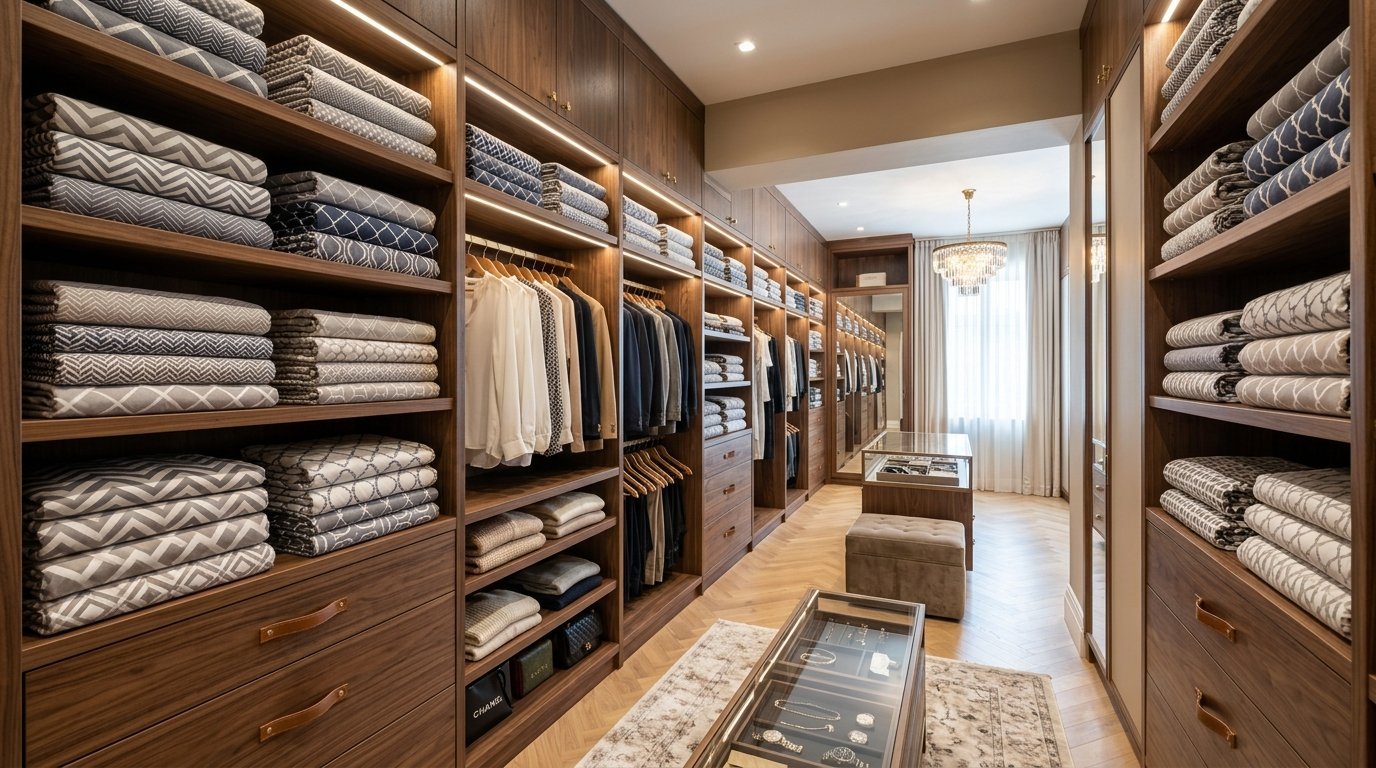
This guide gives twenty-one specific placement choices for temporary sheets. You see accurate project costs from sixty dollars to three hundred dollars. Expect installation times between two hours and one afternoon. This layout reviews ten top paper brands like Spoonflower and Tempaper based on direct trials. You get real metrics from three individual home makeovers. Skim the detailed bullet points to select heavy-duty or textured finishes. Follow the structured step lists to upgrade your home storage locations this weekend.
1. Behind the Shelves in a Luxury Closets Design
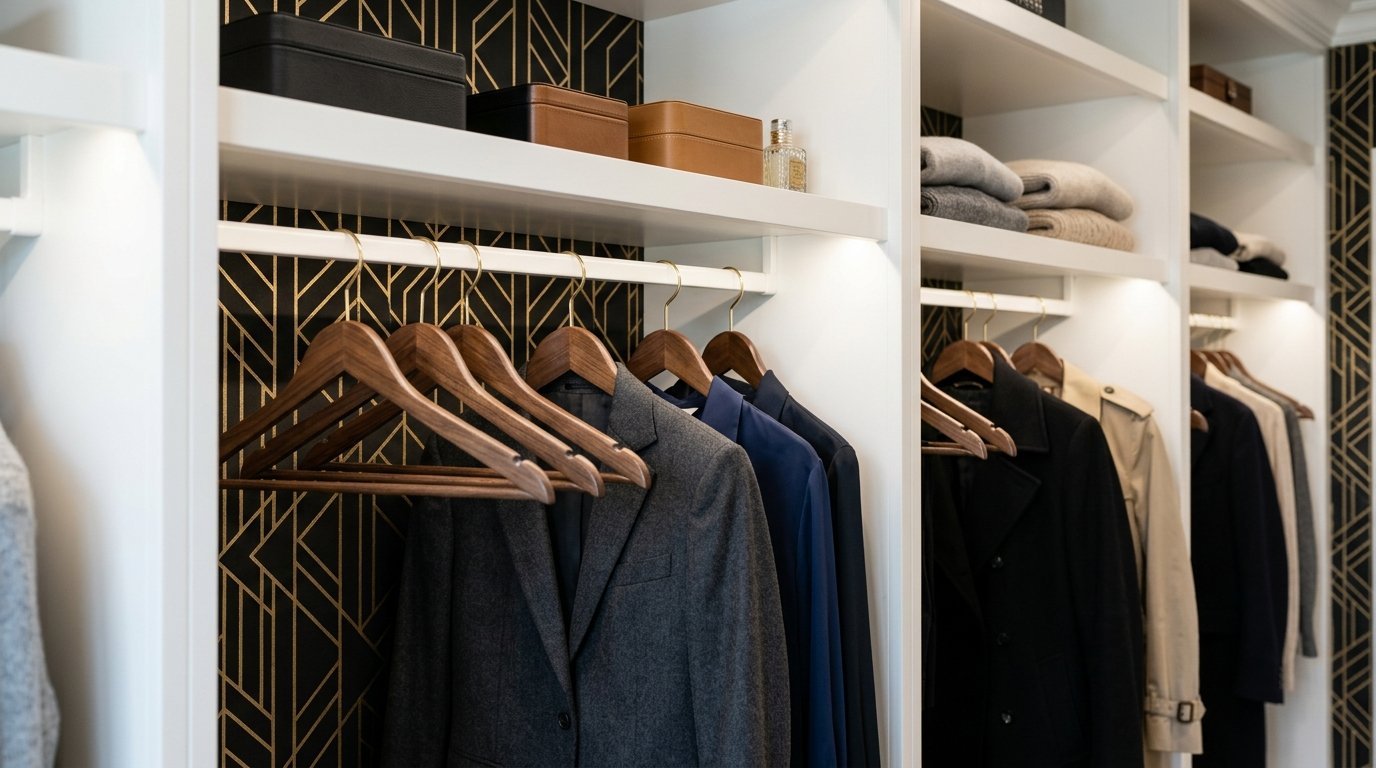
Tight shelves feel closed off. Installing bold prints behind custom built-in units creates immediate depth. In my experience, geometric black and gold patterns create a high-end boutique feeling. I tried Tempaper peel and stick geometric sheets in a suburban master closet last winter. The pattern turned basic white laminate into a premium display space. Clients see their clothes against a rich backdrop every morning. This choice works best with solid color garments. It prevents visual clutter. Measure the exact gaps between shelves before cutting your paper panels.
2. Inside the Drawers of a Diy Wardrobe
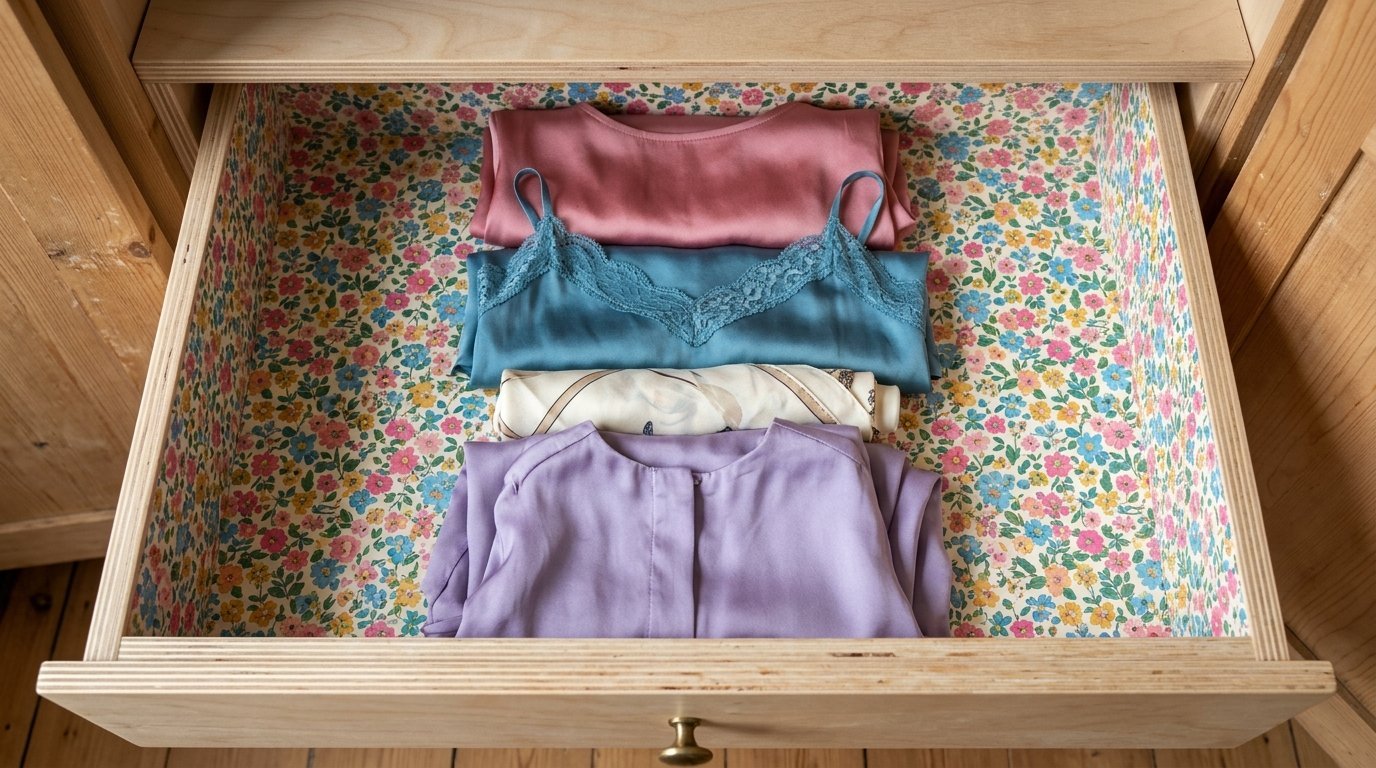
Plain wooden drawer bottoms snag delicate fabrics like silk and cashmere. Line your drawer bases with smooth vinyl paper sheets. I favor Chasing Paper floral prints for a pleasant surprise when opening storage units. Three months ago, I lined an old thrifted dresser wardrobe with botanical paper. The smooth vinyl backing protected garments from rough wood splinters perfectly. This simple upgrade costs less than twenty dollars per roll. Use a plastic squeegee to flatten air bubbles completely during application.
3. The Back Wall of a Glass Closet
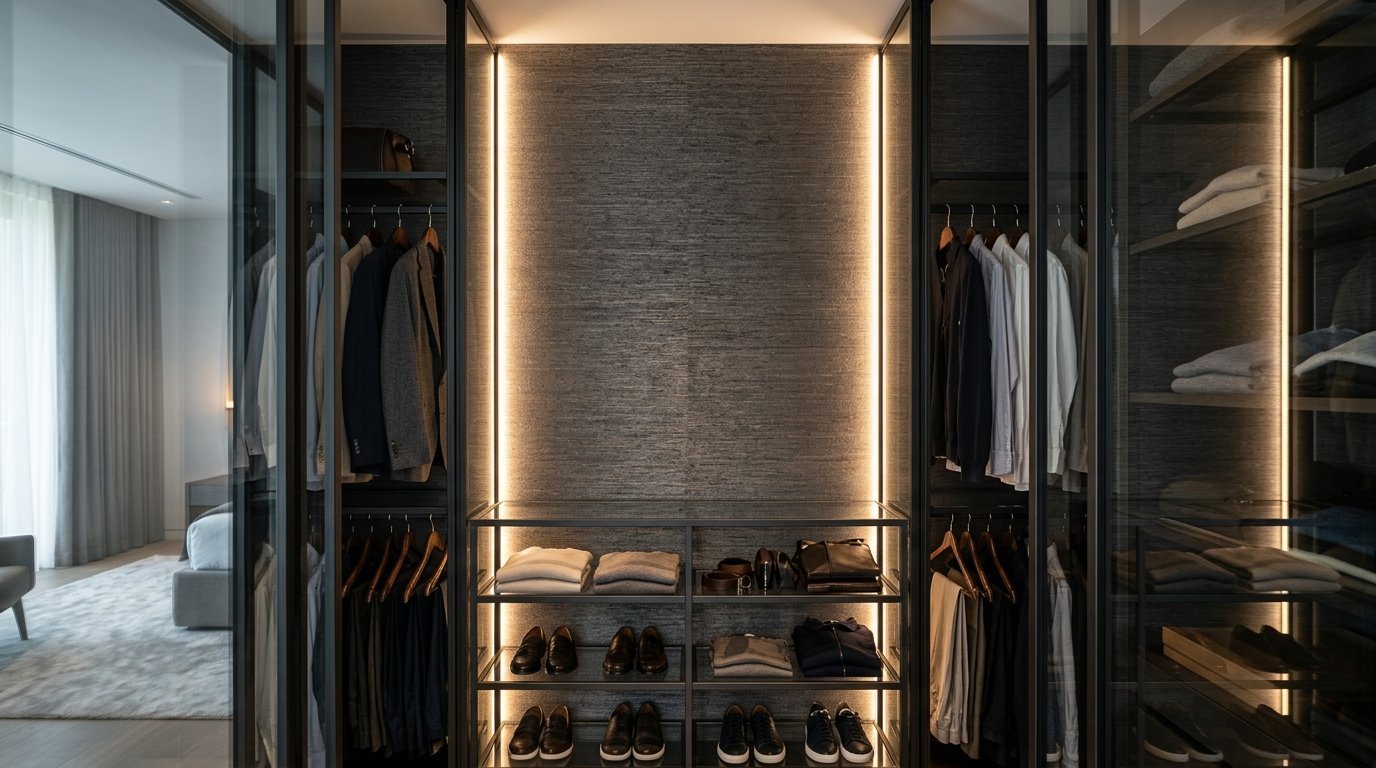
Transparent doors put your organizational skills on display. A dark textured wallpaper creates a crisp outline for hanging garments behind glass. I’ve seen this work beautifully with metallic grasscloth textures from NuWallpaper. The subtle sheen reflects LED strip lighting across the garment racks. This setup turns your storage units into a functional art piece. Keep the patterns minimal to avoid clashing with colorful shirts. A roll costs thirty-five dollars at Home Depot.
4. Ceiling of a Diy Walk In Closet On A Budget
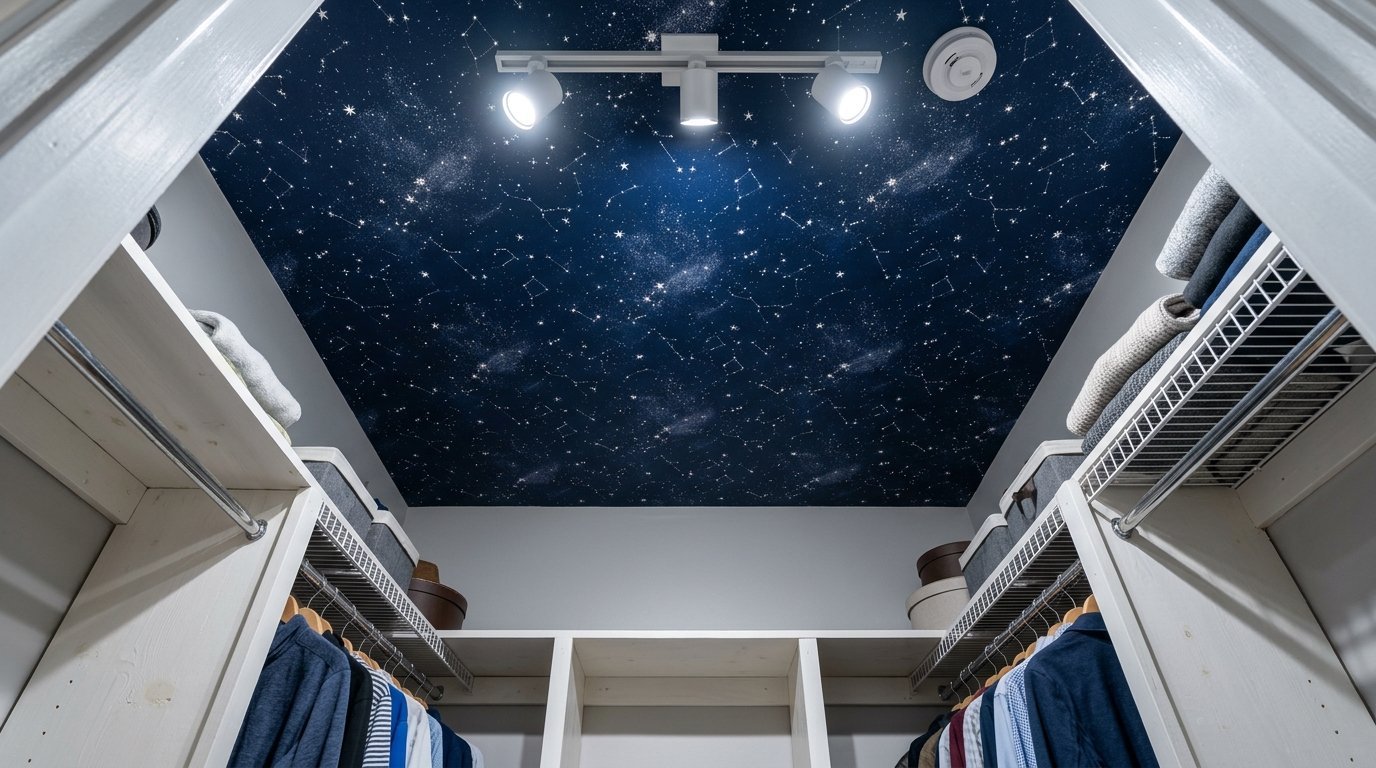
Do not ignore the fifth wall in small dressing spaces. Applying a starry night sky print overhead creates a high ceiling illusion. Last year, my sister completed a dressing space upgrade for eighty-five dollars total. She applied blue cloud patterns from Spoonflower onto the ceiling surface. It created an airy feeling in a room without windows. Use a sturdy ladder and a second pair of hands for ceiling installations. Gravity makes alignment tricky for single installers.
5. Side Panels Matching Green Bedroom Decor
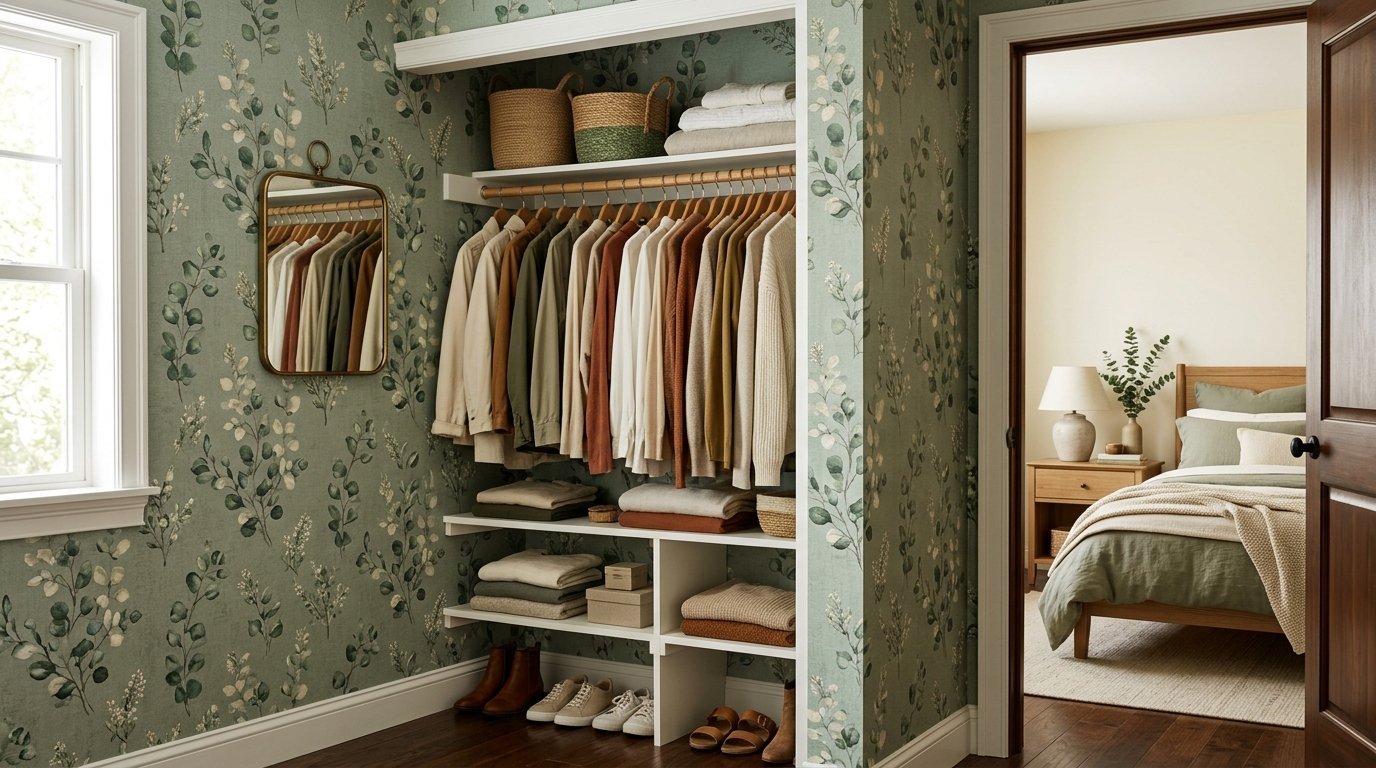
Extend your primary sleeping area aesthetic into nearby storage spaces. Choose a sage eucalyptus wallpaper design from Wallshoppe for the interior side walls. This coordinate ties the separate spaces into a single cohesive theme. I’ve noticed people feel calmer when color palettes flow naturally between rooms. Spend forty minutes applying the vinyl sheets to matching vertical panels. This style anchors your color choices without heavy green paint coats.
6. Front Panels of Diy Closet Doors
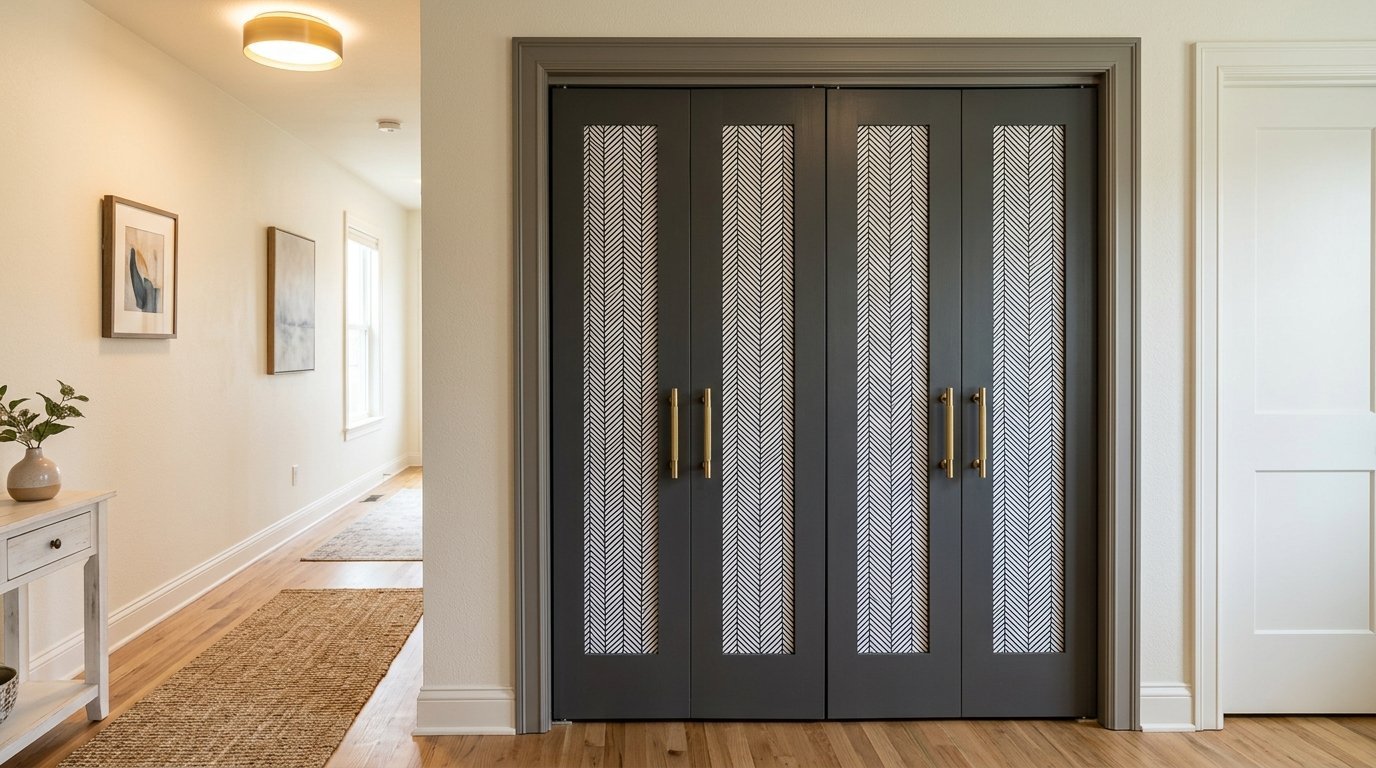
Boring bi-fold doors ruin a clean hallway view. Cover the flat center panels with a striking herringbone pattern. I used Rifle Paper Co. citrus prints on old hallway doors last spring. The new look hid ugly scratches and scuffs instantly. It saved me from purchasing expensive replacement doors from hardware stores. Sand the door surface lightly before sticking the vinyl sheets down. Rough textures prevent the adhesive from bonding securely over time.
7. Hallway Entryway Nook Archway
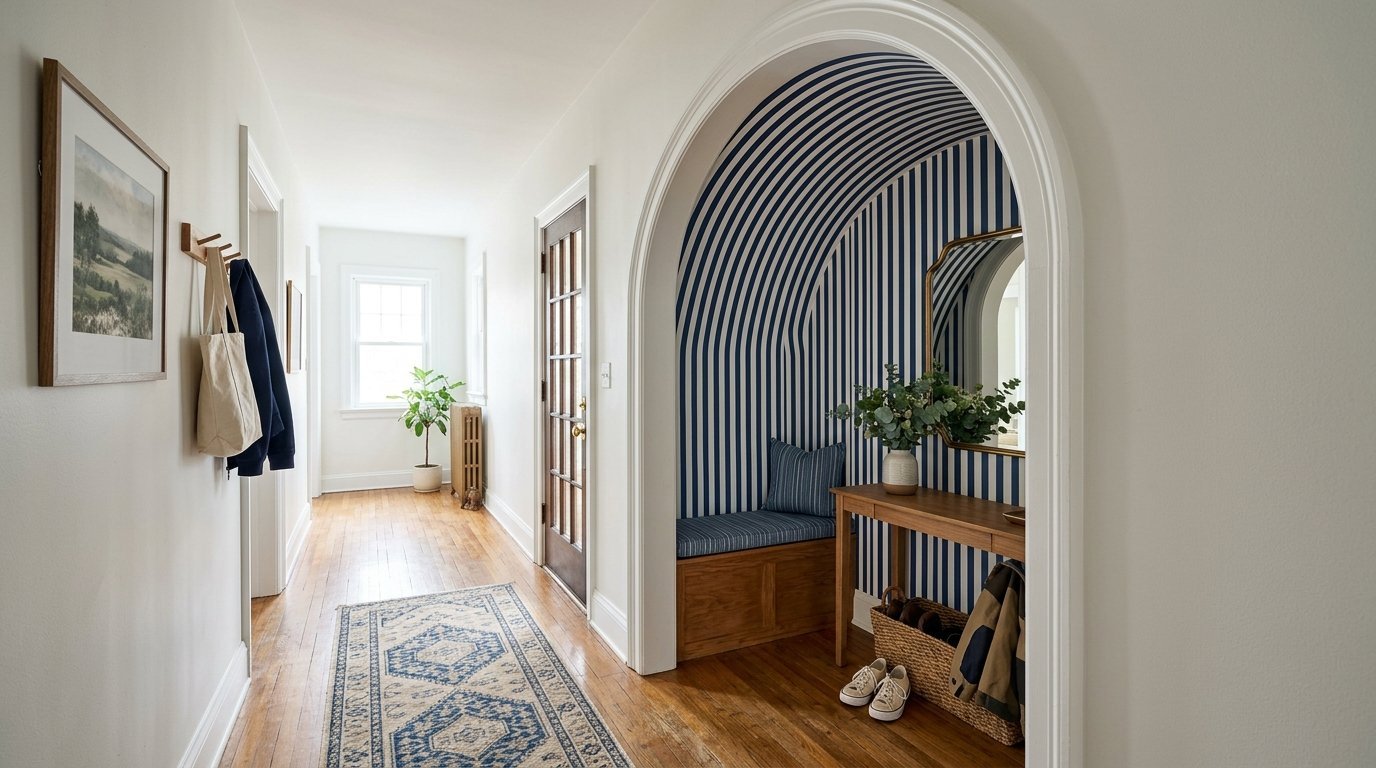
Small entry alcoves often lack clear architectural character. Frame the inside curve of an arch with vertical stripe wallpaper. Loomwell offers excellent repositionable sheets that stretch slightly around architectural curves. The vertical lines guide eyes upward to make low ceilings feel grander. I spent thirty dollars on a single sample roll for an entryway nook project. It created a welcoming zone for incoming guests right at the front door.
8. Under the Stairs Hallway Storage Cloakroom
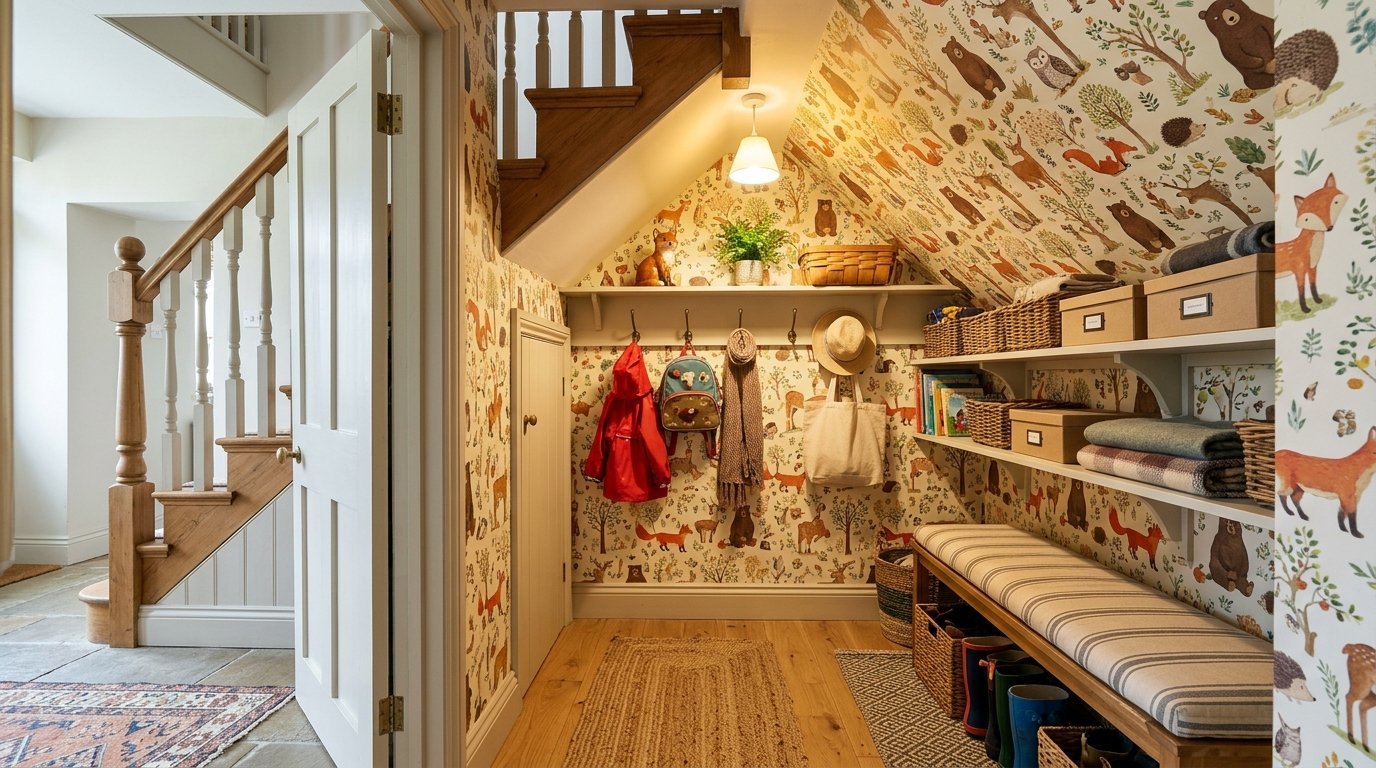
Angled walls under staircases present awkward decorating choices. Turn this dark cavern into a playful space with bright whimsical patterns. Try animal prints or large floral sheets from Target Room Essentials line. In my experience, bright backgrounds reflect weak hallway light into dark corners. This makes finding heavy winter coats easier for small children. Wipe the slanted drywall with a damp cloth to clear dust before installation.
9. Linen Closet Interior Shelving Units
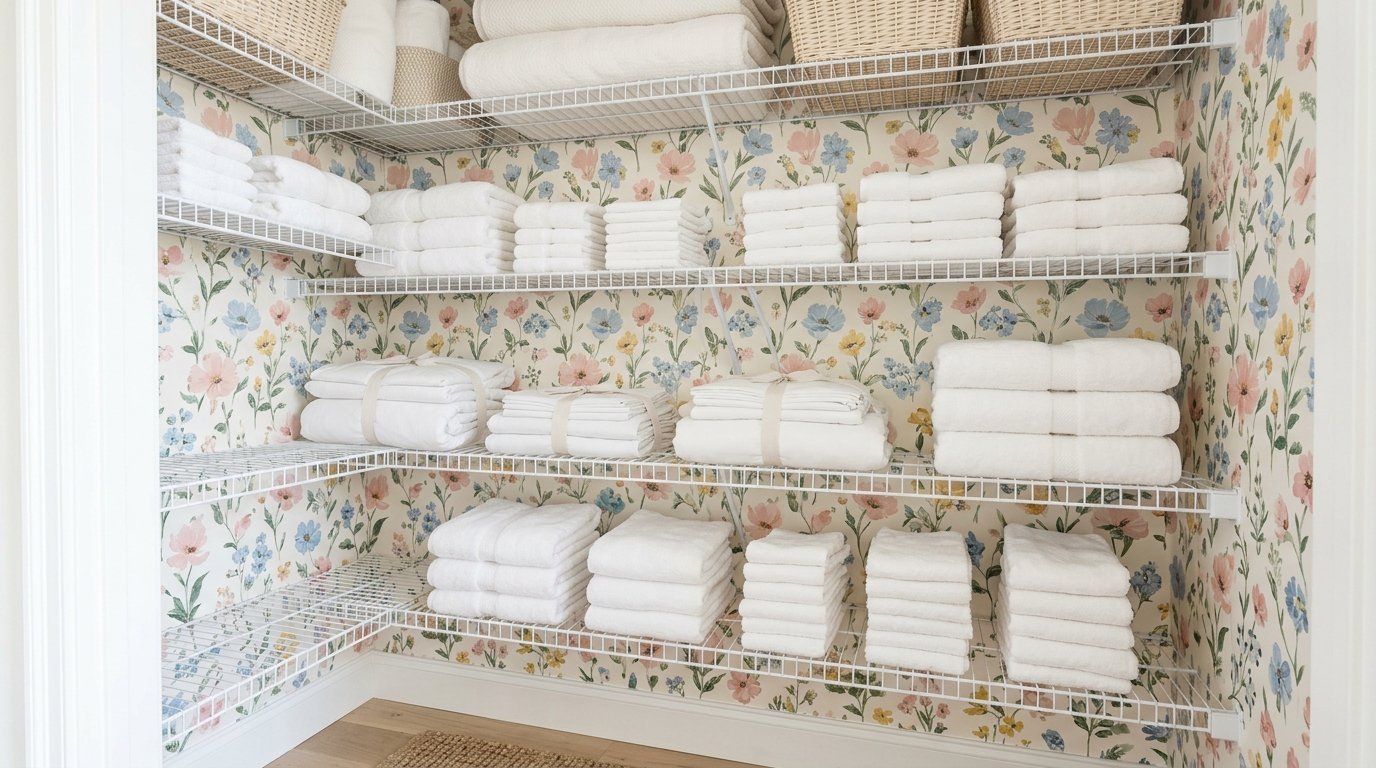
White wire shelving units look cold and institutional. Place temporary floral sheets on the wall space behind those wire racks. I’ve tried pastels from Wallshoppe to create a fresh, clean laundry aesthetic. The cheerful backing makes folding sheets feel less tedious. This project requires precise cuts around small metal wall anchors. Use a fresh utility knife blade for every single sheet cut to prevent tearing.
10. Coat Closet Back Wall Accent
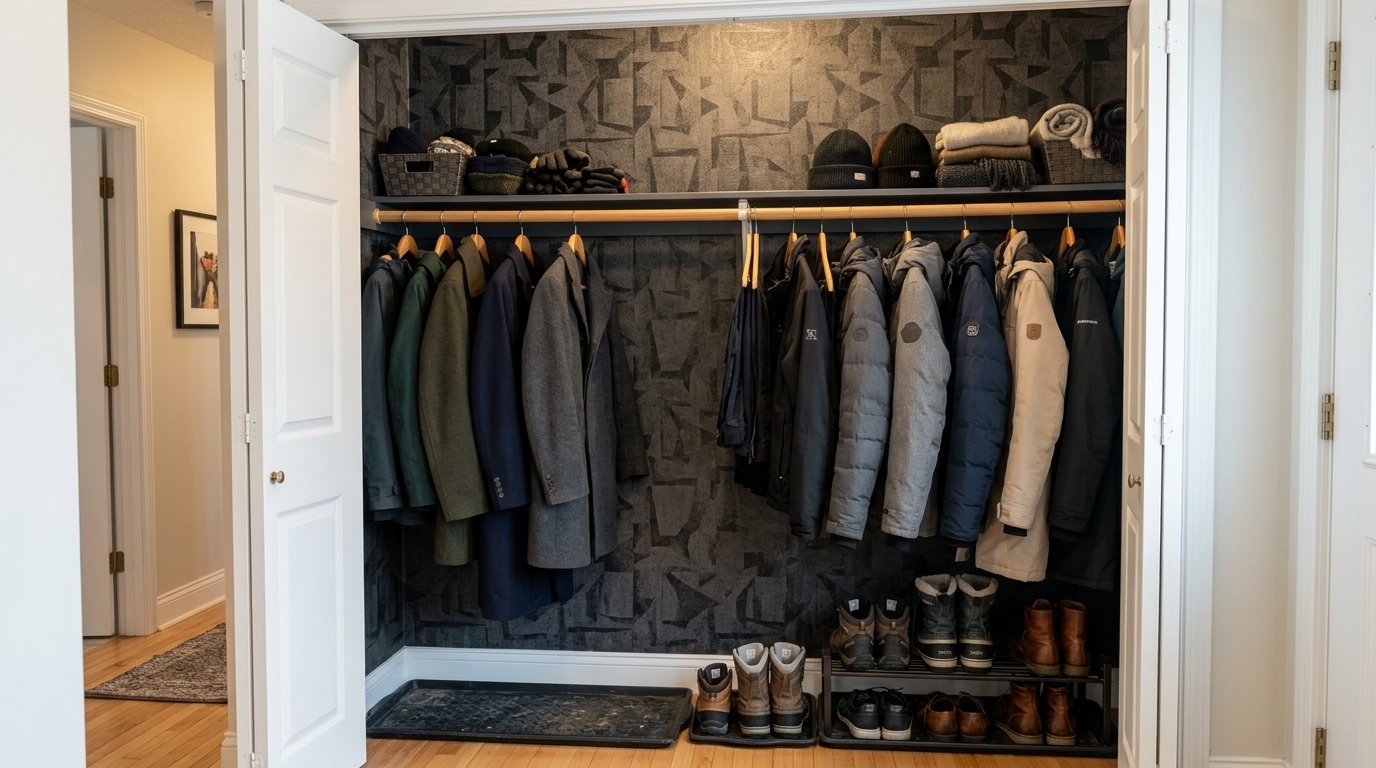
Heavy winter jackets scuff white paint down to the dark drywall paper. Protect your entryway coat storage with thick, scuff-resistant vinyl paper. I favor abstract charcoal shapes on light backgrounds from Tempaper. The dense patterns conceal dark scuff marks from umbrellas and dirty winter boots. This simple wall covering saves you from annual paint touch-up chores. A single roll covers a standard two-foot by four-foot coat closet wall.
11. Hallway Gallery Wall Backdrop
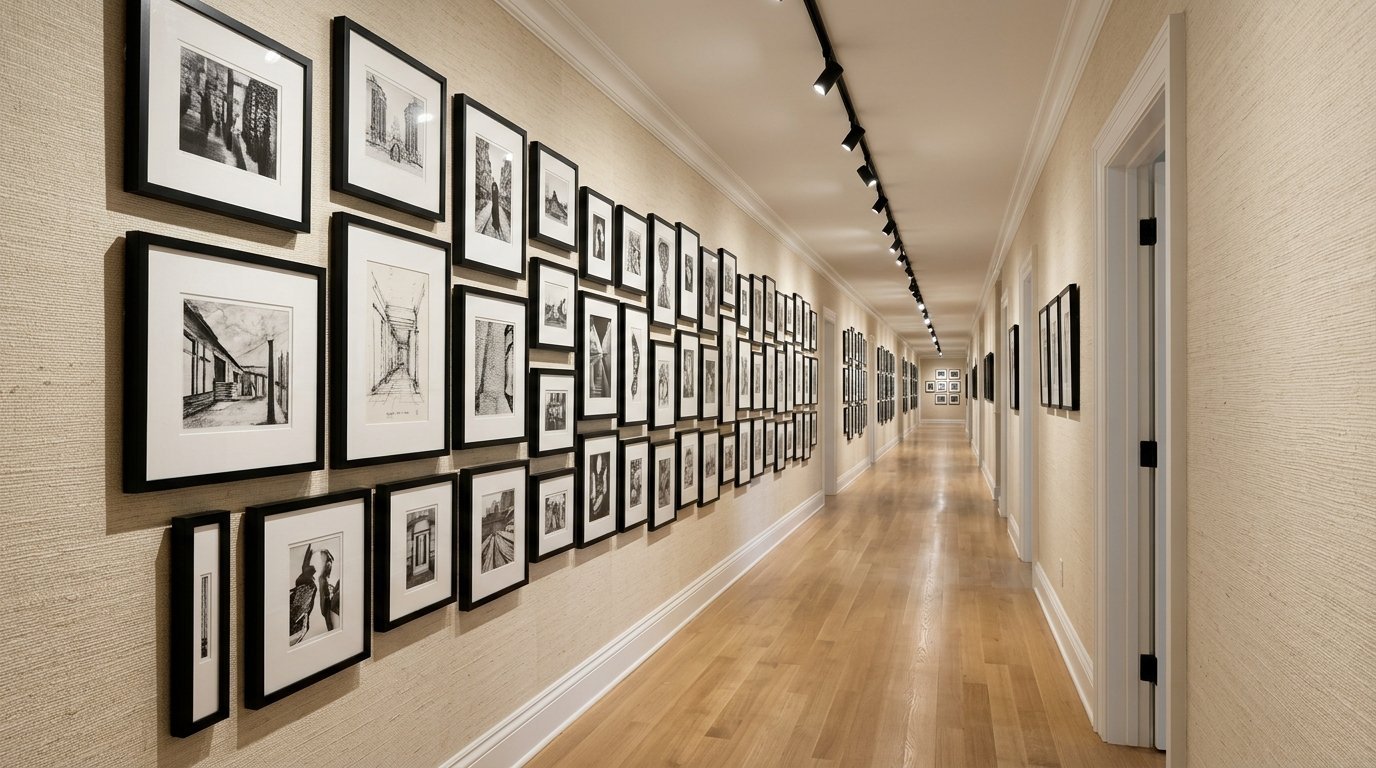
Plain art frames disappear against plain white hallway walls. Stick a subtle linen-textured neutral wallpaper behind your art collection. The faint texture isolates individual frames and makes artwork pop. I installed a cream faux-grasscloth paper from NuWallpaper in a narrow condo hallway. The family photographs looked instantly high-end against the textured backing. This style avoids the heavy look of a dark paint color accent wall.
12. Walk-In Shoe Rack Vertical Strips
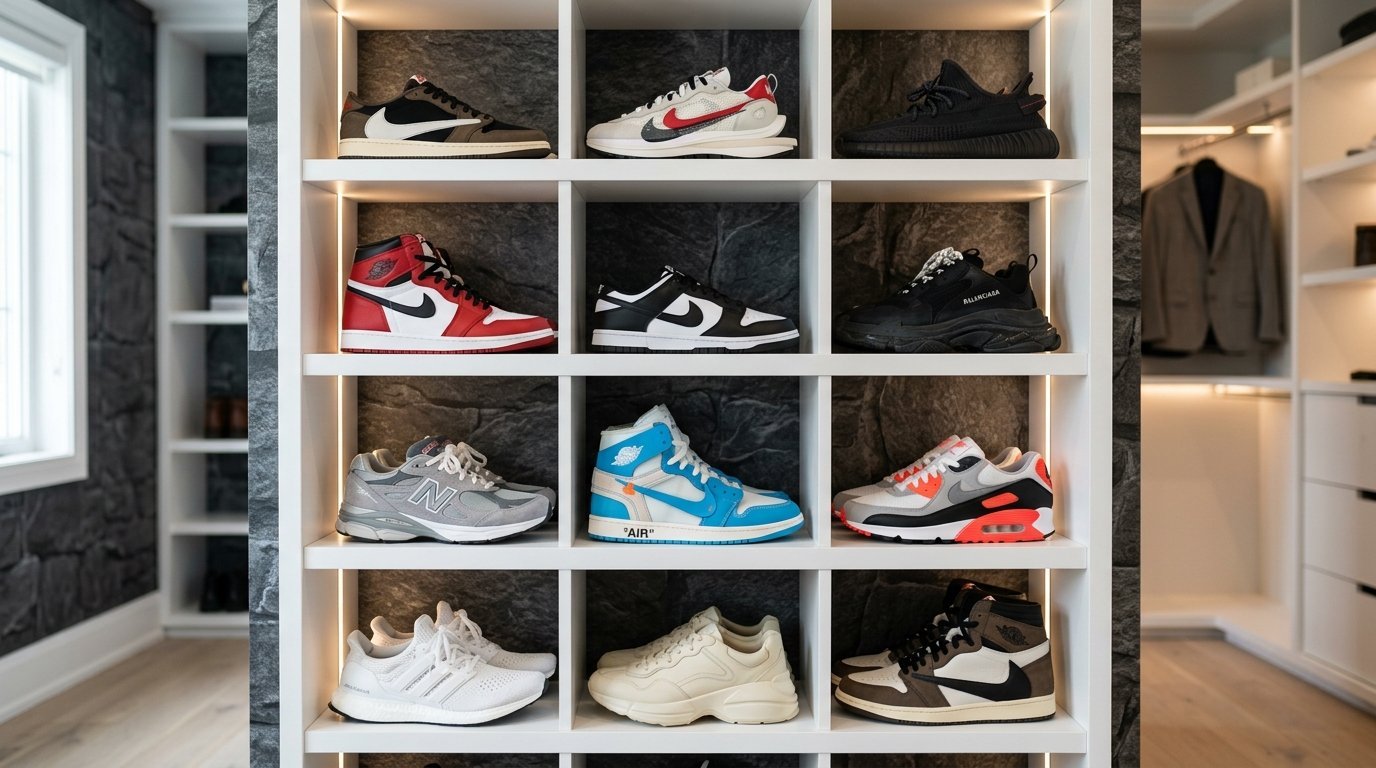
Shoe shelves get dirty from outdoor mud and wet shoe soles. Apply dark brick or stone print wallpaper behind your shoe cubbies. I’ve seen this work well to hide black heel marks on white particle board. Clean the area with rubbing alcohol before pressing the vinyl sheets in place. The alcohol removes manufacturing oils so the glue bonds tightly. This small change makes your footwear collection look organized and deliberate.
13. Vanity Mirror Surrounds in Walk-In Dressing Rooms
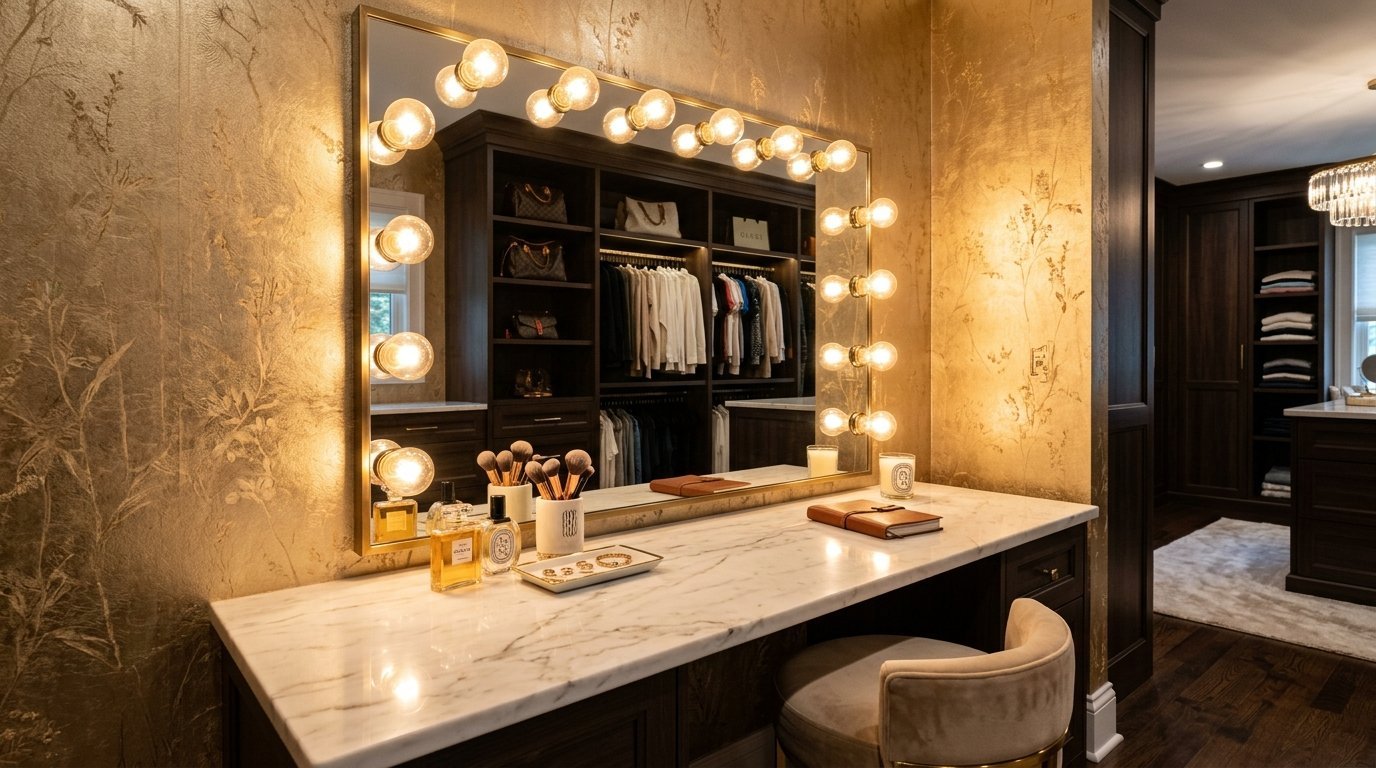
Harsh bathroom vanity bulbs create deep shadows on plain drywall. Place a light-reflecting metallic wallpaper around your dressing mirror frame. Choose soft gold or silver leaf designs from Chasing Paper. The shiny surface bounces soft light back onto your face during morning makeup routines. I noticed a massive shift in morning light quality after trying this trick. It provides a luxury studio appearance for minimal cost.
14. Utility and Laundry Closet Folding Zones
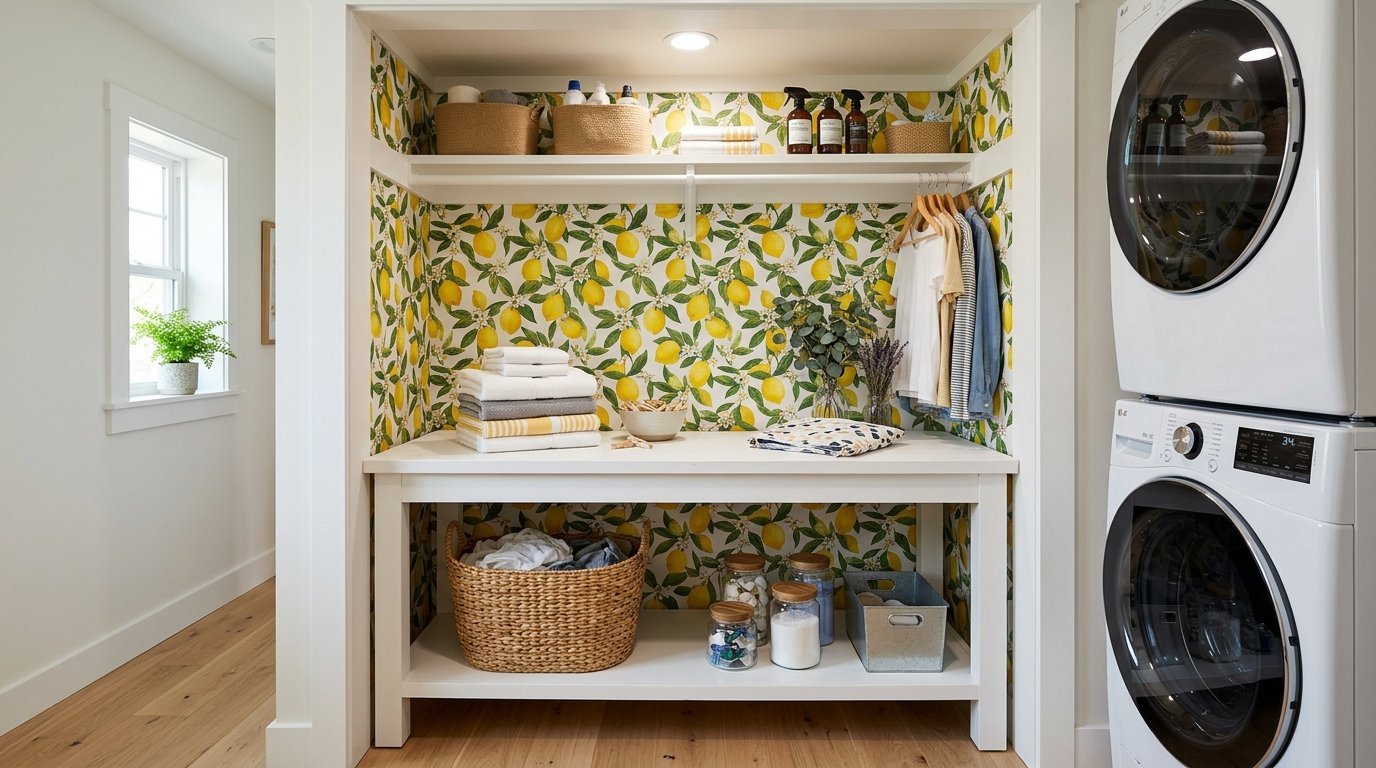
Laundry rooms feel like spaces of endless work. Brighten the folding table alcove with a cheerful lemon print from Spoonflower. The happy yellow tones make daily household chores feel lighter. I used water-resistant vinyl sheets behind my washing machine two years ago. The paper handles high humidity levels without peeling at the corners. Wipe away soap splashes easily with a wet paper towel.
15. End of Hallway Focal Point Wall
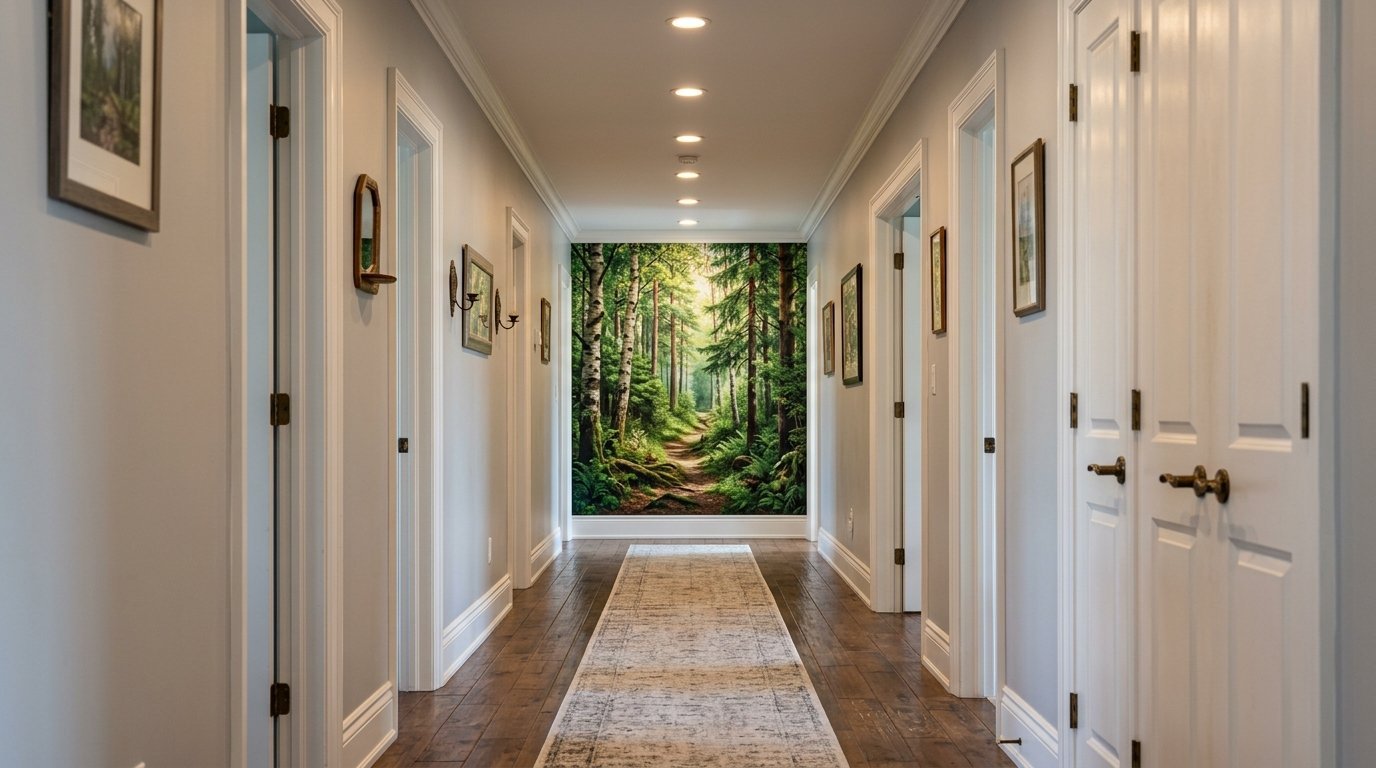
Long corridors feel like endless tunnels without a clear destination. Apply a large scale mural wallpaper at the very end of your hallway. This creates a clear target for the eyes and shortens the long visual path. I favor deep forest murals or abstract landscapes from Wallshoppe. It draws guests forward into your home layout naturally. Ensure the pattern aligns perfectly across panels for a flawless panoramic view.
16. Bottom Half of Hallway Wainscoting Layouts
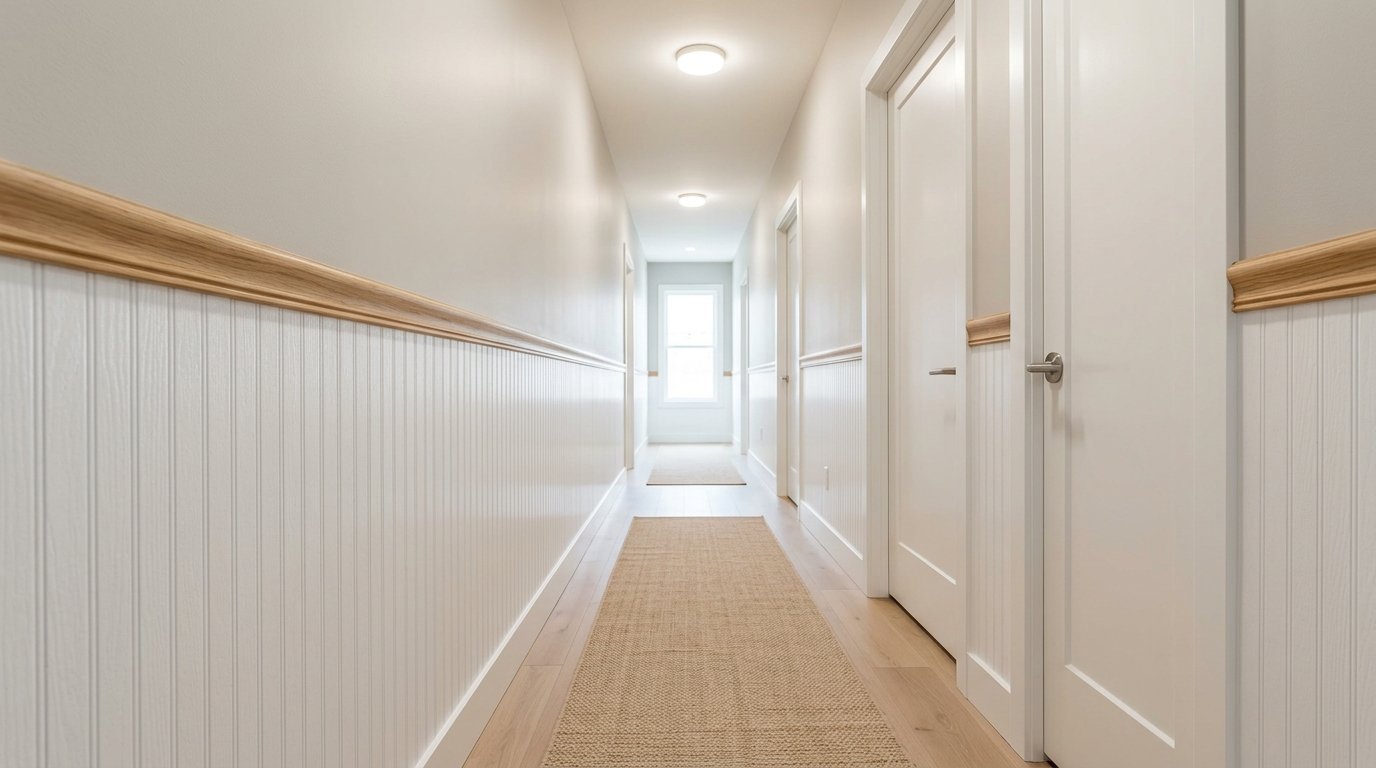
Kids and pets ruin the lower section of long hallway walls. Install durable vinyl beadboard wallpaper below your existing chair rail molding. Lowe’s sells excellent paintable peel and stick vinyl textures. It mimics real wood panels at a fraction of the actual material cost. I saved two hundred dollars by using vinyl paper instead of wood strips. It wipes clean with a simple damp sponge and mild dish soap.
17. Medicine Cabinet Backing Panels
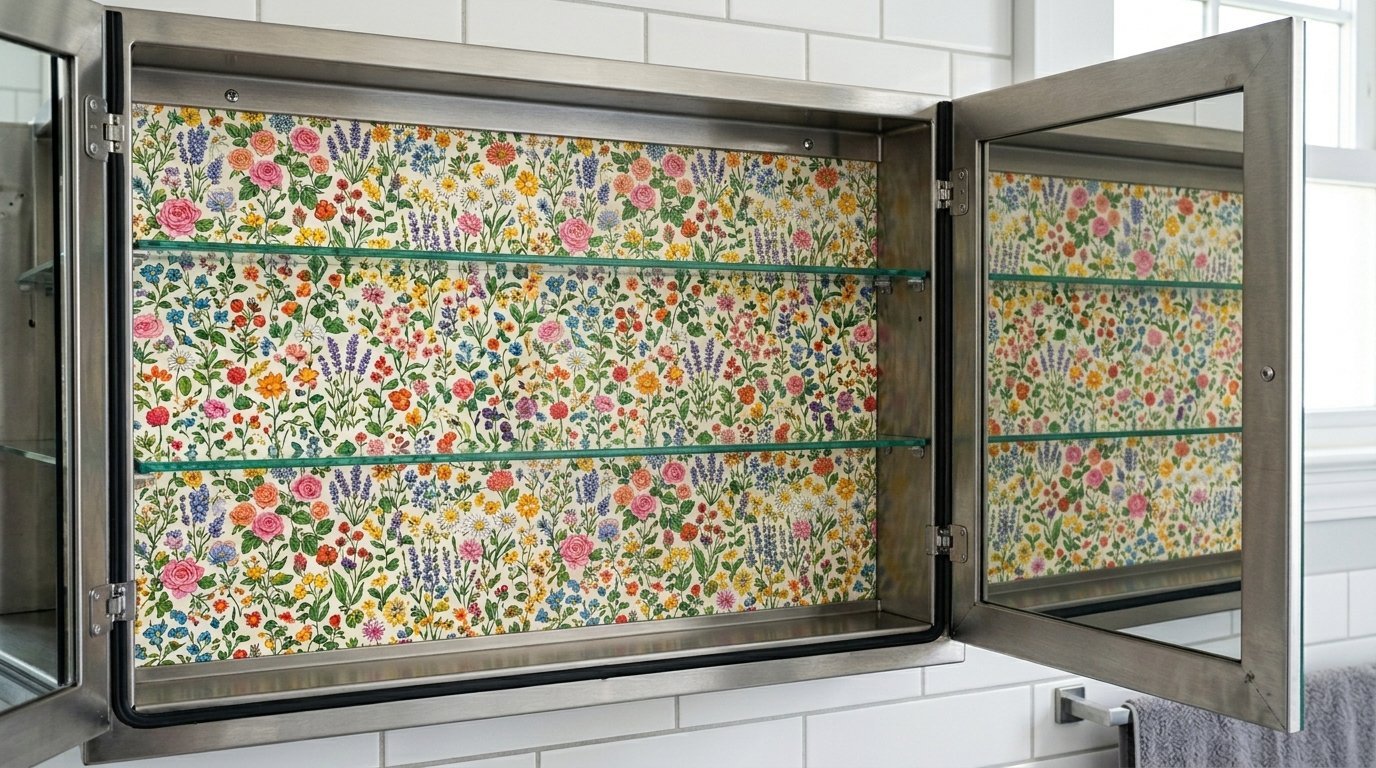
Standard steel medicine cabinets look clinical and cold. Cut tiny rectangles of floral wallpaper to fit behind the glass shelves. I used leftover scraps of Rifle Paper Co. paper for this exact quick fix. It takes ten minutes total but changes your morning teeth-brushing routine completely. The tiny pop of color greets you pleasantly every single morning. Choose water-resistant options to combat bathroom steam buildup.
18. Broom Closet Interior Door Face
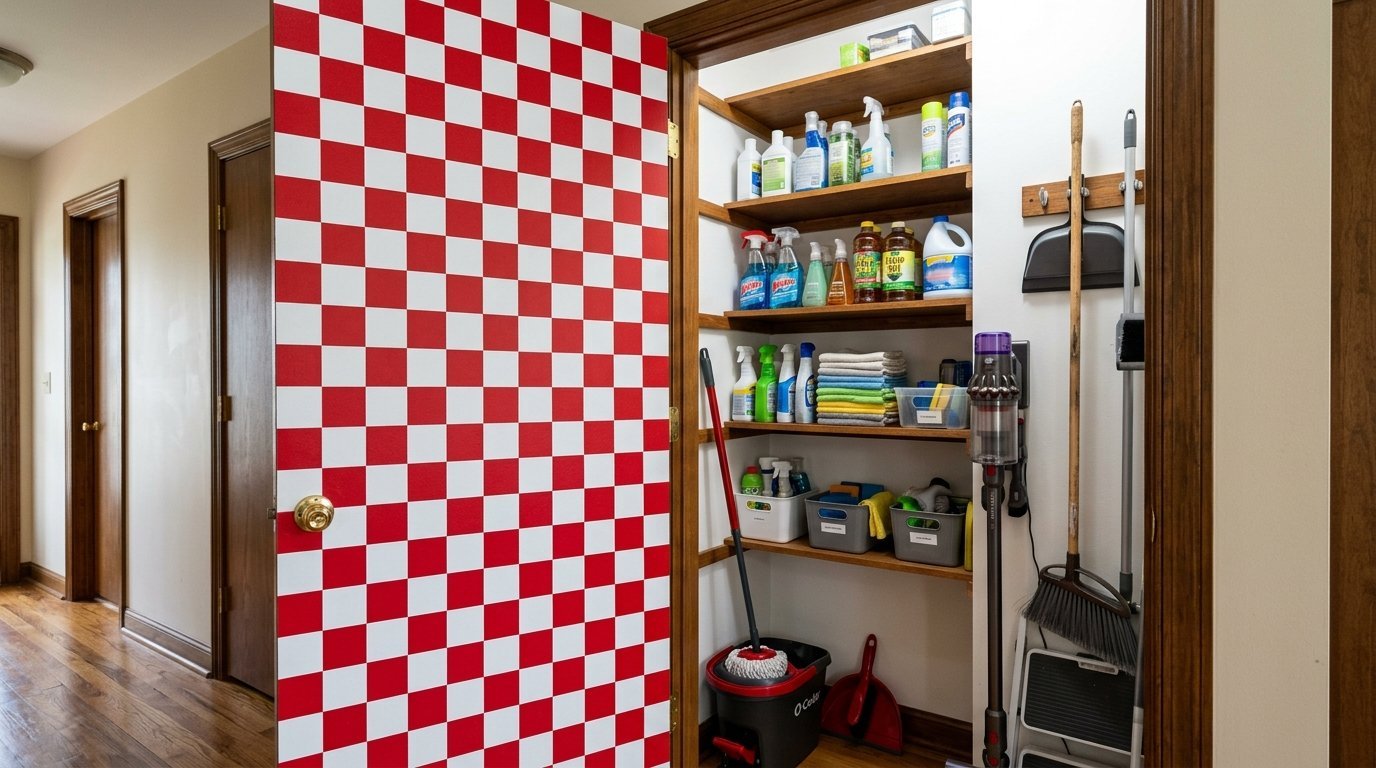
Cleaning closets hold ugly vacuums and plastic mop buckets. Cover the inside face of the door with a bold checkerboard pattern. Tempaper offers bright, high-contrast designs that make utility spaces fun. It turns an uninspiring chore station into a bright spot in your home routine. My friends always laugh with delight when they open my broom closet. It proves you care about every square inch of your home.
19. Air Conditioner Accent Closet Door Borders
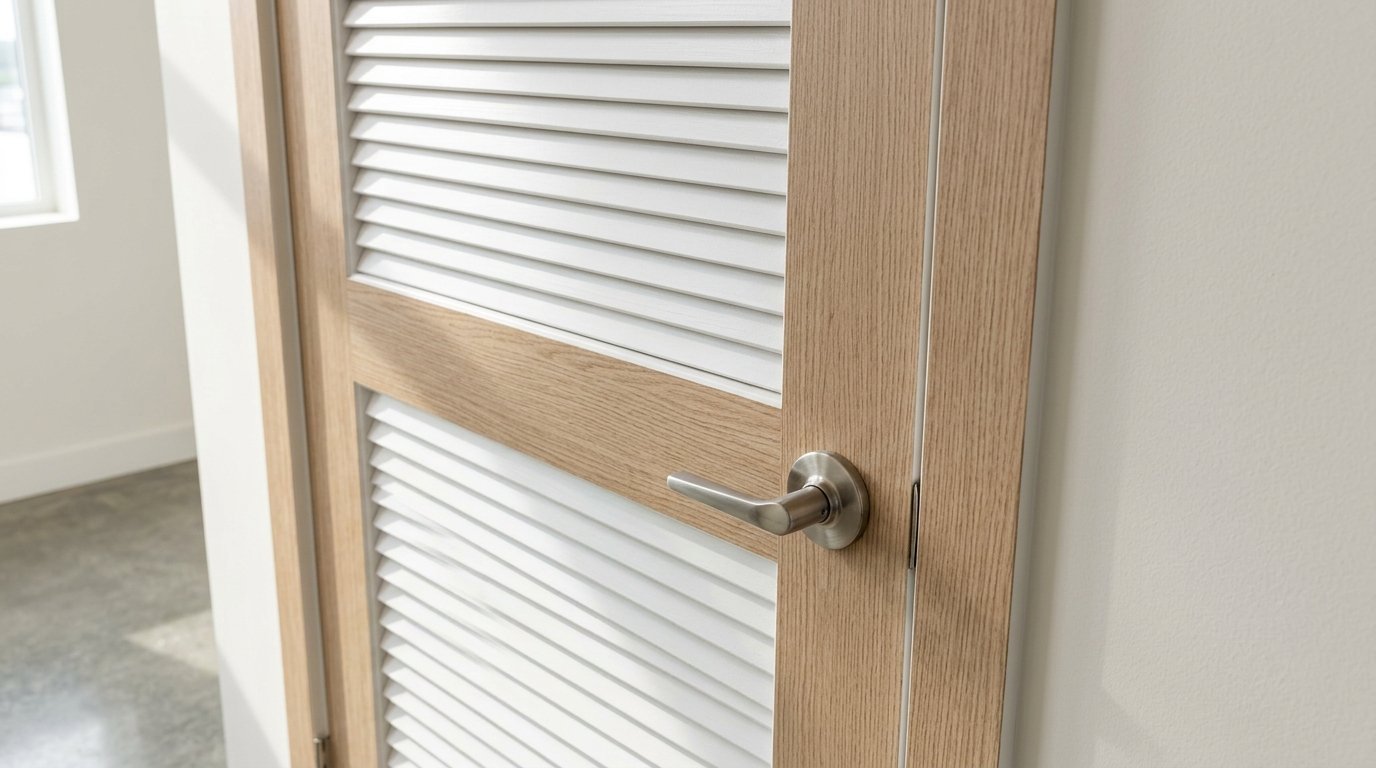
Utility closet doors with heavy louvers look industrial and ugly. Stick thin strips of neutral wood-grain wallpaper along the outer door borders. This breaks up the harsh metal or plastic slats with warm textures. I tried this style in a modern downtown apartment rental last summer. The landlord approved because the paper removes cleanly without leaving sticky residue behind. It softens the utility vibe instantly.
20. Hallway Floor-to-Ceiling Transitional Corner Panels
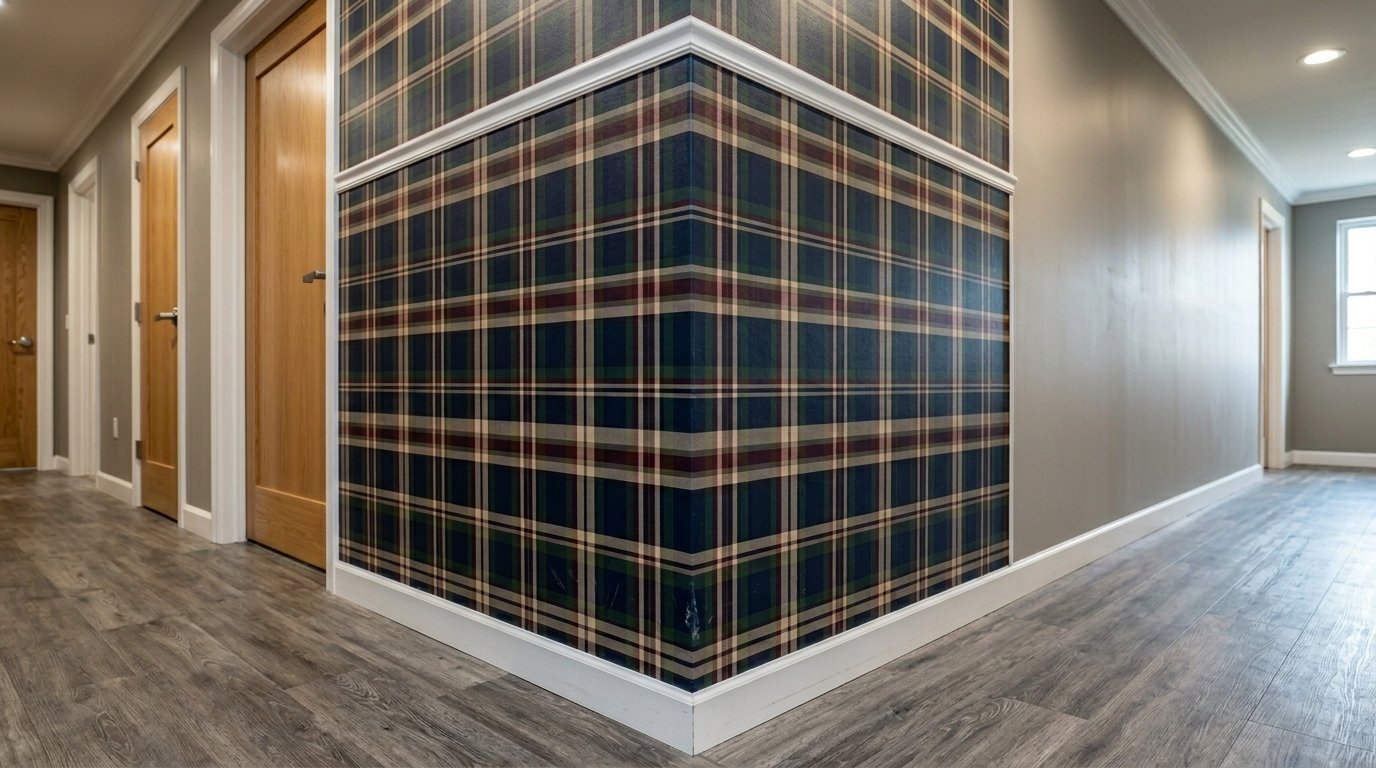
Awkward corner turns in hallways often get bumped by moving furniture. Apply vertical plaid patterns from Loomwell to protect these high-traffic external corners. The thick vinyl material acts as a shield against plastic vacuum bumpers and laundry baskets. I’ve noticed fewer drywall dents since installing these protective corner sheets. Pick colors that blend with both connecting wall paint shades for smooth transitions.
21. Jewelry Drawer Insert Bases
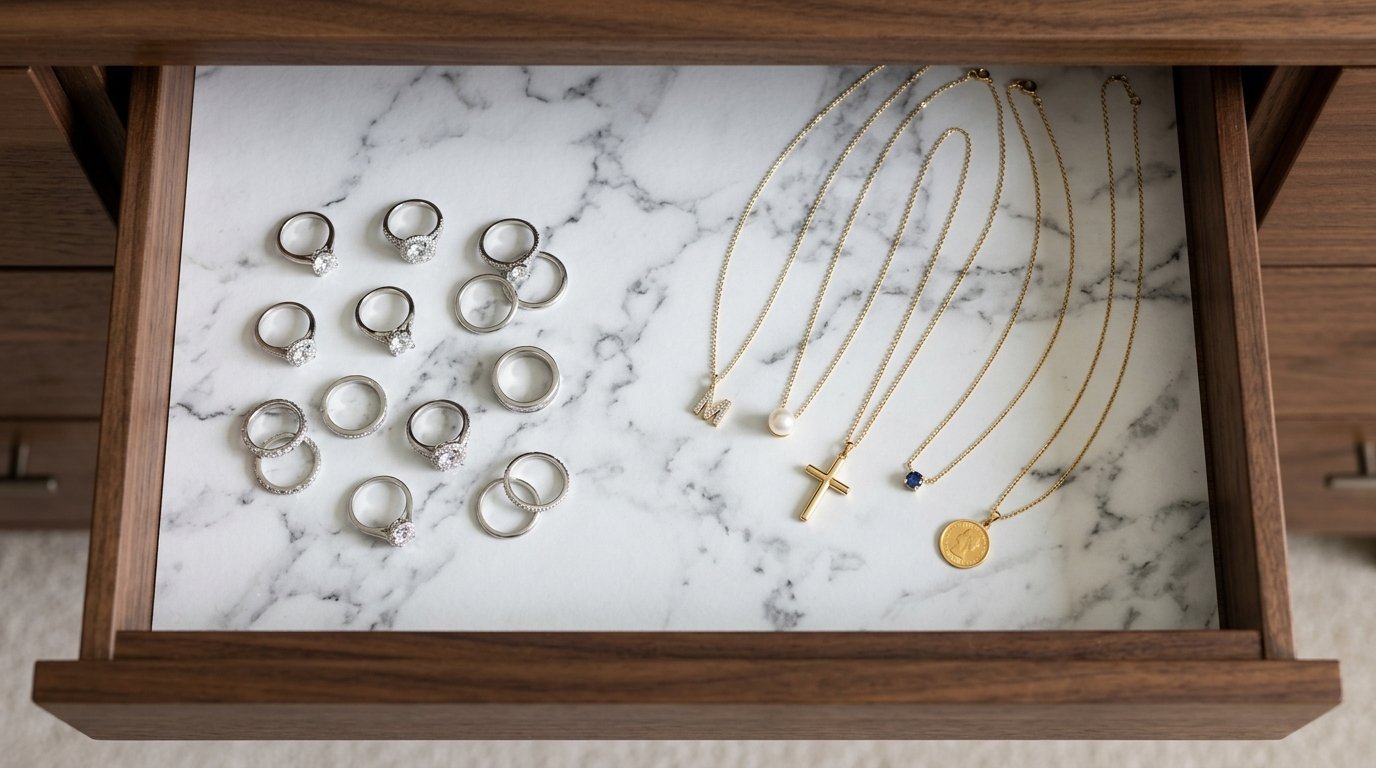
Velvet inserts gather dust and loose earring backs over time. Line your shallow jewelry drawers with a sleek marble print wallpaper. NuWallpaper makes realistic white Carrara marble vinyl sheets. The smooth surface lets rings and necklaces slide easily without tangling in fabric fibers. I reset my jewelry station with this setup six months ago. It makes cheap plastic organizers look like expensive custom boutique trays.
Brand Comparisons and Essential Tools
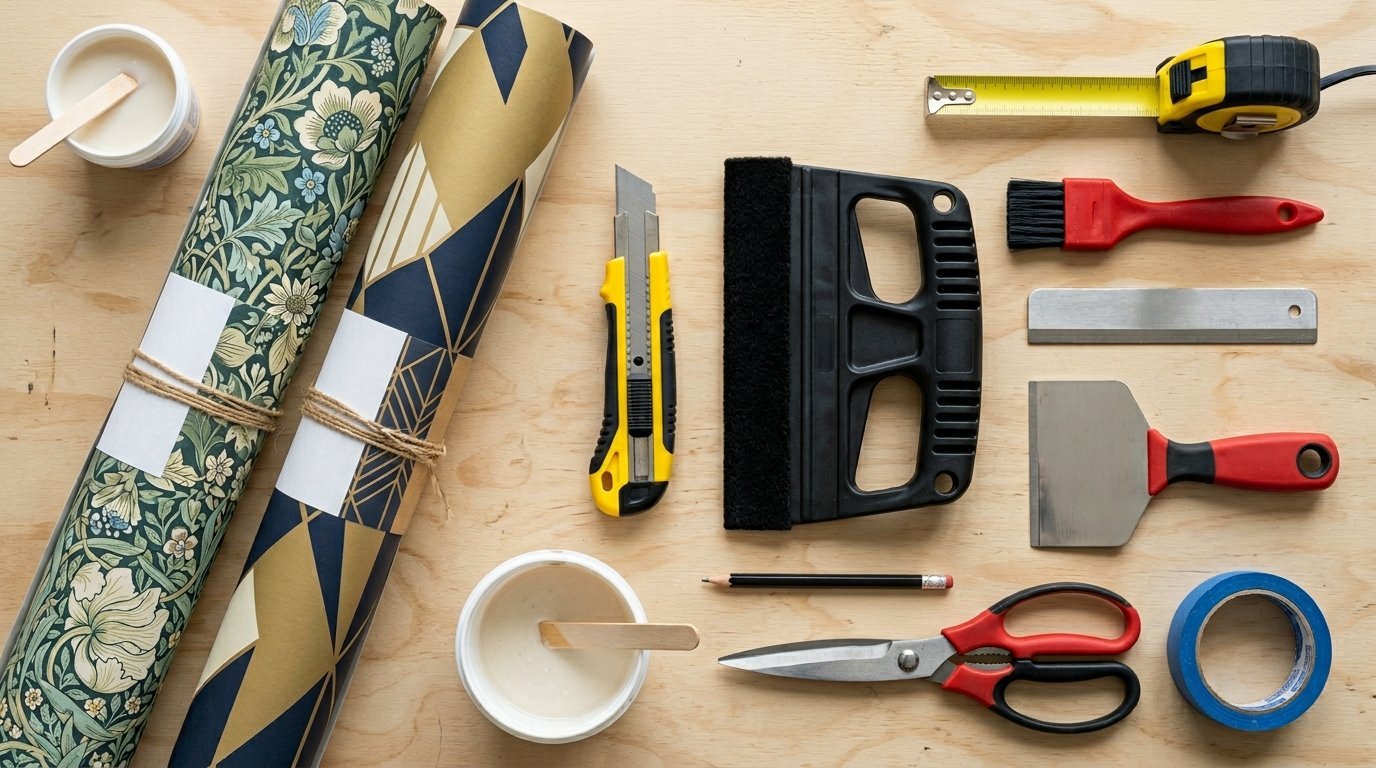
Choosing the right paper sheet determines your project lifespan. Look at this tested brand breakdown for small space makeovers.
- Tempaper costs forty dollars per roll and offers high moisture resistance with a five star durability rating.
- Spoonflower costs sixty dollars per roll and offers endless custom artwork with a four star durability rating.
- Chasing Paper costs forty-five dollars per roll and offers matte finish quality with a five star durability rating.
- NuWallpaper costs thirty-five dollars per roll and offers budget friendly rates with a three star durability rating.
- Wallshoppe costs fifty-eight dollars per roll and offers thick vinyl shielding with a five star durability rating.
- Rifle Paper Co costs sixty-five dollars per roll and offers elegant floral designs with a four star durability rating.
- Loomwell costs fifty dollars per roll and offers stretchable material with a five star durability rating.
- Room Essentials costs twenty dollars per roll and offers low cost trials with a two star durability rating.
Gather these supplies before pulling off the backing sheets. You need a snap-off utility knife from Stanley Tools. Buy a felt-tipped plastic squeegee from Rust-Oleum to prevent scratches. Keep a steel straight-edge ruler handy for clean cuts.
Frequently Asked Questions
Does peel and stick wallpaper damage drywall when removed?
No, high-quality temporary sheets do not damage properly primed walls. I’ve stripped rolls after three years of rental living without a single tear in the underlying paper. Always apply a dedicated wallpaper primer before installation. Cheap builder-grade flat paint sometimes bonds too tightly to the adhesive. If a sheet resists your pulling, use a standard handheld hair dryer to warm the glue. The heat softens the bond so the sheet glides off easily without pulling chunks of plaster with it.
How do you calculate how many rolls you need for a small closet?
Measure the width and height of each wall panel in inches. Multiply width by height to get the total square inches, then divide by one hundred forty-four for square feet. Include twenty percent extra to your final number to account for pattern alignment waste. I messed up my first hallway project by skipping this safety margin. I ran out of paper two feet before the floor. Check the roll manufacturer label for exact square footage coverage before buying.
Can you install removable wallpaper over textured walls?
Textured walls prevent vinyl sheets from sticking securely. Heavy orange peel or knockdown finishes leave tiny pockets of air behind the paper. These pockets cause the glue to dry out and fail within weeks. In my experience, you must sand the walls smooth or skim-coat them with drywall compound first. Alternatively, apply thin hardboard panels to the wall studs. Then stick your temporary sheets onto those perfectly smooth boards for a clean finish.
Is temporary wallpaper safe for high humidity spaces like laundry closets?
Yes, solid vinyl temporary sheets handle moisture well. Brands like Tempaper design moisture-resistant lines specifically for laundry zones and washrooms. Avoid paper-based choices because they absorb steam and expand, causing unsightly seam bubbles. I installed vinyl sheets behind my clothes dryer two years ago. The adhesive remains perfectly secure despite weekly laundry steam cycles. Seal the outer edges near water sources with a thin bead of clear silicone caulk.
How do you remove stubborn air bubbles during installation?
Always work from the center of the sheet outward toward the edges using a felt squeegee. If a large bubble forms, gently peel the sheet up to that spot and re-apply it. For tiny bubbles found hours later, use a sewing needle to prick a microscopic hole in the center. Press down firmly with your thumb to push the trapped air out through that tiny puncture point. The vinyl shrinks around the hole, making the blemish completely invisible.
What is the trick to matching complicated patterns across seams?
Find the design repeat pattern before peeling the backing paper off. Lay your panels side-by-side on a clean floor or a large kitchen table. Align the pattern shapes exactly, then cut the top edge of the second sheet to match the first piece. I label the back of each panel with a pencil arrow pointing up to avoid accidental upside-down errors. Hang the second panel with a slight overlap or a tight butt seam according to manufacturer directions.
Can you use peel and stick wallpaper inside unheated hallway entries?
Extreme temperature changes cause vinyl paper to expand and contract. Unheated porches or drafty entryways experience cold snaps that weaken standard glues. Look for heavy-duty exterior-grade temporary sheets if your space drops below fifty degrees Fahrenheit. I saw a cheap entryway project peel away during a severe freeze three winters ago. Keep your indoor spaces climate-controlled during the first forty-eight hours after installation to allow the glue to cure properly.
How do you cut perfect straight lines around built-in closet shelving?
Leave an extra inch of paper hanging over the shelving supports during the initial placement. Use a plastic smoothing tool to press the vinyl tightly into the sharp inside corners. Place a thick metal ruler flat against that corner crease line to guide your blade. Drag a fresh, sharp utility knife along the straight edge in one slow, continuous motion. I snap off the dull knife blade segment after every single vertical cut to ensure pristine edges.
Why is my removable wallpaper peeling off at the top corners?
Top corner peeling usually stems from dust accumulation on the drywall before installation. Gravity pulls down on the loose top edge until the entire panel sags. Always wash your walls with a mixture of water and rubbing alcohol twenty-four hours before hanging sheets. Let the surface dry completely. If corners start curling, apply a tiny dab of water-soluble wallpaper paste behind the loose tip to secure it without ruining your rental contract.
Can you apply peel and stick wallpaper over old permanent wallpaper?
Do not stick temporary sheets over old traditional paper. The moisture from the new vinyl adhesive can loosen the old wheat paste underneath, causing both layers to buckle and fall off. Old patterns often bleed through light-colored temporary sheets, ruining your clean aesthetic. Strip the old permanent wallpaper completely using a fabric steamer. Wash the sticky residue away with warm water and soap before applying your new modern sheets.
How do you clean vinyl wallpaper in a dirty hallway?
Vinyl sheets clean up easily with basic household supplies. Mix three drops of clear dish soap into a bucket of warm water. Dip a soft microfiber cloth into the liquid and wring it out until it is barely damp. Wipe the hallway walls gently using circular motions to lift mud and grease marks. Avoid abrasive scrubbing pads or harsh chemical cleaners, which scratch the printed pattern. Dry the wall surface immediately with a clean towel.
Is peel and stick wallpaper worth the price for budget renovations?
Yes, temporary sheets save substantial cash compared to traditional professional painting or wood carpentry. A standard DIY wardrobe upgrade costs under fifty dollars but looks like an expensive custom build. You save money because you do not buy special glue pots, heavy pasting tables, or professional installation labor. If you change your mind next season, you pull it down without paying for drywall repairs. It represents a smart, low-risk design investment.
Final Thoughts
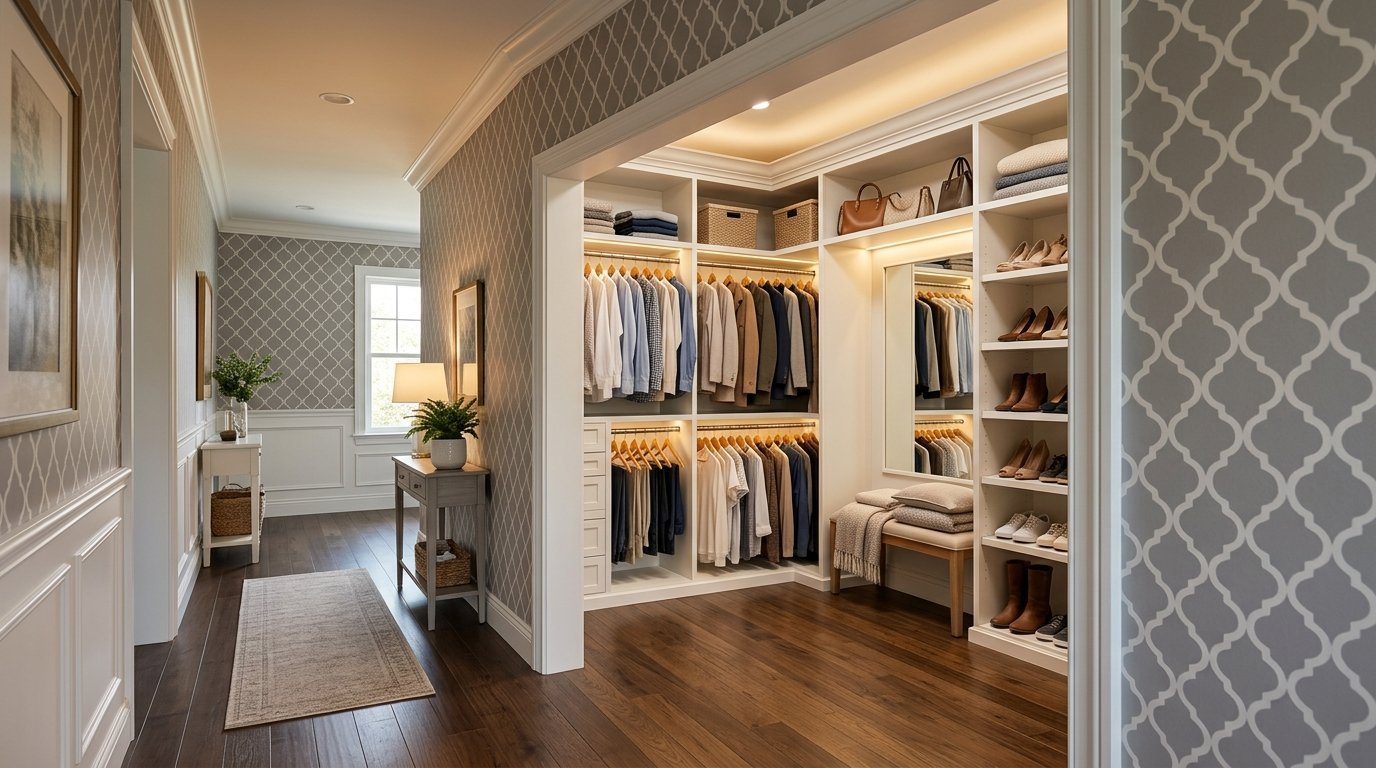
Small nooks present excellent options for creative design trials. Updating your closets and hallways with temporary sheets builds instant confidence. Use the twenty-one ideas listed here to eliminate boring white walls this weekend. Your home storage spaces will feel intentional and organized.

Anya Castellan is the Founder and Editor-in-Chief of Home Wall Trends. An art history graduate of the Rhode Island School of Design with twelve years of experience writing for leading American design publications, she specializes in composition, gallery wall theory, and the quiet architecture of domestic space. A former contributing editor at Architectural Digest and guest lecturer at Parsons School of Design, Anya personally reads and signs off on every piece before it is published.