Last Tuesday I stood in my living room holding a massive blank canvas. Three months ago I threw a fresh piece of pine right into the trash. I tried to craft a farmhouse welcome sign. I measured the angles wrong and ruined the wood. I learned a hard lesson about wall pieces. Hanging massive art requires exact math and proper hardware. You need exact height measurements and specific hanging tools. Your room needs visual balance. A falling frame damages furniture and ruins drywall. You will learn the exact height measurements and hanging tools to use today.
You will walk away knowing exactly how to hang a large canvas painting securely. This guide covers specific hardware choices like 3M claw hooks and French cleats. I will share my exact wall preparation routine using distilled water. You will find out how to position a canvas art painting abstract piece above a sofa without making the room feel small. You will see exact cost breakdowns for professional framing versus doing it yourself. You will know exactly how to protect your investment from wall moisture.
What makes a massive piece actually work in your space?
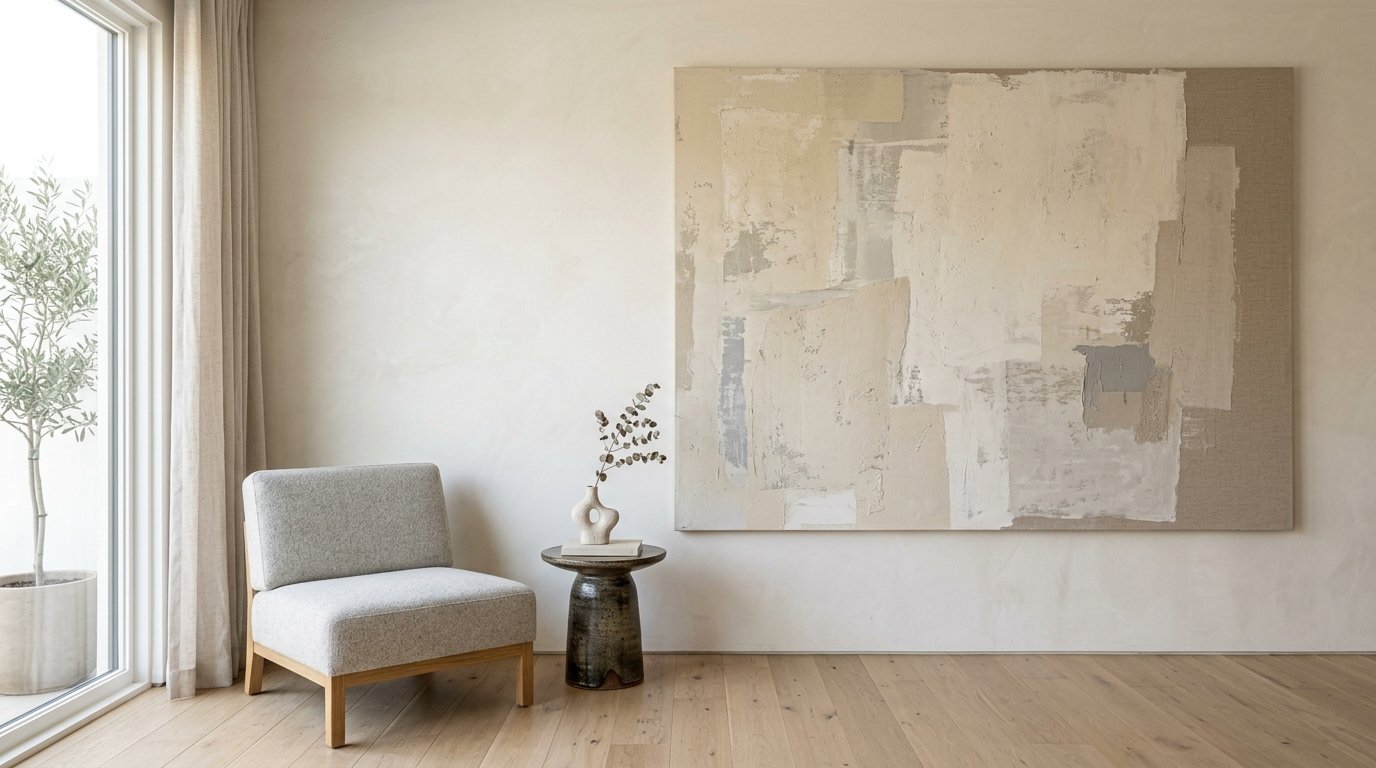
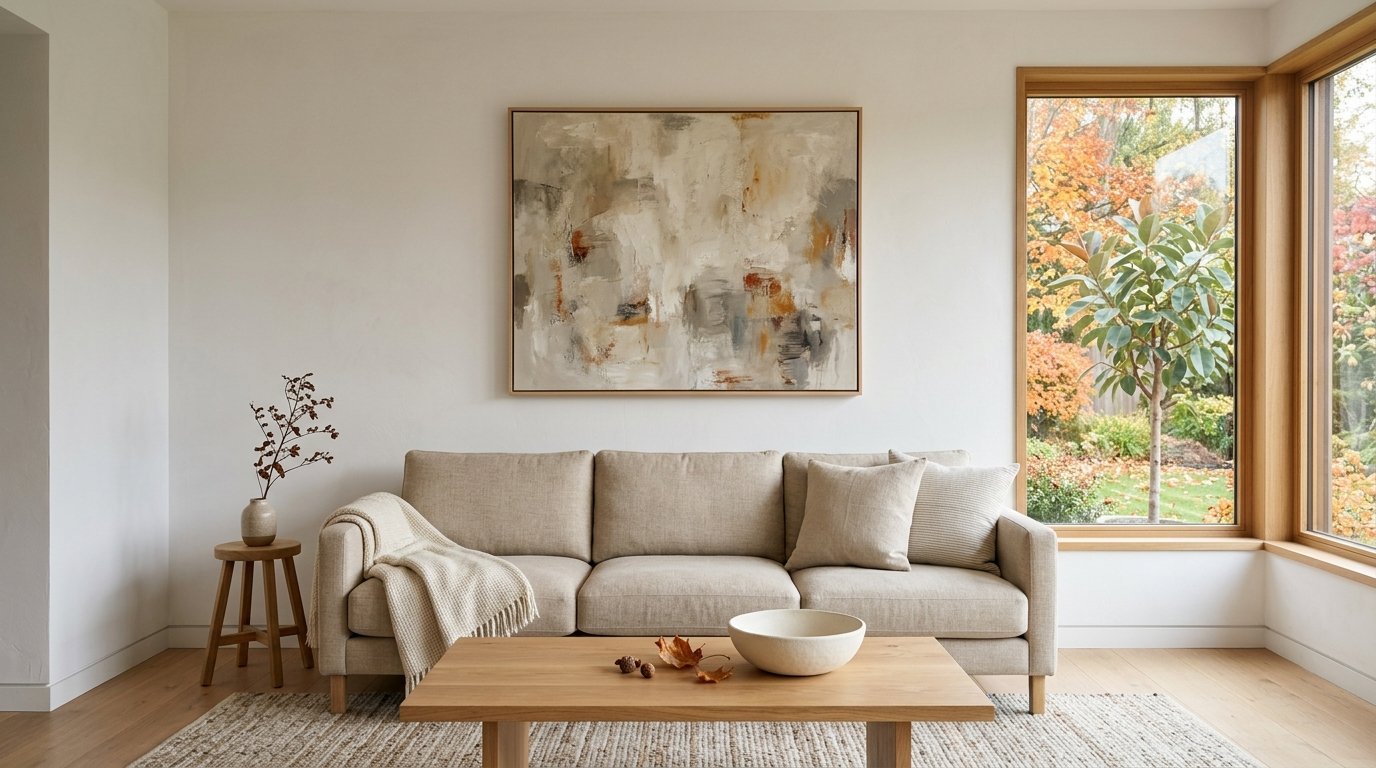
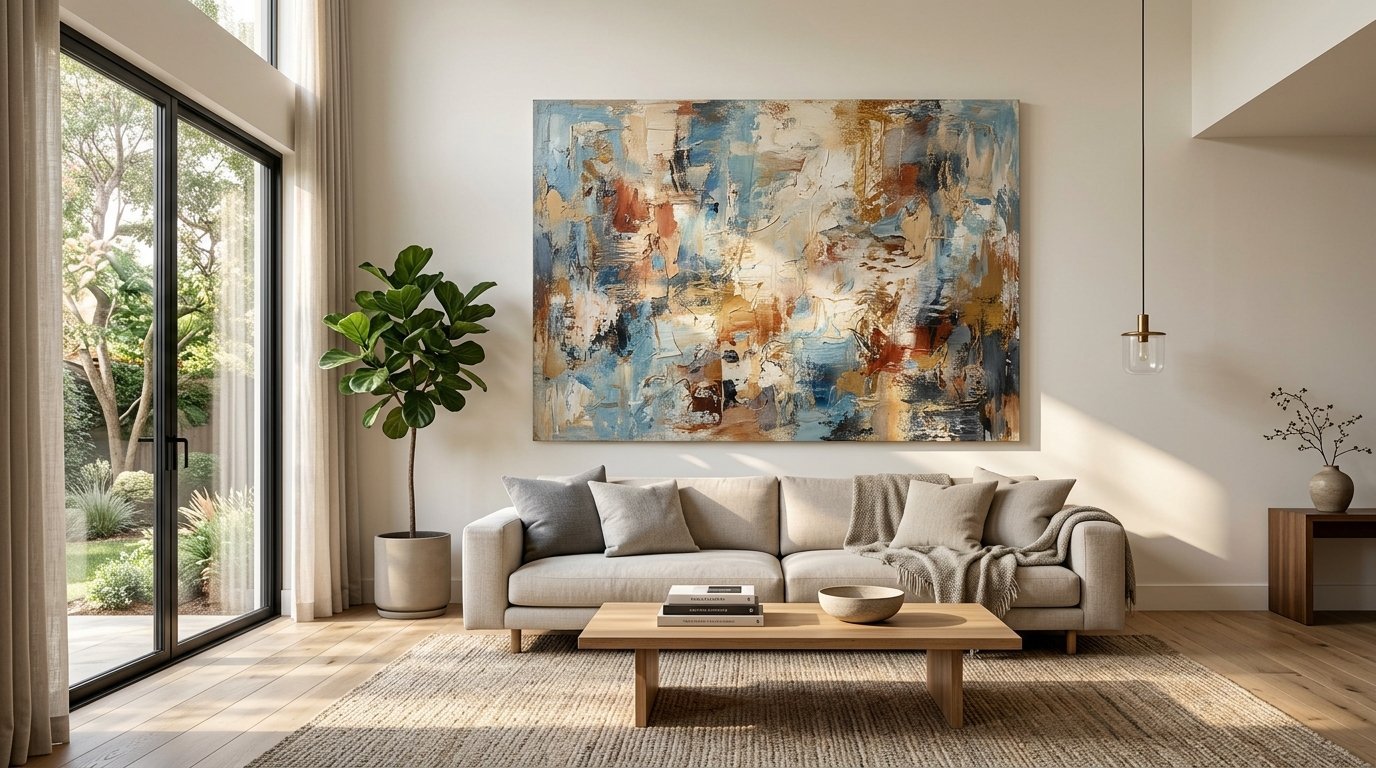
Scale dictates everything in interior design. A 48×60 canvas completely alters a room. People buy tiny frames and hope they fill a blank wall. This never works. You need big paintings for living room walls to anchor the furniture. The art must fill two thirds of the wall space above your sofa.
If your sofa measures 84 inches wide, your art must span at least 56 inches. I learned this the hard way in 2024. I hung a tiny frame over a massive sectional couch. The room looked entirely off balance. The furniture swallowed the art visually. You need visual weight to ground the space.
Minimalist designs rely heavily on negative space. The blank areas on the canvas tell the eye where to rest. Thick textures create heavy shadows. Smooth finishes reflect light around the room. You must match the art texture to your room lighting. Natural morning sunlight makes heavy plaster textures pop. Flat acrylic art looks best under direct gallery lighting.
Color matching matters just as much as scale. You do not want the art to blend into the paint. You want high contrast. Hang a dark piece on a white wall. Hang a light canvas on a dark wall. This contrast forces the eye to notice the piece immediately.
How do you calculate the exact hanging height?
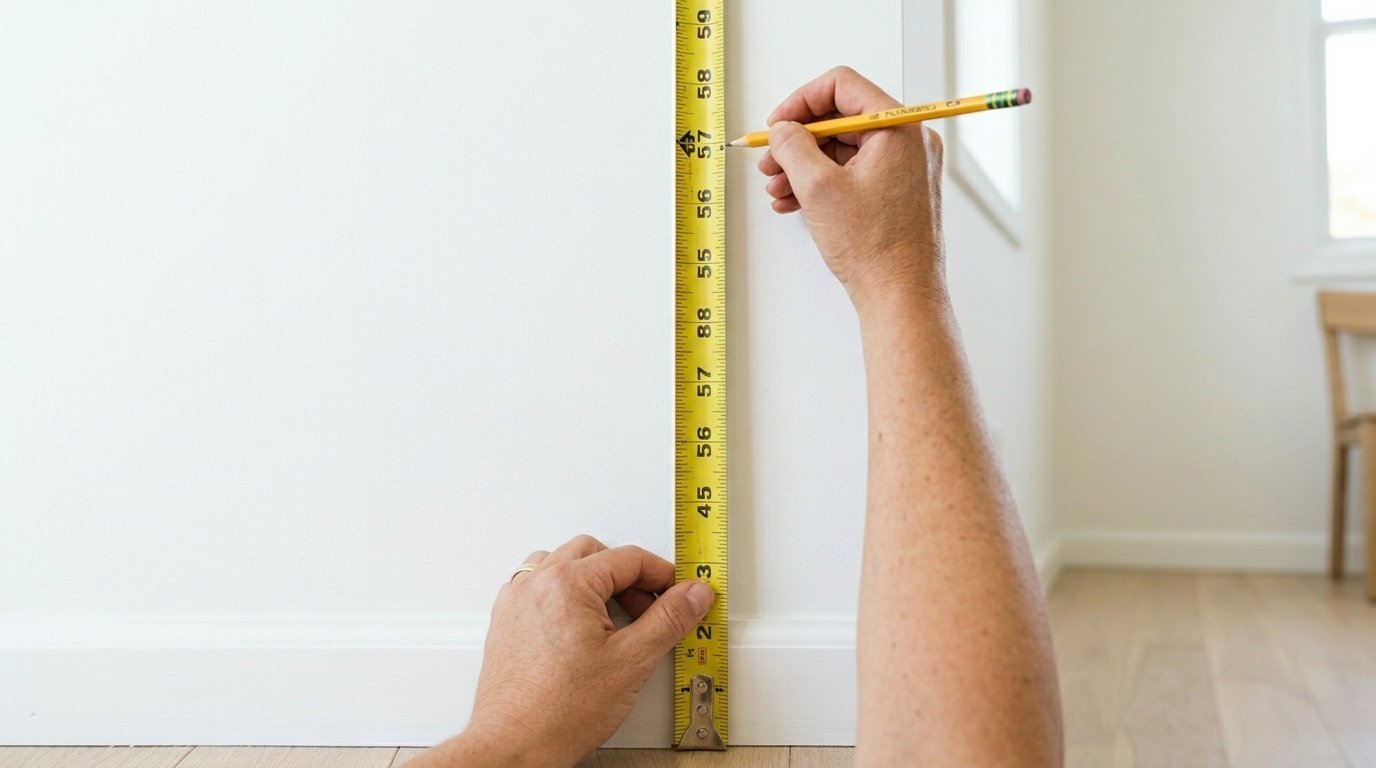
Museums use a strict math formula for hanging displays. You must place the center of the art exactly 57 inches from the floor. This matches the average human eye level perfectly. You need a tape measure, a pencil, and a calculator.
Measure the total height of your canvas art painting. Divide that number by two. Subtract the distance from the top of the frame to the hanging wire. Add 57 to your final number. This gives you the exact wall mark for your nail.
You must adjust this rule for living rooms. People sit down in living rooms. You view the art from a lower angle. Hang the piece exactly six to eight inches above the back of your sofa. This creates a visual bridge between the furniture and the art.
If you leave too much space, the art floats away from the sofa. A disconnected piece makes the ceiling feel much lower. You want the eye to travel smoothly from the couch to the canvas. Have a friend hold the piece against the wall first. Take a step back and check the height before drilling holes.
Which specific hardware keeps heavy pieces on the wall?
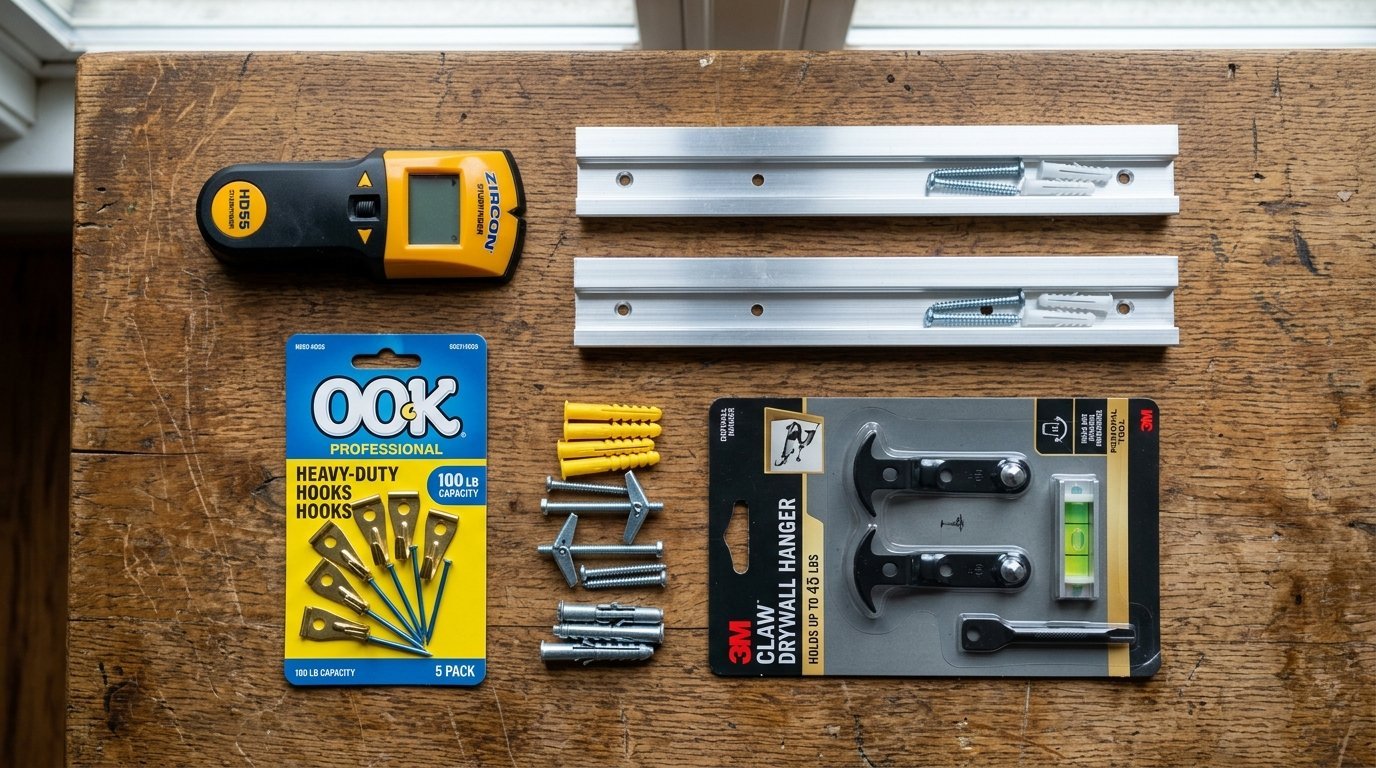
Massive art requires serious wall anchors. A simple nail will fail eventually. You must weigh your piece before buying hardware. Use a standard bathroom scale. Hold the art and step on the scale. Subtract your own weight. Now you know the exact load.
3M Claw hooks handle up to 65 pounds easily. You push them directly into drywall. They leave tiny holes behind. I use these mostly for rental spaces. OOK picture hooks use angled steel nails. The angle distributes the weight safely across the drywall. A heavy duty OOK hook holds 100 pounds. They cost around five dollars for a pack.
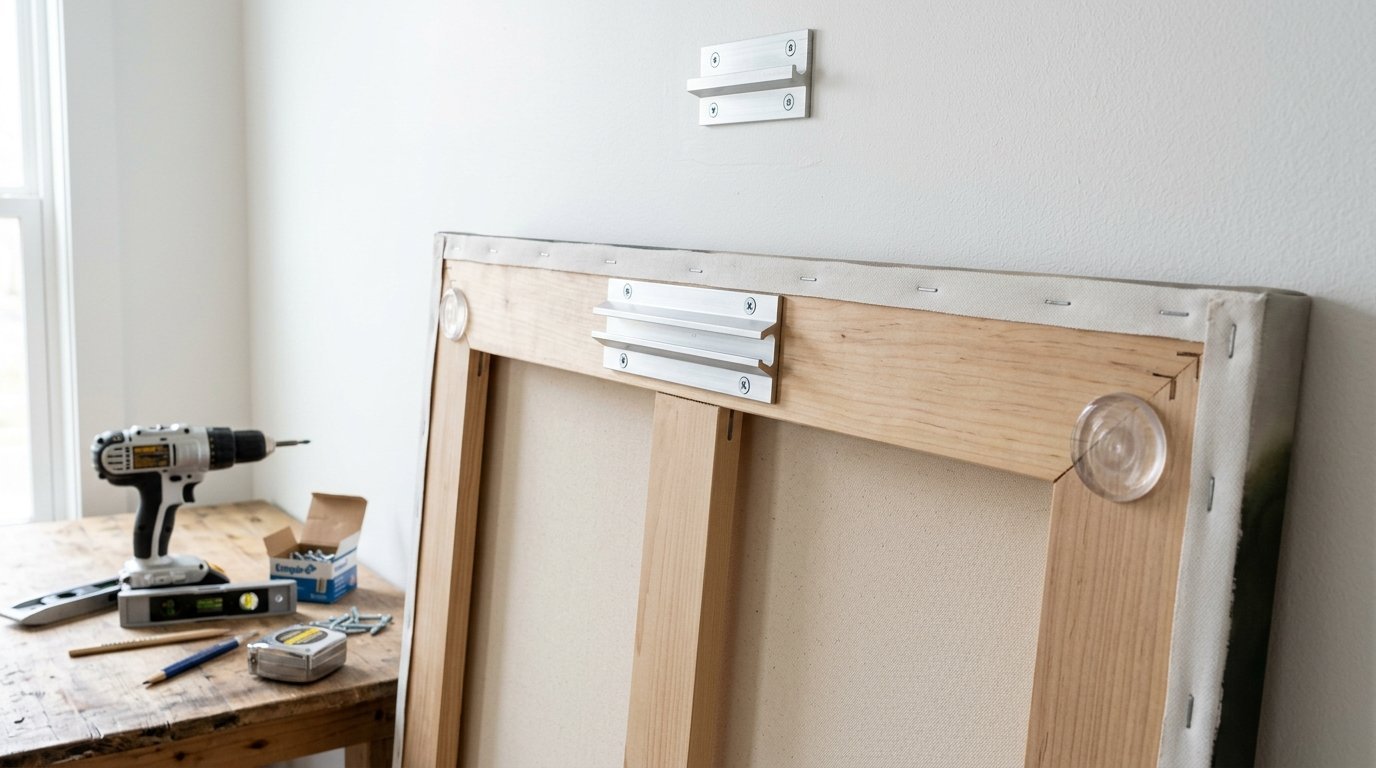
French cleats offer the absolute most security. A French cleat consists of two interlocking metal brackets. You attach one bracket to the wall. You attach the second bracket to the frame. They slide together and lock securely.
You must use a stud finder for French cleats. I highly recommend the Zircon StudSensor. It costs around 20 dollars. Drive three inch wood screws directly into the wall studs. This method easily holds 200 pounds. You can sleep peacefully knowing the frame stays exactly where you put it.
How do you prepare the wall and frame for a clean look?
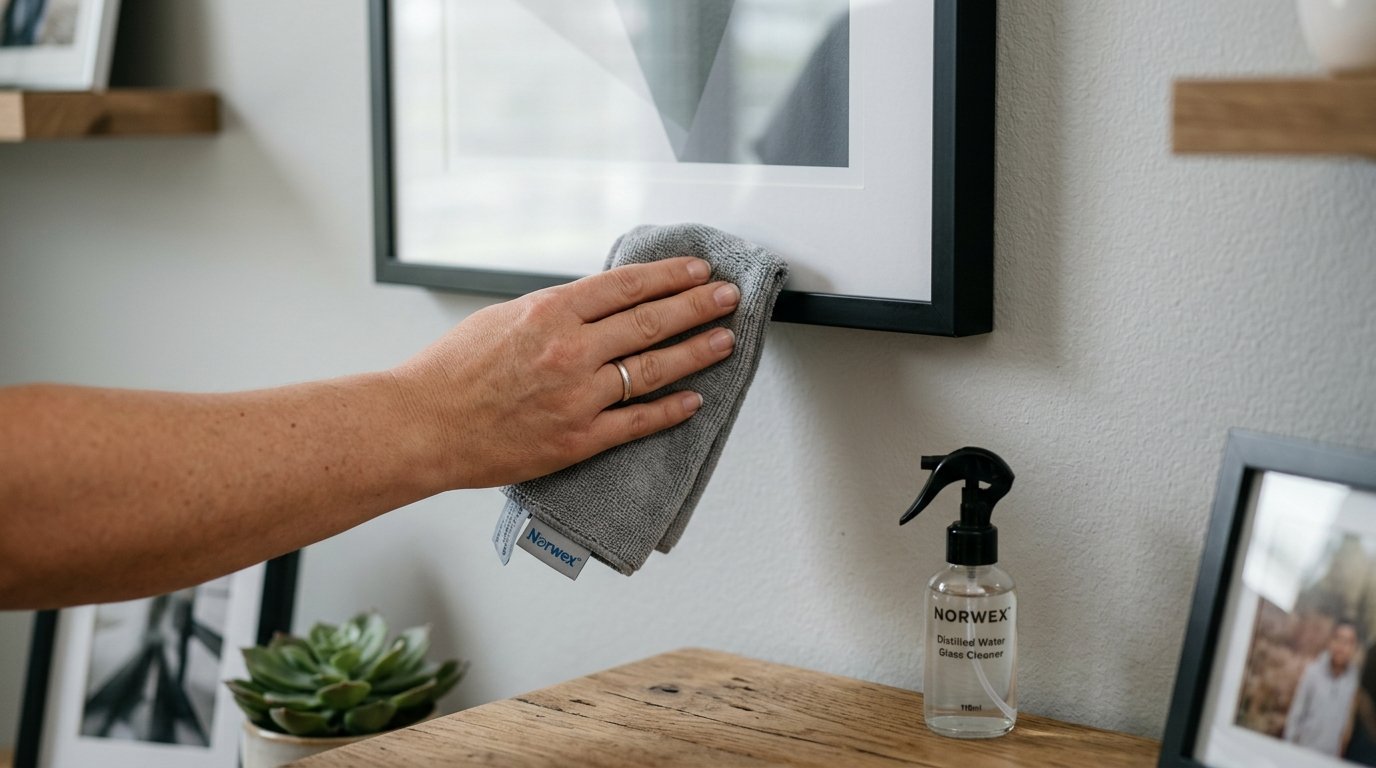
Dirt ruins a minimalist aesthetic quickly. Fingerprints on glass or canvas distract the eye. You need a strict cleaning routine. I use Norwex microfiber cloths. They grab dust without leaving any lint behind.
I never use tap water on glass. Tap water leaves stubborn mineral streaks. I use pure distilled water in a small spray bottle. Spray the cloth directly. Never spray the art itself. I use high purity isopropyl alcohol for sticky spots on the frame. It evaporates instantly.
Moisture destroys wall pieces over time. I saw this destroy a beautiful piece in my hallway three years ago. The damp air got behind the frame and caused black spots. The silver backing separated completely. I noticed this issue with a gold frame in my bedroom last summer. Every time I wiped the glass, water gathered at the absolute bottom curve.
You must create airflow behind the art. Stick clear rubber bumpers on the bottom back corners of the frame. The bumpers push the bottom of the frame away from the wall. This allows air to circulate freely. It prevents mold growth on your drywall. This simple trick saves your walls and your expensive investment.
Can you create your own statement piece from scratch?
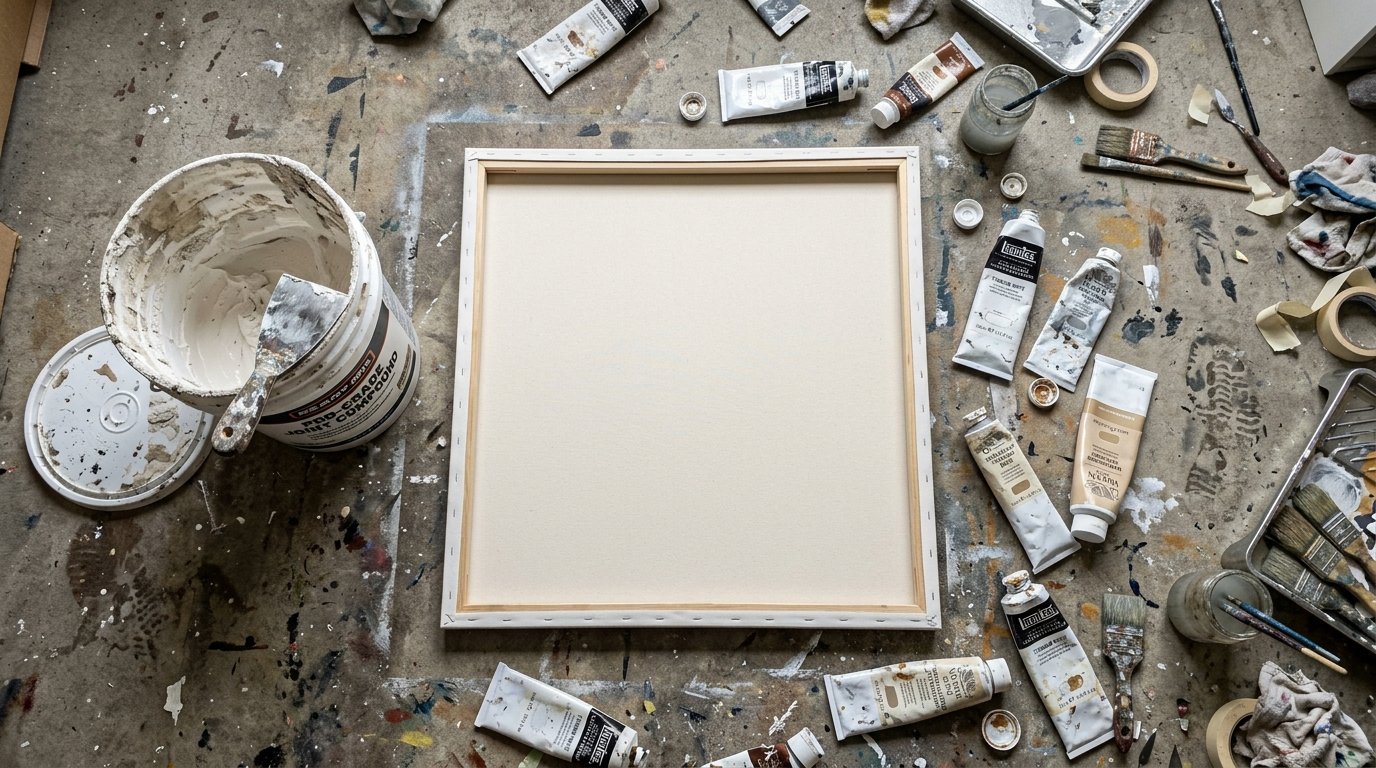
Store bought massive art costs thousands of dollars. You can make diy abstract canvas art for under 100 dollars. I prefer creating heavily textured pieces. You need a large blank canvas first. Buy a 36×48 canvas from a local craft store.
You need drywall joint compound next. Buy a pre mixed bucket from a hardware store. Use a plastic putty knife to spread the compound across the canvas. Create large sweeping arches. Let the wet compound dry for 24 hours.
Once dry, apply a base coat of white acrylic paint. You can leave it pure white for a stark minimalist look. You can mix beige tones for warmth. I like pairing this textured art with other handmade items. A macrame wall hanging looks great next to a rigid canvas.
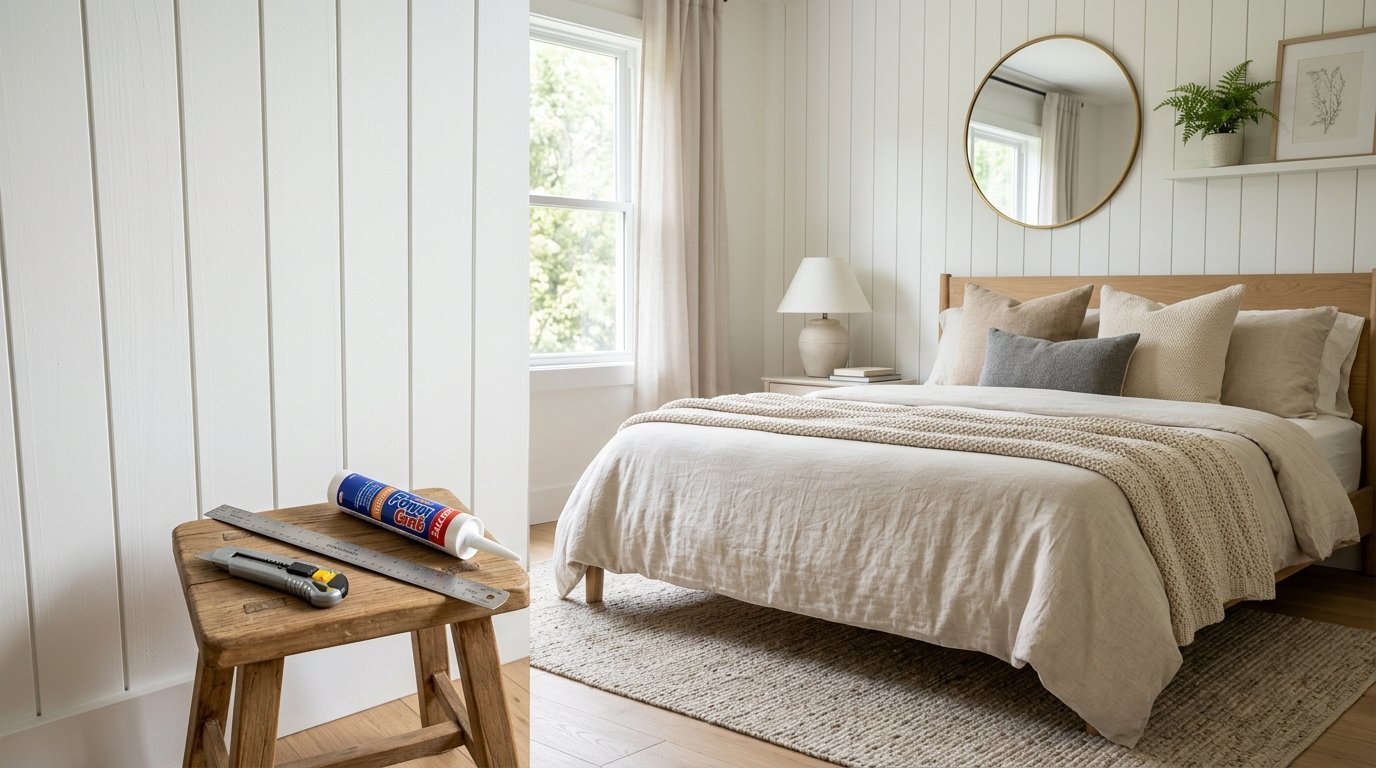
You might want a wooden frame. I tried to build one recently. Three months ago I threw a fresh piece of pine right into the trash. I measured wrong and cut the angles poorly. Framing requires extreme patience. Buy common pine boards. Measure the exact perimeter of your canvas. Cut the corners at a 45 degree angle. Use wood glue and finishing nails to secure the frame. Sand the wood smooth. A thin wood frame makes a large canvas painting look incredibly expensive.
How do you style the room around a minimalist focal point?
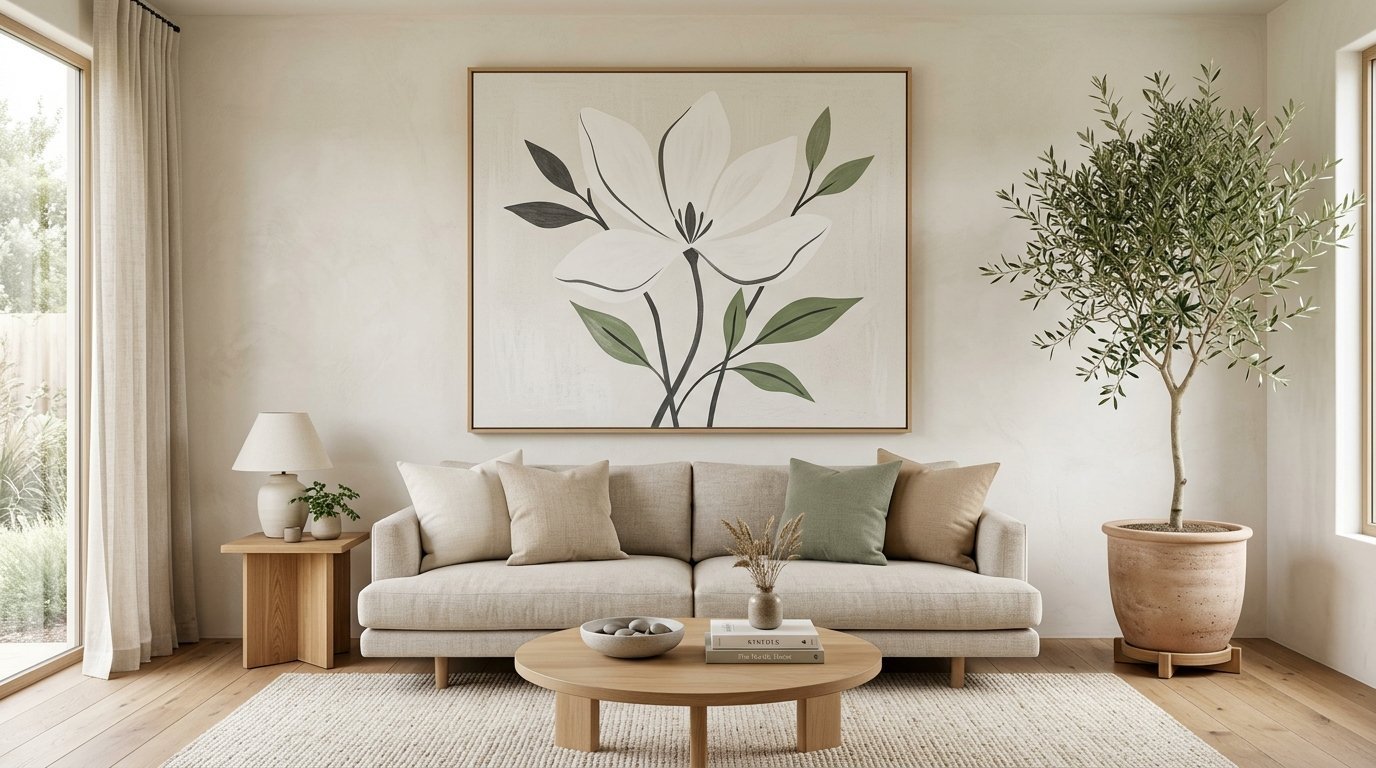
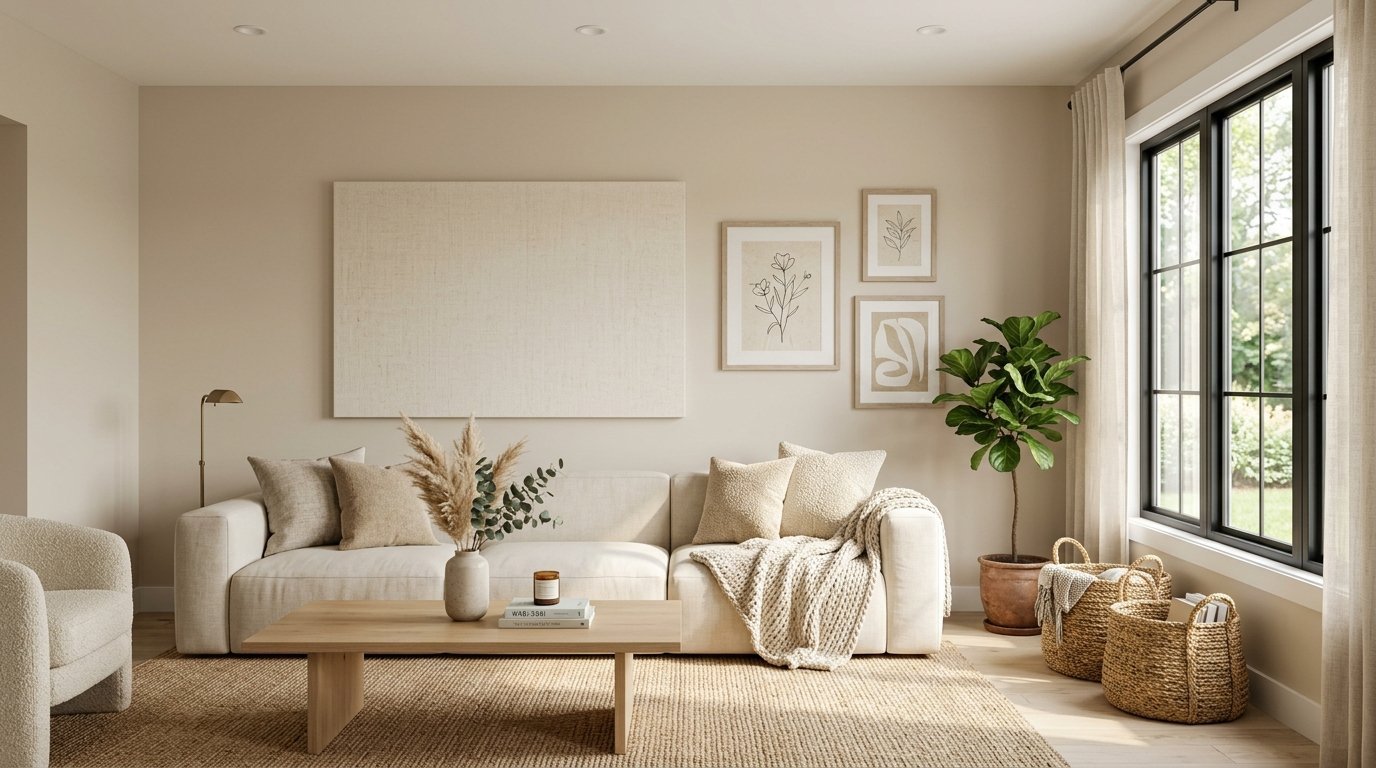
The art dictates the entire room layout. You must pull colors directly from the canvas. A flower graphic design with muted greens pairs well with real house plants. Place a tall olive tree in the corner near the art. The physical plant talks to the visual art.
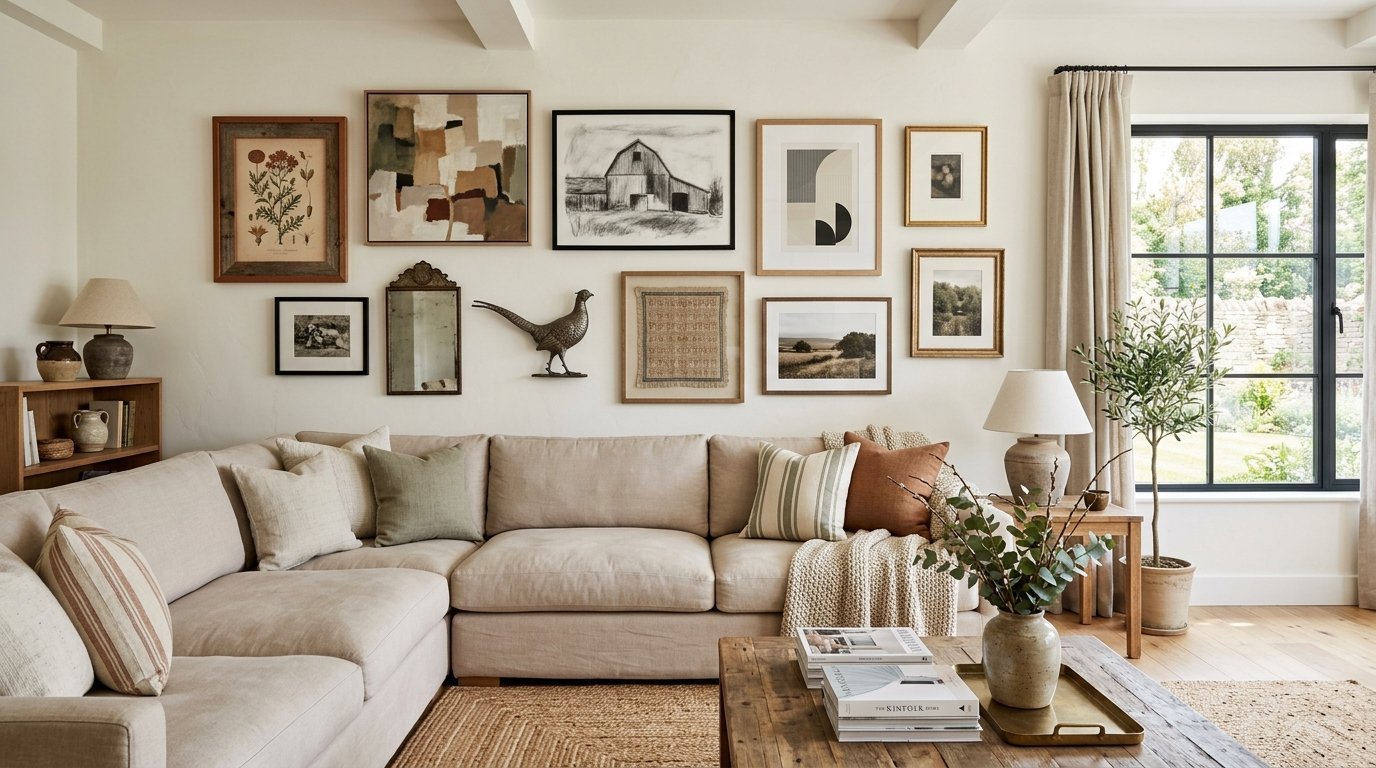
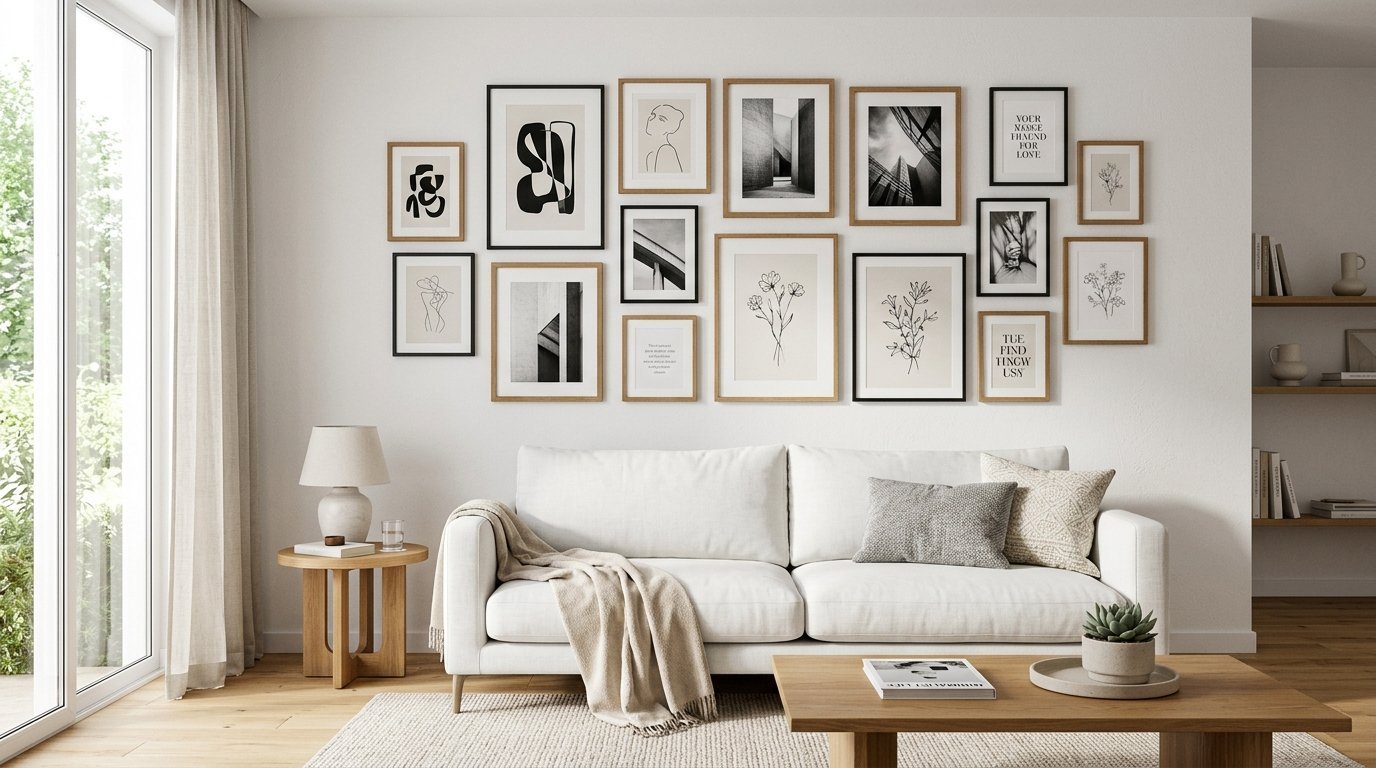
Keep your furniture very low. Low profile sofas make ceilings feel much taller. They give massive art room to breathe. Do not clutter the wall around the big piece. A single large canvas speaks louder than a gallery wall of tiny frames.
Gallery walls look messy in minimalist spaces. Let the negative space frame the art. Place a single ceramic vase on a side table. Do not put competing patterns on your couch pillows. Choose solid linen covers in neutral tones.
The room must feel entirely calm. The art serves as the visual anchor. Everything else plays a quiet supporting role. Remove extra chairs or side tables that crowd the wall. Stand in the doorway and look at the wall. If your eye jumps to a cluttered bookshelf first, move the bookshelf to another room.
How does lighting change the look of oversized art?
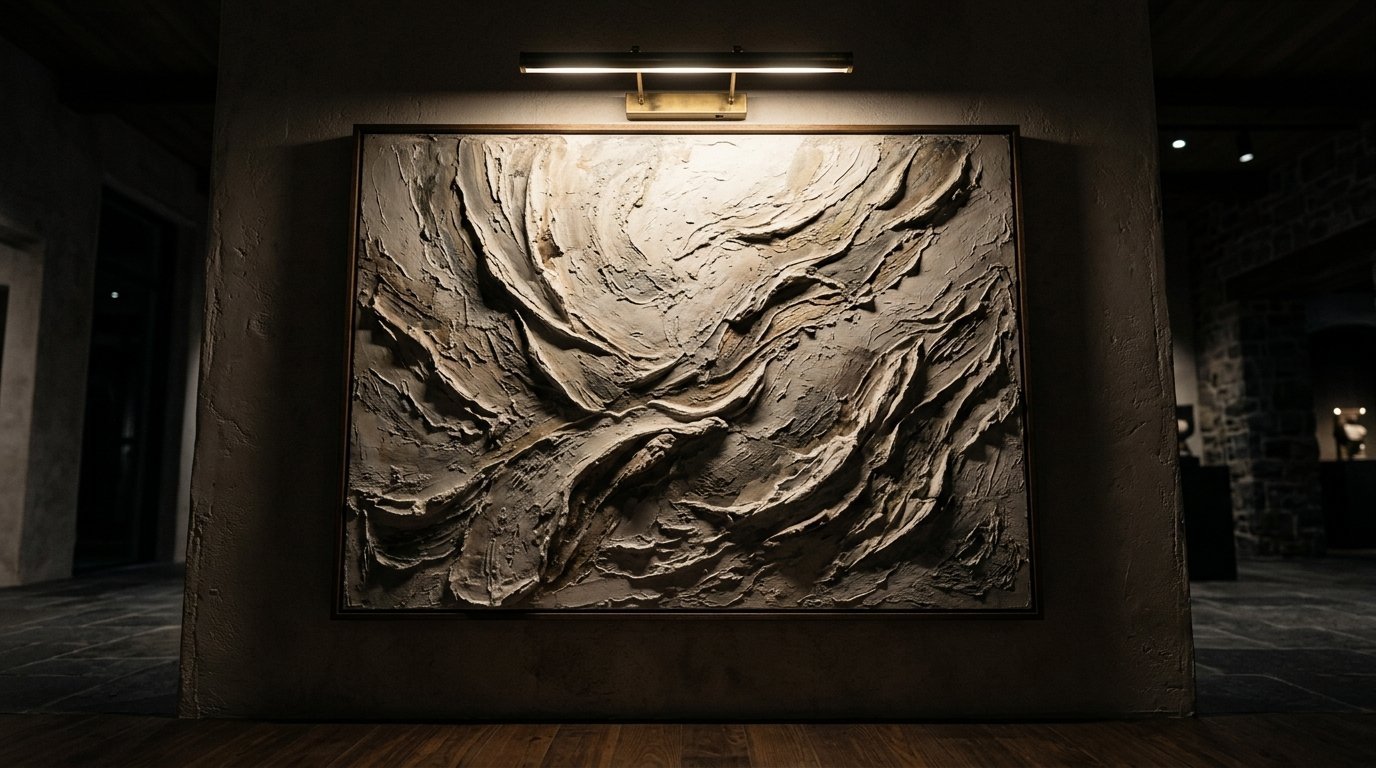
Poor lighting ruins great art instantly. You need dedicated light sources. Ceiling glare washes out canvas colors. Direct sunlight fades expensive paint over time. You must control the light hitting your wall.
Picture lights provide the best gallery look. Buy a battery powered LED picture light. You do not need an electrician to install one. These lights cost around 40 dollars online. Mount the light directly above the frame. Angle the beam slightly downward.
The light washes perfectly over the canvas. It highlights thick paint textures beautifully. You can use a remote control to dim the bulb. Floor lamps also work very well. Place a sleek floor lamp in the room corner. Aim the shade toward the art piece.
This creates a soft side glow. The side light casts long shadows across textured pieces. I tried this with a thick plaster canvas last winter. The shadows made the flat wall look three dimensional. You must test different light temperatures. Warm bulbs make crisp whites look yellow. Cool bulbs make the room feel clinical and cold. Choose a 3000K bulb. This temperature mimics natural daylight perfectly. It shows the true intended colors of your piece.
What are the exact rules for hanging art in rental apartments?
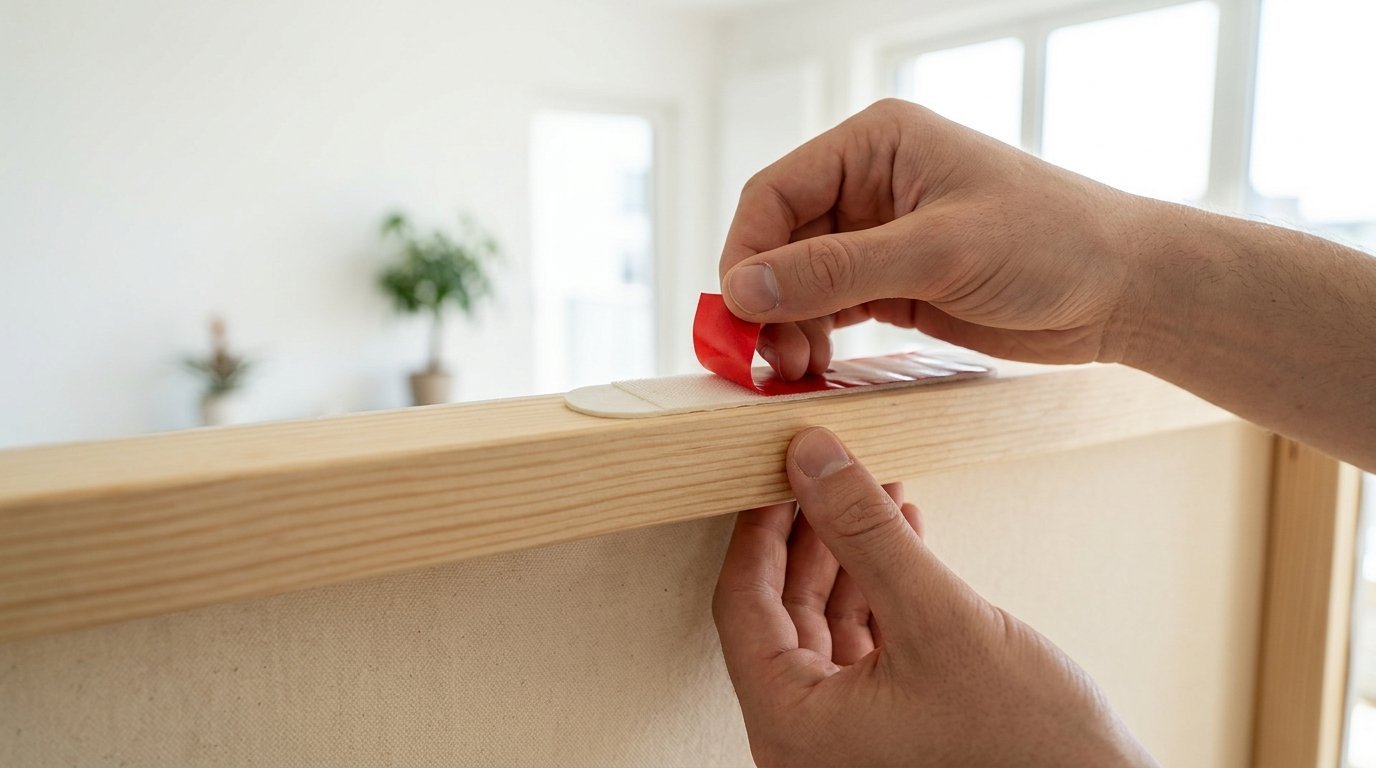
Renters face strict rules about wall damage. Landlords charge heavy fees for large holes. You can still hang massive art safely. You just need much smarter tools. Heavy duty Command Strips work for lighter unframed canvases.
An unframed canvas weighs very little. Use four sets of large Command Strips. Place one set in each back corner. Press firmly against the wall for thirty seconds. This safely holds up to 16 pounds. You leave zero holes when you move out.
Heavier framed pieces require thin nails. The 3M Claw leaves tiny pinholes. You can fill these holes easily on move out day. Buy a small tube of drywall spackle. Put a tiny drop on your index finger. Rub it over the hole gently. Wipe the wall with a damp sponge. The hole disappears instantly. You keep your full security deposit.
Never use large toggle bolts in a rental. Toggle bolts leave massive half inch holes. Patching those requires mesh tape and sanding. Landlords hate patching ruined drywall. Stick to thin nails or adhesive strips. Always read your specific lease agreement first. Some buildings forbid any wall punctures entirely.
If you cannot make holes, lean the art. Buy a massive 60 inch canvas piece. Place it directly on the floor. Lean it securely against the blank wall. Place a heavy ceramic planter in front of the bottom corner. The planter prevents the canvas from sliding forward. Floor leaning creates a relaxed studio vibe. It looks highly intentional and stylish.
How do you safely transport and handle massive canvases?
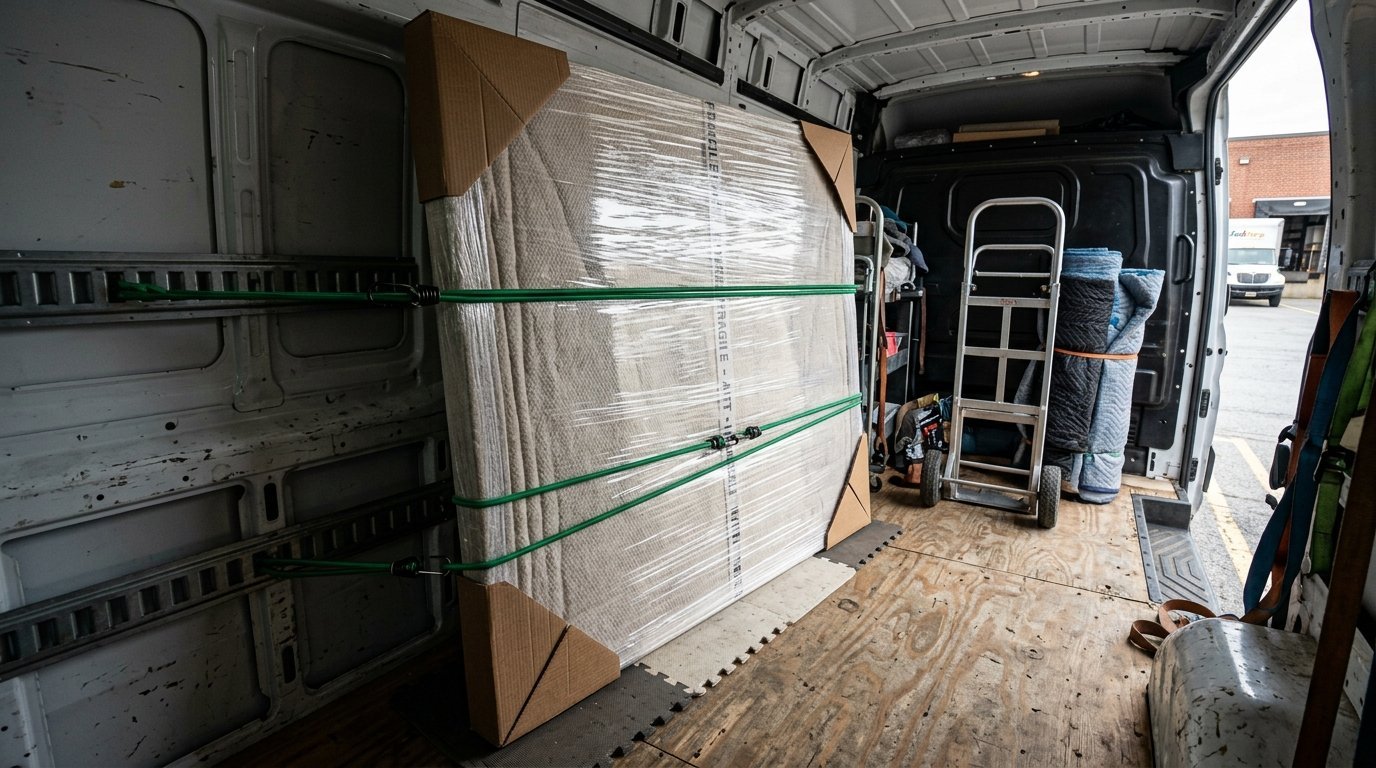
Moving big art causes major anxiety. A 48×60 canvas will not fit in a small car. You must plan the transport carefully. Rent a cargo van for the afternoon. A local van rental costs about 50 dollars.
Do not lay the canvas flat in the van bed. Flat canvases bounce and stretch during transport. Always stand the canvas upright. Secure it to the side wall with tight bungee cords. Wrap the entire piece in thick moving blankets. Tape the blankets tight.
Protect the corners with thick cardboard. Cut cardboard triangles. Tape the triangles over the frame corners securely. Drops usually happen exactly at the corners. Corner protection saves the frame from shattering.
Carry the art indoors with two people. Never drag the bottom edge on a hard floor. Wash your hands thoroughly before touching raw canvas. Oils from your skin leave permanent yellow marks over time. Wear clean cotton gloves if possible. Professional art handlers always wear gloves.
Once inside, place the art on a soft rug. Do not lean it against a sharp table edge. Sharp edges dent the tight canvas permanently. Let the piece adjust to the room temperature for a few hours. Wood frames expand and shrink with temperature changes. Letting it settle prevents the joints from cracking.
What are the exact costs associated with oversized pieces?
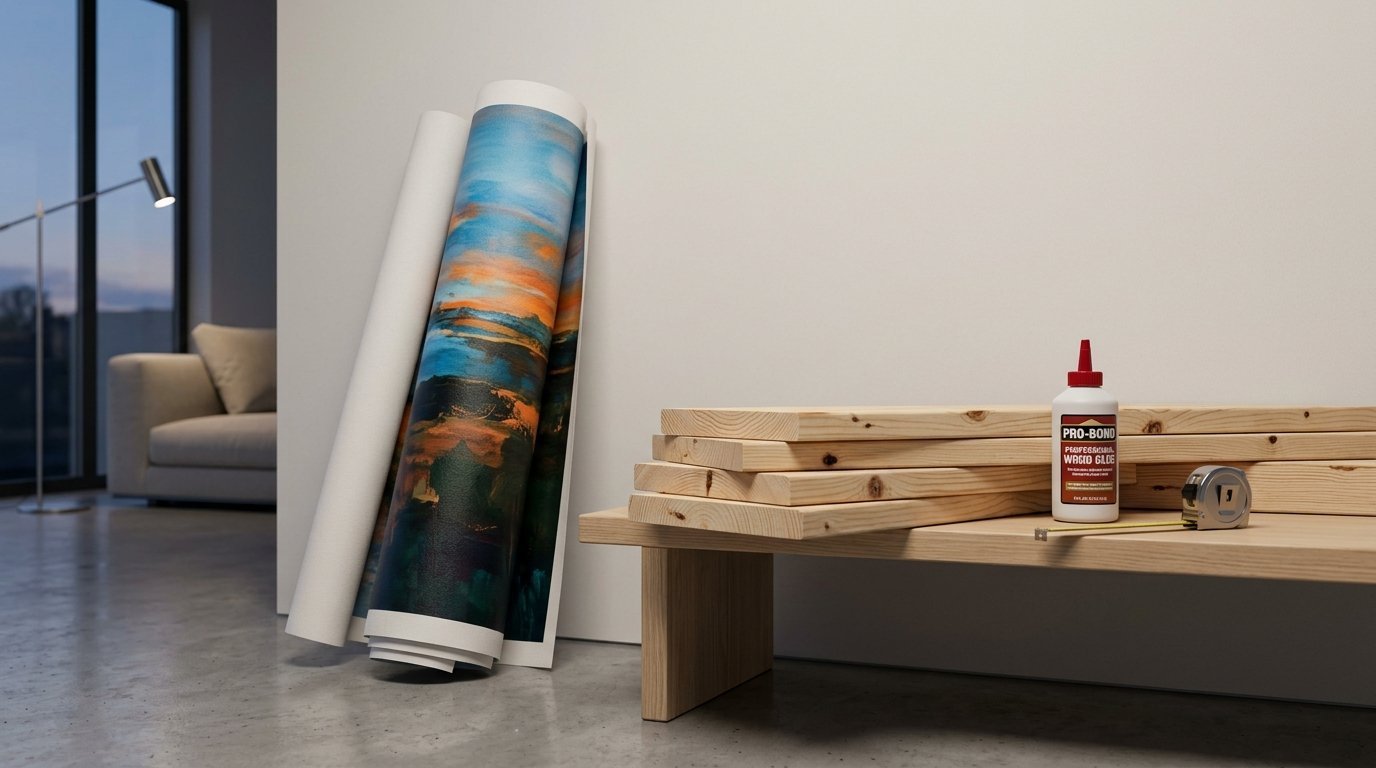
You need a realistic budget before starting. Big art demands big money typically. A gallery original easily costs 5000 dollars. You have much cheaper options available. High quality prints on canvas cost between 200 and 500 dollars.
You can buy digital files from artists online. A high resolution digital file costs about 20 dollars. You take the file to a local print shop. Printing a massive paper poster costs around 80 dollars. You then need a frame.
Custom framing is extremely expensive. Framing a 40×60 poster at a craft store costs 400 dollars minimum. The glass alone costs a fortune to ship safely. Acrylic glazing costs less and weighs less than real glass. It does not shatter if dropped. Ask for acrylic instead of glass to save money.
You save massive money by framing it yourself. Buy a premade frame online for 150 dollars. Slide the print in yourself on the living room floor. A diy plaster canvas costs the absolute least. You spend 40 dollars on a blank canvas. You spend 10 dollars on joint compound. You get a massive focal point for 50 dollars total.
You must budget for the hanging hardware too. Heavy anchors and laser levels cost about 30 dollars. Factor all these numbers before starting your room makeover.
Frequently Asked Questions
1. How high should I hang oversized art above a couch?
Hang the bottom edge of the frame six to eight inches above the back of your couch. This gap connects the art to the furniture.
2. Can I use Command strips for very large frames?
Do not use Command strips for heavy frames with glass. You can only use them for lightweight unframed canvases. Check the exact weight limit on the package.
3. What do I do if I cannot find a wall stud?
Use a heavy duty drywall anchor like a toggle bolt. Toggle bolts fan out behind the drywall. They hold up to 100 pounds safely without a stud.
4. How wide should art be compared to my furniture?
The art should span about two thirds the width of the furniture below it. A 60 inch wide couch needs art around 40 inches wide.
5. Should I center the art on the wall or over the furniture?
Always center the art over the furniture. If you center it on the wall, the art looks misaligned with the couch. The furniture acts as the anchor base.
6. Can I lean a large canvas against the wall on a console table?
Yes. Leaning art creates a relaxed aesthetic. Use a small rubber mat under the frame edge to prevent sliding on smooth wood.
7. How do I clean a canvas without ruining the paint?
Use a dry microfiber cloth like Norwex to dust the surface gently. Never use water or chemical sprays on raw painted canvas.
8. What is the best light bulb temperature for displaying art?
Use a 3000K LED bulb. This gives off a crisp neutral light. Warm bulbs make whites look yellow and dirty.
9. Do I really need to use two hooks to hang a frame?
Always use two hooks spaced apart. One hook acts as a pivot point. The frame will constantly swing out of level. Two hooks keep it perfectly straight.
10. How do I fix a large hole left by a wall anchor?
Push the plastic anchor into the wall cavity. Fill the remaining hole with lightweight spackle. Sand it flush once dry. Paint over the smooth spot.
11. Can I put oversized art in a very small room?
Yes. One massive piece makes a small room feel grand and intentional. Multiple small pieces make a small room feel cluttered and chaotic.
12. Does acrylic glass look as good as real glass?
High quality framing acrylic looks identical to glass. It weighs half as much. It filters UV light better than standard glass.
13. How do I prevent the bottom of the frame from scratching my wall?
Place clear rubber bumpers on the bottom back corners of the frame. They cost three dollars. They protect the paint and allow airflow.
14. Should the frame color match my furniture exactly?
No. Match the frame to other accents in the room. Pair a black frame with black light fixtures or door hardware. Keep the wood tones complementary.
Final Thoughts On Styling Massive Art
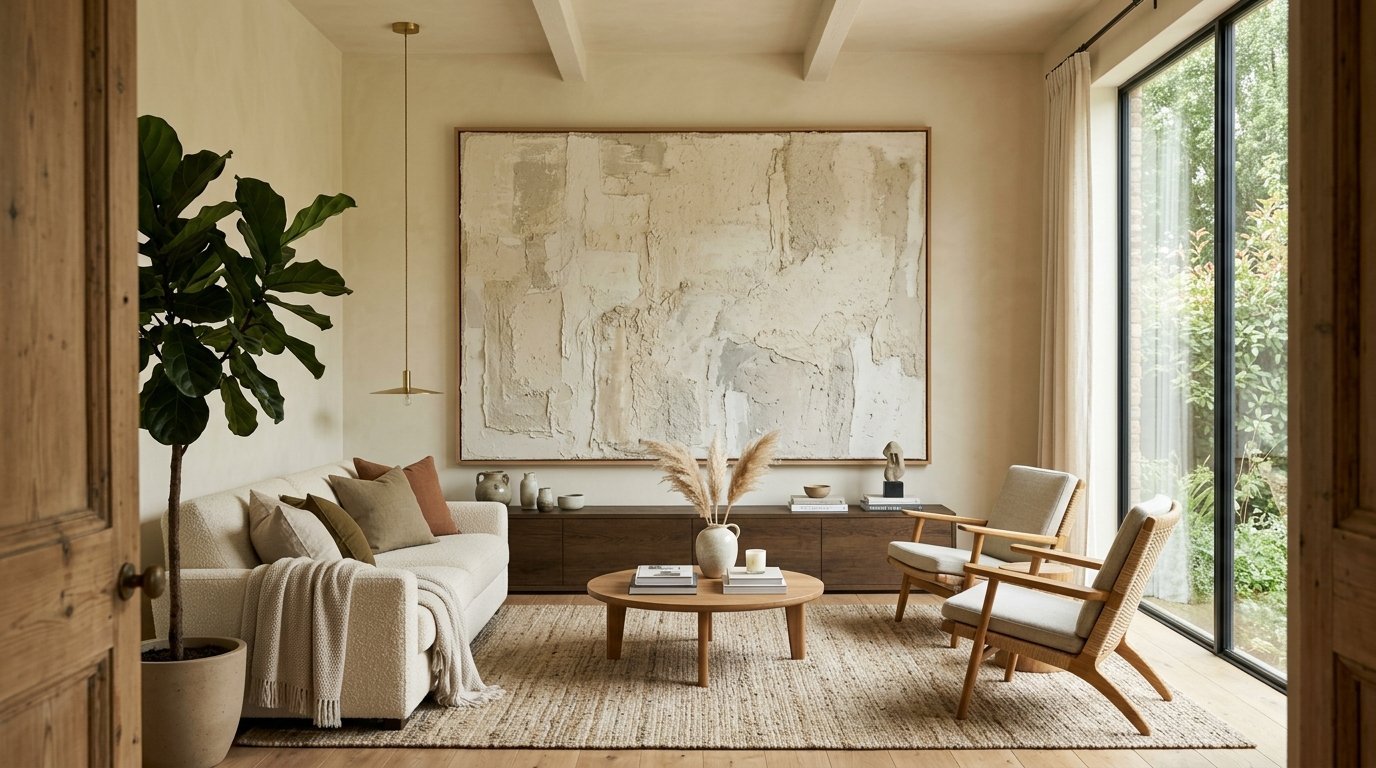
Hanging oversized art changes the entire feeling of your home. You now have the exact measurements and hardware recommendations to hang heavy pieces safely. You know how to prepare your walls and protect the frames from moisture damage. You know exactly how to style your furniture around a massive focal point.

Anya Castellan is the Founder and Editor-in-Chief of Home Wall Trends. An art history graduate of the Rhode Island School of Design with twelve years of experience writing for leading American design publications, she specializes in composition, gallery wall theory, and the quiet architecture of domestic space. A former contributing editor at Architectural Digest and guest lecturer at Parsons School of Design, Anya personally reads and signs off on every piece before it is published.