You stand in the center of your living room. The walls are white. They are cold. They feel like a giant blank test you didn’t study for. I know that feeling. In my first home, I stared at a bare wall for seven months. I was terrified of making a hole in the wrong spot. I didn’t want to waste money on art that looked cheap. I felt stuck.
Most people think they need a degree in Interior Design Your Home projects to make it look good. That is not true. You just need a starting point. This guide takes the stress out of the process. We will look at how to fill those gaps. We will use simple tools and smart ideas. By the end, your room will feel like you. It will feel warm. It will feel finished.
Why does your living room feel empty right now?
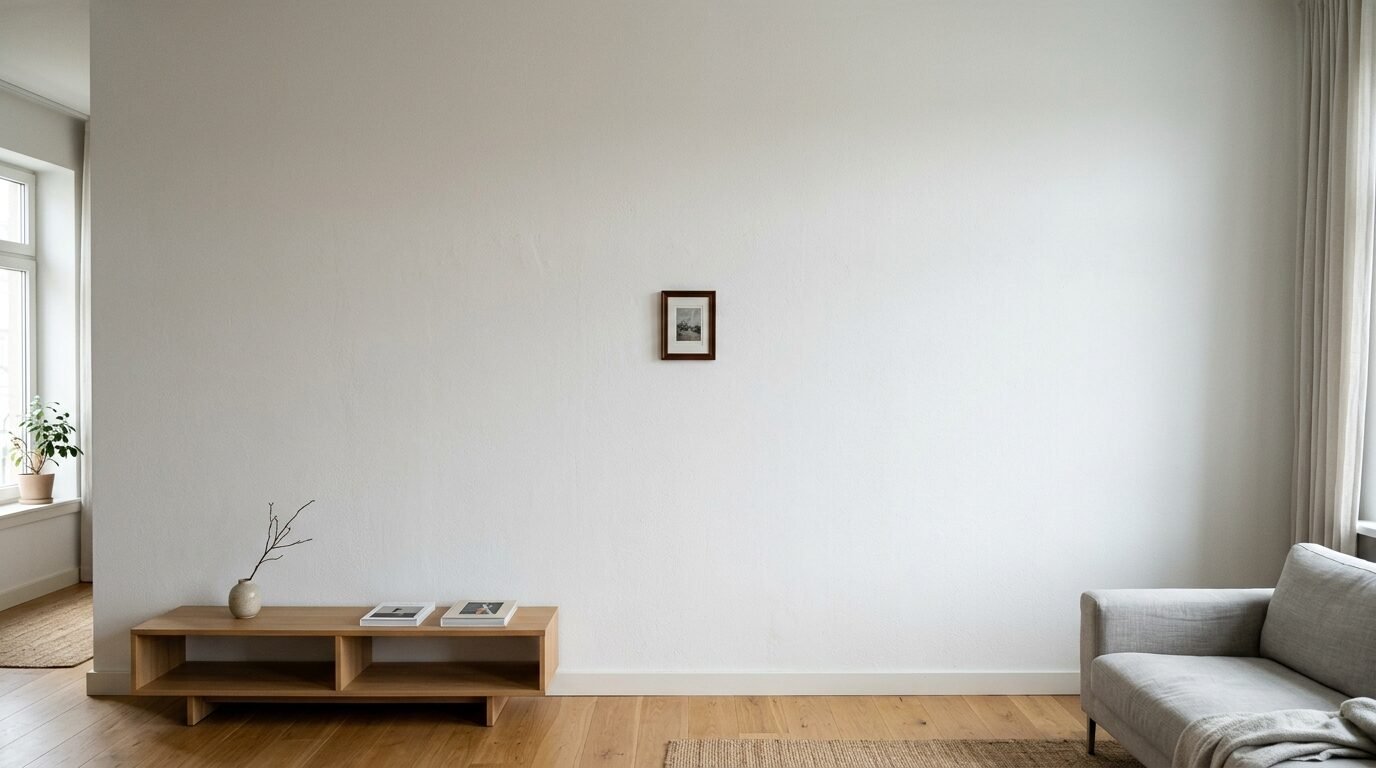
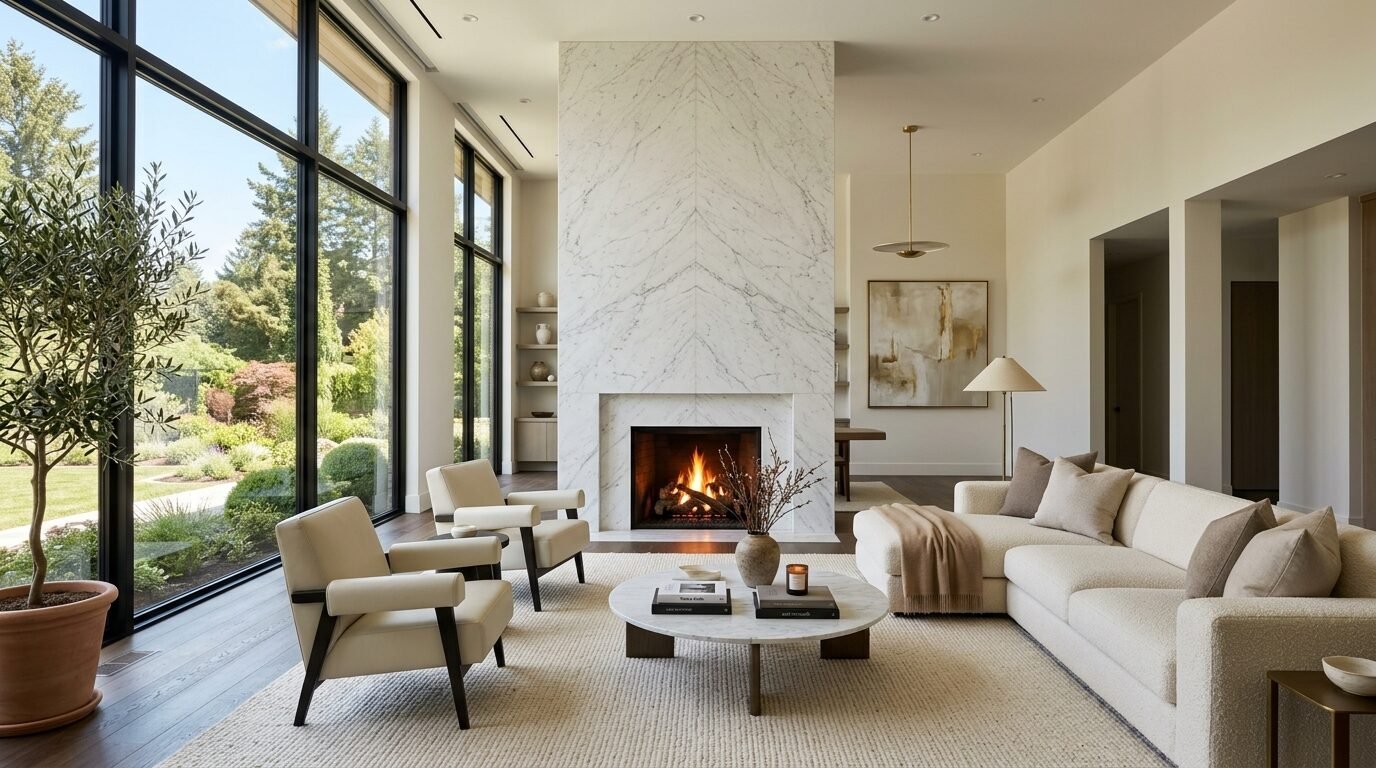
A room feels empty when it lacks a focal point. Your eyes wander. They find nothing to rest on. This creates a sense of unease. I noticed this when I visited a friend last year. She had beautiful furniture. She had nice rugs. But the walls were bare. The room felt like a waiting room, not a home.
The secret is scale. Beginners often buy art that is too small. One tiny frame on a big wall looks like a mistake. It makes the wall look even bigger. You want pieces that command space. Or you want a group of pieces that work together.
Think about your daily life. Do you host friends? Do you read on the sofa? Your decor should reflect that energy. If you want peace, go for soft colors. If you want energy, go for bold shapes. Your home is a mirror. Make sure you like what it says back to you.
How do you choose a style for your home interior?
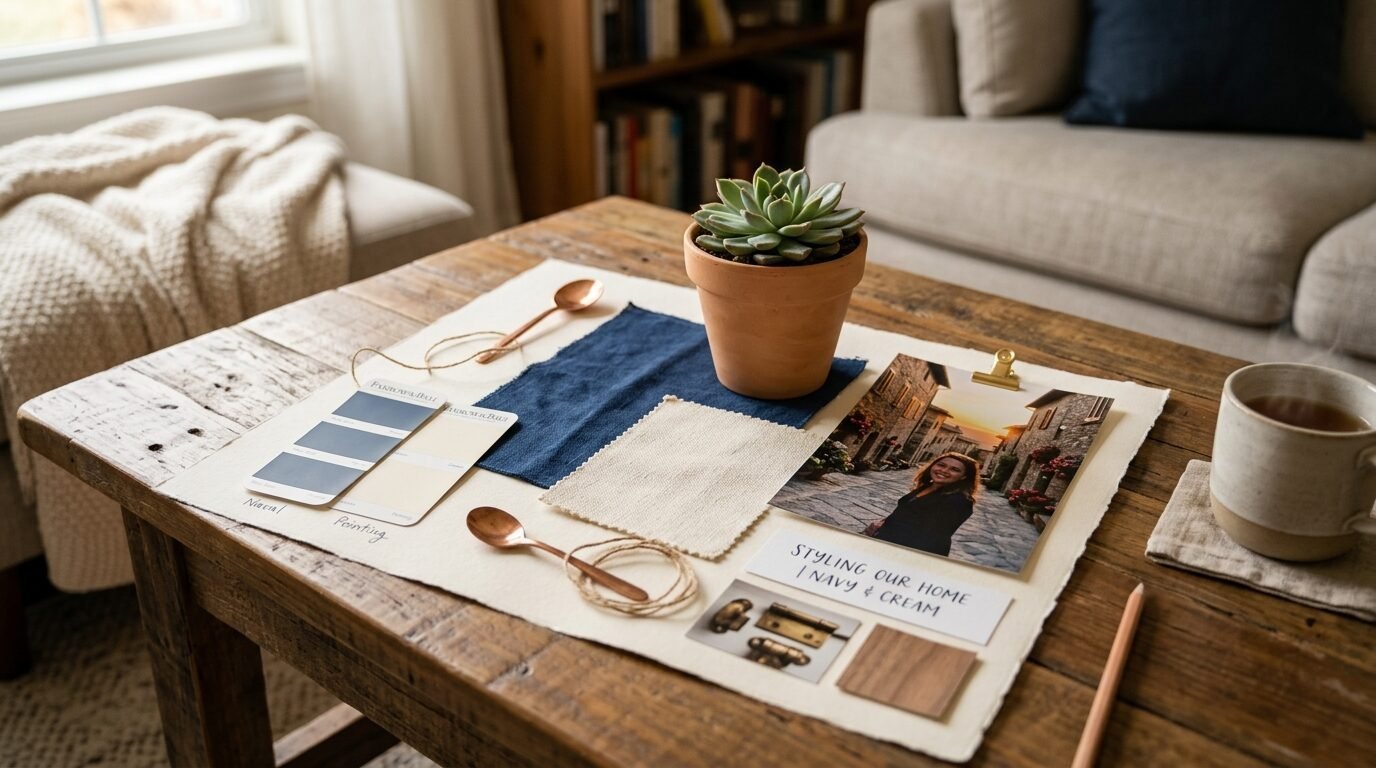
Don’t search for “style” yet. Search for “feeling” instead. Do you want a cozy cabin feel? Or a clean modern look? I spent years trying to fit into “Mid-Century Modern.” It didn’t work. I realized I just liked wood and plants. That was my style.
Start with one item you love. Maybe it is a pillow. Maybe it is a rug. Use that as your anchor. Look at the colors in that item. Those are your wall colors. If your rug has navy blue, look for Wall Painting Decor that uses navy. This creates a flow. It makes the room look like you hired a pro.
I once worked with a client who hated every “trend.” We stopped looking at magazines. We looked at her travel photos. We turned those into a wall. It was the best room in her house. It felt real. Authenticity beats trends every single time.
What are the best wall decor design options for beginners?
The best Wall Decor Design is the one you can finish in an afternoon. Beginners often start projects that take weeks. Then they get tired. They quit. The wall stays half-finished for a year. I have seen this happen with complex stencil projects.
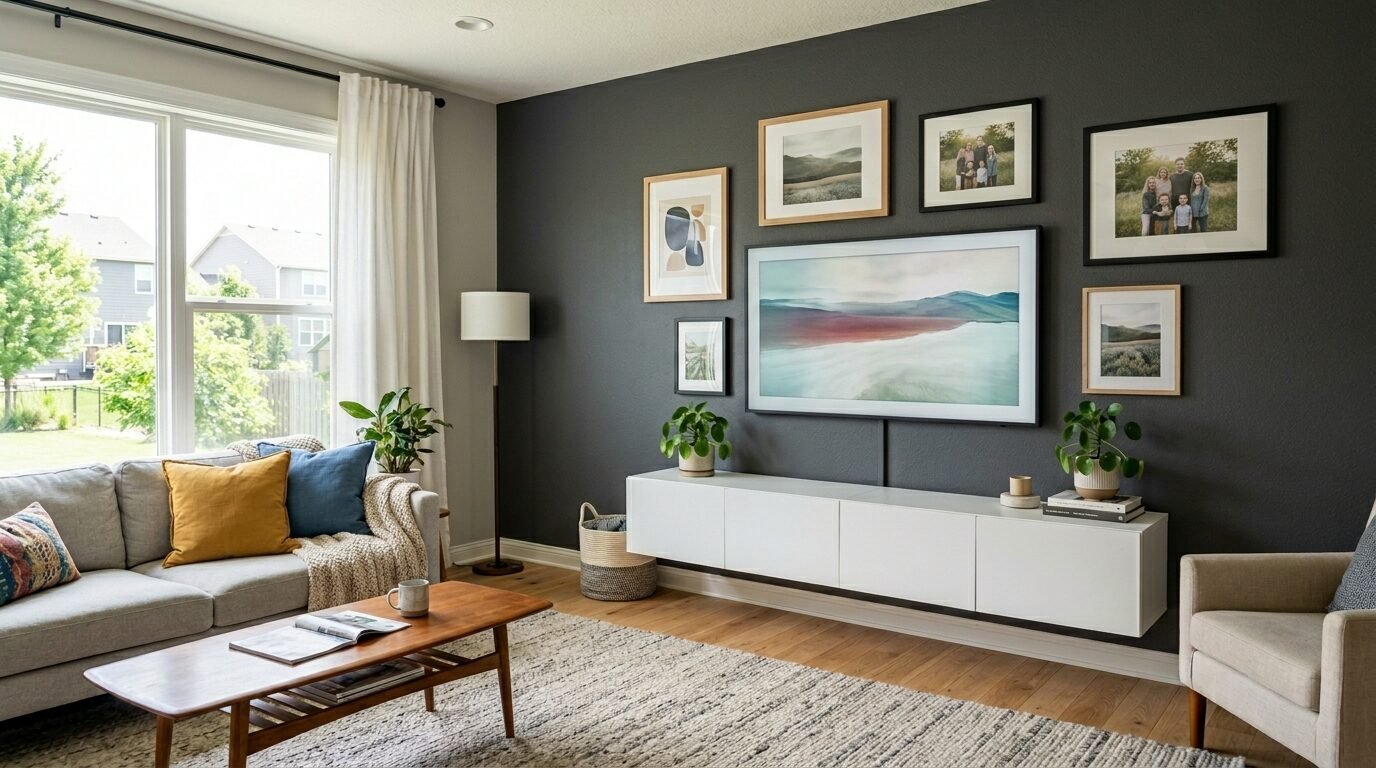
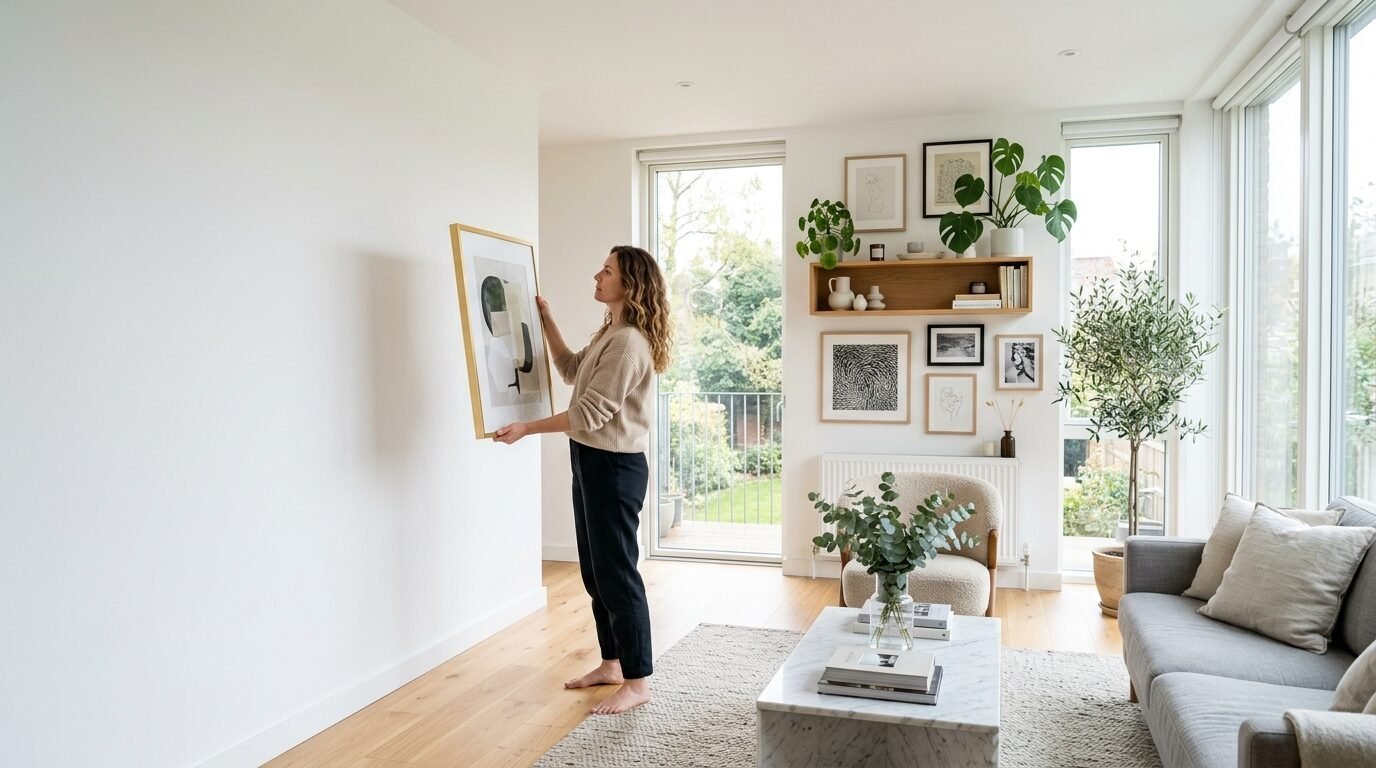
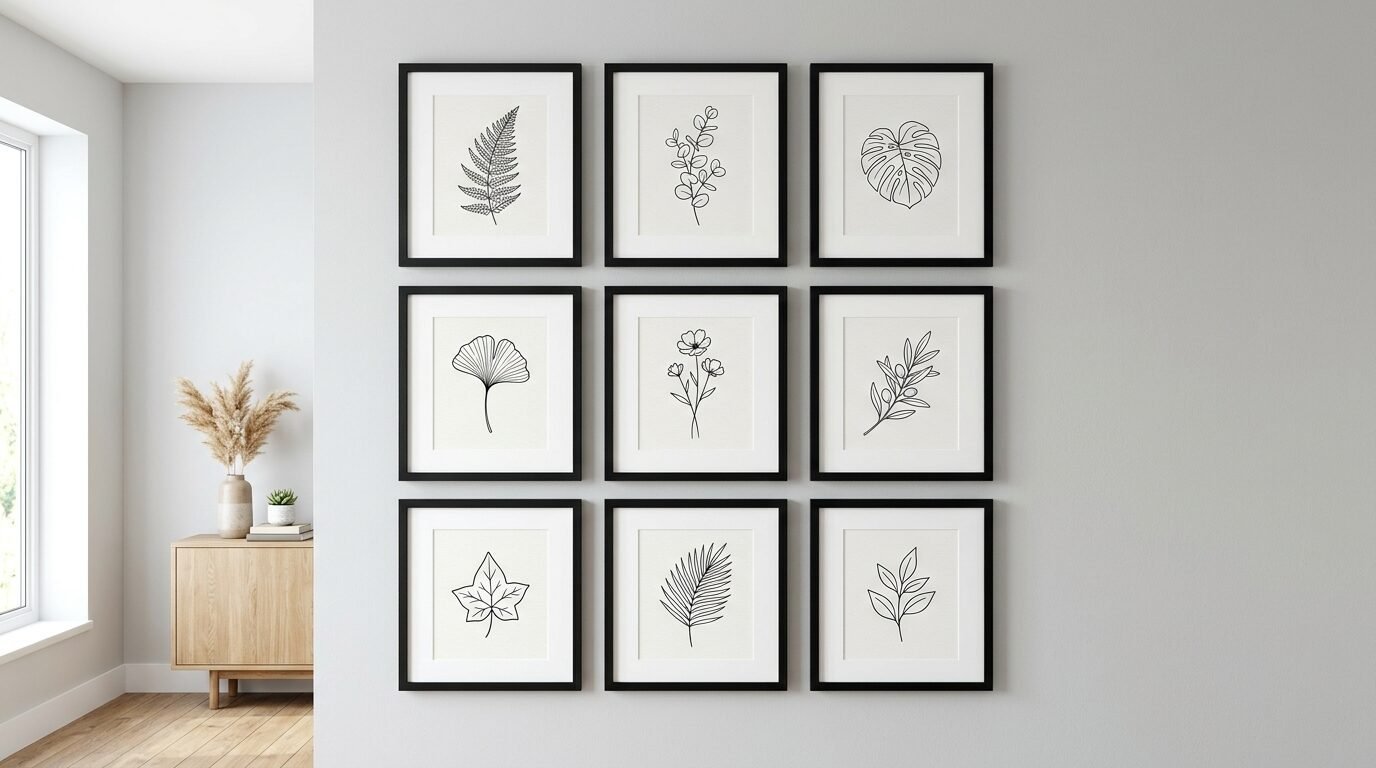
Start with frames. Frames are easy. You can buy them at IKEA or Target. If you want a high-end look, use matching frames. If you want a relaxed look, mix the styles. I prefer the “Grid Method.” Buy nine identical frames. Put the same type of art in each. Hang them in a perfect 3×3 square. It looks expensive. It costs very little.
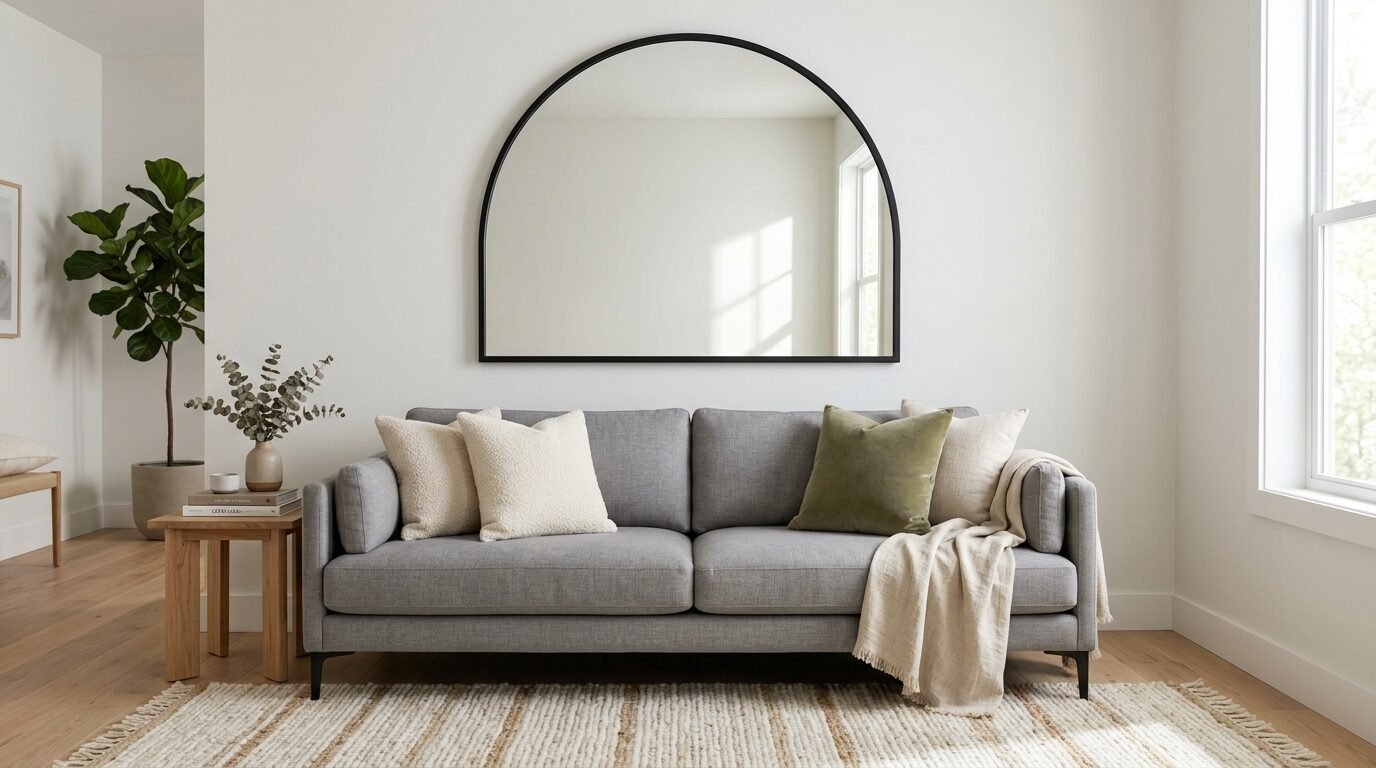
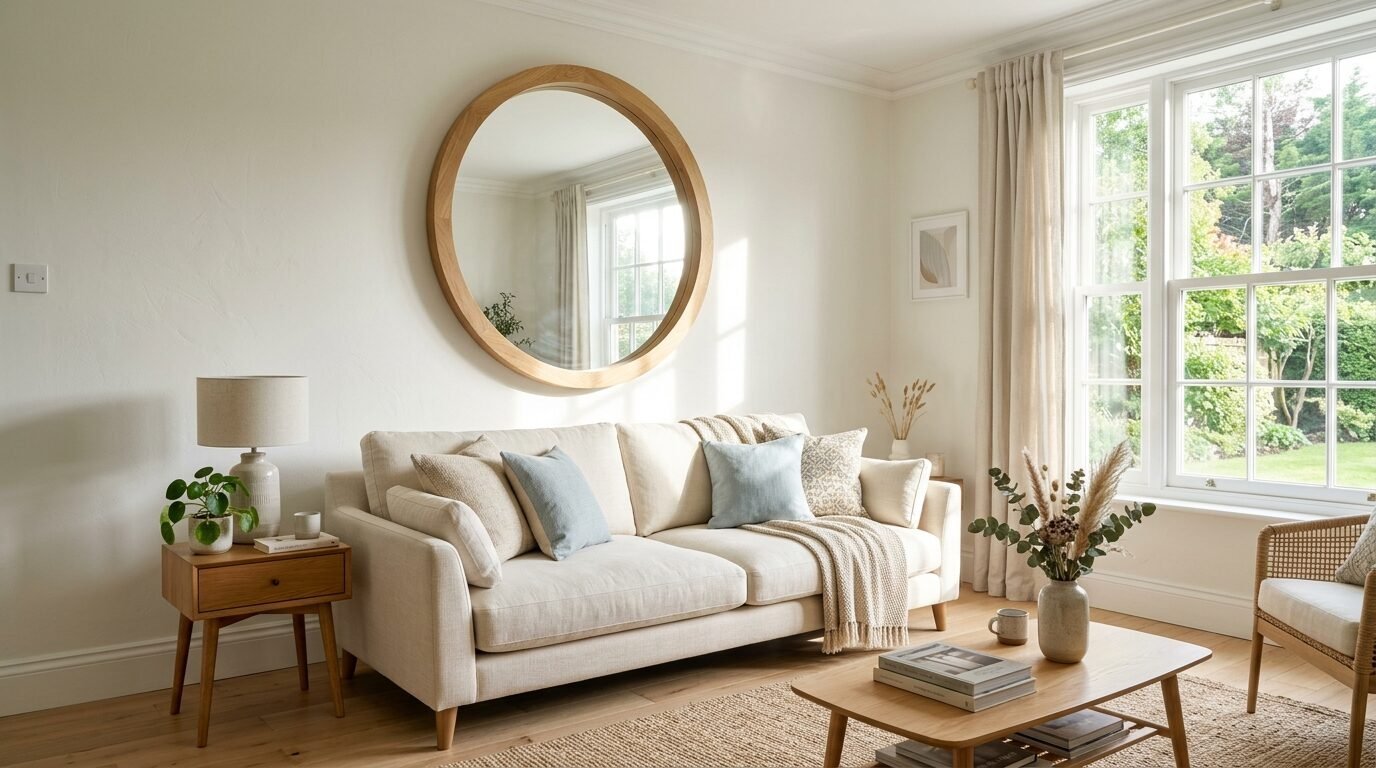
Another win is mirrors. Mirrors do two things. They decorate. They also bring in light. If your room is dark, hang a large mirror. Put it opposite a window. The room will feel twice as big. I used a round mirror from West Elm in my dining area. It changed the whole vibe of the floor.
Where should you place above sofa wall decor ideas?
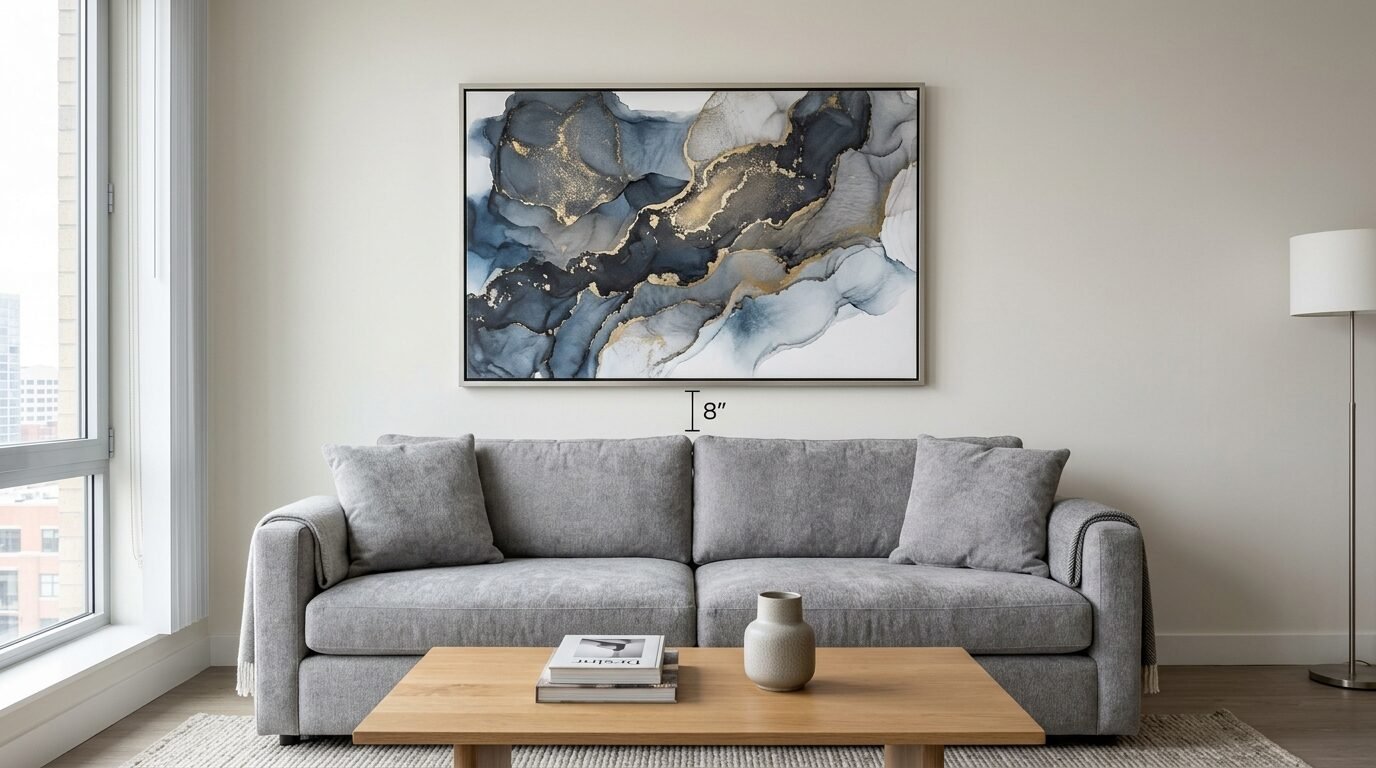
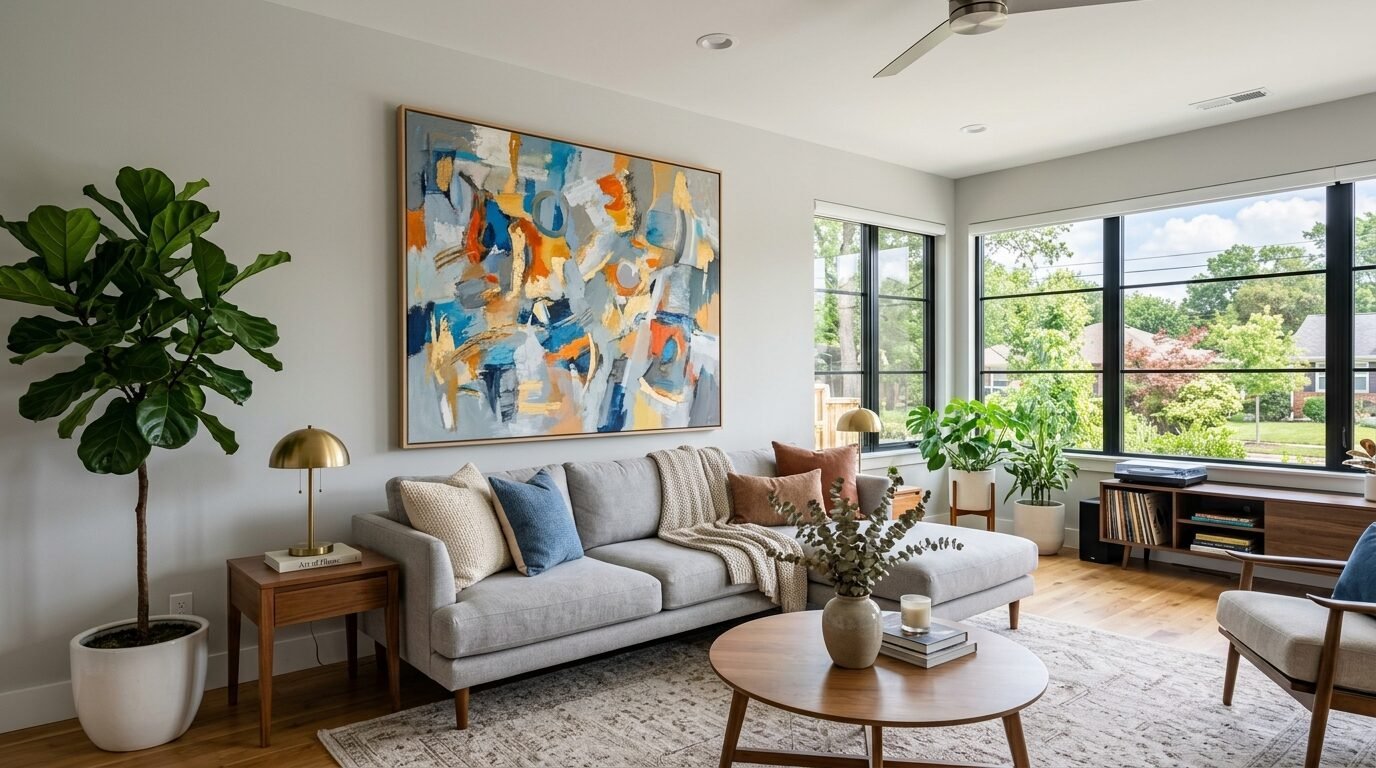
The space above the sofa is the most important spot. It is where eyes go first. Most people hang their art too high. I call this “Museum Height.” It is a mistake. Your art should be 6 to 10 inches above the back of the sofa. It should feel connected to the furniture.
If your art is too high, it looks like it is floating away. It creates a gap that feels awkward. I always tell people to use the “Two-Thirds Rule.” Your Above Sofa Wall Decor Ideas should span about two-thirds of the width of the sofa. If your sofa is 90 inches wide, your art should be around 60 inches wide.
If you have one large piece, center it. If you have a group, treat the group as one large shape. I once tried to hang a gallery wall without measuring. I ended up with twenty extra holes in my drywall. Now, I use brown craft paper. I cut out shapes the size of my frames. I tape them to the wall first. This saves your walls. It saves your sanity.
Can wall shelves design help with small spaces?
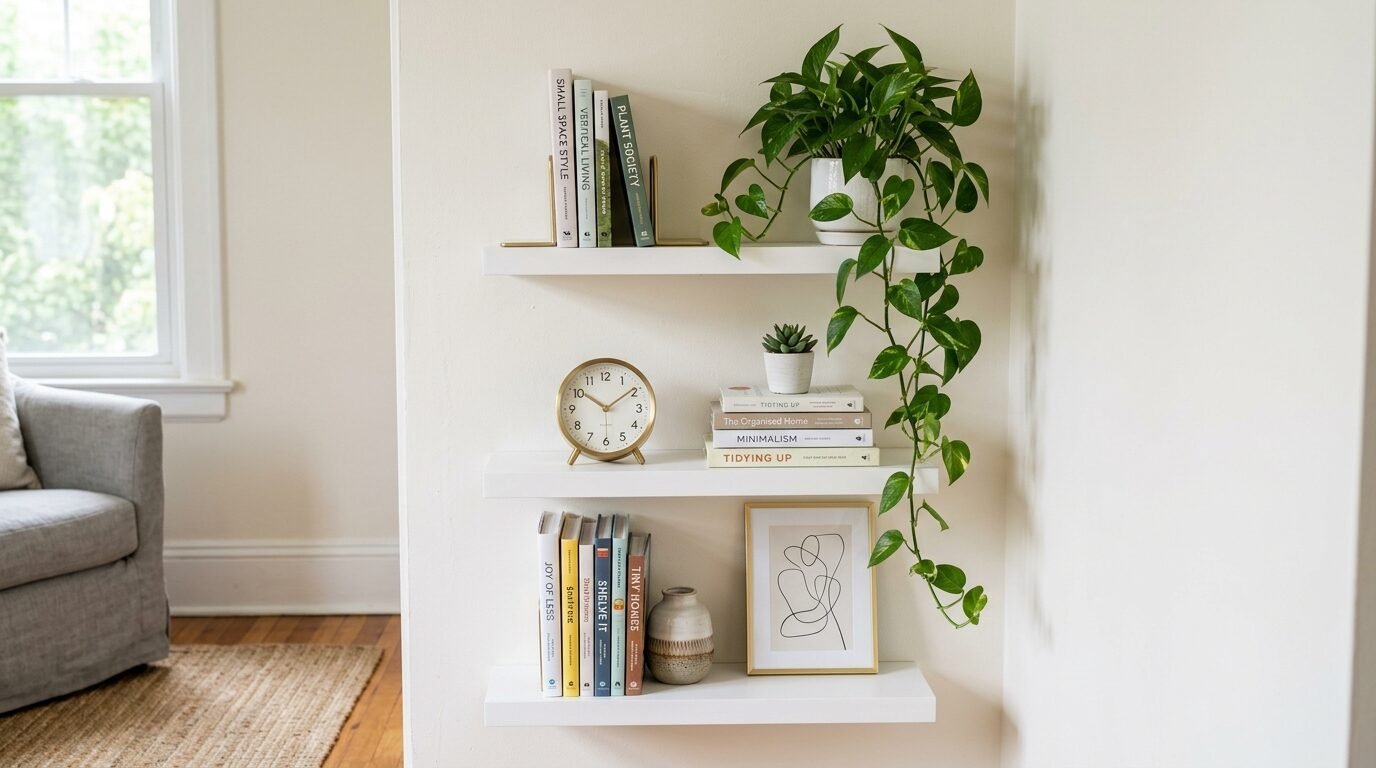
Yes. Shelves are the best friend of a small room. They move the mess off the floor and onto the wall. A good Wall Shelves Design adds depth. It gives you a place to show your personality.
I love the IKEA Lack shelves. They are cheap. They have no visible brackets. They look like they grow out of the wall. When you style a shelf, use the “Rule of Three.” Group items in threes. Mix heights. Put a tall book, a medium plant, and a small candle together.
Don’t overfill the shelves. A crowded shelf makes a room feel heavy. Leave some “white space.” This lets the eye breathe. In my home office, I have one shelf just for my favorite journals. It keeps them handy. It also looks like a curated collection.
How to create DIY wall art decor on a budget?
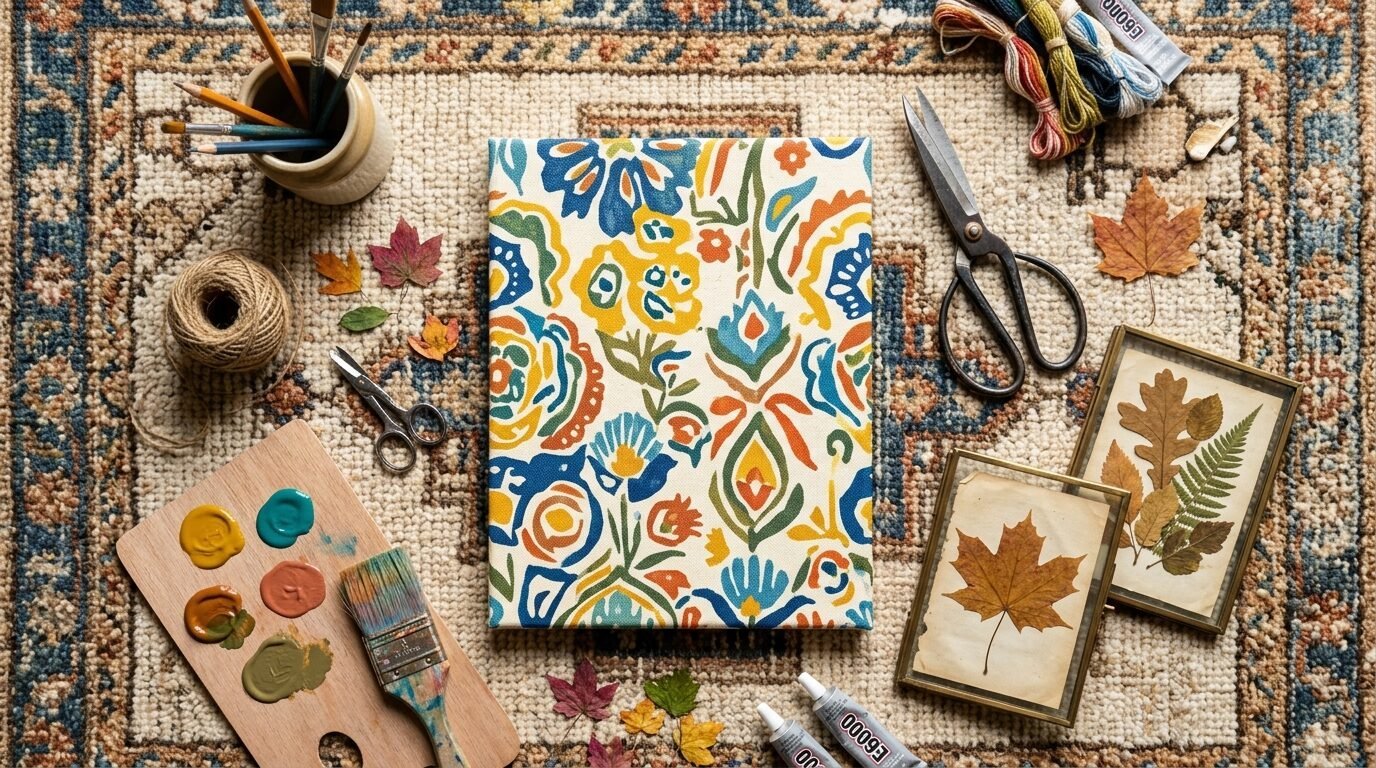
You do not need to be an artist to make Diy Wall Art Decor. You just need a little bit of nerve. One of my favorite tricks is using fabric. Buy a yard of beautiful textile. Stretch it over a wooden frame. Staple it in the back. You now have a large, textured piece of art. It costs maybe $20.
I also like the “Pressed Leaf” method. Go for a walk. Find three or four pretty leaves. Put them in a heavy book for a week. Buy simple glass frames. Put the leaves inside. It looks like high-end organic decor. I did this with ferns from my backyard. People ask me where I bought them all the time.
Another easy win is digital downloads. Sites like Etsy have thousands of prints for $5. You buy the file. You print it at a local shop like FedEx or Staples. You get professional art for the price of a sandwich. I once filled an entire hallway using this method for under $100.
What is the best way to handle wall painting decor?
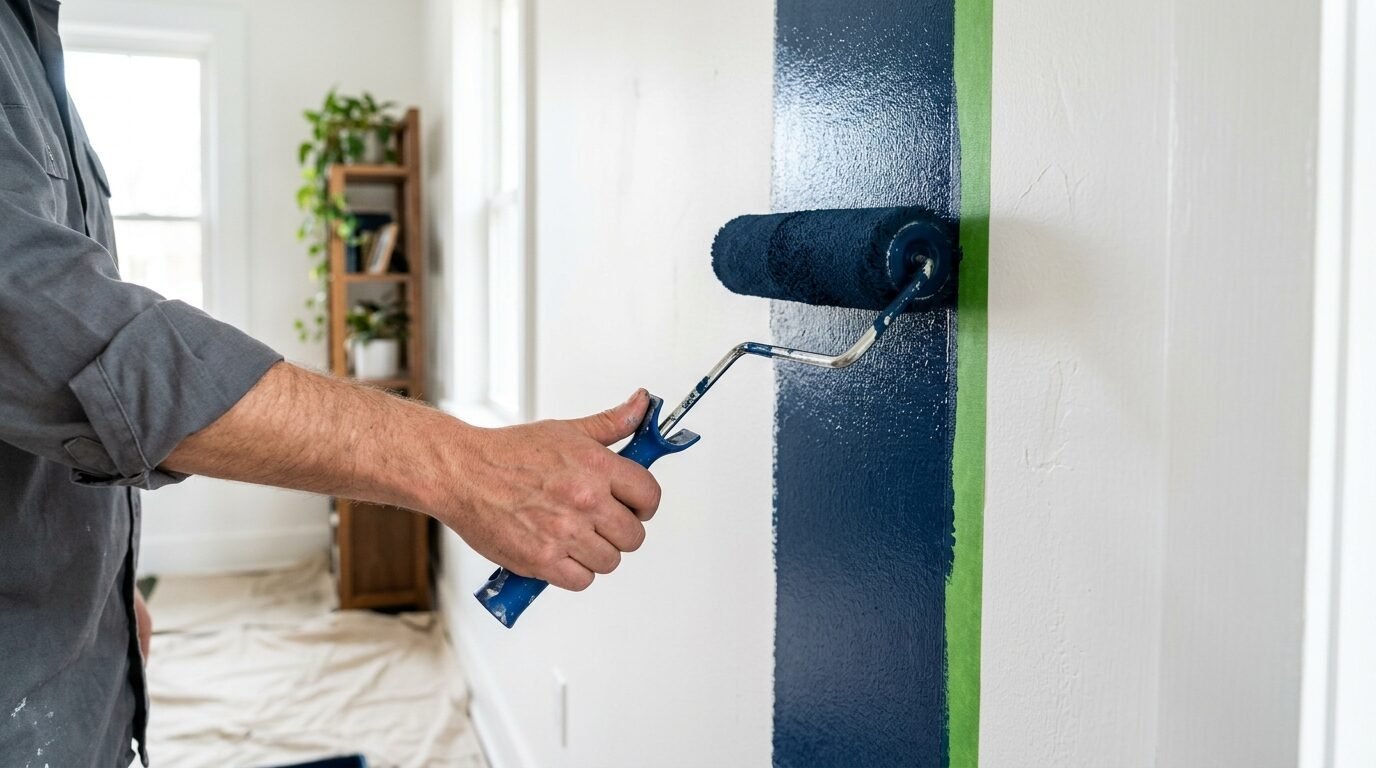
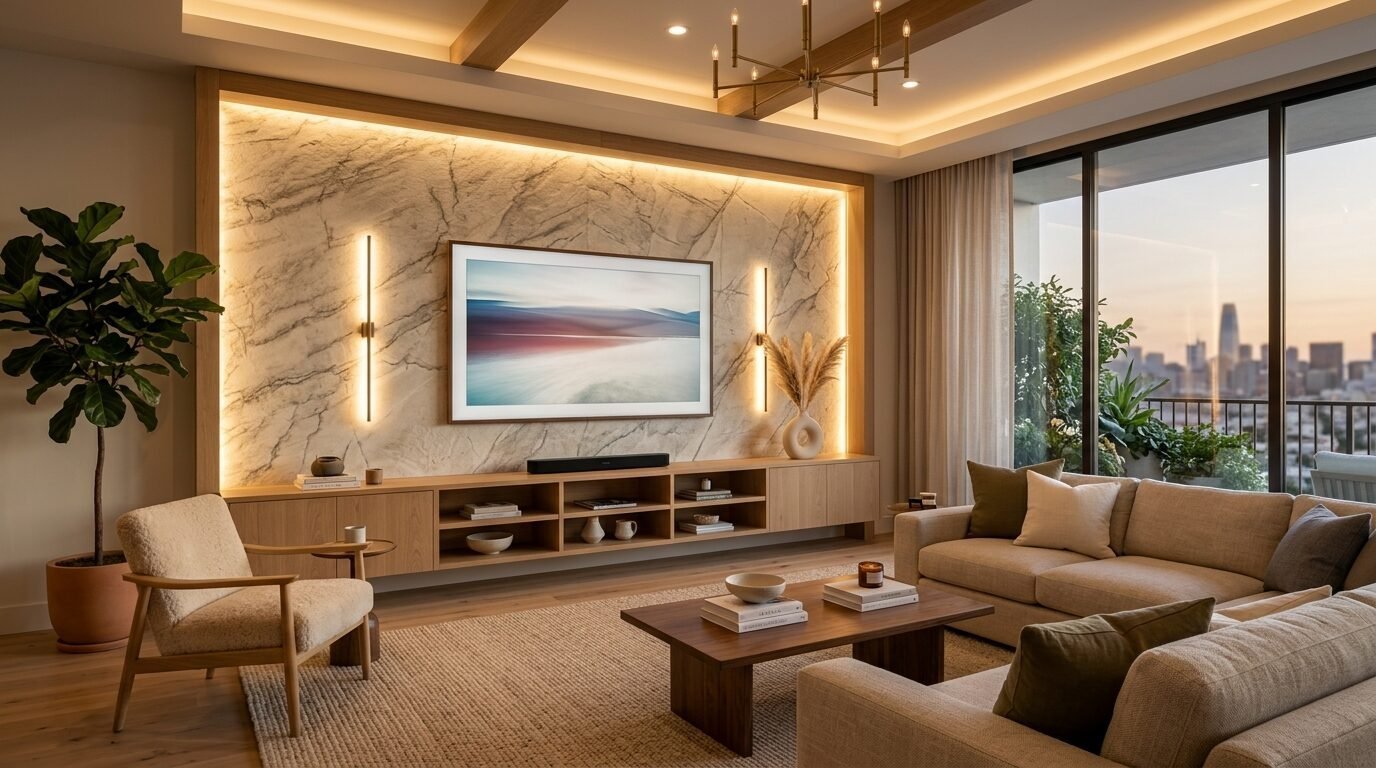
Paint is the cheapest way to change a room. But a whole room is a big job. If you are a beginner, try an accent wall. Pick the wall behind your sofa or TV. Paint it two shades darker than the other walls. This creates instant drama.
I recommend Sherwin-Williams Alabaster for a warm white. If you want color, look at Behr’s Blueprint. It is a soft blue that works with almost any wood tone. Always buy a sample first. Paint a small square on your wall. Look at it in the morning. Look at it at night. Light changes everything.
I once painted a room “Sunny Yellow” without testing it. By noon, the room looked like the inside of a lemon. I hated it. I had to repaint the whole thing the next day. Test your colors. It takes five minutes. It saves ten hours of work.
How to integrate a pooja room design into a modern living room?
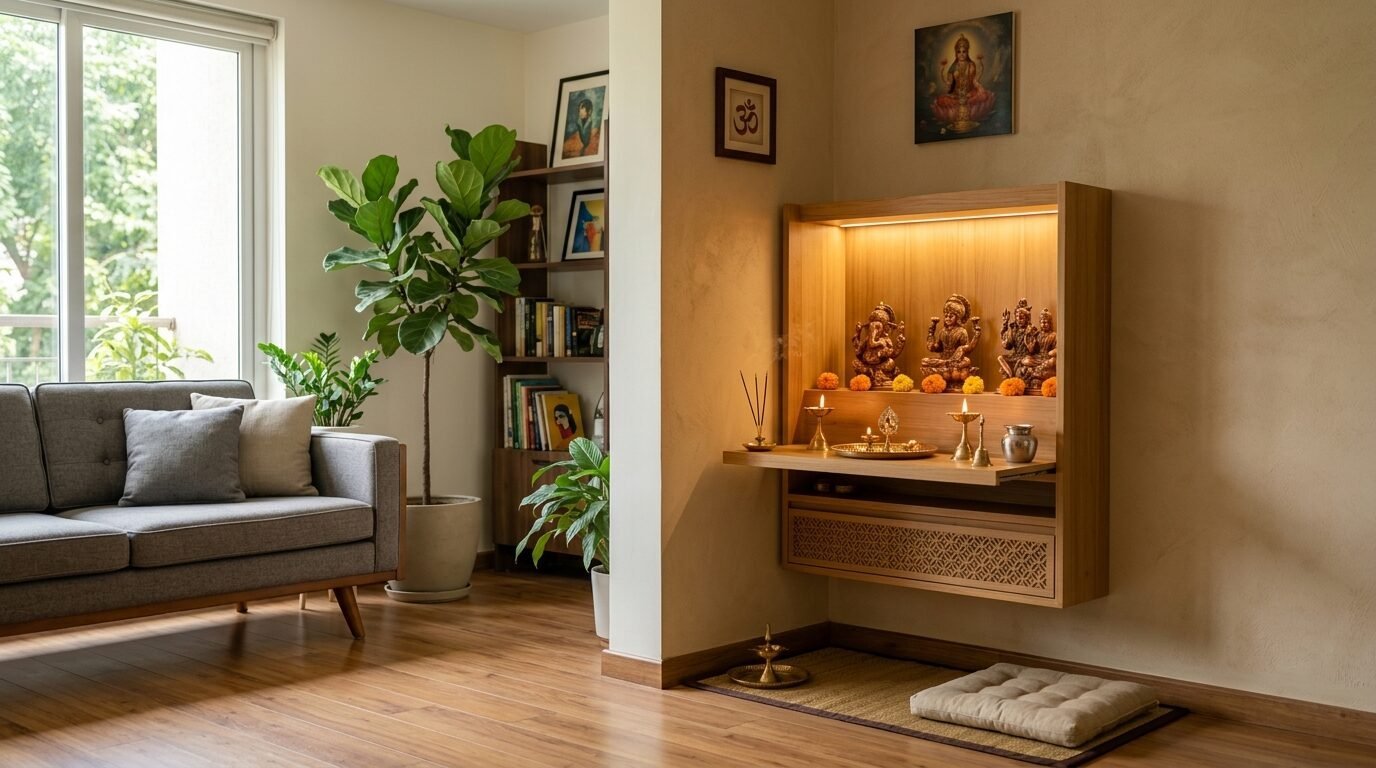
Many homes now blend spiritual spaces with living areas. A Pooja Room Design can be a beautiful focal point. You don’t need a separate room. You can use a corner of your living room.
Use a tall wooden cabinet with intricate carvings. This keeps the space private but stylish. You can also use floating shelves. Place the shelves at eye level. Add a small spotlight above. This makes the area feel special.
I saw a great version of this in a small apartment. They used a decorative screen to separate the prayer area from the TV. It felt peaceful. It didn’t disrupt the flow of the room. Keep the colors neutral. Use gold accents for a touch of tradition. This keeps the look modern and clean.
Do you need special tools for DIY home furniture?
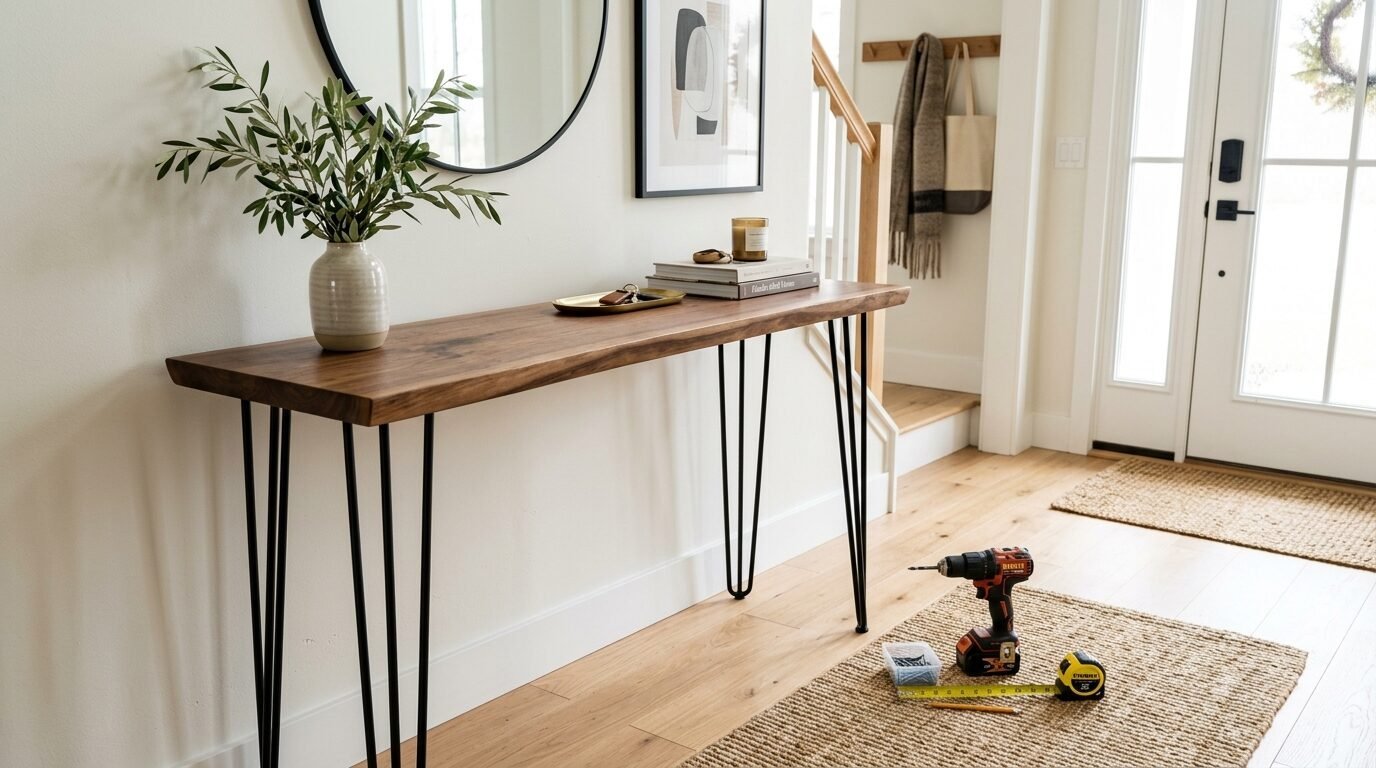
Making your own furniture sounds scary. It isn’t. You can start with a simple side table or a bench. Most Diy Home Furniture for beginners uses “off the shelf” wood. You can have the hardware store cut the wood for you.
You need three basic tools. A power drill. A level. A tape measure. I recommend the Ryobi drill for beginners. It is light. It is easy to use. A level is vital. Nothing ruins a room faster than a crooked shelf or table.
My first project was a simple wooden console for my entryway. I used four hair-pin legs from Amazon and a piece of pine from Home Depot. I sanded it. I stained it. It took two hours. It is still in my house five years later. It is sturdy. It looks better than the mass-produced stuff.
Comparison of Common Wall Hanging Methods
| Method | Best For | Pros | Cons |
| Command Strips | Renters / Light Art | No holes. Easy to move. | Can fail on textured walls. |
| Nails & Hammer | Traditional Frames | Very secure. Cheap. | Leaves small holes. |
| Monkey Hooks | Heavy Mirrors | Holds 50+ lbs. No tools. | Leaves a larger hole. |
| French Cleat | Huge Art / Shelves | Perfectly level. Very strong. | Requires more setup time. |
Troubleshooting Common Decor Mistakes
We all make mistakes. I have made them all. Here is how to fix the most common ones.
- The Art is Too Small: Don’t take it down. Add to it. Put two smaller pieces next to it. Or put it in a much larger frame with a big mat.
- The Wall Looks Cluttered: Take everything down. Start with your biggest piece. Add one thing at a time. Stop when it feels right.
- The Colors Clash: This usually happens because of lighting. Try changing your light bulbs. Use “Warm White” bulbs (2700K) to soften colors. Use “Daylight” bulbs (5000K) to make blues and whites pop.
- Frames are Crooked: Use a tiny bit of “museum putty” or blue tack on the bottom corners of the frame. This keeps them from shifting when people walk by.
Frequently Asked Questions
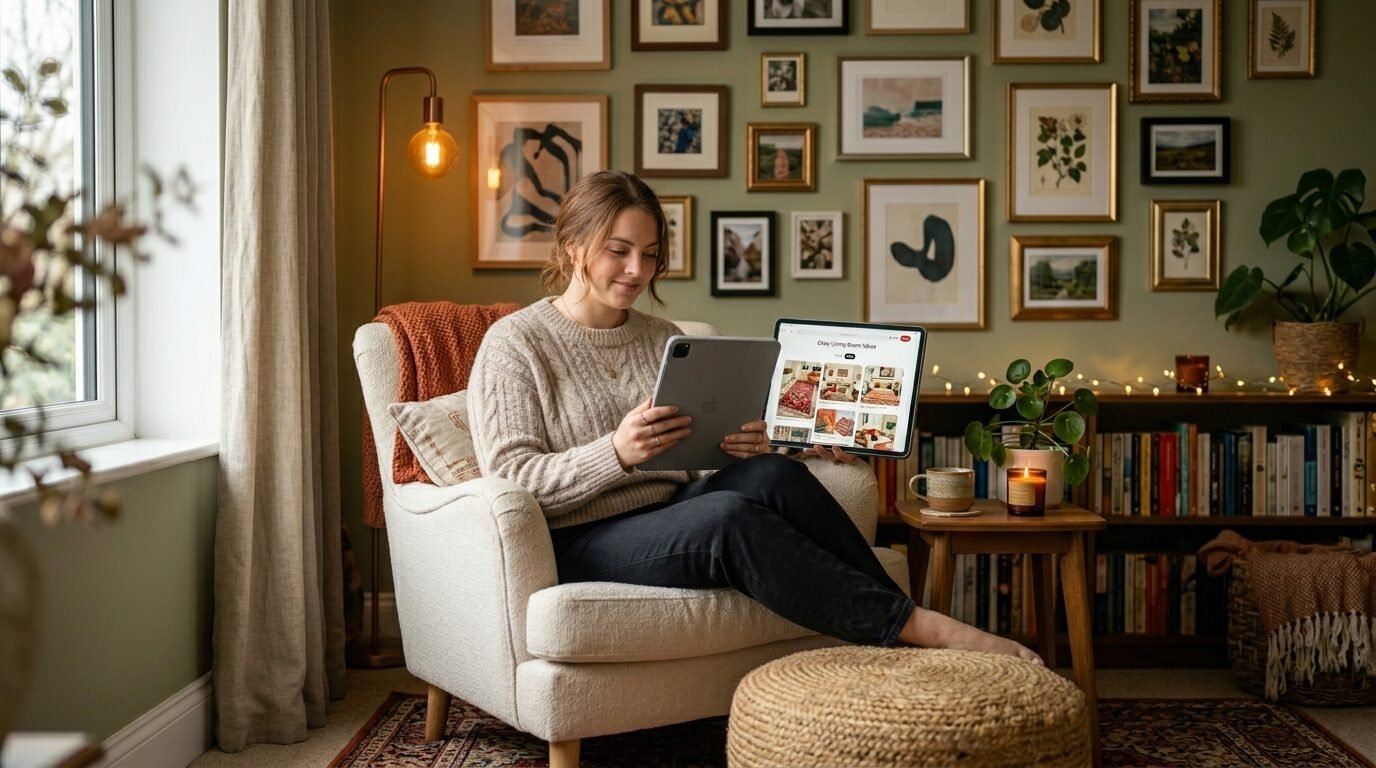
How high should I hang my wall art?
The center of the art should be about 57 to 60 inches from the floor. This is eye level for most people. If you are hanging it above a sofa, keep it 6 to 10 inches above the furniture. Do not go higher. It will look disconnected.
Can I mix gold and silver frames?
Yes. Mixing metals is a great way to make a room look “collected” rather than “bought.” Try to keep the styles similar. If you have modern gold frames, look for modern silver ones. This creates a common thread.
What should I put on a very large wall?
Don’t try to fill it with one tiny thing. Use a large-scale rug as a wall hanging. Or create a massive gallery wall. You can also use decorative wall molding. This adds texture to the wall itself. It makes the wall look finished even without art.
Is DIY furniture cheaper than buying new?
Usually, yes. You pay for the materials, not the labor or the brand name. Plus, you get the exact size and color you want. It also lasts longer than cheap particle-board furniture.
How do I choose art if I have no taste?
Look at your wardrobe. If you wear a lot of navy and grey, buy art with those colors. If you like bright patterns, look for abstract art. Your clothes are the best indicator of what you actually like.
What is the best way to arrange wall shelves?
Start with your largest items first. Place them on different levels in a “zigzag” pattern. Then fill the gaps with smaller items. Add something organic, like a trailing plant. This softens the hard lines of the shelves.
Conclusion
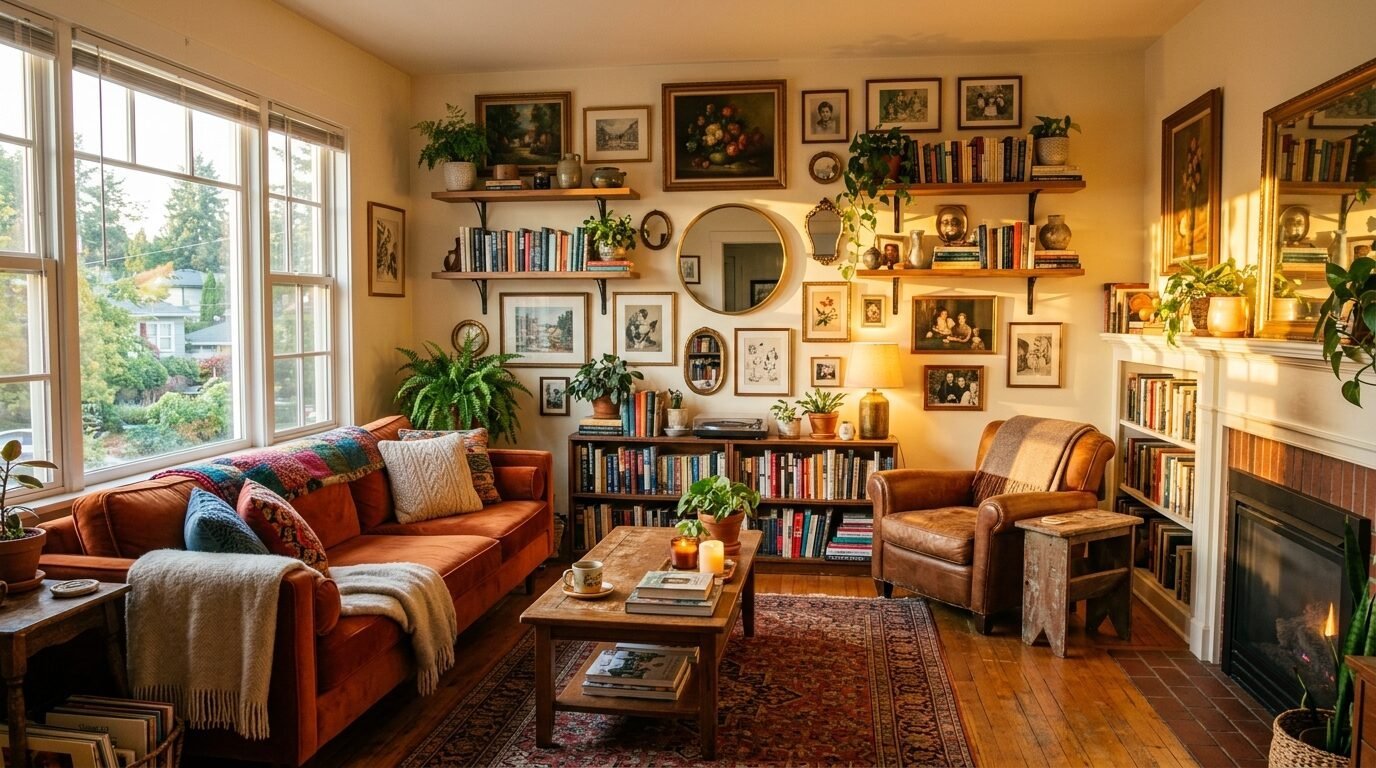
Starting your decor journey is about taking the first step. You don’t need a perfect plan. You just need to try. Buy the frames. Paint the wall. Build the shelf. If you don’t like it, you can change it. That is the beauty of a home. It grows with you.
In my experience, the best rooms are never “done.” They evolve. I still move my art around every few months. It keeps the space fresh. It keeps me inspired. Start with one wall today. Don’t overthink it. Just hang the first piece. You will be surprised at how quickly the rest follows.
What is the biggest thing stopping you from decorating your living room today? Share your thoughts below. I would love to help you work through it.

Anya Castellan is the Founder and Editor-in-Chief of Home Wall Trends. An art history graduate of the Rhode Island School of Design with twelve years of experience writing for leading American design publications, she specializes in composition, gallery wall theory, and the quiet architecture of domestic space. A former contributing editor at Architectural Digest and guest lecturer at Parsons School of Design, Anya personally reads and signs off on every piece before it is published.