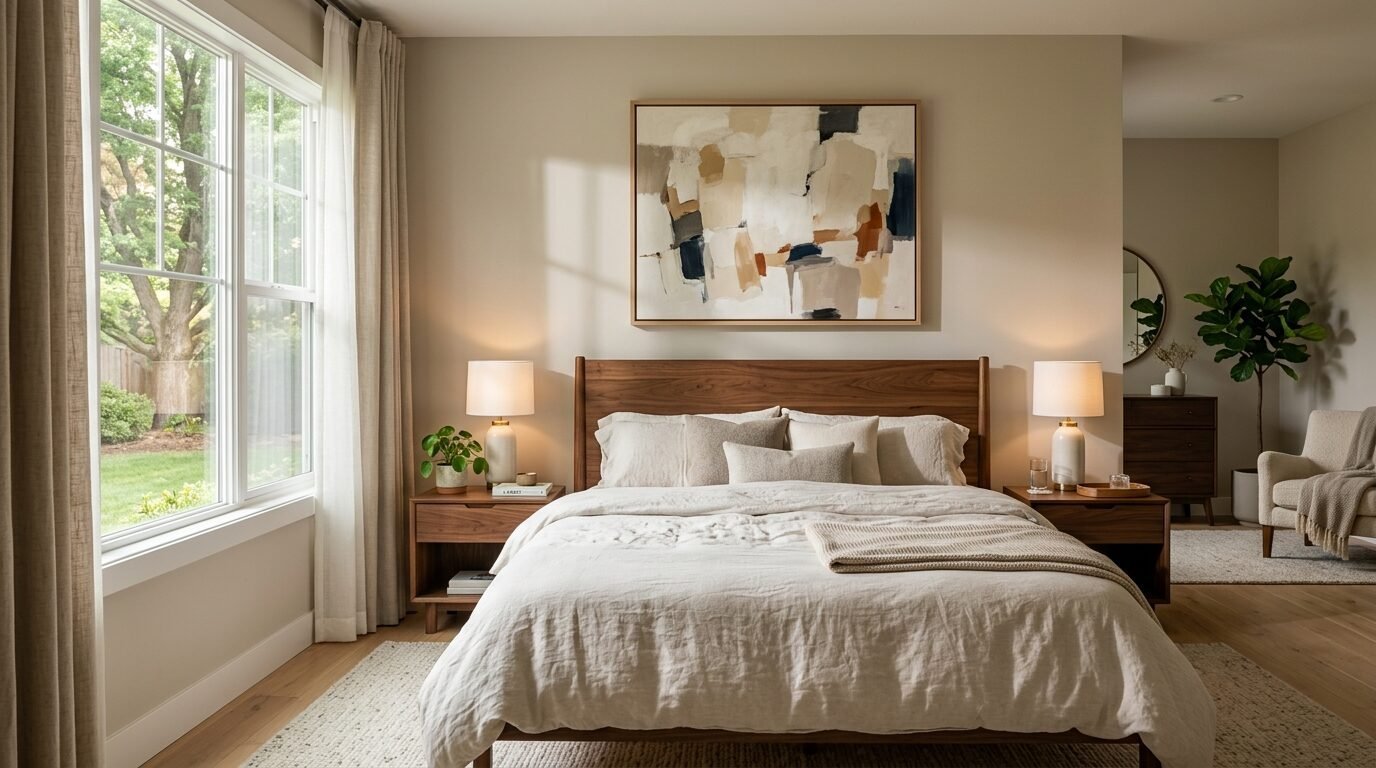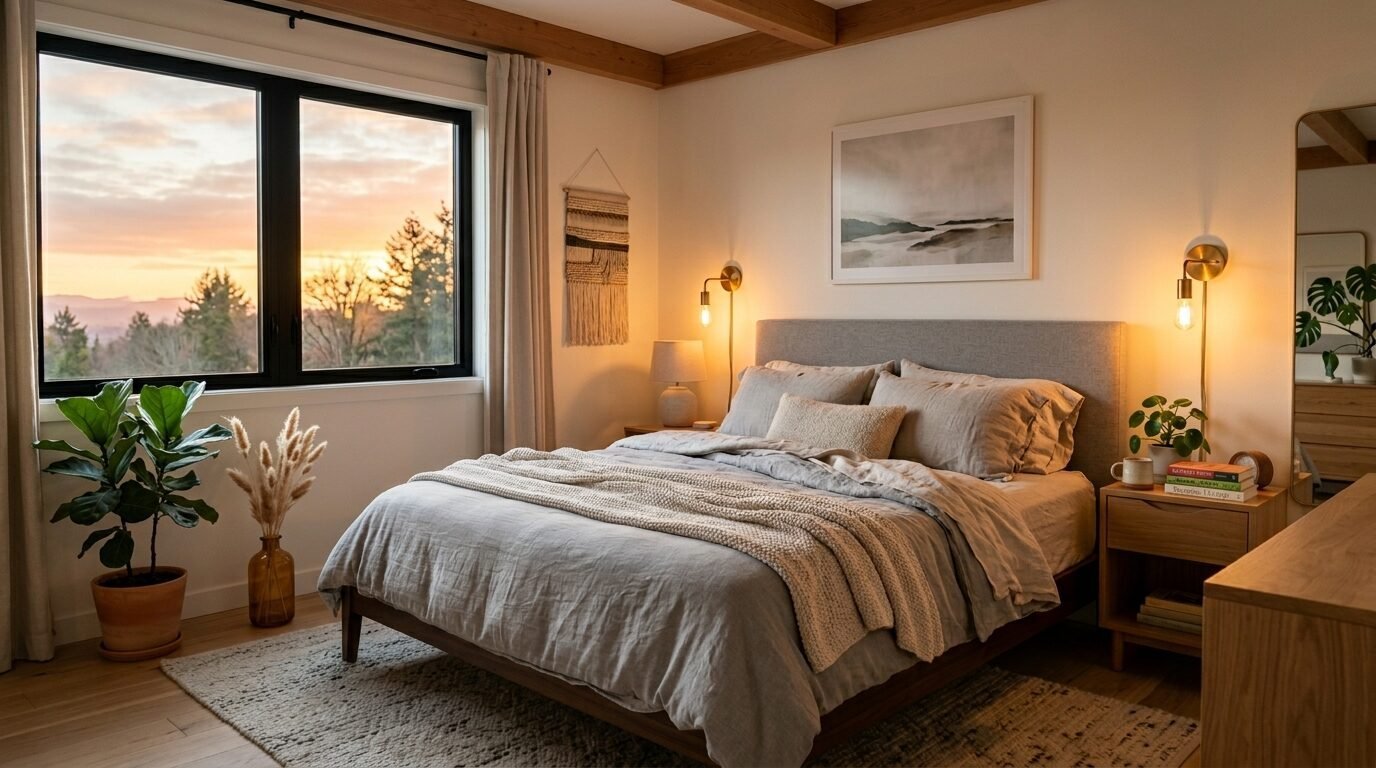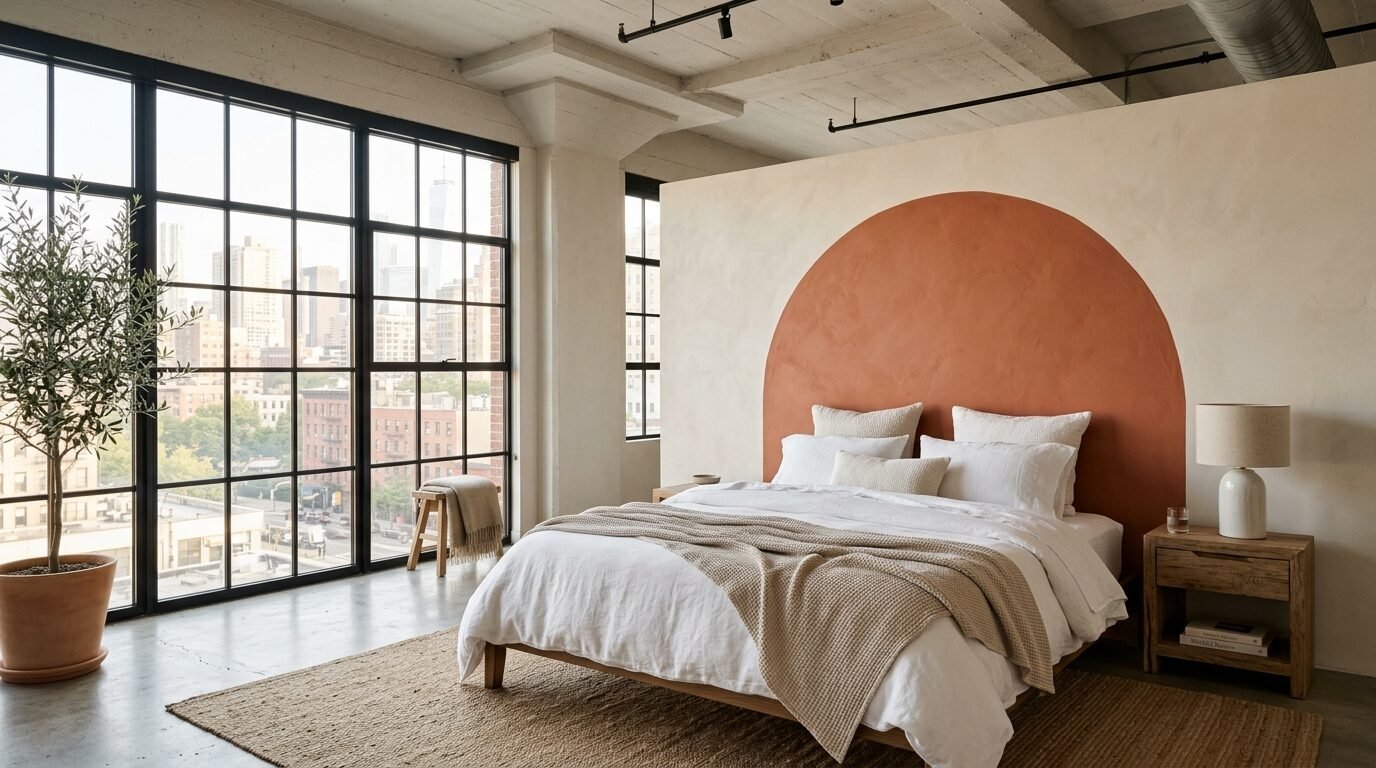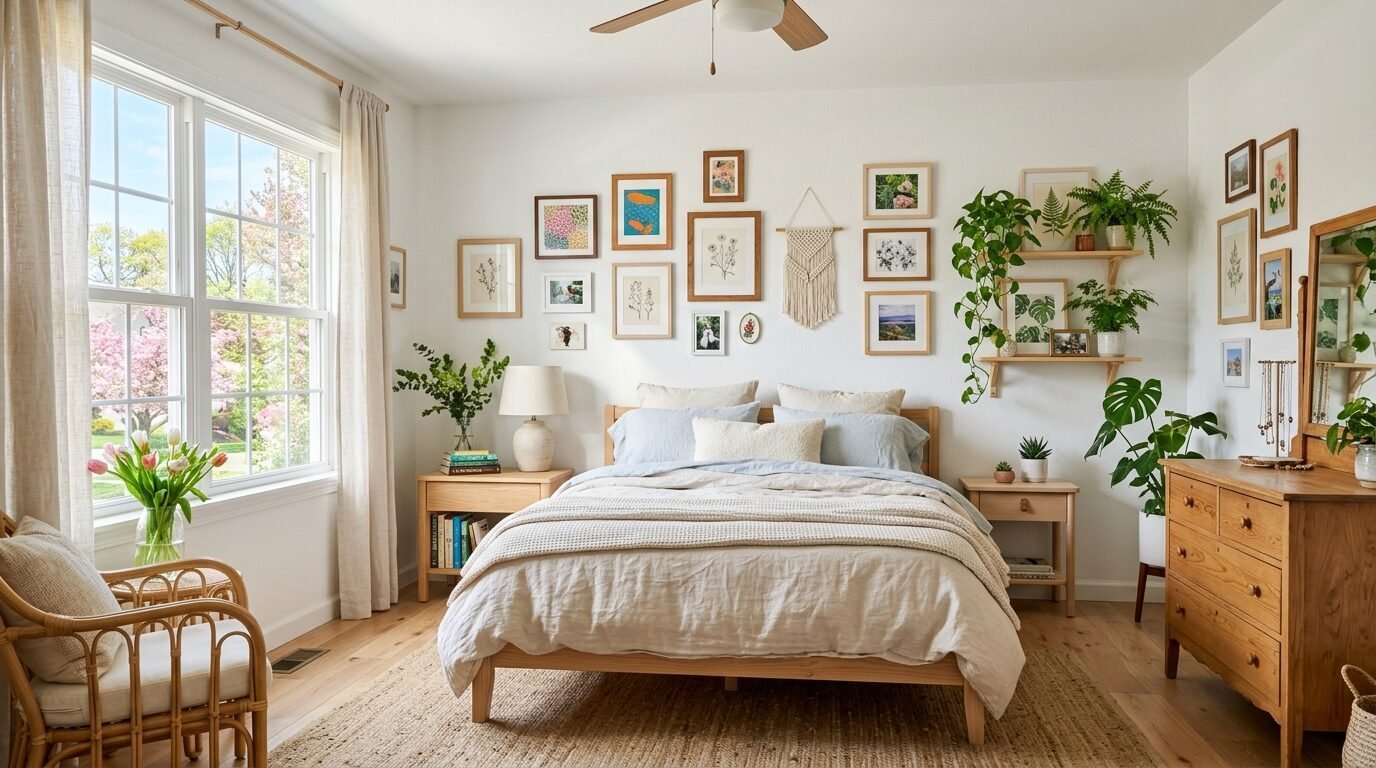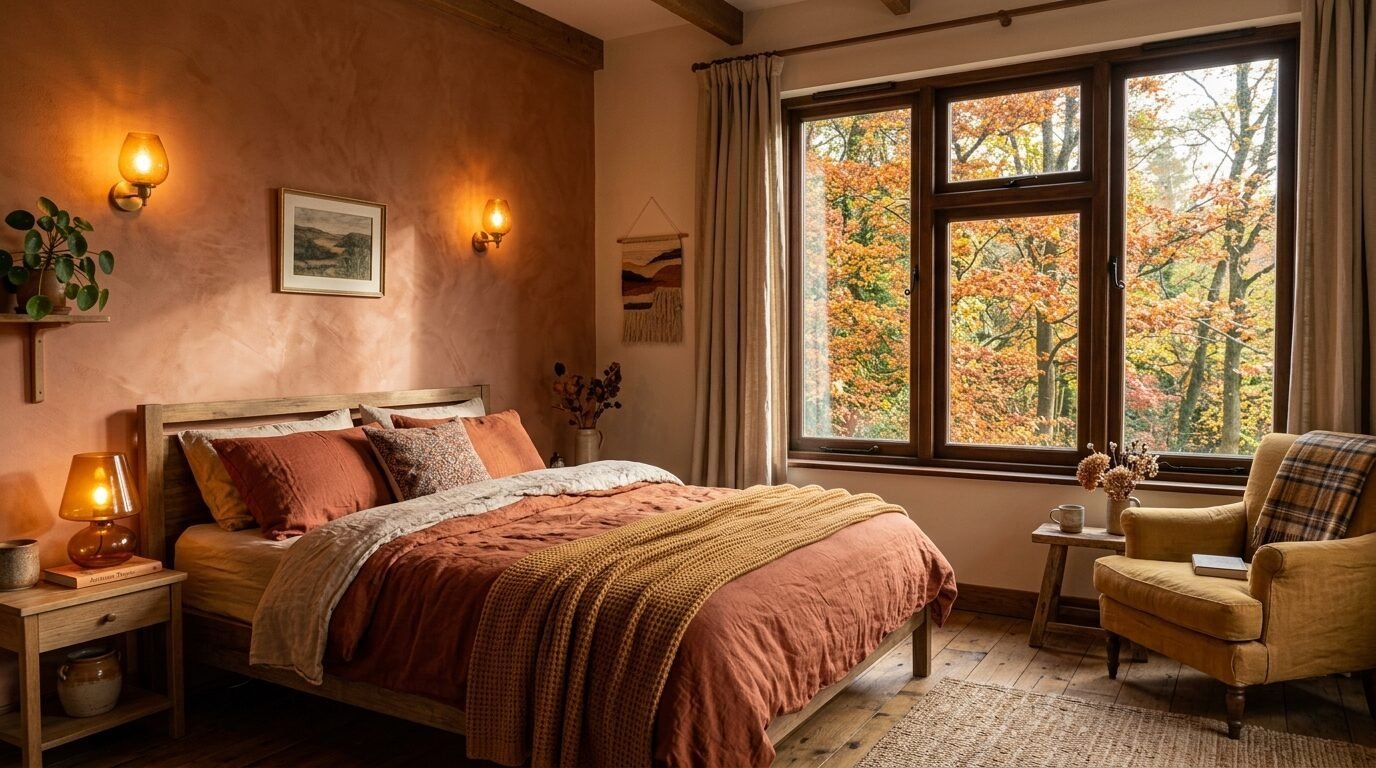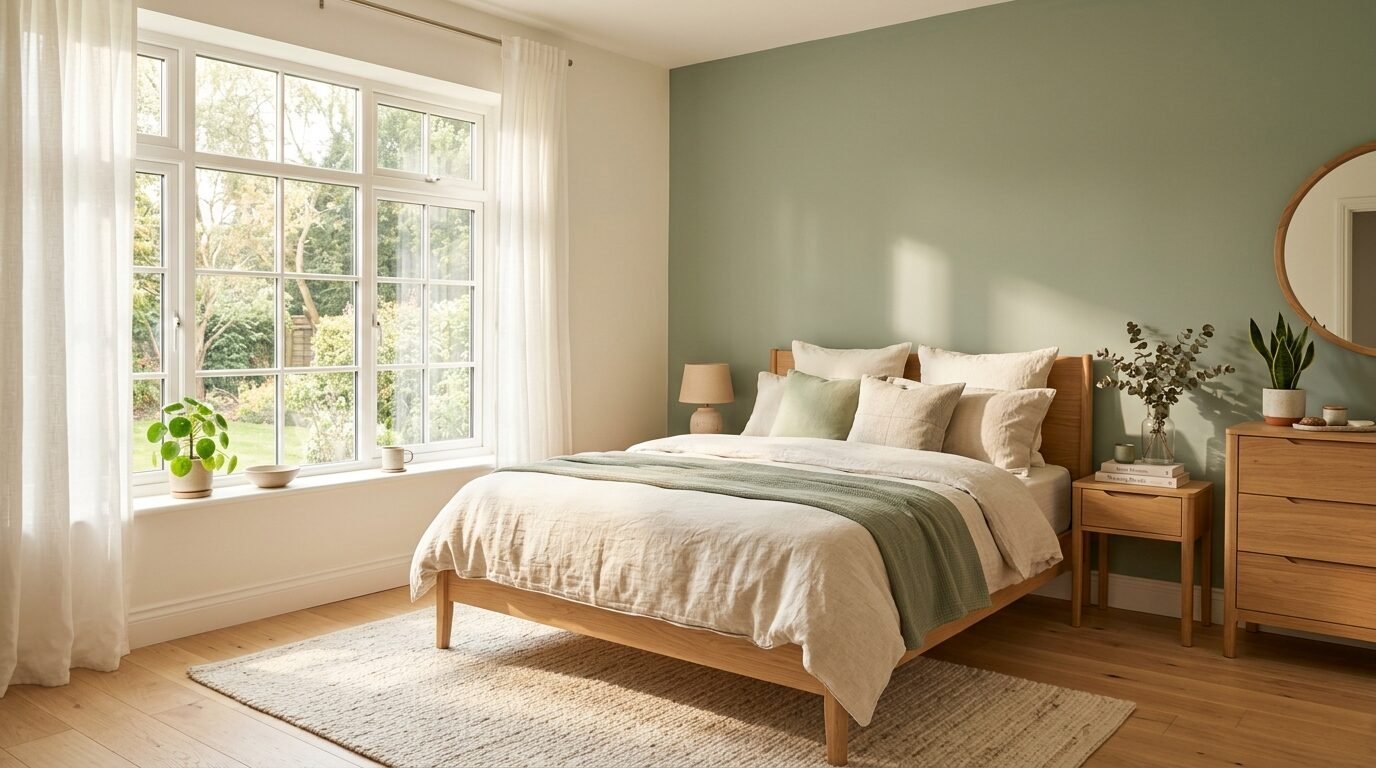
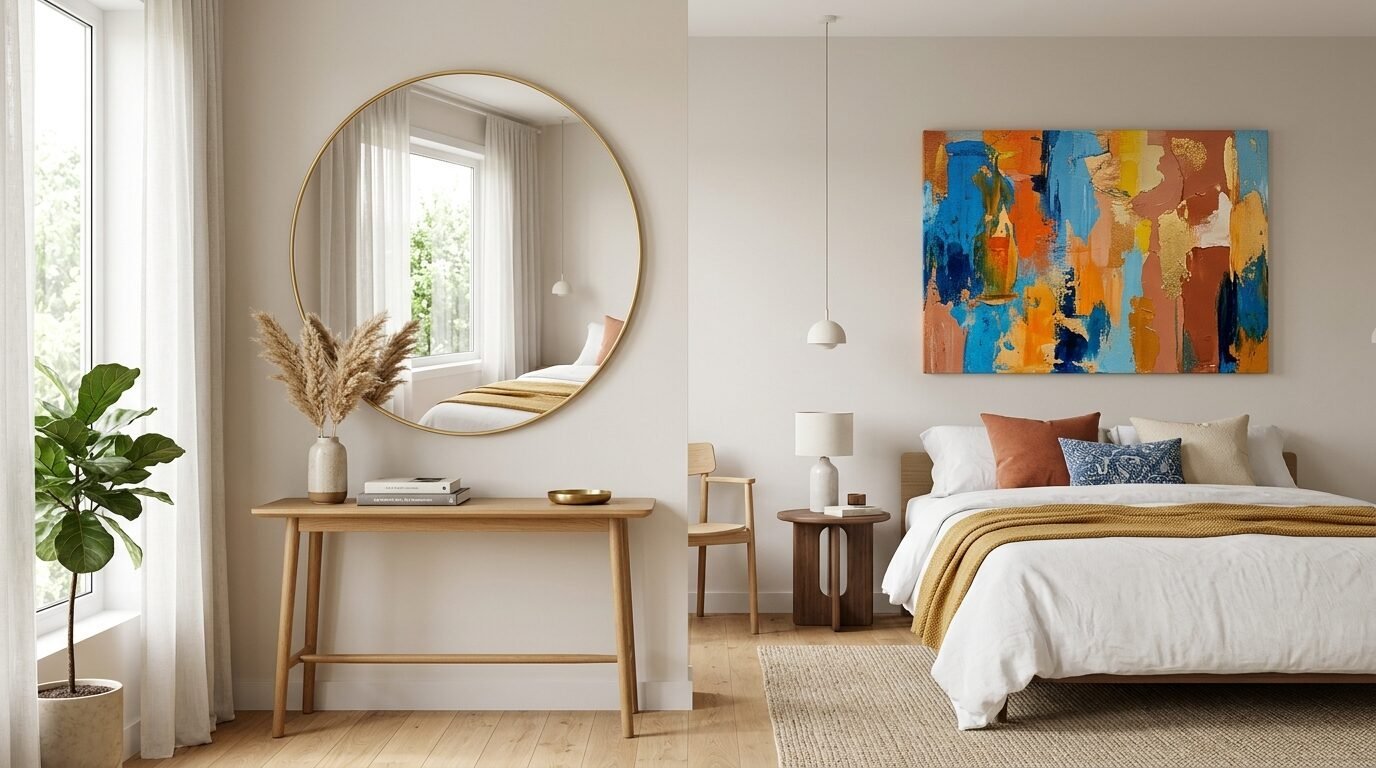
You walk into your bedroom. You look at that big, empty space above your headboard. It feels cold. It feels unfinished. You want to fix it. You want that Pinterest look you see on your phone every night. Now comes the hard choice. Do you hang a massive piece of colorful art? Or do you go for a sleek, floor-to-ceiling mirror?
This choice changes everything about how you wake up. One creates a mood. The other creates a view. I have stood in dozens of bedrooms helping people make this exact call. I have seen small rooms feel like palaces with one glass panel. I have seen boring walls turn into stories with three framed prints.
Choosing the right wall decor is not just about fashion. It is about how you want to feel when the lights go out. This guide breaks down every factor. We look at light, cost, and the secret psychological tricks designers use. You will leave here knowing exactly what your wall needs.
Executive Summary
Deciding between wall art and mirrors depends on your room goals. Use a mirror if your room feels small or lacks natural light. Mirrors bounce light and add depth. Use wall art if you want to express your personality or set a specific emotional tone. Art adds color and texture.
In my experience, mirrors provide a functional win while art provides an emotional win. This article compares mirror work and art works across ten specific categories. We look at real brands like IKEA, West Elm, and Framebridge. We also cover costs and maintenance. If you want a mix, we explain how to build a collage room that includes both. Expect a deep dive into aesthetic mirror decor and framed prints to help you rank your priorities.
1. Size Matters: How Mirrors Create an Illusion of Space
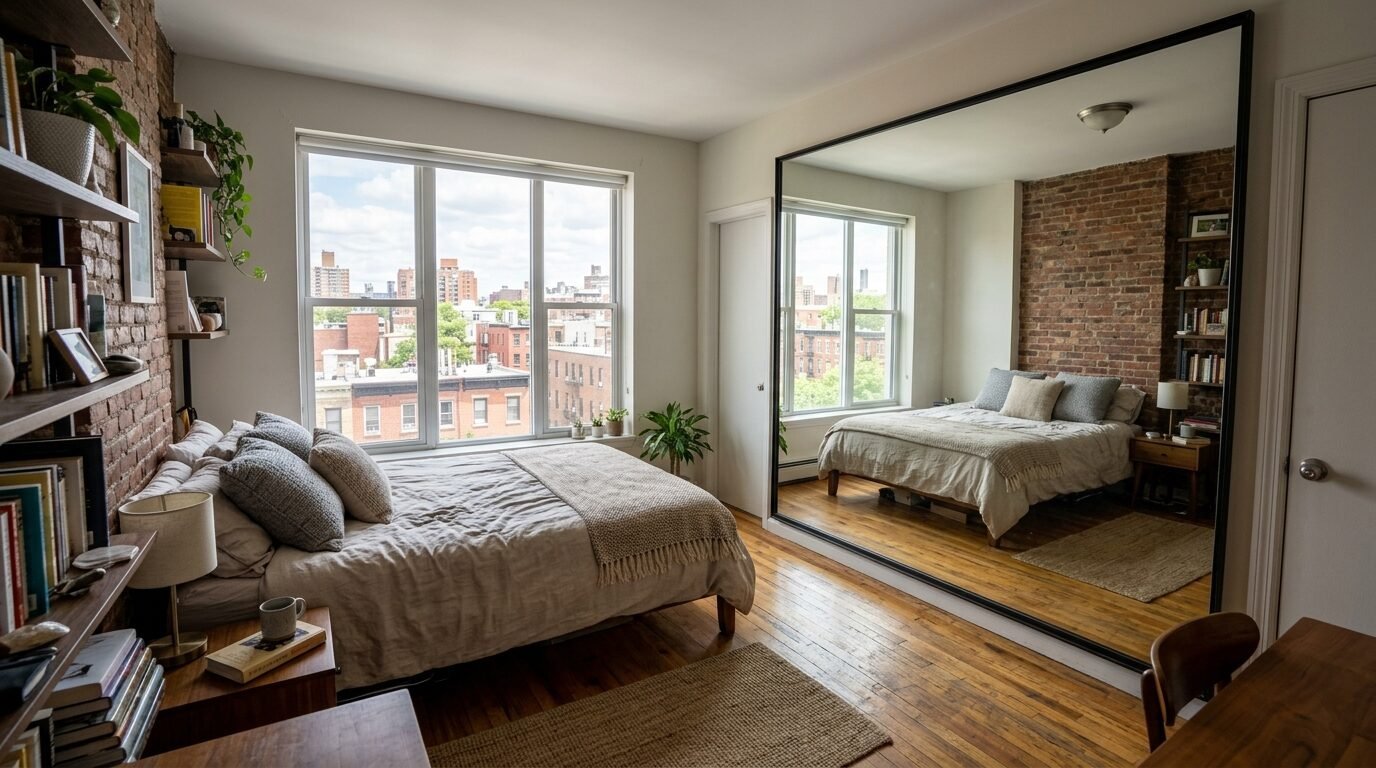
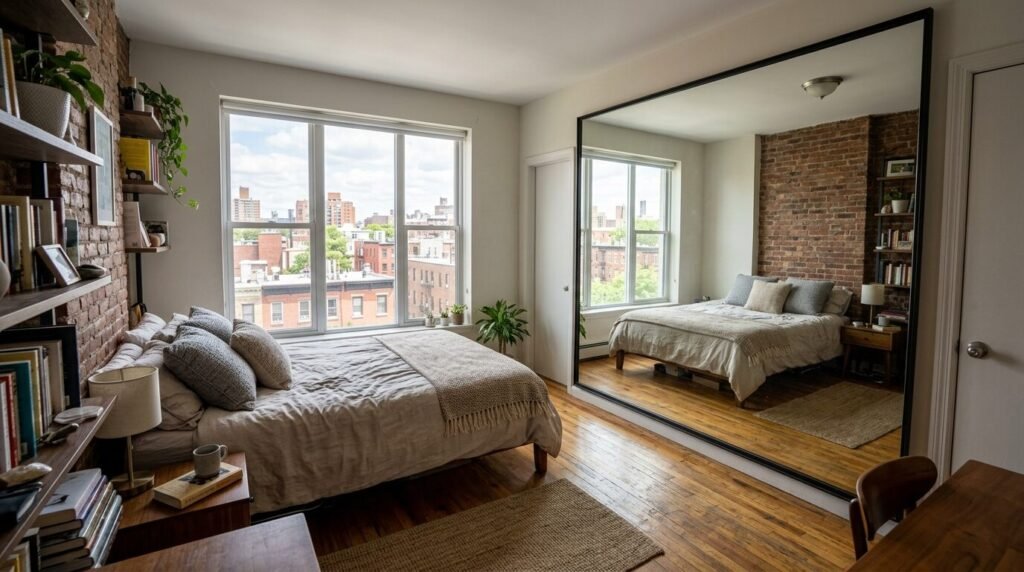
A small bedroom can feel like a cage. If you live in a city apartment, you know this feeling. A mirror is your best tool to fight a tight layout. It tricks your brain into seeing a room that is twice as large.
I once worked on a studio in Chicago. The sleeping nook was only eight feet wide. It felt tiny. We installed a large, thin-framed mirror from Target opposite the bed. The change was instant. The wall seemed to disappear.
Why the reflection works
When you look into a mirror, your eyes travel past the physical wall. This depth perception reduces the feeling of being boxed in. Aesthetic mirror decor is not just for checking your hair. It is a spatial hack. It creates a “window” where there is only drywall.
Strategic placement for depth
Do not just hang it anywhere. Place your mirror where it reflects an open area. If you reflect a messy closet, the room feels more cluttered. If you reflect a doorway or a window, the room feels endless. I suggest a floor-length leaning mirror for the most impact in tight corners.
2. Personal Connection: Why Art Works Define Your Vibe
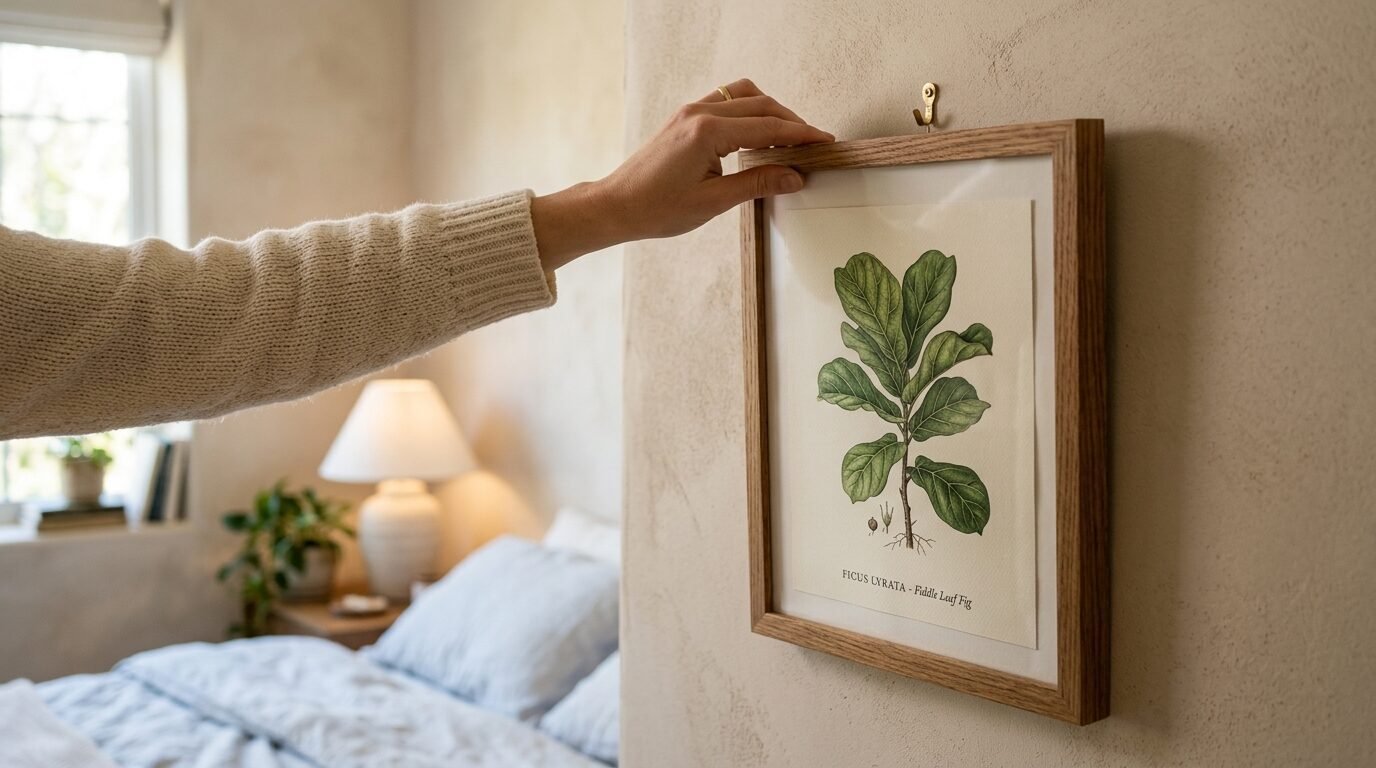
Mirrors are neutral. They show what is already there. Art works are different. They show who you are. Your bedroom is your most private space. It should tell your story.
I have noticed that people feel more at home when they surround themselves with images they love. A mirror reflects your face, but art reflects your mind. Whether it is a vintage travel poster or a modern abstract piece, art gives a room a heartbeat.
Telling a story with framed prints
Think about the last time you visited a friend. You likely looked at their art to understand them. In the bedroom, framed prints act as anchors for your memories. I often suggest choosing pieces that remind you of a favorite trip or a goal you have.
Setting the emotional tone
Art allows you to choose your mood. A calm, green landscape lowers your heart rate. A bold, red geometric print gives you energy. You cannot get this variety from a mirror. With art, you are the director of your own environment.
3. Lighting Secrets: Solving the Dark Room Problem
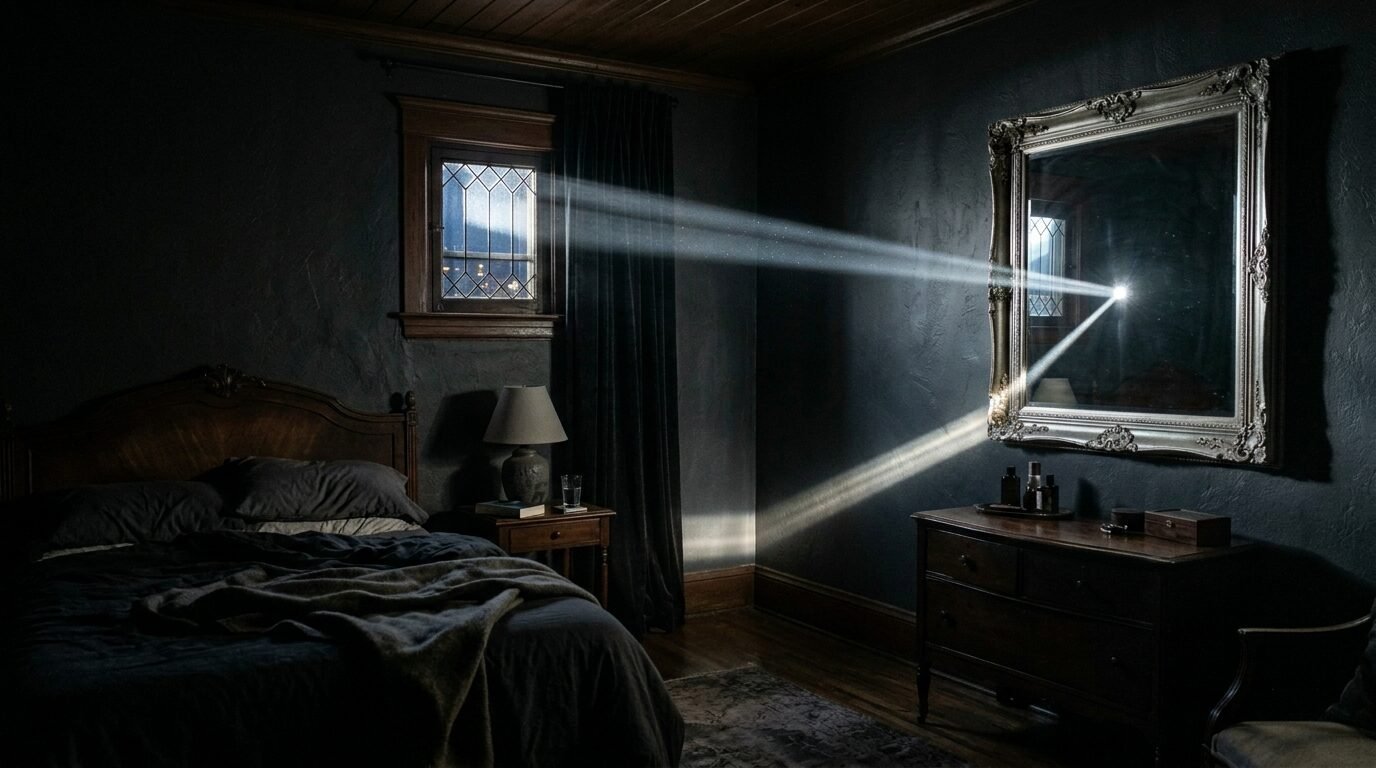
If your bedroom has one small window, it is a dark room. Dark rooms can feel cozy, but they can also feel gloomy. A mirror is the most effective way to spread light without adding more lamps.
I tried a experiment in a guest room last year. I hung a dark oil painting on the wall opposite the window. The room felt even darker. Then, I swapped it for a silver-framed mirror. The brightness in the room tripled during the afternoon.
Bouncing natural light
Mirrors do not create light. They catch it. Every bit of sun that hits the glass stays in the room instead of being absorbed by the wall. This is a critical move for north-facing rooms. Use mirror work with multiple angles to scatter light even further.
Art and light absorption
Canvas and paper absorb light. If you put art in a dark room, it often looks muddy. If you must use art, choose pieces with a lot of white space. Use white mats and light wood frames. This prevents the art from becoming a black hole on your wall.
4. Financial Investment: Comparing Costs of Framed Prints and Glass
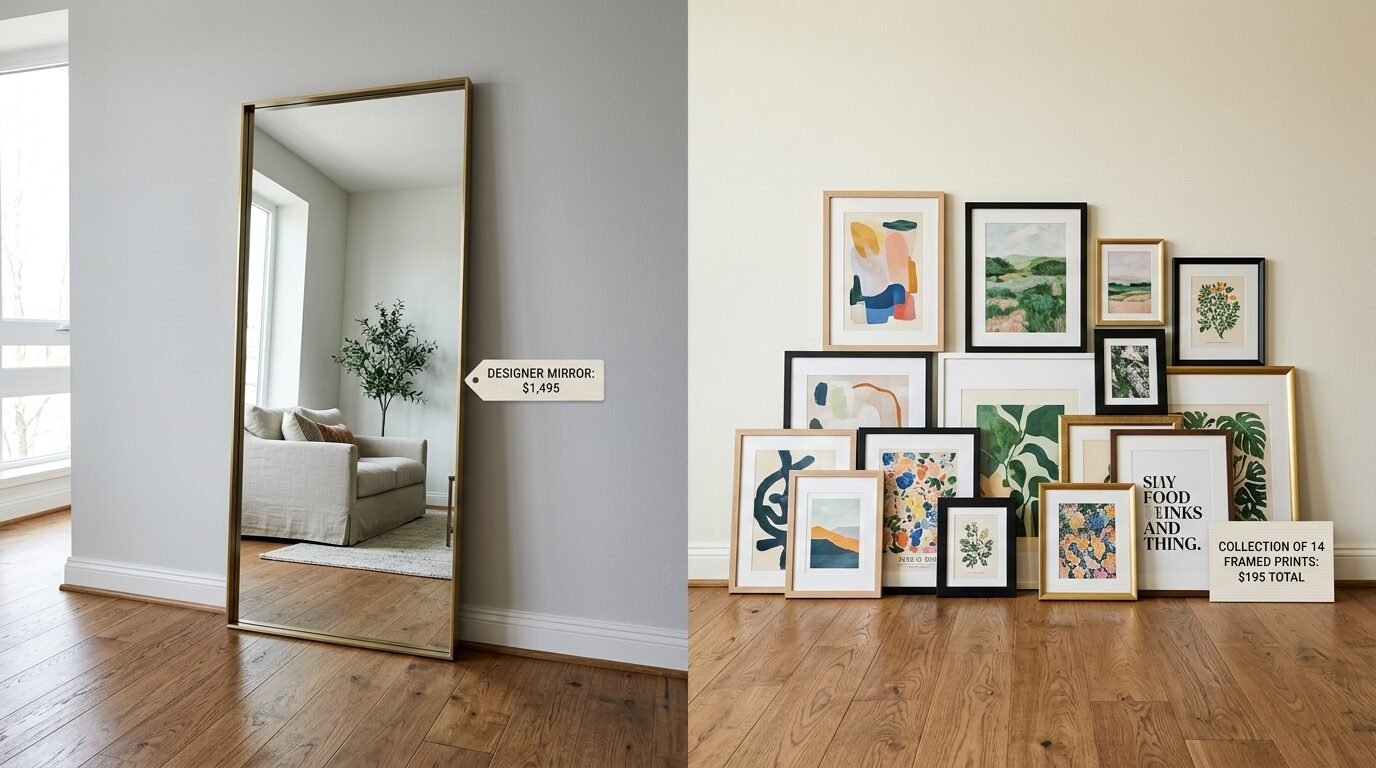
Money is a major part of this choice. Many people think art is more expensive. That is not always the case. High-quality mirrors can be very pricey.
I recently compared two identical-sized pieces for a client. A large, high-end mirror from West Elm was four hundred dollars. A similarly sized print from an Etsy artist was sixty dollars. However, the custom frame for that print was three hundred dollars.
The cost of mirrors
- Basic full-length: Fifty to one hundred dollars.
- Decorative wall mirrors: One hundred to five hundred dollars.
- Custom-cut glass: Five hundred dollars and up.
- Antique finds: Varies, but often high for good glass.
The cost of art
- Digital downloads: Five to twenty dollars.
- Standard store-bought frames: Thirty to eighty dollars.
- Custom framing: Two hundred to six hundred dollars.
- Original canvas art: Five hundred to five thousand dollars.
5. Style Versatility: Using Aesthetic Mirror Decor Across Trends
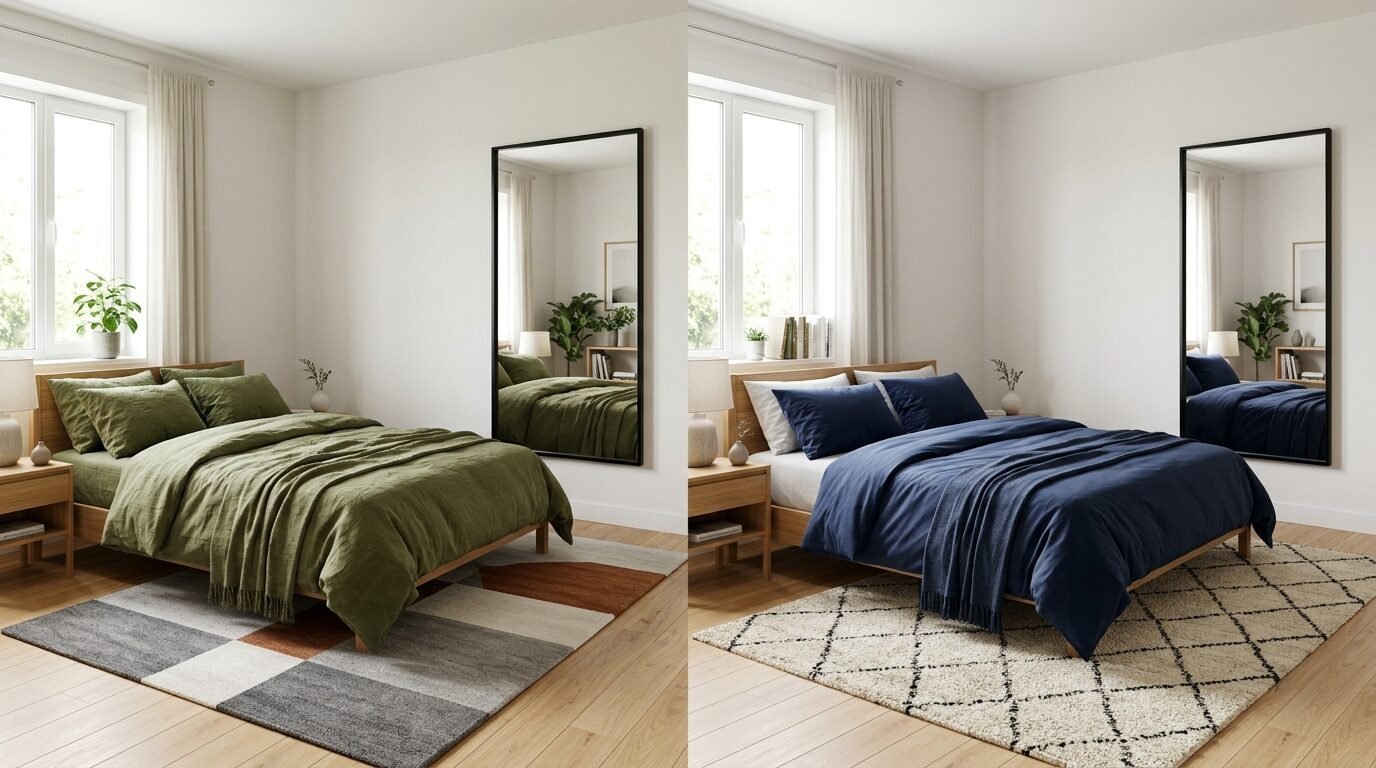
Trends change. Last year it was farmhouse. This year it is organic modern. Mirrors are timeless. A simple gold or black frame fits almost any style you choose.
I have seen people change their bedding and rugs five times in ten years. They kept the same mirror. It always worked. Aesthetic mirror decor is a safe bet if you like to switch up your style often.
Modern shapes to watch
Round mirrors are very popular right now. They soften the hard lines of a bed and dresser. Arched mirrors are also a top choice. They look like old-world architecture. Brands like Article and CB2 offer great versions of these shapes.
Metal vs. Wood frames
Metal frames feel industrial or modern. Wood frames feel warm and traditional. If you are unsure, go with a very thin black metal frame. It is the most versatile option on the market today.
6. Maintenance Realities: Dusting Art vs Cleaning Mirror Work
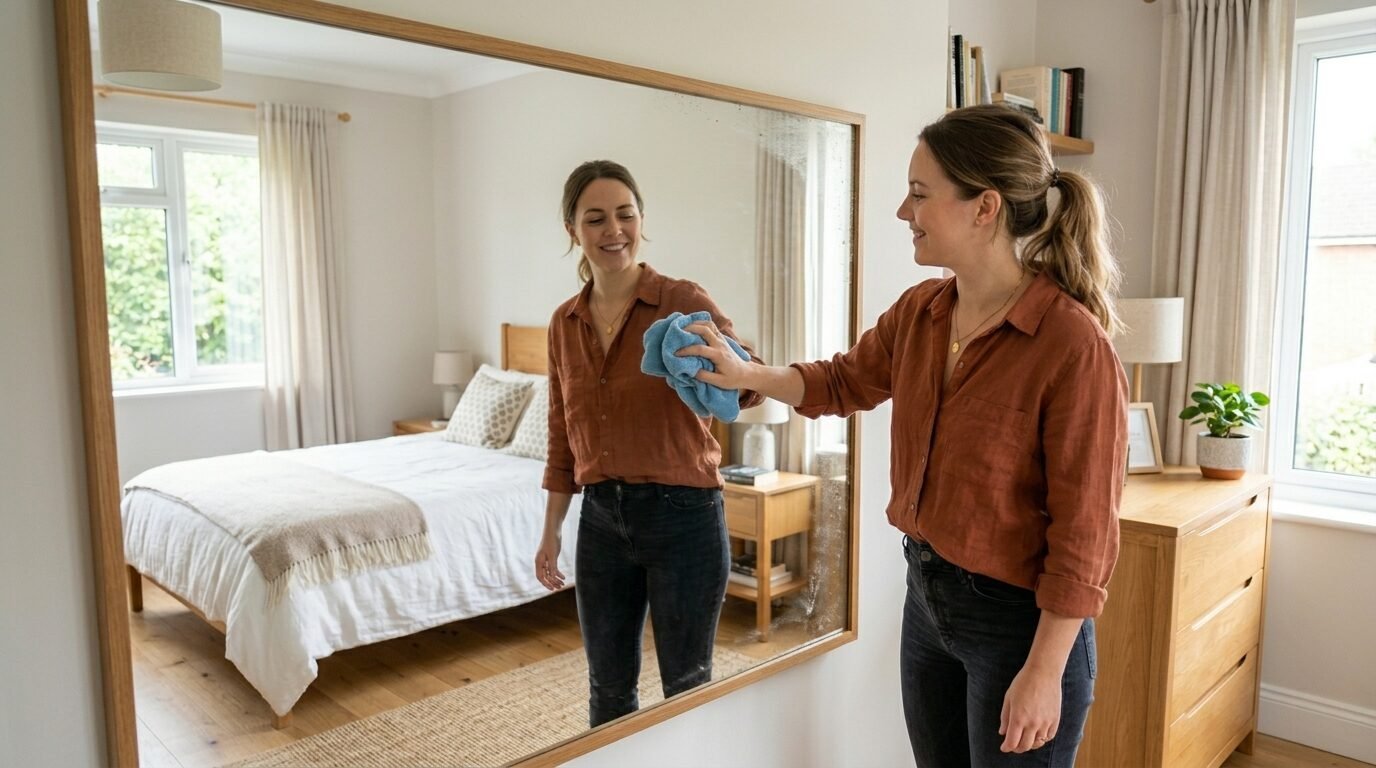
Nobody likes cleaning. Your choice of wall decor determines how much time you spend with a spray bottle. Mirrors are high maintenance. They show everything.
I have a large floor mirror in my own bedroom. I have to clean it once a week. Fingerprints, dog noses, and dust show up instantly. If you have kids, a low-hanging mirror will always have smudges.
Keeping mirrors clear
You need a good microfiber cloth and a vinegar solution. Avoid paper towels. They leave lint. Mirror work with a lot of small panes is even harder to clean. Keep this in mind if you are a busy person.
Protecting your art
Art is much easier. If it is behind glass, you just wipe the front once a month. If it is a canvas, you just use a feather duster. The only risk for art is sunlight. Direct sun can fade your framed prints over time. I suggest using UV-protective glass from places like Framebridge.
7. Emotional Energy: Choosing Colors that Calm the Mind
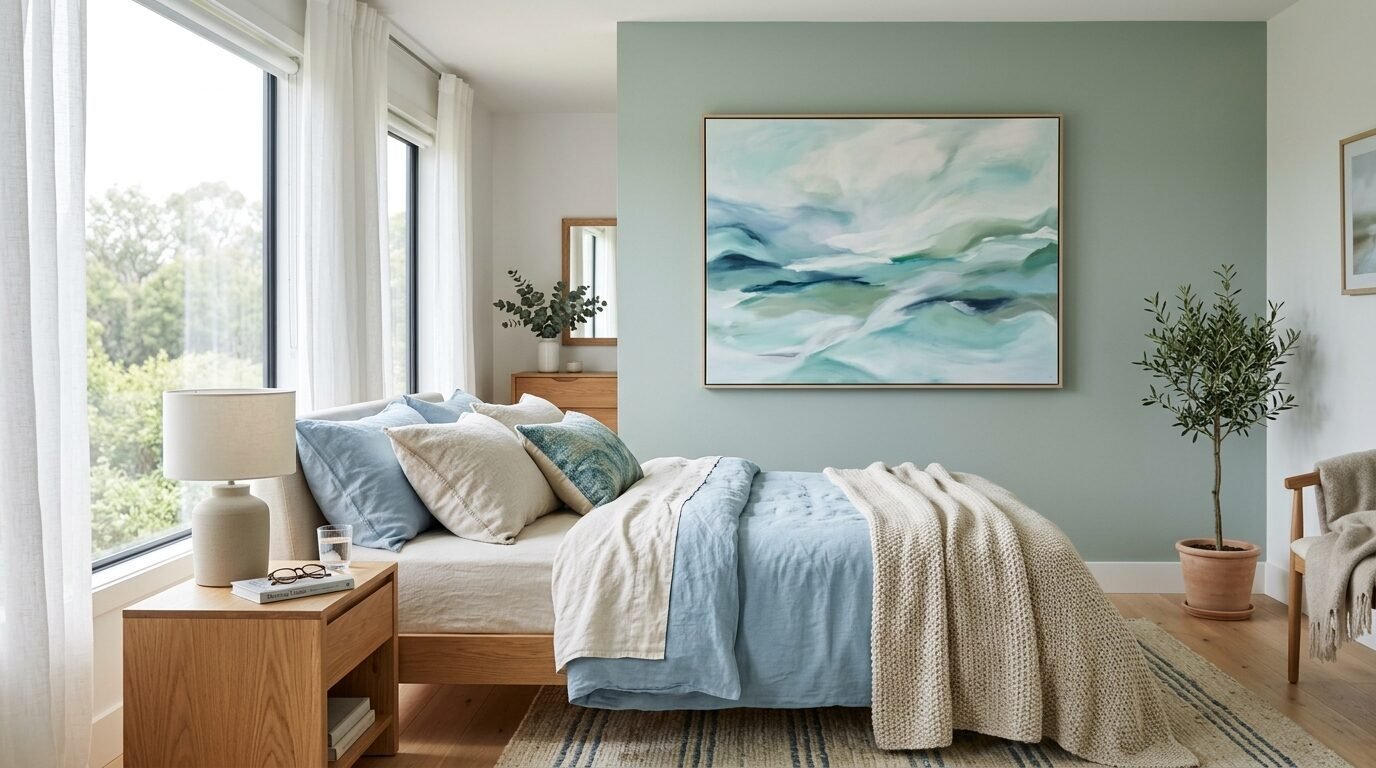
Your bedroom should be a sanctuary. The colors you see before you sleep matter. Mirrors are color-neutral. They reflect the colors you already have in the room.
Art lets you introduce new colors. If your room is all white and grey, it might feel cold. A warm piece of art can fix that. I recommend soft blues, greens, and earthy tones for the bedroom. These colors are proven to help people relax.
The psychology of reflection
Some people find mirrors in the bedroom a bit jarring. Seeing your own reflection when you wake up can be a shock. If you are a restless sleeper, a mirror might catch movement and wake you up. This is why many people prefer the static, quiet energy of a painting.
Textural impact
Art adds texture. A canvas has a weave. A framed print has a mat. These layers make a room feel “dressed.” A mirror is a hard, flat surface. If your room already has a lot of hard furniture, art can help soften the look.
8. Installation Safety: Hardware for Heavy Glass vs Light Canvas
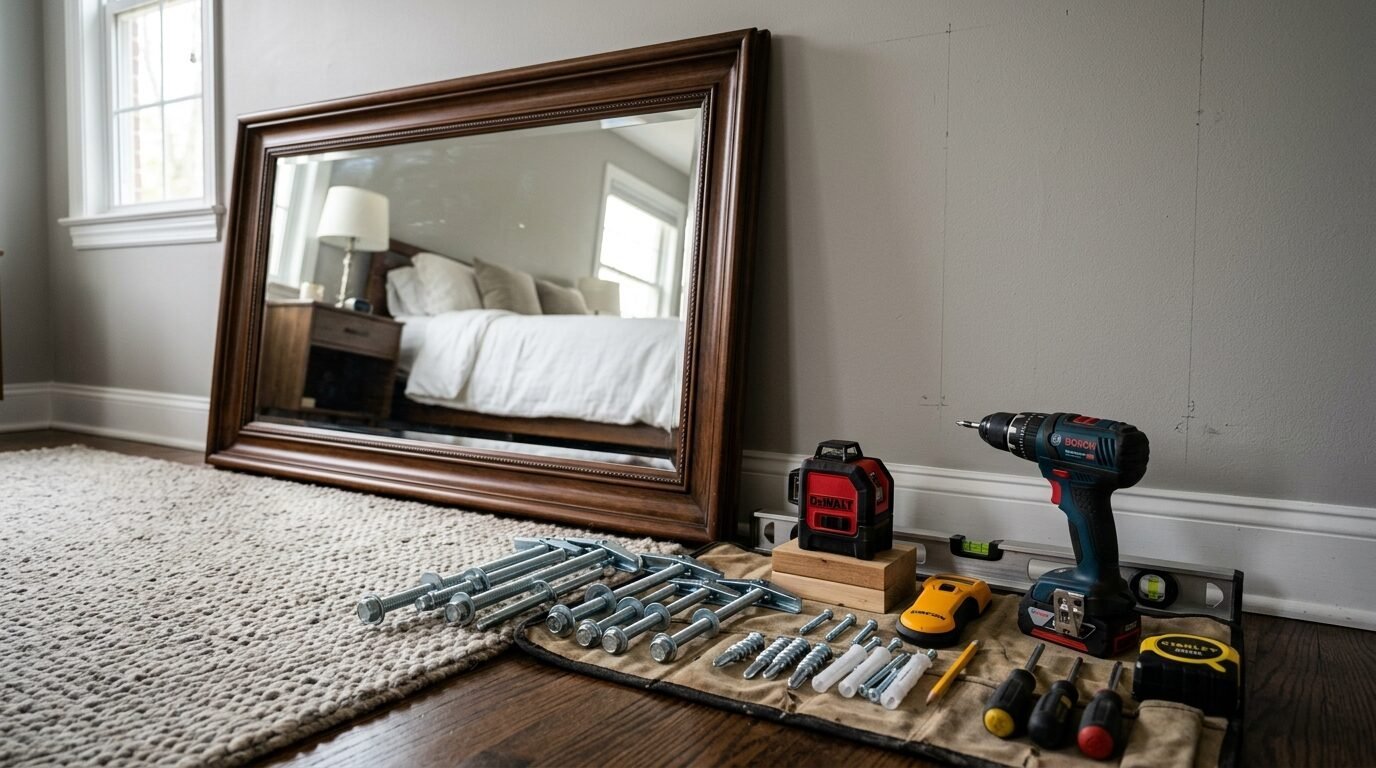
Safety is a boring topic until a mirror falls. Mirrors are heavy. They require real planning to hang. A large mirror can weigh forty to sixty pounds.
I once saw a mirror fall in a rental apartment. The owner used a simple nail. It ripped right through the drywall. It ruined the floor and the mirror.
Finding the stud
You must use a stud finder. If you cannot find a stud, you must use heavy-duty toggle bolts. Do not trust plastic anchors for a large mirror. If you are nervous, go with a leaning mirror. It sits on the floor and only needs a small safety strap at the top.
Hanging art is a breeze
Art is usually light. Even a large framed piece is manageable. You can often use simple picture hooks. This makes art a better choice for renters who cannot make big holes in the walls.
9. The Gallery Mix: Creating a Modern Collage Room
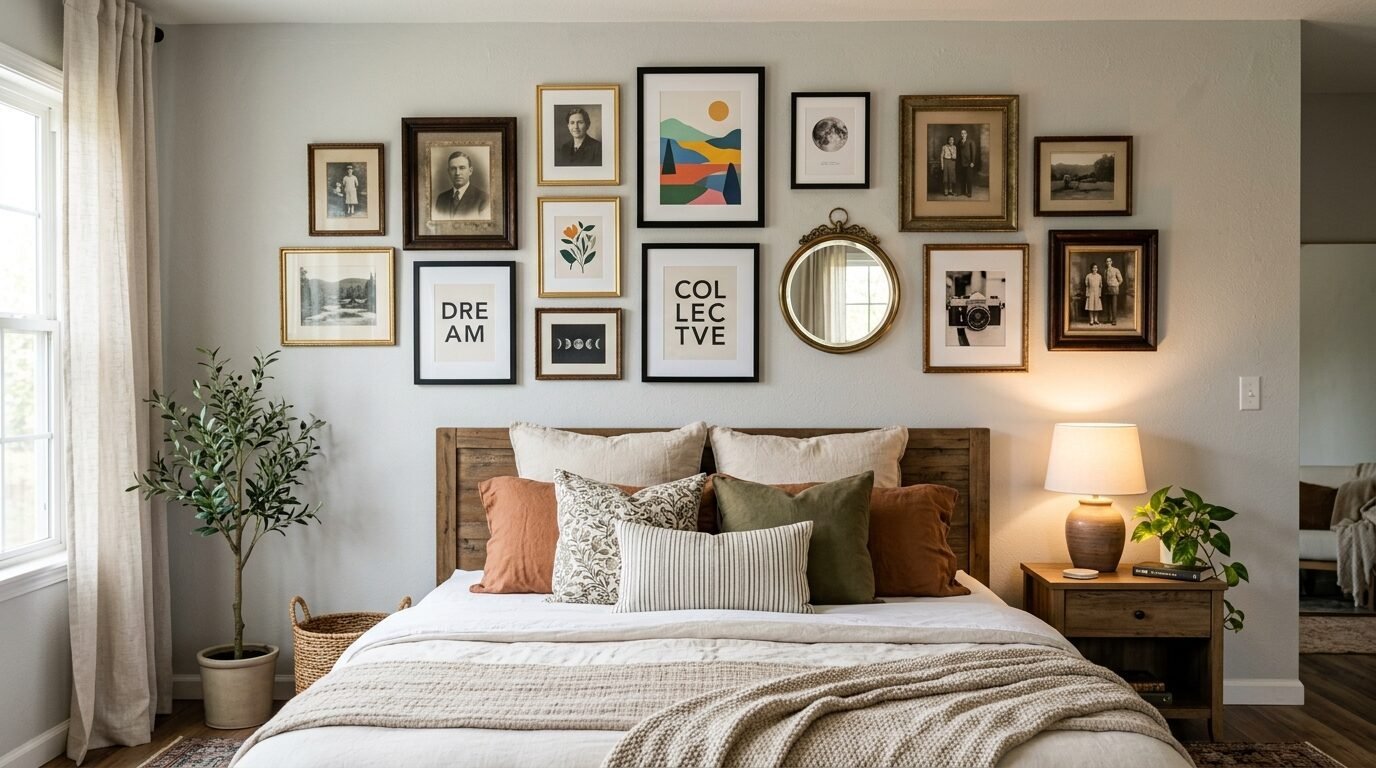
You do not have to choose just one. A collage room style is very trendy right now. This involves mixing different sizes of art and mirrors on one wall.
I love this approach for large master bedrooms. It fills the space without feeling overwhelming. The mirror adds light, and the art adds the story. It is the best of both worlds.
How to layout a mix
Start with your largest piece. It should be off-center to make it look modern. Place a medium-sized mirror next to it. Then, fill in the gaps with smaller framed prints. Keep the space between frames consistent. About two inches is perfect.
Mixing frame styles
Do not match all your frames. Mix a gold mirror with a black art frame. Add a wooden piece in between. This makes the wall look like it grew over time. It feels more authentic and less like a furniture catalog.
10. Resale Value: Portability for Renters vs Homeowners
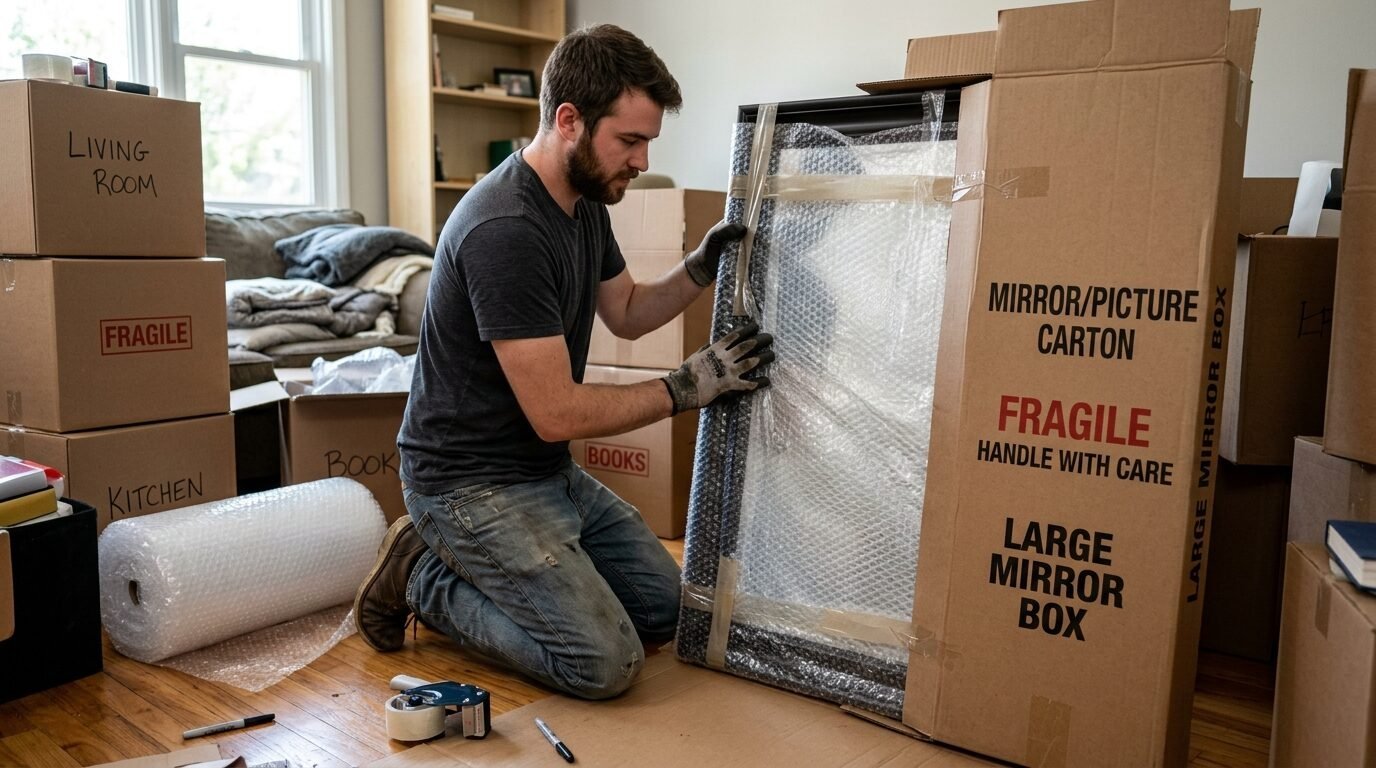
Think about your future. Are you moving soon? Mirrors are very portable. A good mirror works in a living room, a hallway, or a bathroom. It is a long-term investment.
Art is more specific. A piece that fits your current bedroom might not work in your next home. However, original art can increase in value. I have pieces I bought ten years ago that are now worth double what I paid.
Why mirrors are the renter’s friend
If you move every year, buy mirrors. They help you make every new, small apartment feel better. They are the ultimate “fix-it” tool for bad layouts.
Why art is the homeowner’s legacy
If you plan to stay in your home, invest in art. It becomes part of the house. It marks a period of your life. It is something you can pass down to your family.
Brand Comparison and Tool Guide
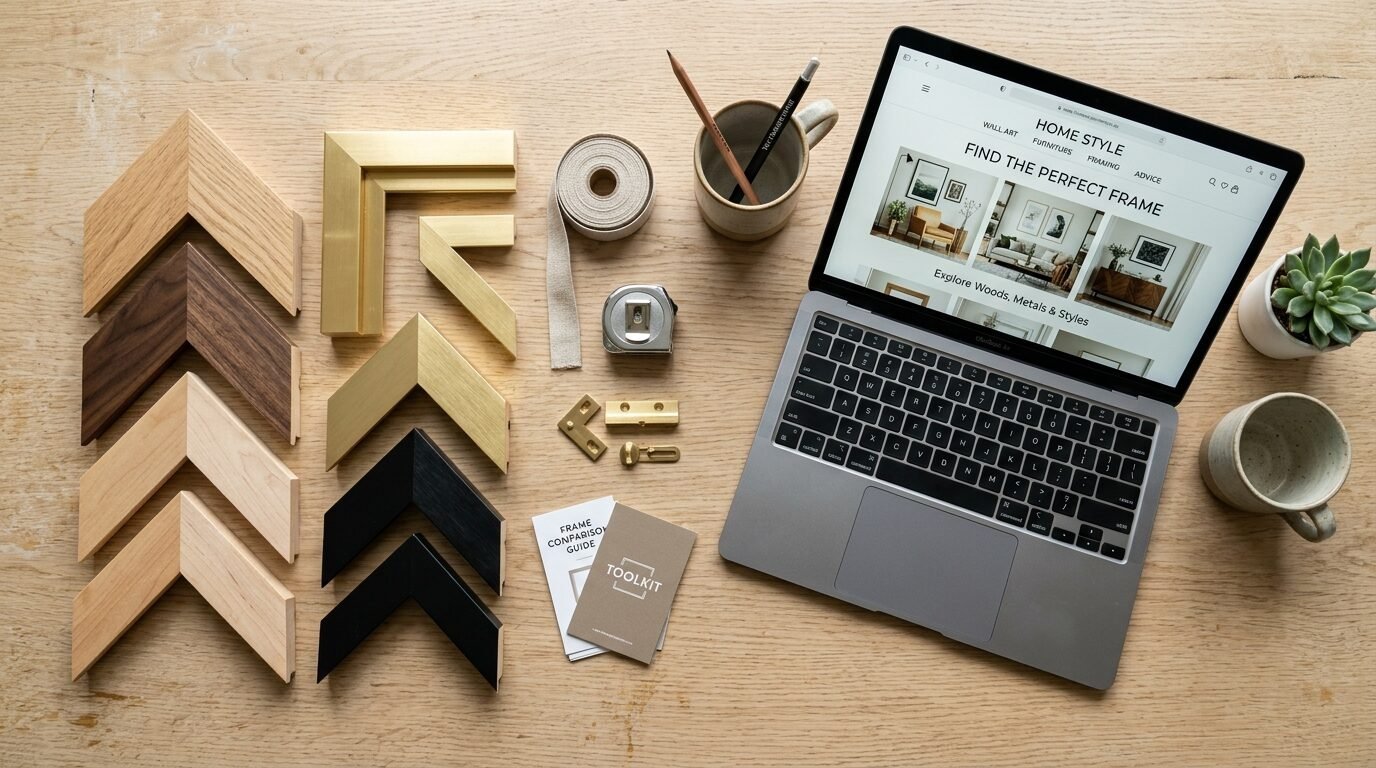
I have tested many brands over the years. Here is a quick look at where to shop based on your needs and budget.
| Brand | Best For | Price | My Honest Take |
| IKEA | Basic Mirrors | Low | Great for basics, but the frames can feel a bit thin. |
| West Elm | Statement Mirrors | Mid-High | Their metal finishes are the best in the business. |
| Society6 | Artist Prints | Low-Mid | Incredible variety, but you have to buy your own frames. |
| Framebridge | Custom Framing | Mid-High | The easiest way to make a cheap print look expensive. |
| Target | On-trend Decor | Low | Perfect for trying out a look without spending a lot. |
| Minted | Fine Art Prints | Mid | High-quality paper and curated choices from real artists. |
| Article | Minimalist Style | Mid | Their wood-framed mirrors are solid and very heavy. |
| Anthropologie | Fancy Mirrors | High | Very expensive, but their “Gleaming Primrose” mirror is a classic. |
Frequently Asked Questions
1. Where is the best place to put a mirror in a bedroom?
I suggest placing it opposite a window. This brings in the most light. Avoid placing it directly across from your bed if you find your own reflection distracting at night. A mirror next to a closet is also a very practical choice.
2. How high should I hang my wall art?
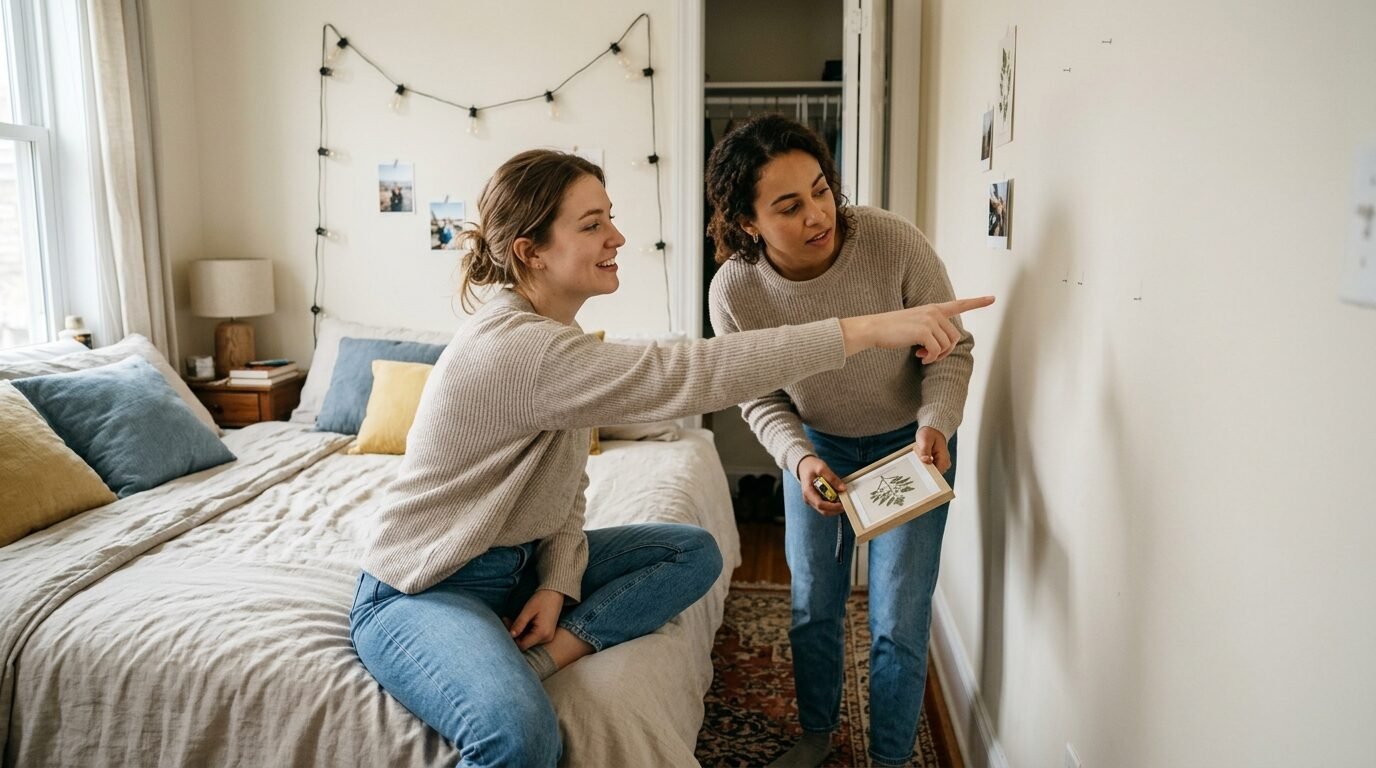
The center of the art should be about sixty inches from the floor. This is eye level for most people. If it is over a headboard, leave about six to eight inches of space above the bed. Do not hang it too high, or it will look like it is floating away.
3. Can I use a mirror instead of a headboard?
Yes, but it is risky. If you sit up to read, your head might hit the glass. It also gets smudged very easily. If you want this look, use a very sturdy, framed mirror and secure it to the wall studs.
4. What is the best way to clean a dark room mirror?
Use a mix of one part white vinegar and four parts water. Use a microfiber cloth. Do not clean it when the sun is hitting it directly. The heat will dry the solution too fast and leave streaks.
5. Should I buy a floor mirror or a wall mirror?
If you have the floor space, a leaning floor mirror feels more luxurious. It adds more height to the room. If your room is very small, a wall mirror keeps the floor clear and makes the room feel less cluttered.
6. Is original art worth the extra cost?
If you love it, yes. Original art has a texture that prints cannot match. You can see the brushstrokes. It feels more “alive” on the wall. However, high-quality framed prints are a great way to start if you are on a budget.
7. How do I stop a heavy mirror from tilting forward?
Use two hanging points instead of one. Use a heavy-duty wire and two wall hooks. This keeps the mirror flat against the wall. You can also use adhesive “bumpers” on the bottom corners to keep it steady.
Final Verdict
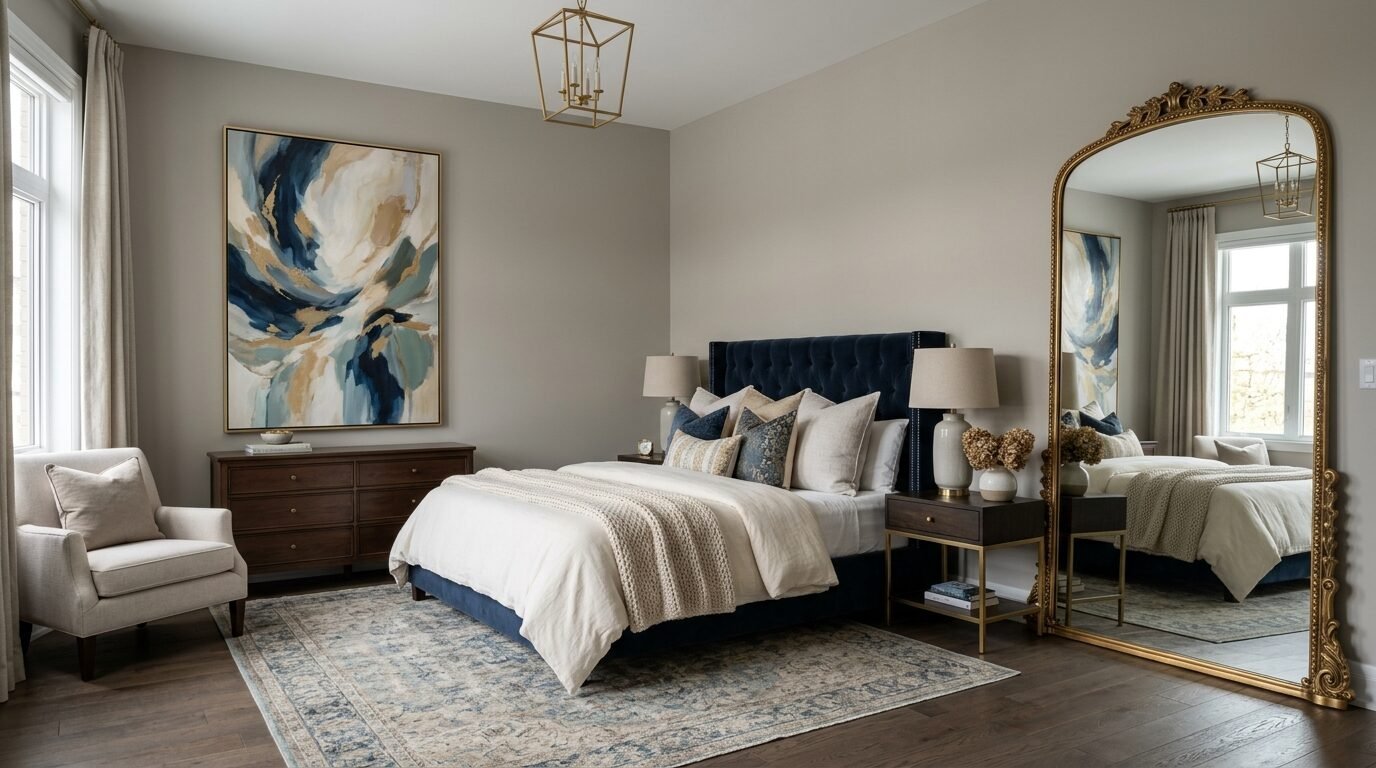
So, which one has more impact? If your room is small and dark, the mirror wins every time. It is a functional powerhouse. It changes the physics of the space. It makes a room feel liveable and bright.
If your room is already bright and you want it to feel like “home,” choose the wall art. Art provides the soul that a mirror lacks. It is the final touch that turns a sleeping space into a personal retreat.
In my experience, the best bedrooms use both. A large mirror on one wall and a beautiful piece of art on the other creates perfect balance. Start with what you need most today. You can always include more later.

Anya Castellan is the Founder and Editor-in-Chief of Home Wall Trends. An art history graduate of the Rhode Island School of Design with twelve years of experience writing for leading American design publications, she specializes in composition, gallery wall theory, and the quiet architecture of domestic space. A former contributing editor at Architectural Digest and guest lecturer at Parsons School of Design, Anya personally reads and signs off on every piece before it is published.