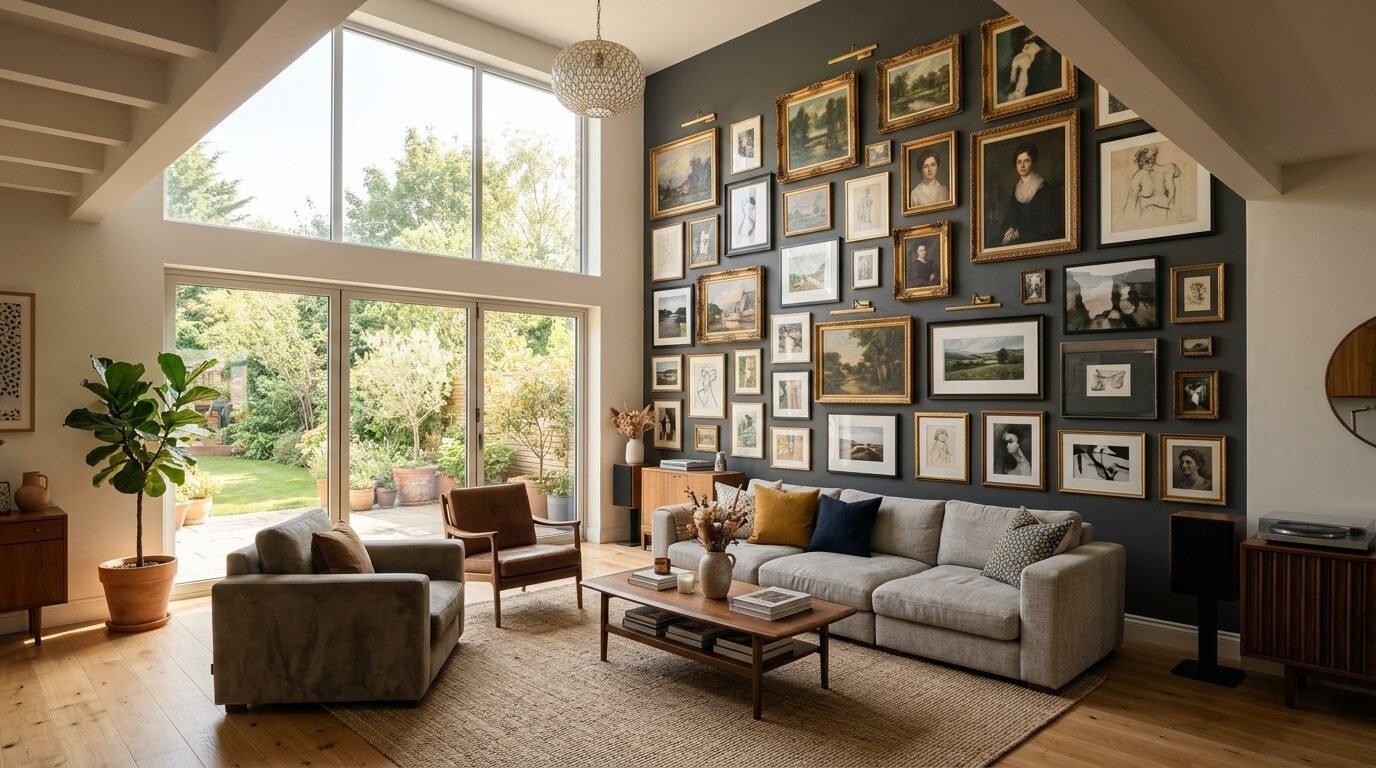
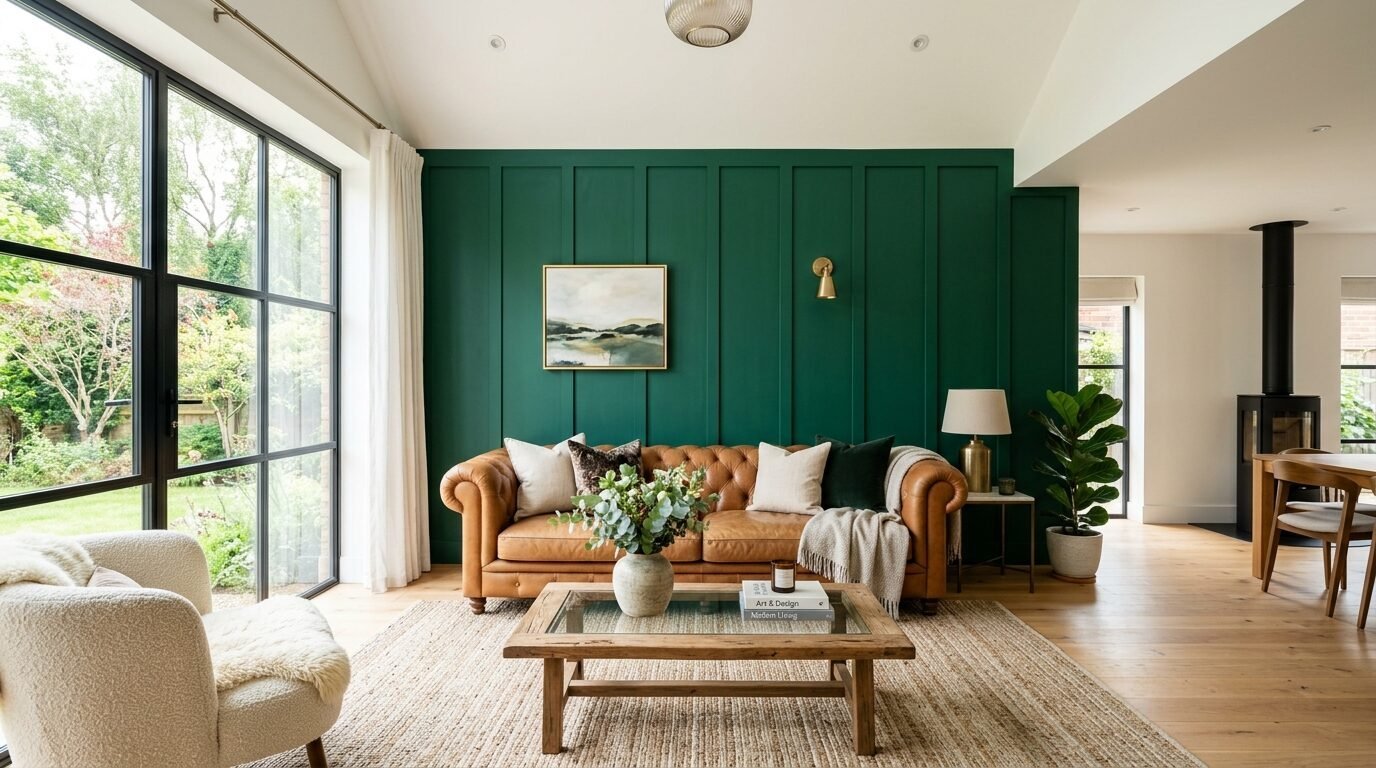
I remember standing in my living room three years ago staring at a flat, boring beige wall. It felt like the room had no soul. I wanted that high-end custom home look without the high-end price tag. That was the first time I picked up a nail gun to try a board and batten project. I made plenty of mistakes on that first try. I cut boards too short. I used the wrong caulk. But once the paint dried, the room felt like a luxury hotel.
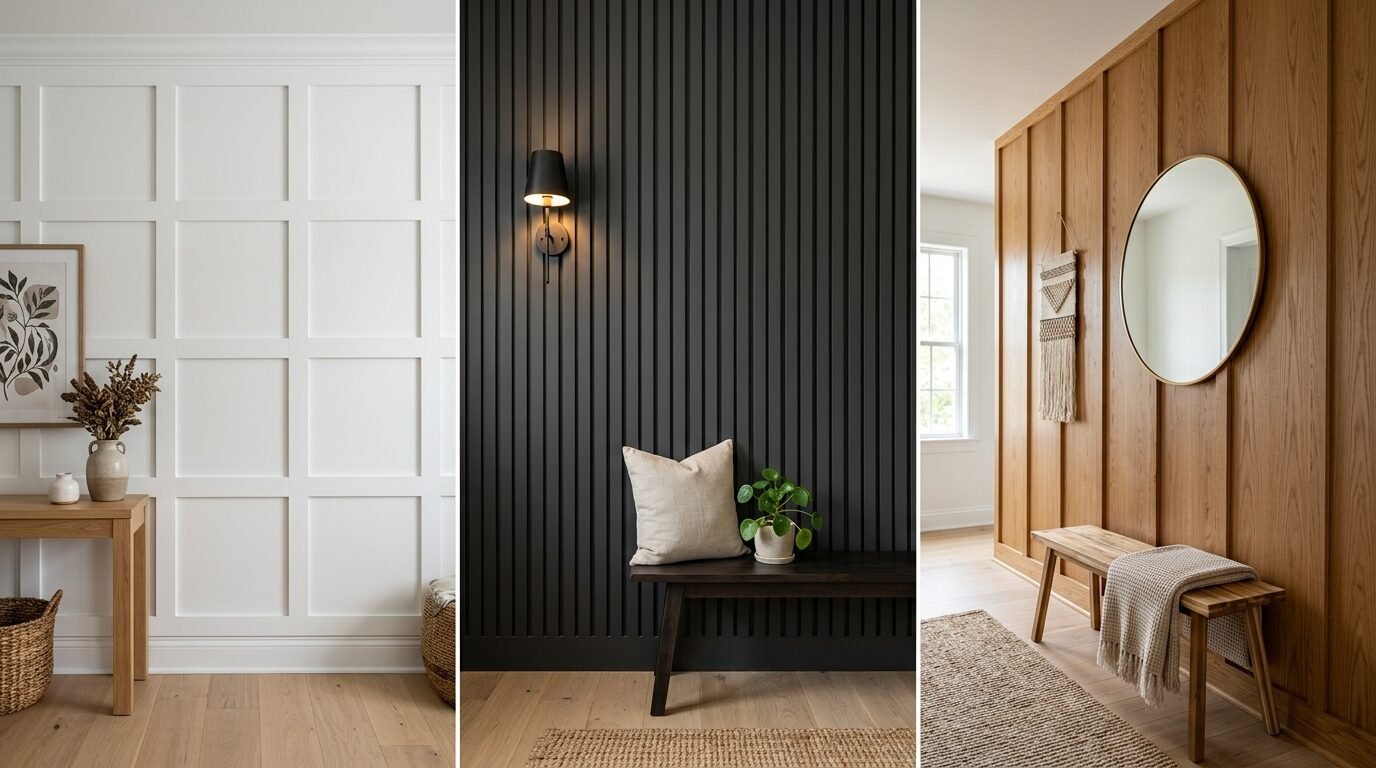
Board and batten is more than just a trend for 2026. It is a way to add depth and shadow to a room. It fixes the problem of “flat” walls. In my experience, it is the most cost effective way to add value to your home. Whether you love the modern farmhouse look or a sleek modern vibe, there is a pattern for you. I have tested these designs in my own home and for my clients. Here is what I learned about making your walls look amazing.
1. The Classic Square Grid
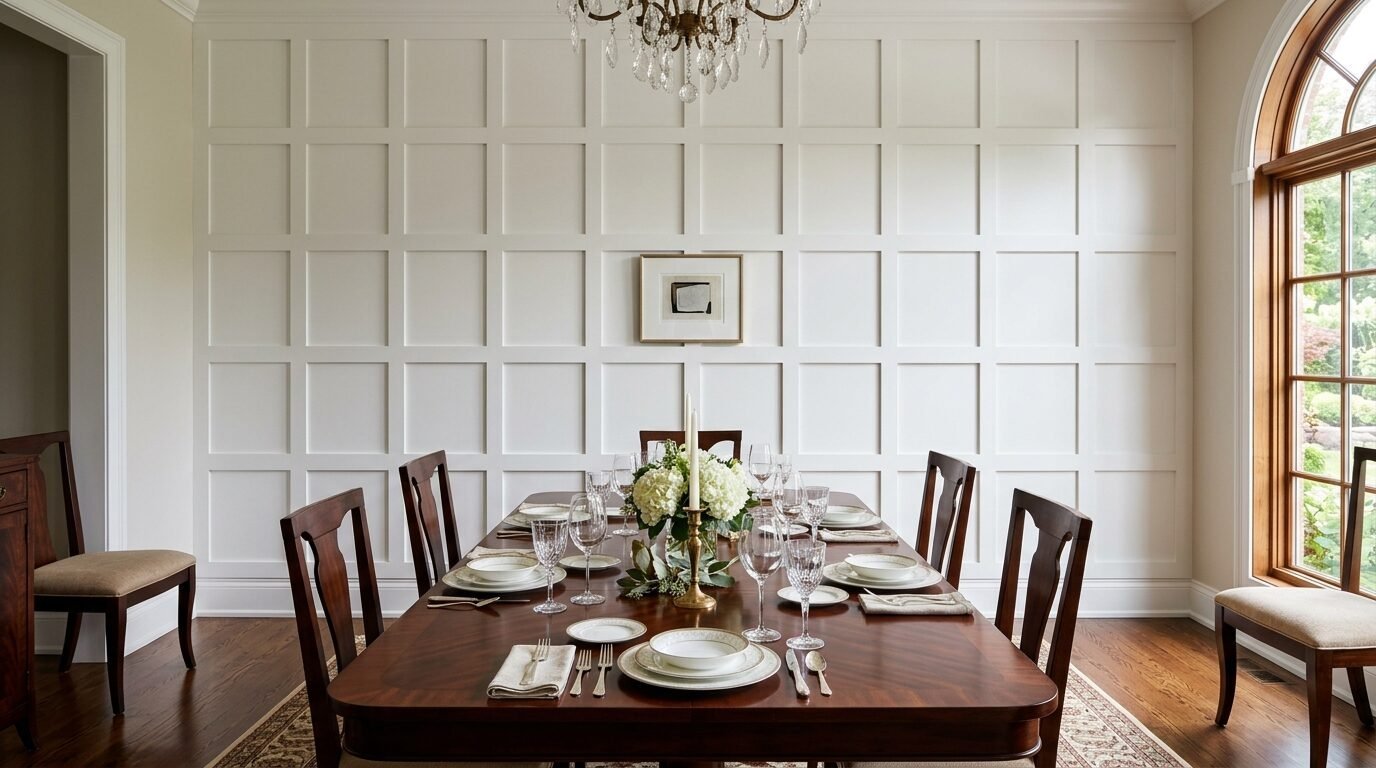
The classic square grid is the foundation of many room makeovers. I first saw this in a historic home in Charleston. It uses vertical and horizontal boards to create perfect squares across the whole wall. This style works best in dining rooms. It creates a formal feeling without being too stiff.
When I installed this for a friend last year, we used 1 by 3 primed MDF boards. We spaced them exactly 18 inches apart. The symmetry is what makes this look expensive. I suggest painting the entire wall one solid color. A soft white like Sherwin Williams Alabaster makes the shadows pop. It looks like custom millwork from a hundred years ago.
2. Extra Tall Skinny Slats
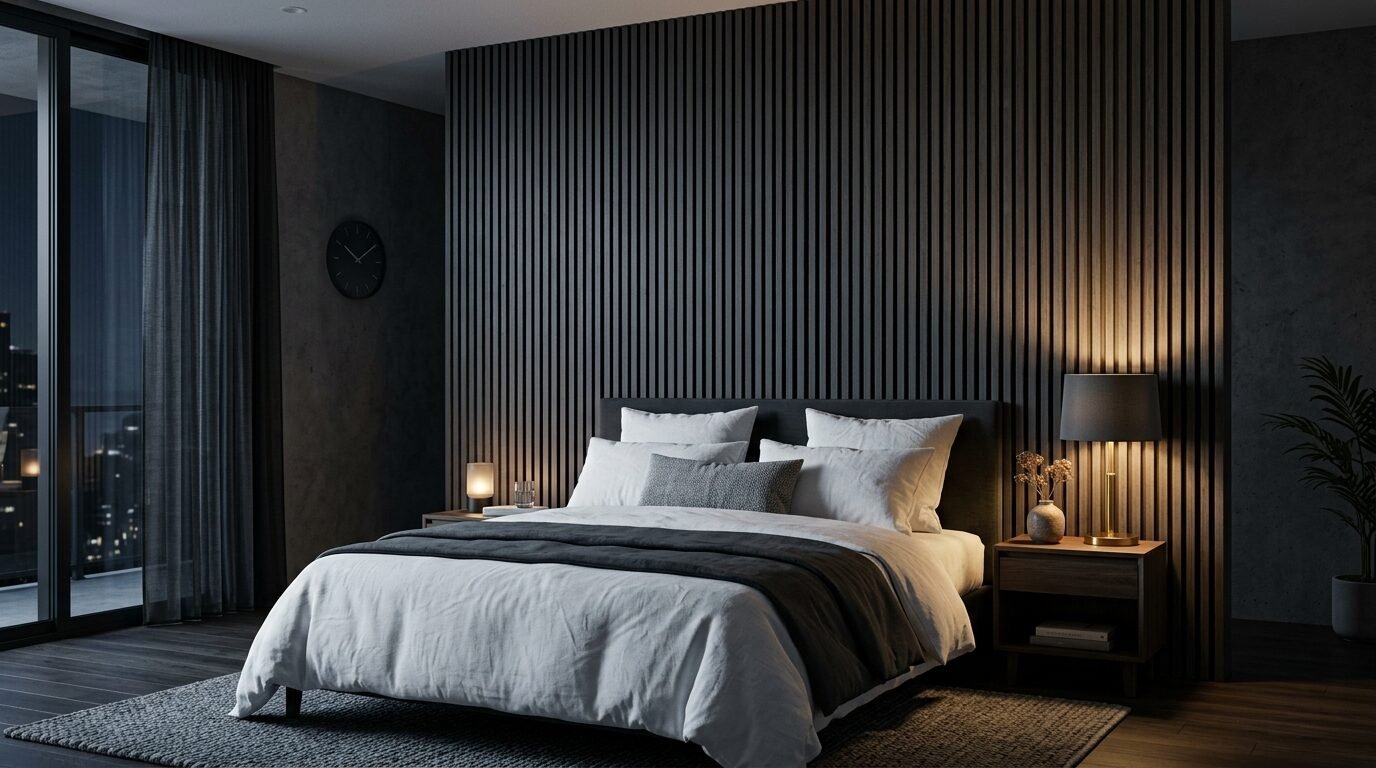
If you want your ceilings to look higher, use skinny vertical slats. I tried this in a small guest bedroom with eight foot ceilings. We used thin lattice strips instead of thick boards. By placing them only 6 inches apart, the eye is pulled upward. It makes a tiny room feel grand.
This is a very fast project. You do not have to worry about horizontal levels as much. I noticed that using a dark color like Iron Ore by Sherwin Williams creates a very moody vibe. It is perfect for a bedroom feature wall behind the headboard. It feels like a cozy cocoon.
3. The Three Quarter Height Wall
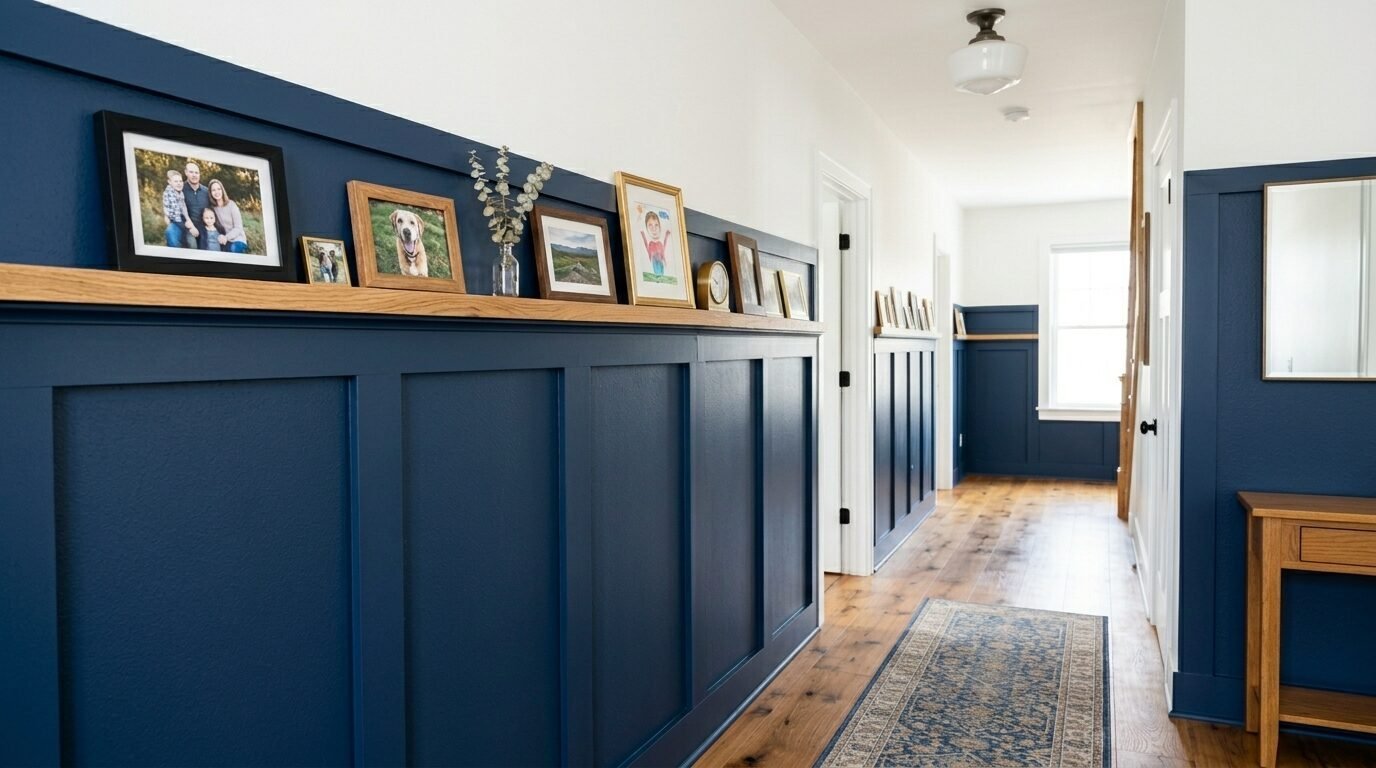
You do not always have to go all the way to the ceiling. The three quarter height wall is a personal favorite of mine for hallways. You run the boards about 75 percent of the way up the wall. Then you top it with a thick ledge.
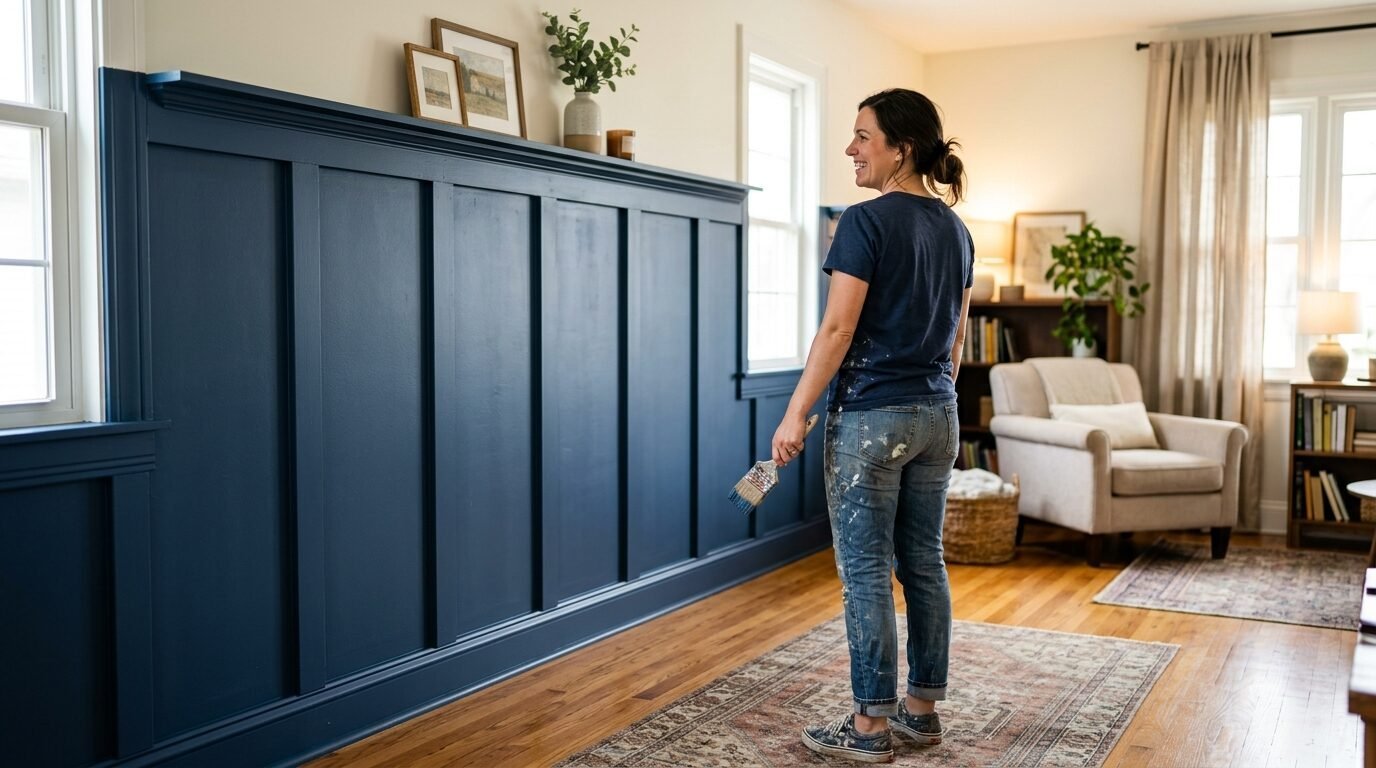
I like this because it gives you a place to lean small art prints or photos. In my own hallway, I painted the bottom portion a deep navy. The top quarter of the wall stays a bright white. This keeps the space from feeling too dark or heavy. It also protects your walls from scuffs in high traffic areas.
4. Modern Farmhouse X Pattern
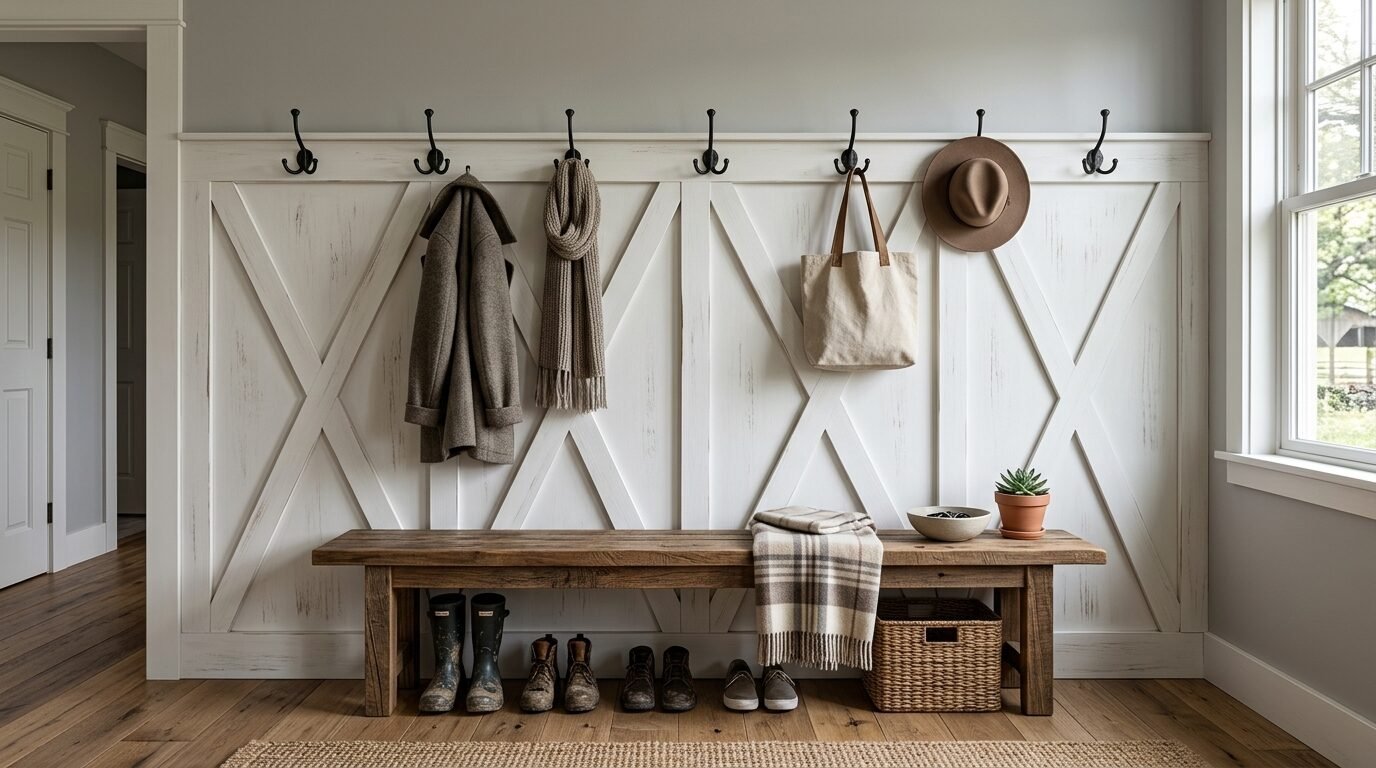
The X pattern is a staple of the modern farmhouse style. It mimics the look of a barn door. I usually suggest using this for a mudroom or a laundry room. It adds a lot of visual interest in a small space.
When I built an X pattern wall in 2025, I learned that the angles can be tricky. You need a good miter saw. If your cuts are even a tiny bit off, the gaps will show. Use plenty of wood filler. Once it is sanded and painted, the joints look seamless. It is a bold choice that people always comment on when they walk in.
5. Horizontal Ship Lap Style
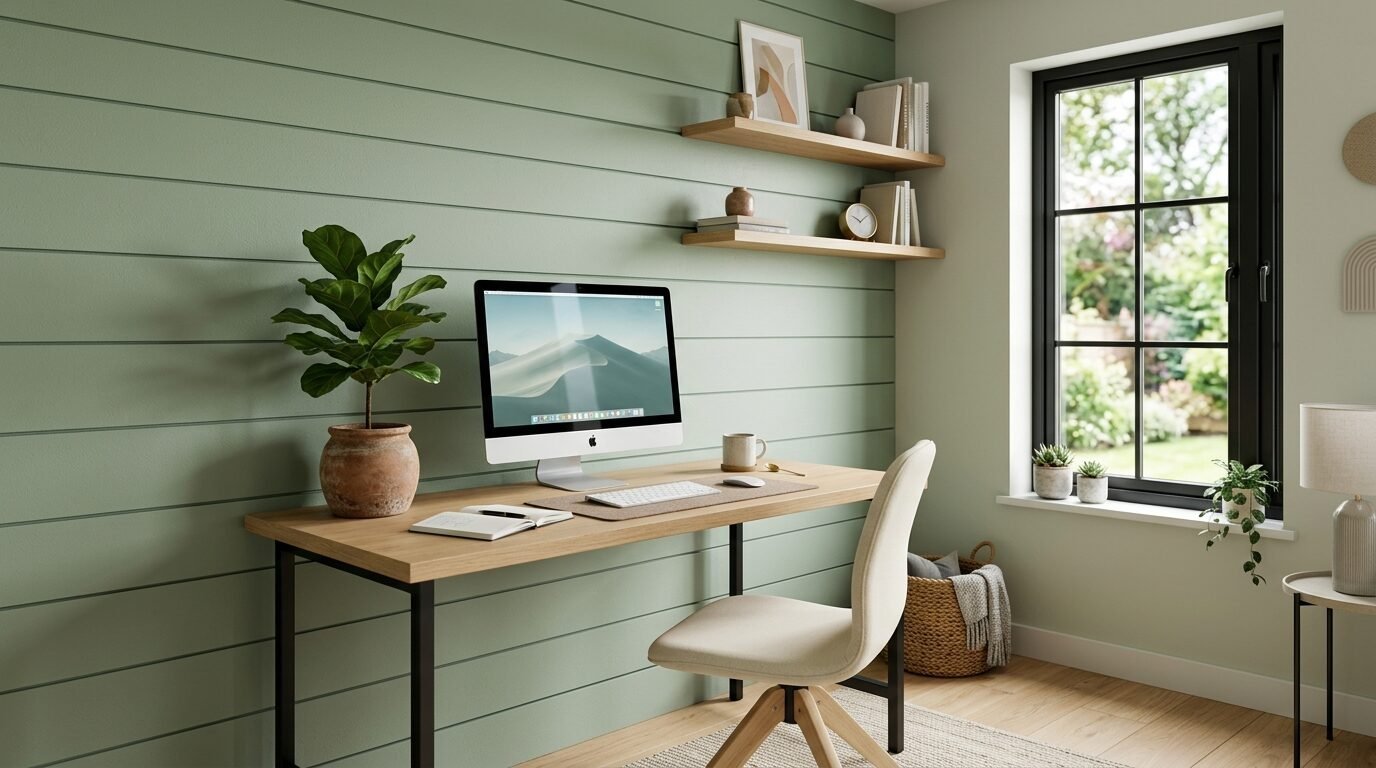
While traditional board and batten is vertical, a horizontal twist is becoming popular this year. I call this the modern stack. Instead of squares, you create long horizontal rectangles. It makes a narrow room feel much wider.
I saw this work well in a narrow home office. We used wider boards, about 6 inches across. We painted them a sage green. It felt very calm and grounded. It is a great alternative if you are tired of standard shiplap but still want a horizontal line.
6. The Double Layer Grid
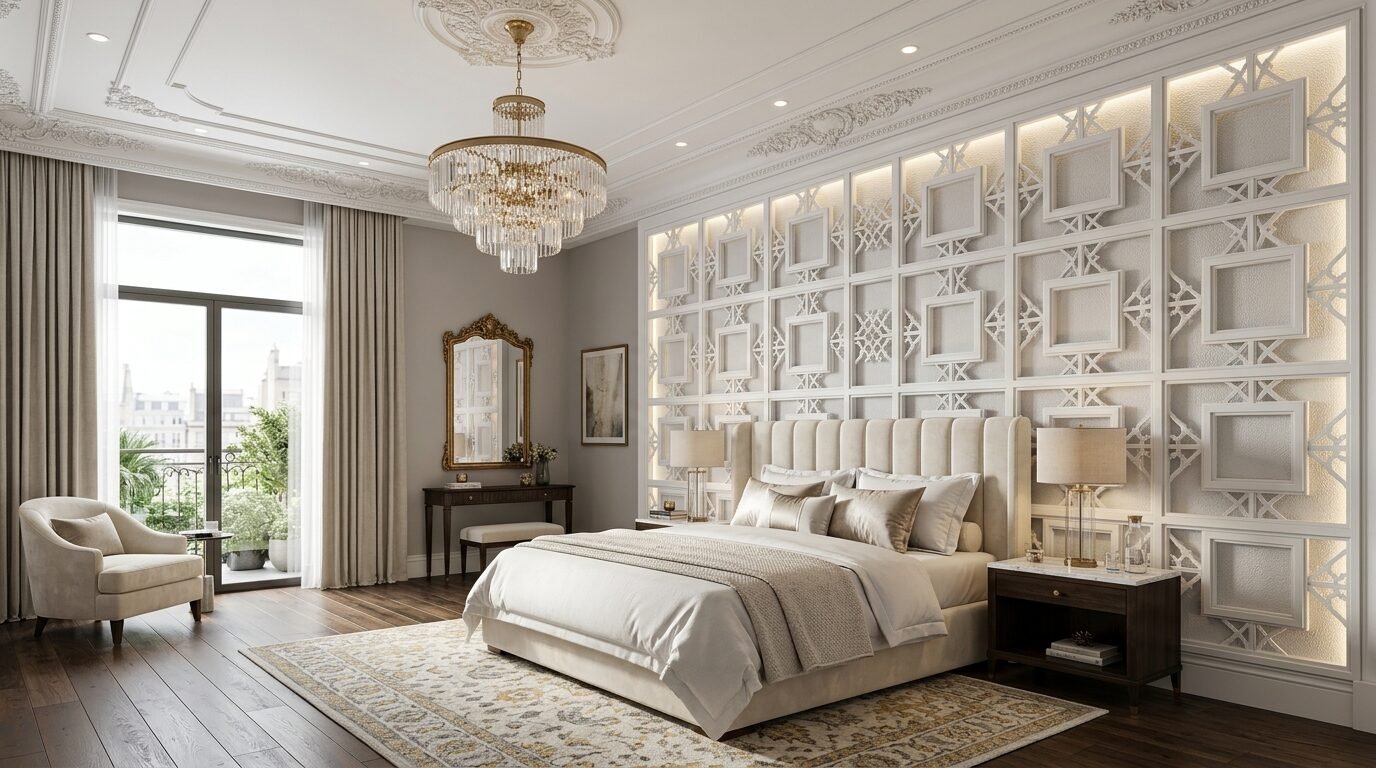
For a very high end look, I recommend the double layer grid. This involves building a standard grid and then adding a smaller, thinner molding inside each square. This is often called picture frame molding mixed with board and batten.
I installed this in a master suite in Austin last fall. It looks incredibly sophisticated. It takes more time because you have twice as many pieces to cut and nail. However, the level of detail is unmatched. It looks like something you would see in a million dollar estate.
7. Natural Wood Tones
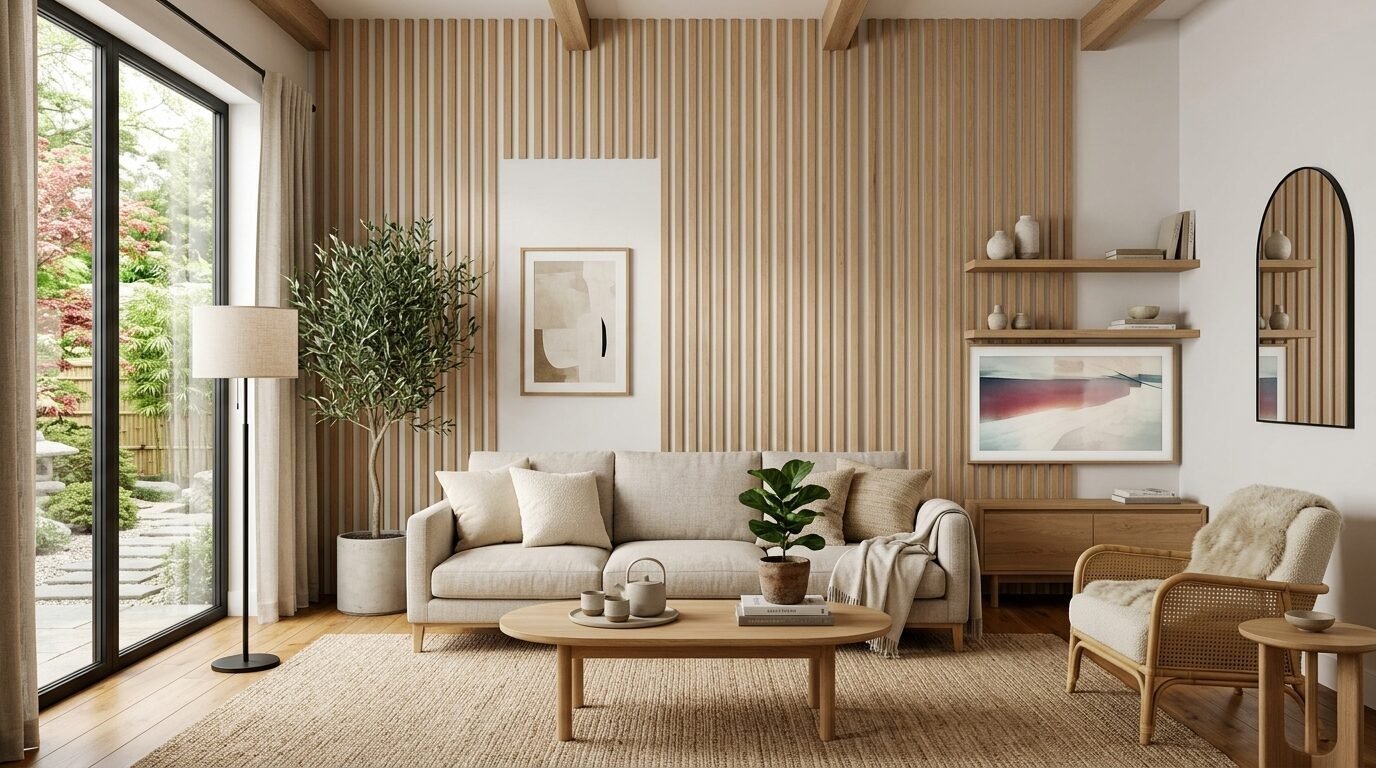
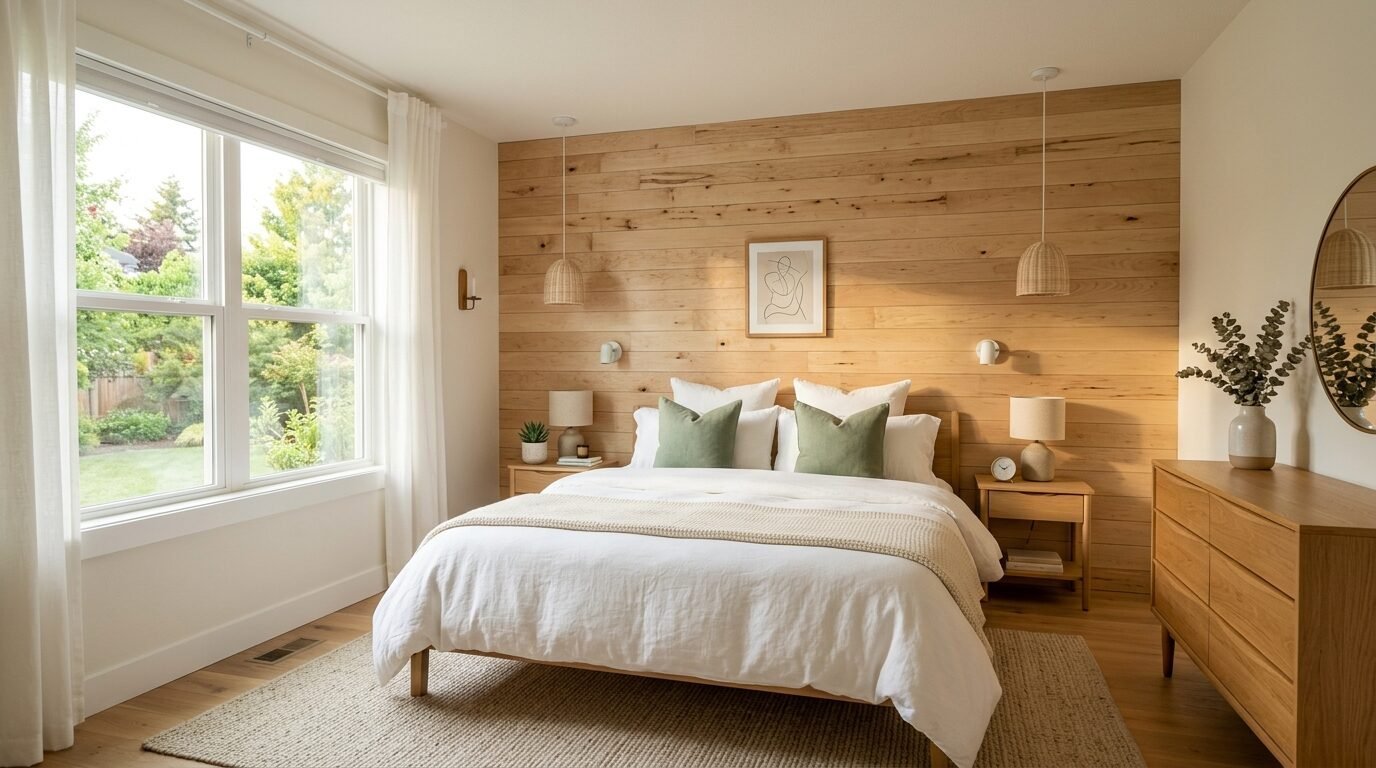
Most people paint their board and batten. But I have seen a huge shift toward natural wood in 2026. Using white oak or clear pine boards creates a warm, organic feel. It fits perfectly with the Japandi or Scandinavian design styles.
I tried this using 1 by 2 oak strips over a white wall. The contrast between the warm wood and the crisp white paint is beautiful. You do not even need to stain the wood. Just use a clear matte sealer to protect it. It brings a bit of nature inside your home.
8. Arched Top Batten
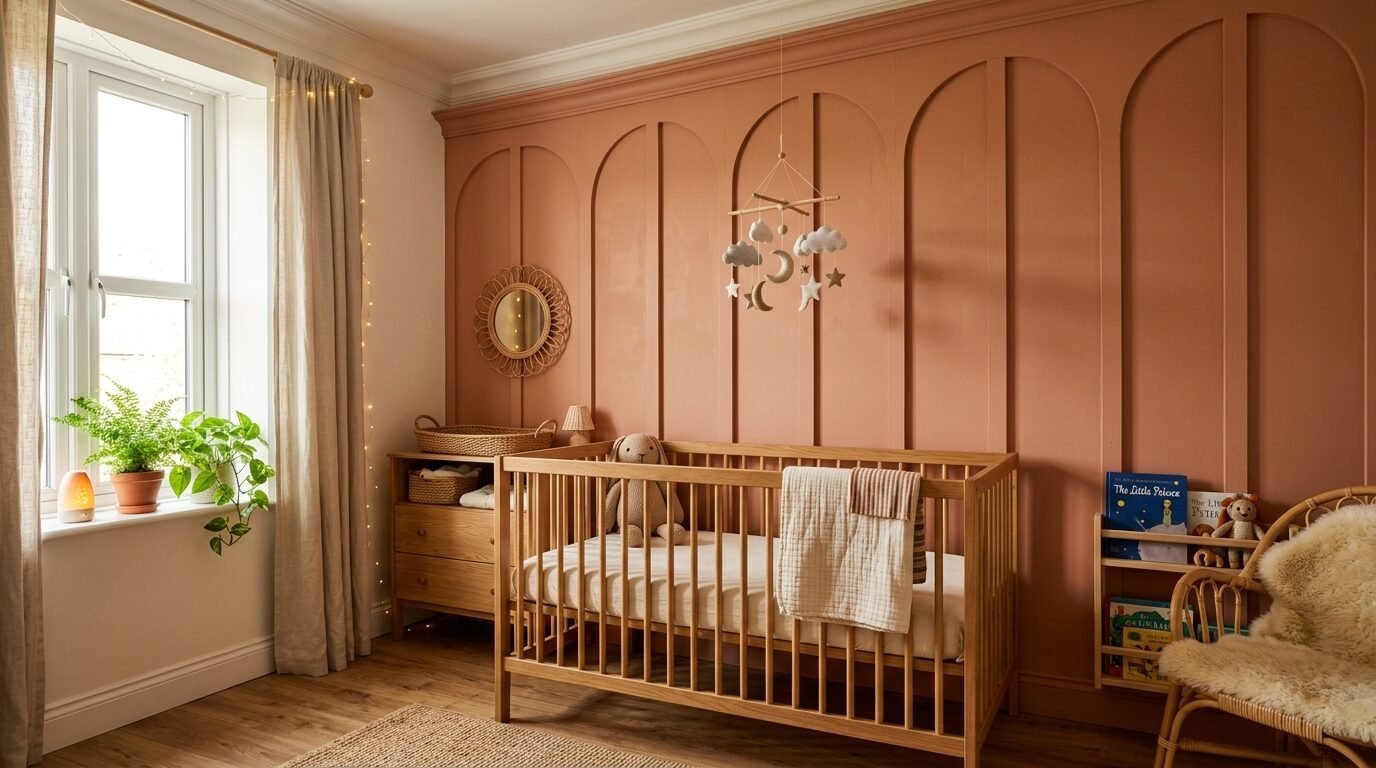
Arches are everywhere right now. You can incorporate this into your wall by adding a curved piece at the top of each vertical batten. I saw a DIY version of this using flexible MDF or even thick rope painted to match the wood.
It softens the hard lines of a standard board and batten wall. I think this works best in a nursery or a whimsical bedroom. It feels less industrial and more handcrafted. It is a bit more advanced but the payoff is a truly unique feature wall.
9. The Chevron Accent
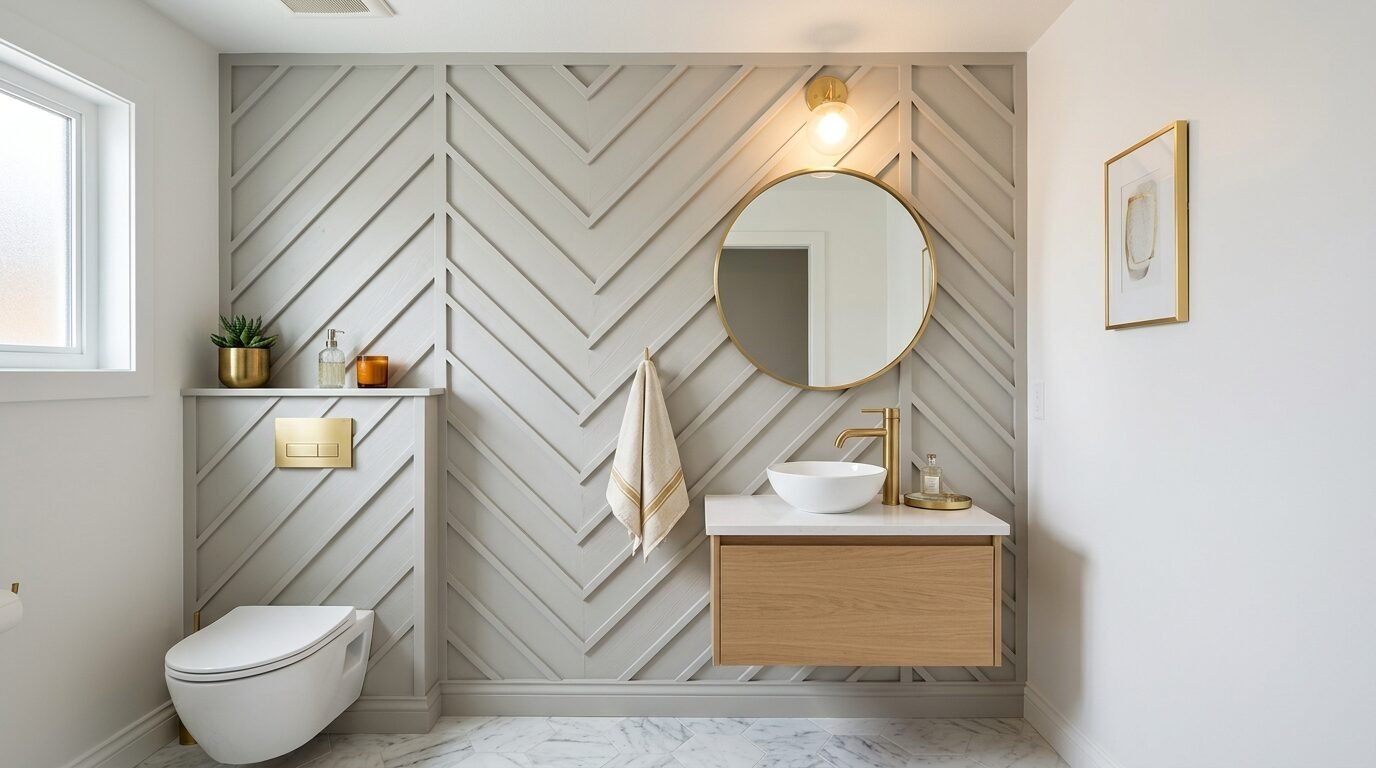
If you want to be daring, try a chevron or herringbone pattern. Instead of straight vertical lines, the boards meet at 45 degree angles to create a V shape. This is a high energy design.
I have noticed that this works best on a smaller wall. If you do it on a massive wall, it can feel overwhelming. I did a chevron wall in a small powder room and it looked like a piece of art. We used a light grey paint to keep the focus on the shadows and the pattern.
10. Moody Monochromatic Entryway
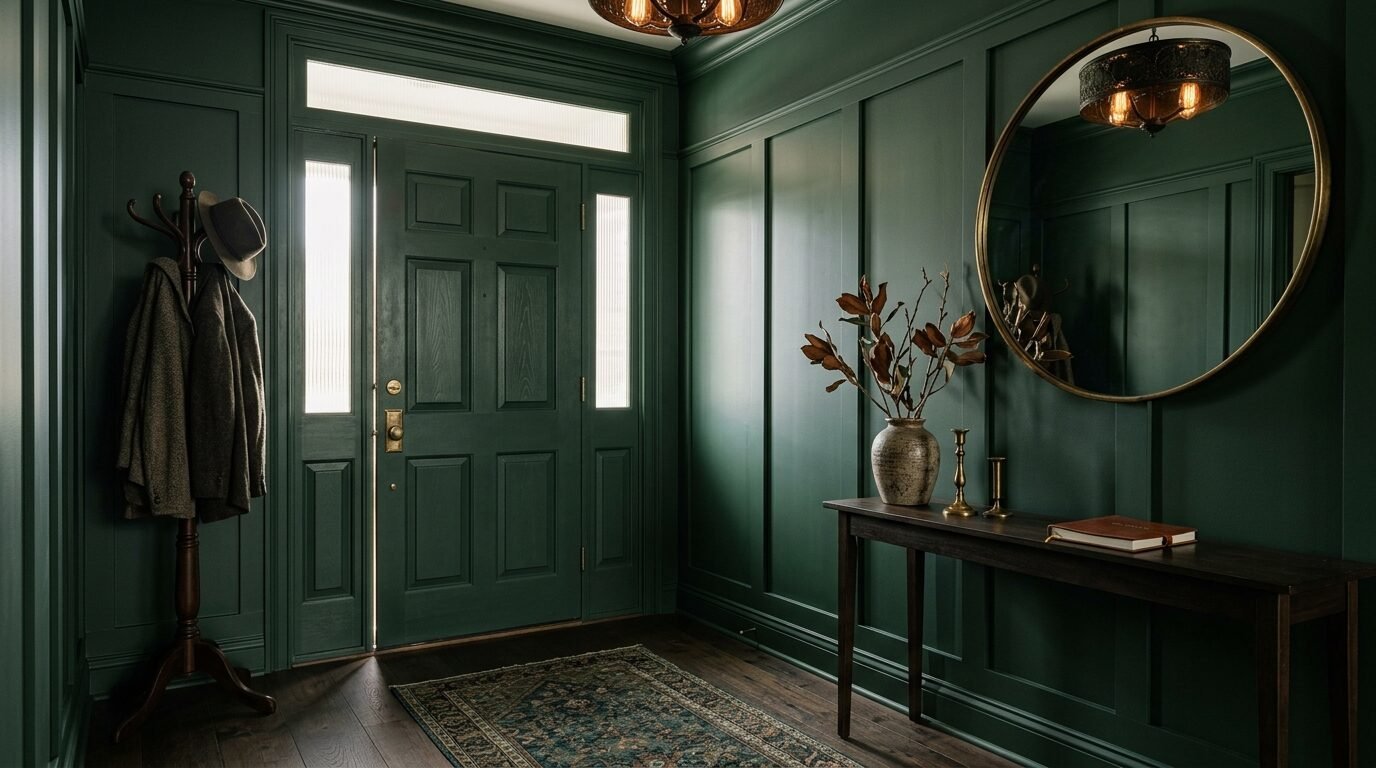
First impressions matter. A board and batten entryway sets the tone for the whole house. I suggest a monochromatic look here. This means painting the boards, the wall, the baseboards, and even the door the exact same color.
In my experience, a dark charcoal or a deep forest green works best for this. It hides the dirt that kids and pets bring in. It also makes the space feel very expensive and intentional. When the light hits the boards, you get these beautiful subtle highlights.
11. Thin Pencil Trim
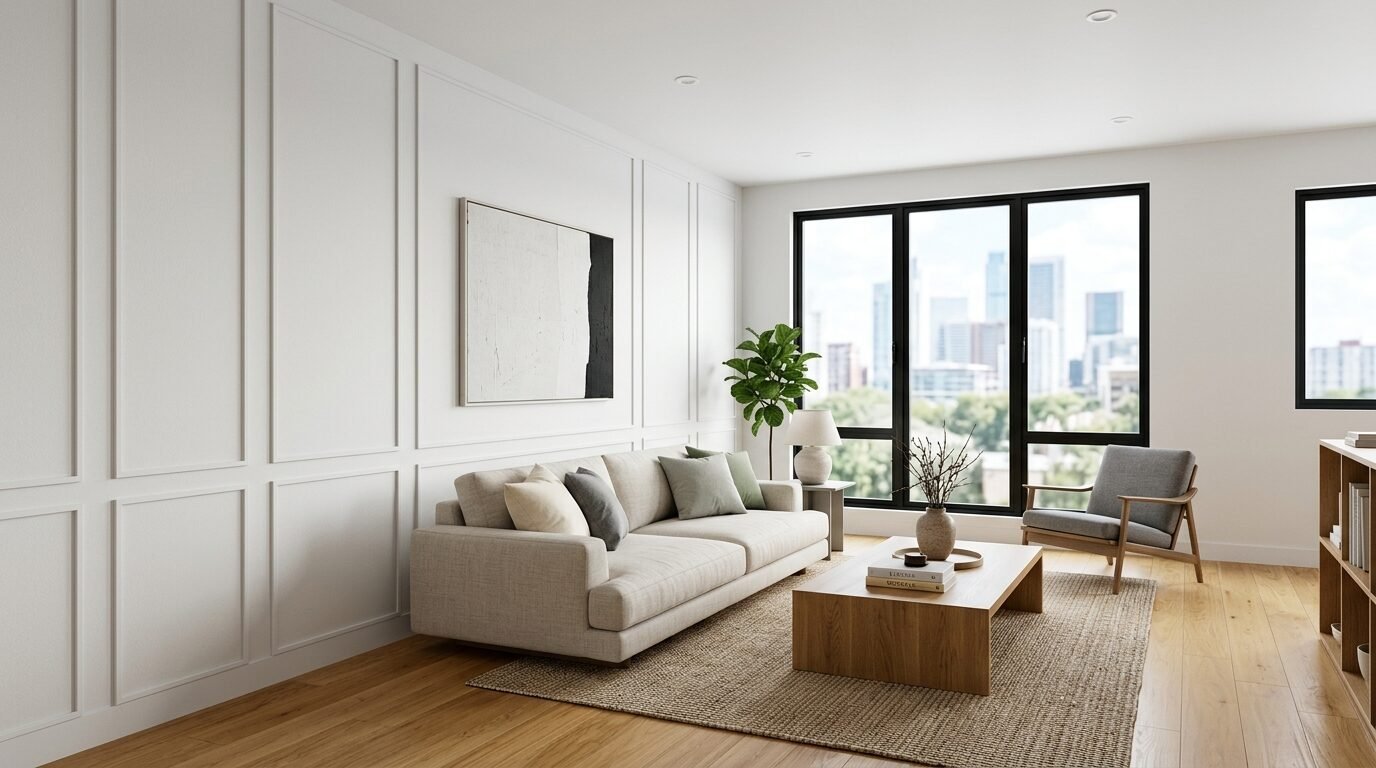
For a minimalist approach, use very thin trim. Instead of the standard 2 or 3 inch boards, use half inch trim. This creates a very delicate and refined look. It is almost like a pinstripe suit for your wall.
I like this for modern condos or apartments. It adds texture without taking up any physical space. It is also the cheapest version of this project. You can buy long bundles of thin trim for very little money at most hardware stores.
12. Integrated Bench and Hooks
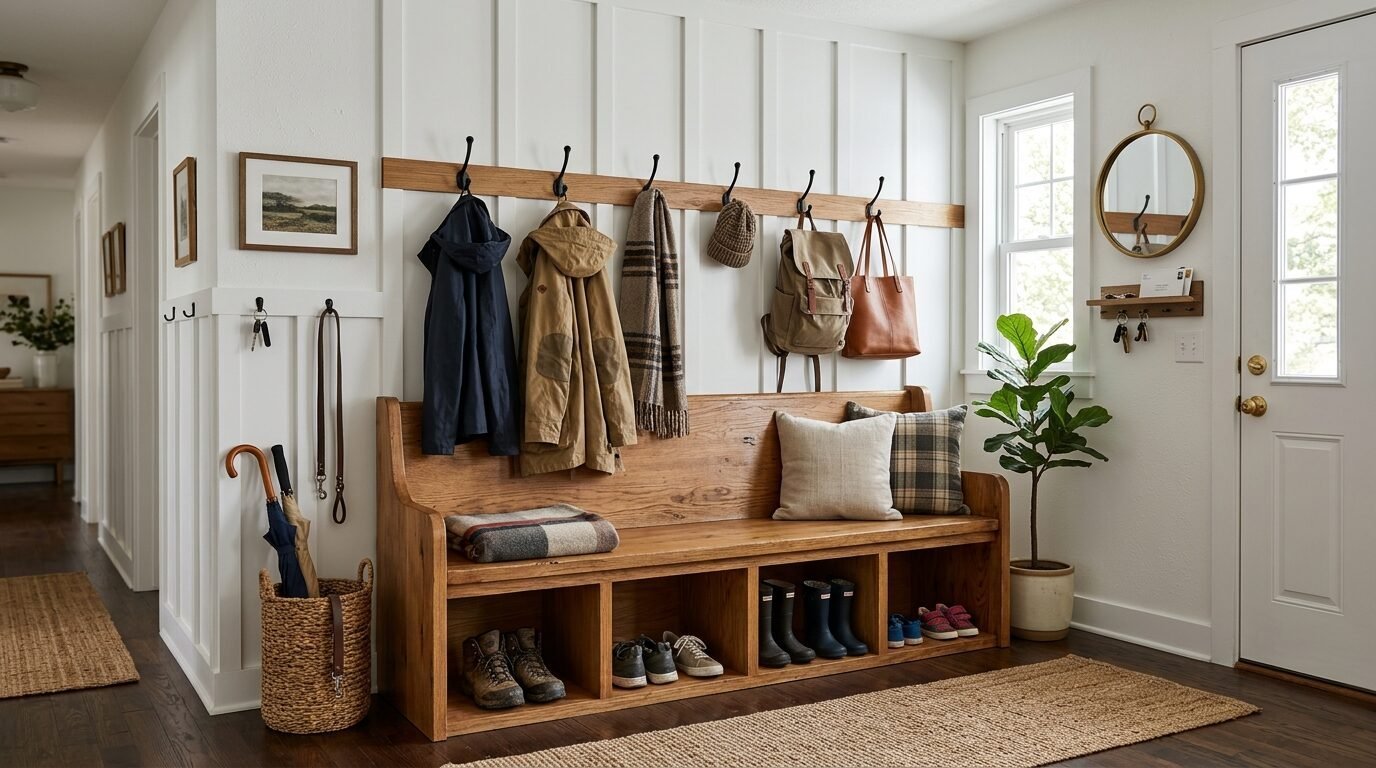
Board and batten is very practical in a mudroom. You can integrate a bench and coat hooks directly into the design. The vertical boards provide a sturdy place to mount heavy hooks for backpacks and coats.
I built one of these in my own mudroom two years ago. I used a heavy duty top rail so I could sit on the bench and lean back against the wall. It has held up perfectly. I recommend using a high gloss or semi gloss paint here. It makes it much easier to wipe down when it gets muddy.
13. Ceiling Height Diamond Pattern
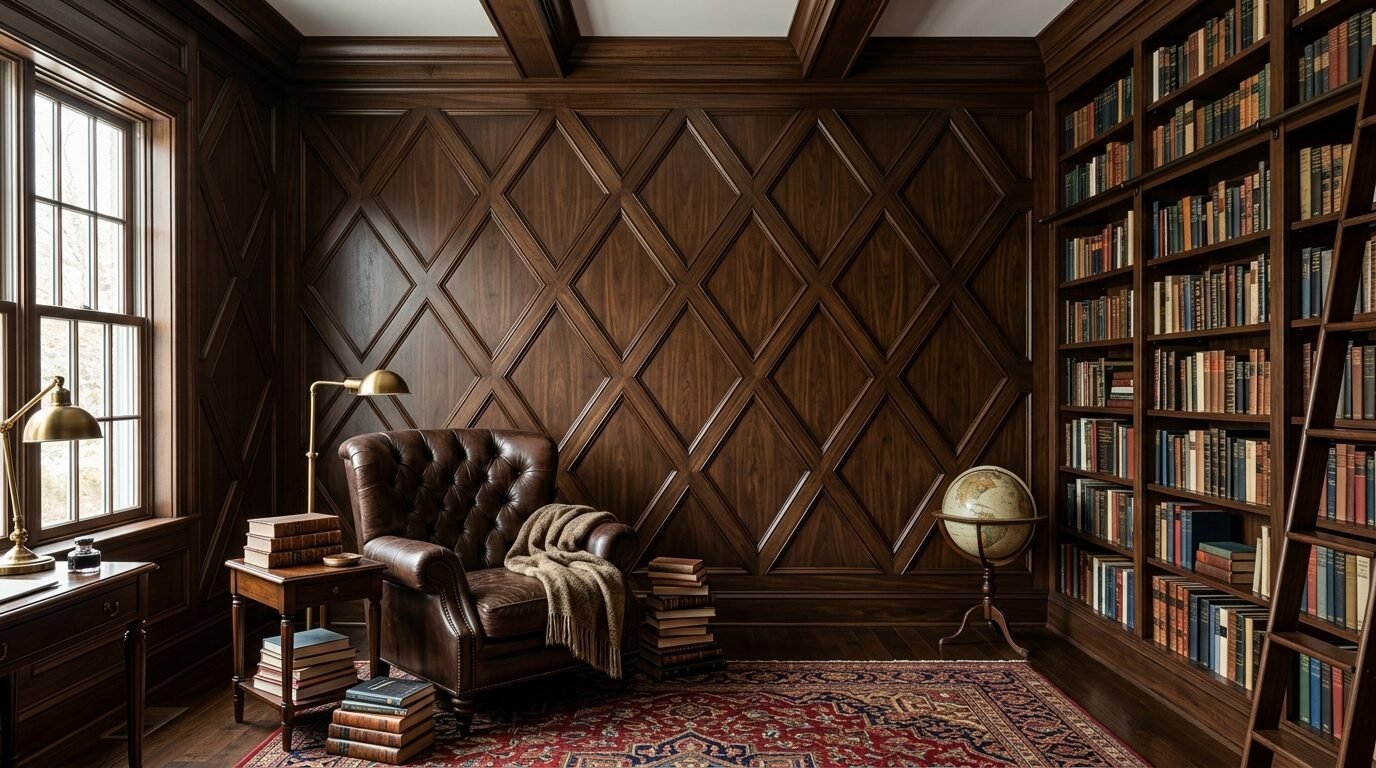
Diamond patterns are a variation of the grid but turned 45 degrees. It is much harder to measure, but it looks stunning in a home library or office. It has a very classic, old world feel.
I saw a version of this where the homeowner painted the wall inside the diamonds a slightly different shade than the boards. It created a 3D effect that was very cool. This is a project for someone who is very comfortable with a miter saw and geometry.
14. The Rustic Reclaimed Look
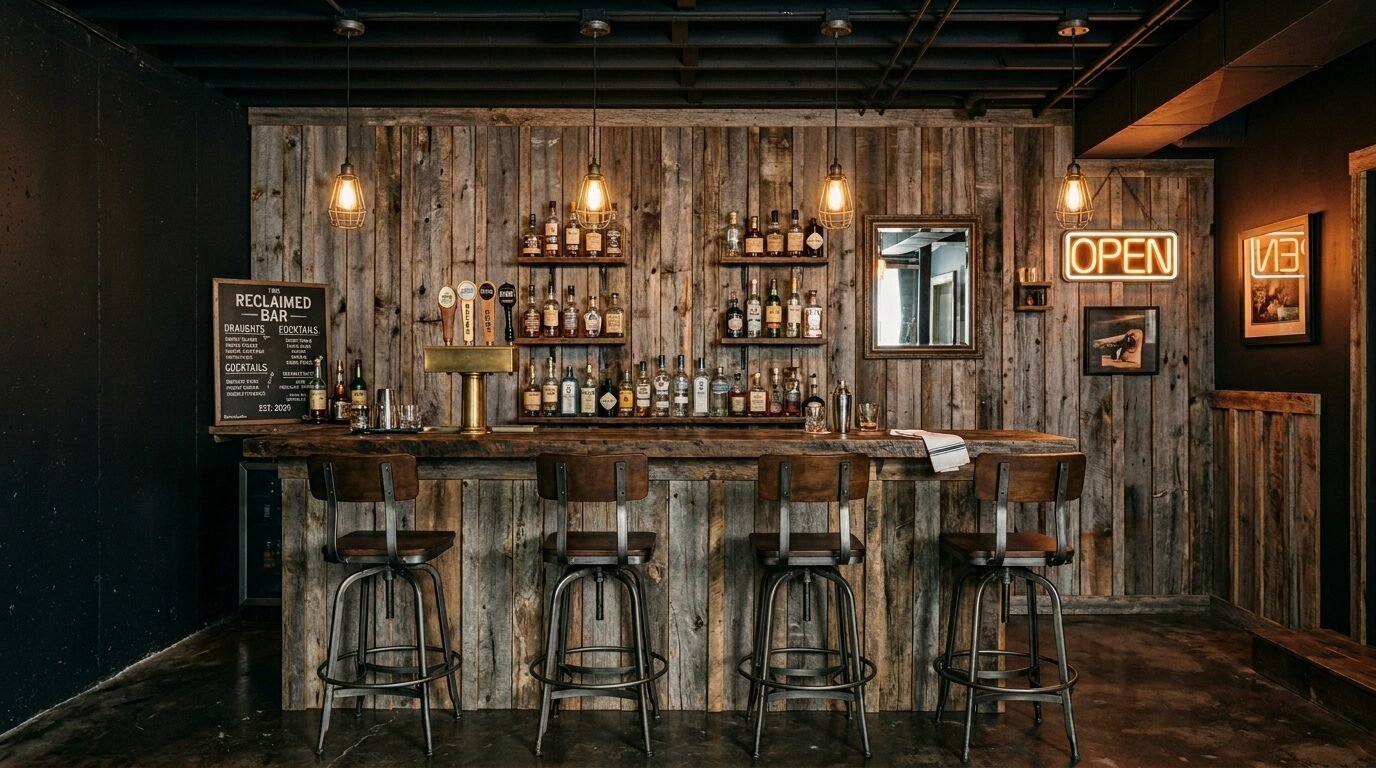
You do not have to use perfect, new boards. I once used reclaimed wood from an old fence for a board and batten wall in a basement. The knots and holes in the wood added so much character.
This style is very forgiving. If your cuts are not perfect, it just adds to the rustic charm. I suggest using a matte black background wall with the weathered wood boards on top. It creates a very cool industrial farmhouse look.
15. Picture Rail Combo
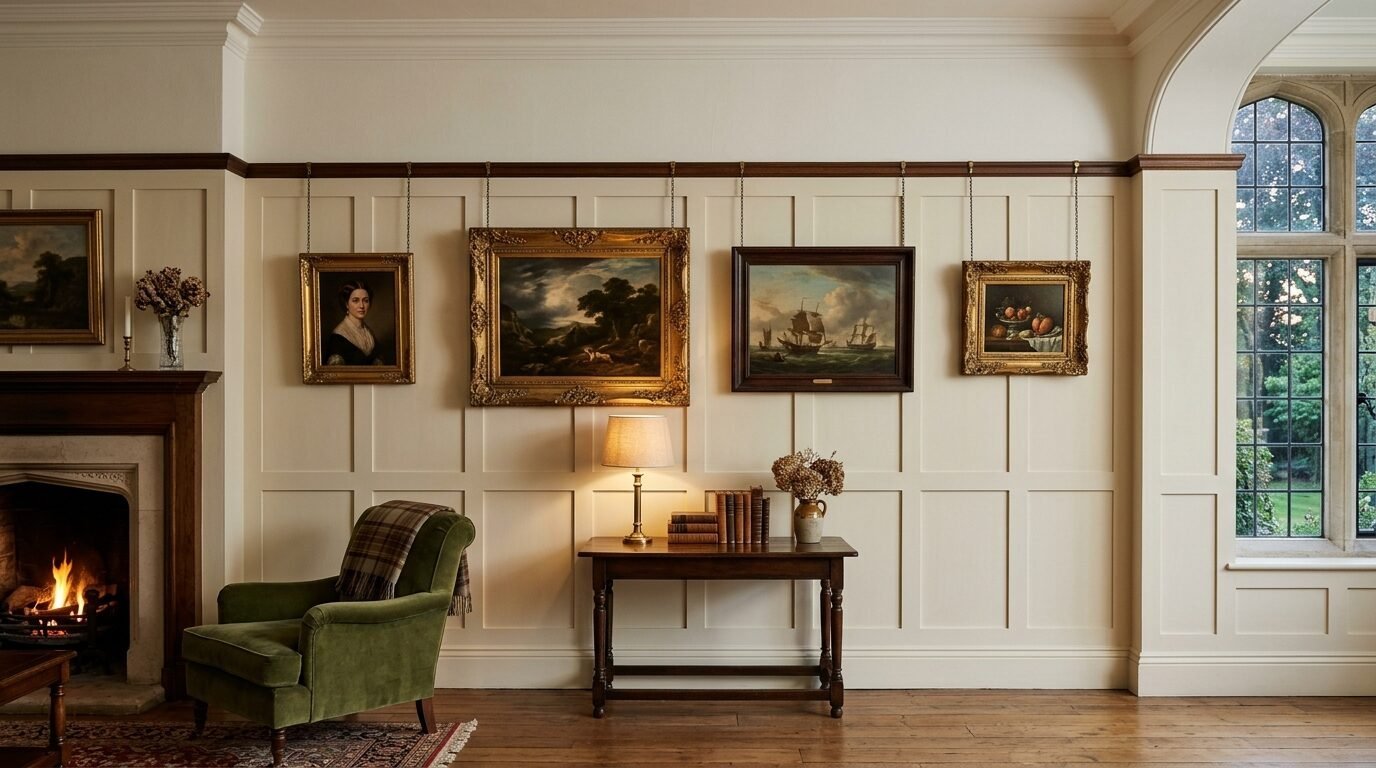
This is a very traditional interior design trick. You install a board and batten wall and finish it with a picture rail at the top. The picture rail has a small groove that allows you to hang art from hooks and chains.
I love this because you can change your art without ever putting a hole in the wall. It is perfect for people who like to swap out their decor often. I see this a lot in older homes in the Northeast, but it is making a big comeback everywhere.
16. Asymmetrical Modern Lines
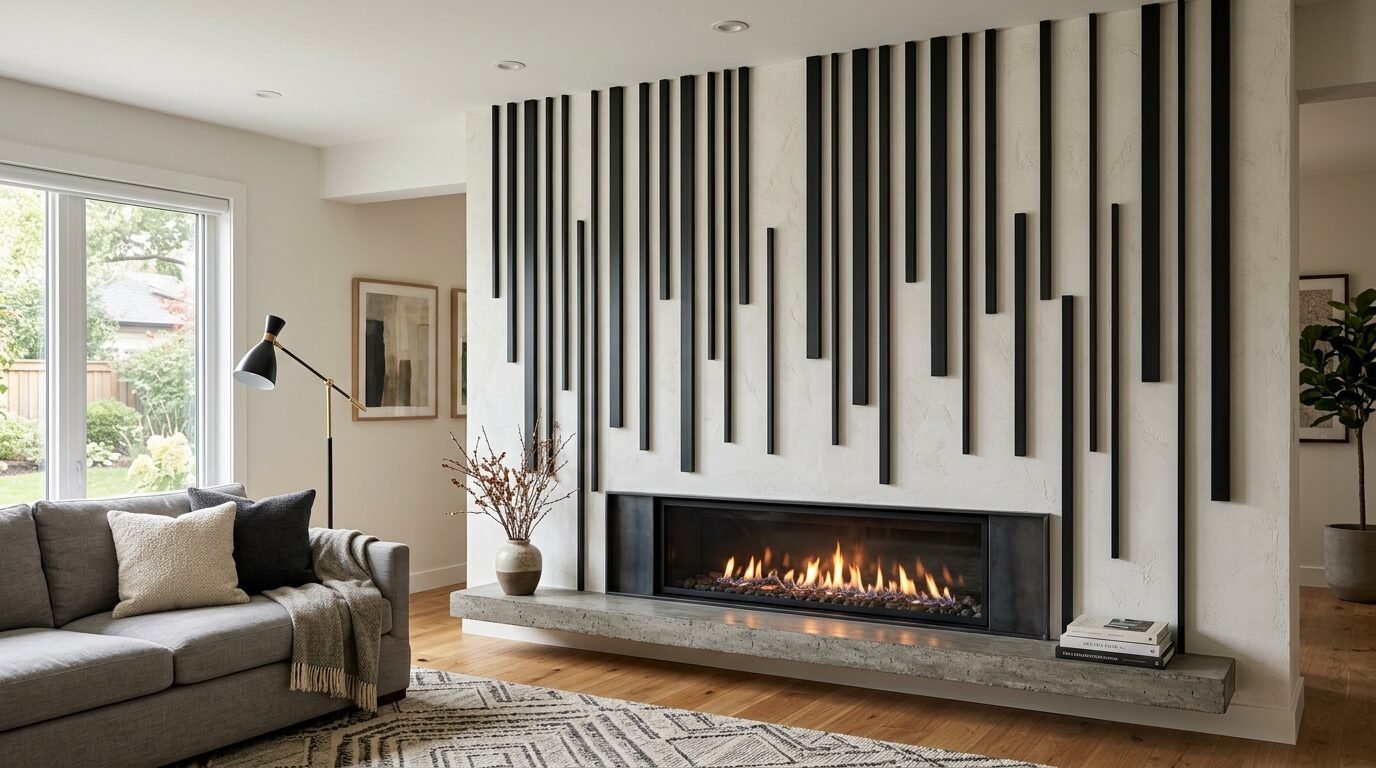
Who says the boards have to be evenly spaced? A big trend for 2026 is asymmetrical spacing. You might have three boards close together, then a wide gap, then two more boards.
It looks very artistic and modern. I tried this on a fireplace surround and it completely changed the look of the room. It felt more like a custom installation than a DIY project. Use a bold color like terracotta or deep ochre to make it stand out.
17. The Two Tone Split
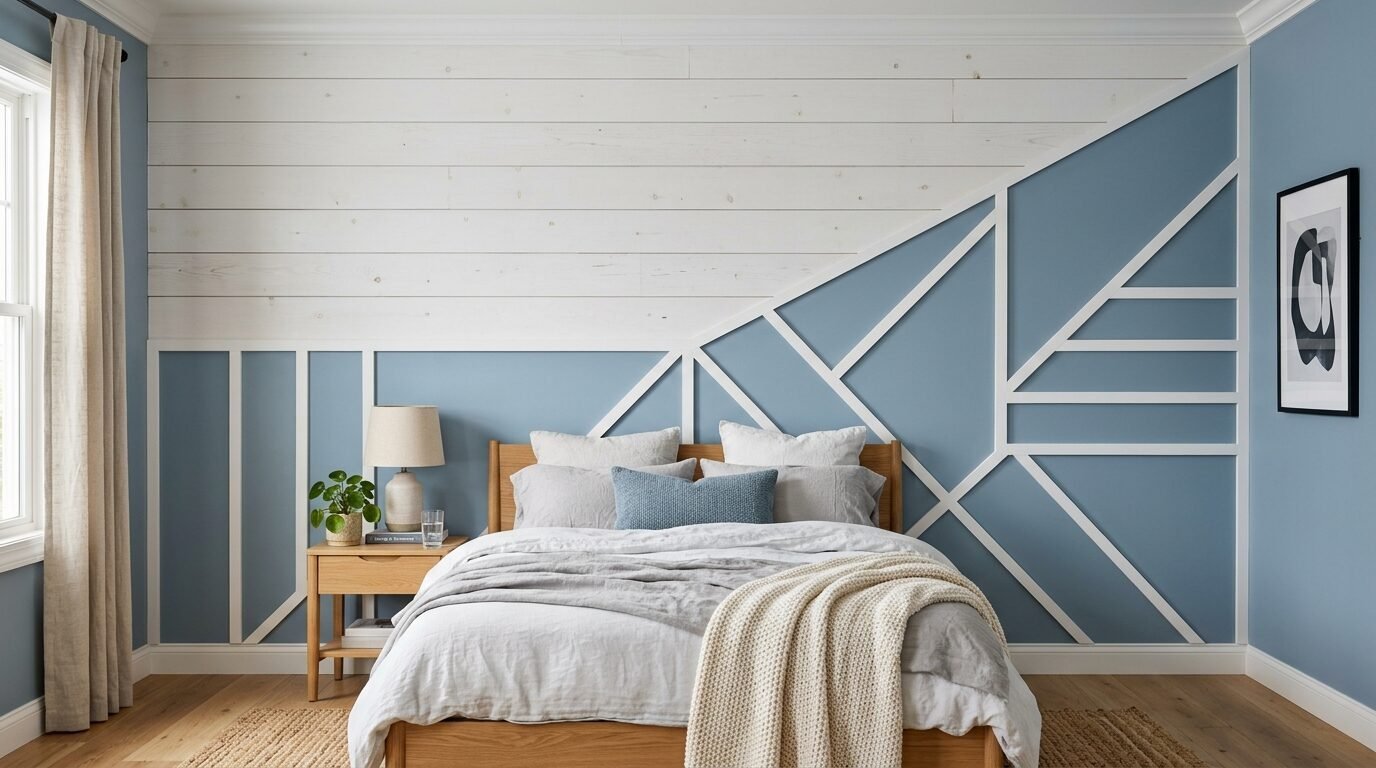
You can paint your boards a different color than the wall behind them. This is a bold move. I usually see people do white boards over a grey or blue wall. It makes the pattern jump out at you.
In my experience, this can sometimes look a bit too busy if the colors are too bright. I suggest keeping the colors in the same family. For example, a light beige board over a tan wall. It is subtle but very effective.
18. Floor to Ceiling Library Style
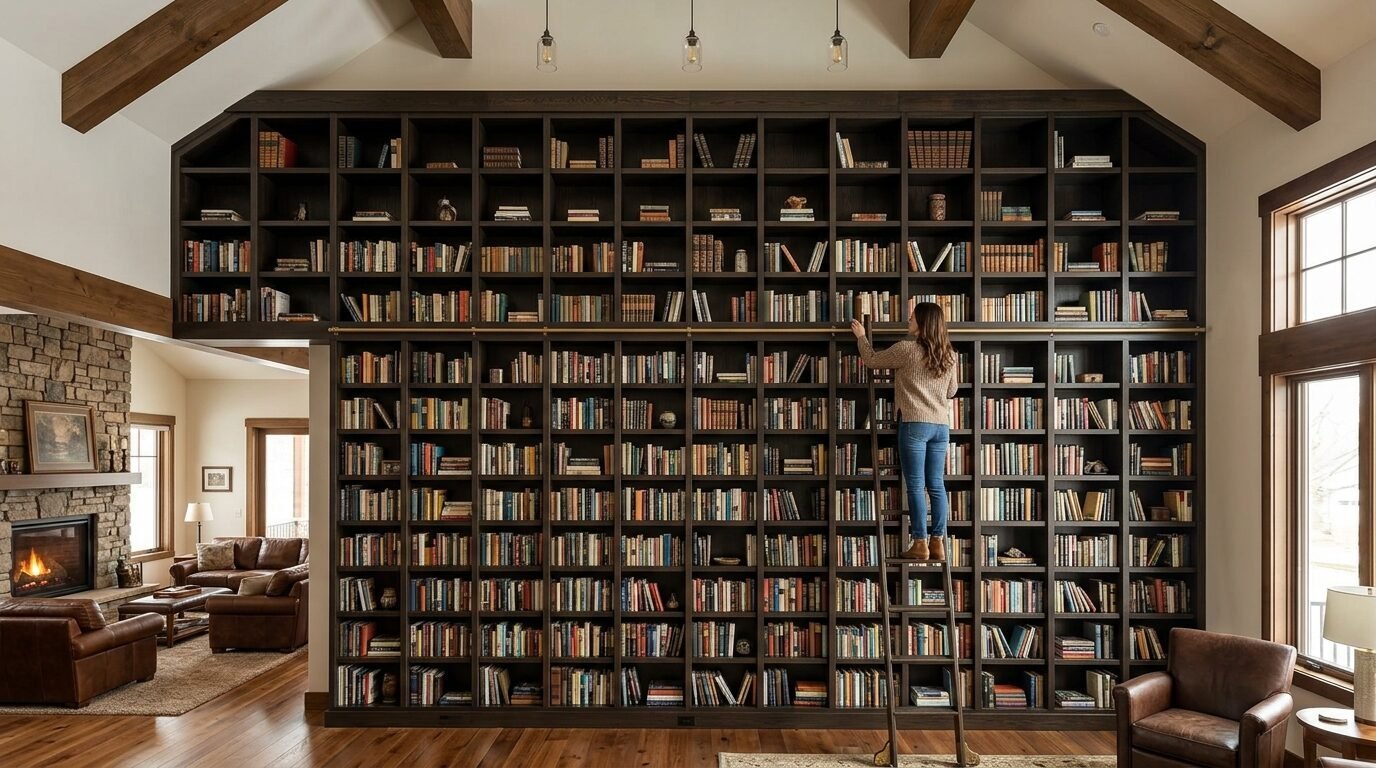
If you have a wall with no windows or doors, go floor to ceiling with a tight grid. This mimics the look of expensive wood paneling found in old libraries. It adds a lot of “weight” and importance to a room.
I did this in a home office and we added built in bookshelves that matched the grid pattern. It looked like the whole room was custom built at once. It is a lot of work, but it is the ultimate feature wall.
19. Bathroom Waterproof Version
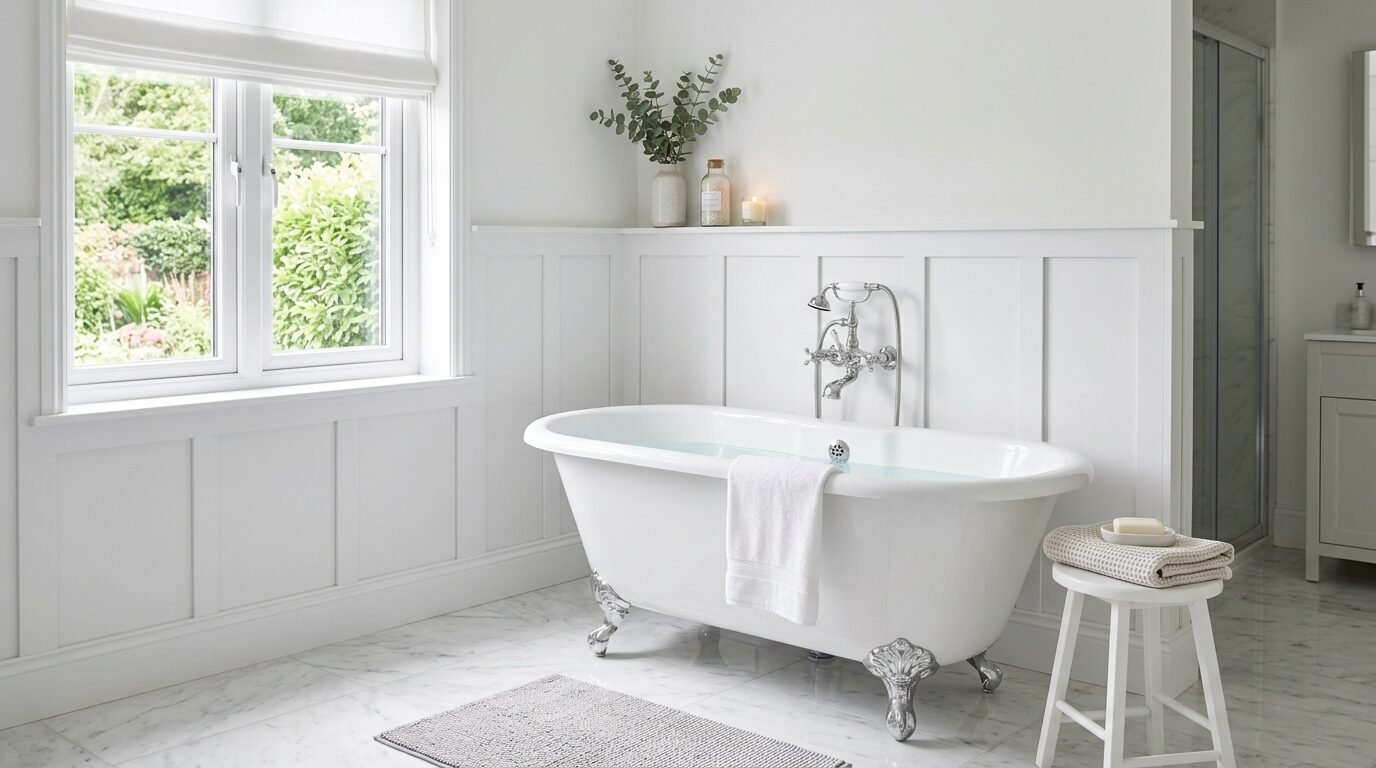
You can do board and batten in a bathroom, but you must use the right materials. Do not use MDF in a bathroom with a shower. The moisture will make it swell and ruin the work. Use PVC boards or real wood that has been sealed very well.
I installed a white PVC board and batten in a small guest bath. It looks just like wood but it is completely waterproof. It is a great way to make a small, boring bathroom look like a spa.
20. The Angled Staircase Wall
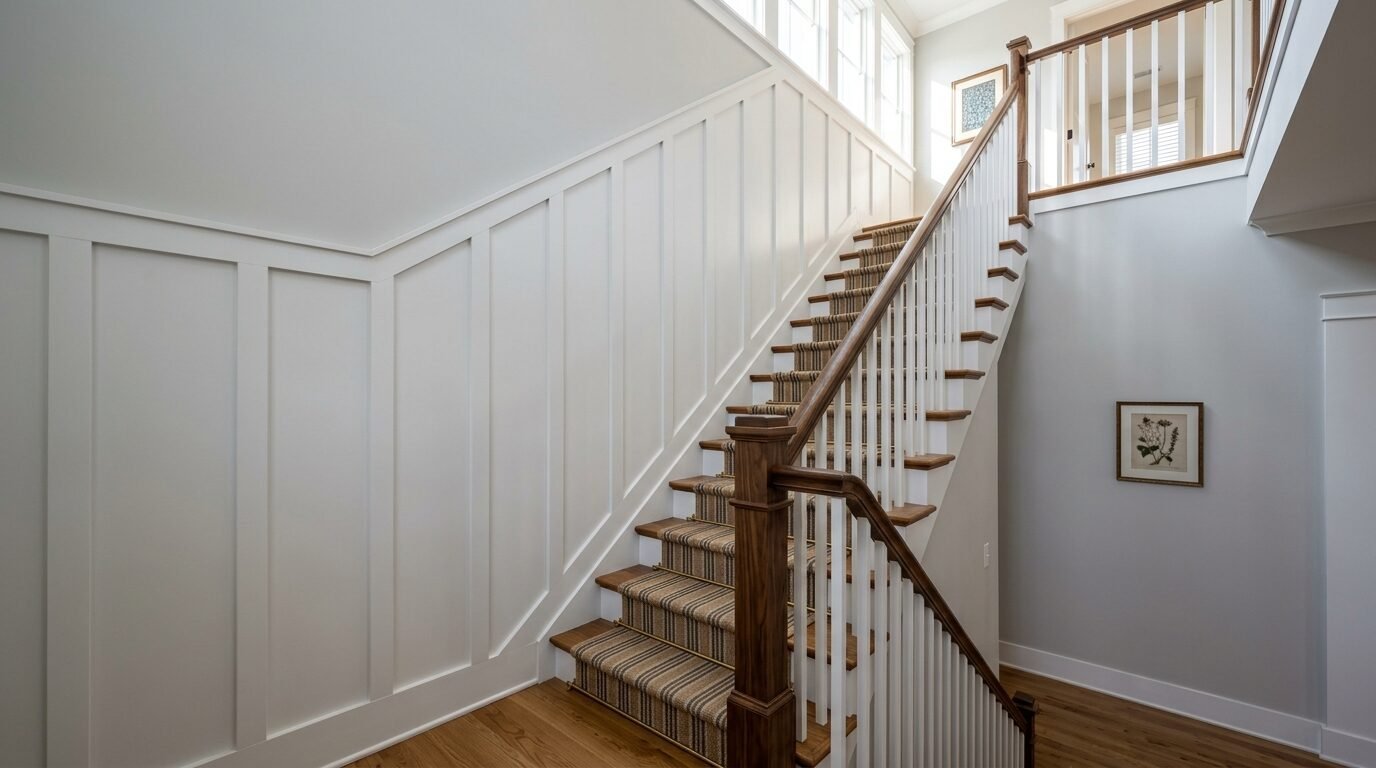
The staircase is often a wasted space. Adding board and batten following the angle of the stairs is a total game changer. It makes the transition between floors feel seamless.
The trick here is the angles. You have to match the pitch of your stairs. I recommend making a template out of cardboard first. Once you get the first piece right, the rest follow easily. It makes a standard staircase look like a grand entrance.
21. Built in LED Lighting
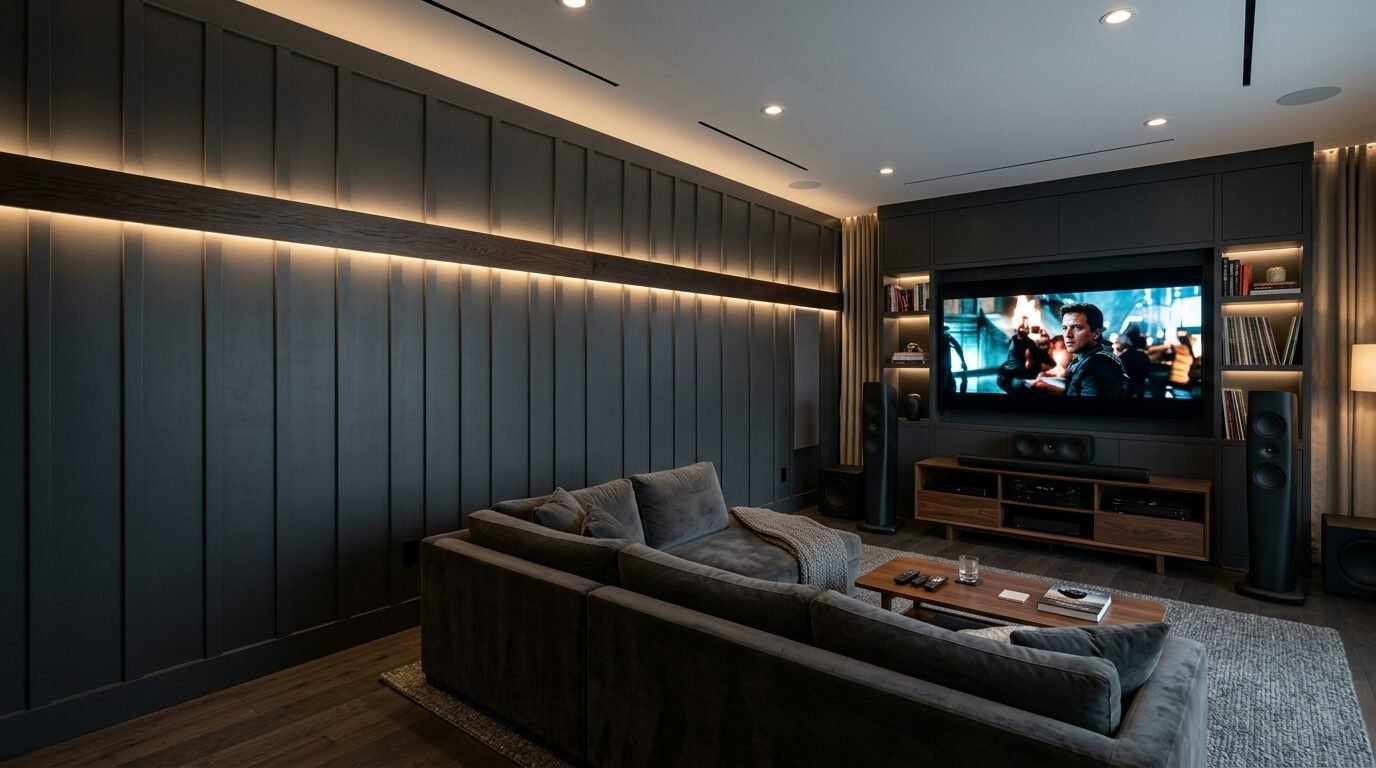
For a truly modern 2026 look, you can hide LED strip lights behind the top rail of your board and batten. This creates a soft glow that washes down the wall. It is perfect for a movie room or a primary bedroom.
I saw this in a tech executive’s home recently. They could change the color of the light with their phone. Even with the lights off, the ledge looked great. With the lights on, it was the focal point of the entire house.
22. Deep Coffer Style
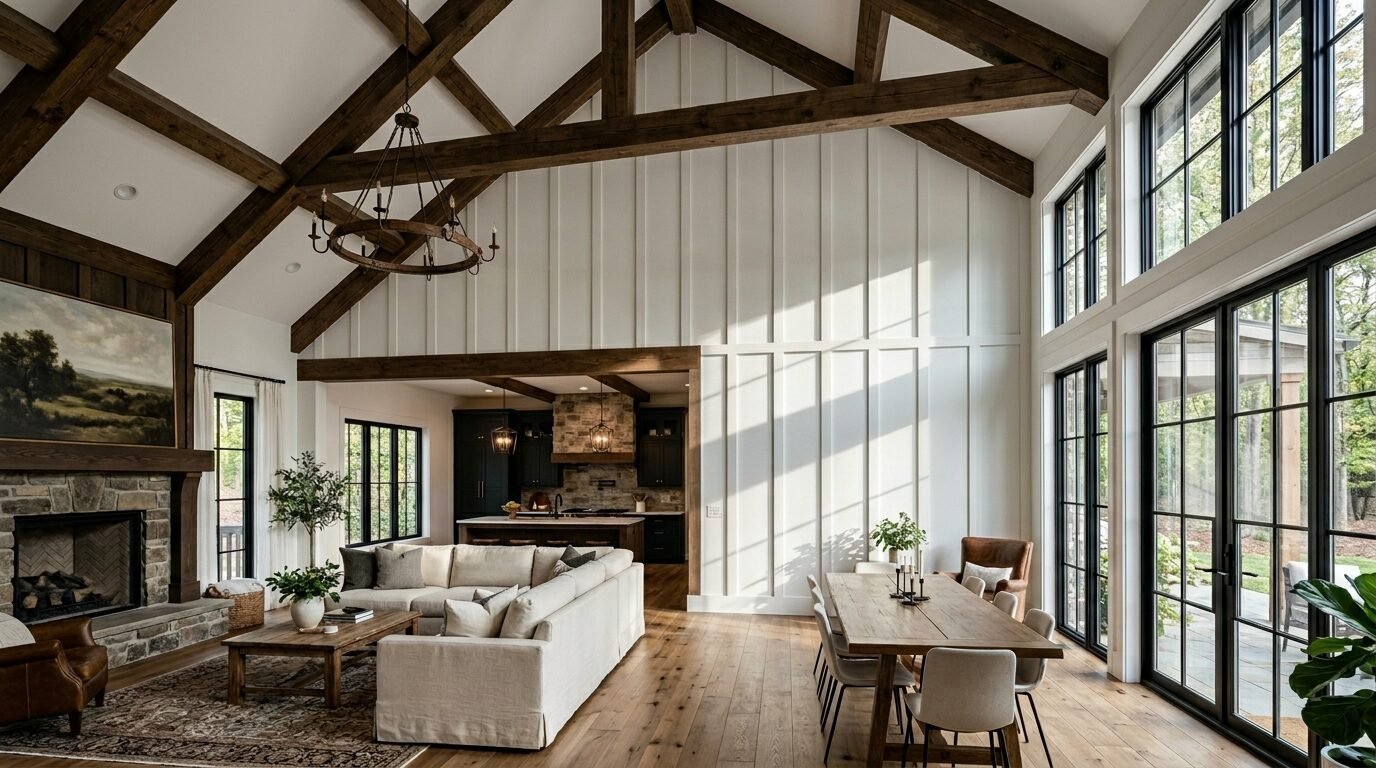
This is the thickest version of board and batten. You use 2 by 4 boards instead of thin 1 inch boards. This creates very deep “pockets” on the wall. It provides a massive amount of texture and shadow.
I like this for very large rooms with high ceilings. In a small room, it might feel like the walls are closing in on you. But in a big open great room, it adds the perfect amount of architectural detail.
Comparison of Board and Batten Styles
| Style | Difficulty | Cost | Best For |
| Classic Grid | Medium | $$ | Dining Rooms |
| Skinny Slats | Easy | $ | Small Bedrooms |
| Three Quarter | Medium | $$ | Hallways |
| X Pattern | Hard | $$ | Mudrooms |
| Natural Wood | Medium | $$$ | Japandi Living Rooms |
| LED Integrated | Hard | $$$ | Media Rooms |
Important Tools for Your Room Makeover
I have done this enough times to know that having the right tools saves your sanity. You will need a miter saw for clean cuts. A battery powered nail gun is much better than a hammer and nails. It prevents you from denting the wood. You also need a high quality level. If your first board is crooked, the whole wall will be crooked.
I always keep a tub of wood filler and a pack of sanding sponges nearby. No matter how good you are, there will be gaps. Filling those gaps and sanding them smooth is the secret to a professional finish. For paint, use a small roller for the flat parts and a high quality brush for the corners.
Frequently Asked Questions
What is the best wood for board and batten?
In my experience, primed MDF is the best for painted walls. It is perfectly straight and has no knots. If you want a natural wood look, go with white oak or pine. Just make sure the boards are not warped before you buy them.
Do I need to remove my baseboards?
You do not have to, but it looks much better if you do. I usually remove the old baseboards and install the vertical battens first. Then I put a new, flat baseboard over the bottom of them. This creates a much cleaner look.
How much does a DIY board and batten wall cost?
For a standard 10 by 12 wall, you can expect to spend between 150 and 300 dollars. This includes the wood, nails, caulk, and paint. It is much cheaper than hiring a professional, who might charge 1000 dollars or more for the same wall.
Can I do this over textured walls?
Yes, you can. If your walls have a very heavy texture, you might want to install thin 1/8 inch hardboard panels first. This gives you a perfectly smooth surface. If the texture is light, you can just install the boards right over it. Many people like the look of a bit of texture behind the boards.
What is the most popular color for 2026?
We are seeing a move away from stark white. Earthy tones like terracotta, sage green, and warm mushroom are very popular this year. These colors make the room feel more grounded and comfortable.
I hope these ideas help you start your own project. I know it can feel scary to nail boards into your wall for the first time. But remember, it is just wood and paint. You can always fix a mistake. The feeling of finishing a room and seeing that new texture is worth the effort. My house feels so much more like a home now that I have added these architectural details. Yours can too.

Anya Castellan is the Founder and Editor-in-Chief of Home Wall Trends. An art history graduate of the Rhode Island School of Design with twelve years of experience writing for leading American design publications, she specializes in composition, gallery wall theory, and the quiet architecture of domestic space. A former contributing editor at Architectural Digest and guest lecturer at Parsons School of Design, Anya personally reads and signs off on every piece before it is published.