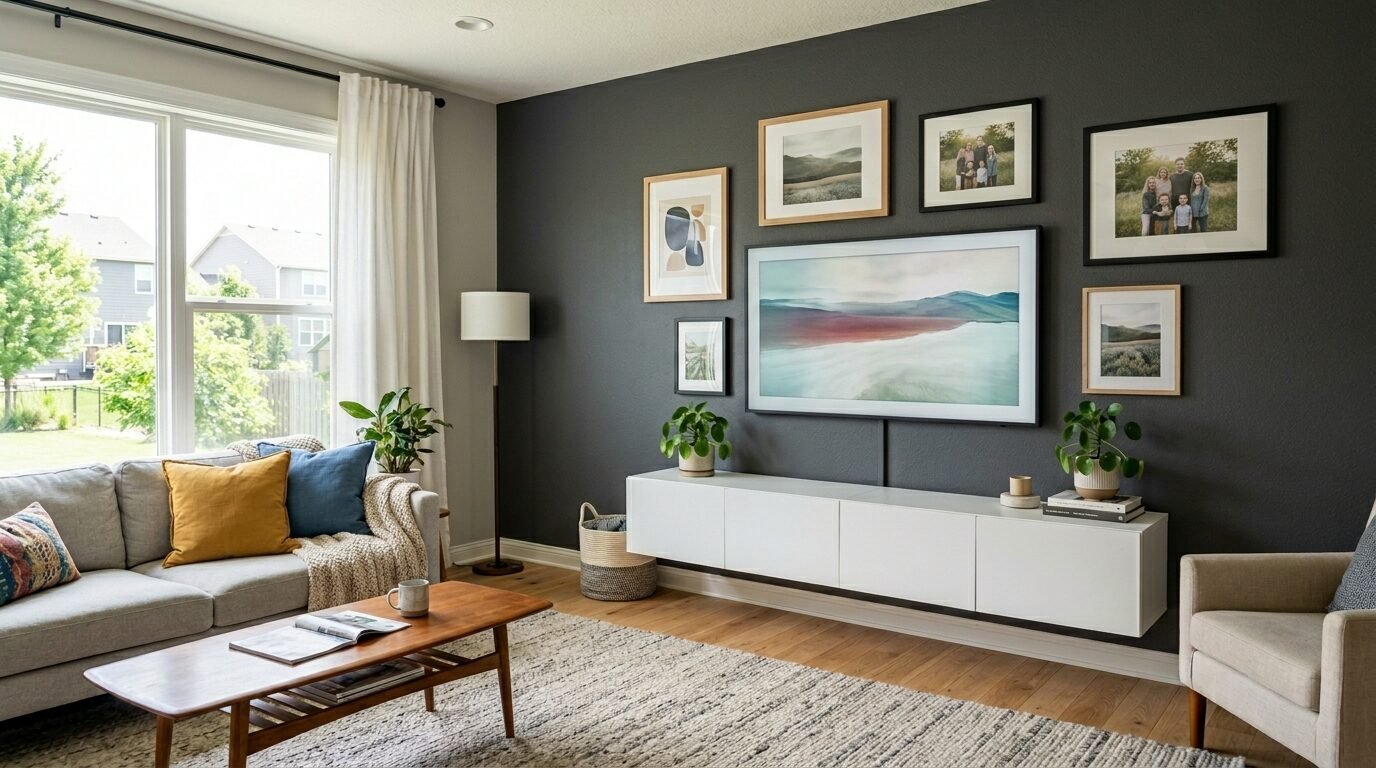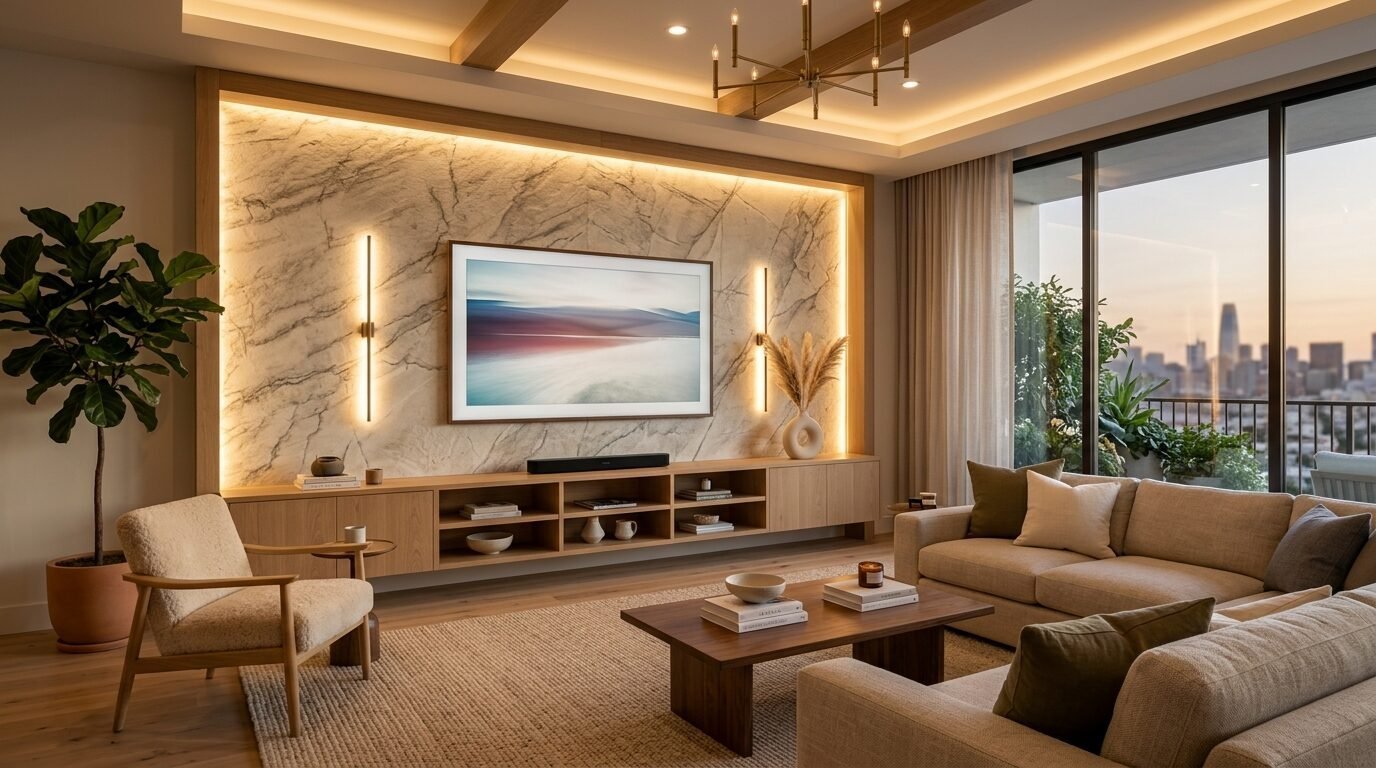
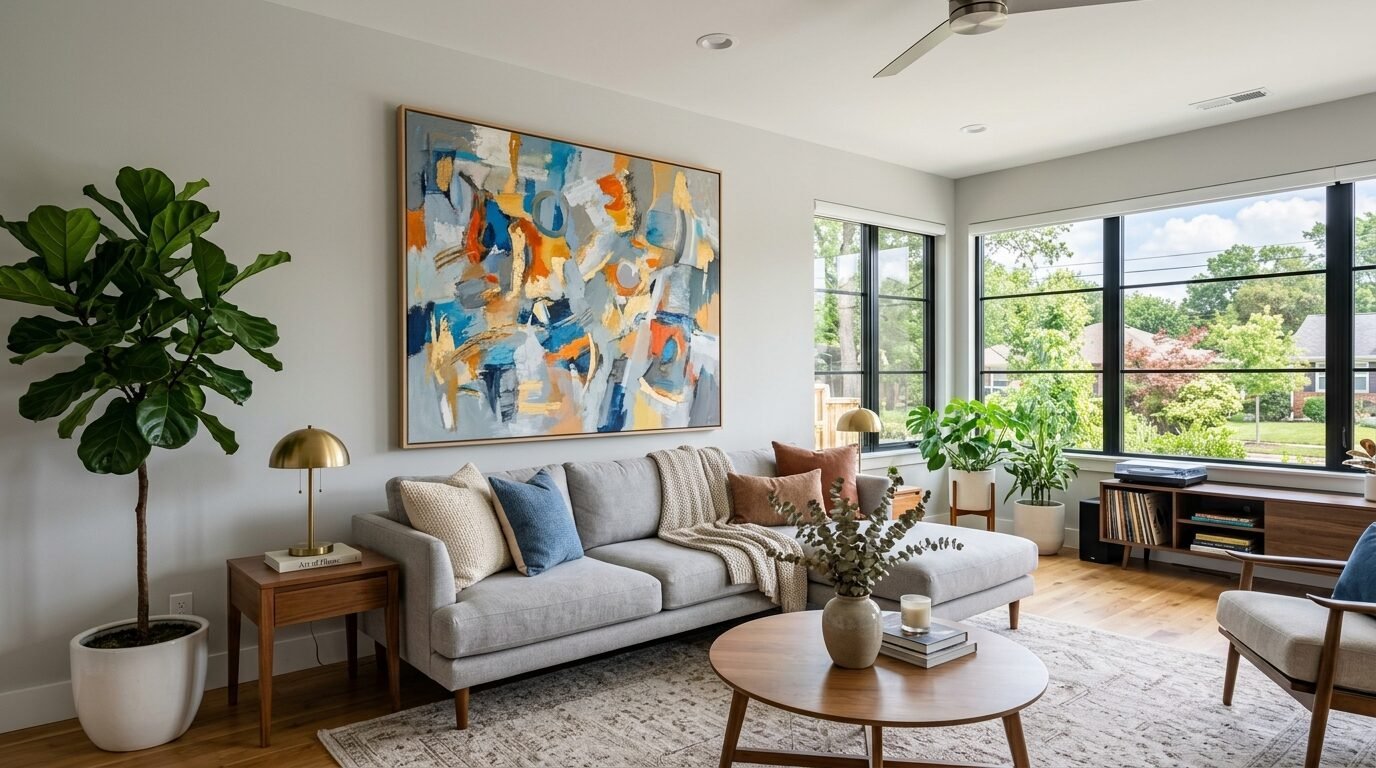
Staring at a giant empty wall feels like looking at a blank homework assignment. You know you need to fill it. You want that high-end look you see in magazines. But then you check the price of a five-foot canvas. Suddenly, your bank account starts sweating. Most people think large art requires a four-digit budget. I thought the same thing until I had to decorate my first apartment with almost zero dollars.
I remember standing in the middle of my living room. The echo was loud. My white walls looked cold and sterile. I spent weeks searching for something that didn’t look like a cheap dorm poster. What I found changed how I look at home decor. High-impact walls do not need high-price tags. They need a bit of strategy and a willingness to try something different.
In this guide, I will share exactly how to find or make massive art pieces. We are talking about pieces that stop people in their tracks. These options stay under the $200 limit while making your home feel curated and expensive. You will see how to turn simple materials into gallery-worthy focal points.
Executive Summary
Finding massive decor on a budget is about scale over price. This guide provides ten specific paths to fill large spaces for under $200. You will find ways to use DIY canvas wall art to create custom looks. We cover how simple wall paintings can look professional with the right framing. I also share my experience with painting on black canvas for high-contrast drama.
We look at Caribbean art for color and door design photos for architectural interest. This article includes a comparison of top budget brands like IKEA and Society6. You will get a step-by-step plan for framing oversized engineering prints. I also address the common failure points like choosing the wrong size or poor hanging methods. By the end, you will have a clear plan to transform your living room into a stylish haven.
1. Create Impact With DIY Canvas Wall Art
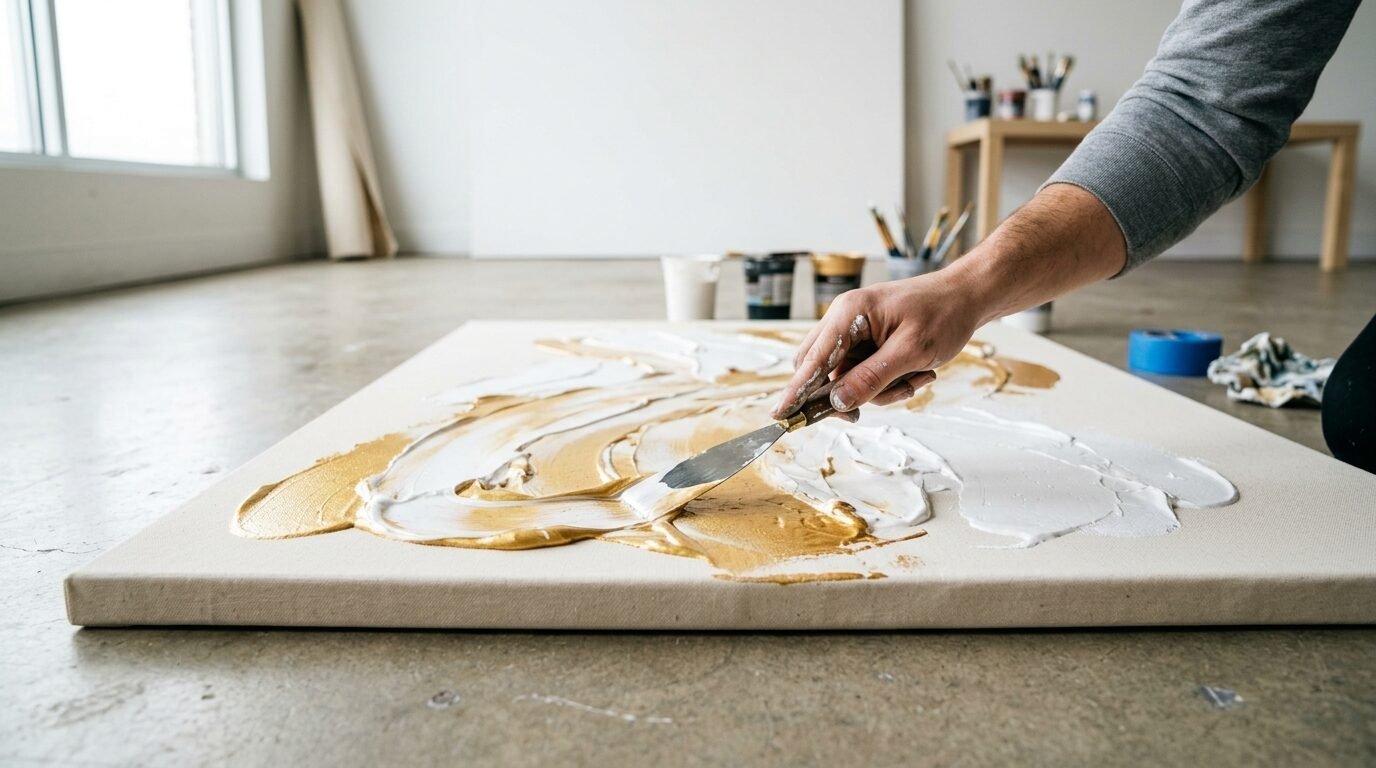
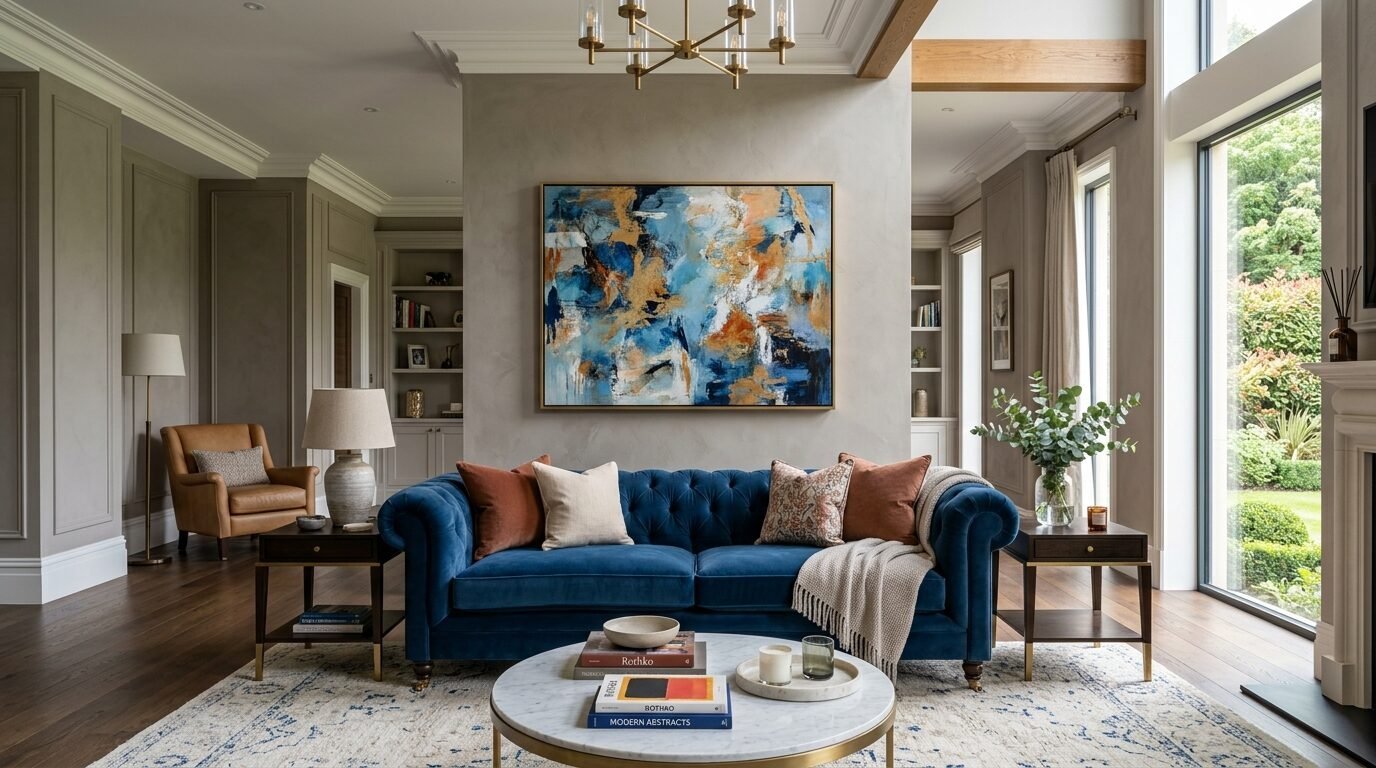
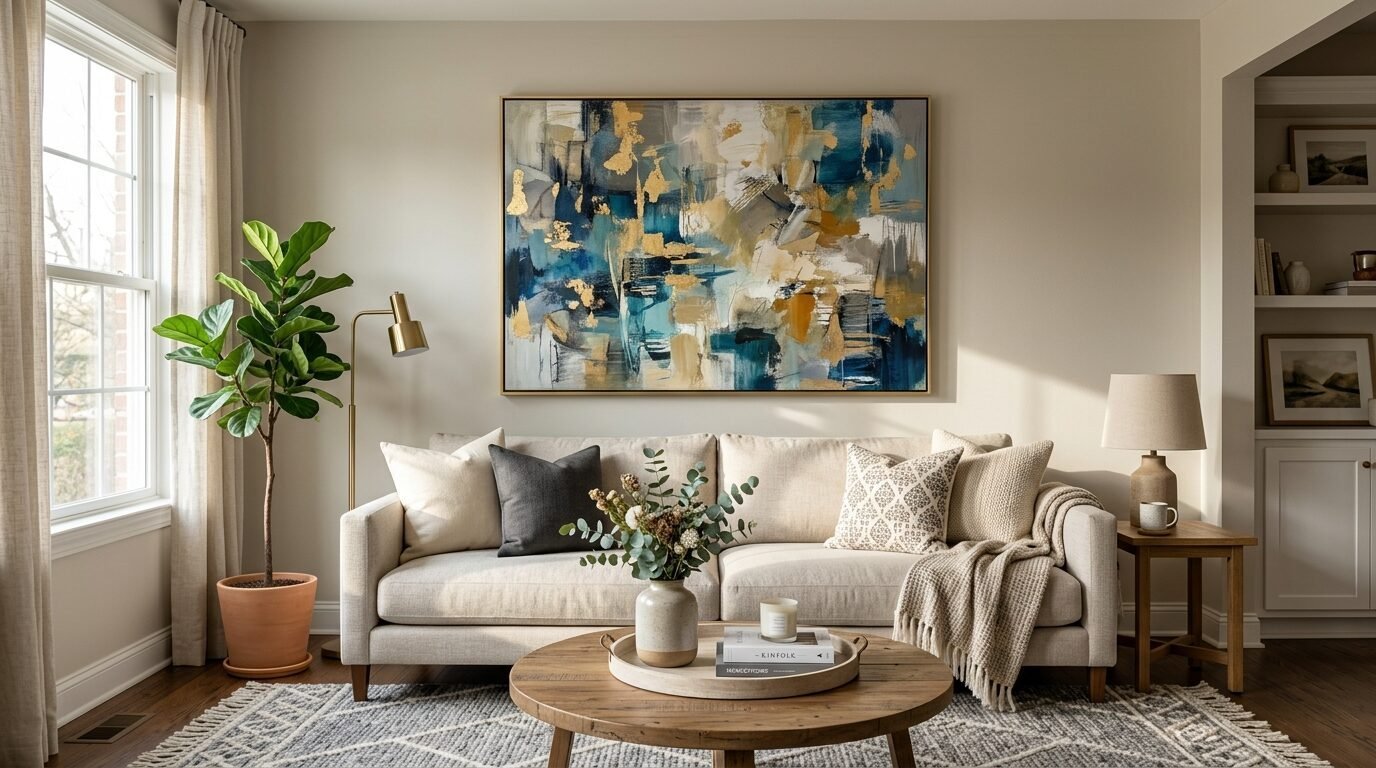
Large canvases are expensive because of shipping and retail markups. The secret to beating this is buying raw materials. I once found a massive 48 by 60 inch canvas at a craft store during a 50 percent off sale. It cost me $45. With a few jars of acrylic paint, I created a piece that looked like it cost $800.
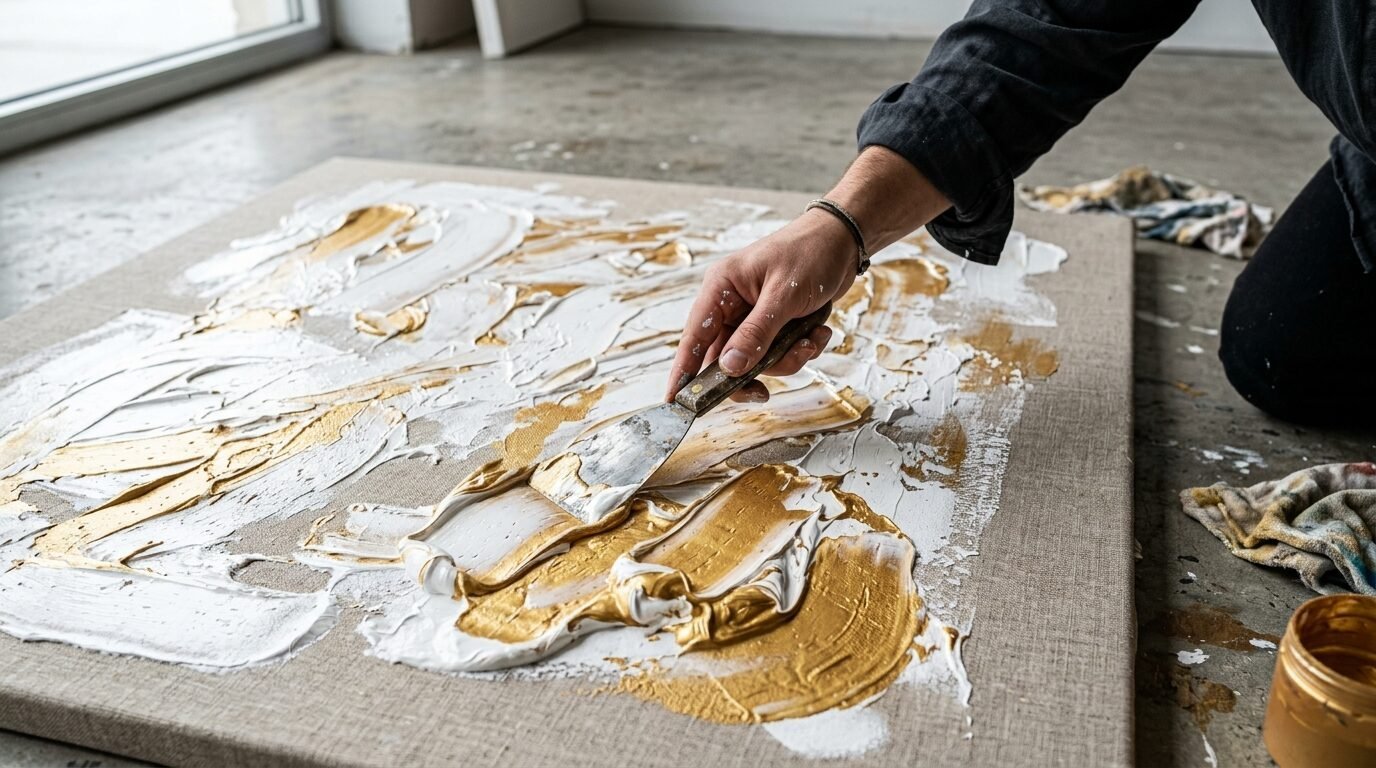
Cute DIY room decor often starts with a blank slate. You do not need to be a professional painter. Use a large putty knife instead of a brush. This creates thick, intentional textures. I find that staying with a limited color palette helps. Choose three colors that already exist in your room. If your pillows are navy and gold, use those on the canvas.
The biggest mistake I see is people being too timid. On a large scale, small details get lost. Go for big, sweeping motions. If you mess up, wait for it to dry and paint over it. That is the beauty of acrylics. In my experience, a textured, monochromatic look is the easiest way to make DIY art look expensive.
2. The Moody Drama Of Painting On Black Canvas
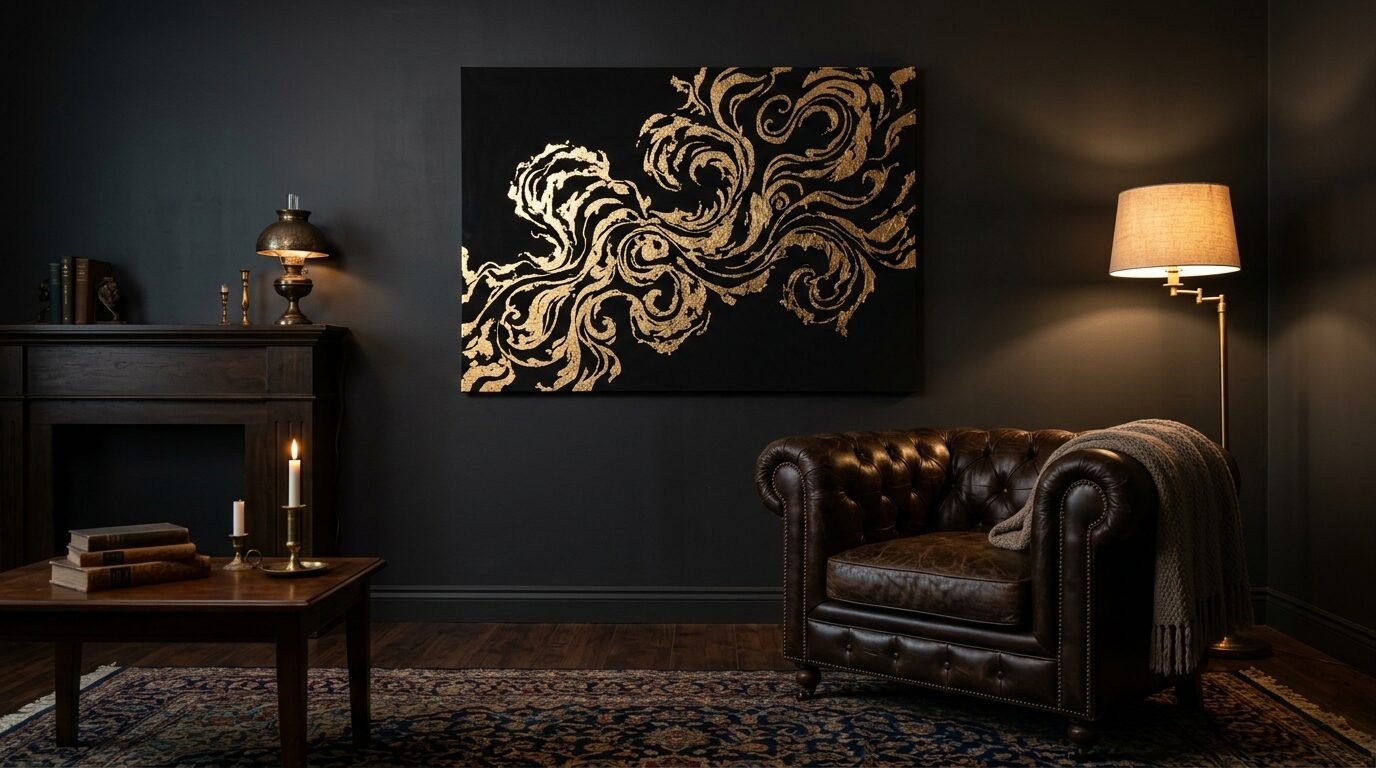
Most people start with a white background. White is safe. Black is bold. Using a black canvas for large wall art creates an instant mood. It feels sophisticated and grounded. I tried this in a small den last year. The black background made the colors pop in a way white never could.
Simple wall paintings look much more professional on black. You can use metallic paints like gold or copper. These shine against the dark surface. If you want a minimalist look, try white line art on black. It looks like a custom chalkboard or a high-end architectural sketch.
I noticed that black canvases hide imperfections better. If your hand shakes or a line is slightly crooked, the dark background absorbs the error. It creates a depth that white backgrounds lack. You can find large black canvases at stores like Michaels or Hobby Lobby. If they only have white, buy a cheap bottle of black gesso. One coat and you have a dramatic base for your next masterpiece.
3. Vibrant Energy Through Caribbean Art
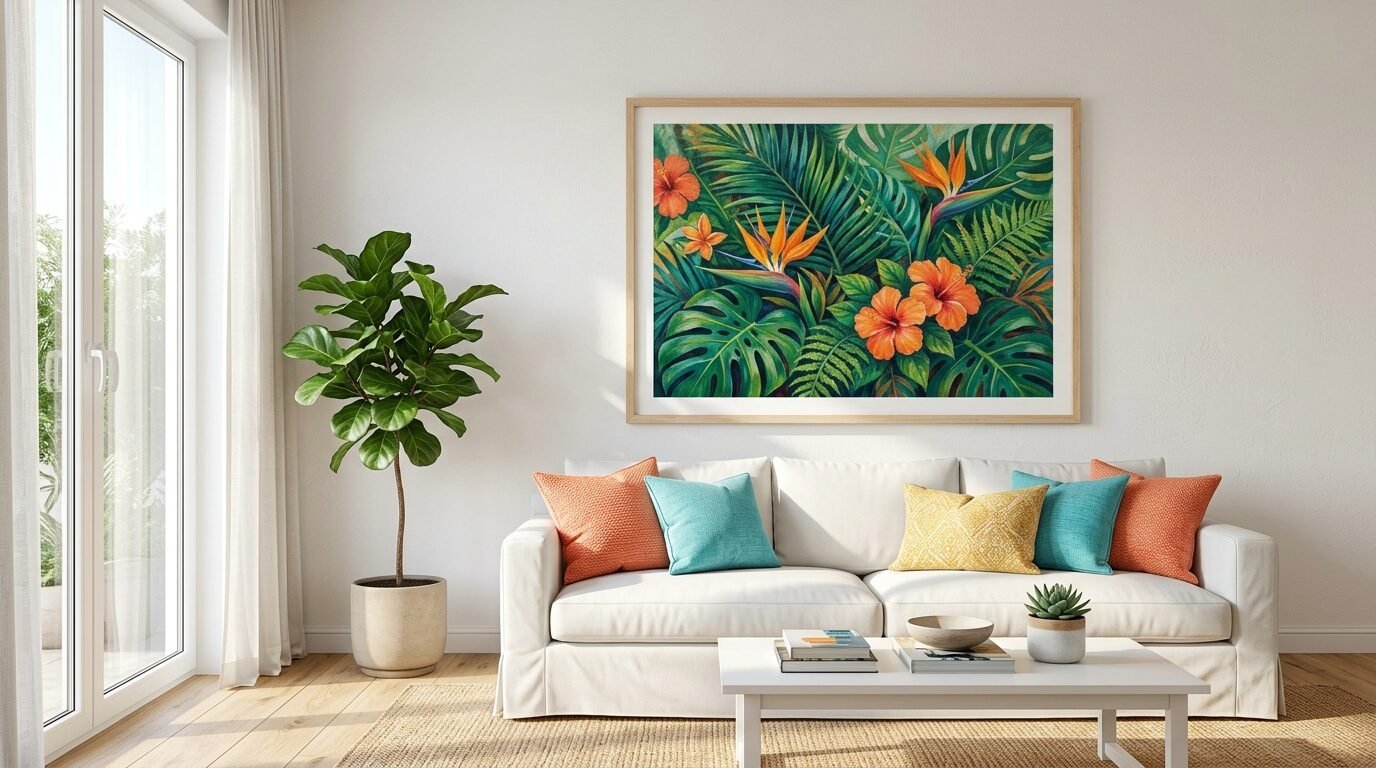
Sometimes a room needs a soul. Caribbean art brings warmth and life to a neutral living room. These pieces often feature bright greens, deep blues, and sunset oranges. You can find large scale prints from Caribbean artists on sites like Etsy or Fine Art America for under $150.
Beautiful scenery paintings from the islands don’t have to be cliché beach scenes. Look for abstract interpretations of tropical flora. Think large scale palm leaves or zoomed-in floral patterns. These provide a organic feel to a room with lots of straight lines and hard furniture.
I once helped a friend style a living room that felt too grey. We added a five-foot print of a Caribbean marketplace. The colors were intense. It changed the entire temperature of the room. It went from “office lobby” to “vacation home” in five minutes. When buying these, focus on the quality of the print. A high-resolution file on a matte finish looks much more authentic than a shiny, pixelated version.
4. Architectural Interest With Door Design Photos
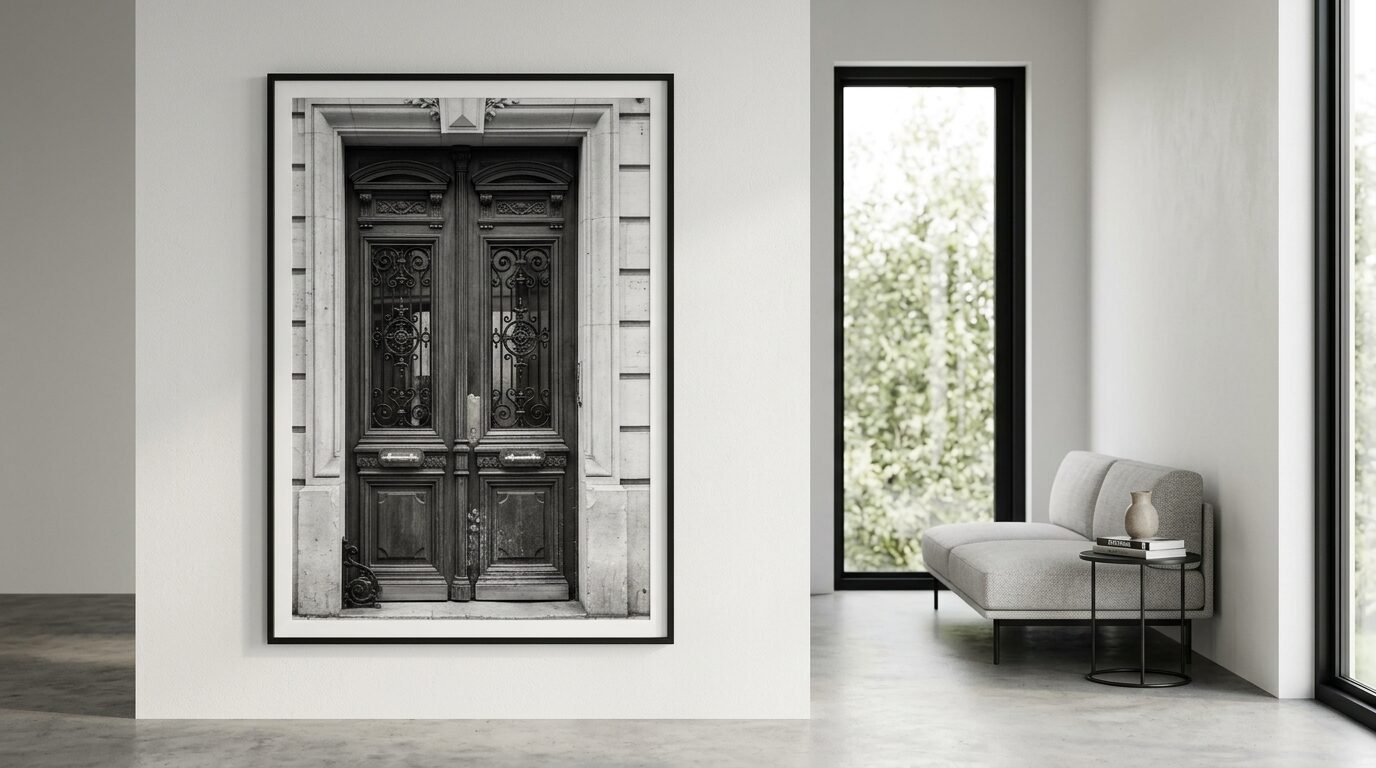
This is one of my favorite “designer secrets.” Large scale photography of architectural details looks incredibly high-end. Specifically, door design photos from places like Paris, London, or Mexico City. They offer a sense of mystery and history.
Because doors are naturally vertical, they fit perfectly on those tall, narrow walls next to a window. You can buy digital files of these photos for $10. Then, take the file to a local print shop. Ask for an “engineering print.” These are giant, black and white prints used for blueprints. They cost about $10 for a massive 36 by 48 inch sheet.
Put that print in a thin black frame from IKEA. The total cost will be around $60. It looks like something from a high-end gallery. I have used this method in three different homes. It always gets the most compliments. The scale is what makes it work. A small photo of a door is a postcard. A four-foot photo of a door is an architectural statement.
5. Colorful Murals And Removable Decals
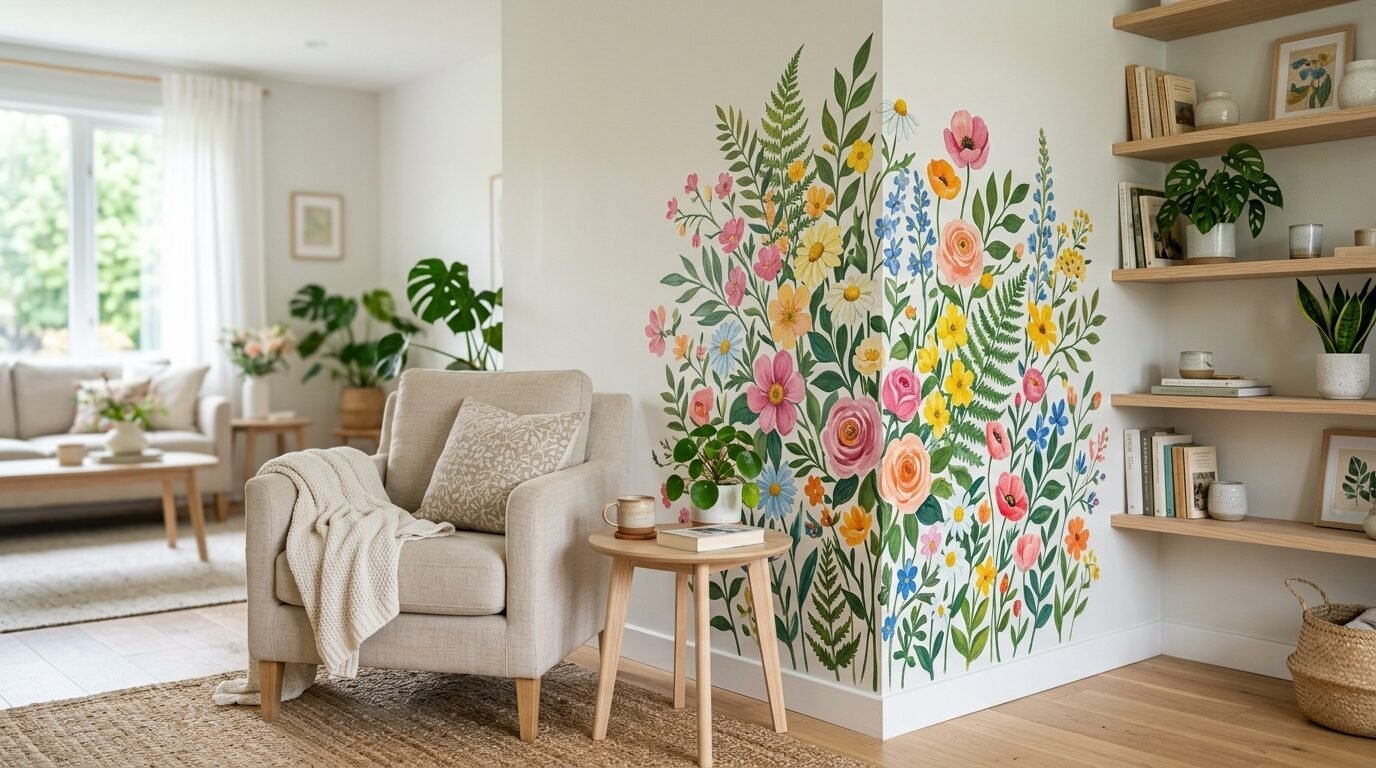
If you are a renter, you might be afraid of giant frames. This is where murals come in. Modern wall decals are not the cheap stickers from ten years ago. They are now high-quality fabric or vinyl that looks like paint. Colorful murals can cover an entire wall for under $200.
I’ve seen this work wonders in nurseries and living rooms alike. You can choose a large floral design that “grows” from the corner of the room. It fills the space without requiring a single nail. It also stays flat, so it doesn’t take up any physical room in a tight space.
The key to making decals look like art is placement. Do not center them perfectly. Let them bleed off the edge of the wall. This makes the art feel like it was painted specifically for that spot. Brands like Wallshoppe or Chasing Paper offer designer-level patterns. They are easy to apply and even easier to remove when you move out.
6. Equestrian Elegance With Horses Art
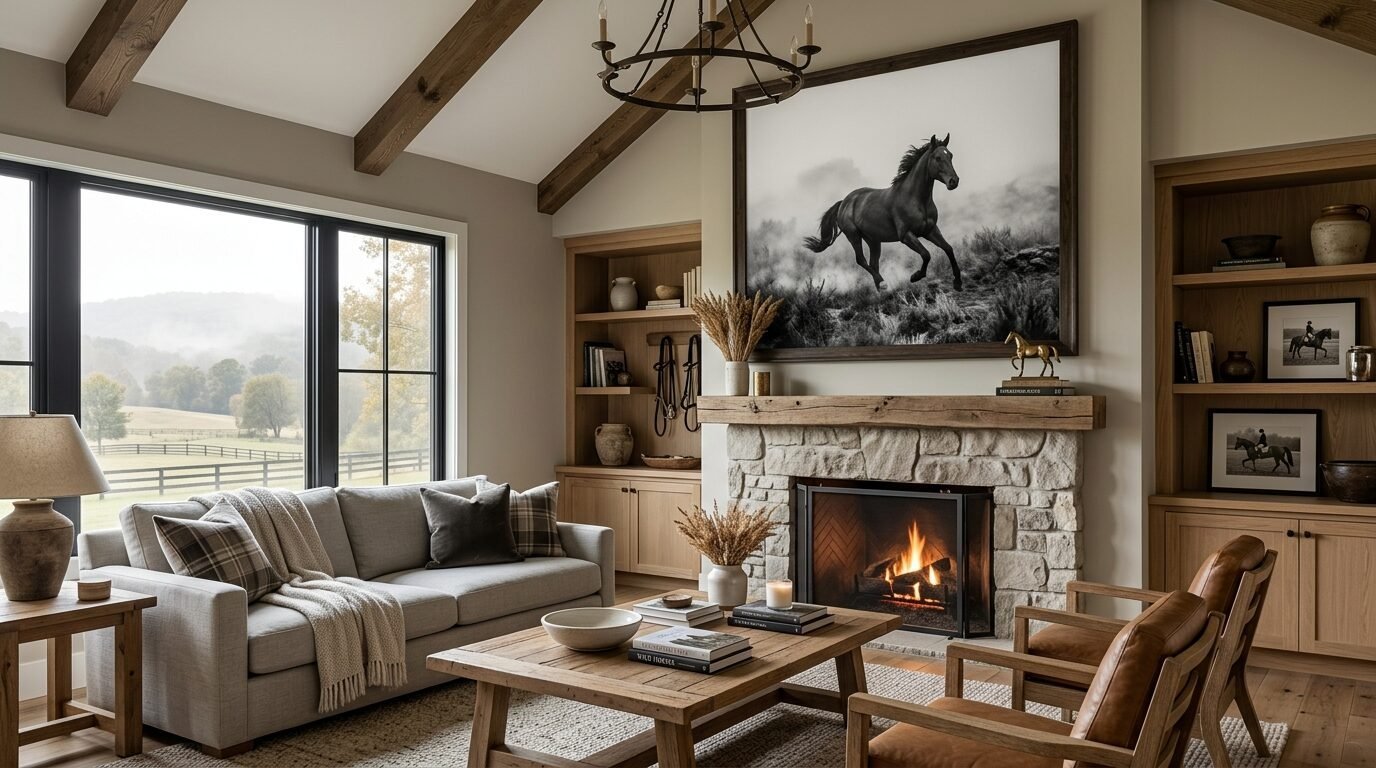
There is something timeless about horses art. It fits in a modern farmhouse, a traditional home, or even a contemporary loft. Large scale animal photography, especially in black and white, adds a sense of power to a living room.
You can find oversized horse prints at retailers like Target or Amazon for well under $200. I once found a framed 40 by 60 inch horse print at a HomeGoods for $120. It became the focal point of the whole house. The neutral tones of horse photography make it easy to match with any furniture.
In my experience, the more abstract the better. Look for close-ups of a mane or a blurred shot of a horse running. This feels more like “fine art” and less like “horse enthusiast.” It adds a sophisticated, masculine touch that balances out softer decor elements like velvet pillows or wool rugs.
7. The Power Of Simple Wall Paintings
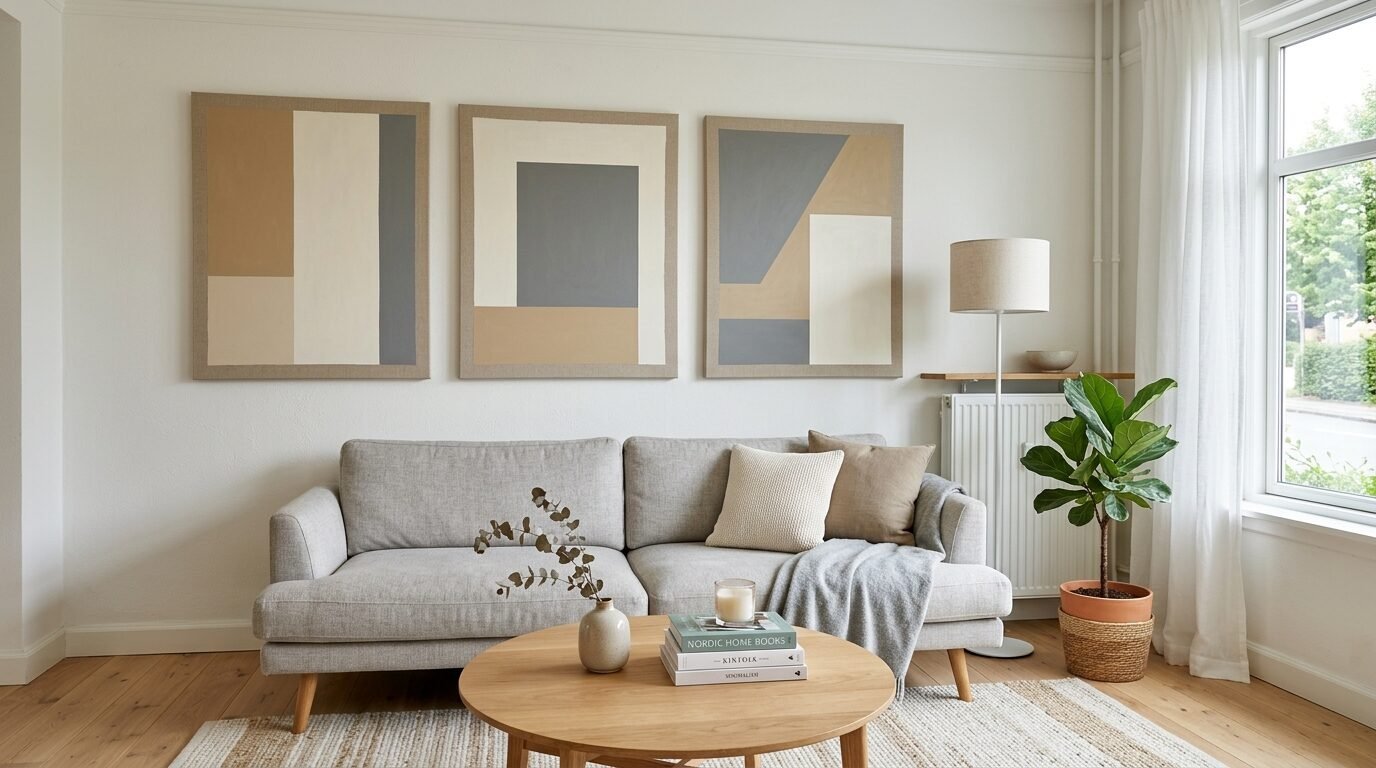
You don’t need a complex subject to have great art. Some of the most expensive pieces in the world are just circles or squares. Simple wall paintings rely on balance and scale. If you want to paint your own, try a “color block” style.
Divide a large canvas into three sections. Paint each a different neutral color. Maybe tan, cream, and charcoal. This creates a clean, modern look. I tried this using leftover wall paint from my bedroom remodel. Since the paint already matched my house, the art felt perfectly integrated.
To make these simple pieces look better, add a “floating frame.” You can build one with thin strips of wood from a hardware store. It creates a small gap between the canvas and the wood. This tiny detail makes a $20 DIY look like a $200 boutique find. I’ve seen this trick used by professional decorators to save thousands on client projects.
8. Budget Tools And Brands Comparison
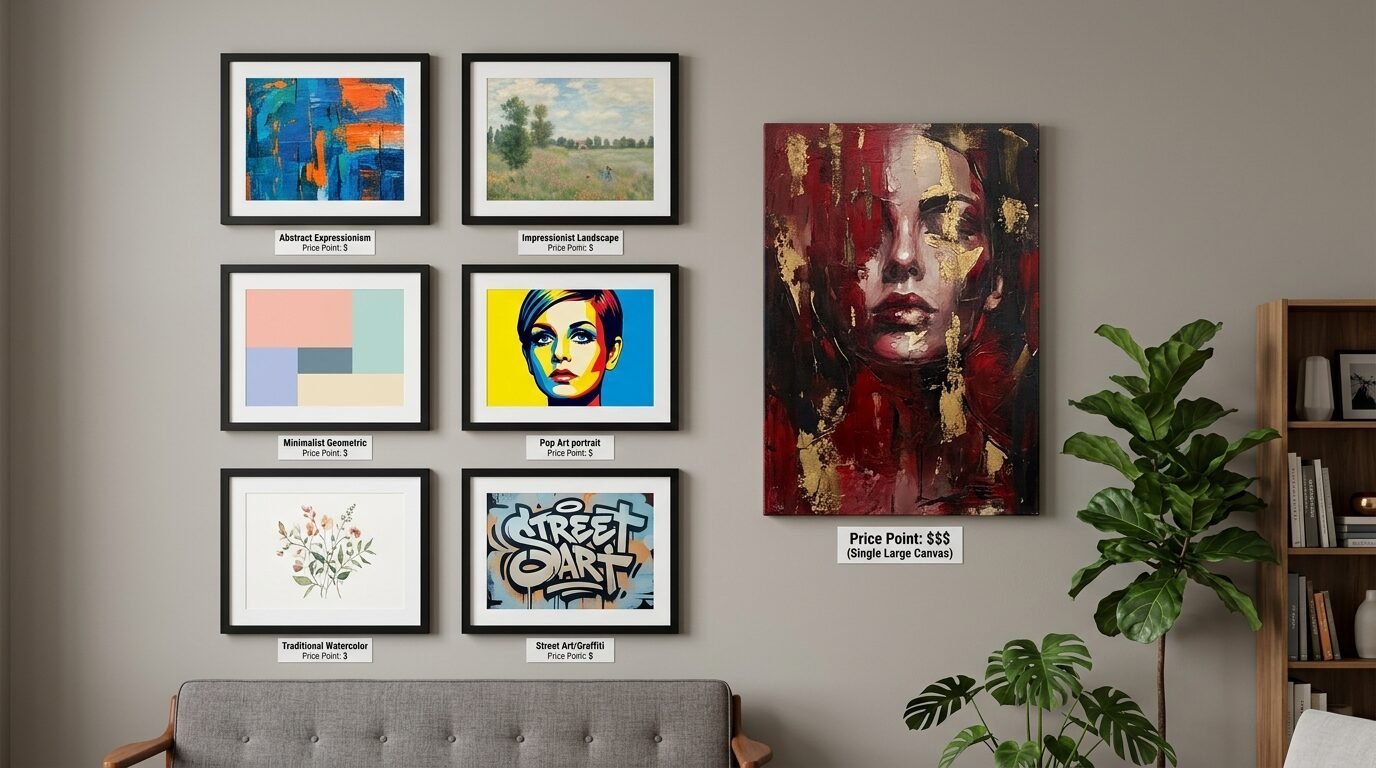
When you are hunting for large art, knowing where to shop is half the battle. Not all budget brands are equal. Some offer great frames but bad prints. Others have amazing artists but high shipping costs. Here is how I rank the top 8 sources for large wall art under $200.
| Brand | Price Range | Best For | Pros | Cons |
| IKEA | $30 – $100 | Frames and Large Prints | Very affordable, huge sizes | Limited art selection |
| Society6 | $80 – $190 | Independent Artist Prints | Millions of designs, supports artists | Shipping can be slow |
| Etsy | $10 – $180 | Custom and Digital Downloads | Unique, handmade feel | Quality varies by seller |
| Target | $50 – $150 | Framed Canvas | Trendy styles, ready to hang | Everyone might have the same one |
| Amazon | $40 – $180 | Multi-panel Art | Fast shipping, low prices | Hard to verify quality before buying |
| Juniper Print Shop | $20 – $100 | High-end Digital Prints | Curated designer looks | You have to buy your own frame |
| Minted | $100 – $200 | Limited Edition Art | High quality paper and ink | Large sizes hit the $200 limit fast |
| Facebook Marketplace | $10 – $100 | Vintage and Pre-owned | One-of-a-kind, very cheap | Requires luck and a car |
I personally use IKEA for frames and Etsy for the art files. This combo usually stays under $100 for a massive piece. I’ve tried buying “ready to hang” art from Amazon, but the frames can sometimes feel a bit flimsy. If you want something that looks heavy and expensive, buy the frame separately.
9. Common Mistakes When Hanging Large Art
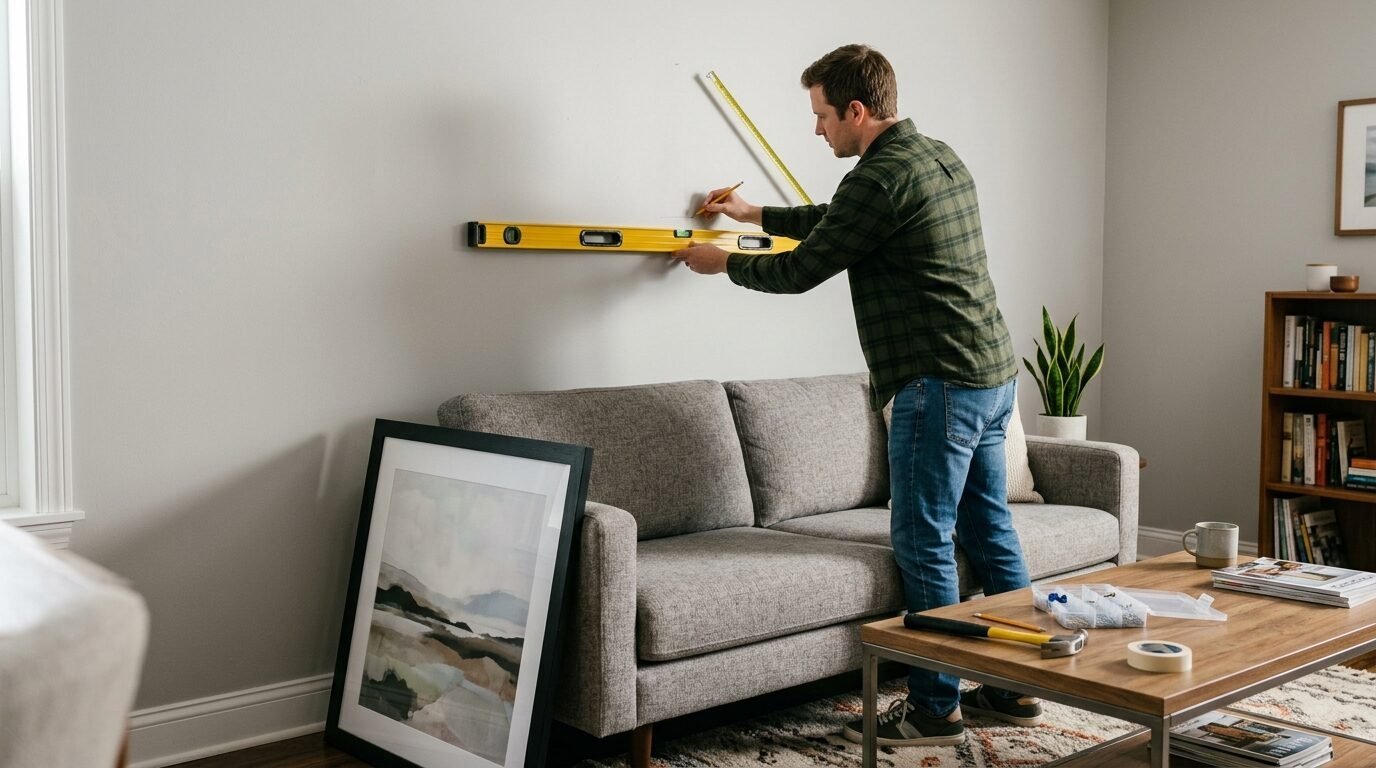
I have made many mistakes with large art. The biggest one was hanging a giant piece too high. People tend to hang art near the ceiling. This makes the room feel disconnected. Your art should relate to your furniture.
The “center” of the art should be about 57 to 60 inches from the floor. This is eye level for most people. If the art is above a sofa, it should be about 6 to 10 inches above the back cushions. If it is higher, it looks like it is floating away.
Another failure I see is choosing art that is too small. If your sofa is 80 inches long, a 20-inch square will look tiny. Aim for the art to be about two-thirds the width of the furniture below it. If you can’t afford one giant piece, group two or three smaller ones together. This creates the “illusion” of a large piece without the high price.
10. The DIY Journal Method For Custom Art
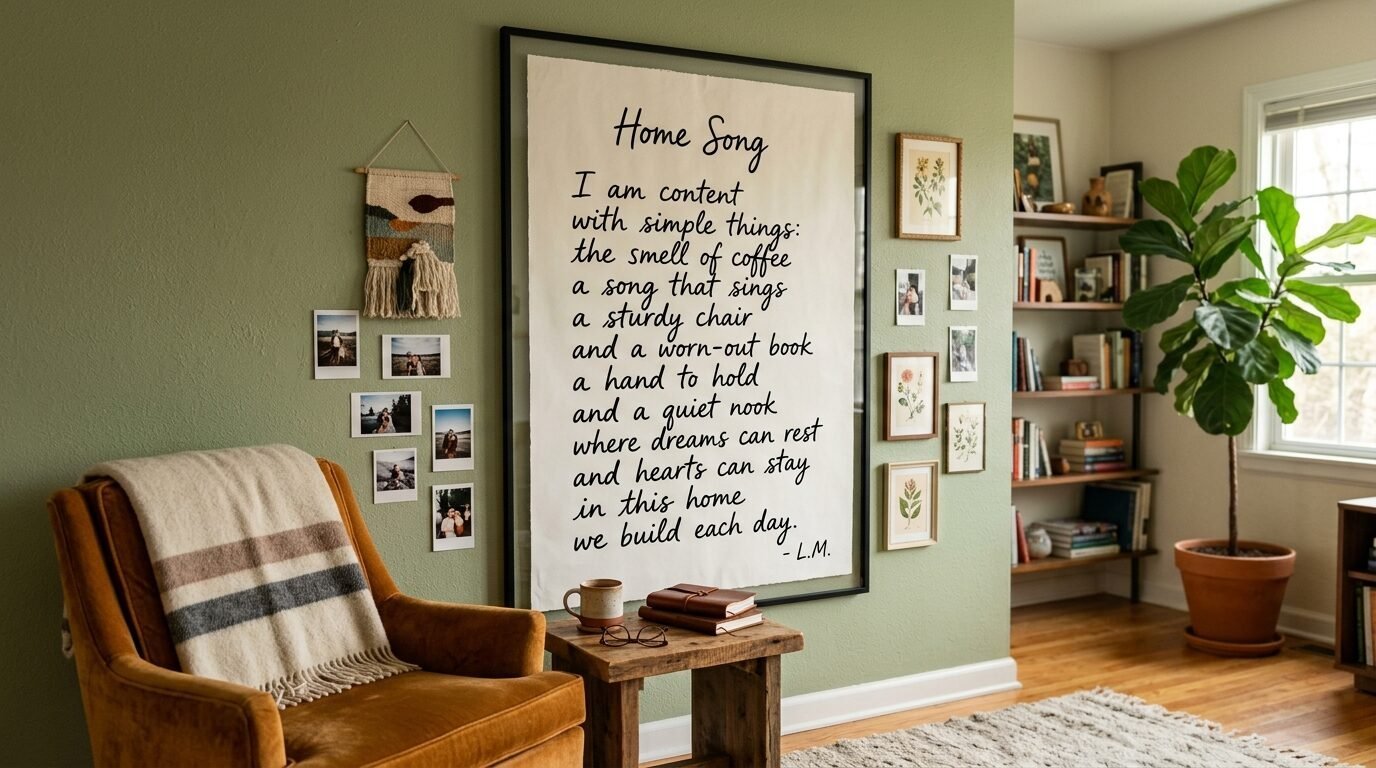
This is a bit unconventional, but it works. I call it the “blown-up journal” method. Many people love DIY journal books or diary writing ideas personal. They often have small sketches or beautiful handwriting in their journals.
Take a page from your journal. It could be a poem, a sketch of a flower, or a map of a favorite trip. Scan it at a high resolution. Then, print it on a giant canvas or as an engineering print. This turns your personal history into large scale art.
In my experience, this is the most meaningful art you can have. It is 100 percent unique. No one else has your handwriting or your sketches. It creates a story for your living room. Whenever guests ask where you got that giant piece, you can tell them it came from your own notebook. That is true luxury.
Frequently Asked Questions
How do I make a large frame look expensive?
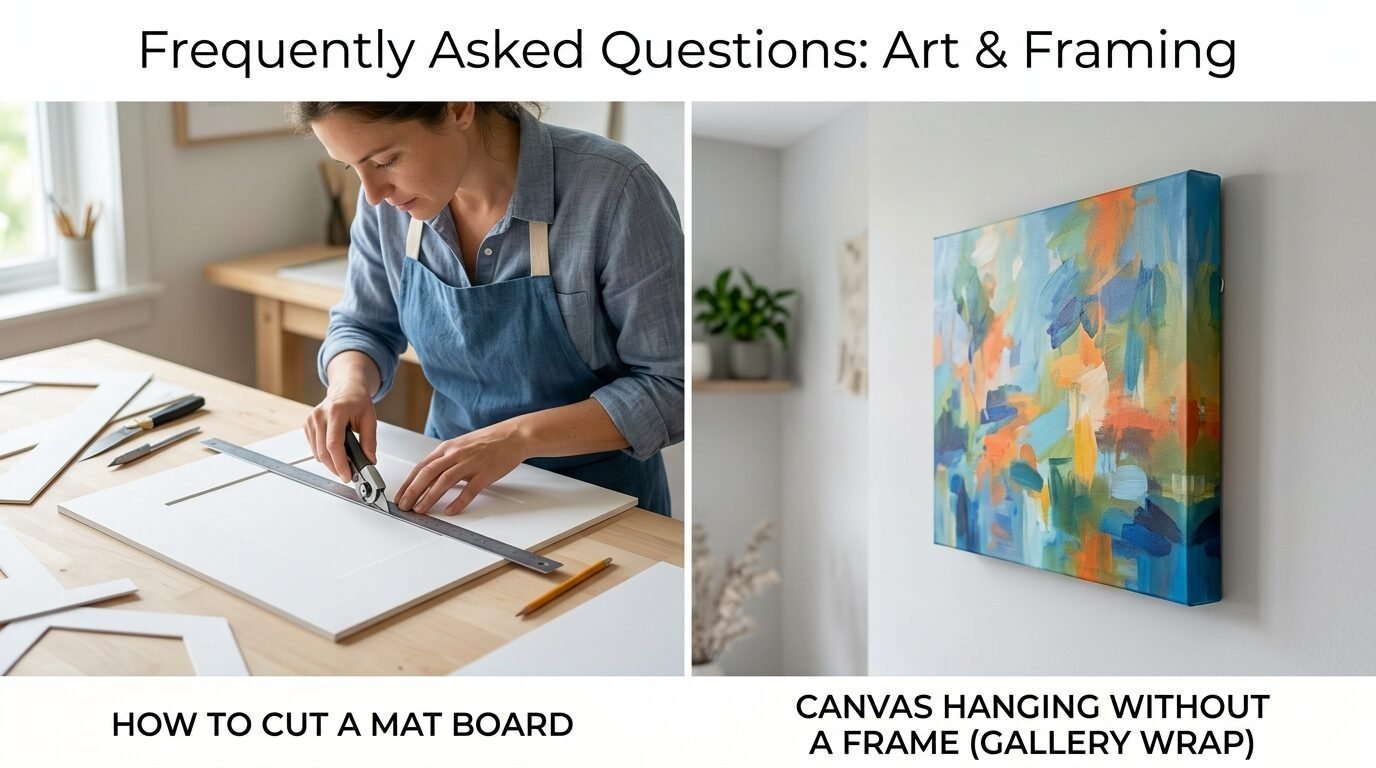
The secret is the “mat.” A mat is the paper border inside the frame. For large art, use an extra wide mat. Even a simple $5 print looks like a museum piece with a 4-inch white mat around it. You can buy mat board at craft stores and cut it yourself with a utility knife. Use a metal ruler for straight lines.
Is canvas better than framed prints for living rooms?
Canvas is great because it doesn’t have glass. This means no glare from your TV or windows. It also feels lighter and more modern. Framed prints feel more formal and traditional. If your living room gets a lot of sun, go with canvas. I’ve seen too many beautiful prints ruined by the reflection of a window.
Where can I find huge art for under $50?
Look for “printable art” on Etsy. You can buy a digital file for $7. Then, go to a website like Staples or UPS and order an engineering print. These are intended for blueprints, so they are thin, but they come in massive sizes. Tape the print to a piece of foam board or put it in a cheap poster frame. It is the cheapest way to fill a wall.
Should large art always be centered?
Not always. In a modern living room, hanging art off-center can look very stylish. If you have a lamp on one side of a console table, hang the art on the other side. This creates a “balanced” look that feels more interesting than perfect symmetry. I’ve tried this in my own hallway and it made the space feel much more designer.
Can I mix different styles of large art?
Yes, as long as they share a common thread. Maybe they all have black frames. Or maybe they all use warm colors. Mixing a Caribbean art piece with a black and white horse photo can work if the scale is similar. Don’t be afraid to experiment. Your home should reflect your personality, not a furniture catalog.
How do I hang heavy art without damaging walls?
For pieces under 20 pounds, Command strips are amazing. Use the “Large” versions and follow the instructions exactly. You must wait an hour before hanging the art. For anything heavier, you need a wall anchor. Do not just put a nail in the drywall. It will eventually pull out and your art will crash. I learned this the hard way with a vintage mirror.
Final Thoughts On Budget Decorating
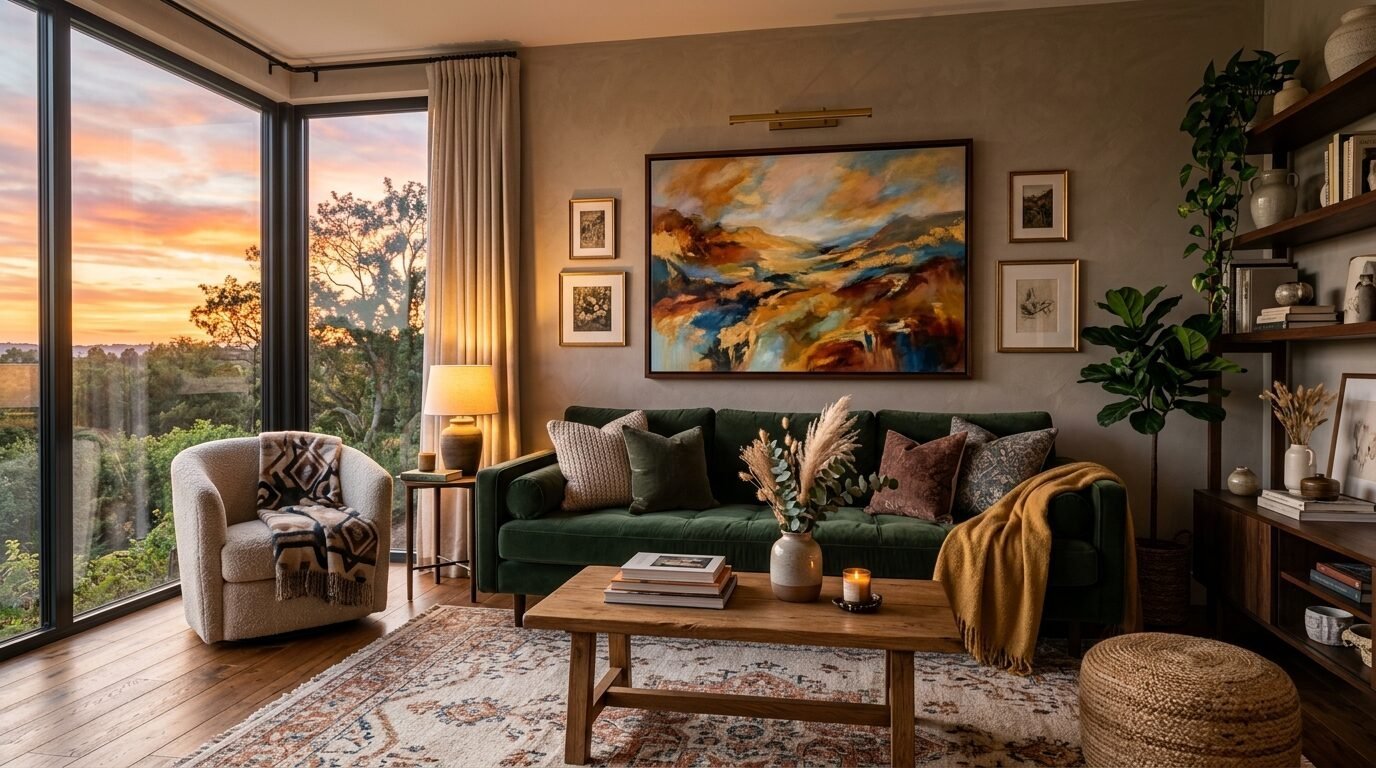
Filling a large wall doesn’t require a lottery win. It requires a bit of creativity and the right sources. Whether you choose to paint your own canvas or hunt for the perfect door design photos, focus on the scale. Big art makes a big difference. It anchors your room and makes everything else look more intentional.
I’ve noticed that the best homes aren’t the ones with the most expensive stuff. They are the ones where the owners took a risk. Try that black canvas. Print that giant scenery painting. In my experience, you will be much happier with a bold choice than a safe, small one. Your living room is the heart of your home. Give it a focal point that makes you smile every time you walk through the door.

Anya Castellan is the Founder and Editor-in-Chief of Home Wall Trends. An art history graduate of the Rhode Island School of Design with twelve years of experience writing for leading American design publications, she specializes in composition, gallery wall theory, and the quiet architecture of domestic space. A former contributing editor at Architectural Digest and guest lecturer at Parsons School of Design, Anya personally reads and signs off on every piece before it is published.