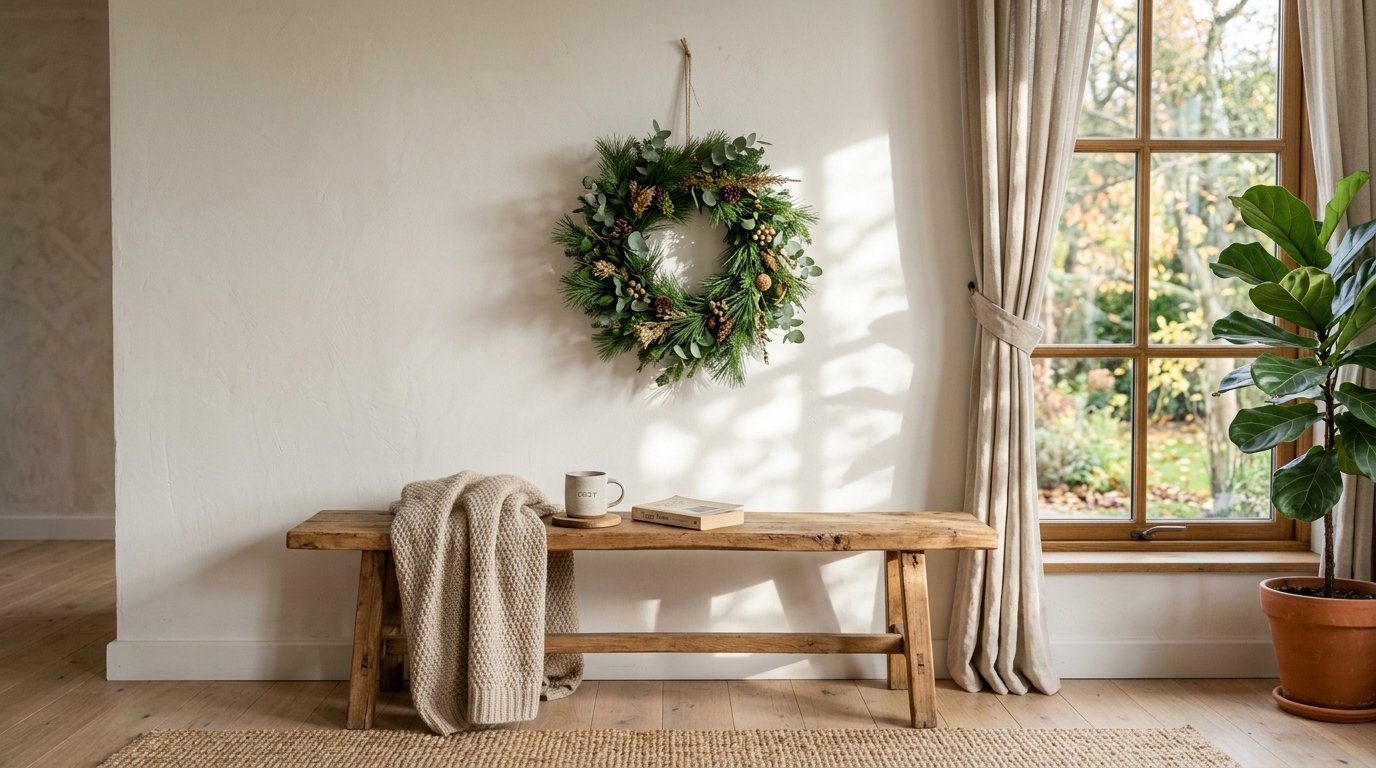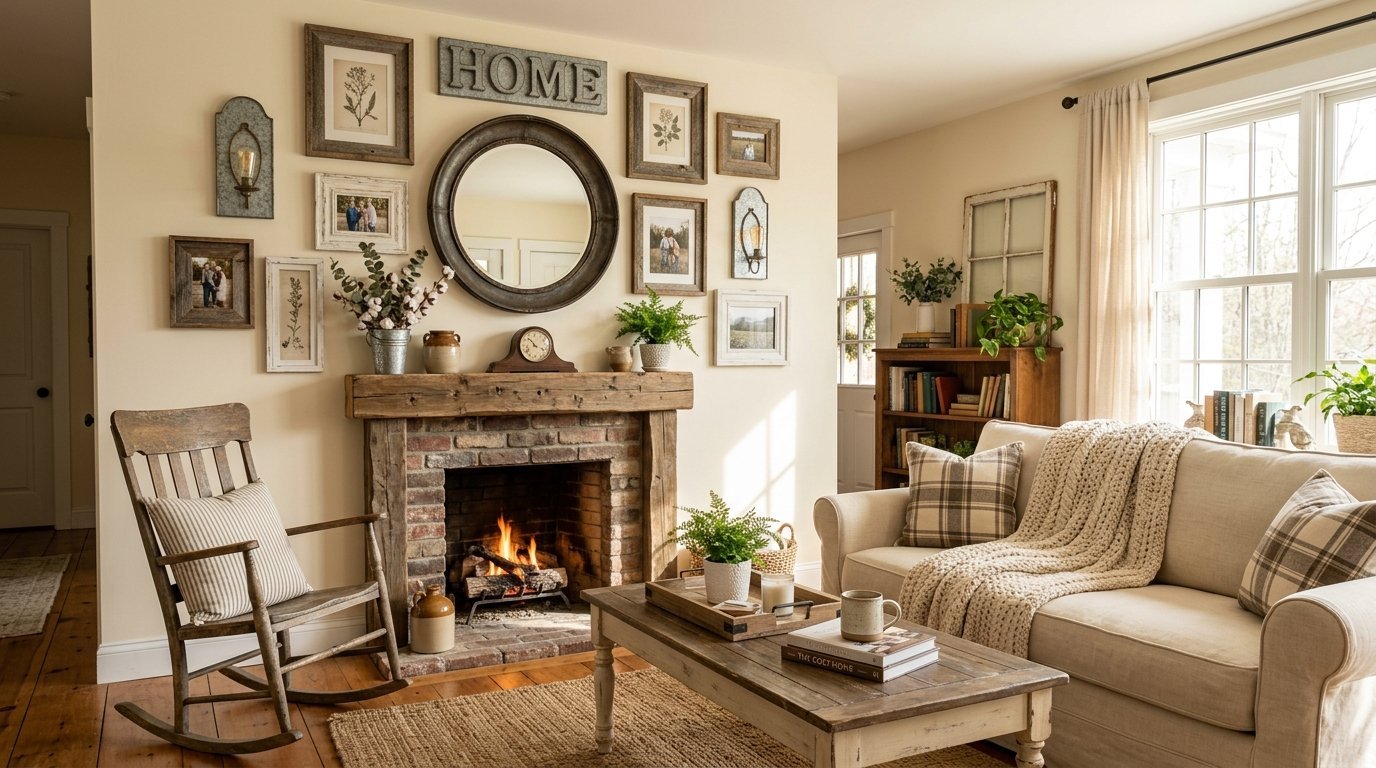
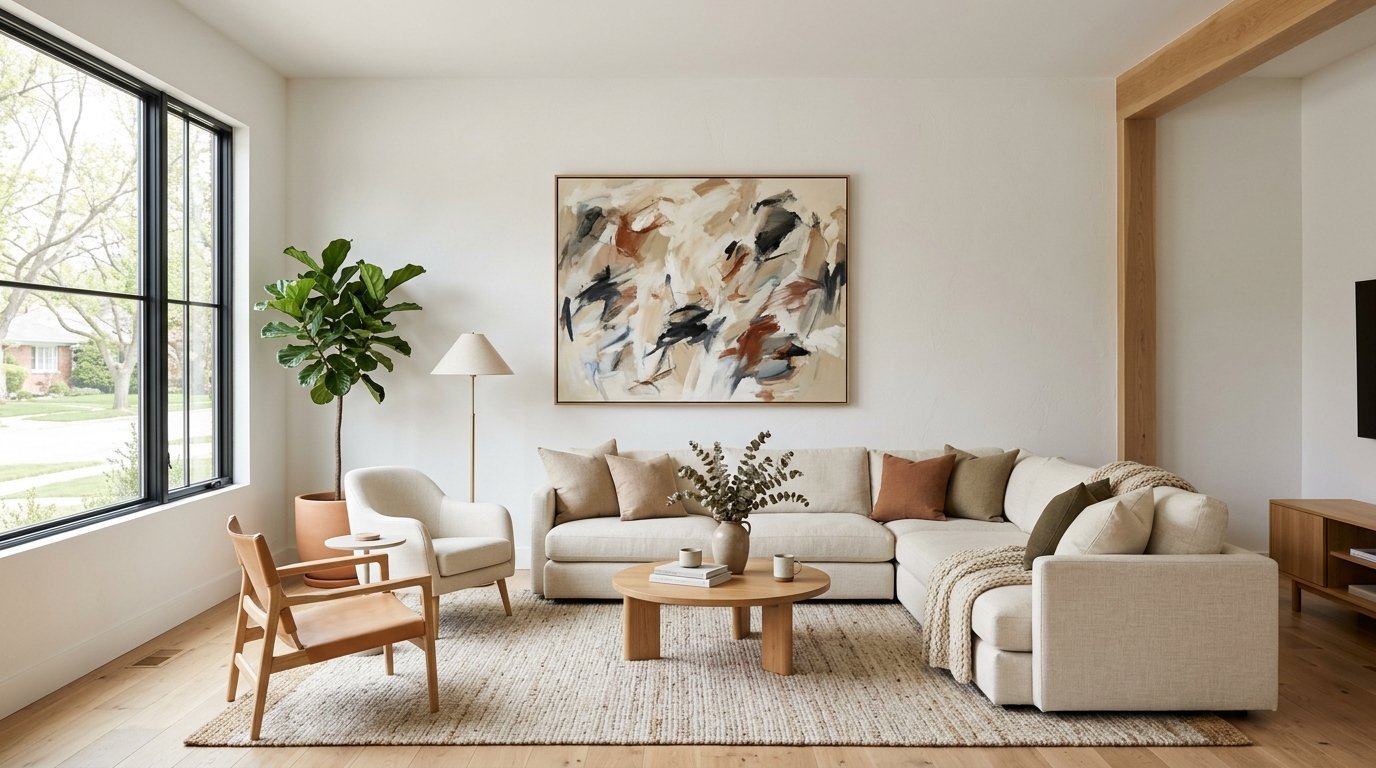
Most homes feel full of noise. Bare walls feel cold. Cluttered walls feel chaotic. You want peace. You want a home that breathes. Finding the right balance takes patience. Minimalist wall decor ideas fix this issue. You can craft beautiful spaces without overwhelming the eye. You create literal breathing room.
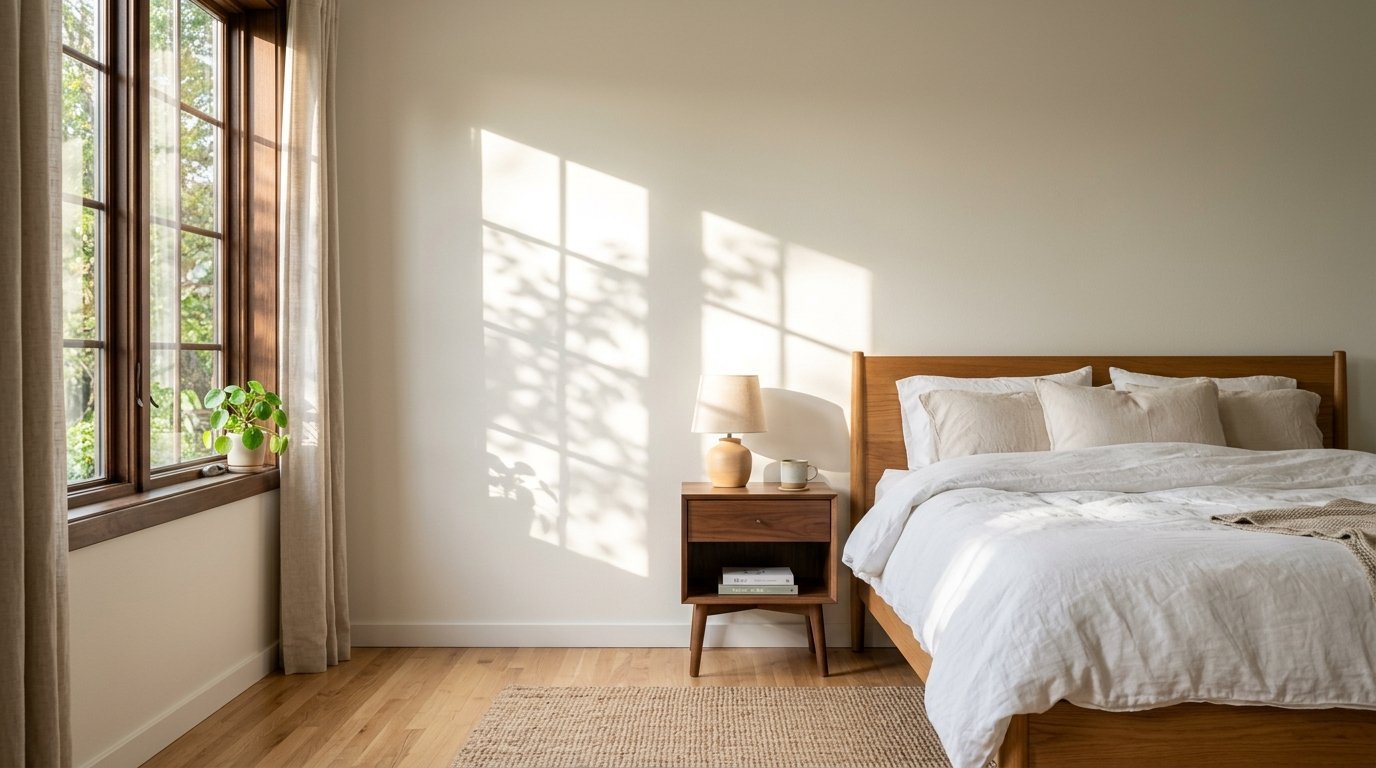
You will read exactly how to change your walls. This guide covers twenty five specific minimalist wall decor ideas. I have spent years working with room aesthetics. I see what works and what fails. You will get exact steps. You will read about materials and layout choices. Your home will feel like a quiet sanctuary. You will save money by choosing fewer pieces.
1. Large Scale Abstract Wallpaper
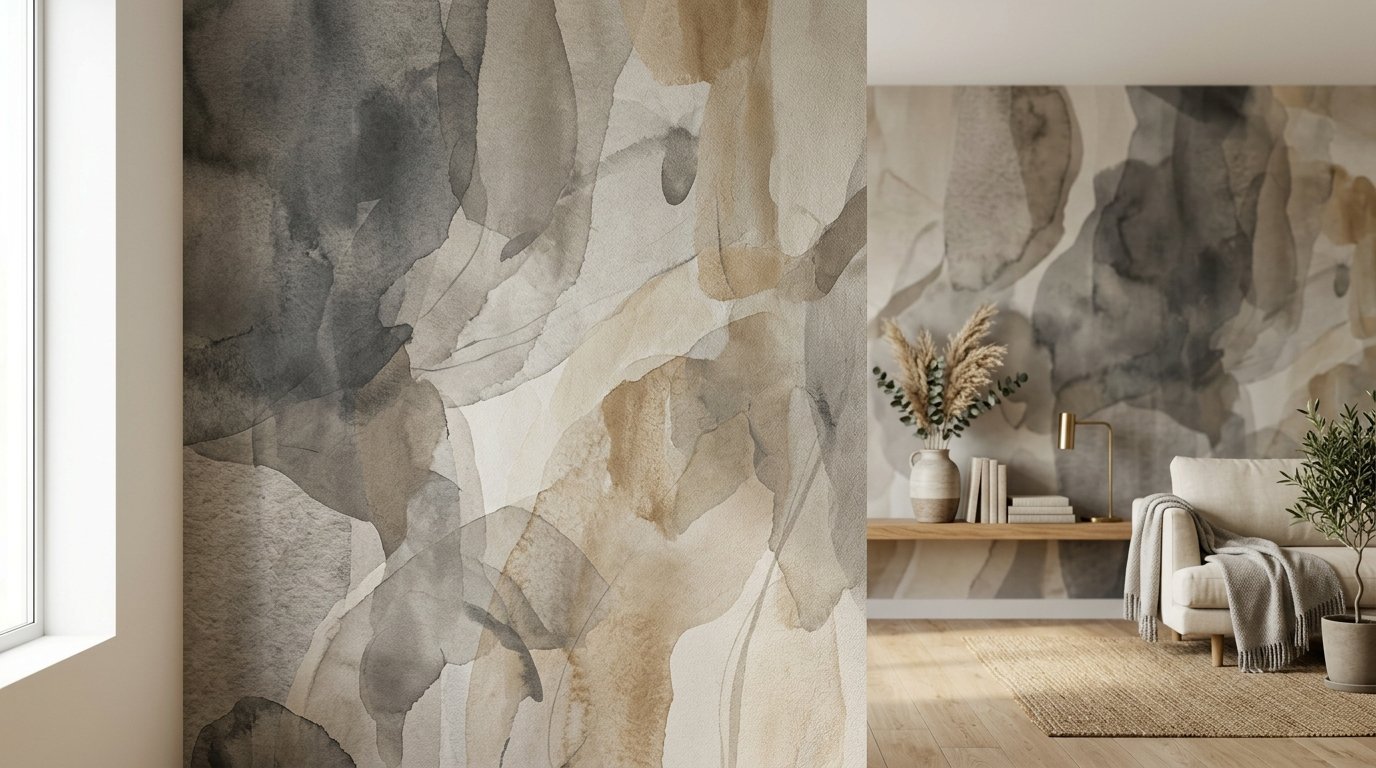
Abstract wallpaper creates instant calmness. You only need one accent wall. A subtle pattern grounds the entire room without visual noise. You avoid the clutter of multiple small frames. Soft grays and muted tans work perfectly. I have applied this in small spaces recently. It makes tight rooms feel much bigger instantly. You save hours of measuring and nailing frames. The room breathes naturally. Your eye travels smoothly across the space.
- Pick a matte finish paper to avoid glare.
- Measure the wall twice before making any cuts.
- Smooth out air bubbles immediately with a plastic tool.
2. Neutral Boho Art Painting
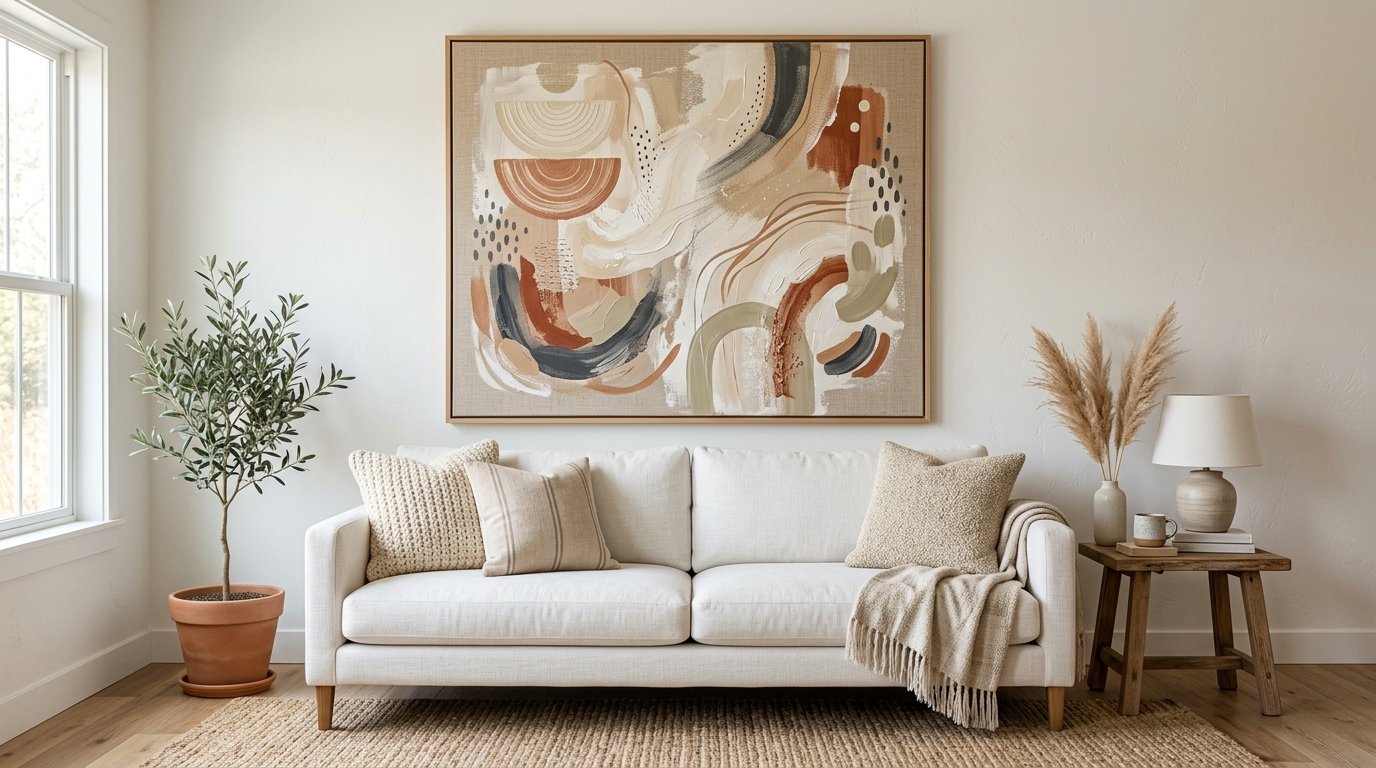
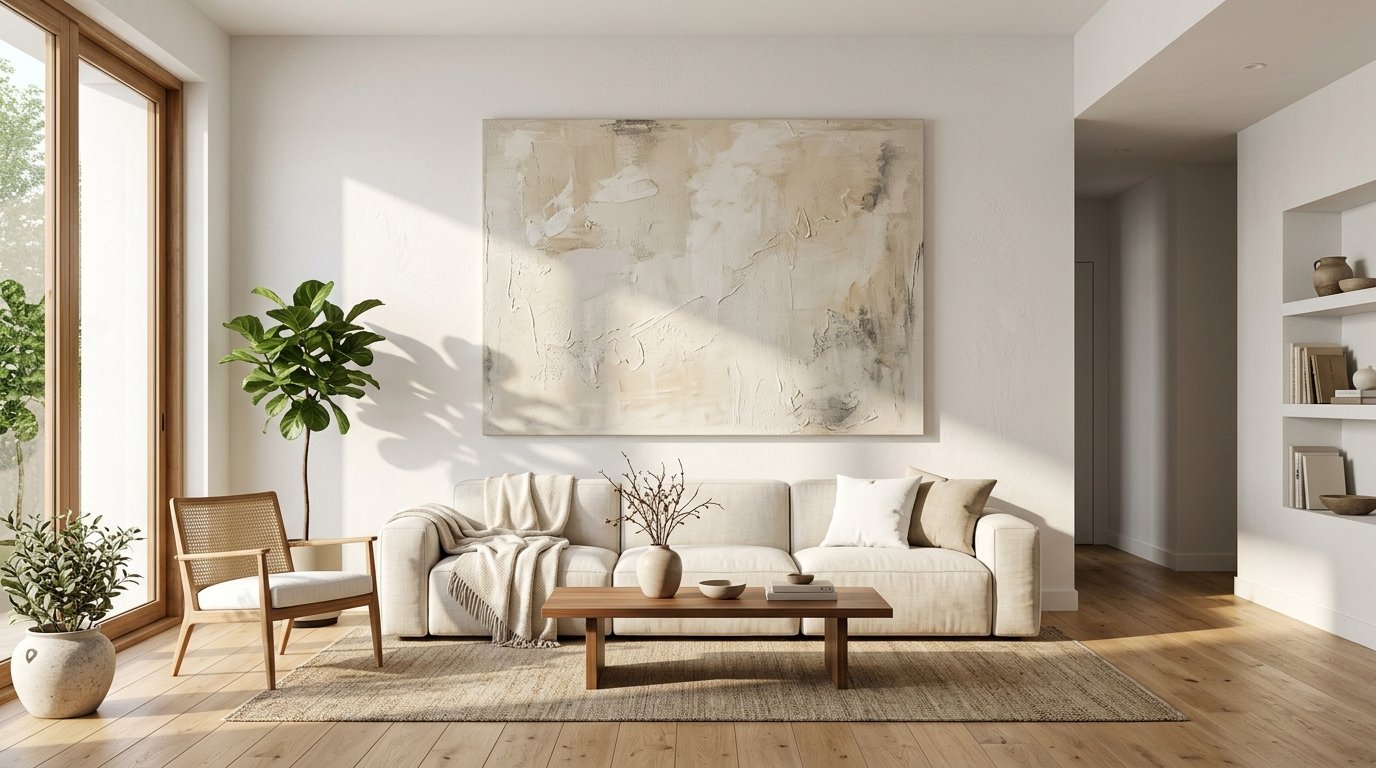
A boho art painting softens hard room edges. Muted earthy tones introduce warmth. You can hang one large piece over a sofa. This draws the eye naturally. You avoid overwhelming the viewer. I find that natural linen canvas works beautifully. It provides a tactile texture. You get a relaxed vibe effortlessly. Your walls remain quiet but styled.
- Hang it exactly at eye level.
- Use a thin natural wood frame.
- Keep surrounding walls completely bare.
3. Single Statement Aesthetic Painting
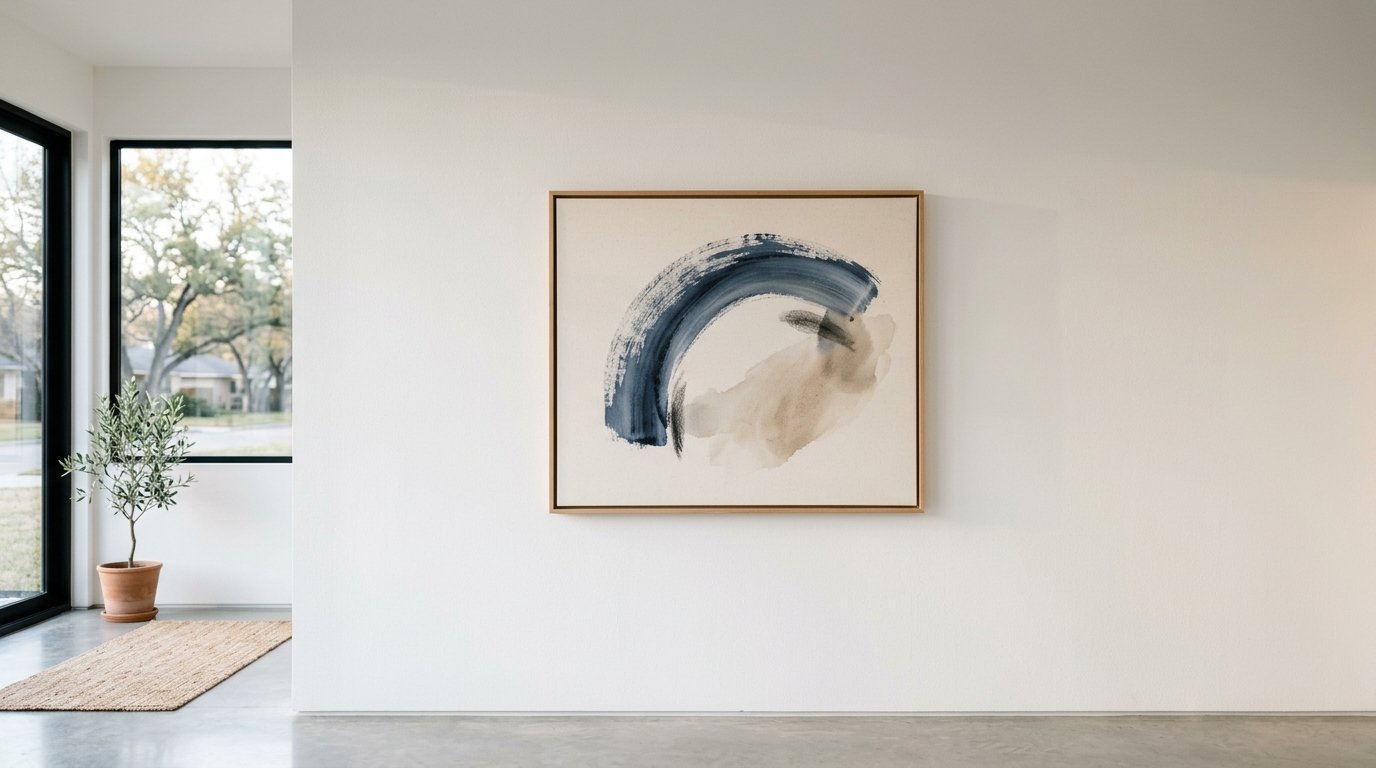
One aesthetic painting speaks louder than ten small prints. You make a deliberate choice. A singular piece of art commands attention. It stops the scroll on Pinterest. It makes people pause in real life. I have seen homes completely changed by one good piece. The room breathes around the artwork. You do not need anything else on that wall.
- Choose colors that match your floor rugs.
- Leave plenty of blank white space.
- Pick a subject that makes you smile.
4. Frameless Round Mirrors
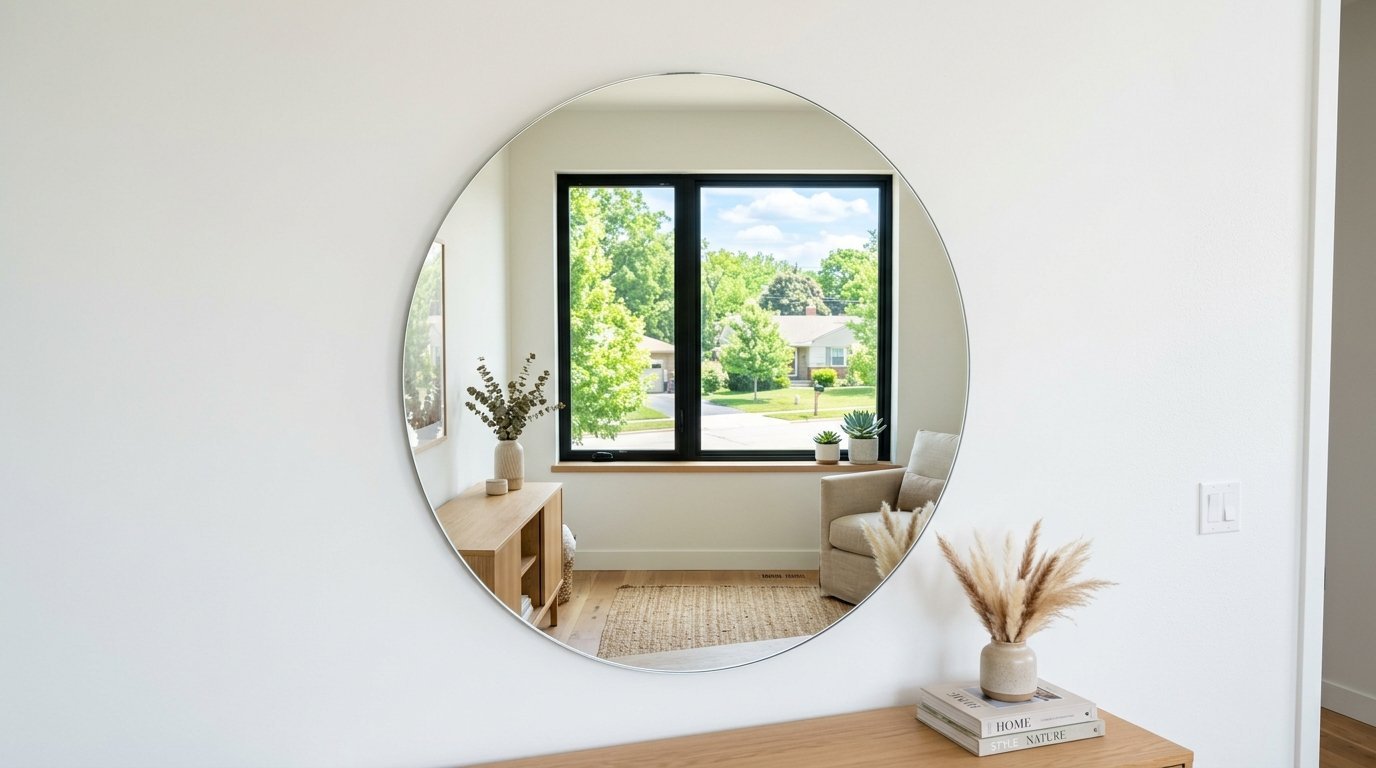
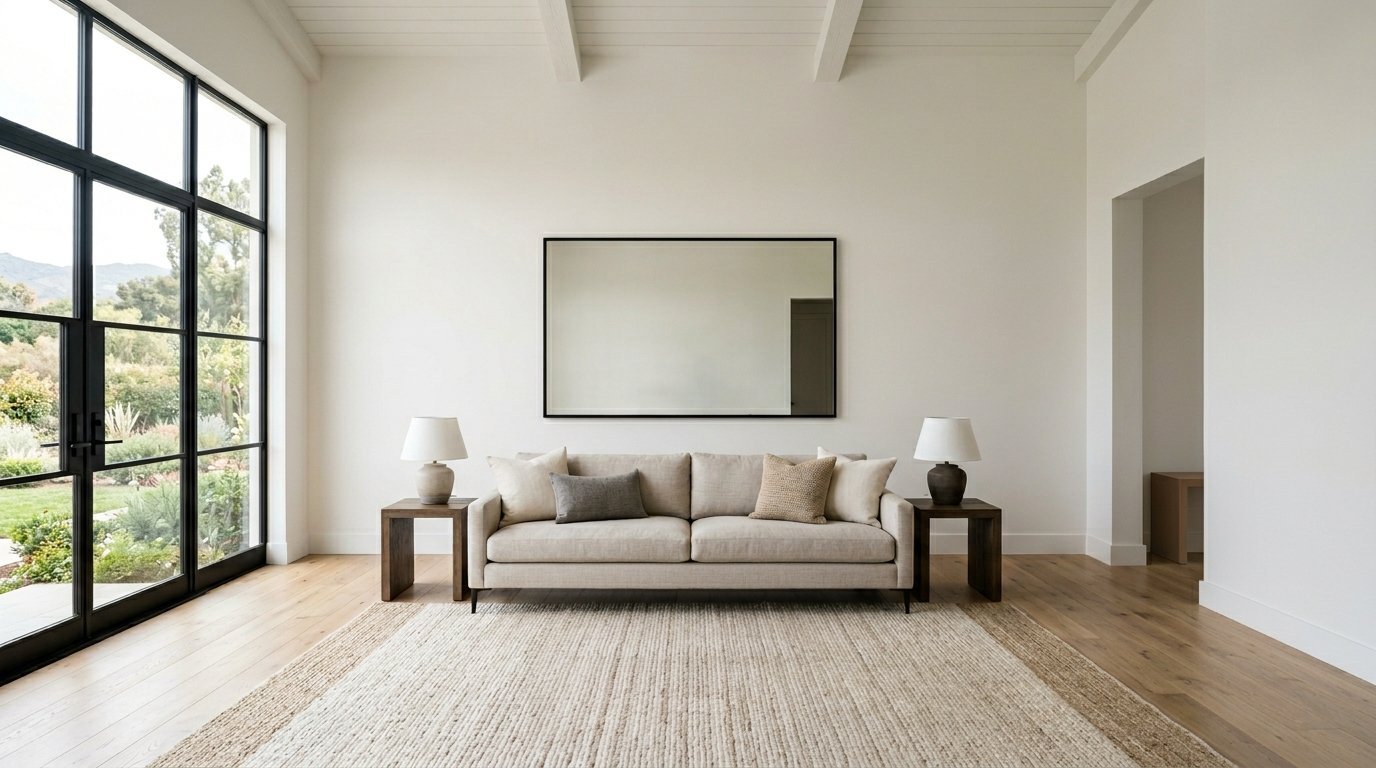
Mirrors open up tight spaces. They bounce light across the room. A frameless round mirror looks incredibly clean. I prefer frameless options for true minimalism. I saw this destroy a beautiful piece in my hallway three years ago. The damp air got behind the frame and caused black spots. The silver backing separated completely. Frameless styles trap less moisture over time.
- Wipe the glass with distilled water.
- Use high purity isopropyl alcohol for stubborn spots.
- Dry the glass with a Norwex microfiber cloth.
5. Textured Diy Canvas Art
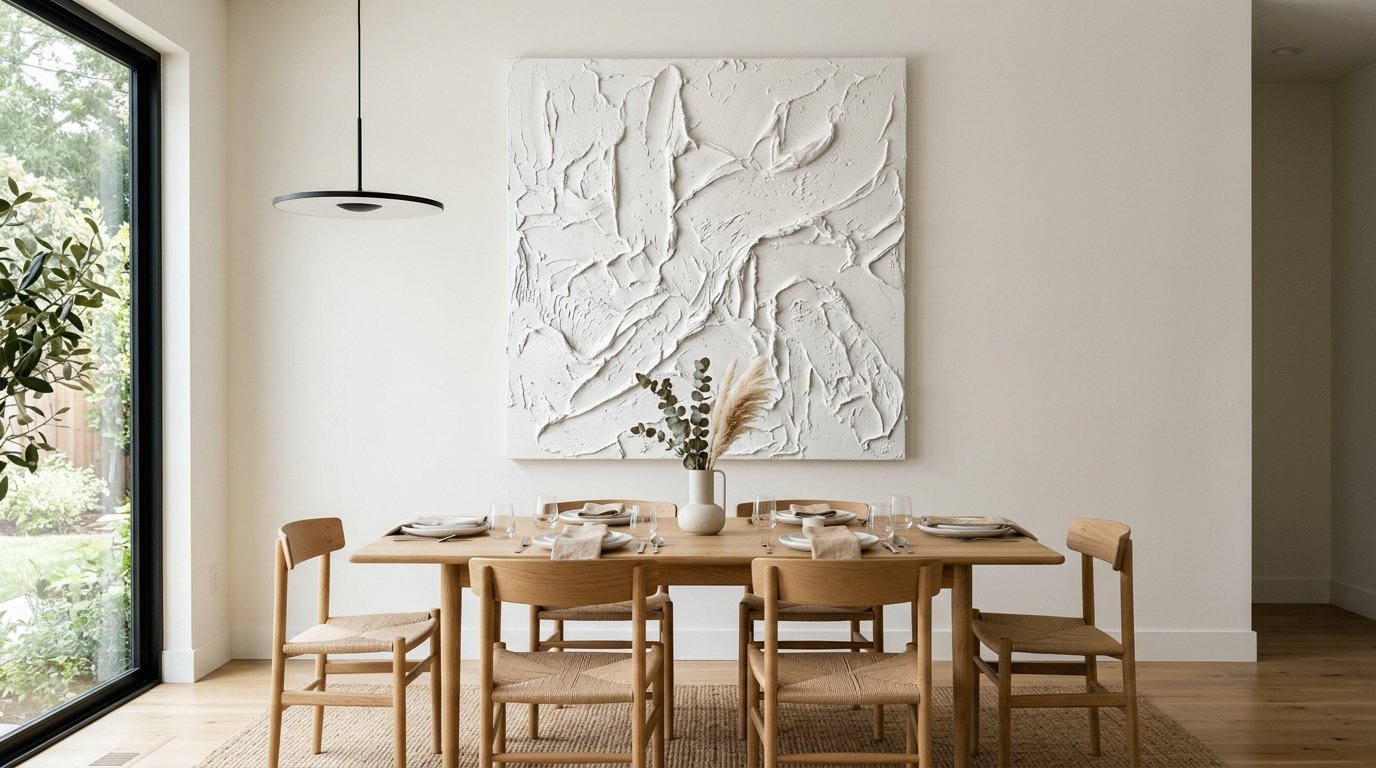
You can make stunning textured art yourself. Diy canvas art requires very few tools. You just need joint compound and a blank canvas. Spread the paste with a plastic putty knife. Create sweeping arches or straight lines. It dries hard and looks expensive. I love creating these on weekends. You save hundreds of dollars. The thick texture stands alone.
- Buy gallery wrapped canvases for thick edges.
- Let the wet paste dry for twenty four hours.
- Paint it the exact color of your wall.
6. Floating Wood Shelves
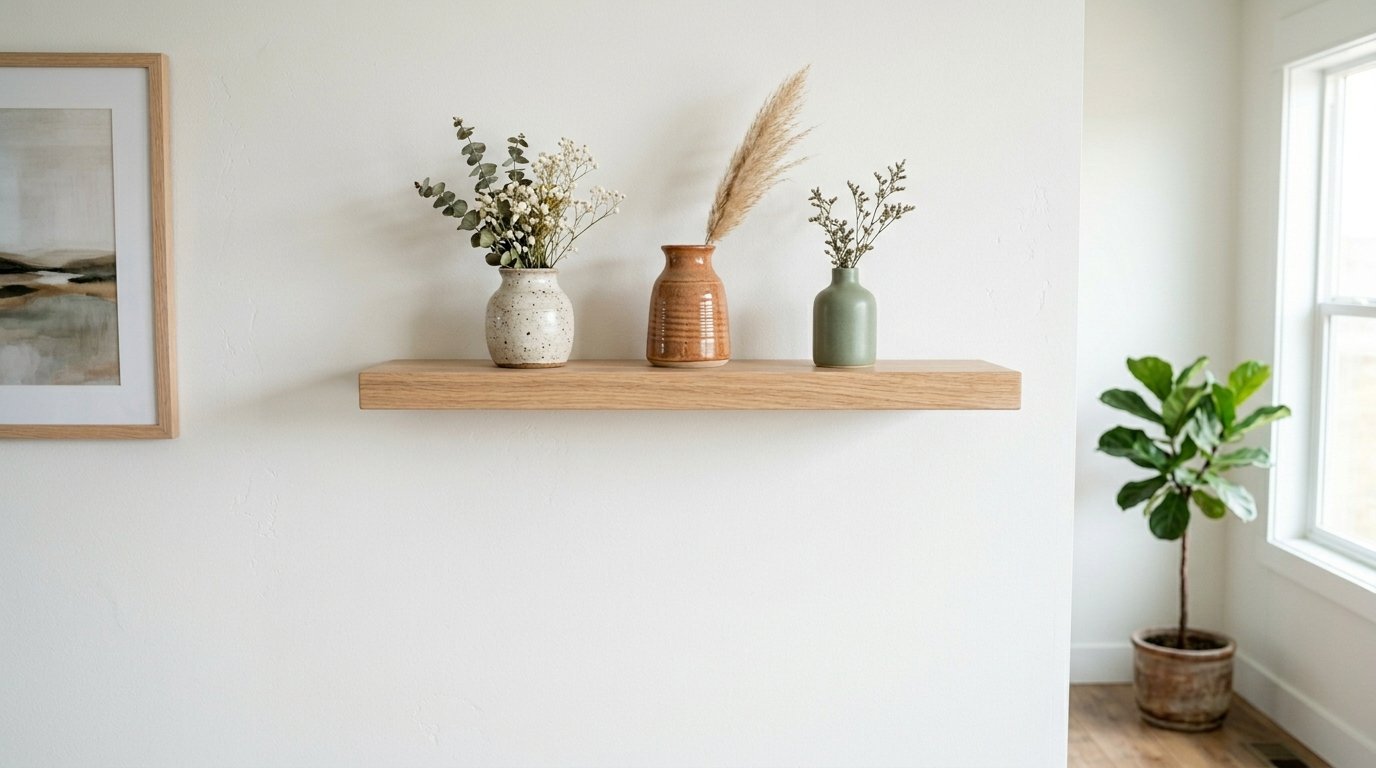
Floating shelves offer practical minimalism. You can display a few chosen items. The lack of visible brackets keeps the look clean. I install these in kitchens and bedrooms constantly. They hold small ceramics or a single trailing plant. You must resist the urge to fill every inch. Leave empty space between objects. This gives your eyes a place to rest.
- Use heavy duty drywall anchors.
- Pick a wood tone that matches your floors.
- Limit items to exactly three per shelf.
7. Subtle Folk Art Flowers
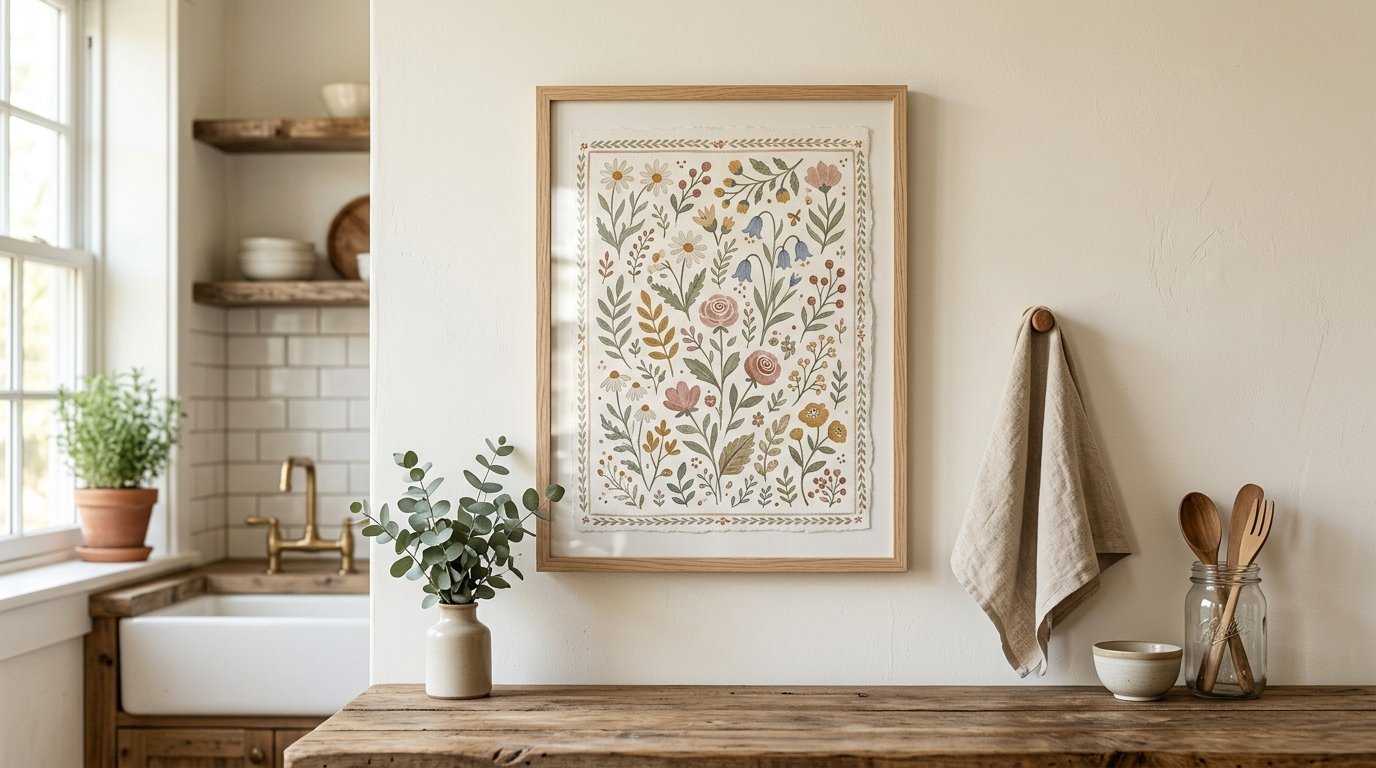
Folk art flowers offer a touch of tradition. You can find modern pieces with minimal linework. A simple floral motif feels welcoming. The secret lies in restricted color palettes. Stick to two or three colors max. This prevents the art from feeling too busy. You get organic shapes without the visual noise. It looks beautiful in a farmhouse kitchen.
- Look for screen printed options.
- Choose unbleached paper backgrounds.
- Pair the art with modern furniture.
8. Wabi Sabi Plaster Art
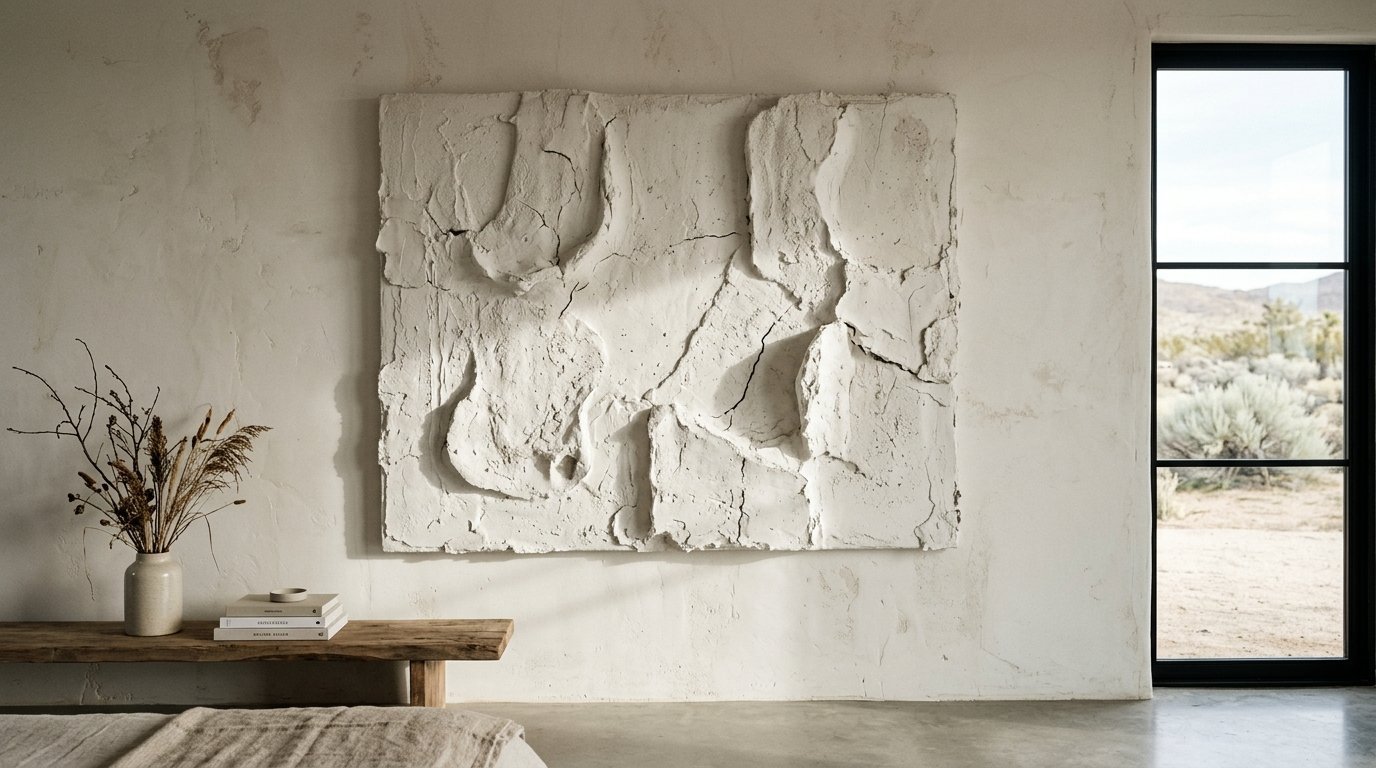
Plaster art celebrates imperfection. The rough texture catches the light beautifully. You get deep shadows and bright highlights. This perfectly suits a minimalist aesthetic. It relies on physical form rather than loud colors. You can easily make this a diy wall art decor project. I find the creation steps deeply relaxing. It grounds the space quietly.
- Use a heavy duty canvas base.
- Apply plaster directly with your hands.
- Leave rough edges completely visible.
9. Matte Black Sconces
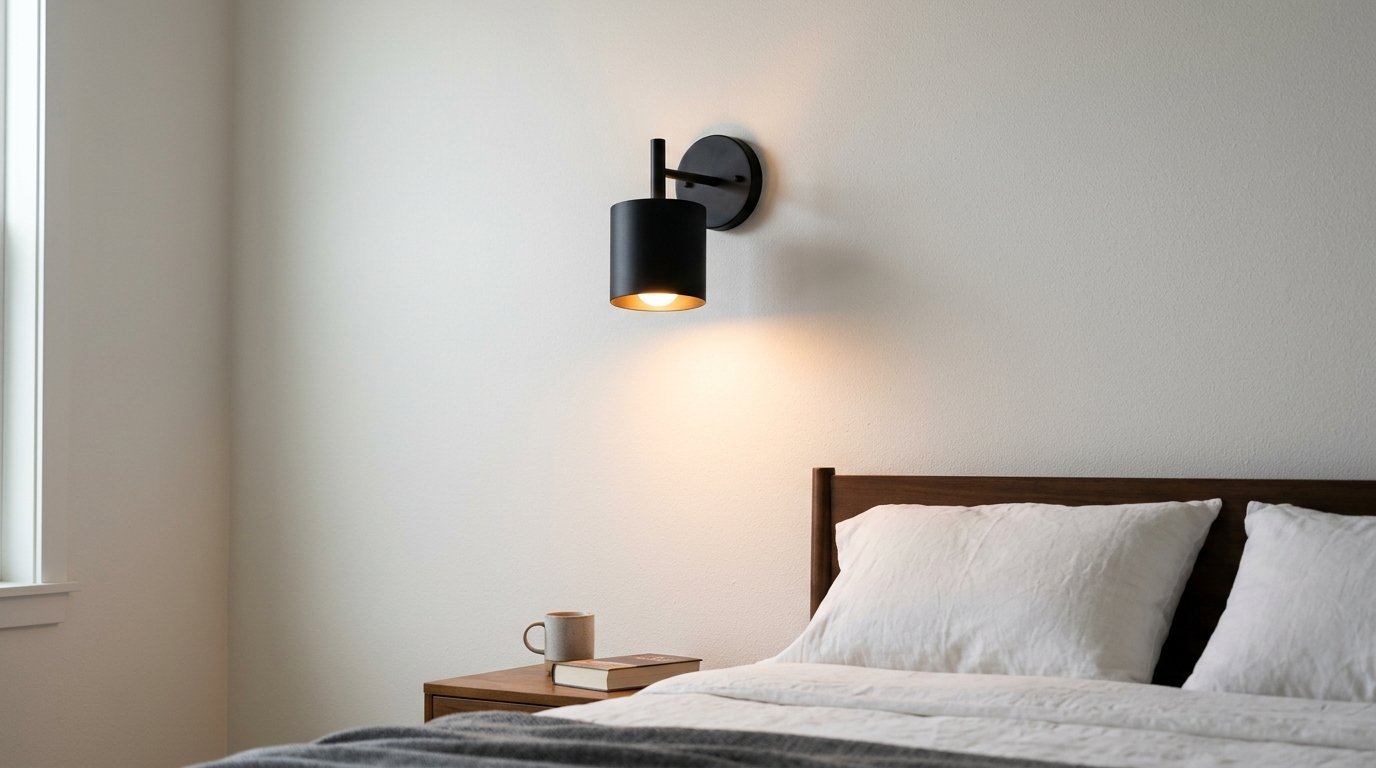
Lighting acts as beautiful wall decor. Matte black sconces provide high contrast. They look like modern sculptures against a white wall. You do not even need hardwiring. Many battery operated puck lights fit inside sconces now. I have used these in bedrooms and living spaces. They cast a warm glow at night. The thin lines look very sharp.
- Install them perfectly symmetrically.
- Keep the design sleek and thin.
- Use warm white light bulbs.
10. Framed Vintage Textiles
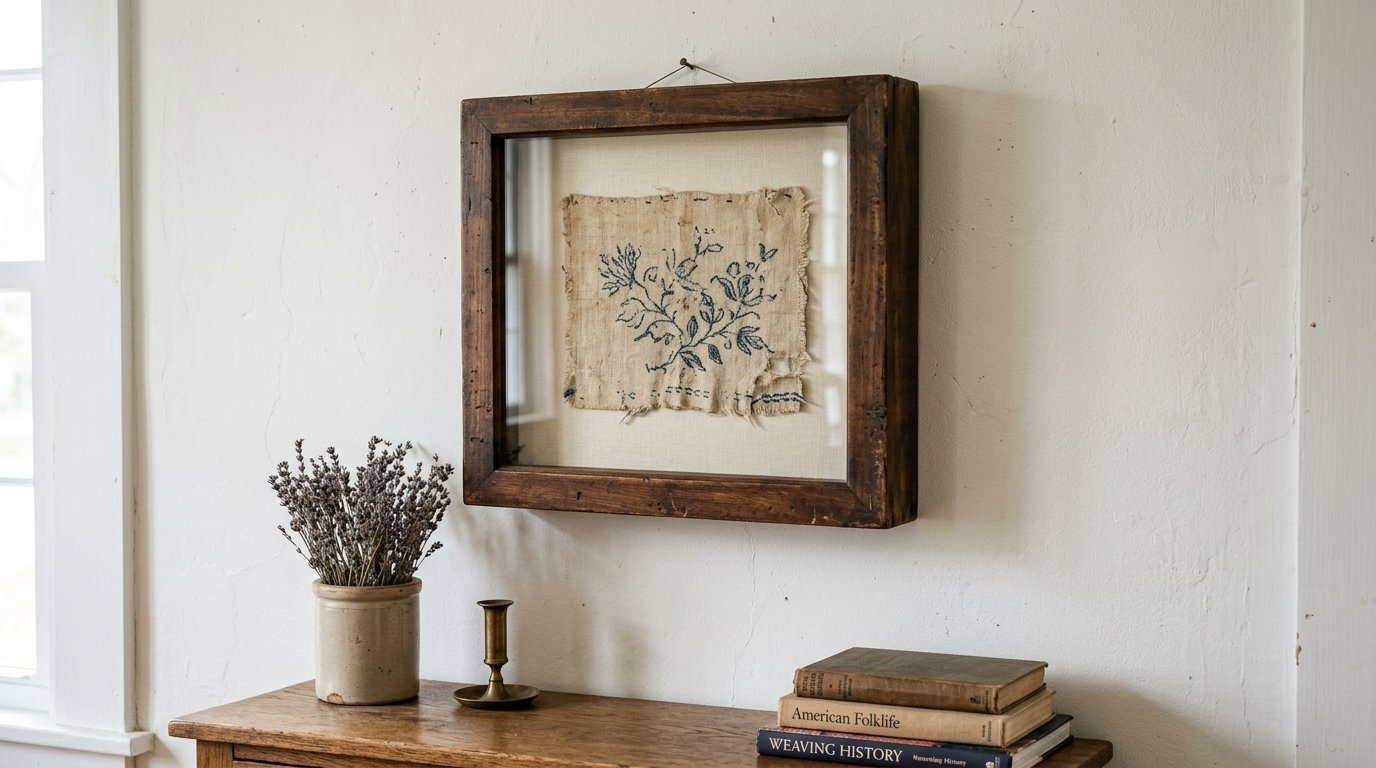
Old fabrics carry deep history. You can frame a scrap of vintage mudcloth. A small piece of antique linen looks stunning. This adds warmth to a stark room. The frame contains the rough texture neatly. You get character without mess. I hunt for these at local flea markets. They work well in a boho bedroom.
- Iron the fabric completely flat.
- Use a deep shadow box frame.
- Float the fabric on a bright white mat.
11. Oversized Boho Painting
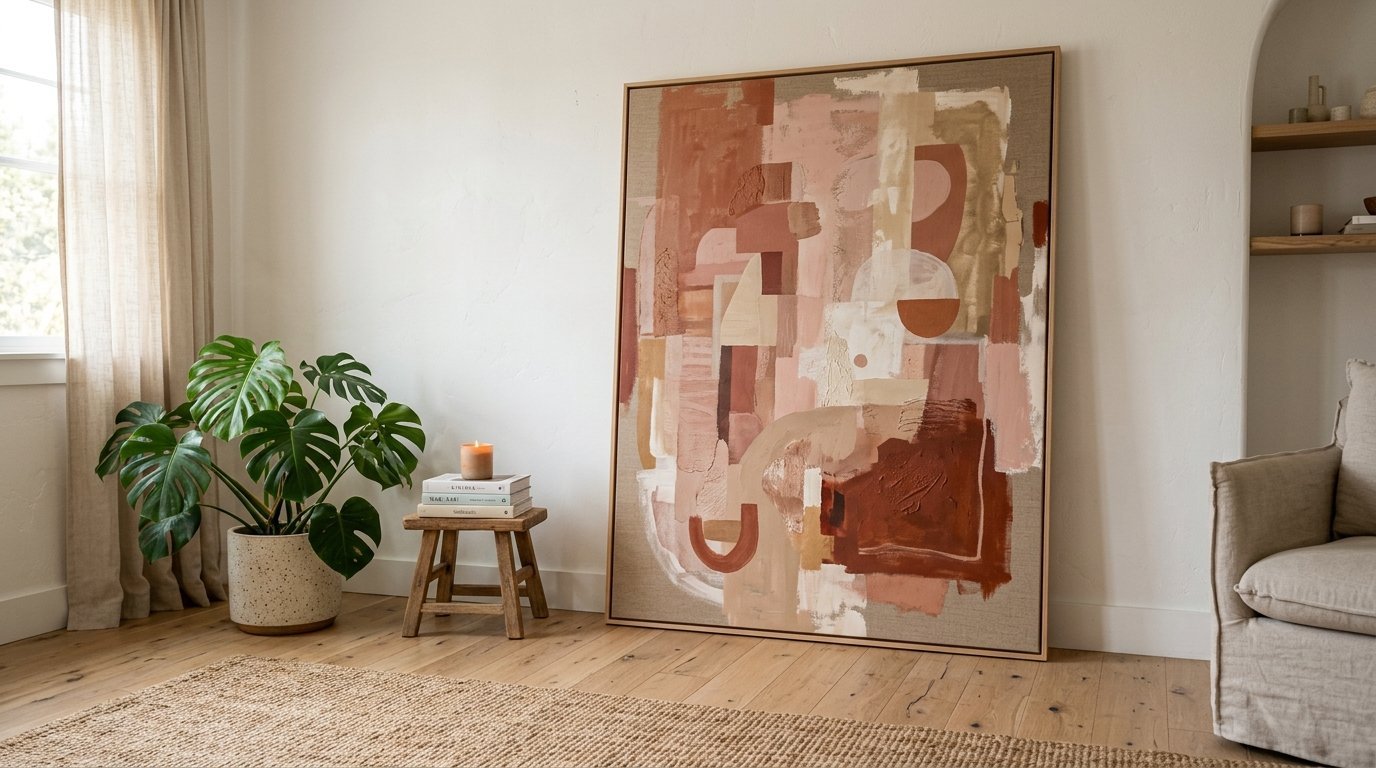
An oversized boho painting fills a large blank wall. You skip the busy gallery layout completely. One large piece feels incredibly intentional. Earthy browns and muted terracotta shades work perfectly. I have styled many rooms around one giant canvas. It dictates the mood of the entire space. You only have to level one frame.
- Buy canvas in a roll to save money.
- Build a simple wooden frame yourself.
- Lean it against the wall for a casual look.
12. Minimalist Line Art
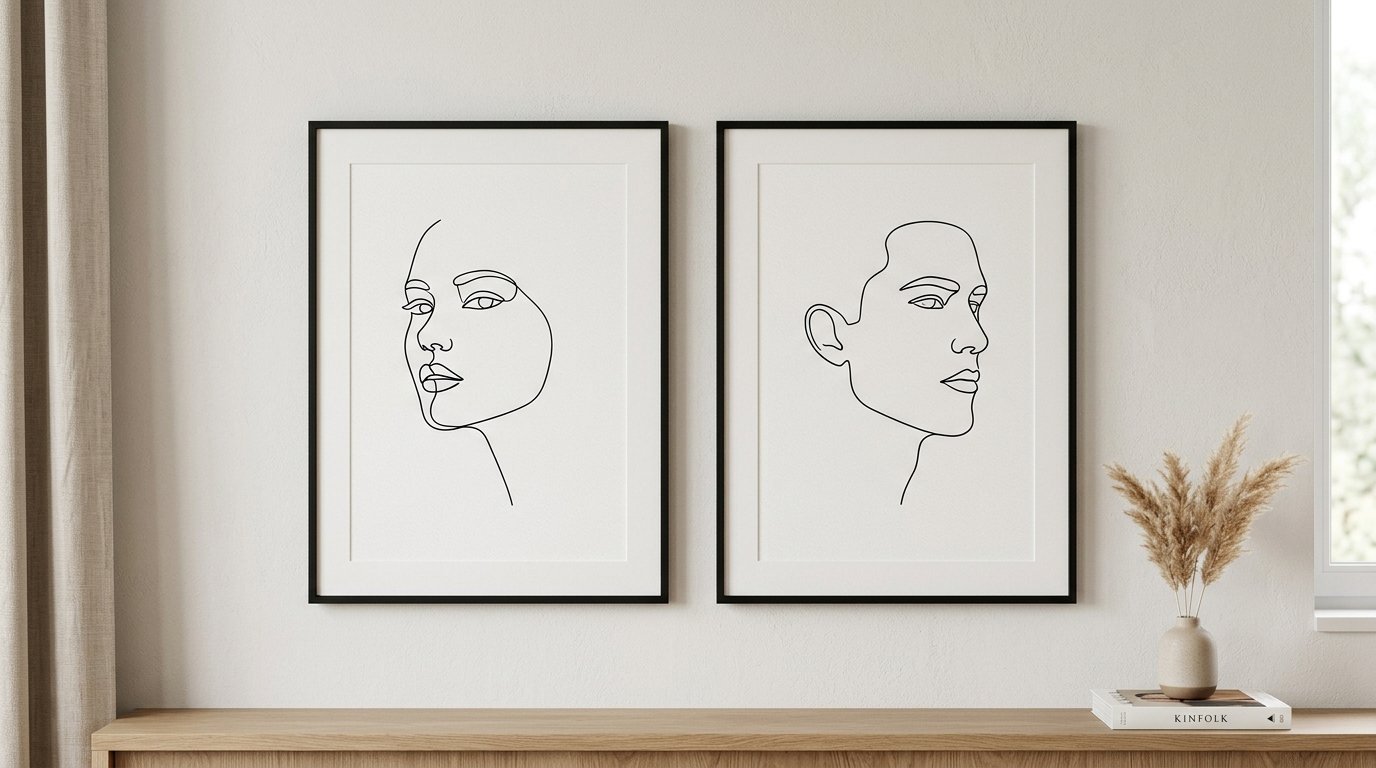
Line art provides the ultimate simplicity. A single continuous line draws a face or body. The white background blends into your wall. You barely notice the boundary between art and room. This fits perfectly in a modern farmhouse kitchen or bath. It feels light and airy. You do not get distracted by heavy details.
- Use a very thin black metal frame.
- Group two pieces side by side.
- Hang them slightly off center for a modern look.
13. Pressed Botanicals in Glass
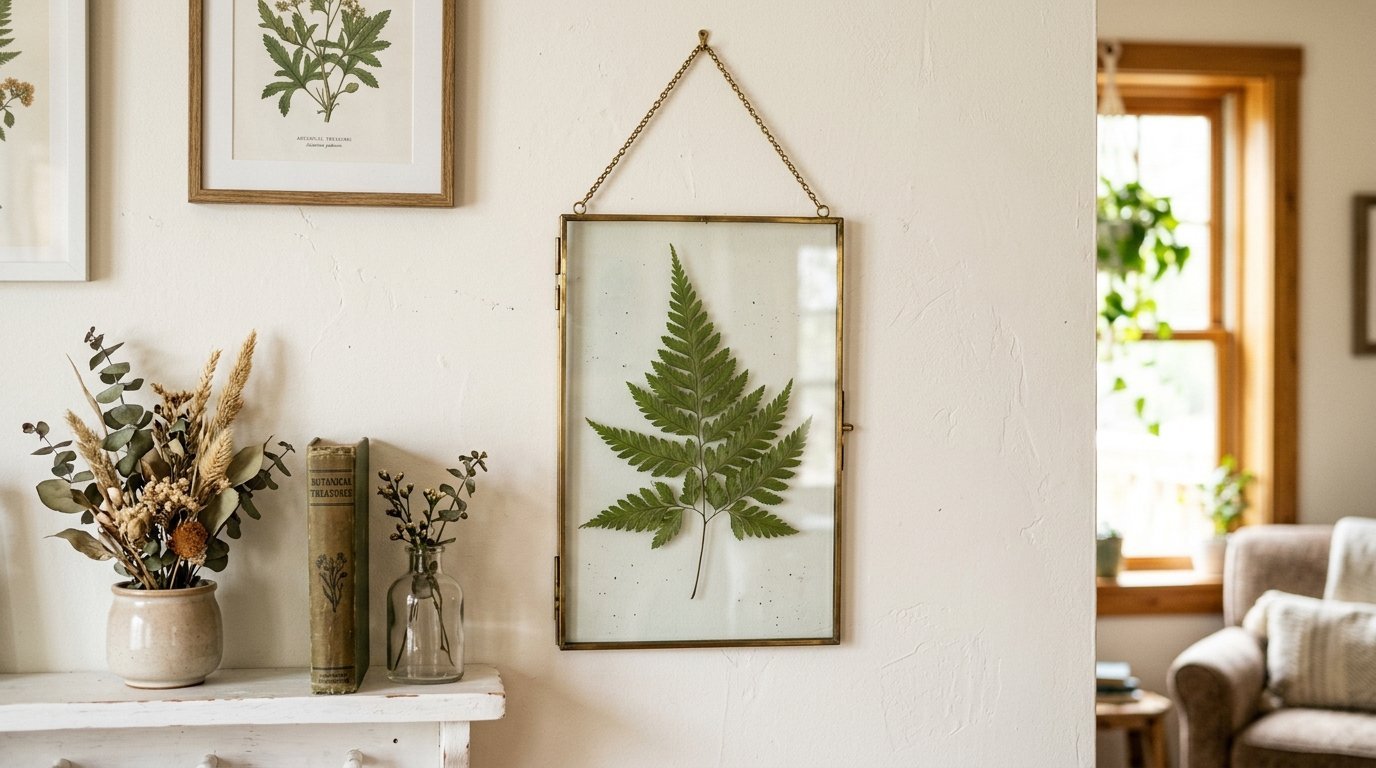
Nature provides the best minimalist decor. Pressed leaves or flowers look delicate. Floating glass frames make them look suspended. You see the wall color right through the frame. This removes visual weight completely. I press ferns and eucalyptus leaves from my yard. They turn a beautiful faded green over time.
- Ensure plants dry completely first.
- Use thin brass or black metal frames.
- Hang them near natural window light.
14. Monochromatic Typography
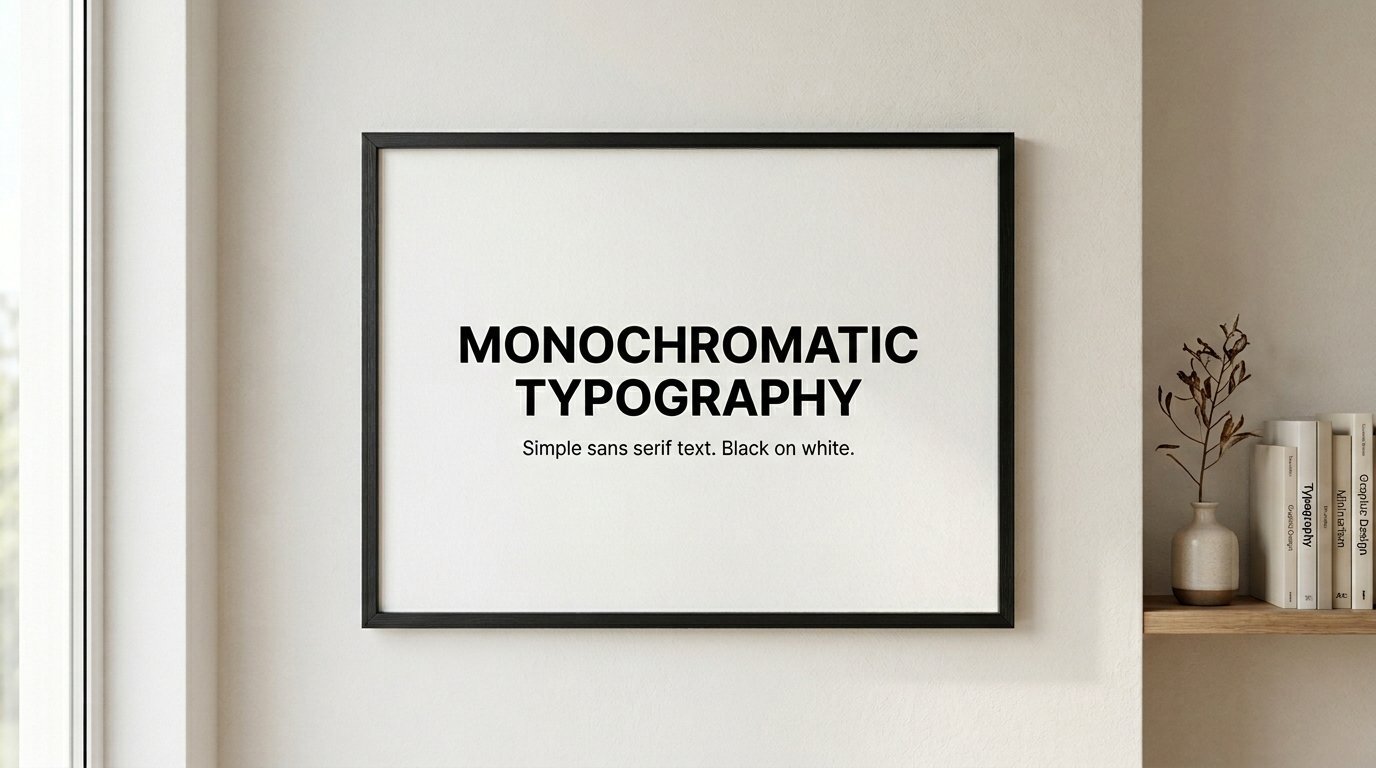
Words can act as graphic art. A single phrase printed in bold type makes a statement. You must keep the font clean. Sans serif fonts work best for this look. The message should evoke calm. You can print these yourself very cheaply. I change mine out when the seasons shift. It feels fresh and quiet.
- Print on thick matte paper.
- Keep the framing very simple.
- Use plenty of negative space around the text.
15. Minimalist Brass Mirrors
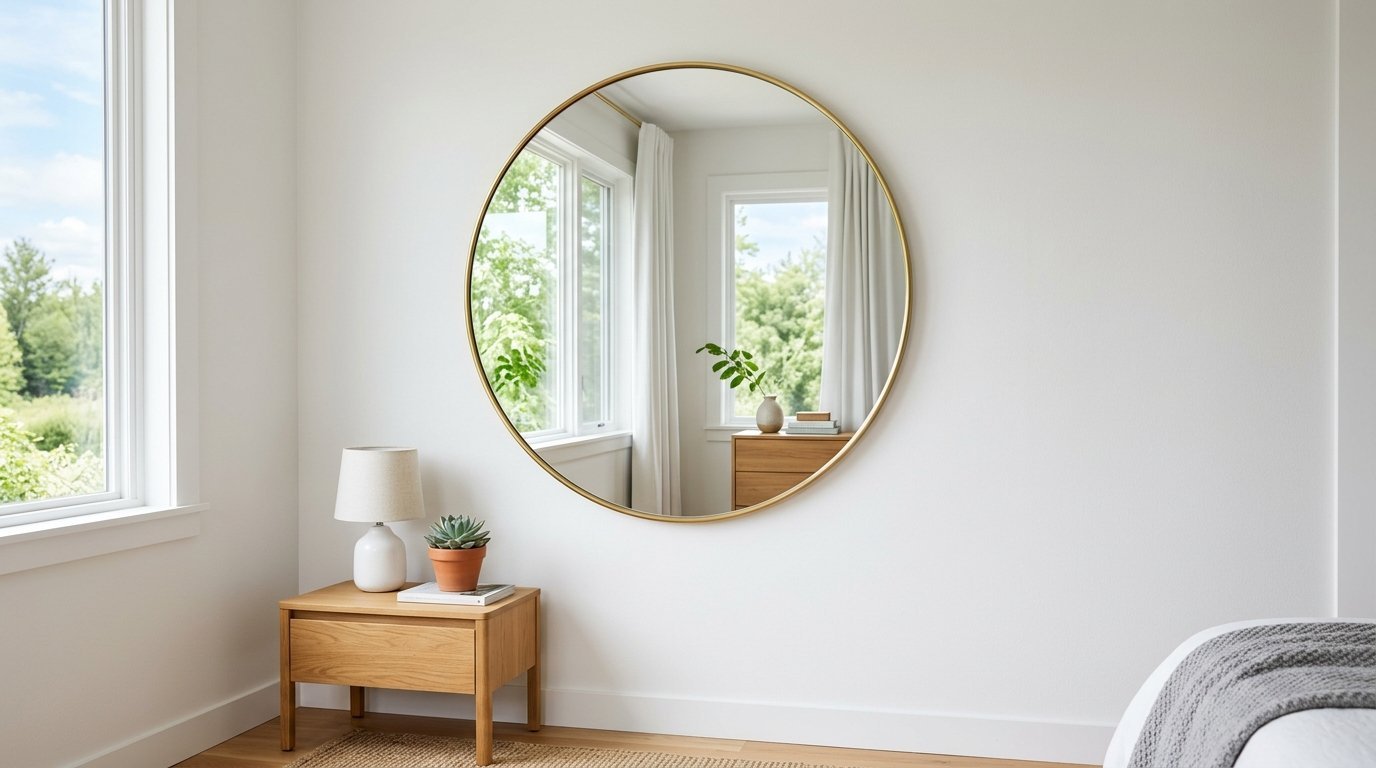
Brass creates a tiny bit of warmth. A simple round brass mirror looks elegant on a white wall. It fits perfectly in an aesthetic room setting. I noticed a specific issue with a gold frame in my classy bedroom last summer. Every time I wiped the glass water gathered at the absolute bottom curve. You must dry the bottom edge completely. Moisture destroys the metal finish very quickly.
- Wipe the metal frame with a dry 3M microfiber cloth.
- Never spray liquid cleaner directly on the glass surface.
- Spray the cloth first to control the moisture completely.
16. Symmetrical Wood Panels
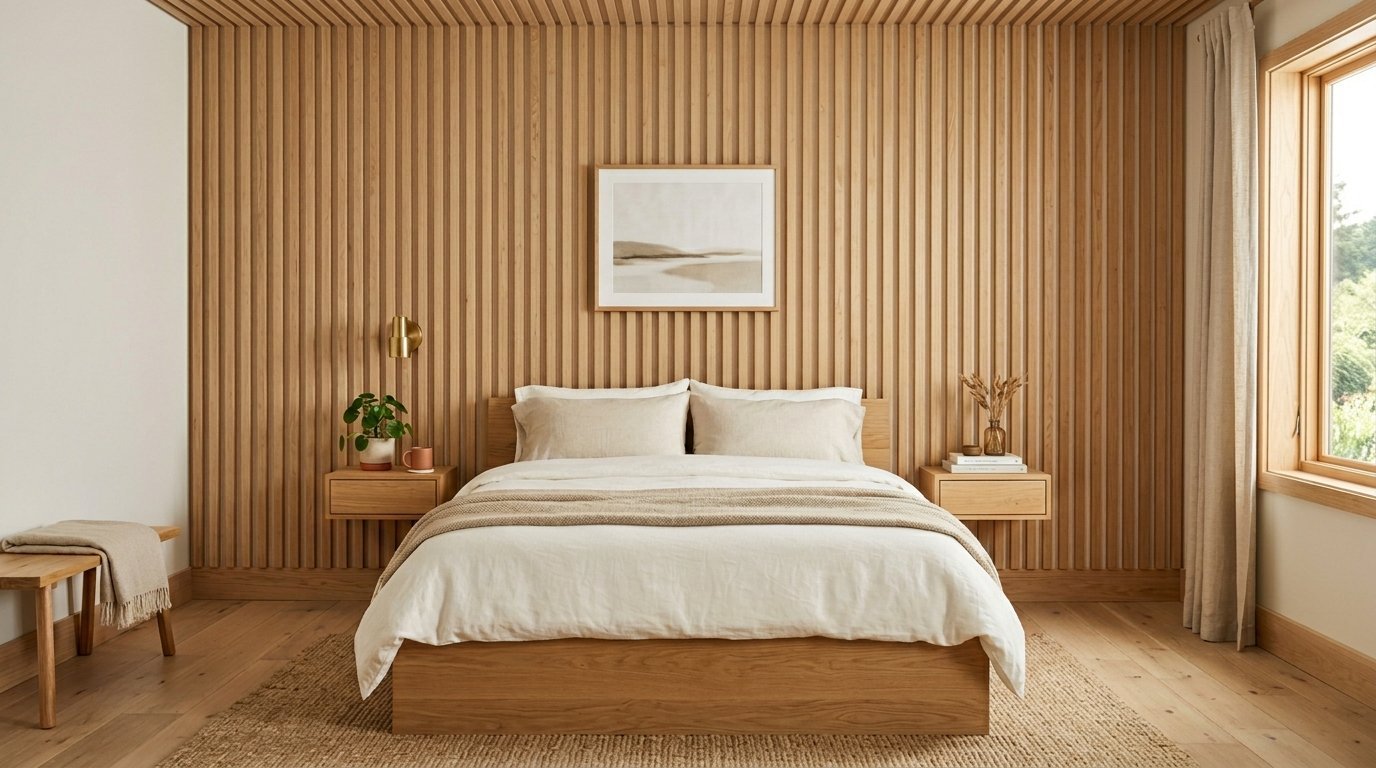
Vertical wood panels draw the eye up. They make ceilings feel taller. Slatted wood introduces a natural detail. It creates a calm rhythm on the wall. You can install these behind a bed. They act as a giant minimal headboard. I love the smell of raw wood in a room. The vertical lines look very organized.
- Use light oak or ash wood.
- Space slats exactly one inch apart.
- Secure them to wall studs for safety.
17. Raw Pine Wood Signs
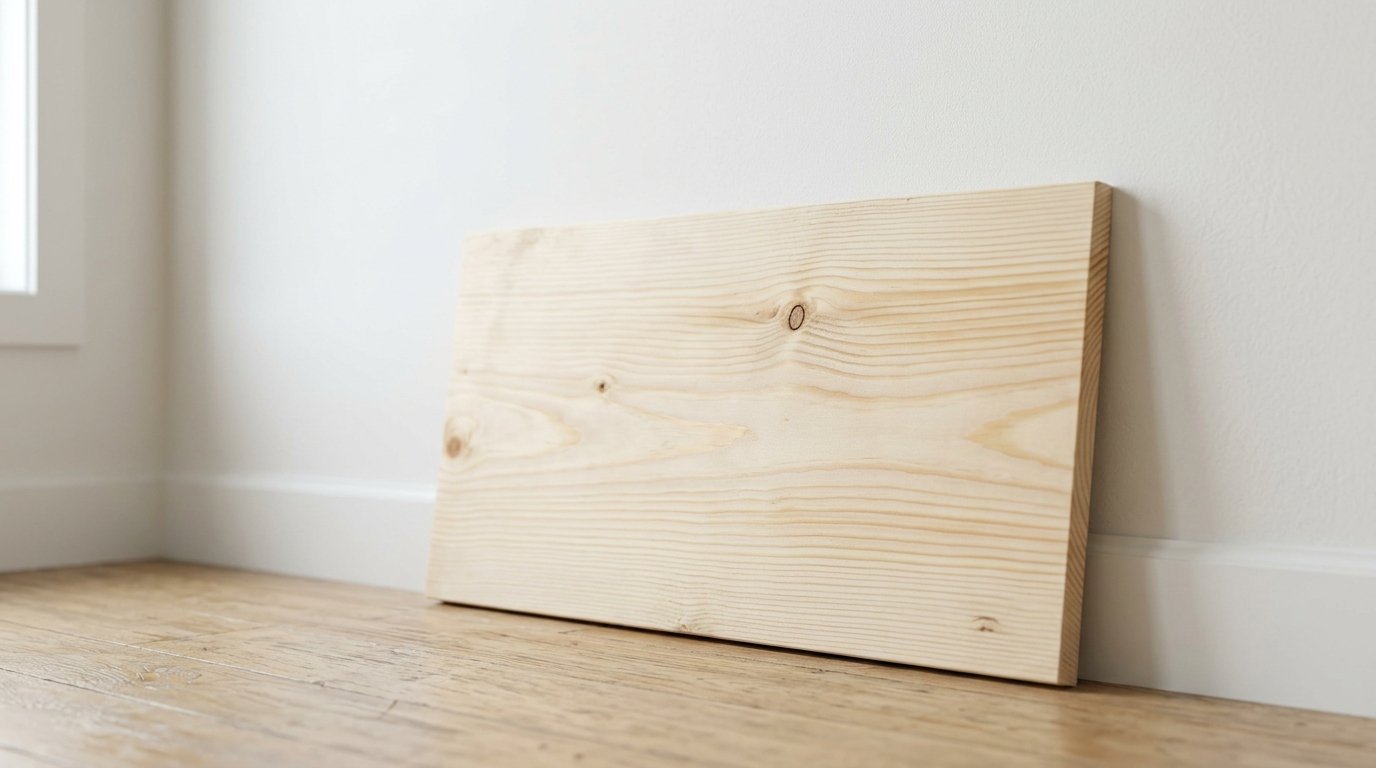
Wood signs can look incredibly minimal. You just have to keep them simple. Three months ago I threw a fresh piece of pine right into the trash. I tried to craft a farmhouse welcome sign. It looked too busy and cluttered. I realized that a blank sanded pine board looks much better. You let the material speak for itself.
- Sand the wood completely smooth.
- Skip the heavy painted lettering.
- Let the natural wood grain act as the art.
18. Monochromatic Geometric Shapes
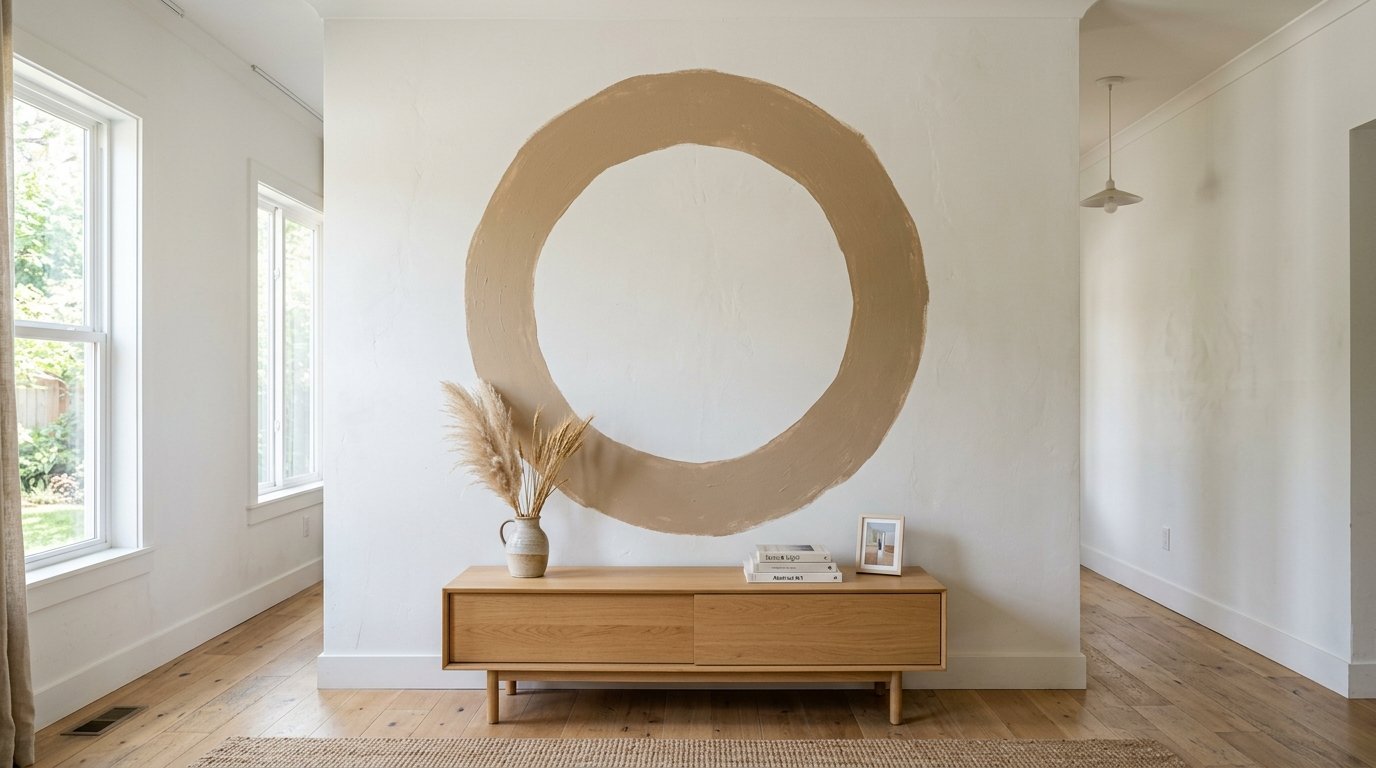
Geometric art creates order. Sharp angles contrast with soft furniture. A monochromatic color palette keeps it quiet. You can paint a large circle directly on your wall. This costs almost nothing. It defines a space instantly. I have painted arches behind desks and beds. The painted shape acts as a frame for your furniture.
- Use a string and pencil to draw circles.
- Tape edges firmly for crisp paint lines.
- Paint with a flat matte finish.
19. Woven Macrame Wall Hangings
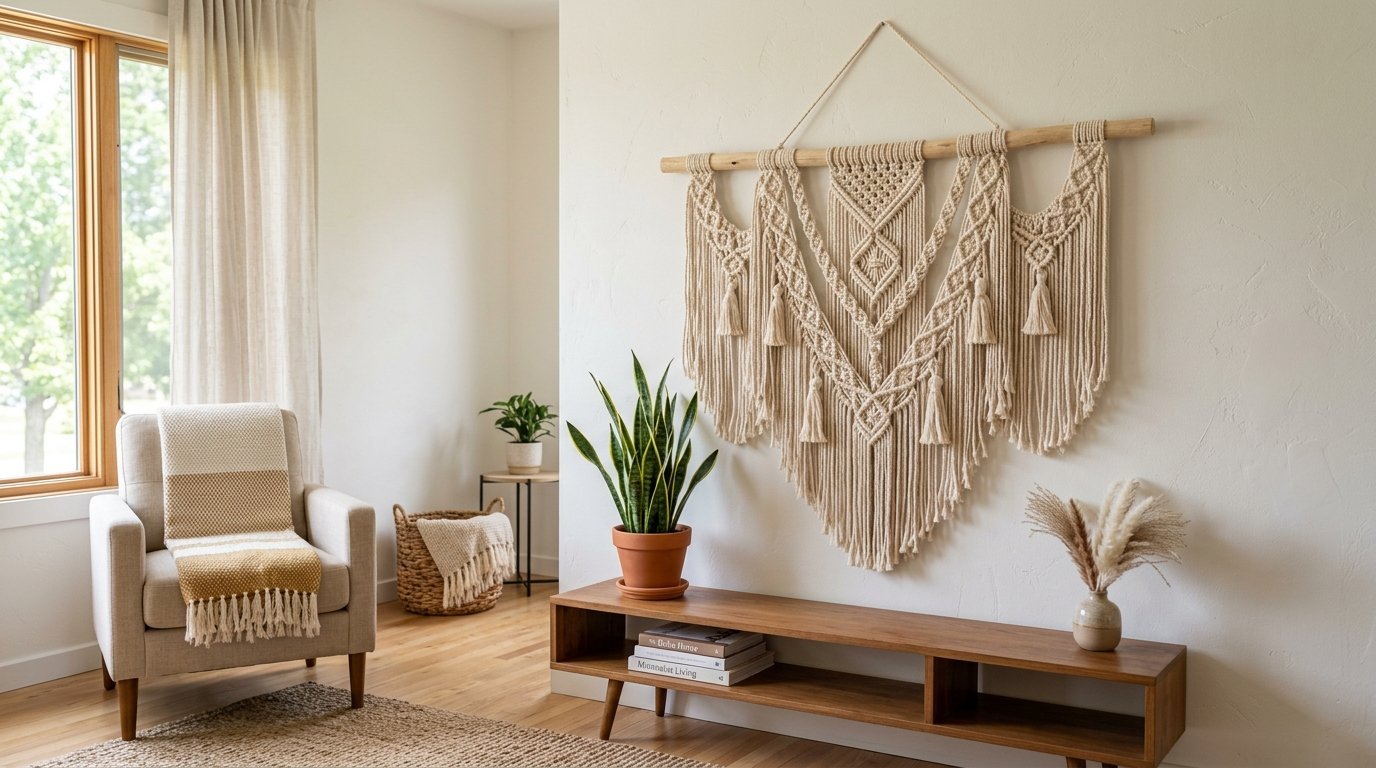
Macrame offers softness. A simple woven piece brings texture. You must avoid overly complicated knots. Stick to straight lines and natural cotton cord. A minimal macrame hanging warms up a cold room. I tie these on simple wooden dowels. They look great in a boho bedroom. The soft fringe calms the space.
- Use single twist cotton string.
- Comb out the fringe for a neat look.
- Hang it from a single small nail.
20. Architectural Molding
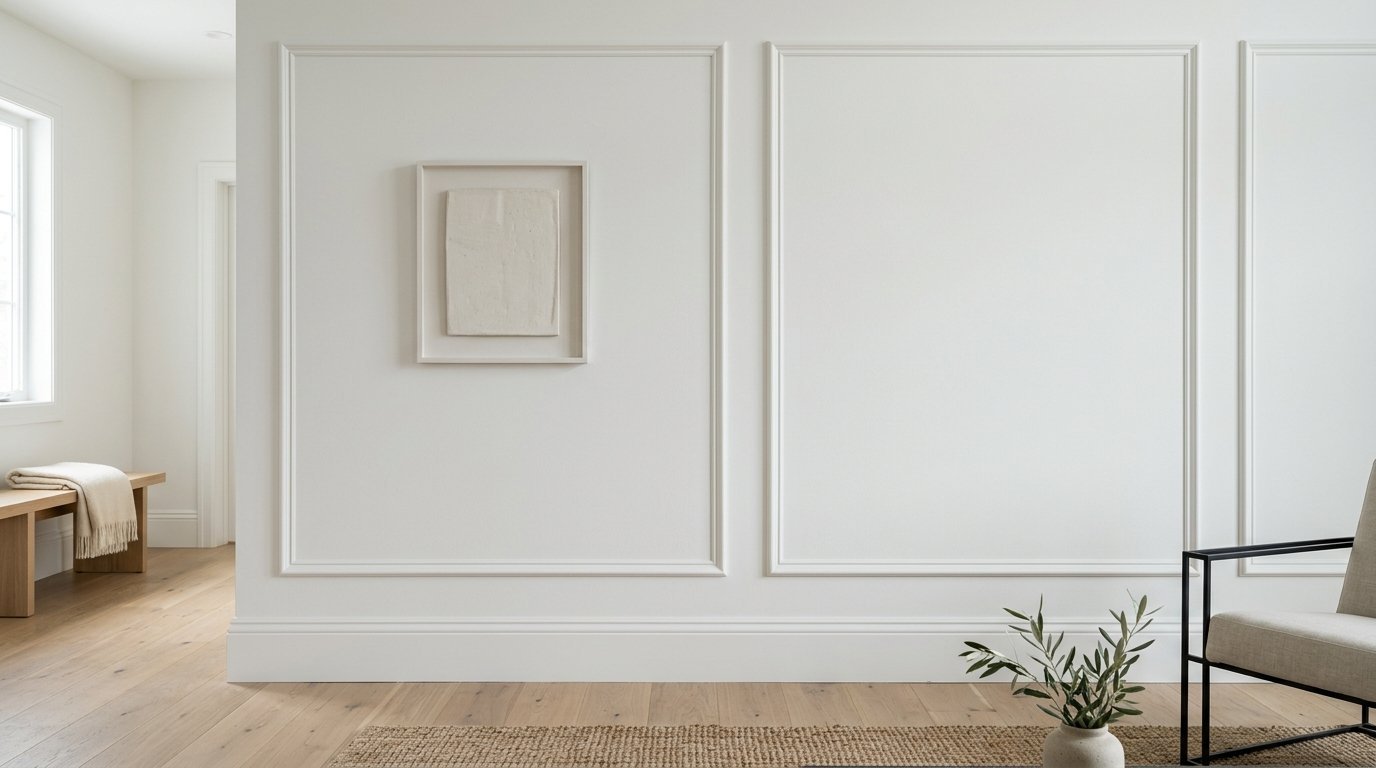
Picture frame molding elevates any room. You attach thin wood trim directly to the drywall. Paint it the exact same color as the wall. This creates subtle shadows. The wall becomes the decor. You do not need to hang anything else. This fits perfectly in high end minimal spaces. The walls look finished but empty.
- Plan your boxes on paper first.
- Use a laser level for perfect installation.
- Caulk every single seam for a smooth look.
21. Tonal Fabric Panels
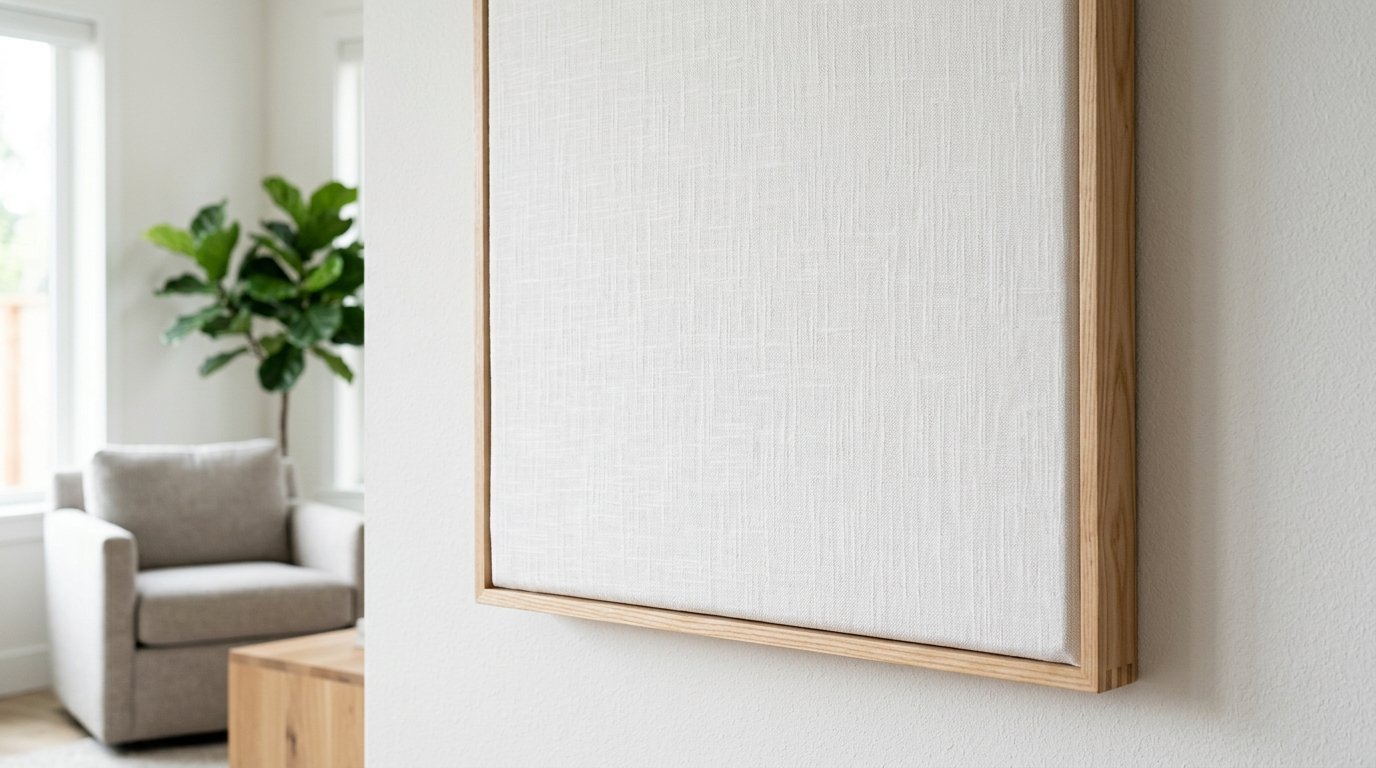
Stretched fabric provides acoustic dampening. It also looks incredibly chic. You stretch linen over a wooden frame. Choose a color that matches your paint perfectly. The subtle texture shift looks very sophisticated. This reduces echo in empty rooms. I build these panels for large dining rooms. They quiet the noise instantly.
- Pull the fabric very tight across the frame.
- Staple it securely on the back side.
- Use thick linen or heavy canvas.
22. Soft Watercolor Scenery
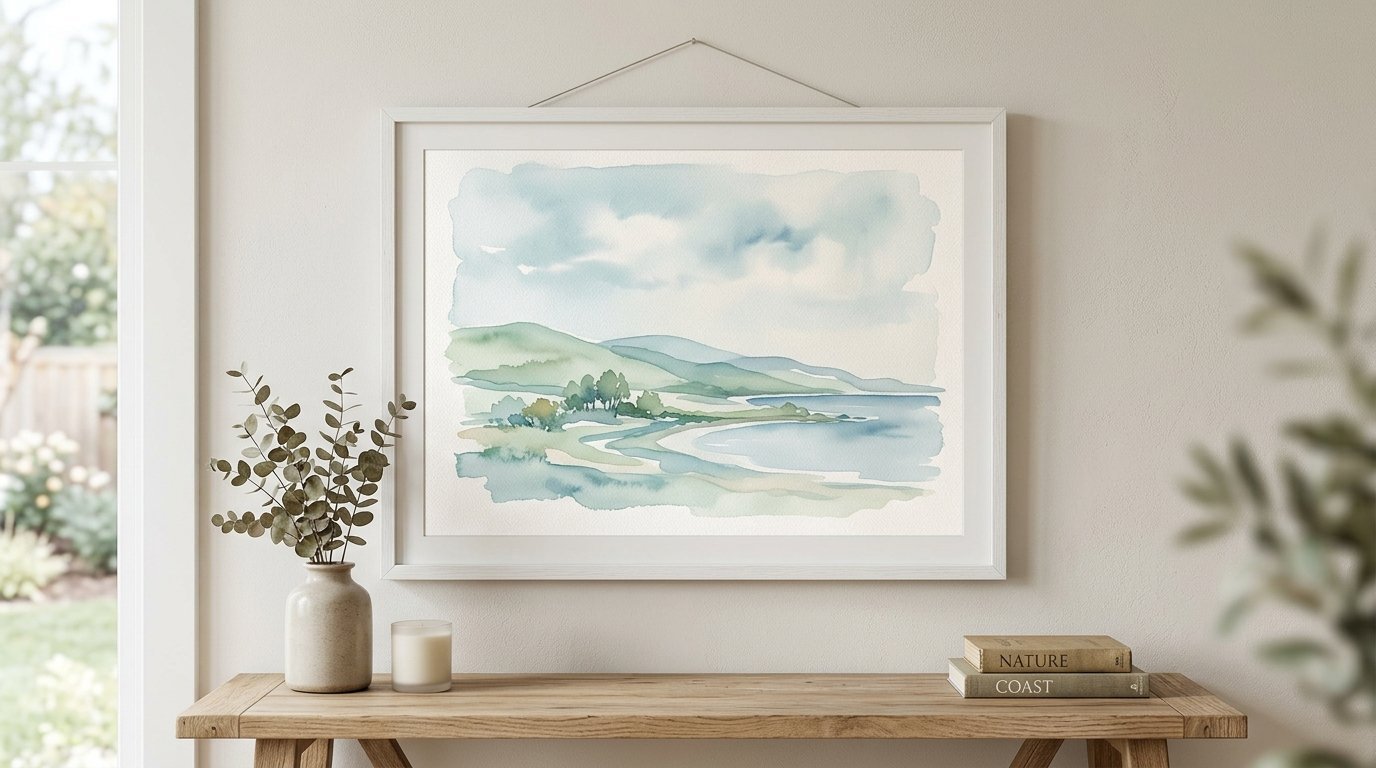
A faint watercolor scenery piece feels dreamy. The watery edges blend out gently. It provides a window to nature. You must keep the colors very light. Faded blues and greens work best. A thin white frame makes it pop. This is a very peaceful choice for a bedroom. It lowers your heart rate.
- Float the paper directly on top of the mat.
- Use non reflective glass.
- Keep the painted horizon line low.
23. Symmetrical Gallery Wall
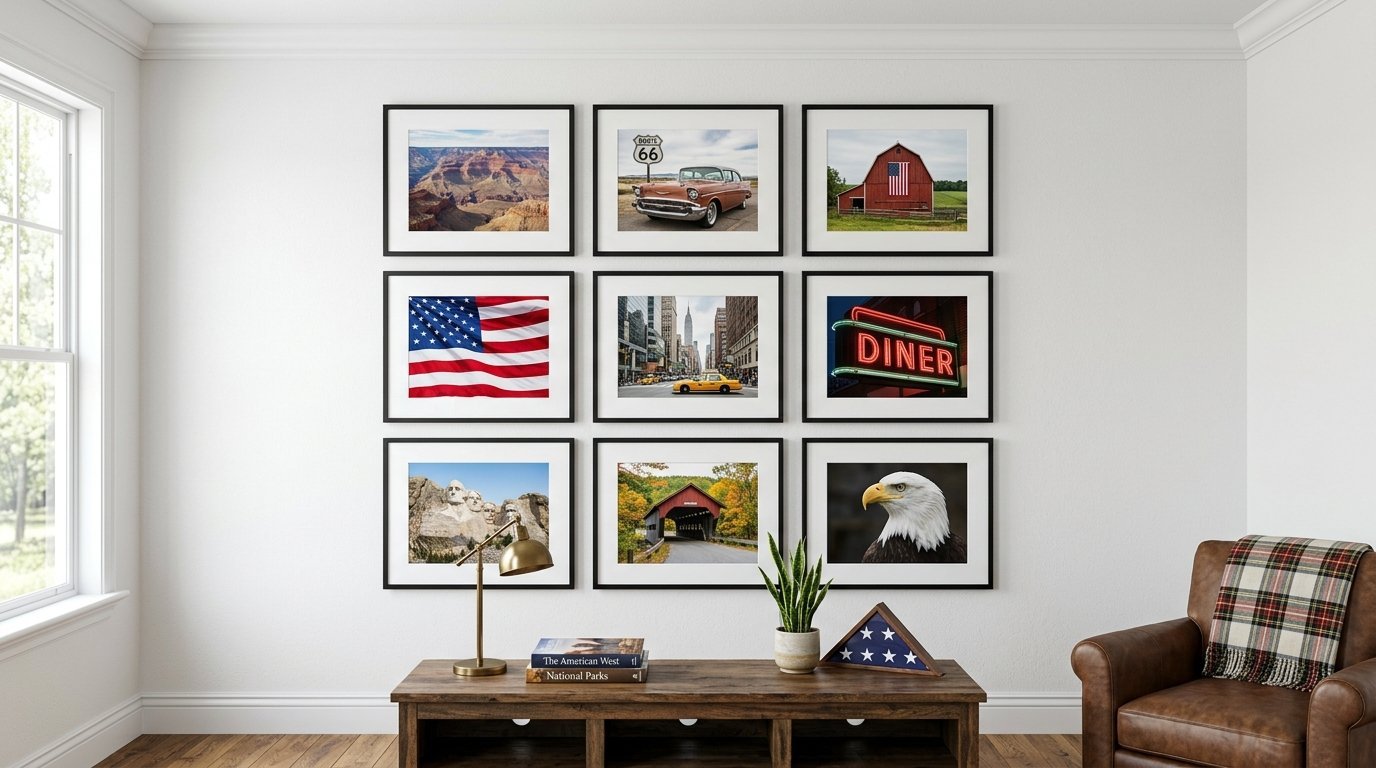
Gallery walls usually look cluttered. A symmetrical grid breaks this rule. Nine identical frames hung in a perfect square look very minimal. You must use the same frames and mats. The spacing must be mathematically perfect. This brings a museum quality to your home. It creates extreme visual order.
- Use a tape measure and a long level.
- Space frames exactly two inches apart.
- Fill them with simple black and white photos.
24. Bleached Wood Accents
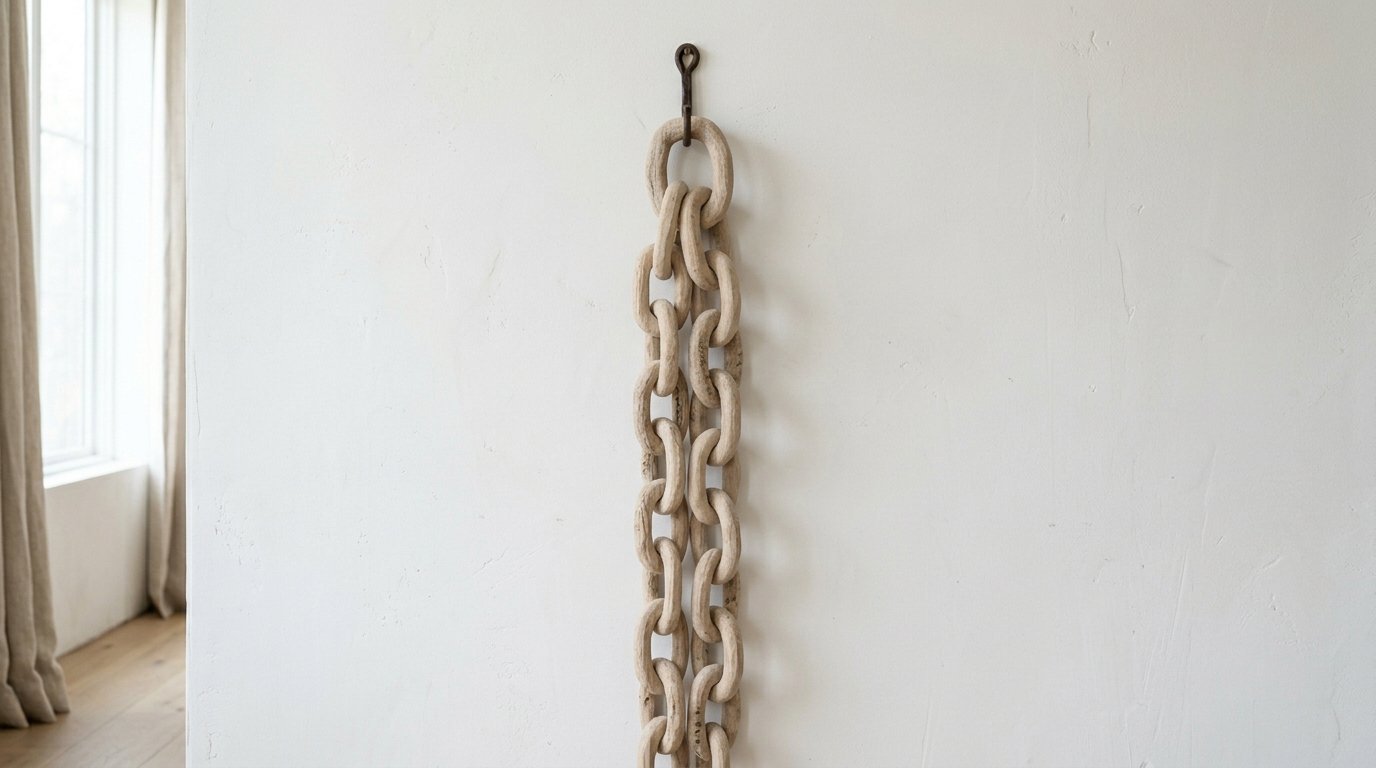
Bleached wood looks incredibly soft. The pale color fits minimal spaces perfectly. You can hang a bleached wood chain or a shallow bowl. The organic shape contrasts with straight walls. You bring nature indoors quietly. I bleach thrifted wooden pieces all the time. It strips away the heavy orange tones. You get a raw pale finish.
- Use regular household bleach and water.
- Wear thick gloves and a face mask.
- Let the wet wood dry in the hot sun.
25. Blank Negative Space
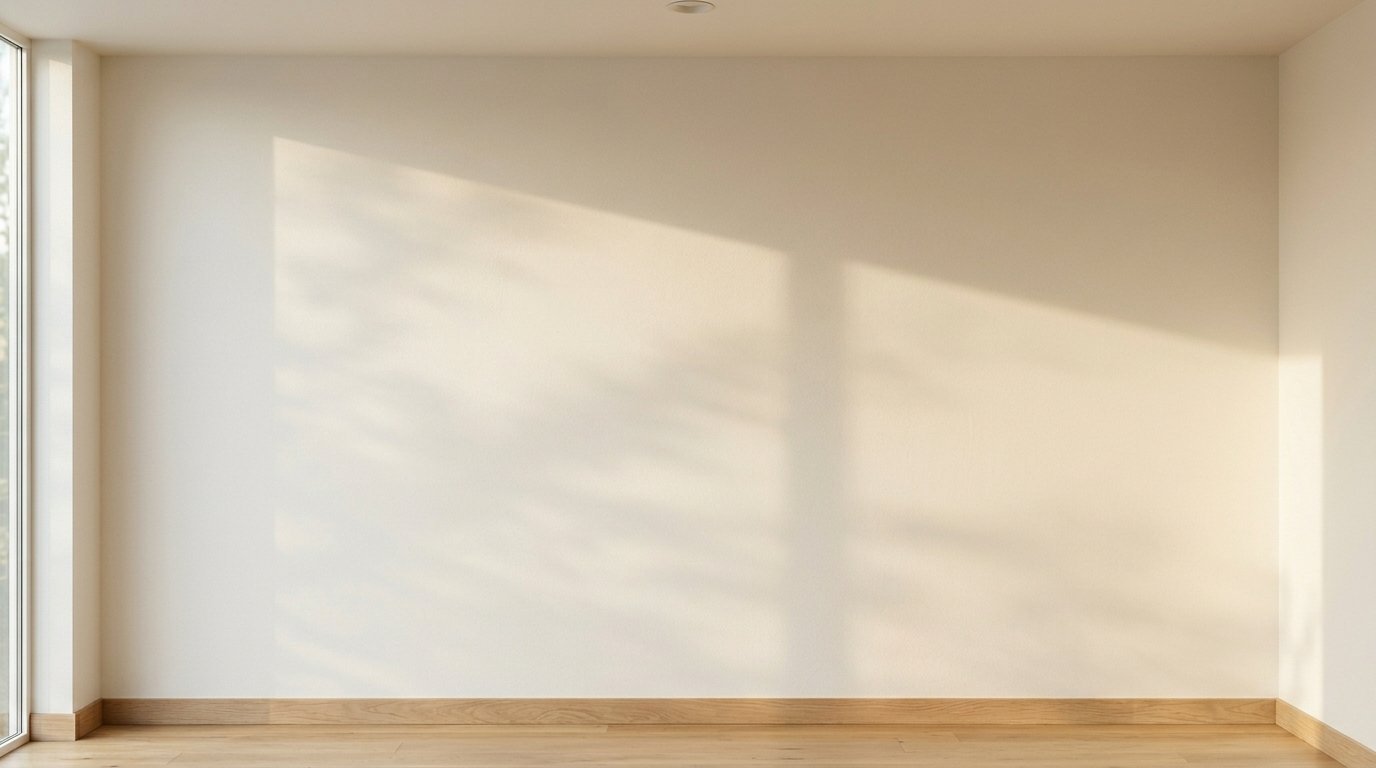
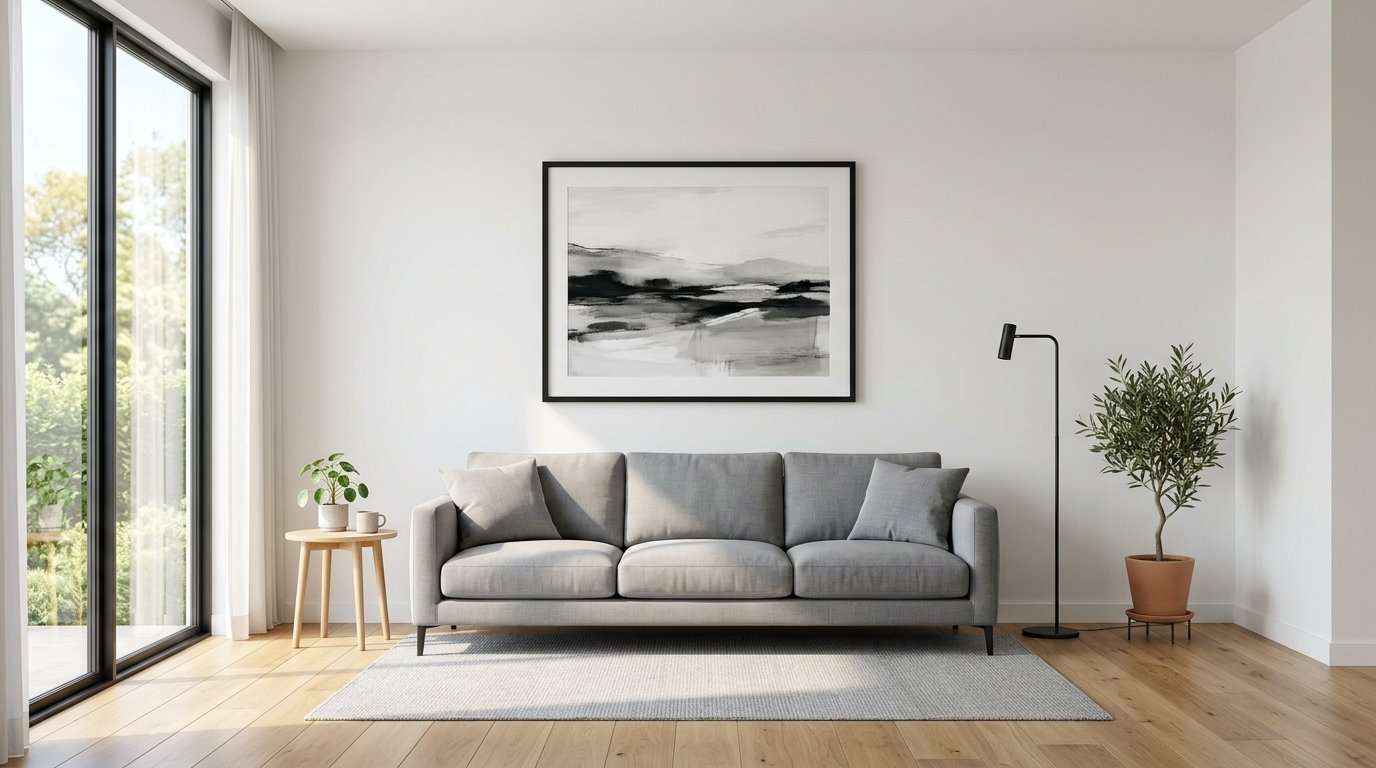
Sometimes the best decor is nothing at all. Blank walls rest your eyes. You do not have to fill every surface. Negative space shows off the art you do have. It makes the room feel airy and calm. I intentionally leave large walls completely bare. Silence is beautiful. You give yourself room to think.
- Paint the blank wall a warm white.
- Keep baseboards spotlessly clean.
- Let the natural window shadows act as art.
Frequently Asked Questions
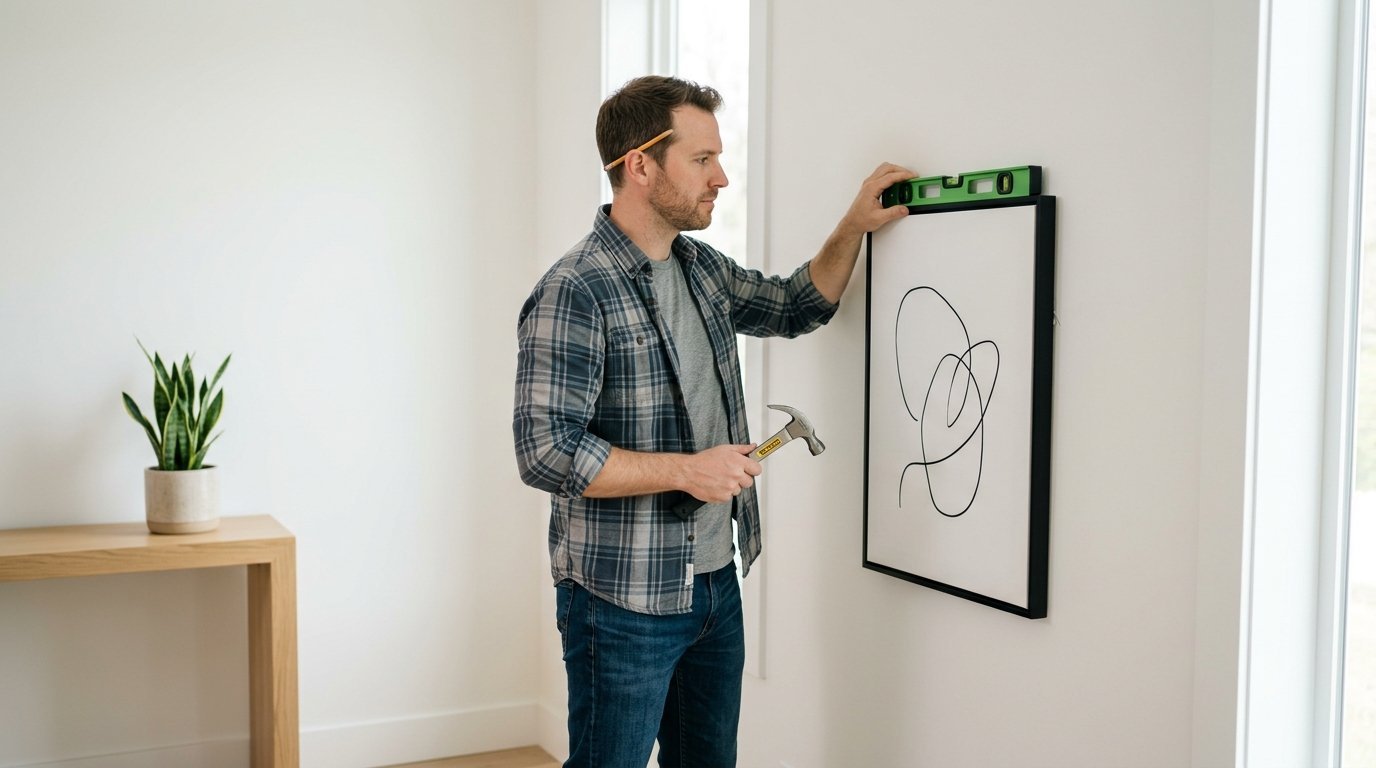
How do I choose the right size art?
You should measure your furniture first. Art above a sofa should span about two thirds of its width. Small pieces look lost on large walls. You must trust your eye. Hang paper templates on the wall before you put nails in.
Can I mix metal finishes?
You can absolutely mix metals. Limit yourself to two metal types per room. Black and brass look very elegant together. Keep the frame profiles very thin. The thin lines maintain the minimalist aesthetic perfectly.
How do I prevent dust on textured art?
Textured pieces gather dust quickly. You should use a clean dry paintbrush to sweep the surface. You can also use a soft Norwex cloth on the edges. Do not use wet cleaners on plaster or raw canvas.
Is wallpaper too busy for minimalism?
You can use wallpaper in a minimal room. You must pick a very subtle pattern. Abstract wallpaper in muted tones works well. Avoid bright colors and high contrast prints. The wallpaper should fade into the background.
Your Minimalist Space
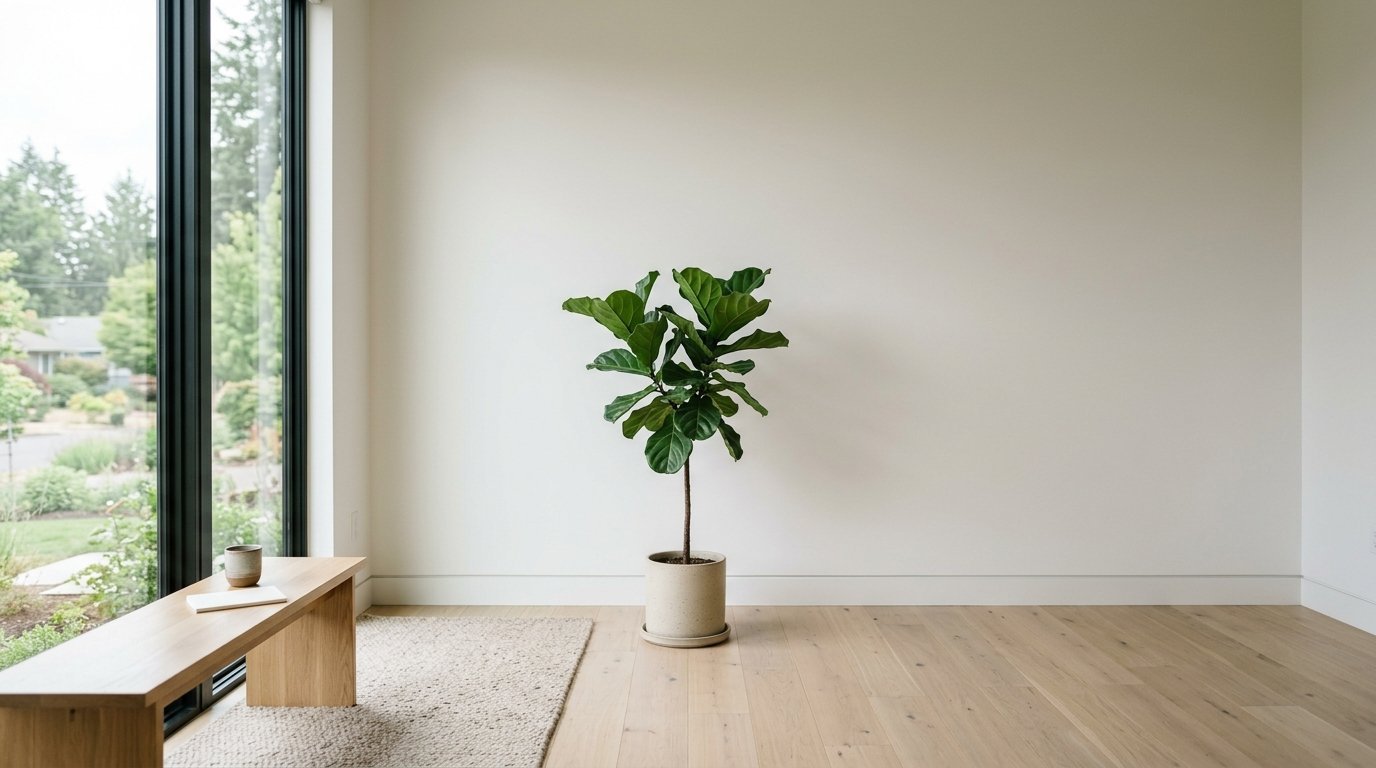
Your walls tell a story. You have the power to make that story calm and quiet. You can pick an aesthetic painting or try diy wall art decor. The choices belong to you. Start with one bare wall. Clean your space. Trust your instincts. Empty spaces offer peace.
Anya Castellan is the Founder and Editor-in-Chief of Home Wall Trends. An art history graduate of the Rhode Island School of Design with twelve years of experience writing for leading American design publications, she specializes in composition, gallery wall theory, and the quiet architecture of domestic space. A former contributing editor at Architectural Digest and guest lecturer at Parsons School of Design, Anya personally reads and signs off on every piece before it is published.