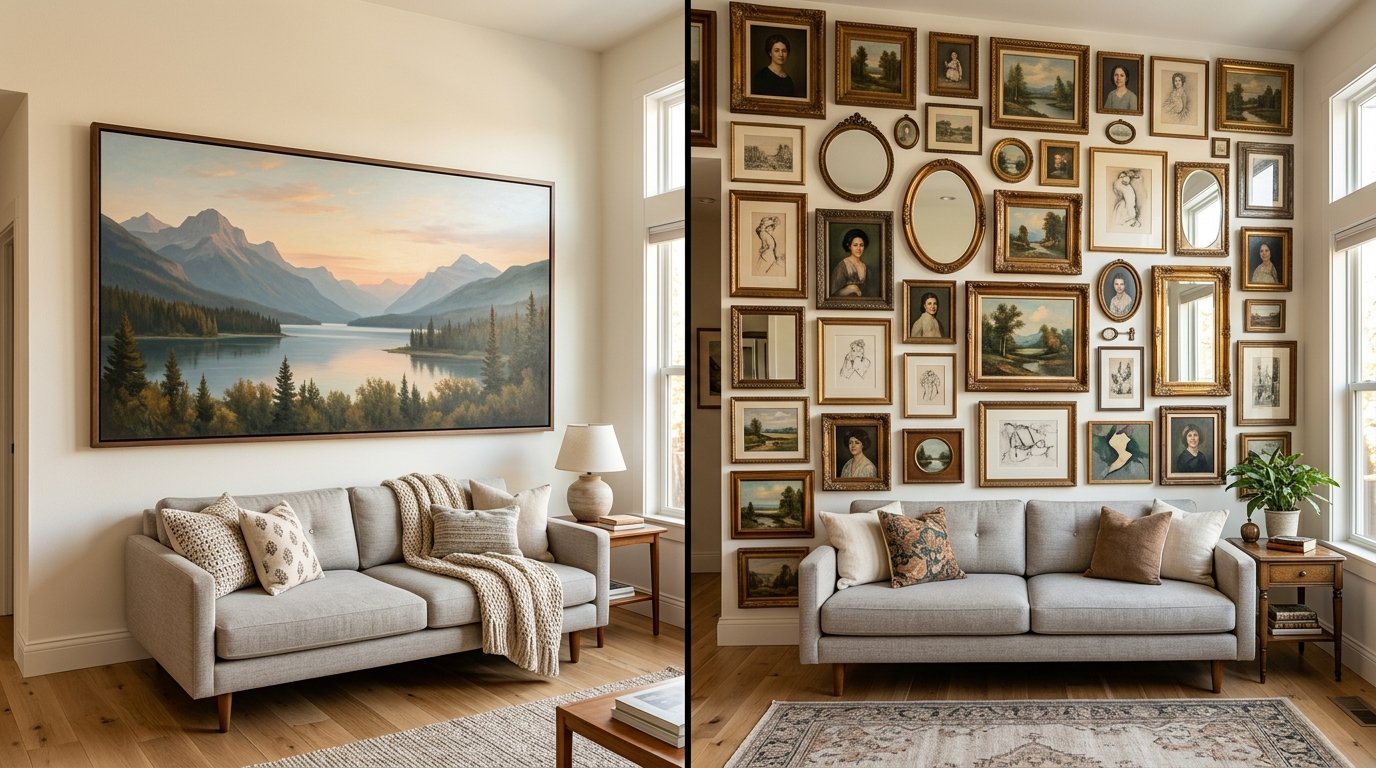
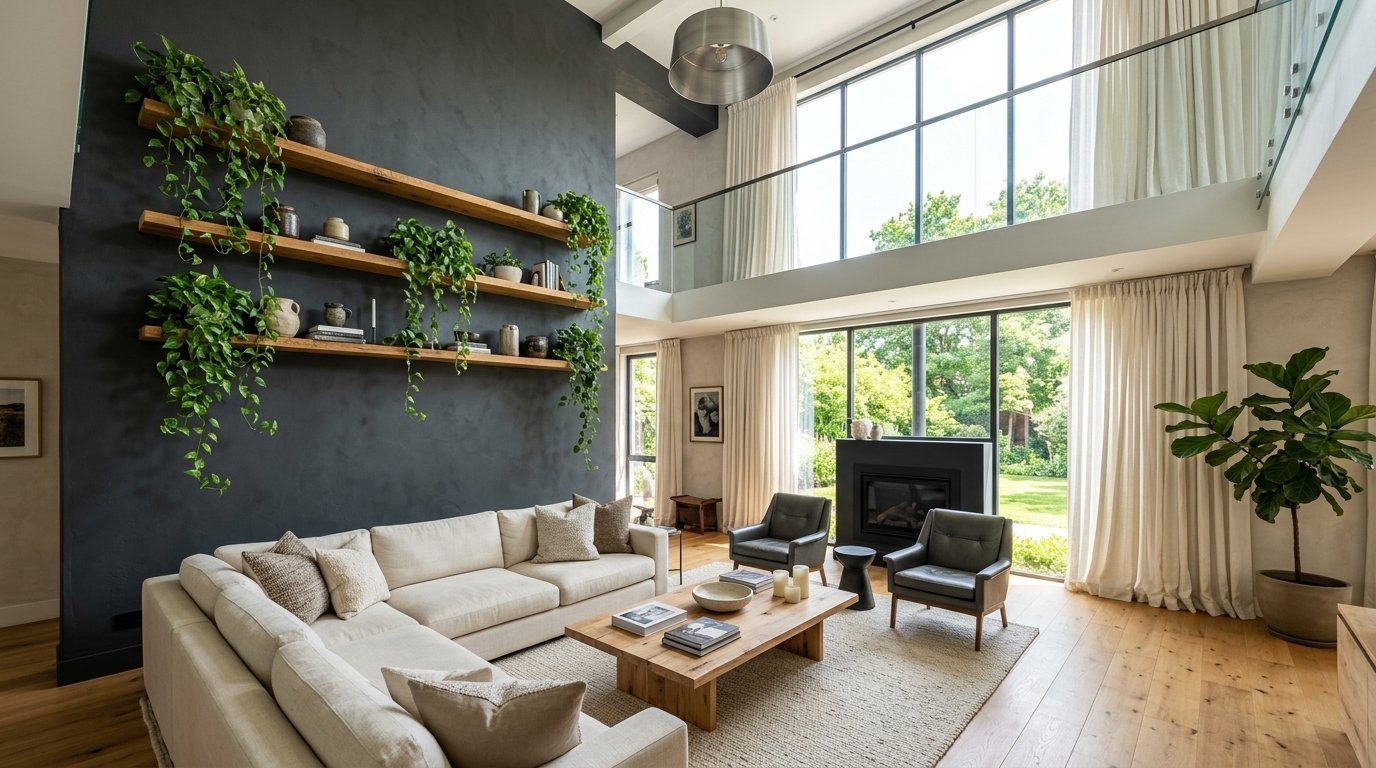
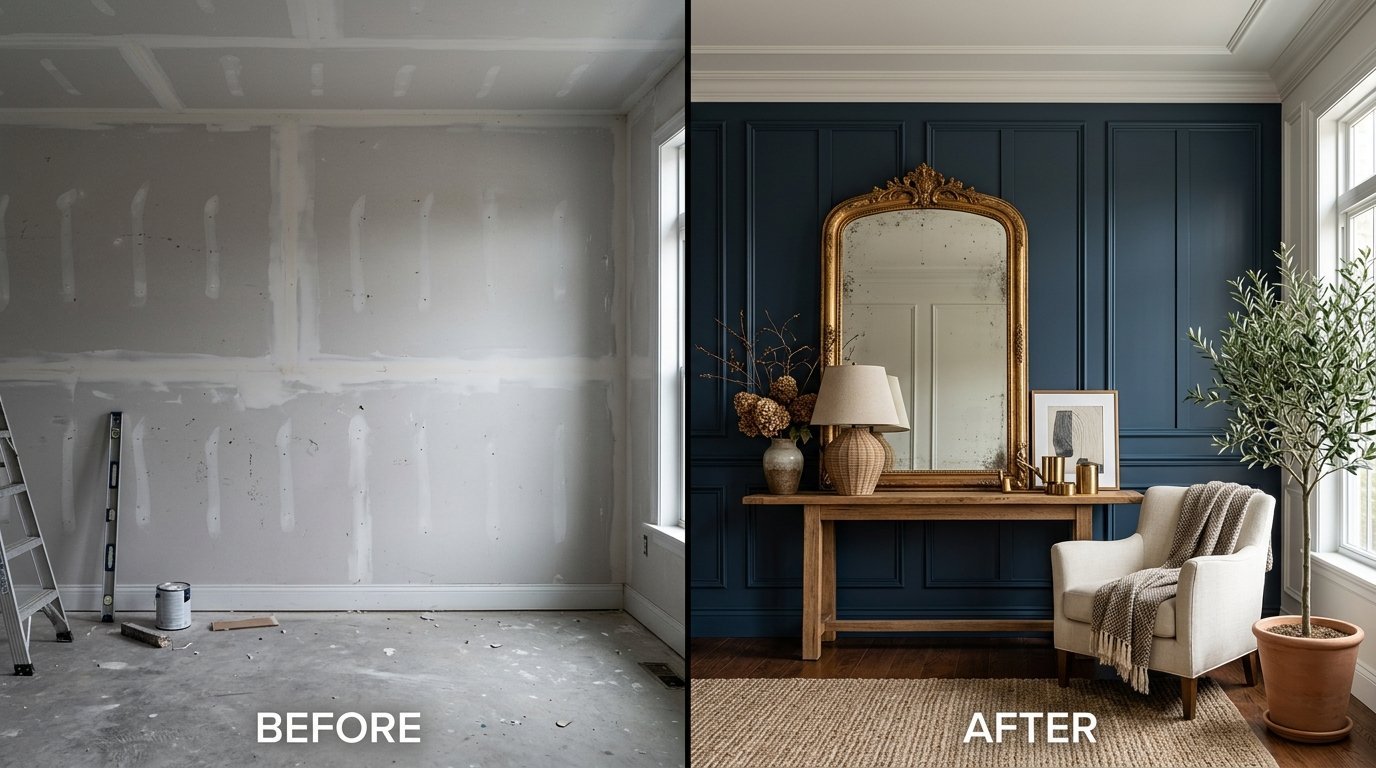
You stare at a massive blank canvas of drywall. It feels cold and entirely unwelcoming. The sheer scale of the room overwhelms your senses. I stood in my living room last Tuesday staring at exactly this exact space. My neck physically hurt from looking up at the ceiling. I felt completely stuck and frozen. Most beginners assume filling an eighteen foot gap requires renting heavy steel scaffolding. People think hiring an expensive local contractor is strictly mandatory. You can absolutely finish this entire room in forty eight hours. I will show you exactly what to do step by step. Three years ago, damp air destroyed a beautiful art piece in my hallway. The wood warped completely off the backing. That painful failure changed how I treat vertical spaces forever. I stopped buying cheap filler items immediately. I started planning for actual indoor climates and specific room conditions. The stakes are surprisingly high for your home value. A bad layout visually shrinks your room instantly. The right visual setup makes your ceilings feel endless and grand. By Sunday night, your empty drywall will become a breathtaking focal point.
You will secure a magazine quality room styling setup by Sunday evening. We will cover exact materials needed for your specific room height. I will detail exact price points sourced in June 2026. We will walk through building a striking focal point using basic hand tools. You will bypass the exact mistakes that ruin expensive home aesthetics. I once completely ruined the aesthetic feel of my home due to a dusty frame and cloudy glass surfaces. We will fix the cleaning side of high displays so your space maintains a Vida De Luxo standard. We exclude extremely dangerous electrical rerouting jobs. We skip jobs requiring professional structural engineers entirely. Your time investment caps strictly at sixteen hours of physical labor. You stand to gain massive equity appeal for your property. Grab your measuring tape and let us map out your first cut.
Why Massive Vertical Spaces Feel So Intimidating
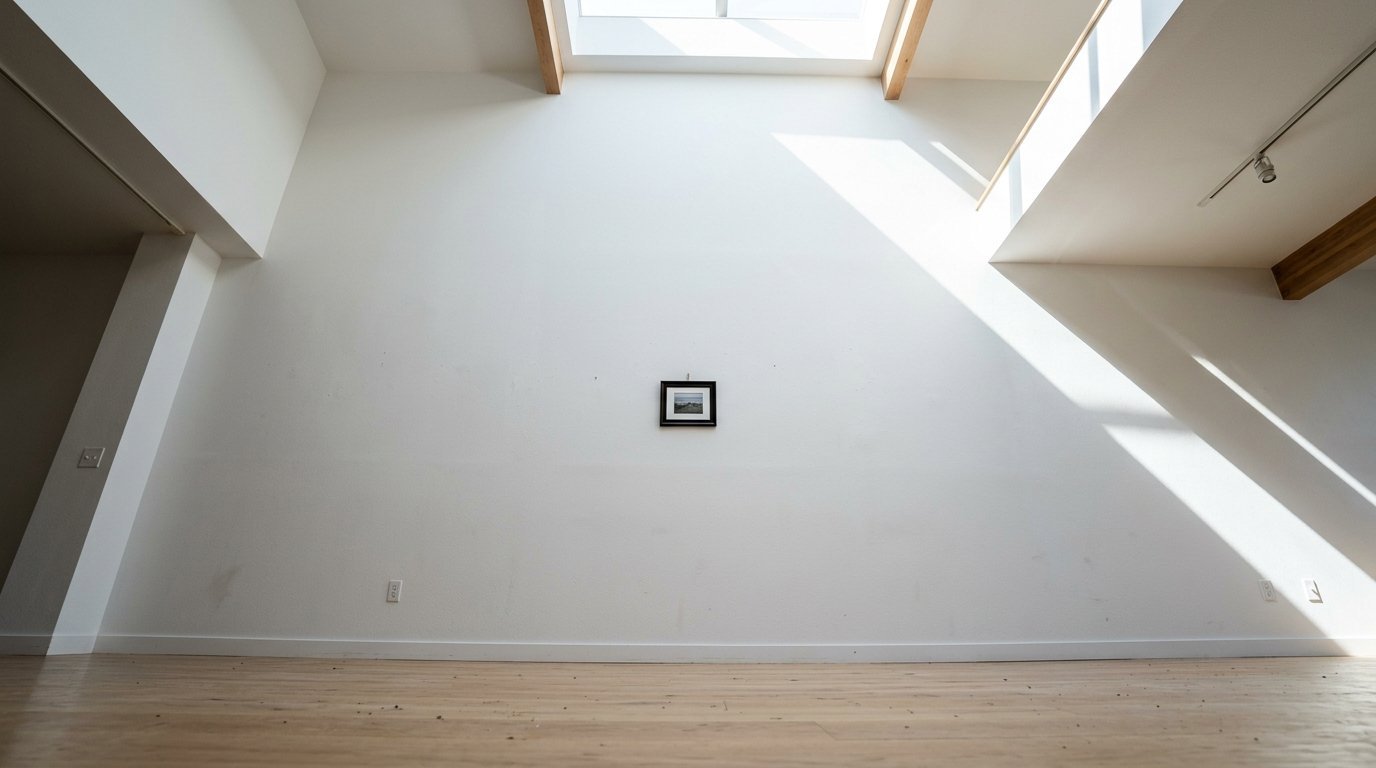
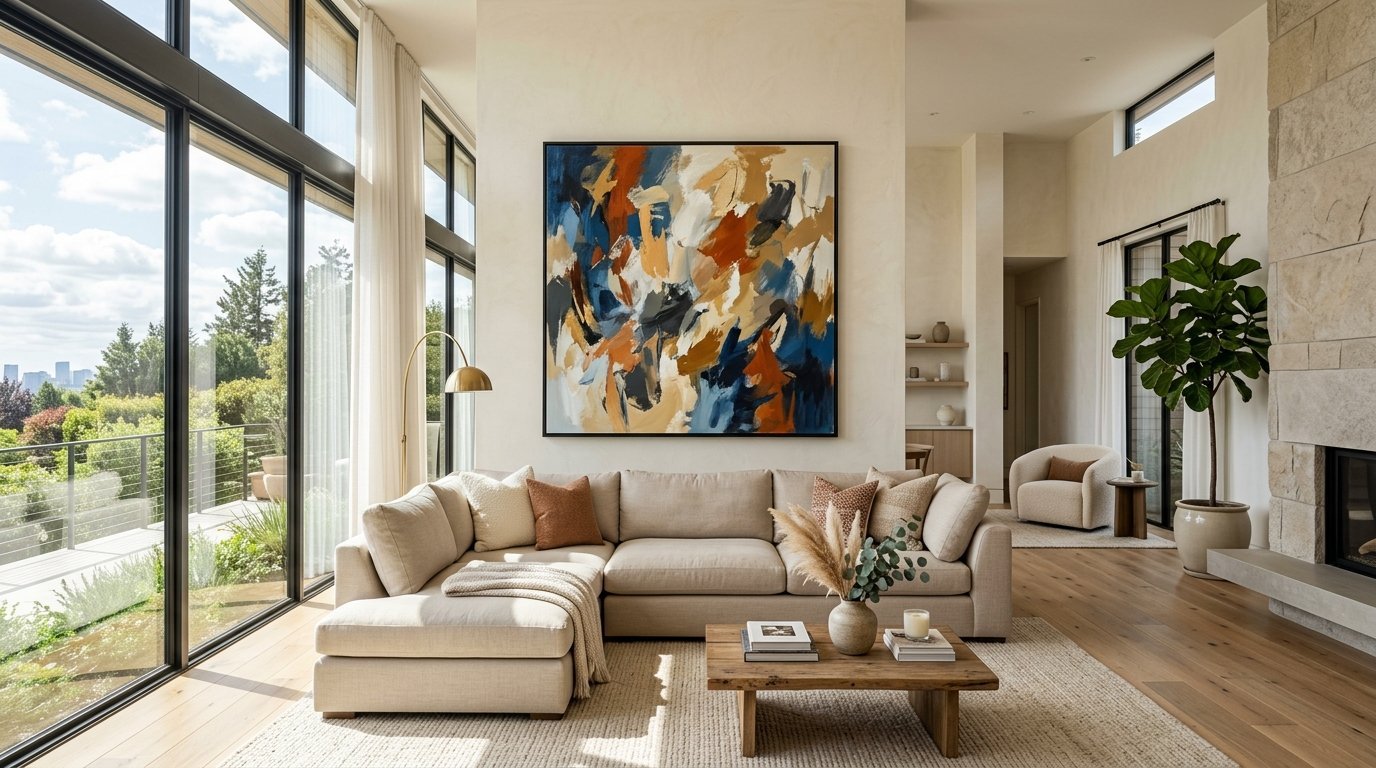
Scale tricks the human eye instantly. We look at a standard room and visually digest it within seconds. An eighteen foot ceiling breaks our standard visual processing habits entirely. The top half of the room feels disconnected from the bottom half.
My friend recently spent eight hundred dollars on beautiful gallery prints. She hung them twelve feet high in her vaulted family room. From the sofa, they looked exactly like tiny postage stamps. She wasted her entire budget on items scaled for narrow hallways.
You must treat the upper territory differently than the lower zone.
The Upper Level Physics Problem
Gravity and lighting completely change above the ten foot mark. Shadow lines become harsh and completely unpredictable. Dust settles heavily on top of thick frames and floating wood edges.
You cannot reach these spots during a normal Saturday morning cleaning routine. You need specialized gear just to change a lightbulb or wipe a ledge.
The Financial Trap For Beginners
Buying giant art pieces costs thousands of dollars easily. Shipping massive canvas frames requires expensive freight delivery trucks.
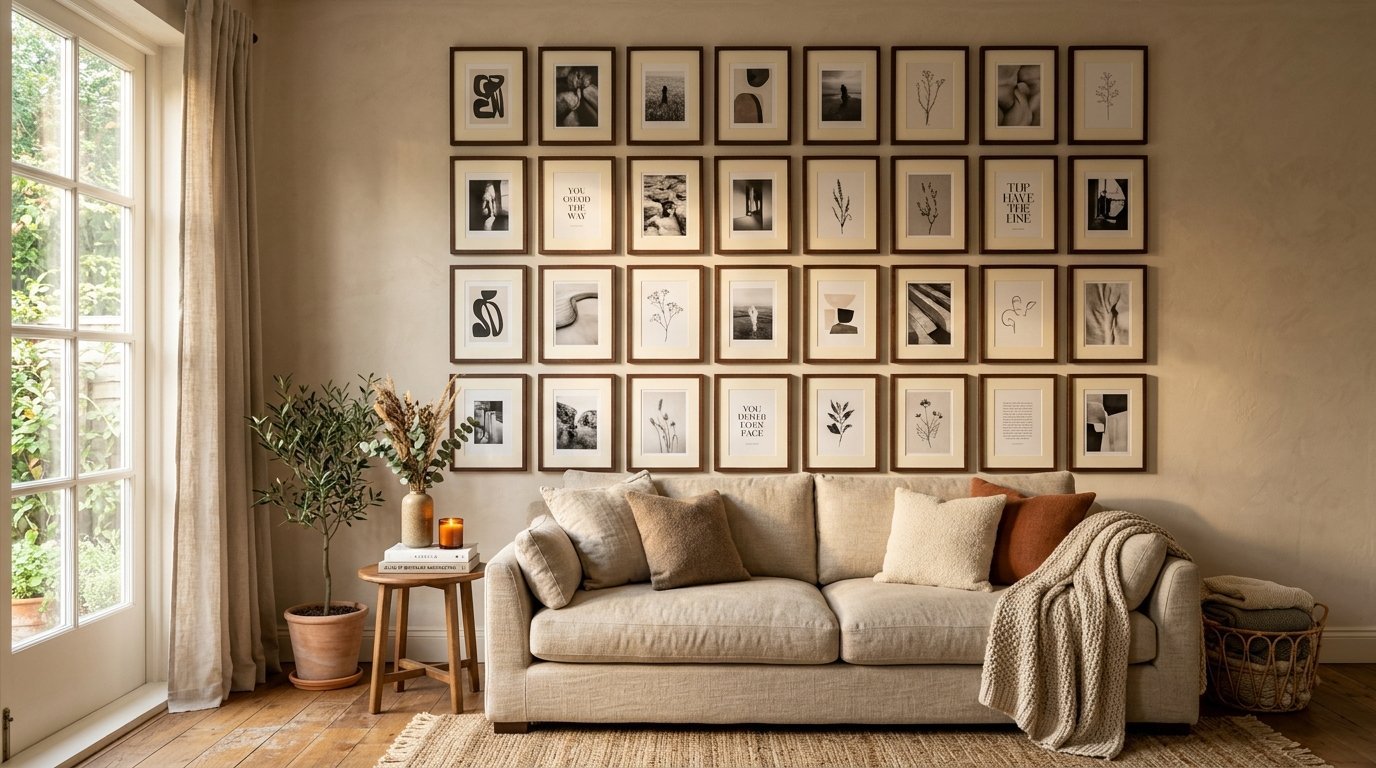
Beginners try to save cash by buying multiple small items instead. They scatter these tiny pieces across the giant drywall canvas randomly. This makes the entire room look chaotic and extremely cheap.
Fighting Your Indoor Climate
High ceilings trap intense heat and rising household humidity naturally. Three years ago, damp air destroyed a beautiful hallway wall piece of mine.
Last summer, I noticed water gathering at the bottom curve of a gold framed circle mirror in my bedroom. Poor window ventilation creates hidden moisture pockets. You must pick materials that survive aggressive indoor temperature shifts.
Should You Choose Wood Paneling Or A Paint Feature Wall
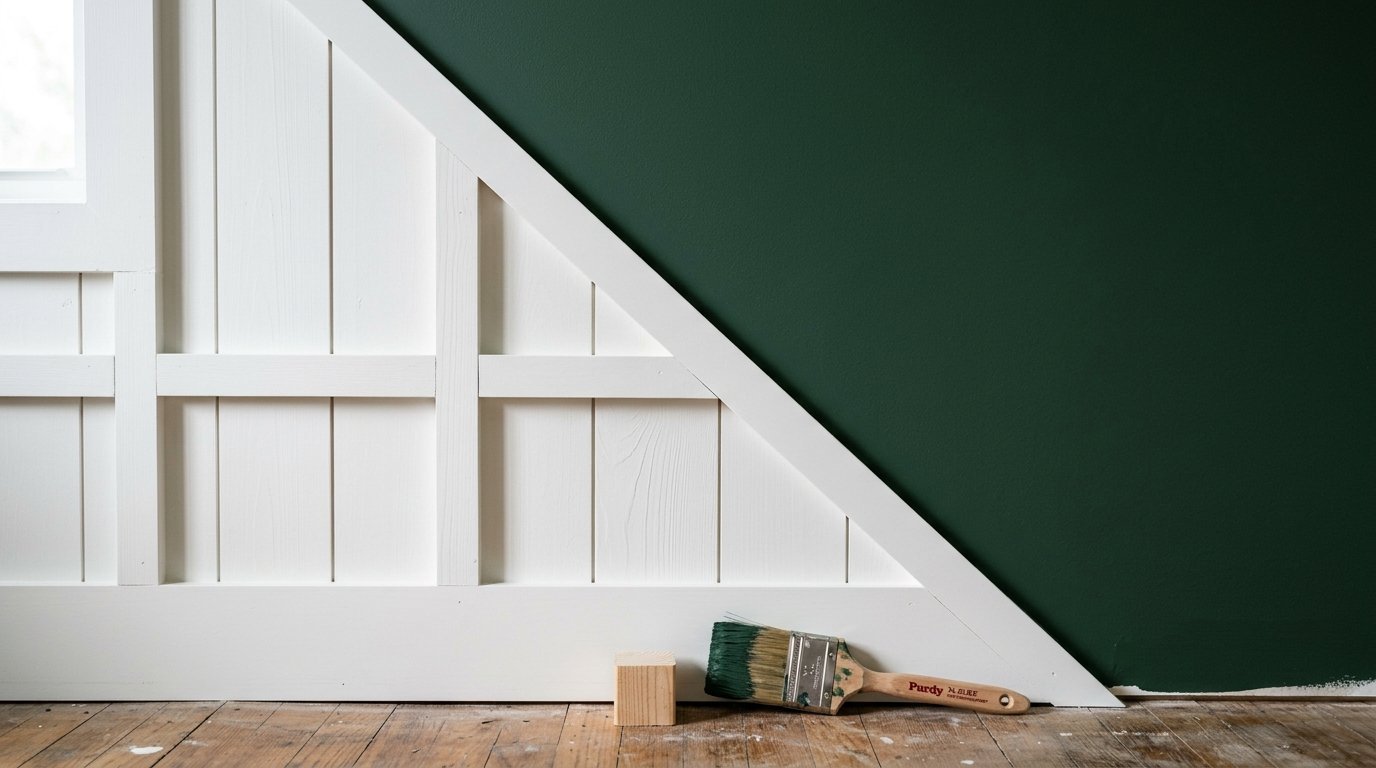
Blank drywall craves texture and deep contrast. You have two highly realistic paths for a forty eight hour timeline.
You can attach physical wood strips for three dimensional shadow lines. Alternatively, you can roll dark pigment across the entire surface for striking drama.
Both paths deliver massive visual upgrades without requiring a general contractor.
The Fast Wood Paneling Feature Wall
Physical texture completely stops the eye from drifting aimlessly upward. Board and batten layouts look incredible in farmhouse and modern styling setups.
Three months ago, I tried making a farmhouse welcome sign from pine wood. I threw it away immediately. It looked mass produced and incredibly cheap.
Always buy primed medium density fiberboard or reclaimed oak for giant installations. Cheap pine boards warp quickly and bleed yellow sap through white topcoats.
The Dark Pigment Alternative
Paint offers the fastest physical execution time possible. A deeply saturated charcoal or hunter green anchors the entire room instantly.
You need an extension pole and a thick nap roller sleeve. Dark colors absorb harsh sunlight pouring through upper windows. This instantly makes the cavernous space feel warm and intimately scaled.
June 2026 Cost Comparisons
Pricing shifts heavily based on your specific material choices.
- Premium Dark Paint Setup costs roughly one hundred dollars total.
- Basic Pine Strip Paneling costs about two hundred dollars.
- Premium Oak Paneling runs closer to five hundred dollars.
- Giant Gallery Frame setups cost around three hundred dollars.
- Custom Canvas Art starts at eight hundred dollars minimum.
How Do Long Curtains Change Large Windows
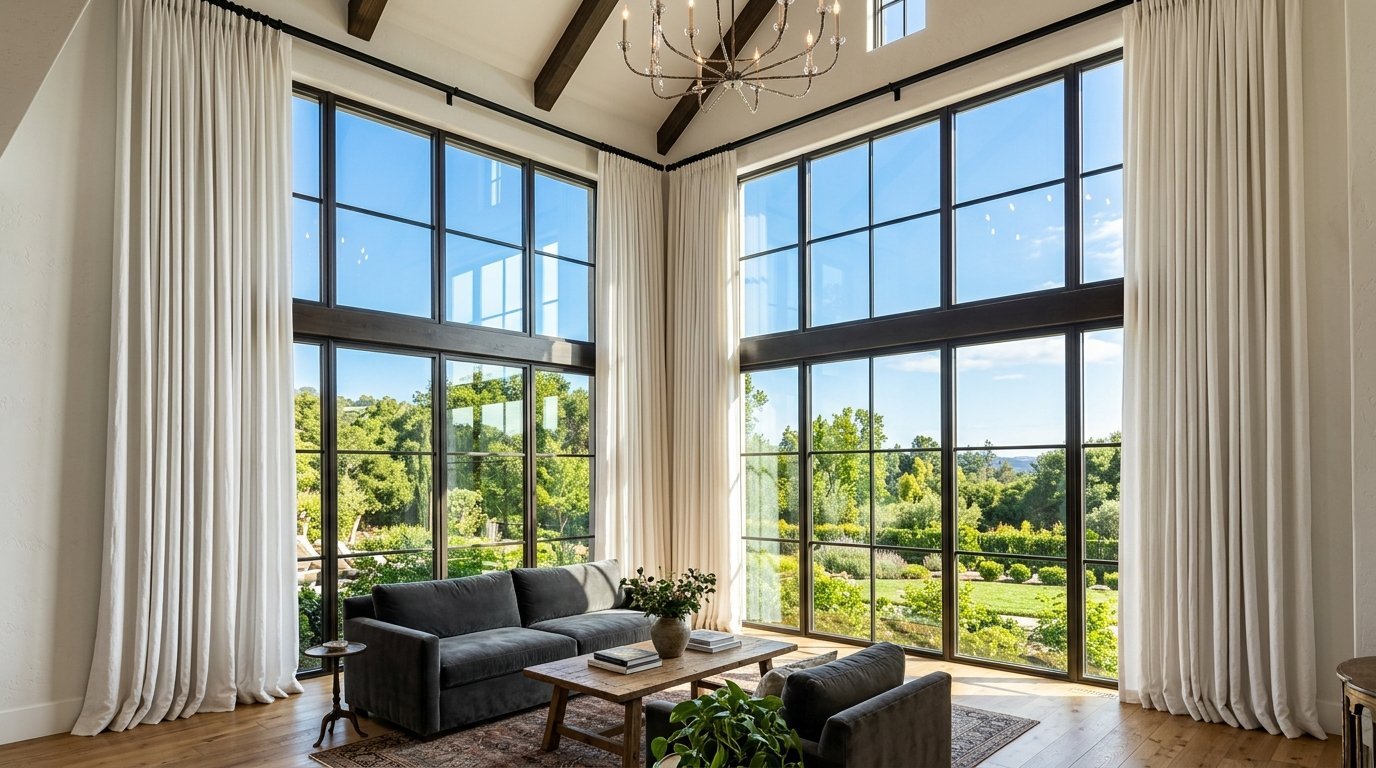
Many tall rooms feature a giant stack of stacked windows. The glass often stretches from the baseboards entirely up to the roofline.
Naked windows make a giant room feel like an empty commercial warehouse. Fabric softens the harsh right angles and traps echoing sound waves perfectly.
Hanging Fabric High And Wide
Never hang a rod directly above the top window casing. Mount the hardware exactly two inches below the ceiling line instead.
Buy panels that drop entirely to the floor boards. This creates a vertical column of fabric that connects the ceiling directly to the floor. The eye smoothly travels the entire physical distance without interruption.
Selecting Fabrics For Humid Environments
Thick velvet holds massive amounts of dust and airborne moisture. If you live in a sticky climate, skip heavy velvet entirely.
Linen blends breathe perfectly and resist trapping heavy moisture pockets. They filter harsh afternoon sunlight into a soft, glowing room aesthetic.
The Vida De Luxo Maintenance Routine
The glass behind your new curtains must stay absolutely pristine. Cloudy glass ruined the entire feel of my home last year.
I keep my spaces looking like a true Vida De Luxo home intentionally. Grab a premium Norwex microfiber cloth and skip cheap paper towels entirely. Mix pure distilled water and basic rubbing alcohol in a spray bottle.
Start at the top left corner of the massive glass pane. Pull the cloth straight across to the right side edge. Drop exactly one inch downward. Pull straight back to the left side edge. Keep this strict zig zag motion going until you finish.
Can Cool Bookshelves Fill Vertical Space Cheaply
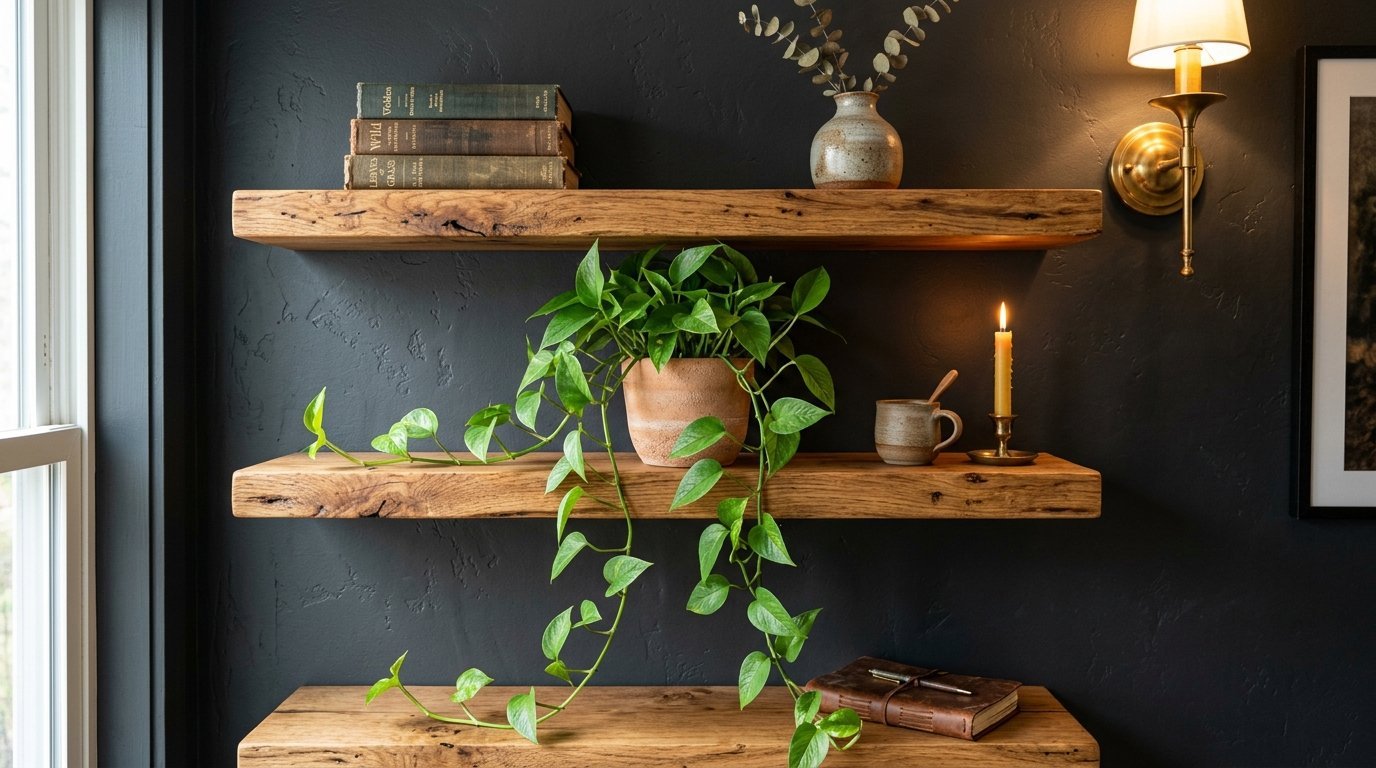
Floating ledges offer incredible visual weight for very little cash. You break up the massive empty void with horizontal wood lines.
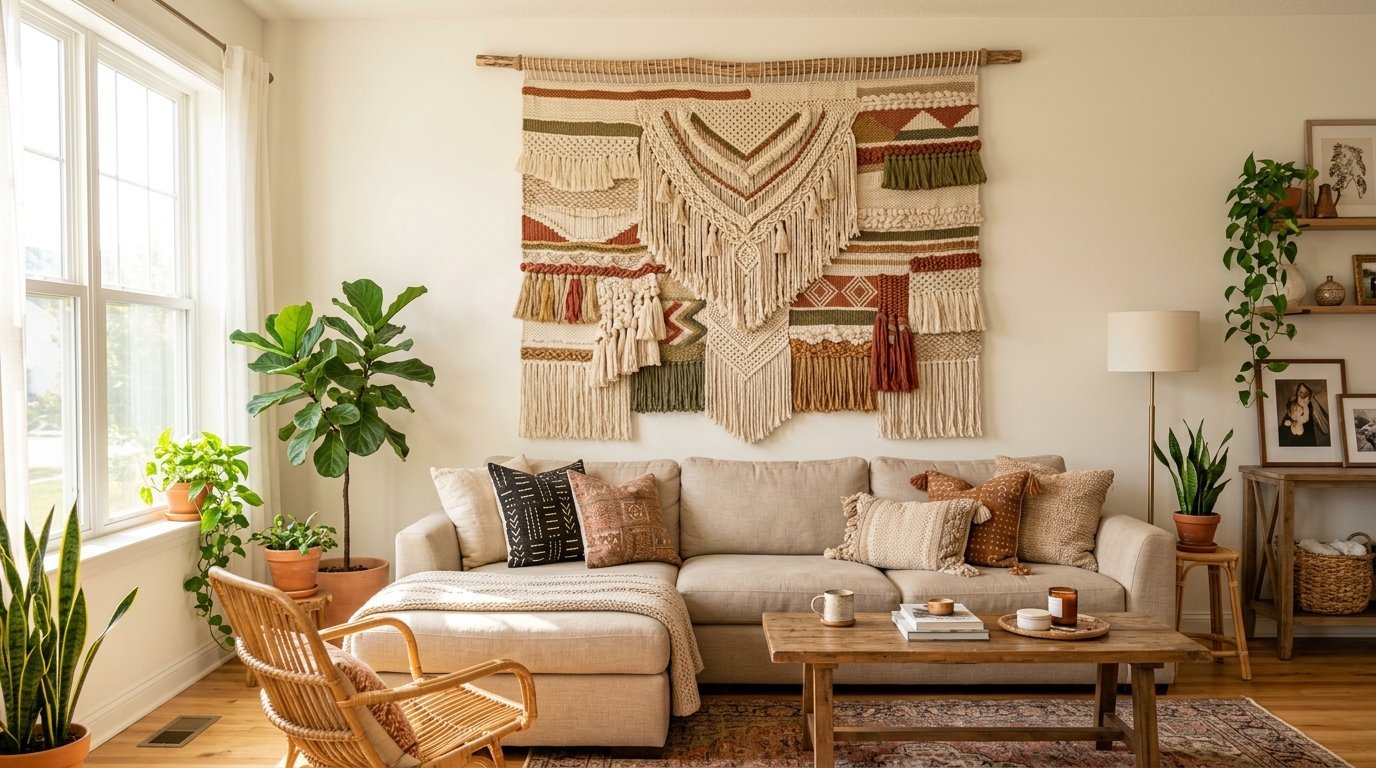
This works beautifully for boho styling setups and rustic farmhouse aesthetics.
The Floating Shelf Illusion
Thick chunky wood floating brackets look incredibly high end and custom built. You can order hollow wood boxes that slide over hidden metal mounting brackets.
They appear to float magically against the bare drywall surface. This gives you distinct staging zones for trailing vines and vintage ceramics.
Securing Heavy Loads Safely
Gravity will rip a heavy shelf straight out of plain drywall. You must anchor the metal brackets directly into the vertical wood studs.
If you miss the stud, the entire shelf will crash to your floor. Invest in a high quality magnetic stud finder before drilling a single hole.
Styling With Boho And Farmhouse Pieces
Keep the upper shelves extremely sparse and intentionally minimal. Load the lower shelves with heavier books and thick ceramic pottery.
Place cascading fake pothos plants on the highest ledge available. The trailing green leaves draw the eye downward organically and softly.
What Are The Best Staircase Picture Wall Ideas
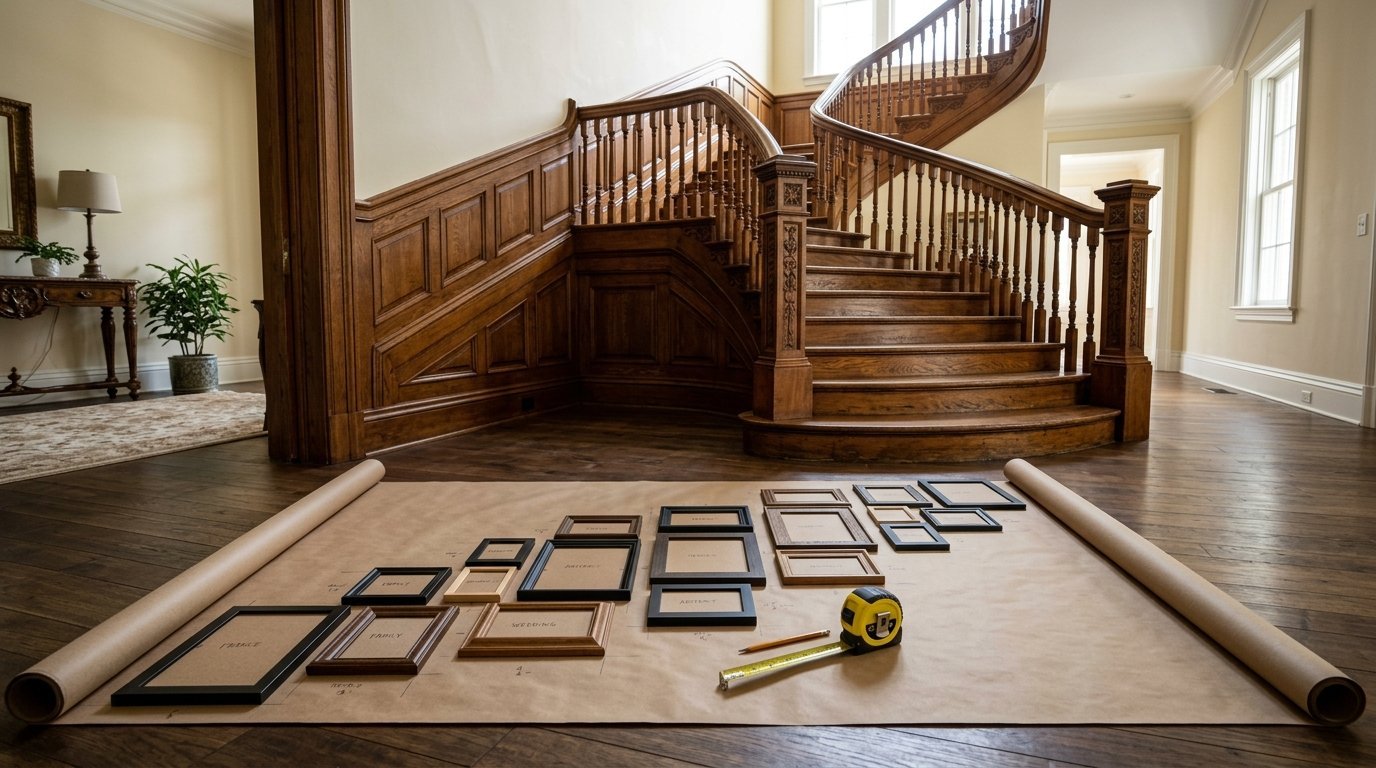
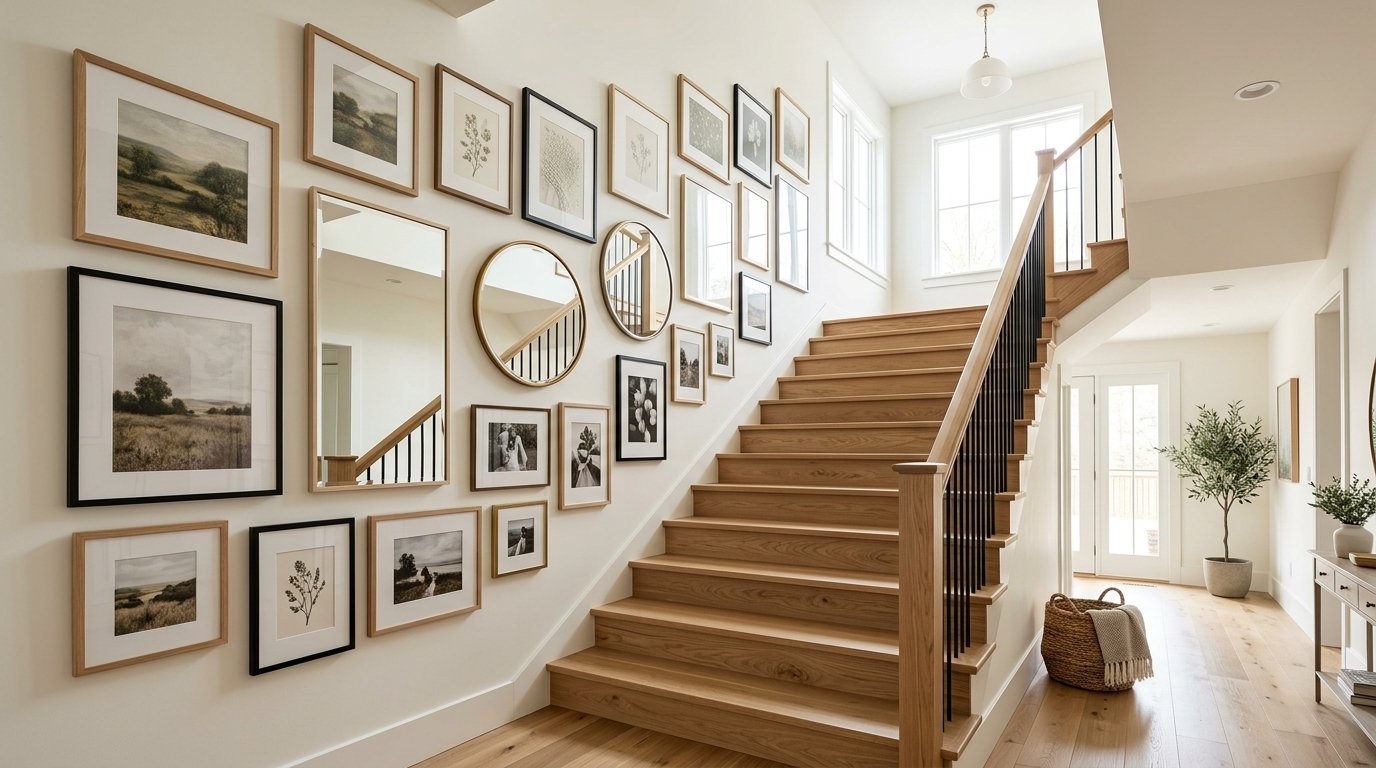
A sweeping staircase demands a massive, heavily planned gallery layout. The diagonal angle of the stairs fights the square angles of standard frames.
You must plan the geometric layout perfectly before touching a hammer.
Mapping The Floor First
Clear a massive spot directly on your living room rug. Roll out a giant sheet of brown craft paper.
Measure the exact diagonal angle of your physical stair handrail. Draw that exact diagonal line across the brown craft paper with a thick marker.
Arrange your empty frames along this drawn line until the layout looks perfectly balanced.
Selecting Your Frame Finishes
Mixing too many metallic finishes looks incredibly chaotic and messy. Pick exactly two finishes for your entire diagonal gallery display.
Matte black mixed with warm natural oak looks incredibly sophisticated. I once ruined a vintage frame by cleaning it with a harsh vinegar spray. The acid peeled the beautiful gold paint right off the wood base.
I only wipe my frames lightly with a dry Norwex cloth now.
Following Strict Spacing Rules
Keep exactly two inches of empty space between every single frame edge. This strict spacing creates a uniform, highly custom aesthetic.
When gaps vary wildly, the entire display looks like a cheap thrift store rack. Measure the gaps with a physical wood spacer block for perfect accuracy.
Which Specific Tools And Brands Perform Best
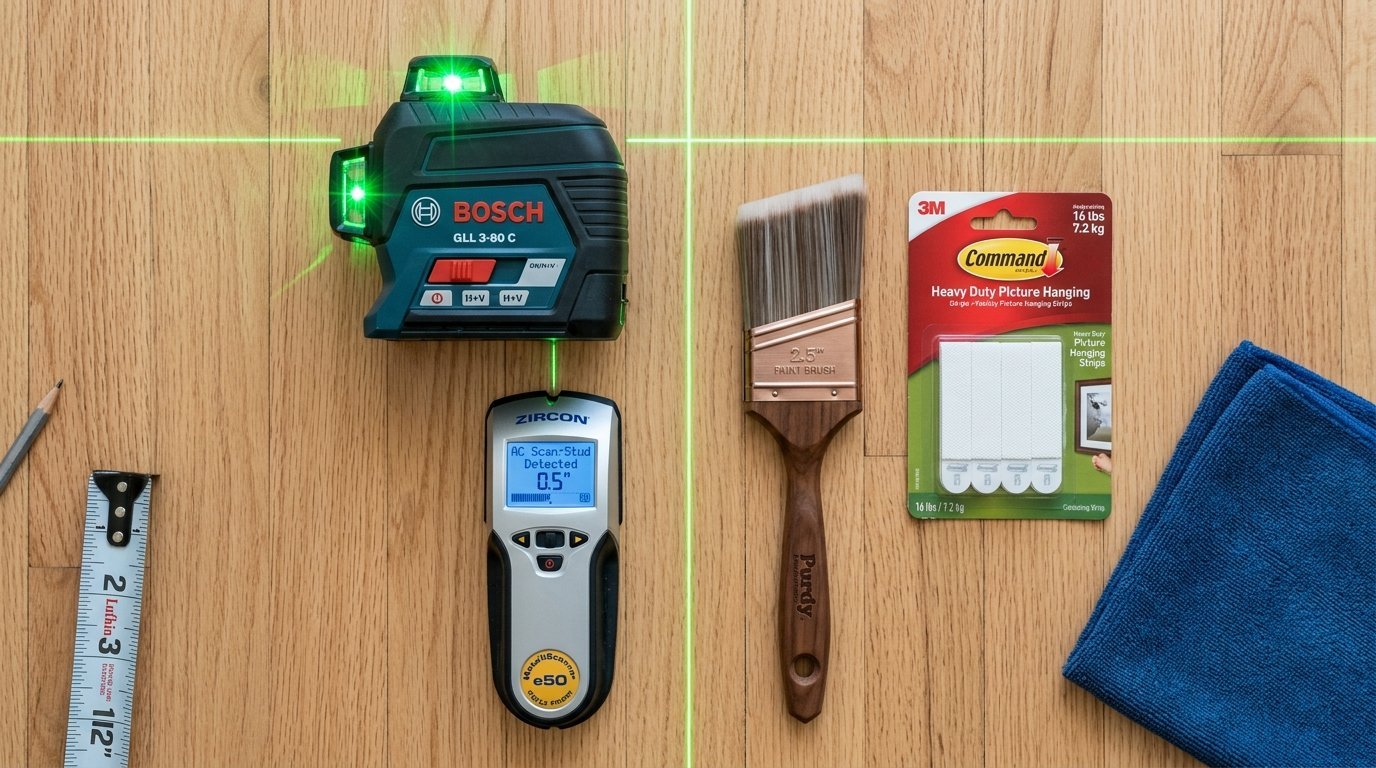
Your physical tools dictate the final visual quality of the job. Cheap tape measures bend and snap when trying to span ten feet.
Low quality paint rollers leave massive fuzzy clumps trapped in your dark wall pigment. I specifically buy these exact items for massive room upgrades.
My Hand Tool Choices
- Ryobi Green Laser Level for casting perfectly straight red lines across twenty feet of drywall.
- Franklin Sensors Pro Stud Finder for locating the exact center of hidden wood beams safely.
- Little Giant Multi Position Ladder for reaching stairs and uneven floor slopes safely.
- Kreg Pocket Hole Jig for joining wood paneling strips tightly together.
- Purdy Clearcut Brushes for trimming paint edges sharply without messy blue tape.
My Adhesive And Protection Choices
- Gorilla Heavy Duty Construction Adhesive for locking wood strips permanently to the drywall paper.
- 3M Command Heavy Duty Picture Hanging Strips for securing lightweight canvas art without making holes.
- Zinsser Bulls Eye Water Based Primer for sealing fresh wood knots before painting them white.
- Sherwin Williams Emerald Interior Acrylic for a flawless, highly washable dark matte finish.
My Strict Surface Care Supplies
- Sprayway Glass Cleaner foam for streak free windows without dripping down the casing.
- Method All Purpose Pink Grapefruit spray for wiping down dirty baseboards quickly.
- Invisible Glass Premium spray for handling thick grime on upper story arched windows.
- Pure distilled water for mixing custom gentle cleaning batches.
Frequently Asked Questions About Tall Walls
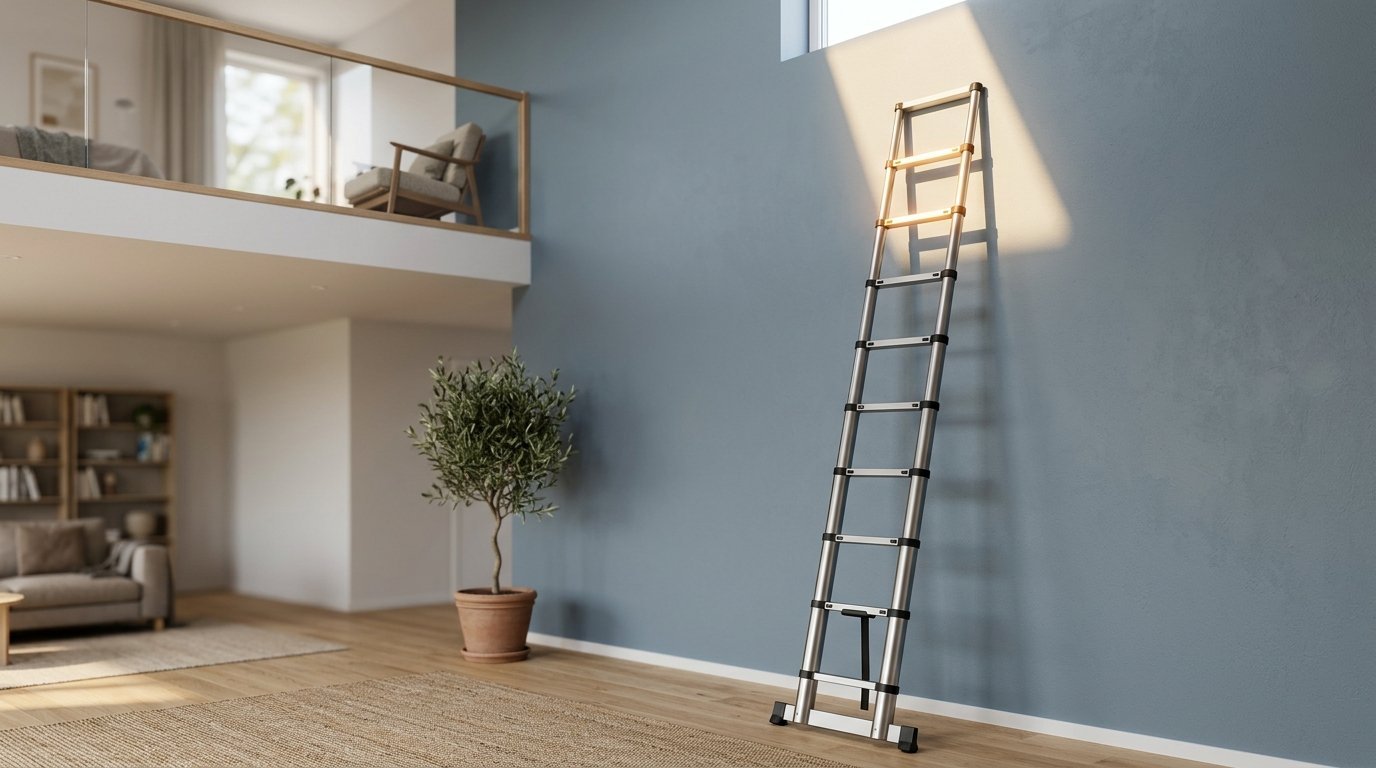
How do I reach the highest parts safely without scaffolding?
You need an articulating ladder with adjustable leg lengths. You can set one side of the ladder on a high stair step and the other side on a low stair step. This creates a perfectly flat, safe standing platform for painting high corners.
What is the biggest mistake people make with high ceilings?
Hanging tiny pieces of art directly at standard eye level while leaving the top twelve feet completely blank. The room looks cut in half visually. You must draw the eye upward with tall curtains or vertical wood trim.
Do dark colors make a large room feel claustrophobic?
Not if the room features massive windows pulling in natural sunlight. A deeply saturated charcoal or navy wall actually recedes visually. This tricks the brain into thinking the wall sits further back than it actually does.
How much wood do I need for a board and batten wall?
Measure the total square footage of your flat drywall. Add twenty percent extra to account for bad cuts and scrap waste. Buy the strips in sixteen foot lengths to avoid ugly horizontal seams in the middle of your wall.
Are floating shelves safe above a main living room sofa?
Only if you drill the internal metal support brackets directly into the house framing studs. Never trust basic plastic drywall anchors to hold heavy wooden ledges over a seating area. They will eventually pull out and cause severe damage.
How do I clean dust off items twelve feet in the air?
Buy an extending fiberglass pole with a flexible microfiber dusting head attached to the tip. Bend the fluffy head into a right angle. You can easily wipe the tops of thick picture frames while standing safely on the floor.
Should I match my curtain rod color to my door knobs?
Matching metallic finishes creates a very calm, cohesive room aesthetic. If your interior door hinges and knobs feature brushed nickel, buy a brushed nickel rod. This ties the entire house together smoothly and professionally.
Can I use wallpaper on an eighteen foot tall surface?
Hanging sticky paper that high requires extreme physical balance and patience. Gravity constantly pulls the heavy, wet paper downward while you try to smooth out the air bubbles. I strongly advise painting or using rigid wood strips instead.
What size art looks best over a staircase?
Start with a massive anchor piece measuring at least twenty four by thirty six inches. Hang this giant piece directly in the center of the wall layout. Surround it completely with smaller eight by ten inch frames.
Does a giant mirror help fill the blank space?
Massive floor mirrors bounce natural sunlight perfectly into dark room corners. They double the visual depth of the room instantly. Secure the top edge to a wall stud so it never tips forward onto the floor.
How do I fix a drywall mistake high up?
Keep a tub of lightweight pink spackle and a flat metal putty knife ready. Fill the bad screw hole completely with the pink paste. Wait thirty minutes until the paste dries completely white. Sand it flat and touch up the paint.
Can I mix farmhouse and modern aesthetics together?
Yes, this creates a highly sought after transitional styling look. Mix warm, rustic oak wood shelving with sleek, matte black metal picture frames. The contrasting textures keep the giant room from looking like a staged furniture catalog.
What lighting works best for tall dark walls?
Install a hardwired picture light directly above your largest framed canvas. The warm bulb washes bright light straight down the dark painted surface. This creates incredible moody shadows and highlights the texture of your wall beautifully.
How do I keep my paint lines straight in corners?
Skip the blue painter tape entirely for tall corners. Tape often bleeds liquid paint underneath the sticky edge anyway. Use a stiff angled Purdy brush and a very steady, slow hand to cut the straight line manually.
Should my tall curtains touch the floor exactly?
Let the fabric pool roughly one half inch onto the hardwood floor. This looks highly intentional and very luxurious. Curtains that float two inches above the floor boards look exactly like pants that are tailored far too short.
Final Thoughts On Your Weekend Project
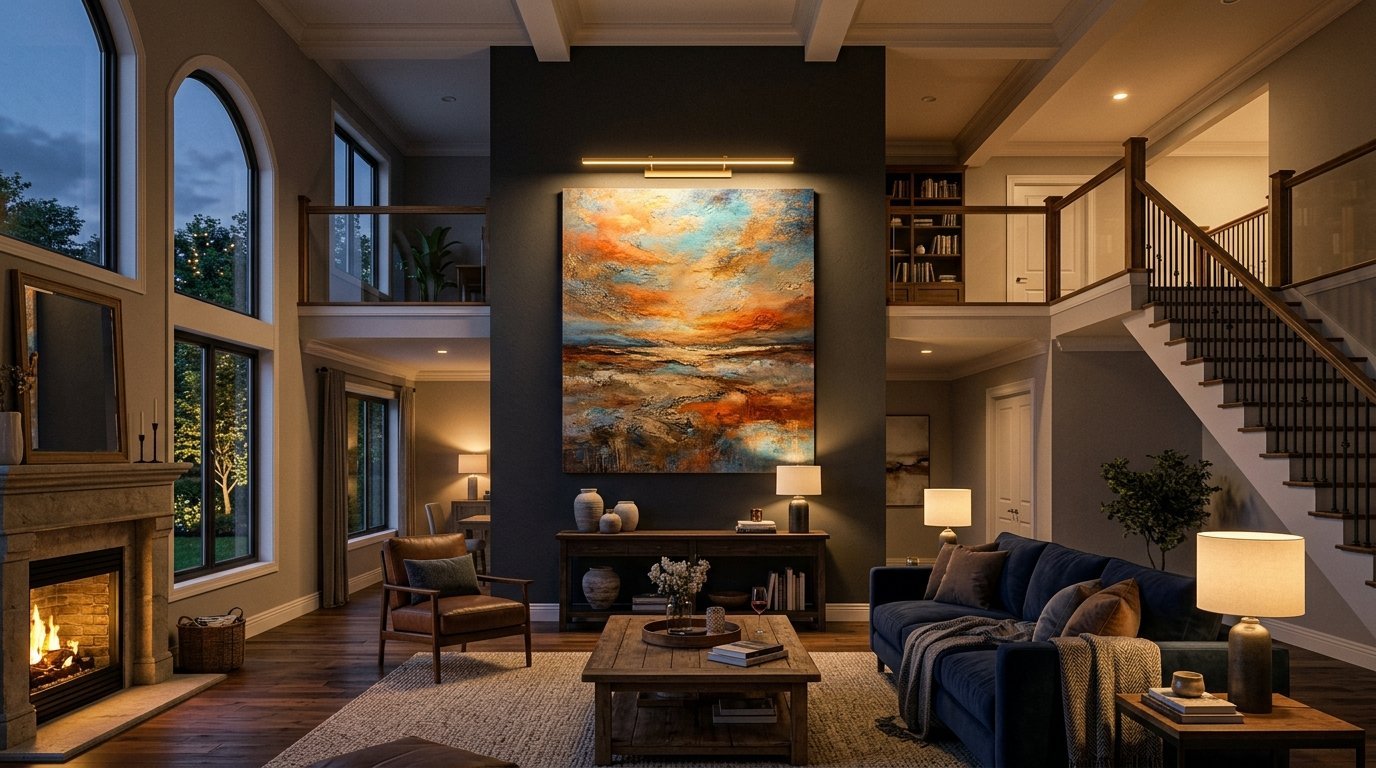
Tackling a massive vertical space feels entirely overwhelming on a Friday afternoon. By breaking the giant job into strict, manageable physical steps, you guarantee a massive win. You now hold the exact tools, specific brand names, and precise spatial measurements needed.
Remember my expensive mistakes with moisture damage and cheap pine wood. Stick to premium oak, flawless glass cleaning routines, and heavy duty stud finding practices. Step back on Sunday evening and look at the soaring, beautifully balanced space you completely transformed with your own hands.

Anya Castellan is the Founder and Editor-in-Chief of Home Wall Trends. An art history graduate of the Rhode Island School of Design with twelve years of experience writing for leading American design publications, she specializes in composition, gallery wall theory, and the quiet architecture of domestic space. A former contributing editor at Architectural Digest and guest lecturer at Parsons School of Design, Anya personally reads and signs off on every piece before it is published.