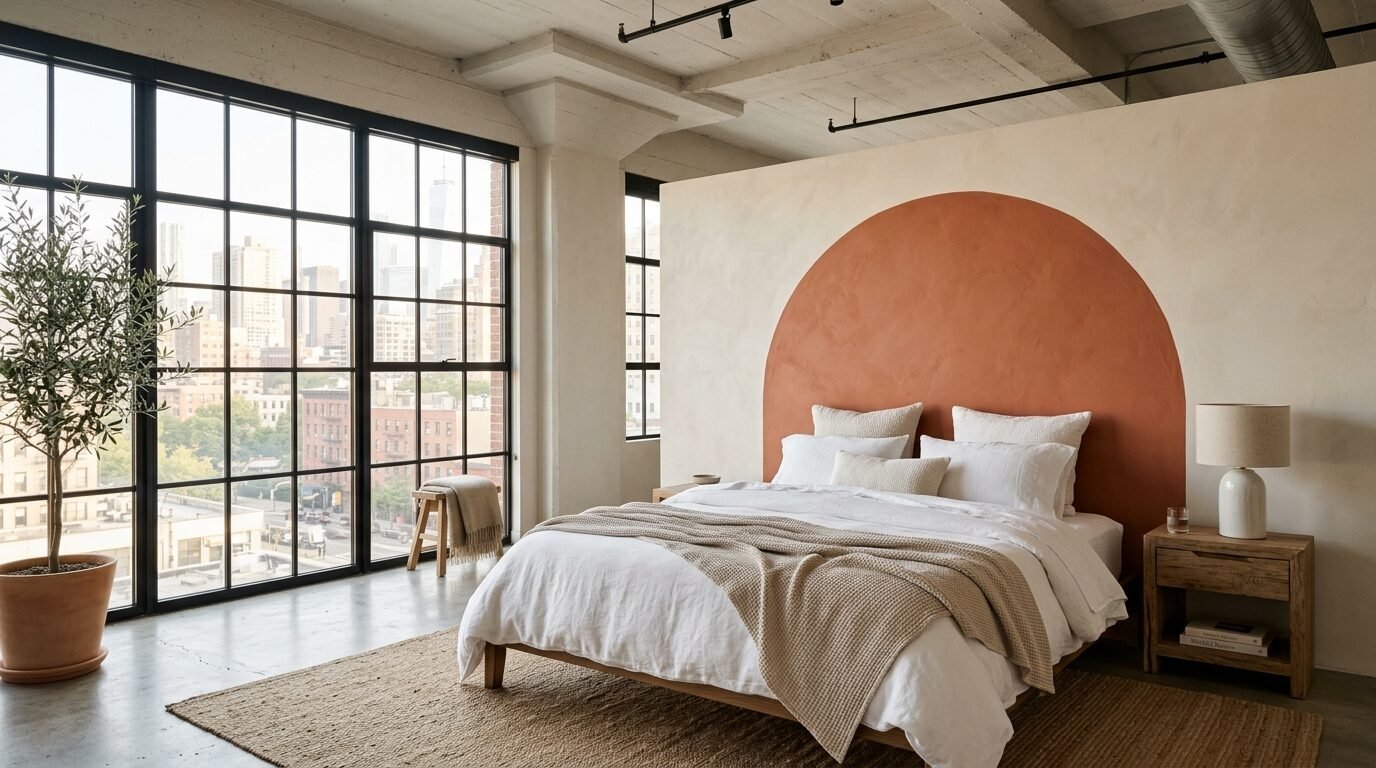
Your bedroom is your final retreat at the end of a long day. It should be the one place where your mind finds quiet and your body feels safe. However, many people wake up feeling drained or anxious without realizing their walls are the problem. In my decade of designing interiors, I have seen how a single poorly placed frame or a clashing color can disrupt the entire energy of a room. I remember working on a project in an East London loft where the client complained of insomnia. The fix was not a new mattress. It was removing a massive, aggressive red abstract painting from the wall directly facing their bed.
The way you decorate your bedroom wall determines how you transition from your busy life into sleep. If you get it wrong, you create visual noise that keeps your brain in high gear. Whether you are working with small bedroom ideas for couples or trying to perfect a minimalist bedroom, these errors are easy to make but even easier to fix. This guide breaks down the technical and emotional errors that prevent you from having the cozy bedroom you deserve.
1. Choosing Art That Overwhelms Small Bedroom Designs
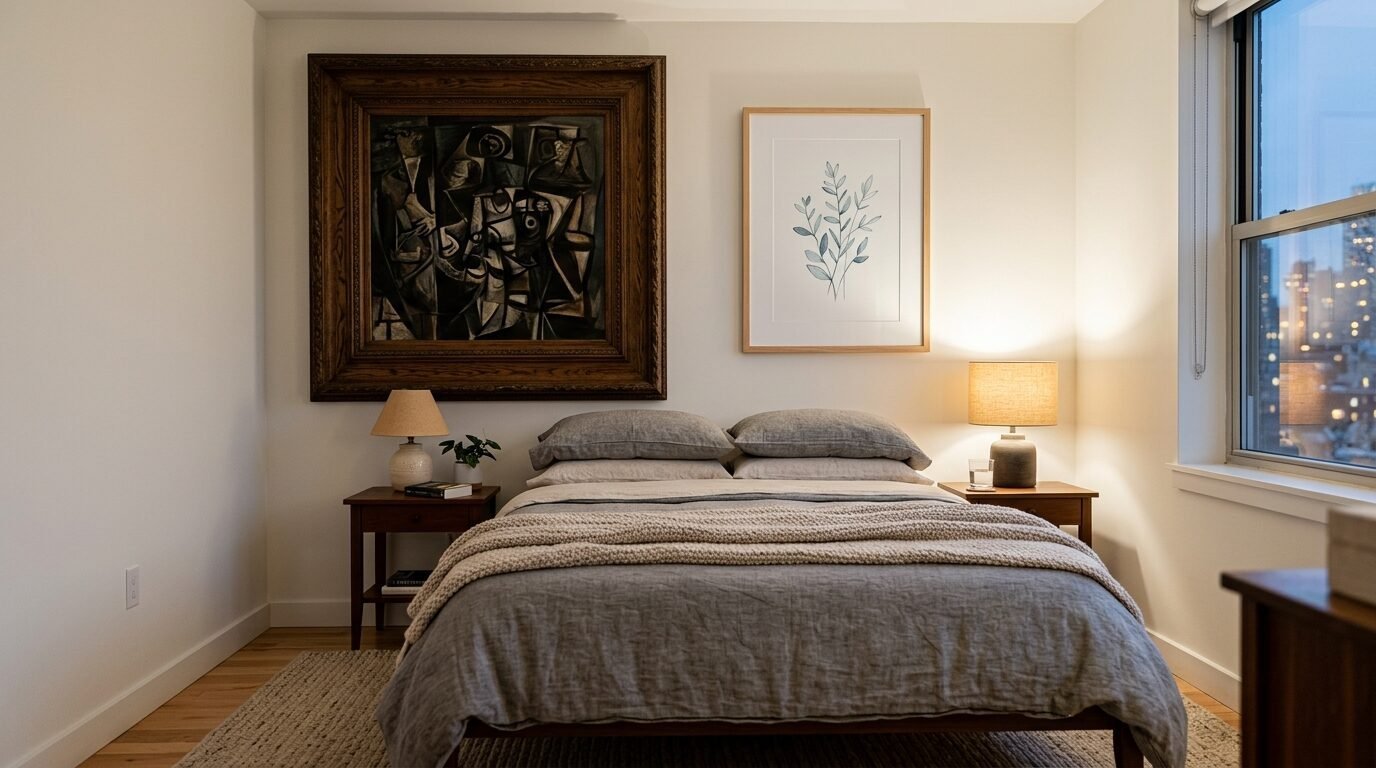
One of the most common errors I see in small bedroom designs is a total misunderstanding of scale. People often think that a small room needs tiny art, or they go the opposite way and try to force a massive gallery wall onto a single cramped surface. Both choices create tension. When you hang a piece of art that is too large for the wall, it makes the ceiling feel lower and the floor space feel smaller. It creates a feeling of being boxed in.
I once consulted for a couple in a tight city apartment who had hung a heavy, dark-framed landscape over their headboard. It was beautiful, but it felt like it might fall on them at any moment. This “heavy” feeling is a mood killer. In my experience, the best approach for small bedroom ideas for couples is to use the 2:3 rule. Your wall decor should take up about two-thirds of the width of the furniture it sits above.
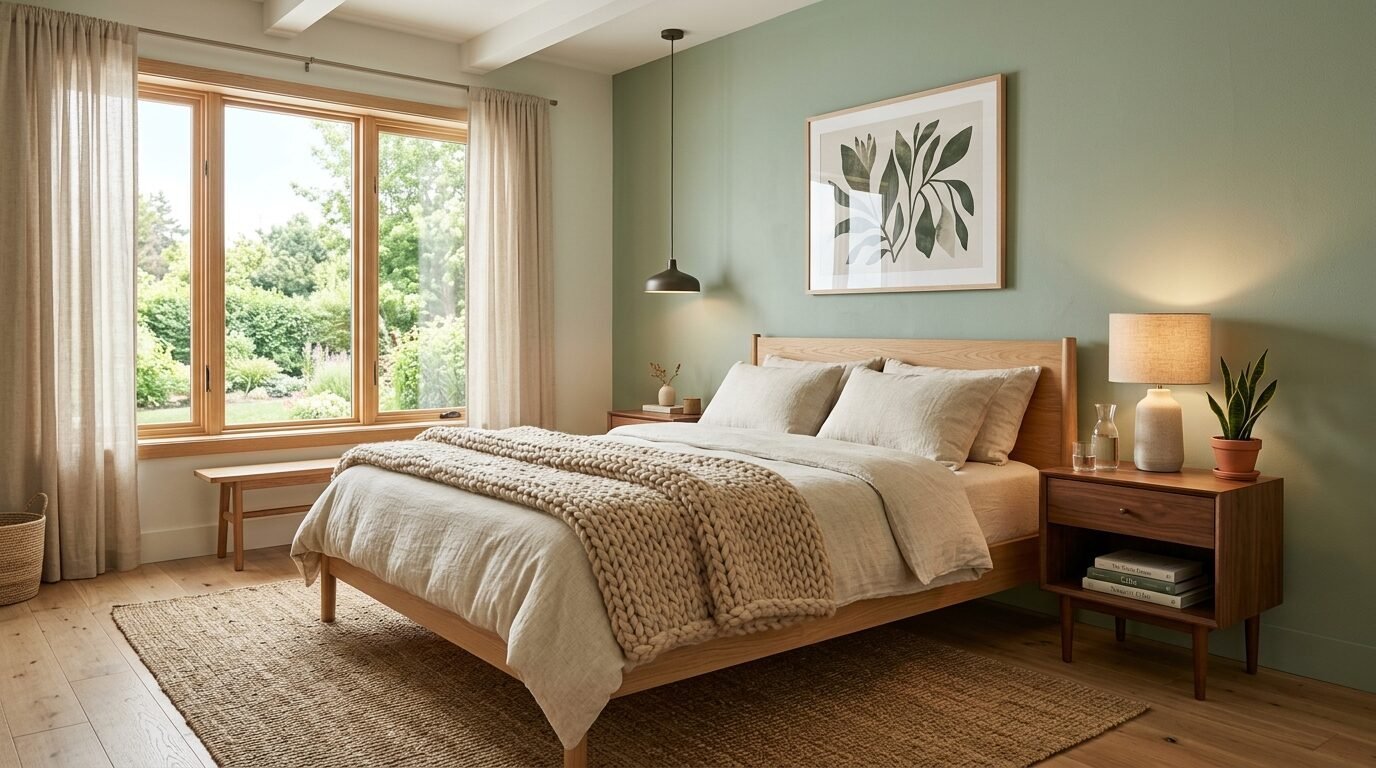
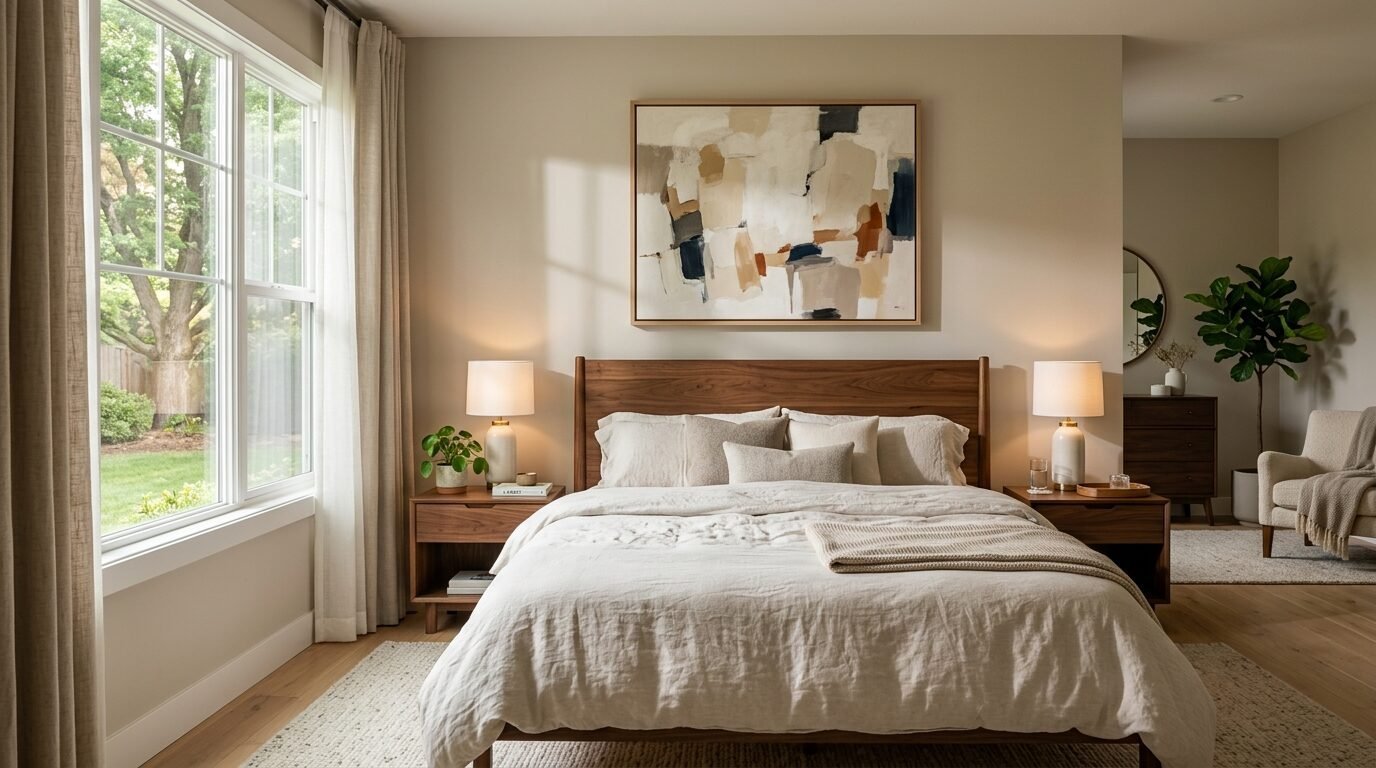
If you are using a walnut headboard, which I often recommend for its warmth, ensure your art does not extend past the edges of the bed. For those who love a minimalist bedroom style, one medium-sized piece with plenty of white space in the matting works better than five small ones. I have seen this work perfectly with simple oak frames and linen-textured paper. It keeps the room feeling airy.
2. Neglecting Feng Shui Bedroom Principles for Energy Flow
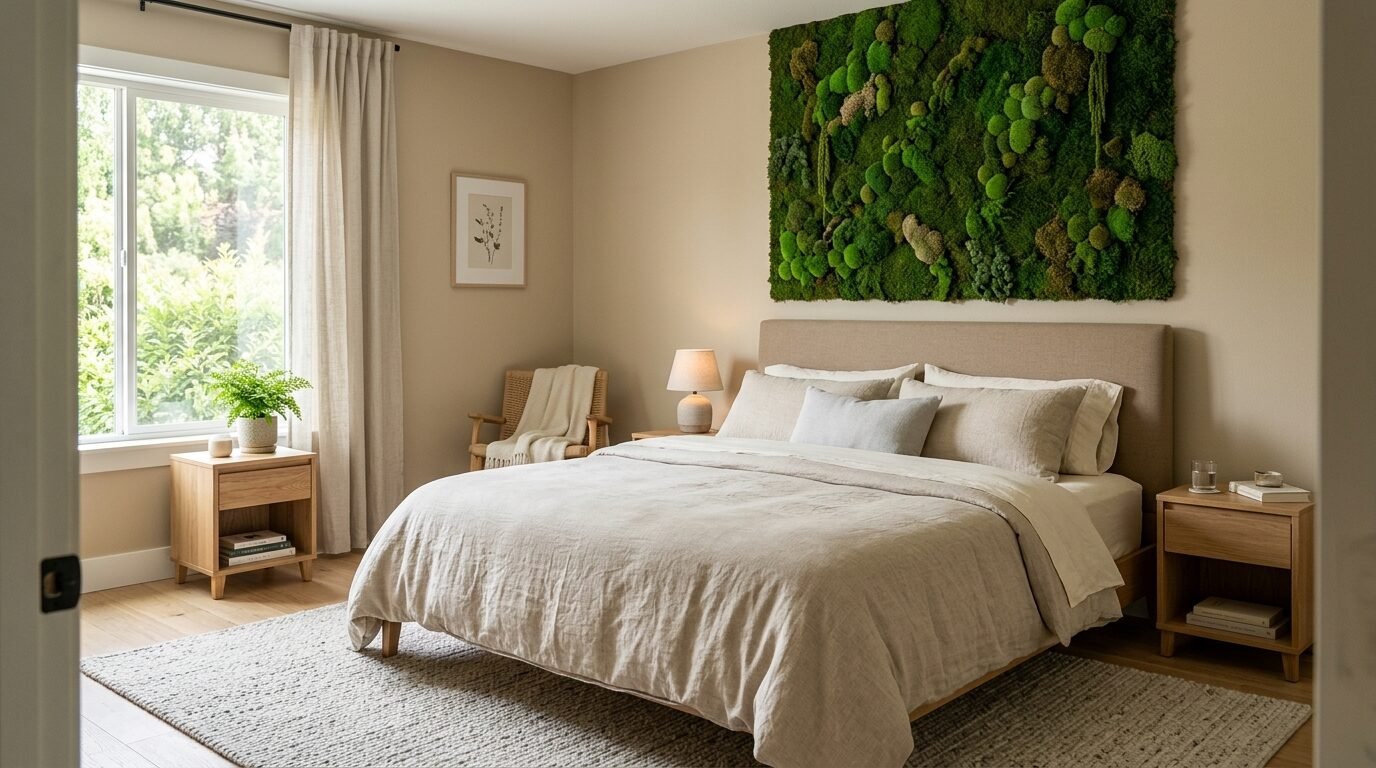
Feng shui is not just about moving furniture. It is about how your environment makes you feel on a subconscious level. A major mistake is hanging mirrors where they reflect the bed. In a feng shui bedroom, mirrors are seen as active energy. They bounce light and movement around. This is the opposite of what you want when you are trying to sleep. If you see your own reflection the moment you wake up, it can startle your nervous system.
I’ve noticed that many people also hang art depicting turbulent scenes, like stormy oceans or busy cityscapes. While these are great for an office, they have no place on a bedroom wall. You want images that represent peace and stability. Think about soft landscapes or abstract shapes in a neutral bedroom palette.
Another feng shui error is hanging heavy objects directly over where you rest your head. I’ve seen people use thick, reclaimed wood shelves that weigh fifty pounds. Even if they are bolted in with Titebond III glue and heavy-duty anchors, your brain still perceives them as a threat. If you want a rustic bedroom look, use lightweight materials like thin cedar slats or canvas art instead of heavy timber above the pillows.
3. Crowding Minimalist Bedroom Walls with Visual Noise
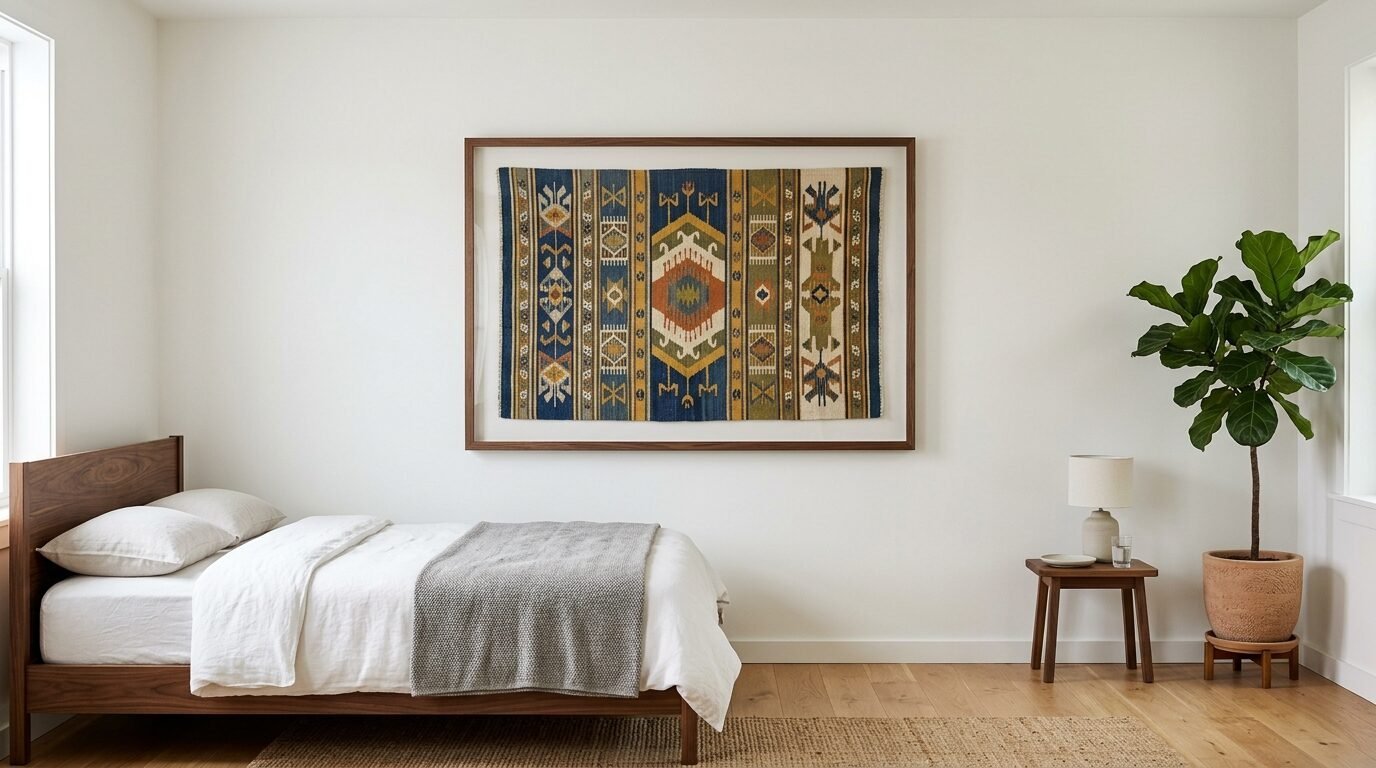
The goal of a minimal bedroom is to provide a visual “reset” for your eyes. However, people often mistake minimalism for “emptiness” and then overcompensate by adding too many small, distracting items. This creates visual noise. If you have a collection of small photos, tiny shelves, and hanging plants all on one wall, your eyes never find a place to rest.
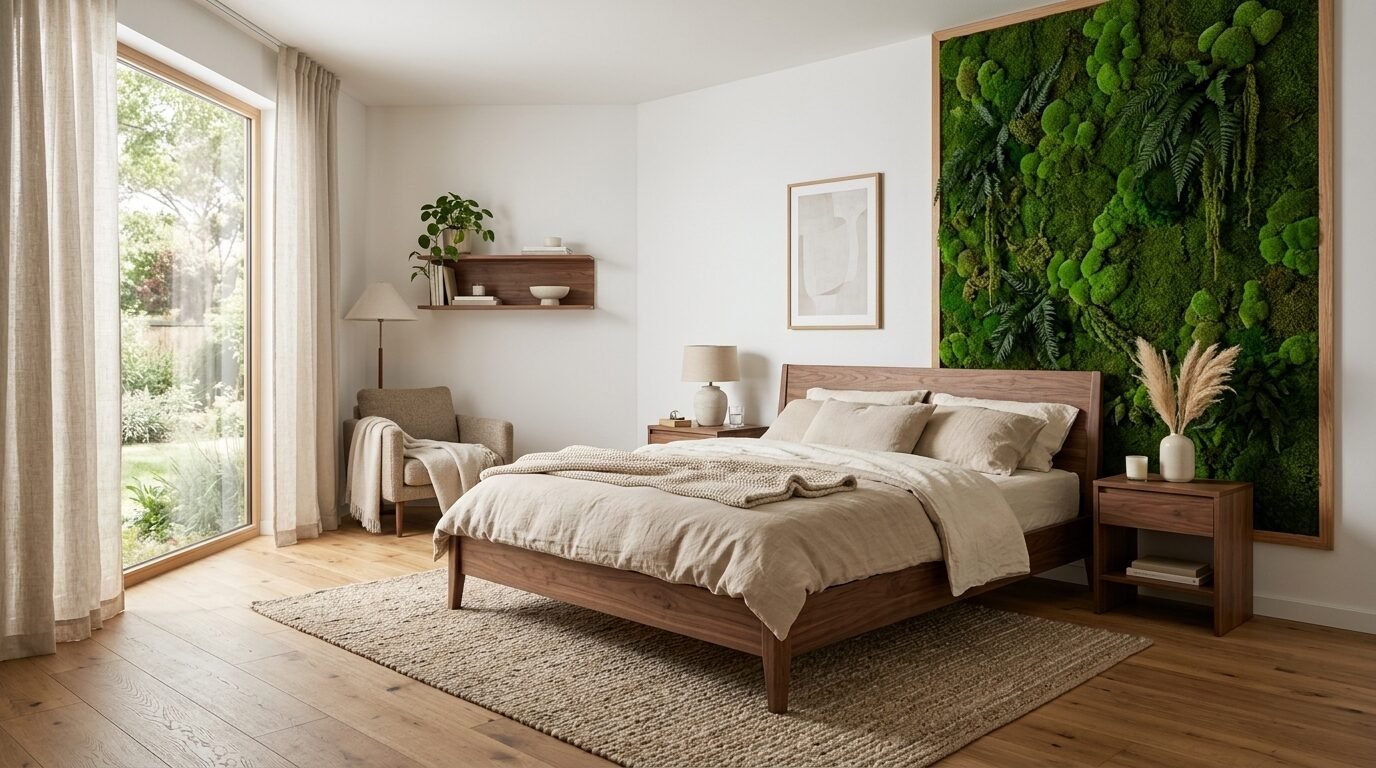
In my years of content creation for Pinterest, I’ve seen that the most shared minimalist bedroom images focus on a single “hero” element. This might be a biophilic moss wall or a large, simple textile. When I designed a loft project in East London, we used a single oversized piece of framed linen. It added texture without adding clutter.
If you are struggling with a neutral bedroom that feels cold, do not add more “stuff” to the walls. Instead, look at the materials. Use a walnut frame to add depth or a marble wall sconce for texture. I’ve tried using gallery walls in minimal spaces, and it almost always feels too busy. Stick to one or two high-quality items that you truly love. This approach respects the house blueprints and the natural flow of the room.
4. Hanging Frames at the Wrong Height for Visual Comfort
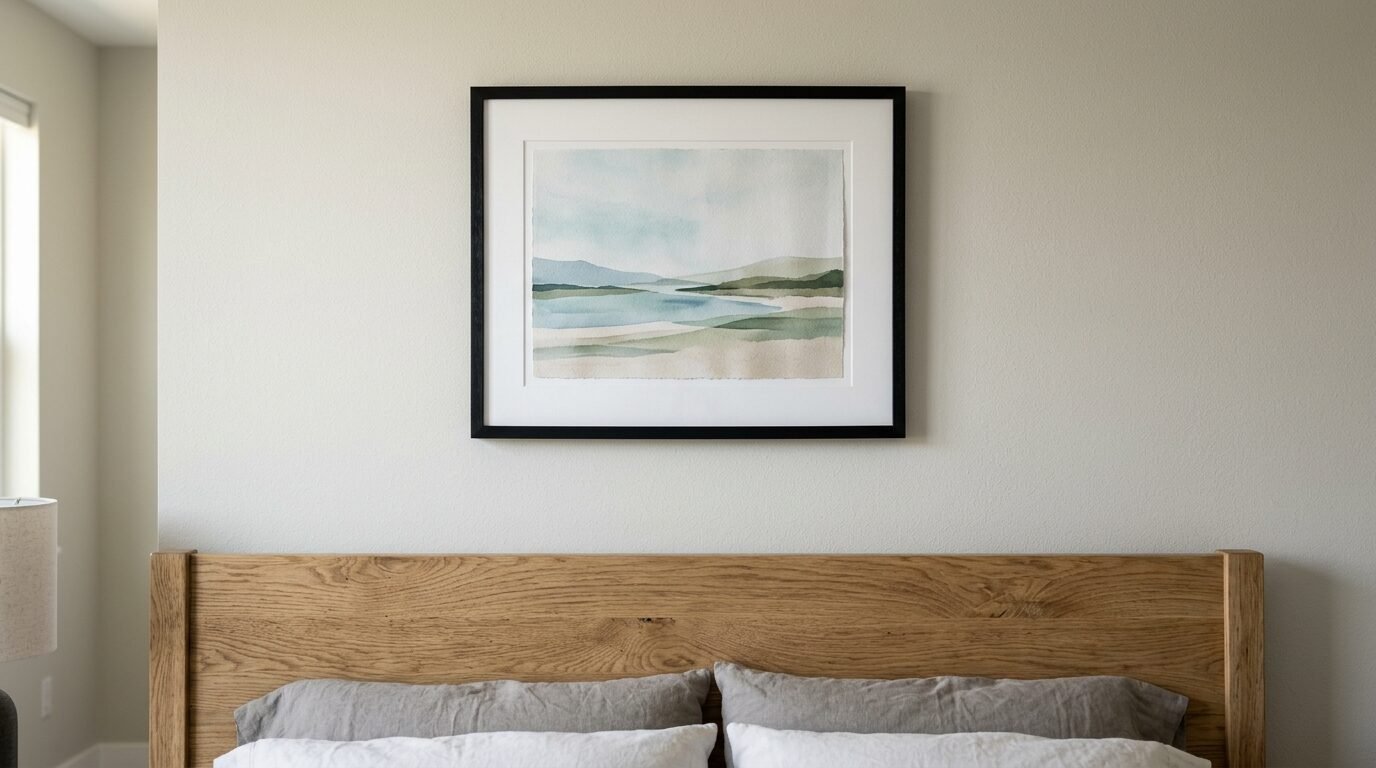
This is a technical error that ruins the look of even the most expensive bedroom styles. Most people hang their wall decor way too high. They aim for the middle of the wall while standing up. But in a bedroom, you are usually sitting or lying down. If the art is too high, it feels disconnected from the furniture. It looks like it is floating away.
The “museum standard” is to hang the center of the piece 57 inches from the floor. However, in a bedroom, you should also consider the height of your headboard. I’ve seen people hang beautiful prints six inches below the ceiling. This forces your neck to strain and makes the room feel unsettled.
I suggest hanging art so the bottom of the frame sits 6 to 10 inches above the headboard. This creates a cohesive unit. When I use tools like a Festool sander to custom-finish frames with Minwax “Weathered Oak,” I always test the height while sitting on the bed. It has to feel right from your eye level while you are propped up with pillows. If you have to look “up” to see it, it is too high.
5. Relying on Flat Lighting That Flattens Your Bedroom Wall
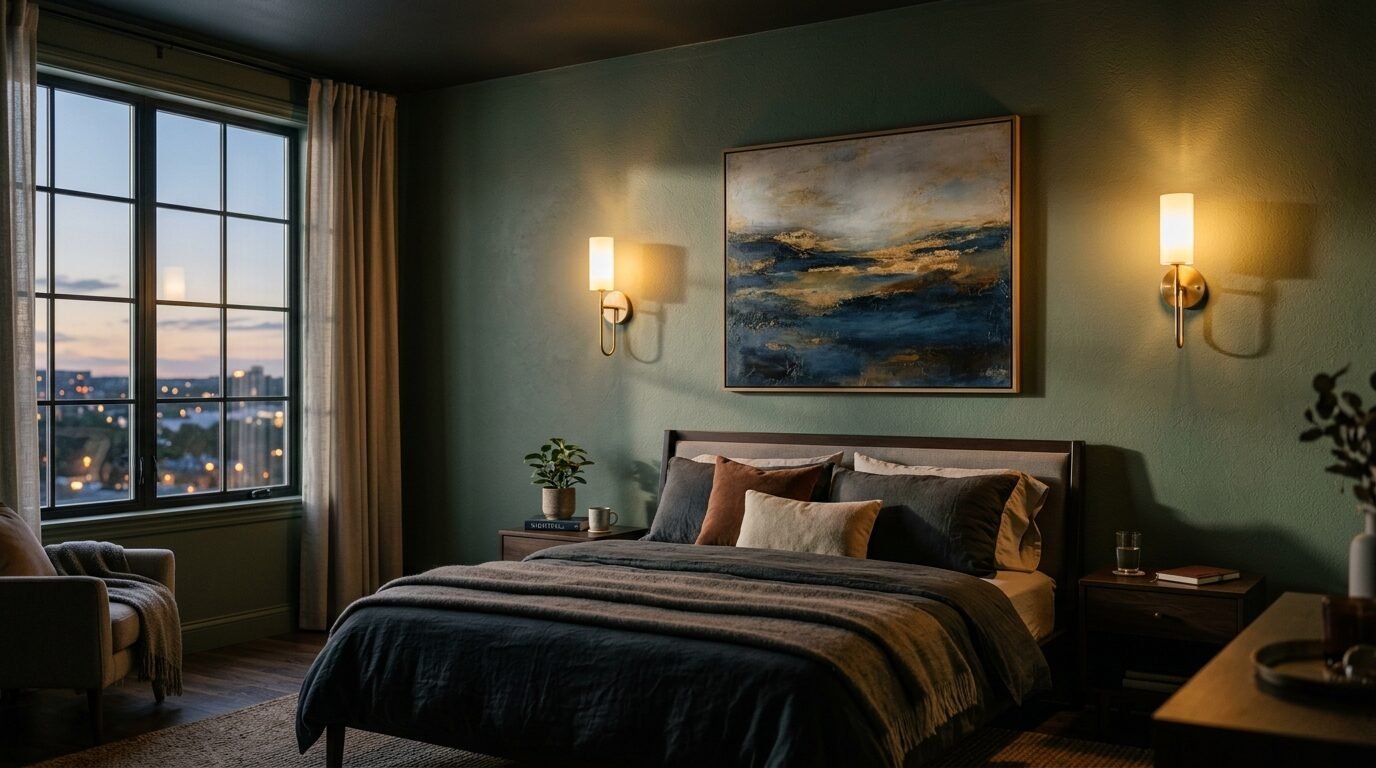
You can have the most beautiful bedroom wall in the world, but if the lighting is bad, the mood dies. A common mistake is relying solely on a single overhead light. This creates harsh shadows and makes your wall decor look flat and cheap. It also kills the “cozy bedroom” vibe immediately.
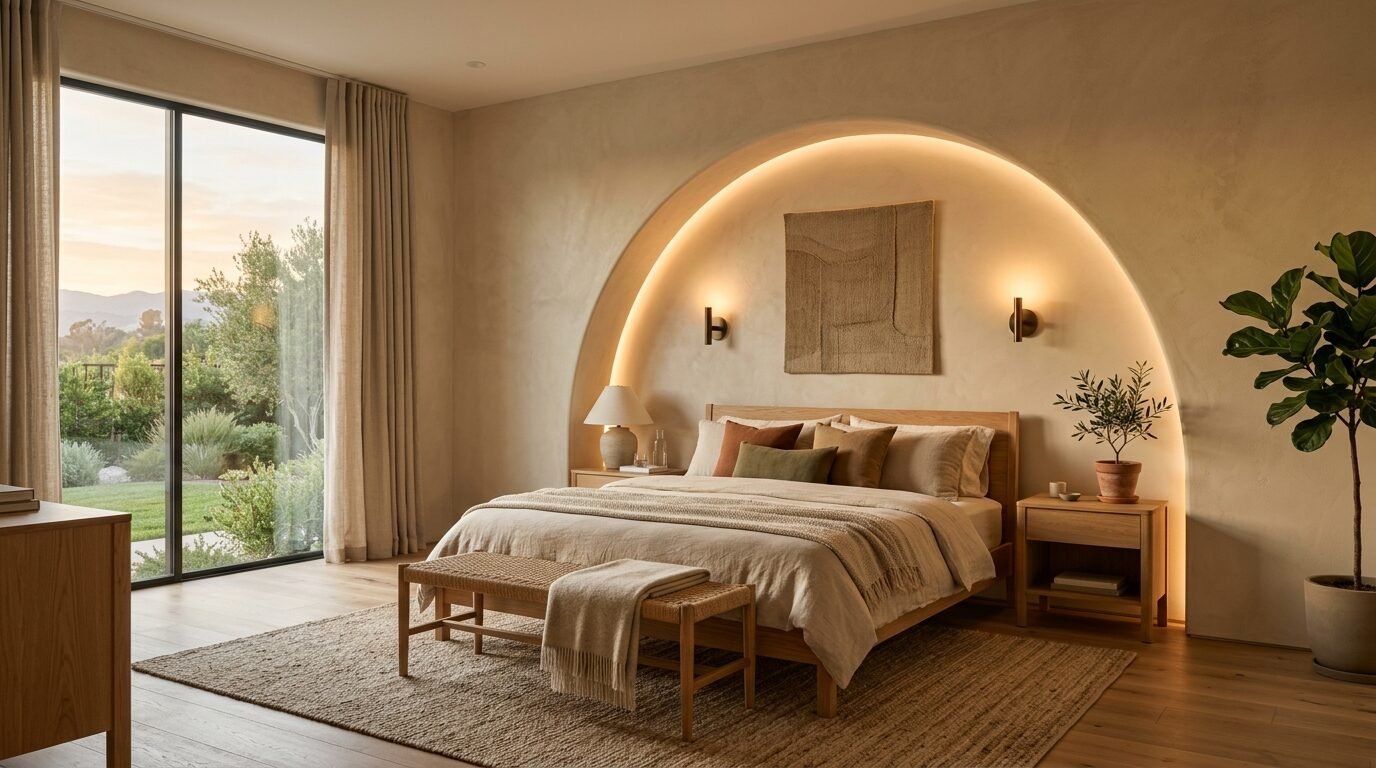
I’ve seen this work much better when you use layered lighting. Wall sconces are a game-changer for bedroom wall decor. They frame the art and provide a warm glow that is perfect for reading. When I plan house blueprints for renovations, I always include bedside wall-mounted lights. They free up space on the nightstand, which helps with small room organization.
If you cannot hardwire lights, use battery-operated LED sconces. I’ve tried these in rental properties, and they work surprisingly well. Avoid “cool white” bulbs. They make a neutral bedroom look like a hospital. Stick to “warm white” (around 2700K) to keep the textures of your walnut furniture or linen bedding looking rich and inviting.
6. Skipping Smart Organization Bedroom Solutions
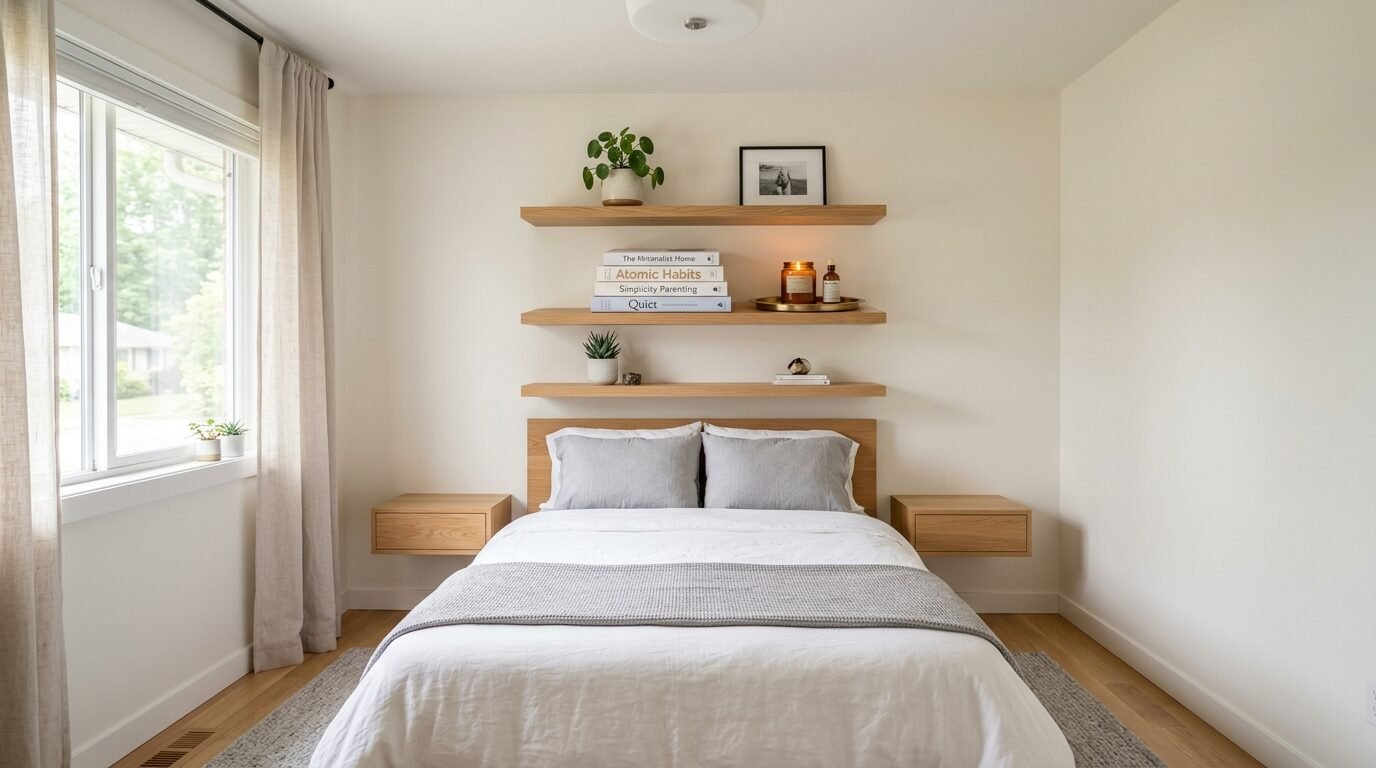
In a small bedroom, your walls need to do more than just look pretty. They need to help you stay organized. A huge mistake is ignoring the vertical space for storage. When clutter builds up on your nightstands or the floor, it kills the mood. An organization bedroom strategy uses the walls to keep the surfaces clear.
I’ve seen people try to use bulky bookcases that eat up all the floor space in a small room. Instead, use floating shelves that match your bedroom styles. If you have a rustic bedroom, use thick oak planks. For a minimalist bedroom, use slim white metal shelves.
I remember a project where we used a custom pegboard system painted the same color as the wall. It allowed the client to hang their headphones, glasses, and a small plant. This kept their small bedroom ideas for couples practical. Everything had a place, and the room felt twice as big. Use Command strips if you are worried about the walls, or use Titebond glue for a more permanent DIY shelf project.
7. Mixing Clashing Bedroom Styles Without a Neutral Anchor
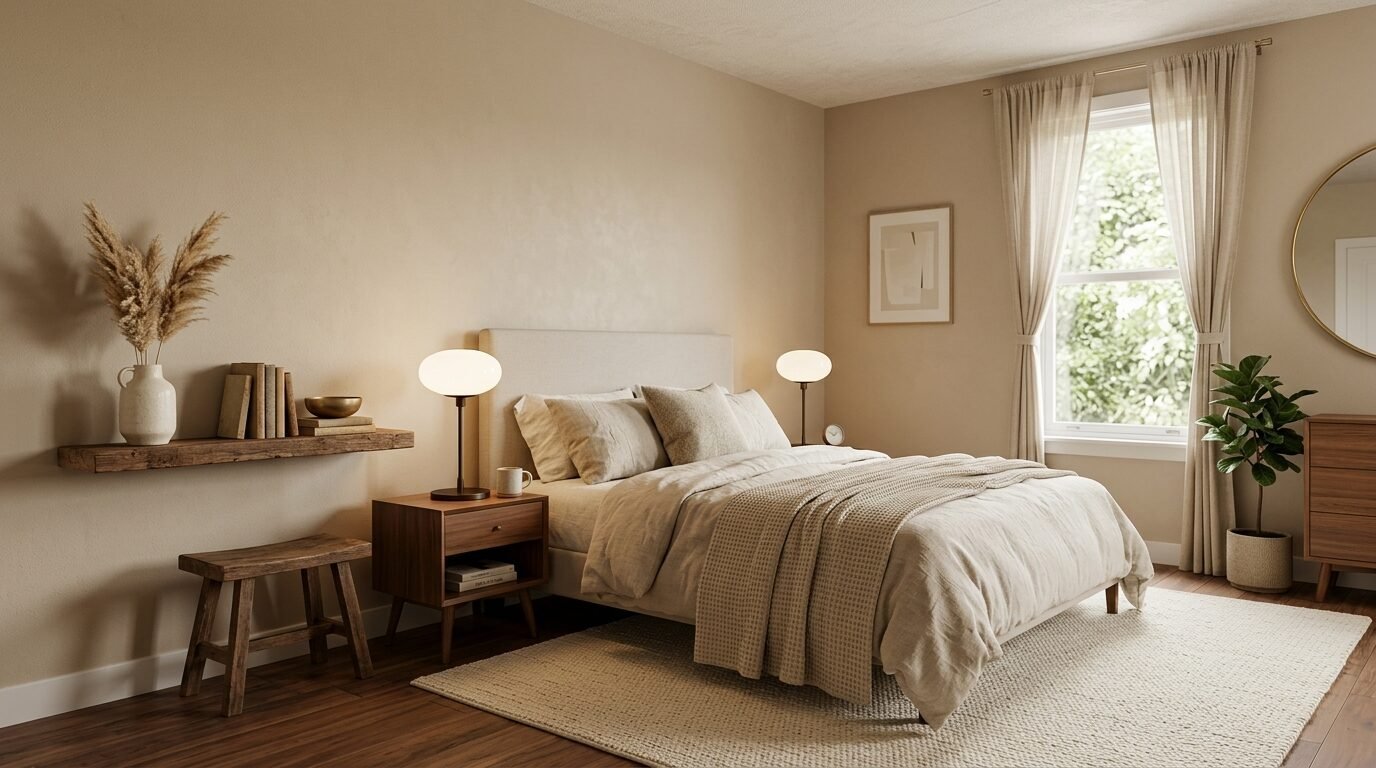
The final mistake is a lack of cohesion. People often buy wall decor in isolation. They see a rustic sign they like, then a modern abstract print, and then a bohemian macrame hanging. When all these clashing bedroom styles end up on one wall, the room feels chaotic. Your brain cannot relax because it is trying to make sense of the conflicting messages.
In my experience, the secret to a successful bedroom wall is a neutral anchor. If you want to mix styles, keep the color palette consistent. For example, you can mix a rustic wood frame with a modern minimalist print if they both feature neutral tones.
I’ve noticed that people who succeed with “warm minimalism” use different textures rather than different colors. They might have a walnut shelf, a linen canvas, and a matte black lamp. These items all feel different but share a common “language.” Before you hang anything, lay it all out on the floor. See if the pieces talk to each other or if they are shouting. If you are unsure, go back to your house blueprints or your Pinterest board and look for the common thread.
Summary of Best Practices for Your Cozy Bedroom
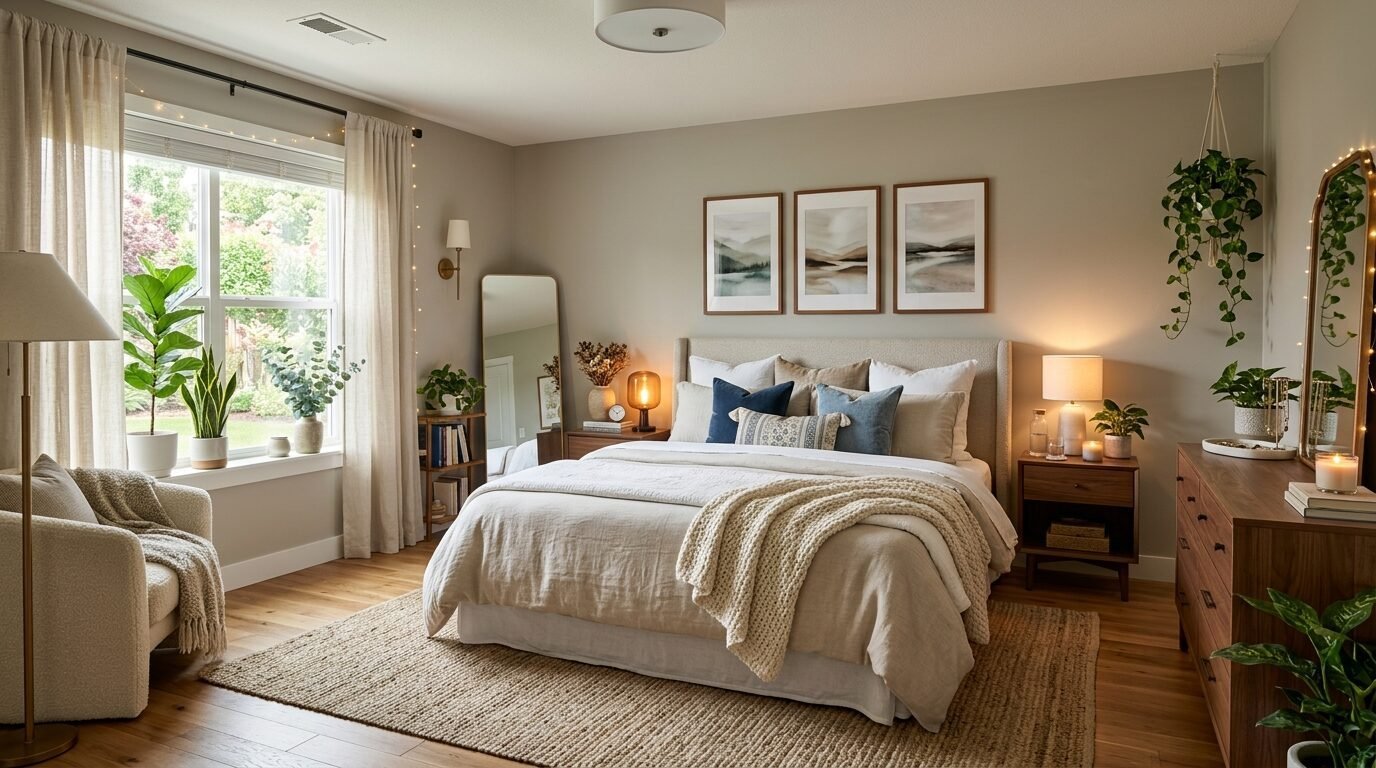
Creating a mood in your bedroom is about balance. You want your walls to reflect your personality without overwhelming your senses. Start by looking at your scale. Ensure your art fits the size of your bed and your room. Follow the basic feng shui bedroom rules to keep the energy calm and safe.
Keep your minimalist bedroom goals in mind by choosing quality over quantity. Pay attention to the technical details, like hanging height and lighting. Use your walls for organization bedroom needs to keep your floors clear. Finally, ensure all your decor choices fit within a cohesive style. When you fix these seven mistakes, your bedroom stops being just a room and starts being a sanctuary.
Frequently Asked Questions About Bedroom Wall Decor
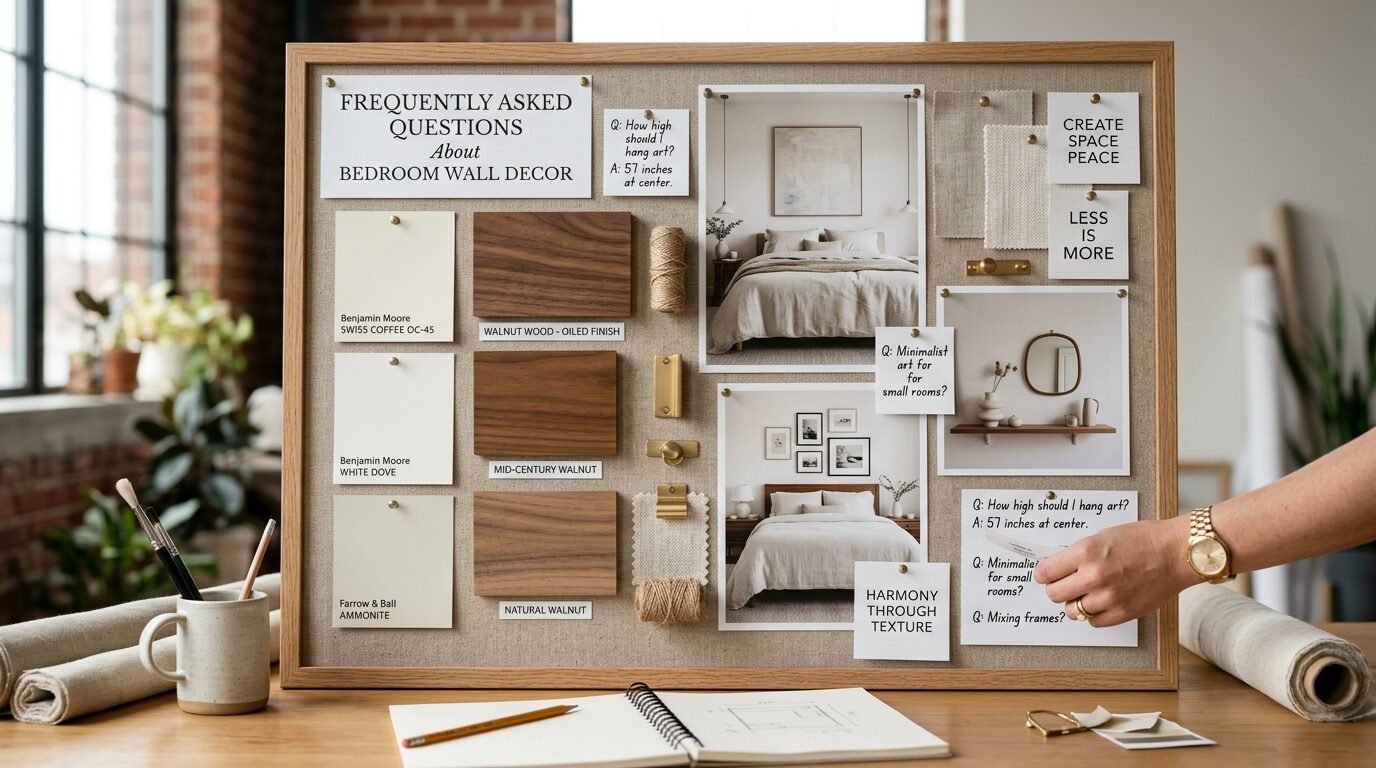
What is the best color for a neutral bedroom wall?
In my experience, soft off-whites with warm undertones work best. Avoid “stark white” as it can feel cold. Look for shades like “Swiss Coffee” or “Alabaster.” These colors provide a perfect backdrop for walnut furniture and biophilic elements like plants. They also help small bedroom designs feel much larger by reflecting light without being harsh.
How do I decorate a bedroom wall in a rental?
I’ve tried many solutions, and the best ones are damage-free. Use high-quality adhesive hooks for frames. You can also use “leaner” mirrors or large art pieces that rest on the floor or a dresser. This avoids the need for drilling. Another great option is removable wallpaper or fabric wall hangings which add texture without permanent changes to the house blueprints.
Can I put a TV on my bedroom wall?
While many people do this, it often kills the “cozy bedroom” mood. If you must have one, try to hide it. I’ve seen the Samsung “The Frame” TV work beautifully because it looks like art when it is off. If you have a rustic bedroom, you can also use sliding barn wood doors to cover the screen when you are not using it. This keeps the focus on relaxation.
How many pieces of art should be on a minimalist bedroom wall?
Less is usually more. For a minimal bedroom, I suggest one large statement piece or a set of two matching prints. If you add more than three items to a single wall, you start to lose that clean, calm feeling. Focus on the texture of the frames and the quality of the paper rather than the number of items.
Is a gallery wall okay for a small bedroom?
It can work, but you have to be careful. In small bedroom ideas for couples, a gallery wall can feel very busy. If you want one, keep the frames the same color and leave plenty of space between them. This creates a sense of order. I’ve seen this work best when the photos are all black and white, which keeps the visual noise to a minimum.
Conclusion
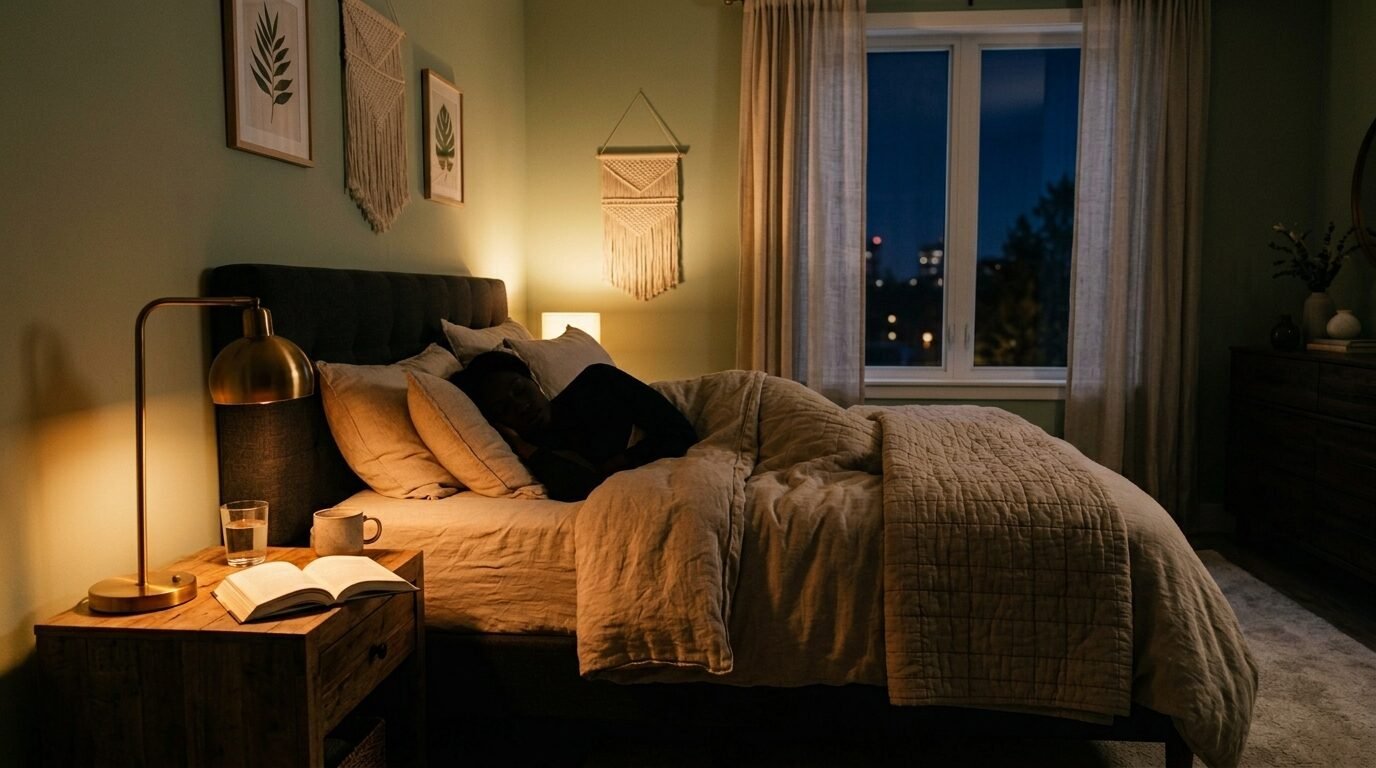
Decorating your bedroom wall is a personal journey. It is about finding the balance between what looks good on Pinterest and what feels good when you are exhausted at 10 PM. I have made my share of mistakes—I once painted a bedroom wall a dark navy that made the room feel like a cave. But each mistake taught me that the mood of a room is found in the details.
By avoiding these seven common errors, you create a space that supports your mental health and your sleep. Focus on scale, lighting, and cohesion. Use your walls to stay organized and keep your energy flowing. Your bedroom is the most important room in your home. Treat its walls with the respect they deserve, and they will reward you with the best sleep of your life.

Anya Castellan is the Founder and Editor-in-Chief of Home Wall Trends. An art history graduate of the Rhode Island School of Design with twelve years of experience writing for leading American design publications, she specializes in composition, gallery wall theory, and the quiet architecture of domestic space. A former contributing editor at Architectural Digest and guest lecturer at Parsons School of Design, Anya personally reads and signs off on every piece before it is published.