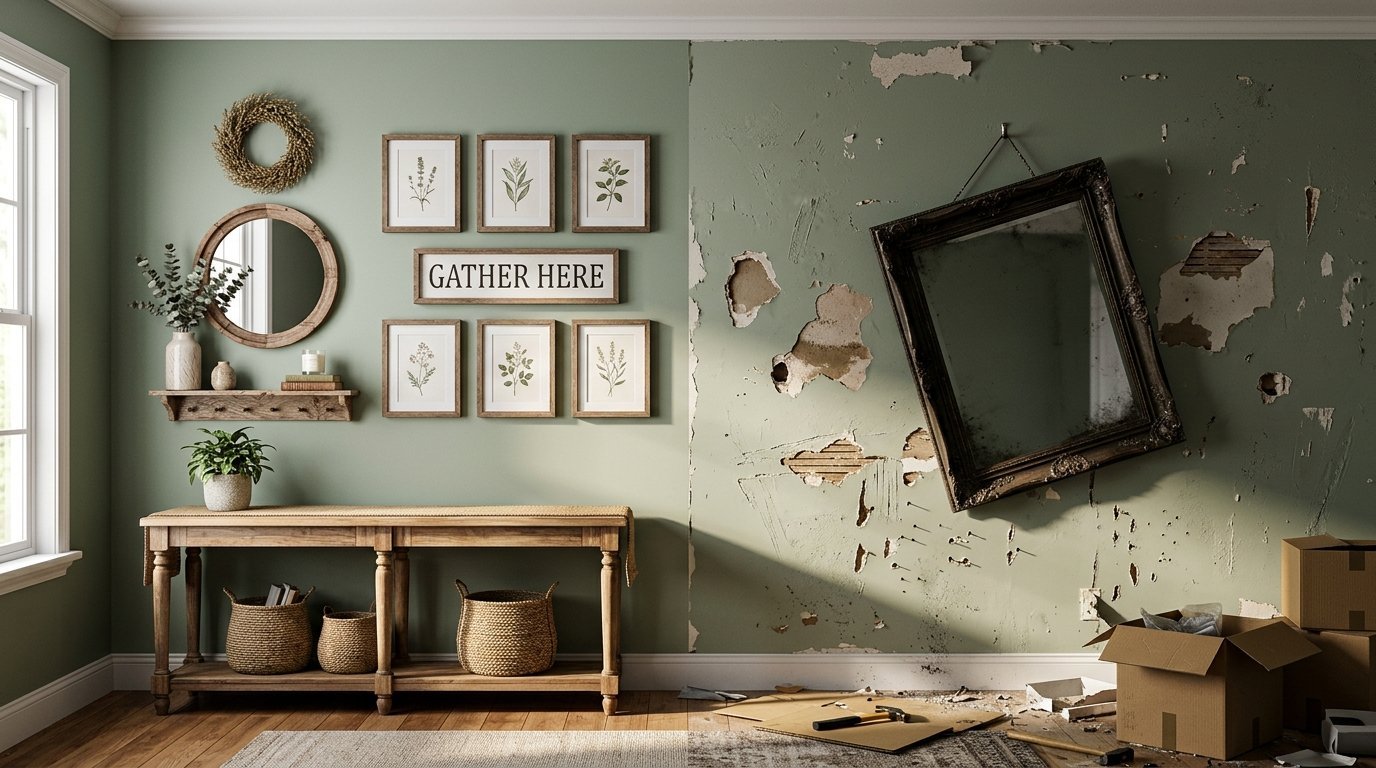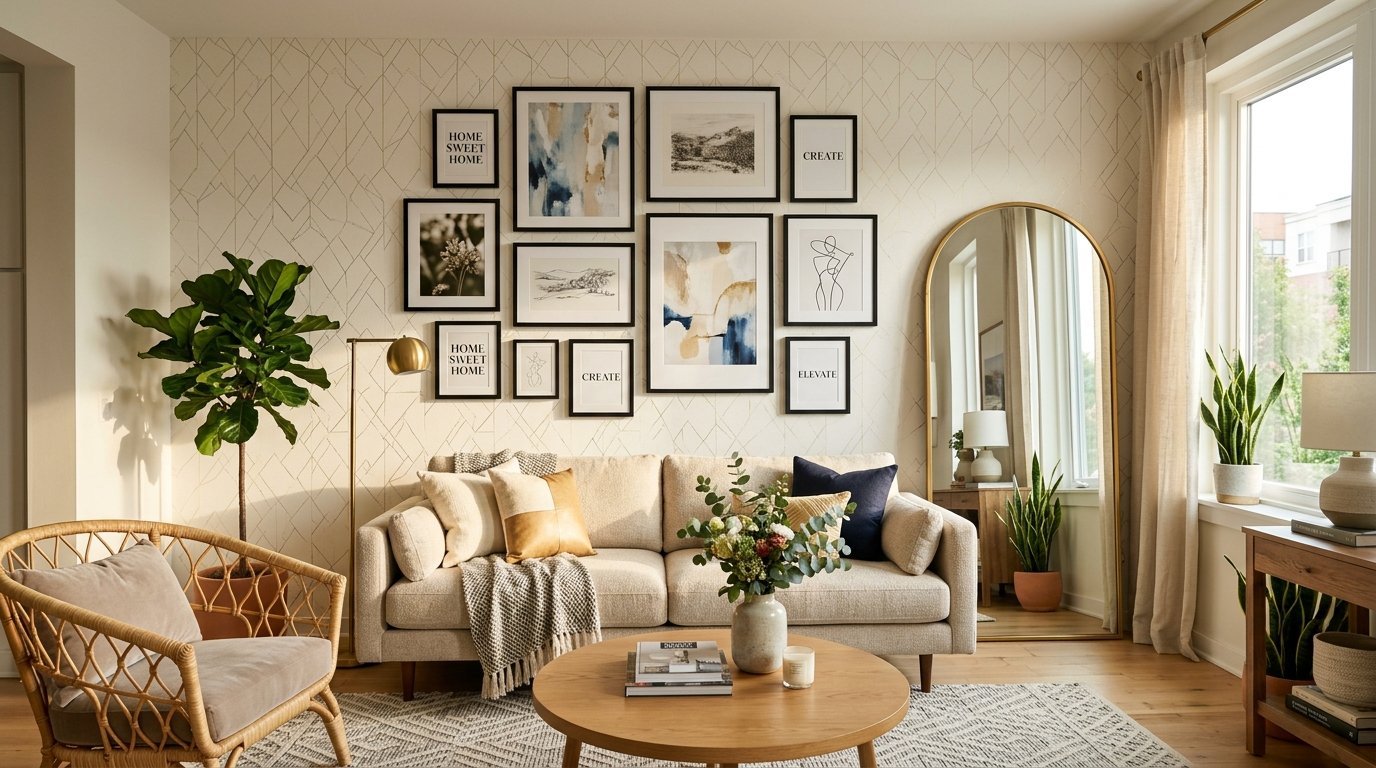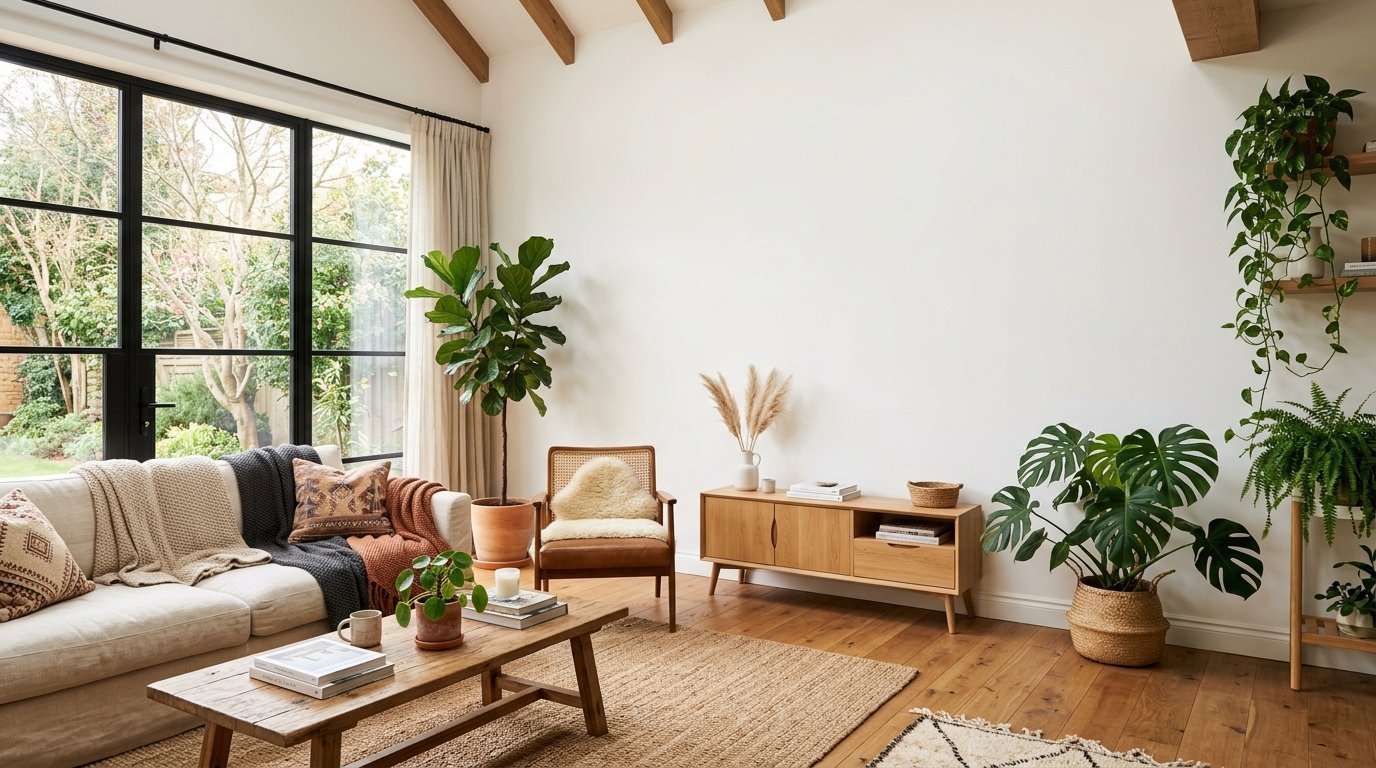
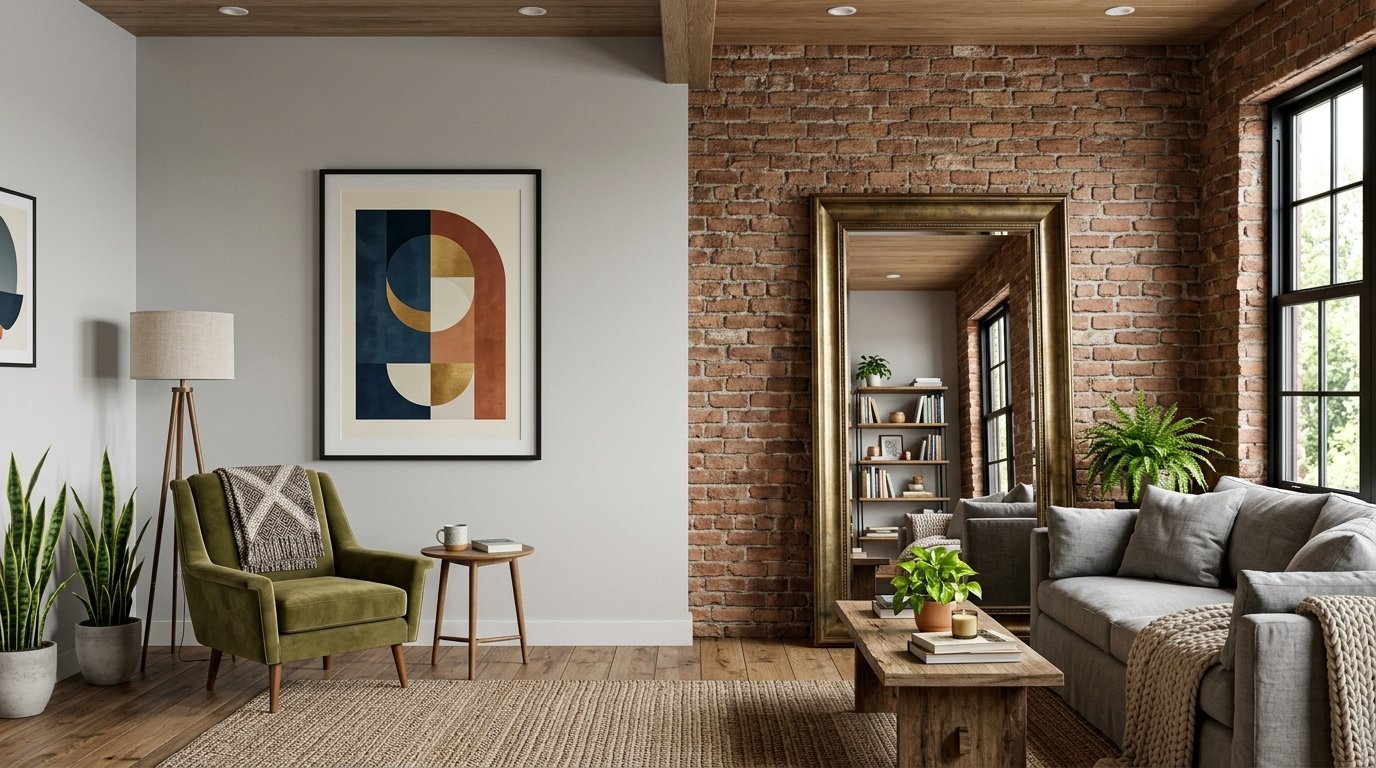
I woke up to a crash at two in the morning last Tuesday. My heavy gold frame mirror pulled straight out of the drywall. Glass shattered across my bedroom floor. I trusted a basic plastic anchor to hold twenty pounds. That mistake cost me a beautiful mirror and my security deposit. Many renters stare at their paint and guess the material underneath. Guessing ruins your art and damages the physical building. You must know exactly what material stands behind your paint. This guide details the specific traits of drywall, plaster, and brick. You will master your apartment wall surfaces safely.
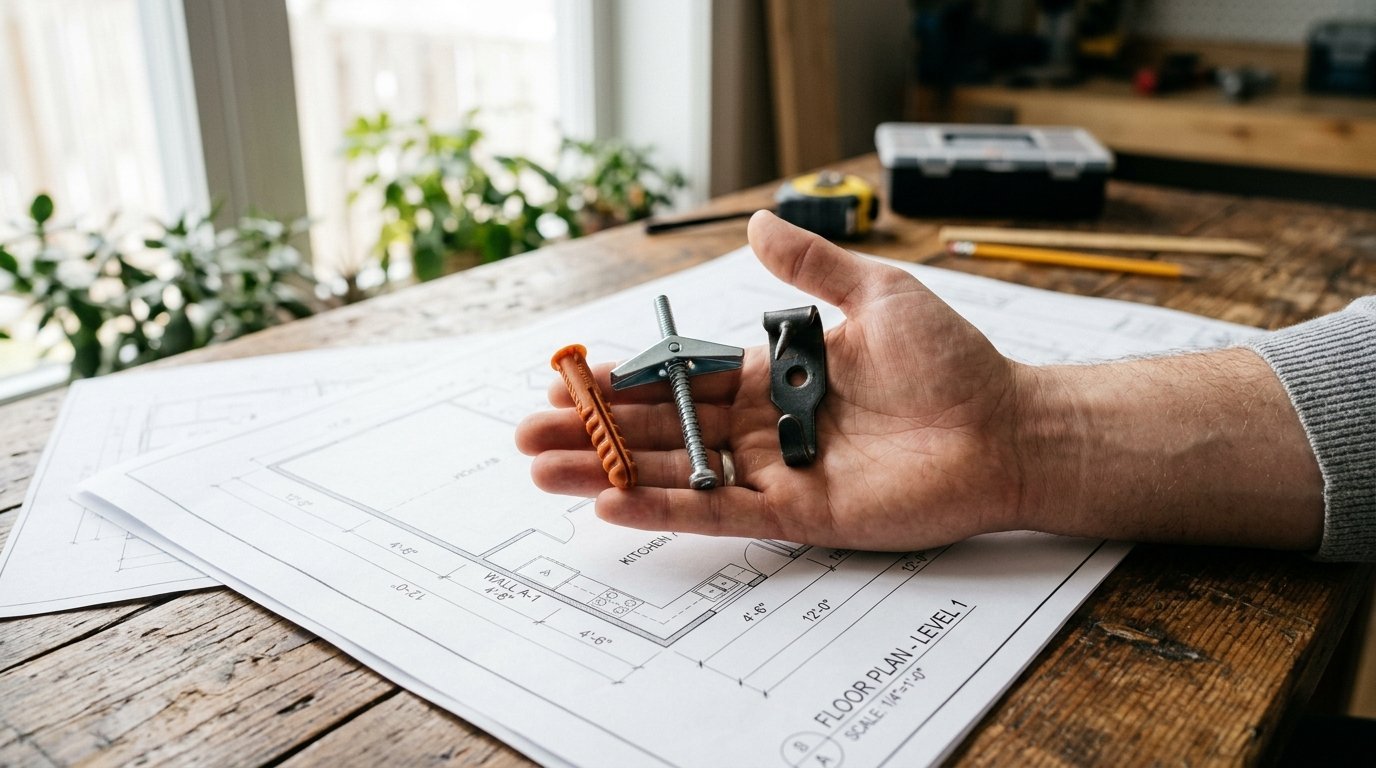
You will read exactly how to identify your specific apartment wall surfaces. I share exact tools, current costs, and specific hanging hardware for every material. You will see why adhesive strips rip paint off old plaster. I detail the exact anchors required for heavy items. You will read three case studies from real apartment makeovers. I share specific repair costs for early 2026. You will see how a raw brick texture changes your lighting needs. You get specific floor plans styling advice for tight spaces. I detail the exact 3M hardware required for heavy mirrors. You will stop guessing and start hanging decor safely. I leave out structural renovations to focus purely on renter friendly decorating. You will walk away ready to curate a beautiful cozy house without losing your deposit.
What Actually Makes Up Your Apartment Wall Surfaces?
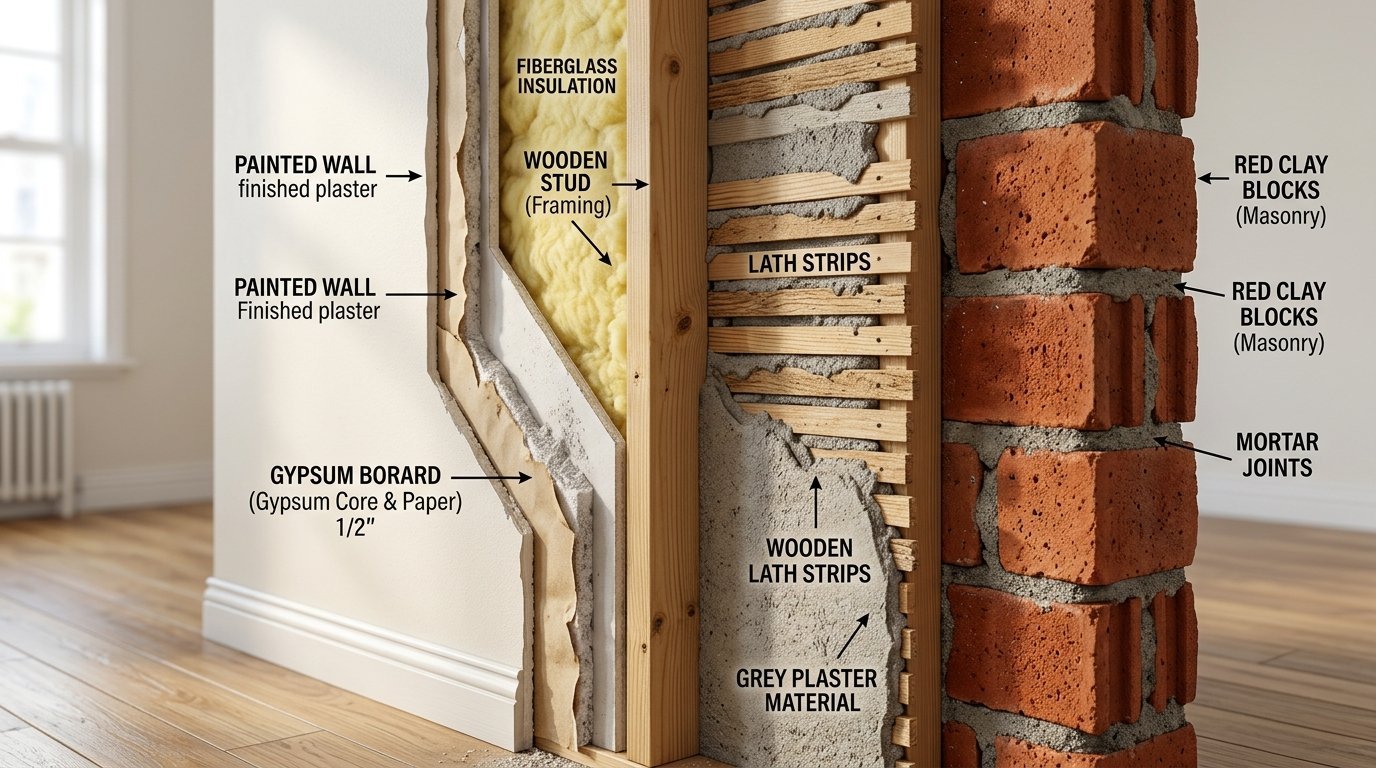
Every renter needs to know what sits behind their paint. You cannot hang a heavy gallery collection without knowing your foundation. Builders use three main materials for interior spaces. Each material reacts differently to drills, nails, and adhesive tape.
The Modern Standard Of Drywall
Builders mass produce drywall in massive sheets. They press gypsum dust between two layers of thick paper. Construction crews screw these sheets directly into wooden studs. The material feels hollow when you knock on it. Drywall is cheap and fast to install. You will find this material in almost every modern complex built after 1970.
The Historic Craft Of Plaster
Plaster requires serious physical labor. Workers nail horizontal wooden strips across the wall frame. They call these strips lath. Craftsmen then spread a wet mixture of sand, water, and lime over the wood. The wet mix pushes through the gaps and locks into place. Old apartments feature thick plaster walls. The material dries hard like concrete. It blocks sound perfectly but chips easily when you drill it.
The Industrial Raw Brick
Converted factories often feature exposed brick. Workers stack fired clay blocks and lock them together with wet mortar. A raw brick texture absorbs natural light and traps dust. You cannot drill directly into the clay without shattering the block. You must only drill into the softer mortar lines.
Why The Building Age Tells The Truth
The age of your home acts as your best clue. Check your lease agreement for the construction year. Any space built before 1950 almost certainly features plaster. Structures built after 1970 almost exclusively use drywall sheets. If you live in an old industrial loft, you might deal with a mix of drywall and exposed masonry.
How Do You Tell If You Have Drywall Or Plaster?
You must test your walls before you buy any hanging hardware. You will waste money and ruin your paint if you guess incorrectly. I keep a portfolio of wall design projects, and I always test the surface first. I use three specific physical tests on every new job.
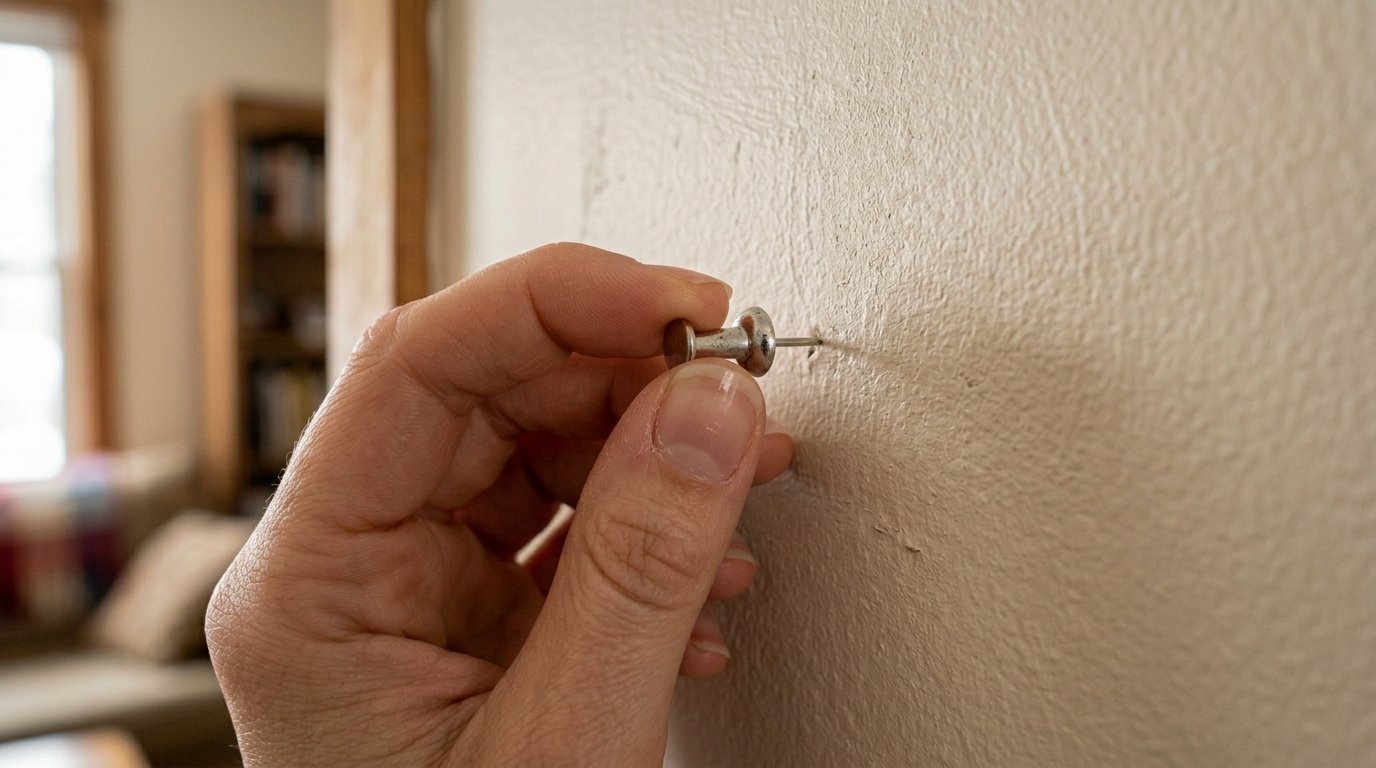
The Simple Pushpin Test
This test takes five seconds and costs nothing. You only need a standard metal pushpin from your desk.
- Find a hidden corner near your baseboard.
- Hold the metal pushpin between your thumb and index finger.
- Press the pin firmly straight into the paint.
- Watch how the material reacts to the metal tip.
- Drywall allows the pin to sink straight through the paper face.
- Plaster acts like concrete and bends the metal pin immediately.
The Temperature And Sound Test
Plaster holds cold air much longer than gypsum board. Place your bare hand flat against the paint. Plaster feels icy to the touch on a cold day. Drywall adapts to the room temperature quickly. Next, knock on the surface with your knuckles. Drywall produces a hollow, echoing thump. Plaster sounds completely solid, like knocking on a thick hardwood table.
Case Study: The 1920s Living Room Disaster
I styled a living room in a 1920s building last February. We tried to hang a heavy DIY wooden sign on the living room wall. We used a basic magnetic tool to find a stud. The tool beeped everywhere because old lath contains hundreds of tiny metal nails. We drilled a pilot hole and the wall crumbled into white dust. We had to patch a two inch gap with setting compound. The repair cost forty dollars and took three days to cure. This taught me to always test the physical surface first.
What Are The Safest Tools For Hanging Decor On Plaster?
Plaster hates modern adhesive strips. The weight of your art pulls the top layer of paint straight off the smooth surface. You must use specific hardware designed for hard, brittle materials.
Why Standard Adhesive Hooks Fail
Command Strips work beautifully on modern gypsum board. They fail miserably on historic surfaces. Old homes often feature oil based paints or glossy enamel finishes. The adhesive pad cannot grip the oily surface properly. The hook will drop your item within twenty four hours.
The Exact Hardware You Need To Buy
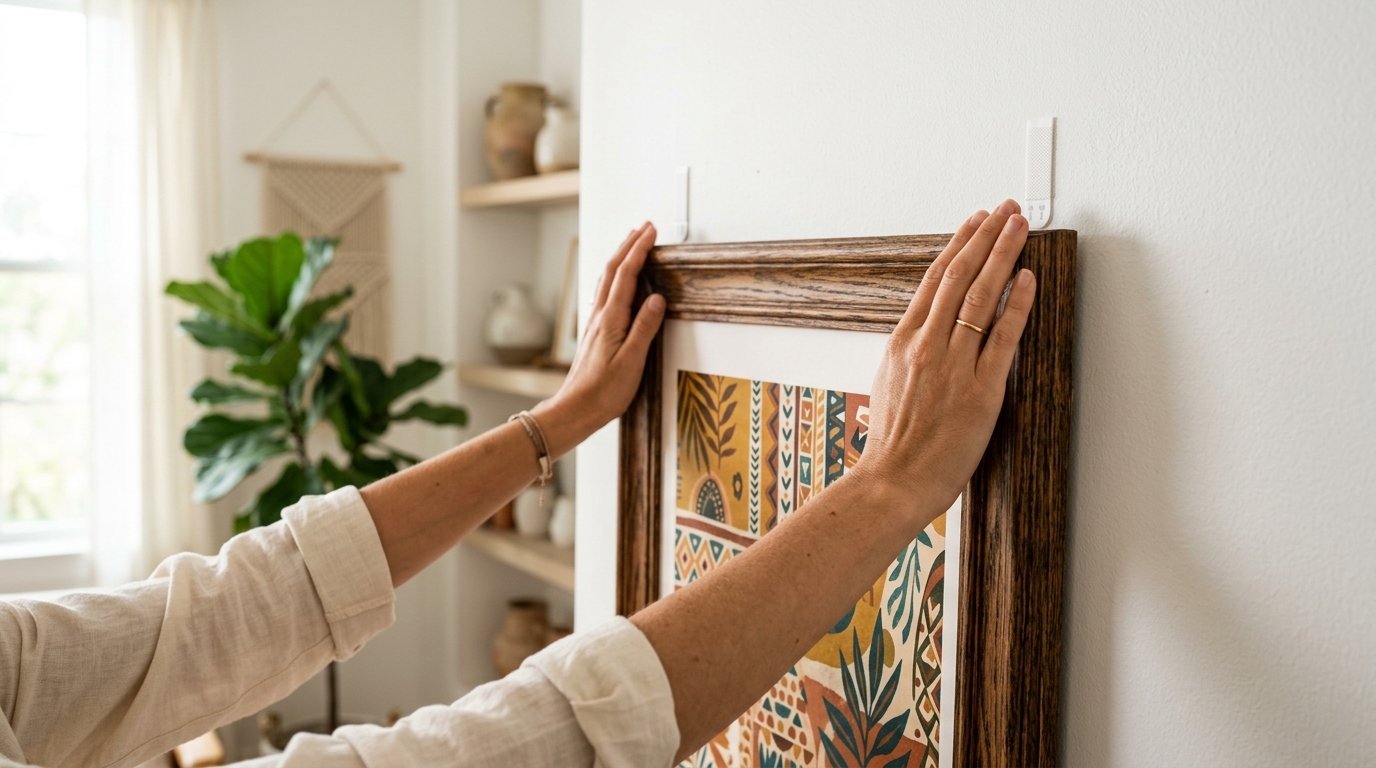
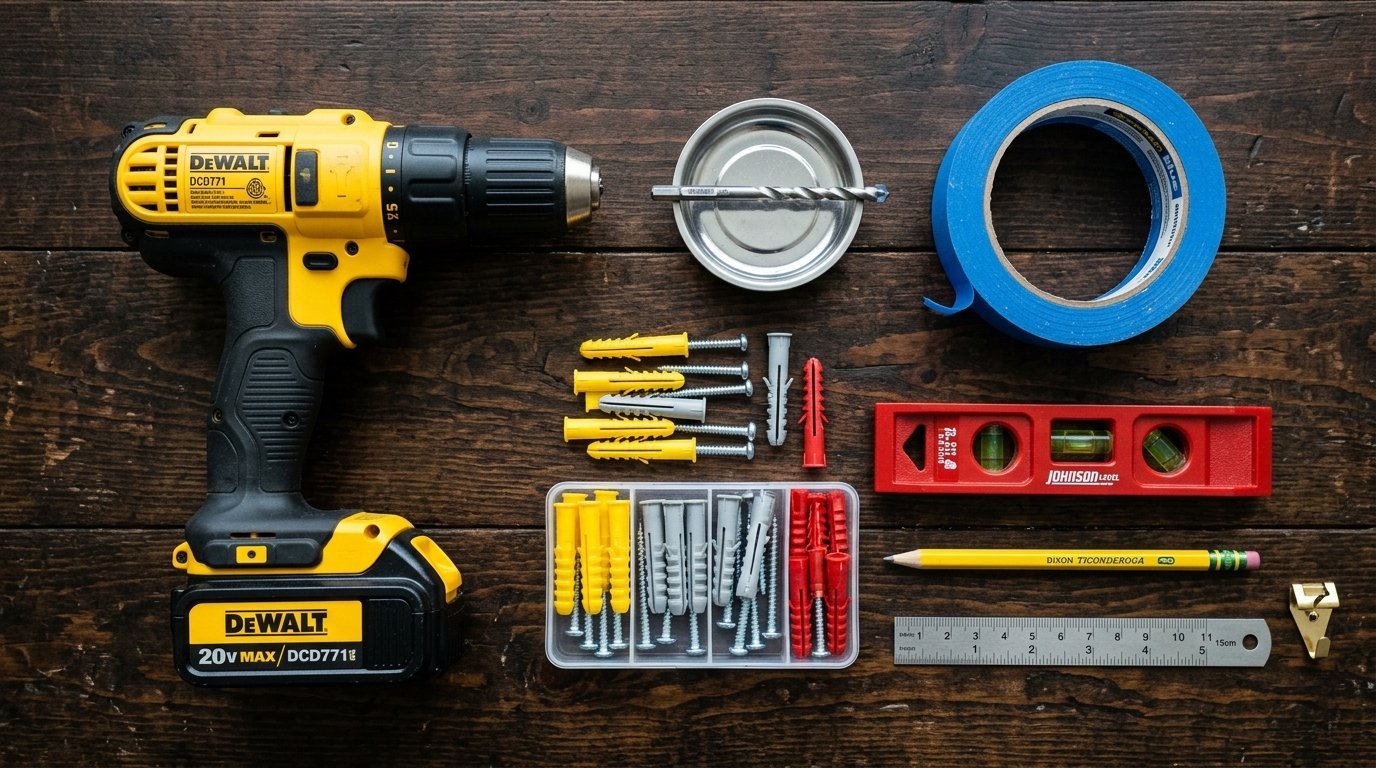
You need tools that cut through the hard crust without shattering it. I strictly use OOK Professional Picture Hangers for anything under twenty pounds. The nail goes in at a sharp angle. This angle drives the weight down into the wall instead of pulling outward.
For items over twenty pounds, you need heavy duty hardware. I use a DeWalt 20V Max Drill with a carbide tipped masonry bit.
- Place a square of blue painter tape over your exact spot.
- The tape stops the brittle crust from chipping outward.
- Drill slowly through the tape using the masonry bit.
- Tap a plastic ribbed anchor into the fresh hole.
- Drive your metal screw tightly into the plastic anchor.
My Experience With Heavy Wood Art
Three months ago, I threw a fresh piece of pine right into the trash. I tried to craft a farmhouse welcome sign. It weighed nearly thirty pounds. I tried to hang a second version of it on a historic wall using a standard drywall screw. The screw ripped out immediately. I switched to the tape trick with a ribbed anchor. The sign remains perfectly secure today.
How Do You Safely Mount Heavy Items On Drywall?
Drywall cannot hold heavy items on its own. The gypsum dust crumbles under sustained pressure. You must either anchor into the wooden studs or use spreading hardware that grips the back of the sheet.
Finding The Elusive Wooden Stud
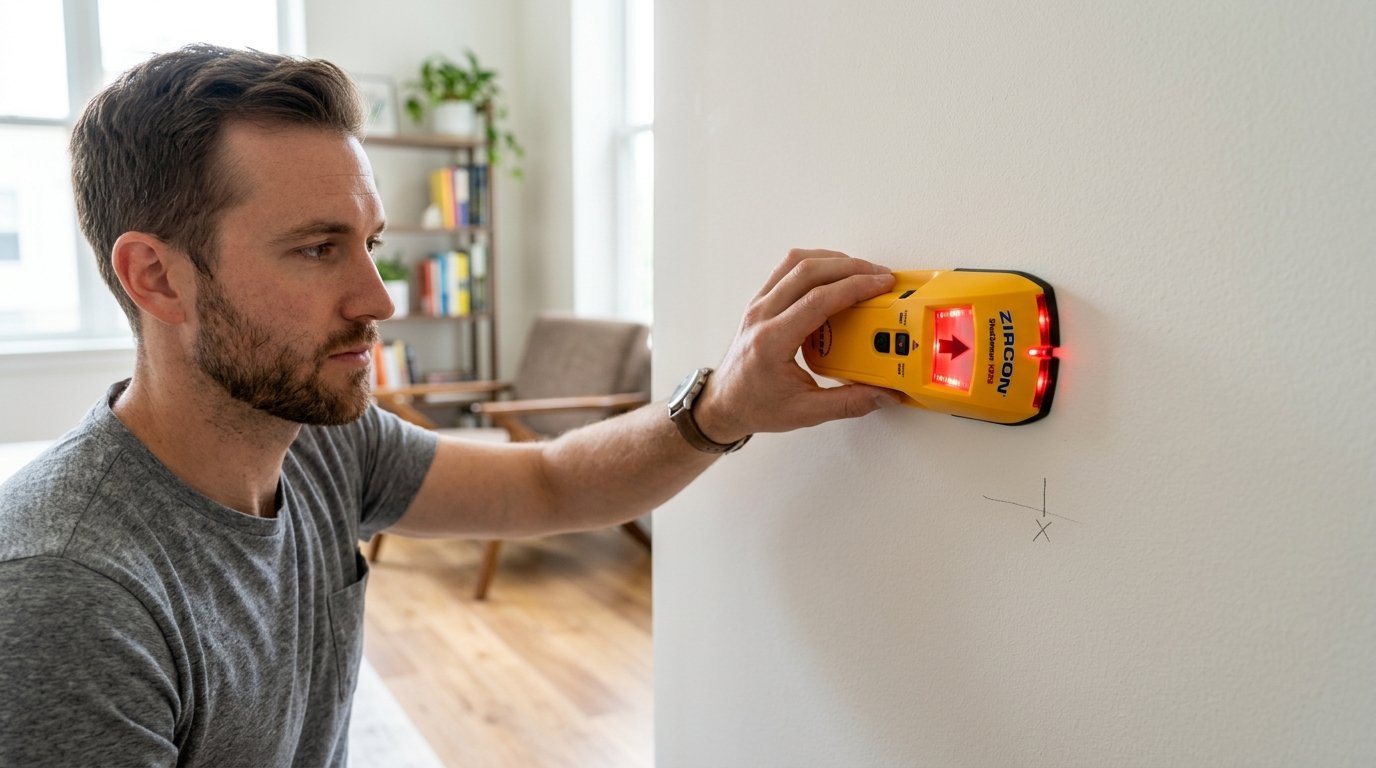
You must find the wooden frame holding the gypsum sheets together. I exclusively use the Franklin Sensors ProSensor 710. This tool features multiple LED lights that show the exact width of the wood behind the paint. It costs around fifty dollars at Home Depot as of early 2026.
- Slide the tool flat across the wall slowly.
- Watch the LED lights illuminate.
- Mark the center point with a light pencil dot.
- Drive a standard two inch wood screw directly into that mark.
The Toggle Bolt Strategy For Empty Spaces
Sometimes your ideal layout places your mirror right between two studs. You cannot move the mirror, so you must use a toggle bolt. I prefer Snug Fastener Toggle Bolts for heavy items. These metal bolts feature spring loaded wings.
- Drill a half inch hole through the gypsum board.
- Pinch the metal wings flat against the screw.
- Push the wings completely through the hole.
- Listen for the sharp click as the wings snap open inside the wall.
- Tighten the screw until the wings bite hard against the back paper.
Case Study: The Heavy Gold Mirror
My own bedroom features standard half inch gypsum board. I noticed this issue with a gold frame in my Classy Bedroom last summer. Every time I wiped the glass water gathered at the absolute bottom curve. I needed to move the mirror higher up the wall to keep it dry. I missed the wooden stud by two inches. I pivoted and used a metal toggle bolt instead. The bolt securely holds the forty pound mirror exactly where I want it.
What Are The Best Ways To Decorate A Brick Texture Wall?
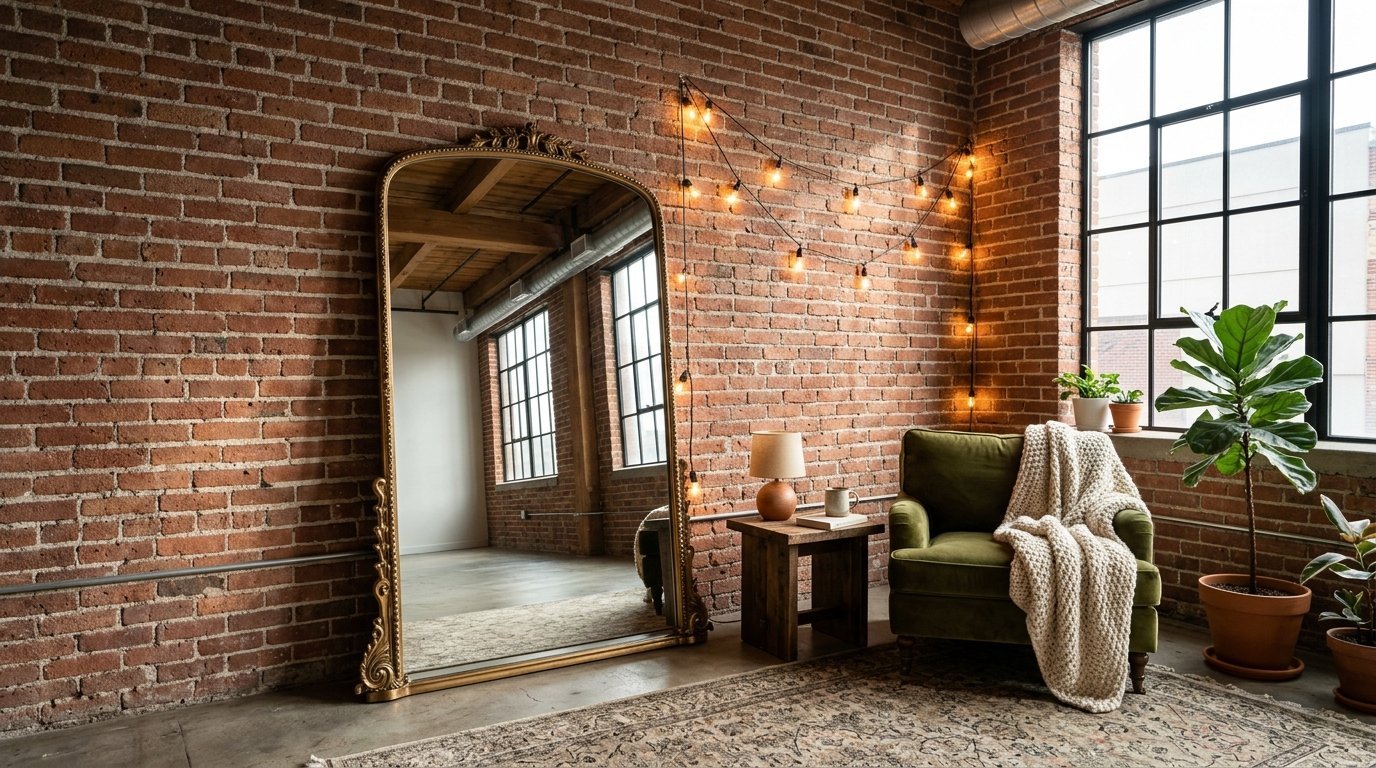
Exposed masonry gives your home instant character. It also creates massive headaches for hanging art. Your landlord will definitely charge you if you drill holes directly into the fired clay blocks.
Drilling Into Mortar Versus Clay
You must never drill into the red face of a fired block. The clay will shatter and leave permanent damage. You must target the soft gray mortar lines between the blocks. Use a small carbide bit and drill directly into the horizontal gray line. You can easily patch a small hole in the mortar with gray putty before you move out.
Non Damage Hanging Alternatives
You do not have to drill holes at all. I use heavy duty brick clips for most of my masonry styling. These metal clips feature spring loaded teeth. The teeth bite onto the top and bottom edges of a single block. A single clip holds up to twenty five pounds. They cost fifteen dollars for a pack of six on Amazon.
Managing The Constant Dust
A raw brick texture sheds red dust constantly. The dust falls onto your baseboards and furniture. You must seal the surface to stop the shedding.
- Buy a gallon of clear interior masonry sealer.
- Use a thick nap paint roller.
- Roll the clear liquid generously over the entire surface.
- Let it cure for twenty four hours.
- The sealer stops the dust and makes the surface easy to clean.
How Does Wall Material Affect Your Floor Plans?

Your physical walls dictate how you live in your space. Different materials handle sound, heat, and weight very differently. You must adjust your furniture layout based on your specific apartment wall surfaces.
Soundproofing And Privacy Concerns
Drywall acts like a giant drum. Sound vibrations pass easily right through the hollow cavity between rooms. If you share a gypsum wall with a noisy neighbor, you must adapt. Place your heaviest furniture directly against the shared barrier. A tall bookshelf packed tightly with books absorbs massive amounts of sound. Plaster offers incredible sound blocking on its own. You rarely hear neighbors through a thick historic barrier.
Furniture Placement Strategy
Tight floor plans force you to make smart choices. You should mount your flat screen television on drywall because you can easily find the wooden studs. You should lean heavy floor mirrors against masonry instead of trying to drill into it. Put your bed against the quietest, thickest barrier in the room.
Case Study: The Chicago Loft Layout
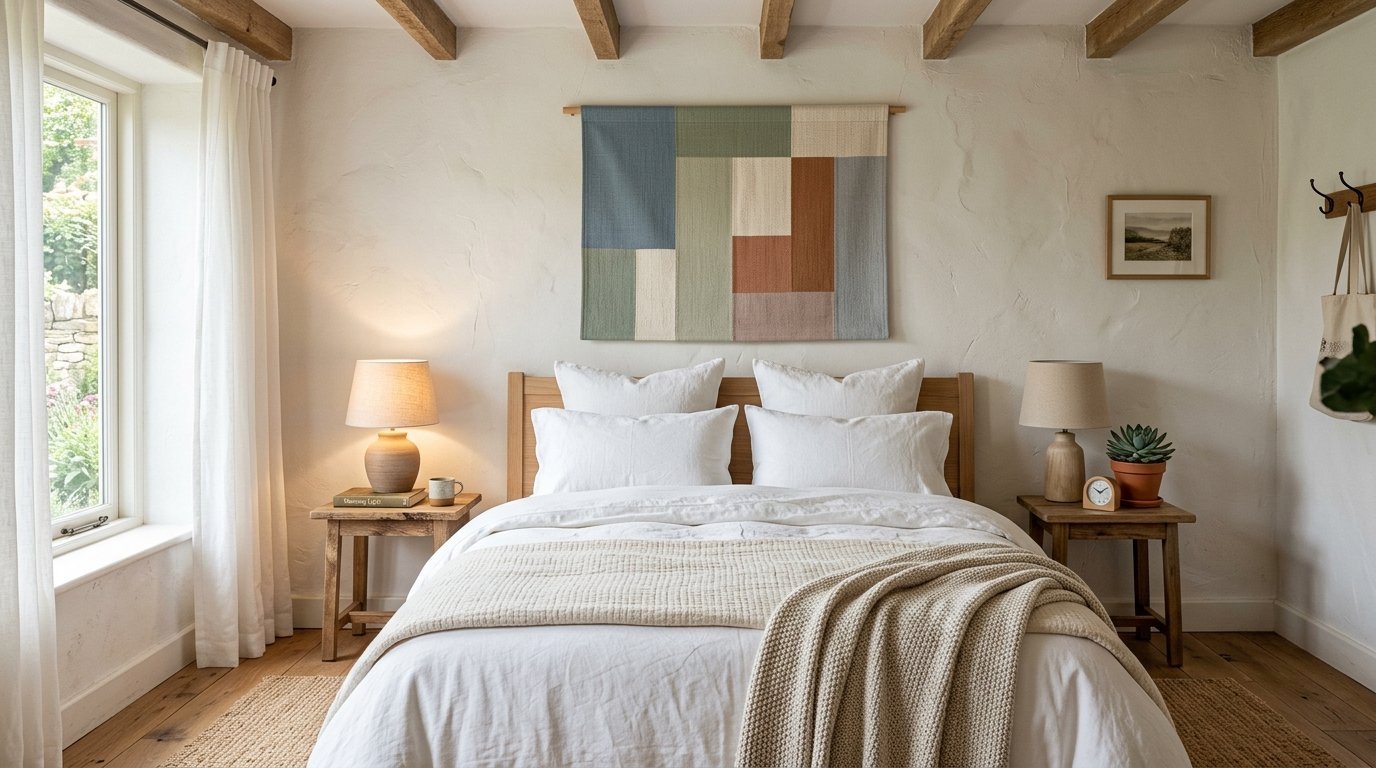
I styled an industrial loft in Chicago last January. The tenant wanted to create a quiet sleeping area. The raw masonry absorbed all the natural light and echoed terribly. We placed a massive padded headboard against the masonry. The thick fabric absorbed the harsh echoes. We used metal clips to hang soft tapestries around the room. The soft goods transformed the cold room into a warm, inviting space.
How Can You Mimic Hotel Wall Design In A Cozy House?
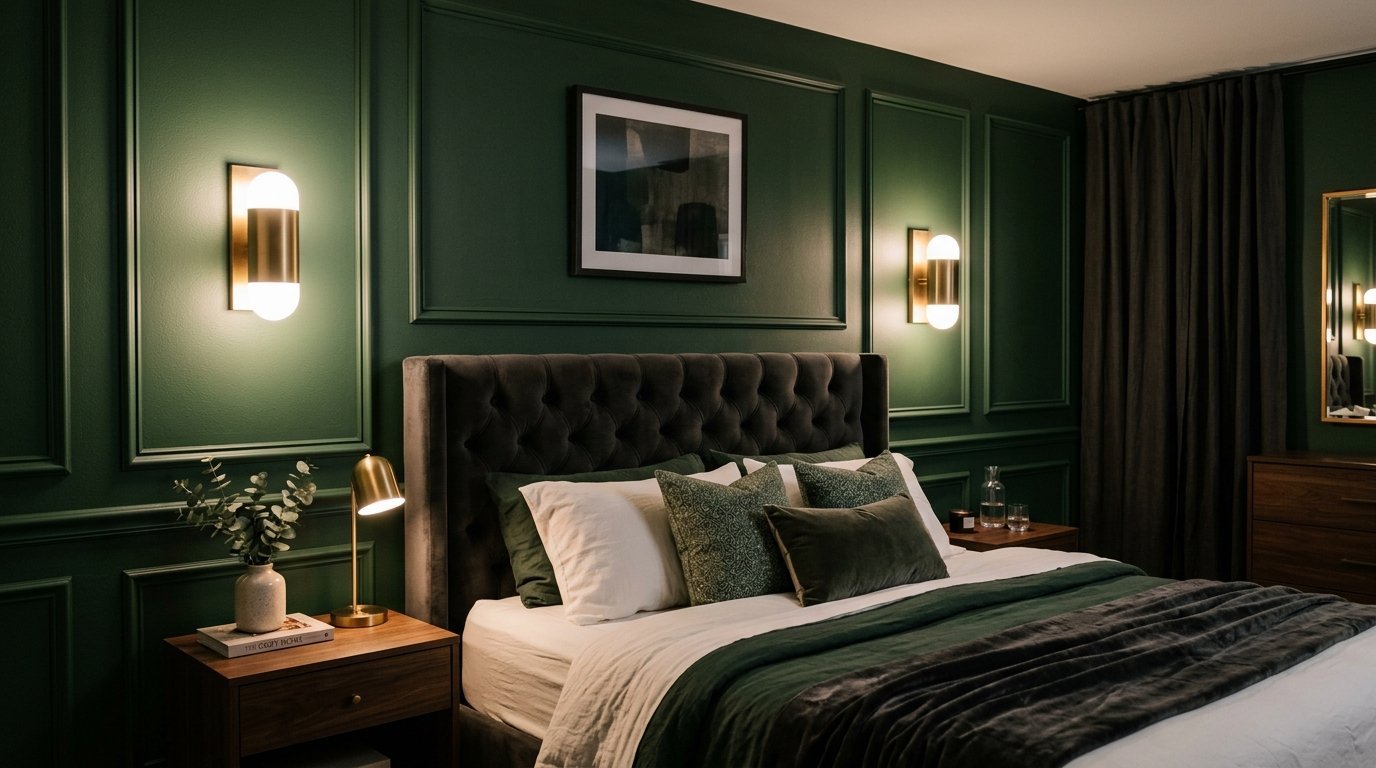
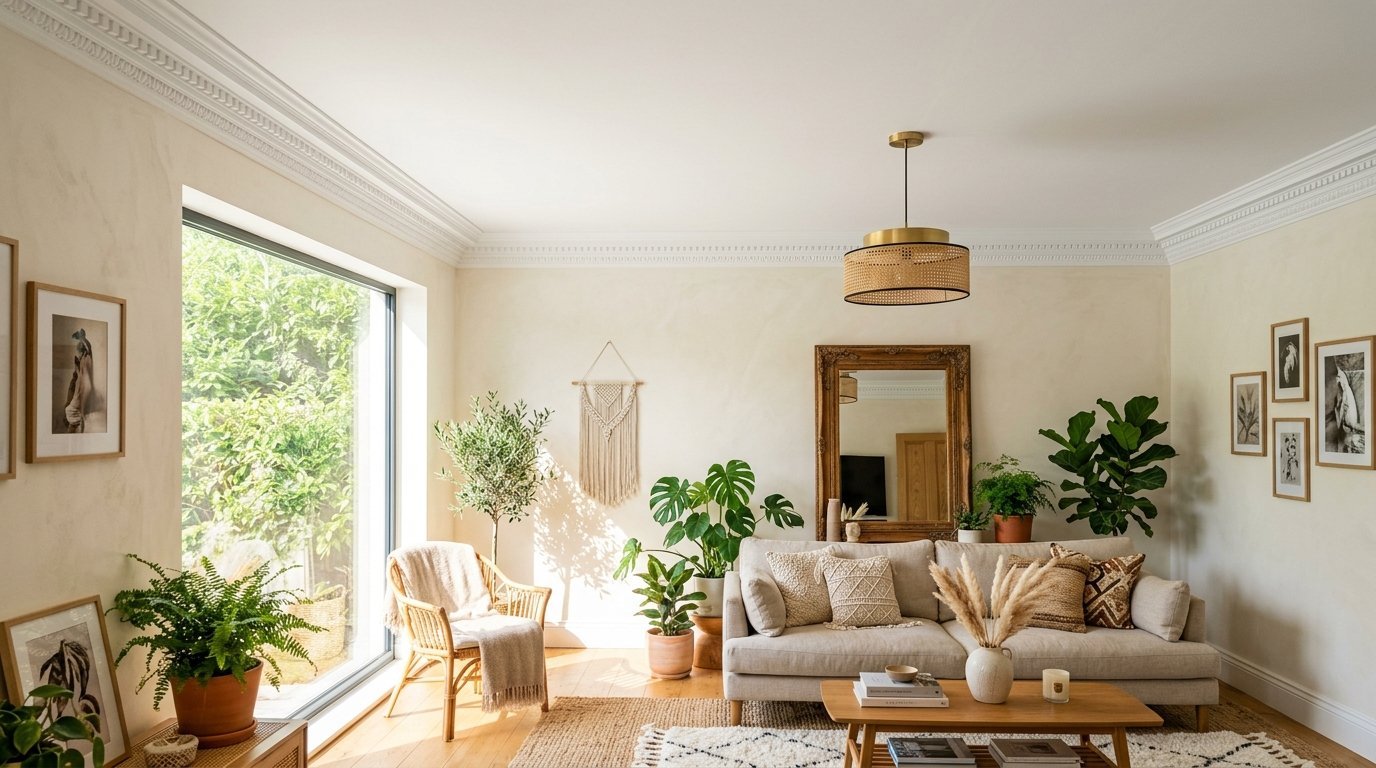
Luxury hotels use specific design tricks to make their rooms feel expensive. You can steal these exact tactics to elevate your standard apartment. You do not need a massive budget to create high end wall design.
Layering Lighting And Mirrors
Hotels never rely on a single overhead light. They wash their walls with warm, layered light. You can achieve this by mounting plug in wall sconces. Use adhesive wire covers to hide the dangling cords. Place large mirrors directly across from your windows to double the natural light.
Preparing Mirrors For The Perfect Look
Hotel mirrors always look pristine. I prepare a mirror background for a mirror selfie using a strict routine. Tap water leaves harsh calcium spots on the glass. I only use distilled water and high purity isopropyl alcohol.
- Mix equal parts distilled water and isopropyl alcohol in a spray bottle.
- Spray the mist directly onto a Norwex microfiber cloth.
- Wipe the glass in tight, overlapping ‘S’ patterns.
- Use a dry 3M glass cloth to buff away any remaining streaks.
- This routine guarantees a flawless reflection every single time.
Adding Temporary Architectural Details
Standard apartments lack architectural character. You can add temporary picture molding to mimic an expensive suite. Buy lightweight polyurethane trim pieces from the hardware store. Paint them to match your exact wall color. Stick them to your paint using double sided Gorilla tape. Peel them off carefully on moving day.
How Do You Repair Small Holes Before Moving Out?
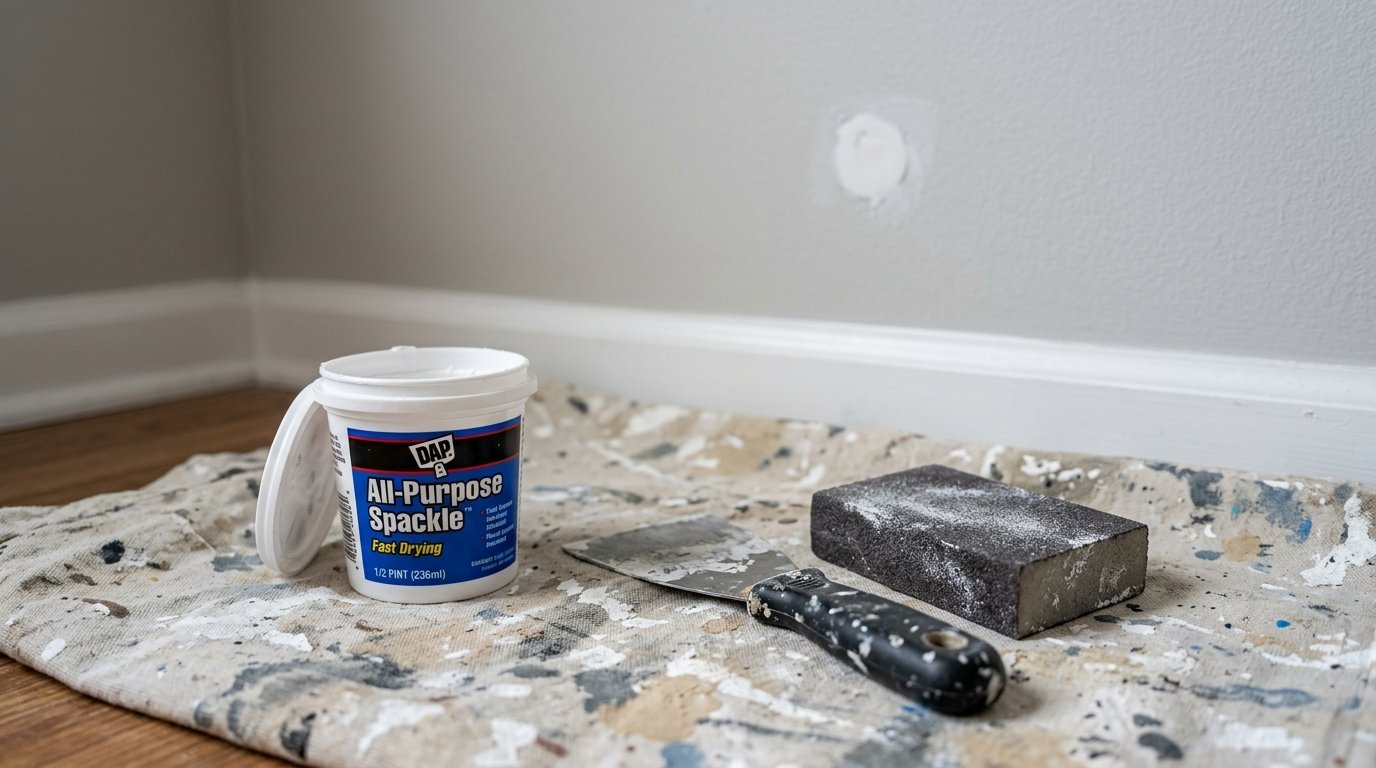
You must return your apartment to its original condition. Landlords will charge exorbitant fees for minor nail holes. You can fix these issues yourself for under twenty dollars.
The Essential Repair Kit
You need three specific items from the hardware store. Buy a small tub of DAP Fast ‘N Final lightweight spackle. Buy a flexible plastic putty knife. Buy a fine grit sanding sponge. This entire kit costs about fifteen dollars as of mid 2026.
Step By Step Repair Routine
You can fix a standard nail hole in five minutes.
- Scoop a tiny amount of spackle onto the edge of your putty knife.
- Press the paste firmly into the empty hole.
- Scrape the knife flat across the surface to remove excess paste.
- Wait thirty minutes for the paste to turn completely white.
- Rub the sanding sponge gently over the spot in a circular motion.
- Stop sanding when the spot feels completely smooth to the touch.
Matching The Exact Paint Color
Spackle leaves a bright white spot on your paint. You must touch up the color or your landlord will notice. Cut a tiny one inch square of paint from a hidden area behind a door. Take that physical square to the hardware store. Their computer will match the exact color and sheen perfectly. Buy a tiny sample jar for six dollars and dab it over your repairs.
What Are The Best Cleaning Routines For Wall Mirrors?
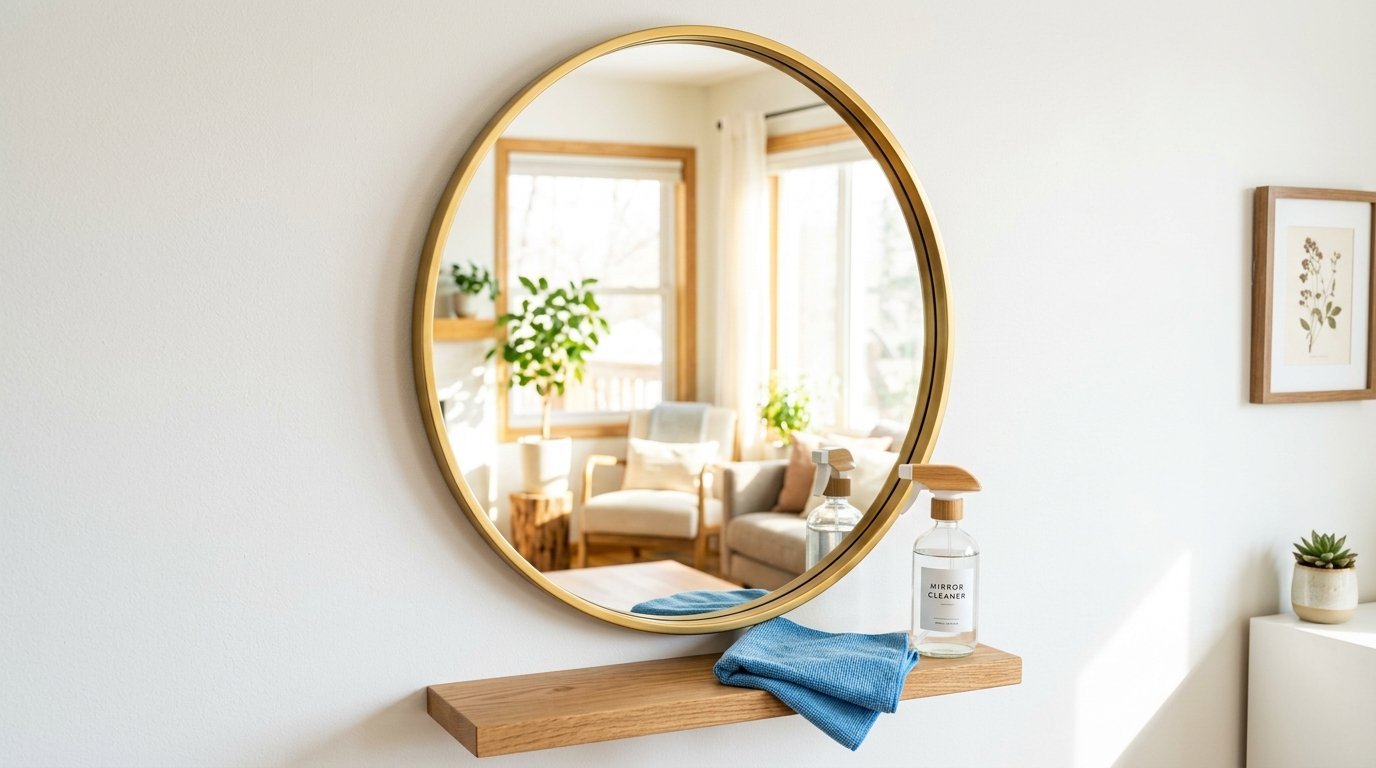
Mirrors act as the focal point of your wall design. A dirty mirror ruins the entire aesthetic of your room. You must protect your expensive glass from moisture damage and harsh chemicals.
Preventing Black Edge Damage
Moisture destroys mirror backing over time. I saw this destroy a beautiful piece in my hallway three years ago. The damp air got behind the frame and caused black spots. You must keep your bathroom and hallway mirrors completely dry at the edges. Never spray liquid directly onto the glass. The liquid runs down behind the frame and eats away the silver coating. Always spray your cloth instead.
Removing Stubborn Hairspray And Dust
Bathrooms accumulate hairspray and sticky dust fast. Regular glass cleaners just smear this sticky mess around. You need high purity isopropyl alcohol to cut through the grime.
- Wipe the dry glass first with a microfiber cloth to remove loose dust.
- Dab pure alcohol onto a cotton pad.
- Rub the pad directly over sticky hairspray spots until they dissolve.
- Follow up with your standard distilled water mixture.
- Buff the glass with a dry Norwex cloth for a brilliant shine.
Frequently Asked Questions About Apartment Wall Surfaces
Search engines show renters ask the same specific questions every day. I gathered the most common struggles renters face. Here are the exact answers you need to style your space safely.
What is the cheapest way to cover ugly apartment paint?
Peel and stick wallpaper offers the lowest cost per square foot for renters. You spend roughly one dollar per square foot as of early 2026. You just peel the backing off and stick the paper flat against the paint. It peels off instantly without leaving sticky residue when your lease ends.
Can I use adhesive hooks on a brick texture wall?
No. The rough surface traps air behind the sticky adhesive pad. The pad loses its grip almost instantly. The hook will drop your item within twenty four hours and shatter your art. You must use metal spring clips that bite the mortar edges instead of adhesive.
How much weight can drywall hold without hitting a stud?
A standard piece of gypsum board can hold about ten to fifteen pounds with basic plastic anchors. If you use a heavy duty metal toggle bolt, it can hold up to fifty pounds safely. You must always use a toggle bolt for anything heavy when you cannot find a stud.
Why do my command hooks keep falling off old walls?
Old plaster walls often feature multiple layers of glossy oil based paint. Modern adhesive pads cannot stick to oily, glossy surfaces. The weight of your art pulls the hook right off the slippery paint. You must use small metal OOK hooks with angled nails instead.
What happens if I drill into a hidden water pipe?
Drilling into a pipe causes immediate, catastrophic flooding inside your walls. Your landlord will hold you fully responsible for thousands of dollars in water damage. You must use a high quality electronic stud finder that detects live wires and metal pipes before you ever pick up a drill.
Do magnetic stud finders work on old historic walls?
Magnetic stud finders fail completely on historic plaster. These walls contain thousands of tiny metal nails holding the wooden lath strips in place. Your magnetic tool will beep wildly across the entire surface. You must tap the wall and listen for solid sounds to find the supporting beams instead.
How do I fix a massive hole before I move out?
You cannot fix a large hole with basic spackle paste. You must buy an aluminum wall repair patch from the hardware store. You stick the metal mesh over the hole, spread joint compound over the mesh, and sand it flat. It takes two days and costs about twenty dollars.
Can I paint over a raw brick surface in my rental?
You must never paint raw masonry without written permission from your landlord. Paint permanently alters the fired clay blocks and cannot be easily removed. Your landlord will keep your entire security deposit to pay for professional sandblasting if you paint the masonry without permission.
How do you hang heavy curtains without drilling big holes?
You can use heavy duty tension rods to hang window treatments. You twist the rod until it presses hard against the inside frame of your window. The tension holds the curtains up securely without requiring a single drill hole or nail. This leaves your window frames completely damage free.
What is the best tape for temporary paper wall art?
Standard tape rips paint off easily. You should use special blue painter tape rolled into sticky loops. Put the loops on the back of your paper art. The blue tape holds the paper securely but releases from the wall safely when you pull it down.
Why does my hallway mirror get black spots on the edges?
Black spots appear when moisture seeps behind the glass and eats the silver backing. This happens constantly in damp bathrooms or humid hallways. You must wipe down the edges of your mirrors immediately after taking a hot shower to prevent this permanent damage.
How do you clean dusty brick safely indoors?
You cannot use a wet mop on indoor masonry. The water turns the dust into red mud that stains your baseboards. You must use a vacuum with a soft brush attachment. Run the brush gently over the surface to suck away the loose dust safely.
Can you hang a flat screen television on old plaster?
You can mount a television safely, but you must find the solid wooden beams behind the lath. You absolutely cannot rely on standard anchors or toggle bolts for a television on this material. You must drill long lag screws directly into the deep wooden supports.
What tools do I need for a basic gallery layout?
You only need a few cheap items to start. Buy a measuring tape, a tiny torpedo level, a pencil, and a box of assorted OOK picture hangers. You should also buy a roll of kraft paper. Cut the paper to match your frames and tape them to the wall to test your layout first.
How do you find wooden studs without an electronic tool?
Look closely at your baseboards. Builders usually nail the baseboards directly into the hidden wooden studs. Look for tiny, painted over indentations near the floor. Those indentations mark the nails. A stud sits exactly behind that mark. Measure sixteen inches from that spot to find the next one.
Final Thoughts On Mastering Your Apartment Walls
You now possess the exact knowledge to conquer any surface in your rental. You know how to test your paint with a simple pushpin. You know exactly why you must avoid adhesive strips on historic lath. You hold the specific steps to safely anchor heavy mirrors on modern gypsum board. You can confidently style a raw masonry loft using non damaging clips.

Anya Castellan is the Founder and Editor-in-Chief of Home Wall Trends. An art history graduate of the Rhode Island School of Design with twelve years of experience writing for leading American design publications, she specializes in composition, gallery wall theory, and the quiet architecture of domestic space. A former contributing editor at Architectural Digest and guest lecturer at Parsons School of Design, Anya personally reads and signs off on every piece before it is published.