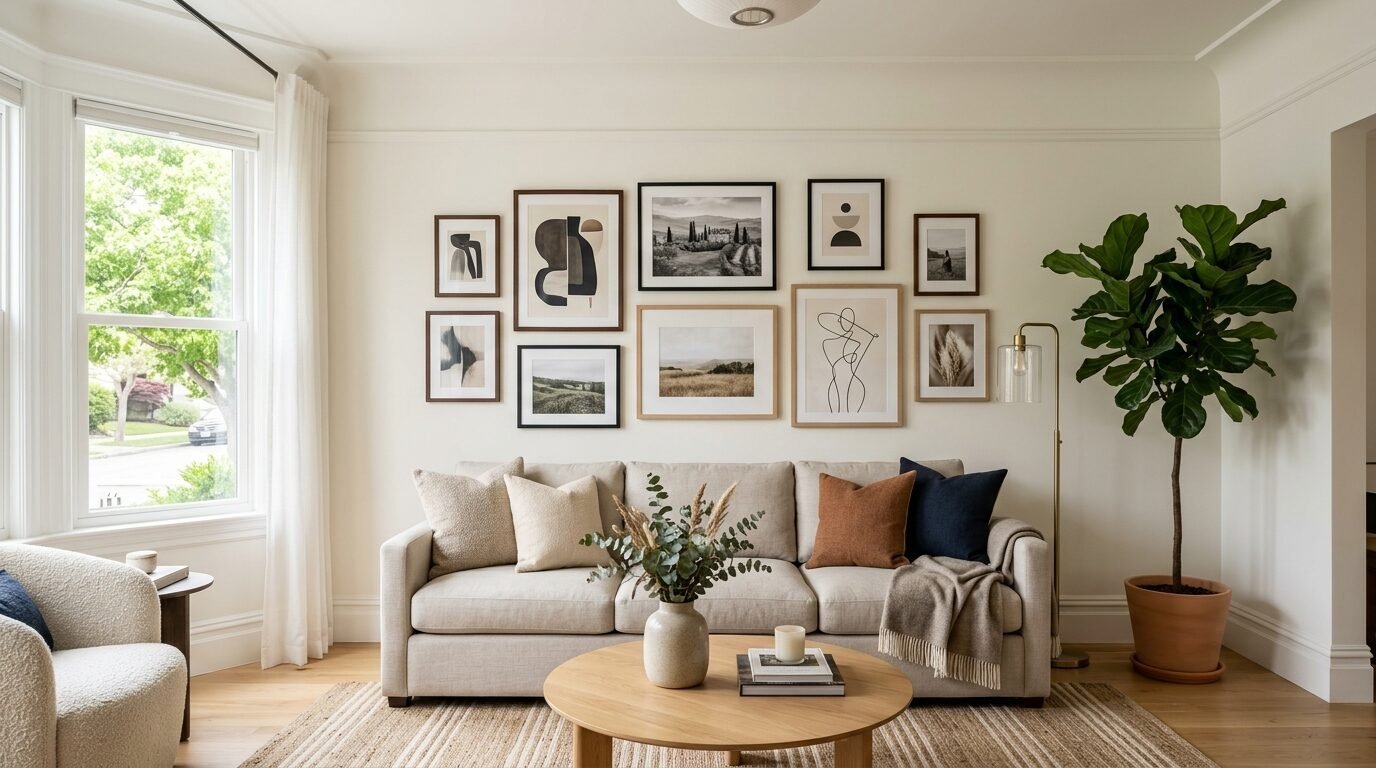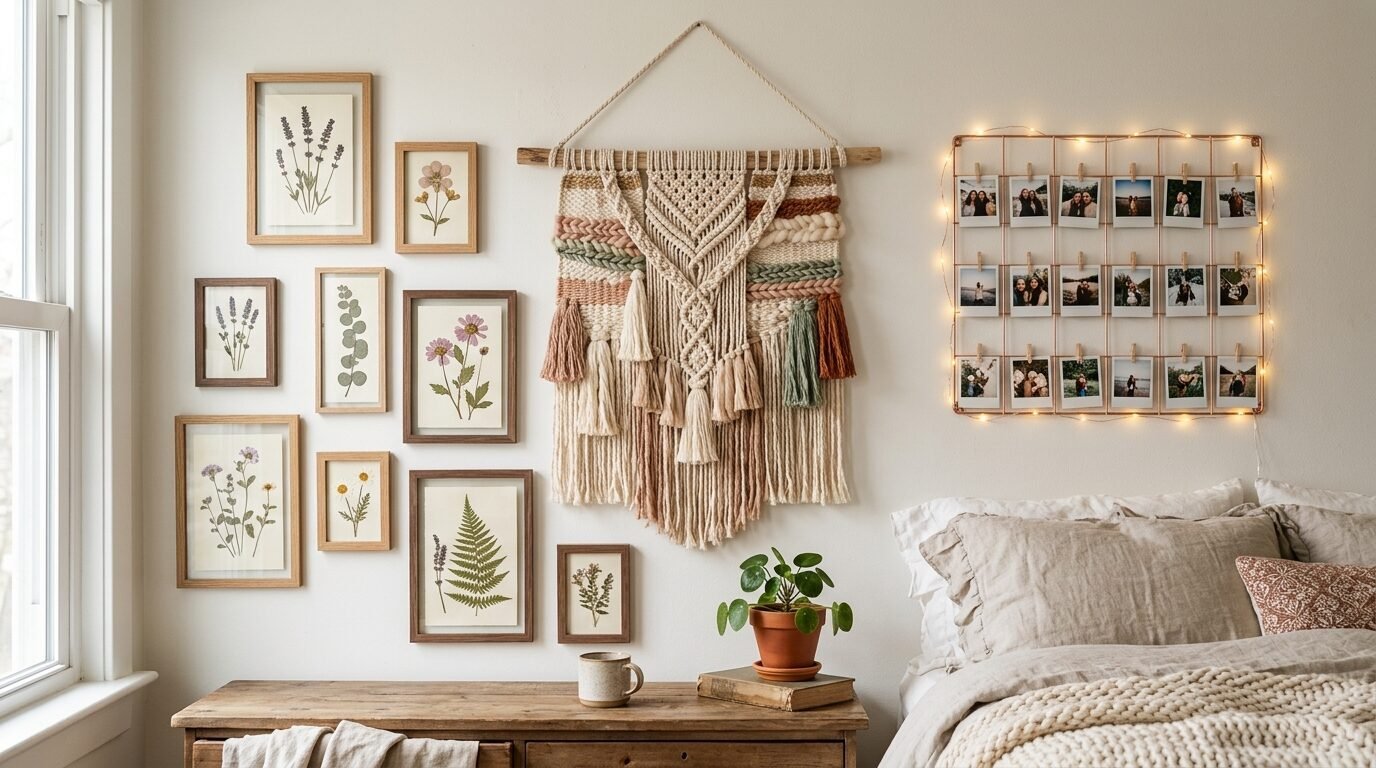
You stand in your living room and look at those big white walls. They feel cold and empty. You want a home that feels like you. But art is expensive. Professional galleries charge thousands of dollars for simple pieces. You check Pinterest and see beautiful rooms. Then you look at your bank account. It feels like a gap you cannot bridge. I felt this exact way when I moved into my first studio in 2024. I had no money and no talent. I bought a cheap pack of canvases from Michaels. I made mistakes. I spilled paint on my rug. But I found a way to make art that looks good. This article shows you how to do the same.
Summary
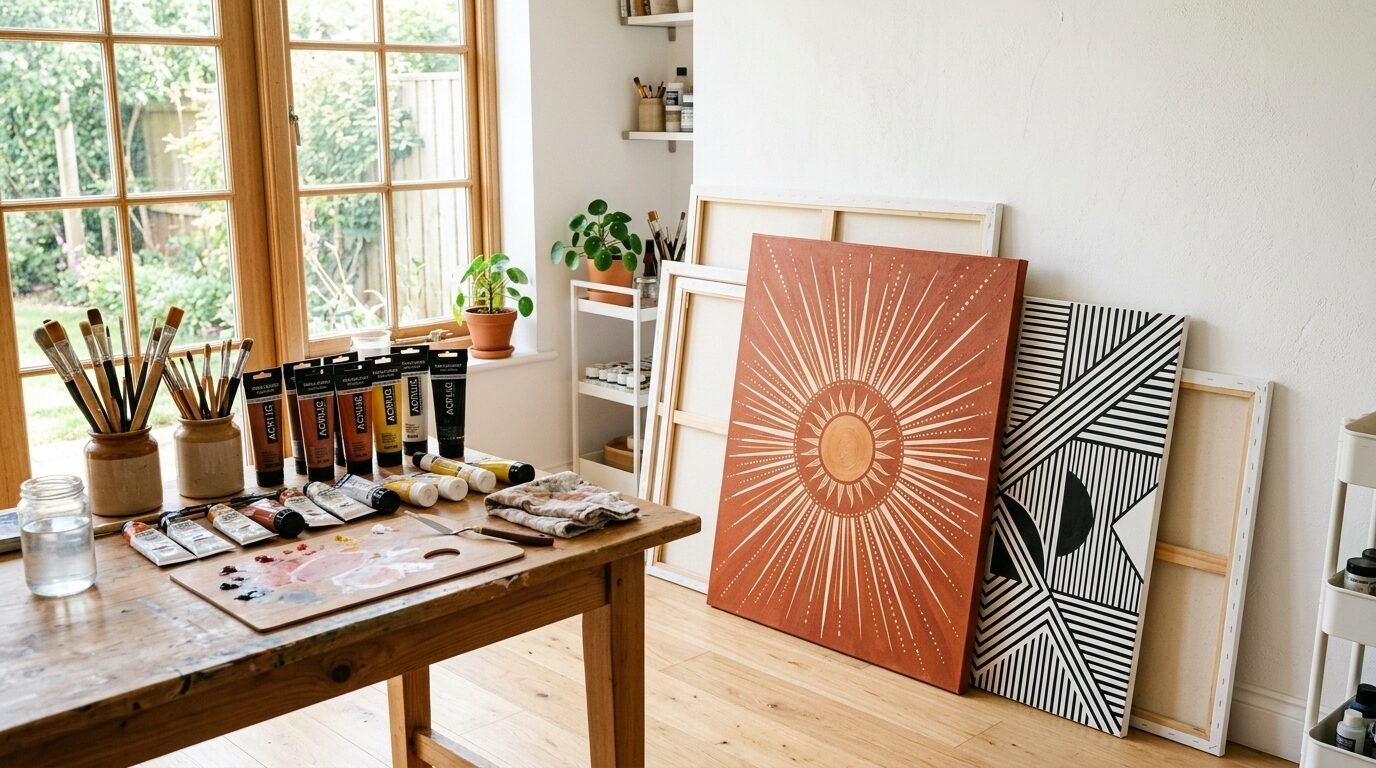
This guide shows you how to create art without being an artist. You will find 22 projects that anyone can do. I spent three weeks testing these methods in my own bedroom. I used cheap tools from Target and Michaels. You will see how to use tape and sponges to hide a lack of drawing skills. We will cover boho styles and black and white looks. I will share the exact paints I use like Golden and Liquitex. You will save money and feel proud of your walls. This is about making a space that feels warm and personal. Expect to spend about twenty dollars per project. Most of these take less than two hours to finish. You do not need a degree or a studio. You just need a floor and some old newspapers.
1. Tape Resist Geometric Patterns
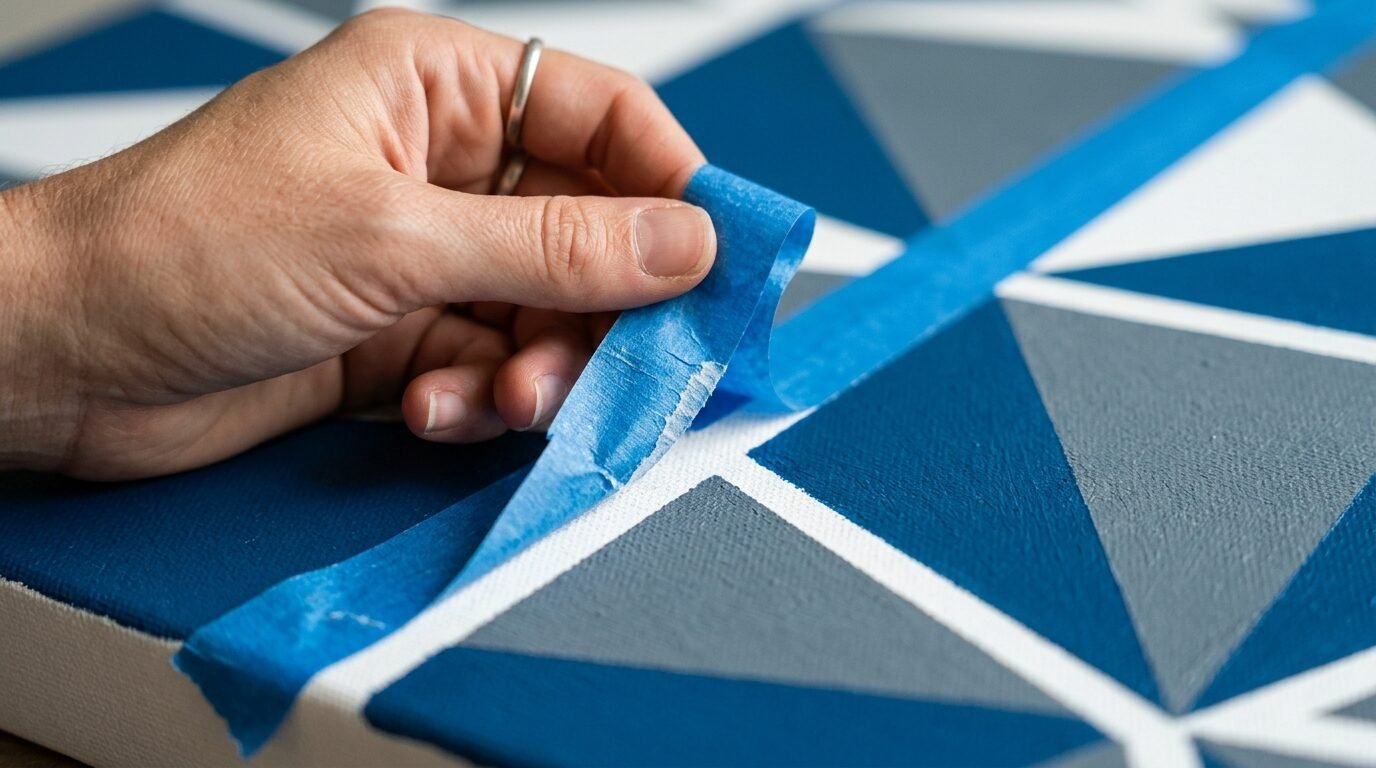
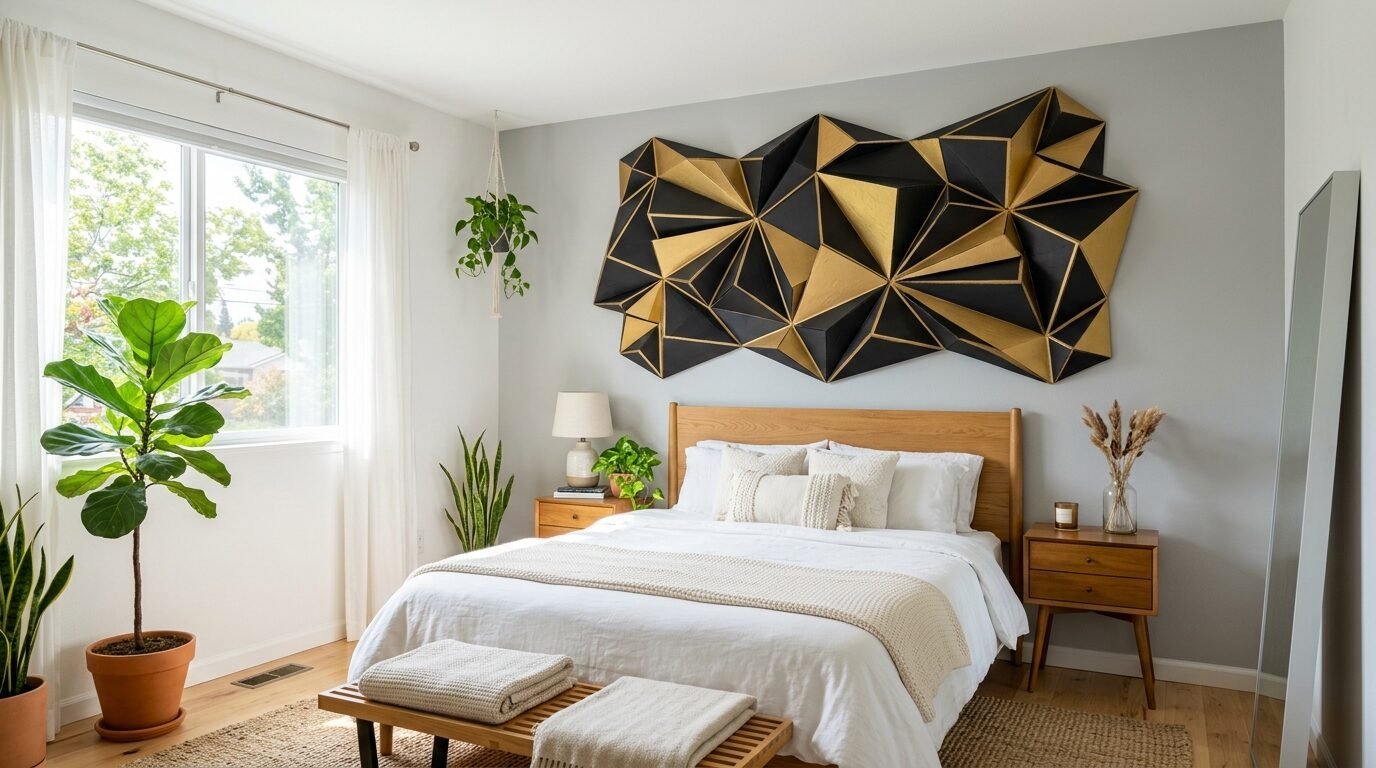
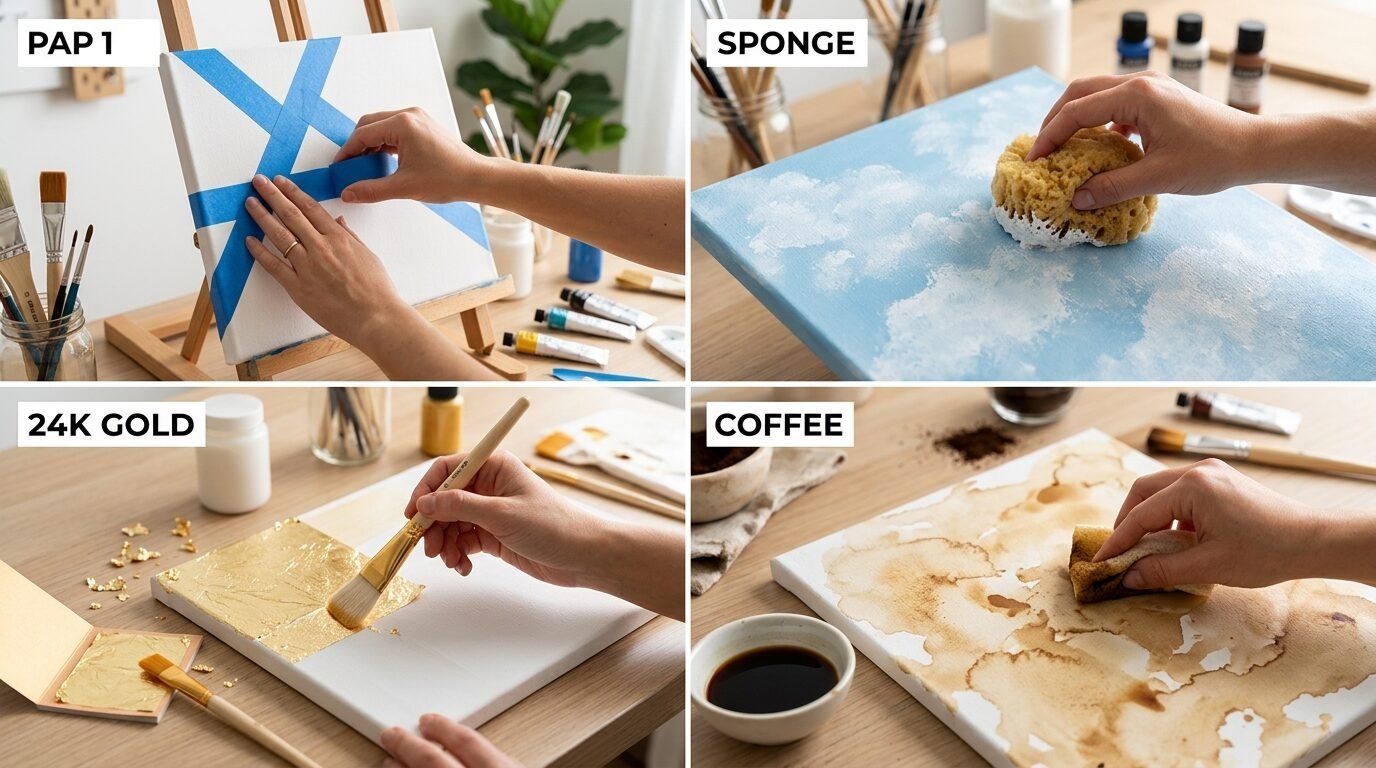
Geometric art is the easiest way to start your journey. You do not need to draw a straight line because the tape does it for you. I use Scotch Blue Painter’s Tape for every project like this. In my experience, cheap masking tape leaves sticky residue on the canvas. You start by pressing the tape down in random triangles or squares. I tried this on a large thirty inch canvas last year. I painted over the tape with three shades of blue. When I pulled the tape off, the white lines looked professional. People asked me where I bought it. It cost me twelve dollars to make. You must press the edges of the tape firmly with your fingernail. This stops the paint from leaking under the borders.
2. Boho Art Painting With Earth Tones
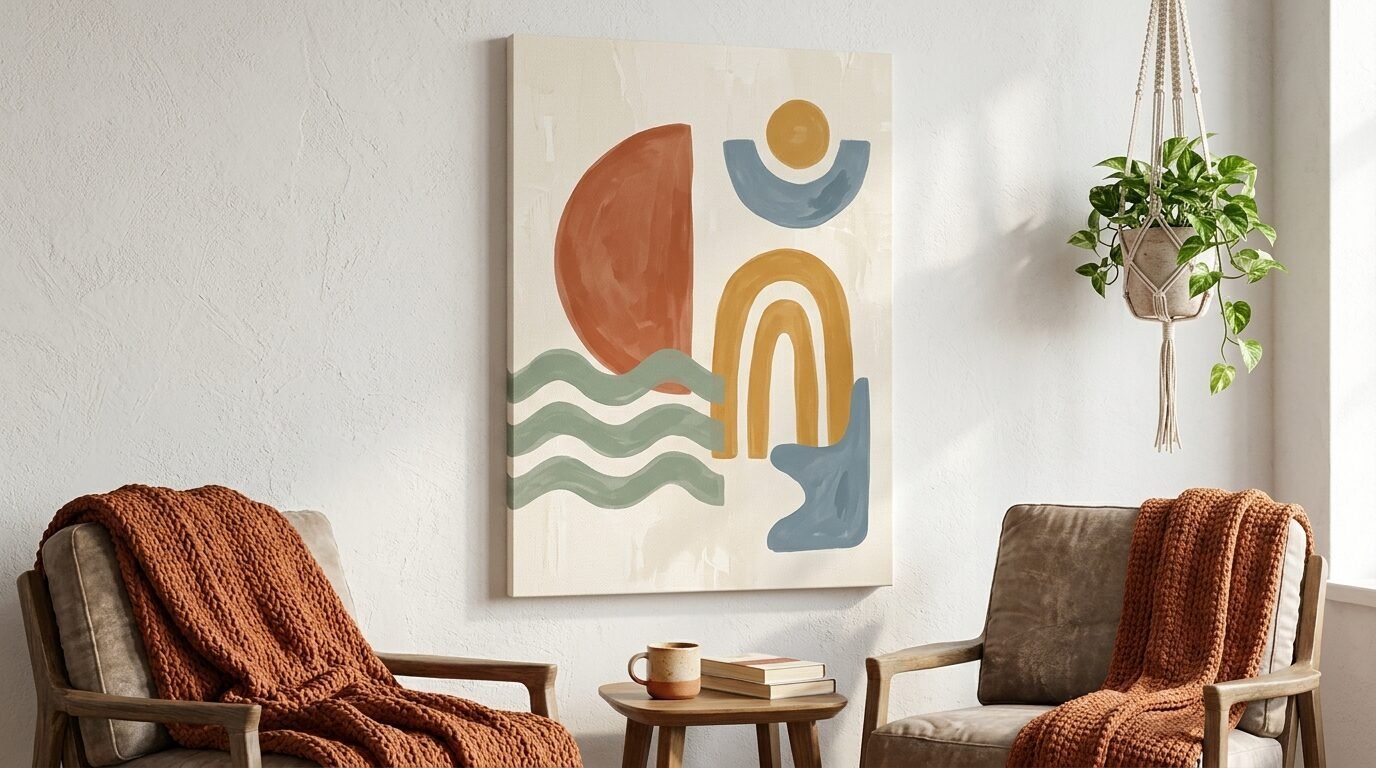
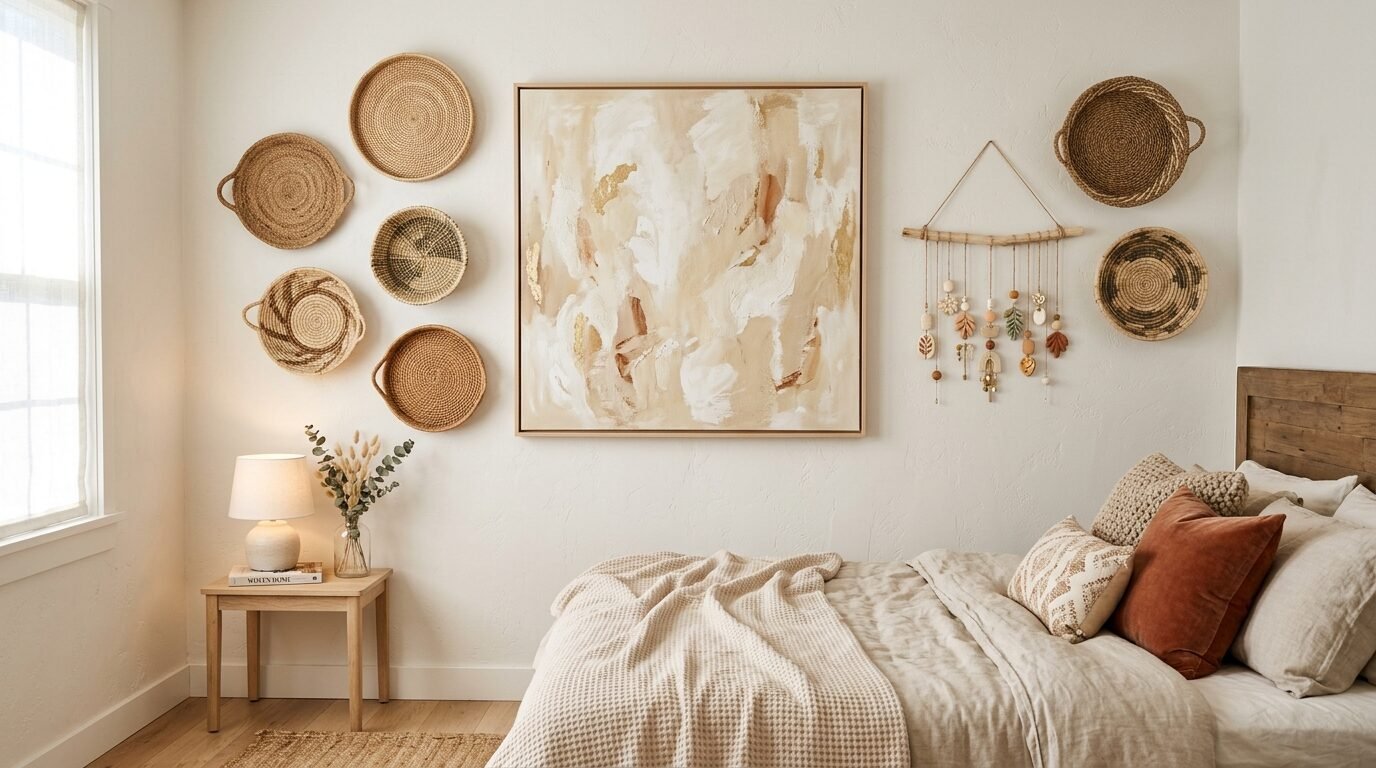
Boho art painting is very popular right now because it feels cozy. You focus on organic shapes like half moons and soft waves. Use colors like terracotta, sage green, and mustard yellow. I prefer Liquitex Basics for these colors because they are thick and creamy. I once tried to paint a sunburst in my guest room. I used a simple paper plate to trace a perfect circle. You do not need to be precise. The beauty of boho style is that it looks handmade. I saw this work well in a nursery recently. The mother used three small canvases to create a story. She painted a sun, a cloud, and a mountain. It looked like something from a high end boutique.
3. Black And White Images With Thick Strokes
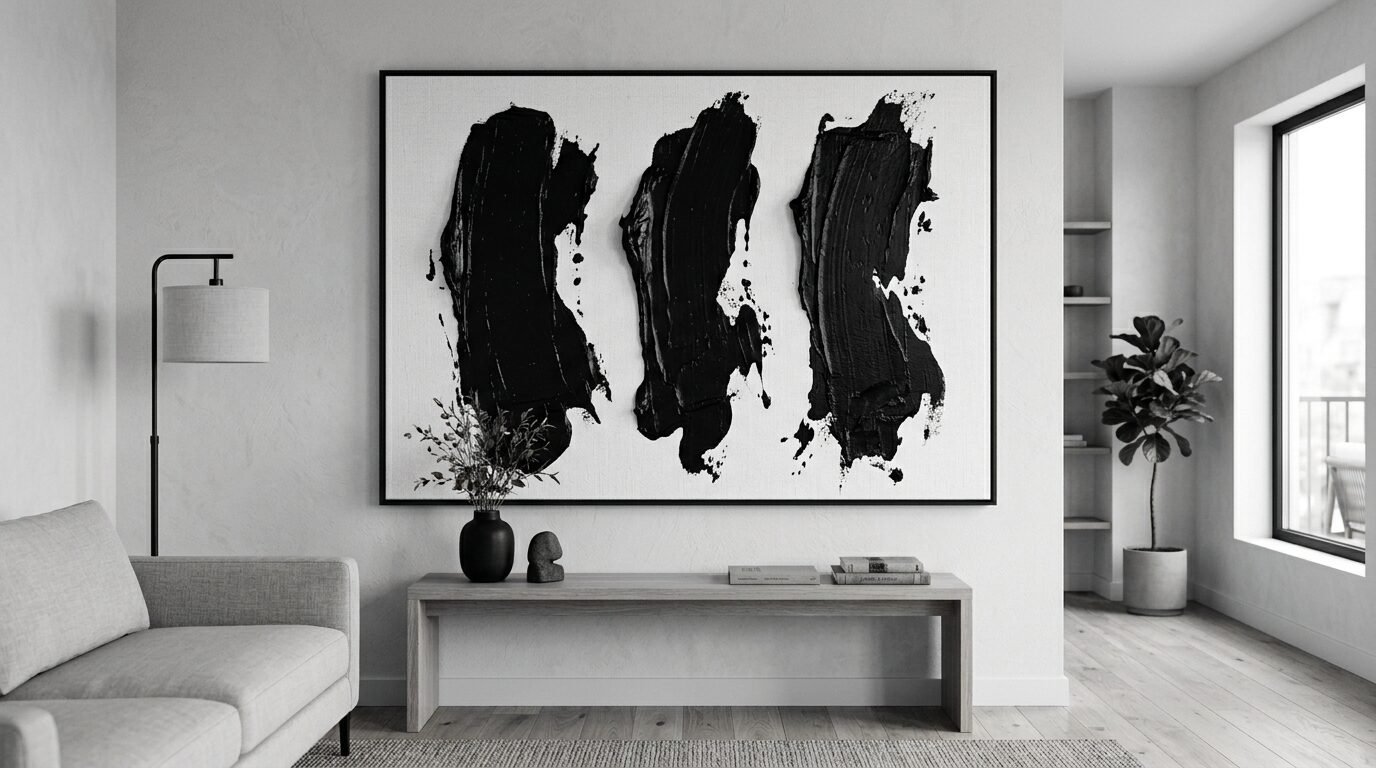
Black and white images never go out of style. They look great in modern apartments or classic homes. For this project, you only need two tubes of paint. I recommend a heavy body black acrylic. I’ve noticed that thin black paint looks grey when it dries. Use a wide flat brush to make bold vertical lines. I tried this when I was frustrated with a complex project. I just painted three thick lines on a tall canvas. It took five minutes. It became the most commented piece in my hallway. You can also use a palette knife to create texture. This adds a 3D effect that catches the light in the evening.
4. Mini Toile Patterns With Fine Liners
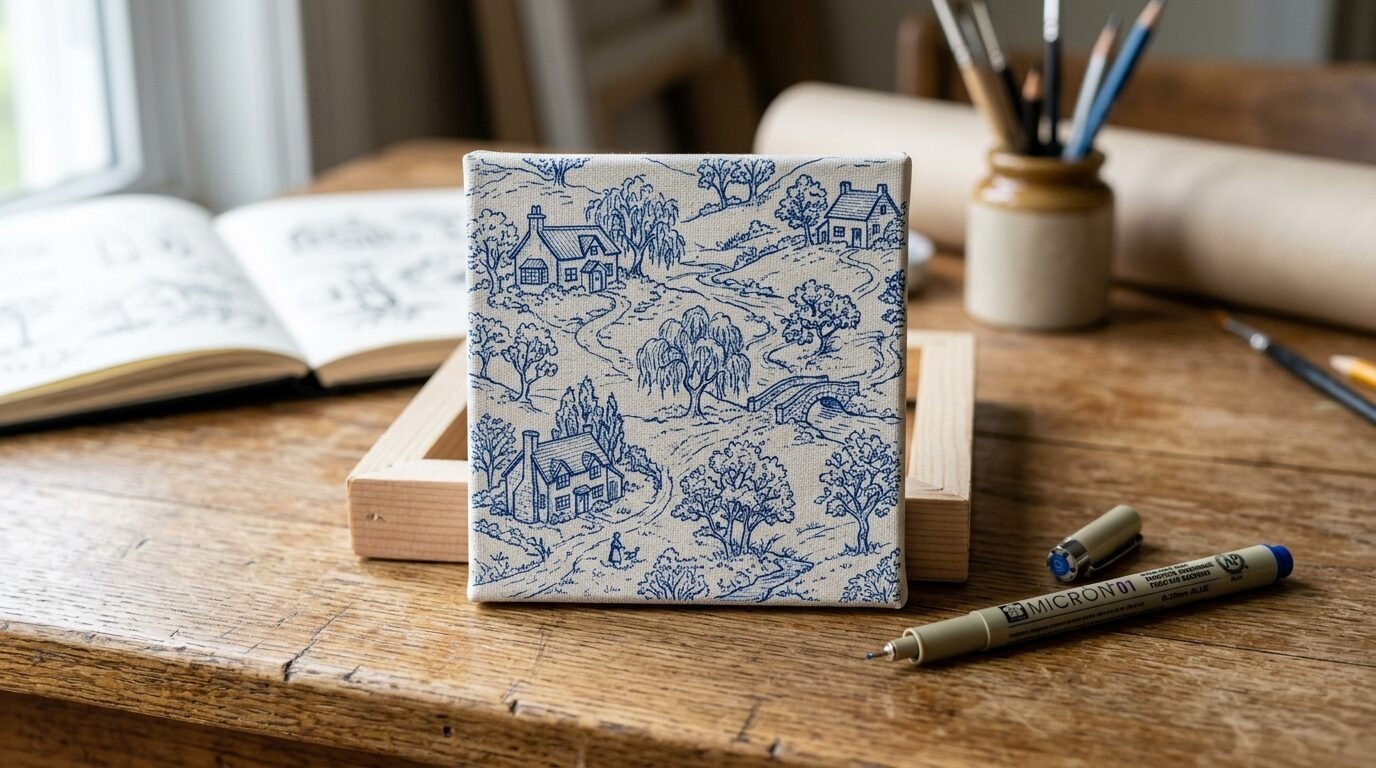
Mini toile art sounds hard but it is actually quite simple. Toile is a type of pattern that shows small scenes. You can cheat by using a fine tip Sharpie or a Posca marker. Painting tiny details with a brush is too hard for beginners. I tried making a mini toile canvas for my bathroom. I drew tiny trees and little houses in blue ink. From a distance, it looks like expensive wallpaper. Up close, you can see the hand drawn charm. Use a small six by six inch canvas for this. It keeps the project manageable. I’ve seen this work as a set of four. You hang them in a grid to fill a small wall space.
5. Diy Canvas Art Easy Spatter Method
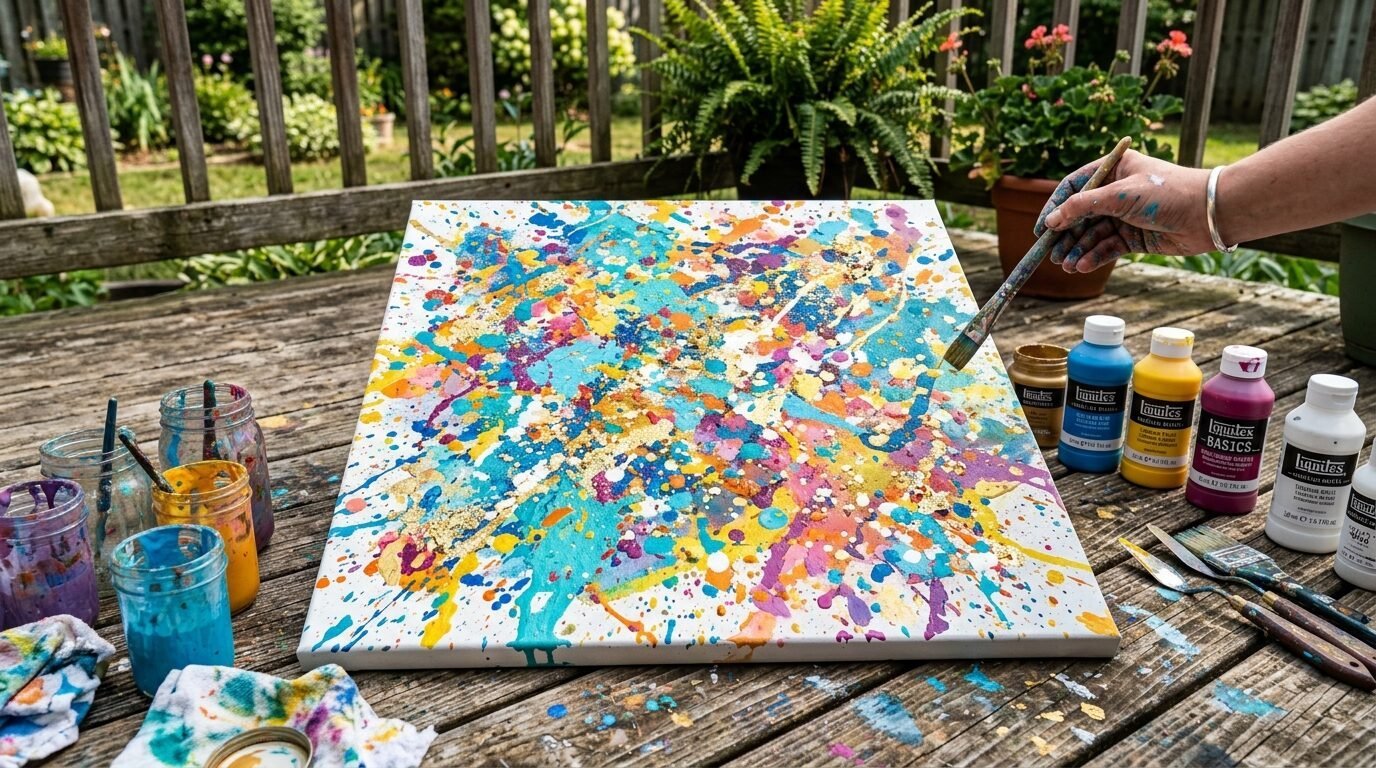
If you feel stressed, the spatter method is the best therapy. You literally throw paint at the canvas. This is how Jackson Pollock became famous. I suggest doing this outside or in a garage. I tried this in my kitchen once and I am still finding blue dots on my fridge. Use a stiff brush and water down your paint slightly. Flick your wrist to send drops flying. I love using gold paint for the final layer. It makes the mess look intentional and expensive. I use a brand called DecoArt for my gold accents. It has a high shine that does not fade over time. This project is perfect for kids too.
6. Cute Canvas Painting Ideas For Beginners With Stencils
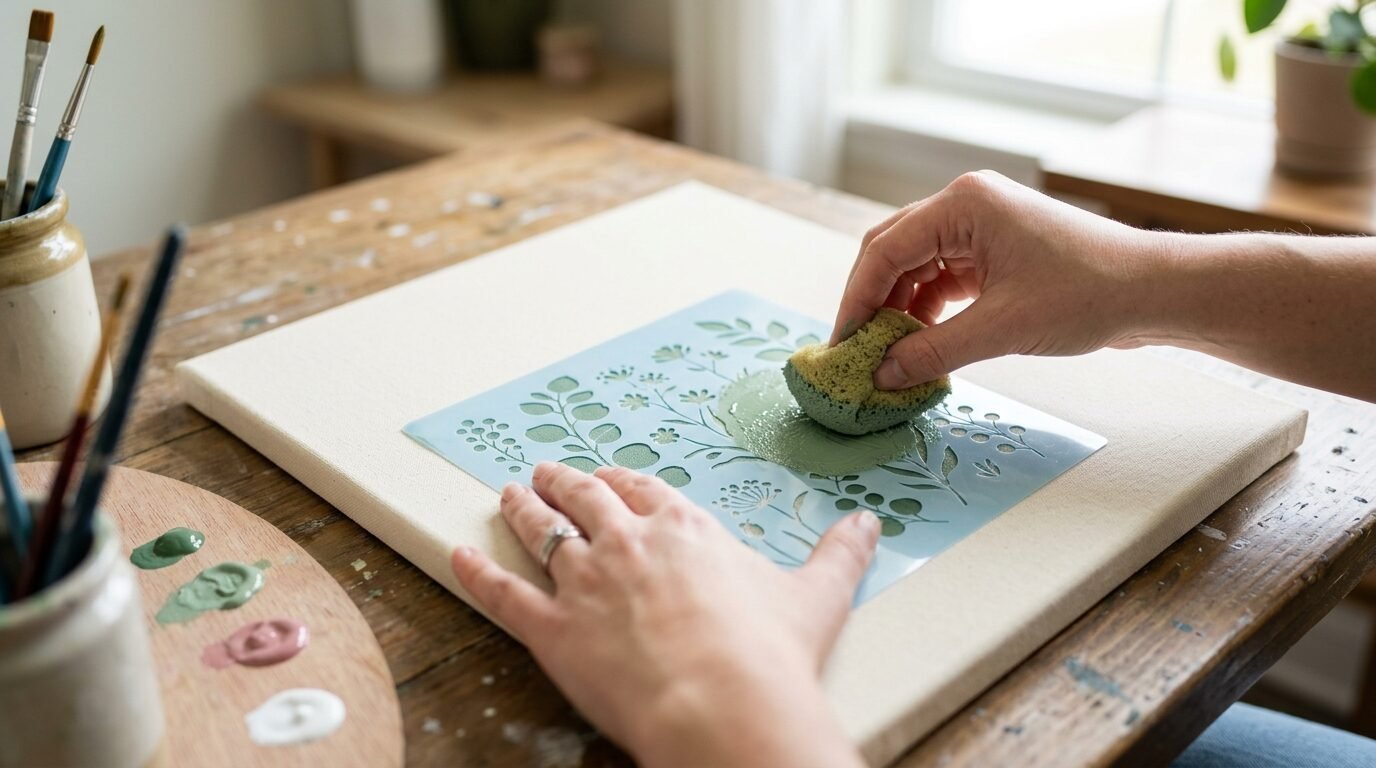
Stencils are a secret weapon for people who cannot draw. You can buy them for a few dollars at any craft store. I like to use flower or leaf shapes. I’ve seen this work beautifully when you use a sponge instead of a brush. Dabbing the paint on creates a soft edge. Last spring, I made a set of herb paintings for my kitchen. I used stencils of basil and thyme. I painted the background a soft cream color first. It looks like vintage botanical art. Make sure you wait for the background to dry completely. If you don’t, the stencil will peel the paint off. I learned that the hard way.
7. Drawing Ideas On Canvas With Graphite Pencils
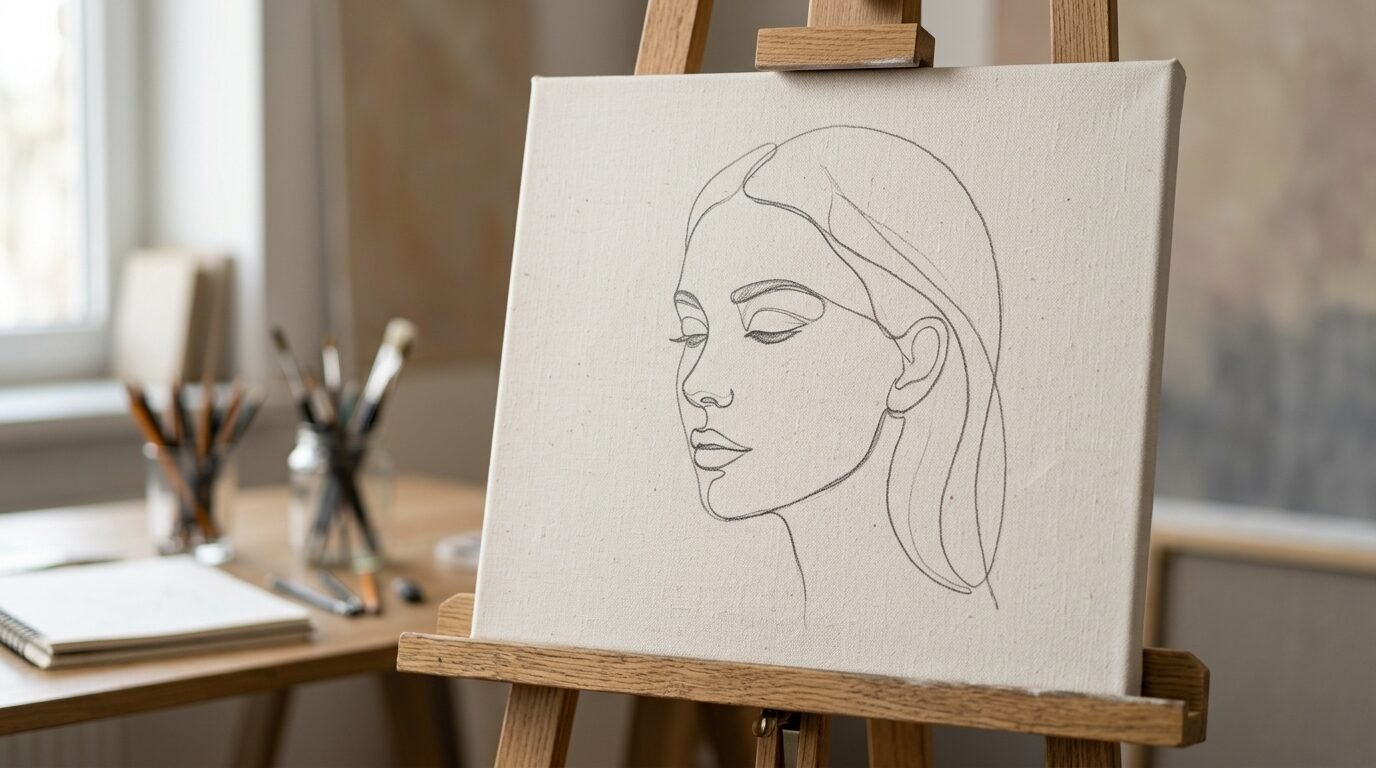
You do not always need paint to make art. Drawing ideas on canvas can look very sophisticated. I use a soft 4B pencil to draw simple female silhouettes. You can find reference photos on Pinterest. The texture of the canvas makes the pencil look darker and richer than paper. I tried this for a minimalist bedroom look. I drew a single continuous line to form a face. It is a very popular style in 2026. If you make a mistake, a regular eraser works fine. Just be gentle so you do not scuff the canvas fabric. I spray my finished drawings with a matte fixative. This stops the lead from smudging if someone touches it.
8. Poster Painting Ideas Using Bold Text
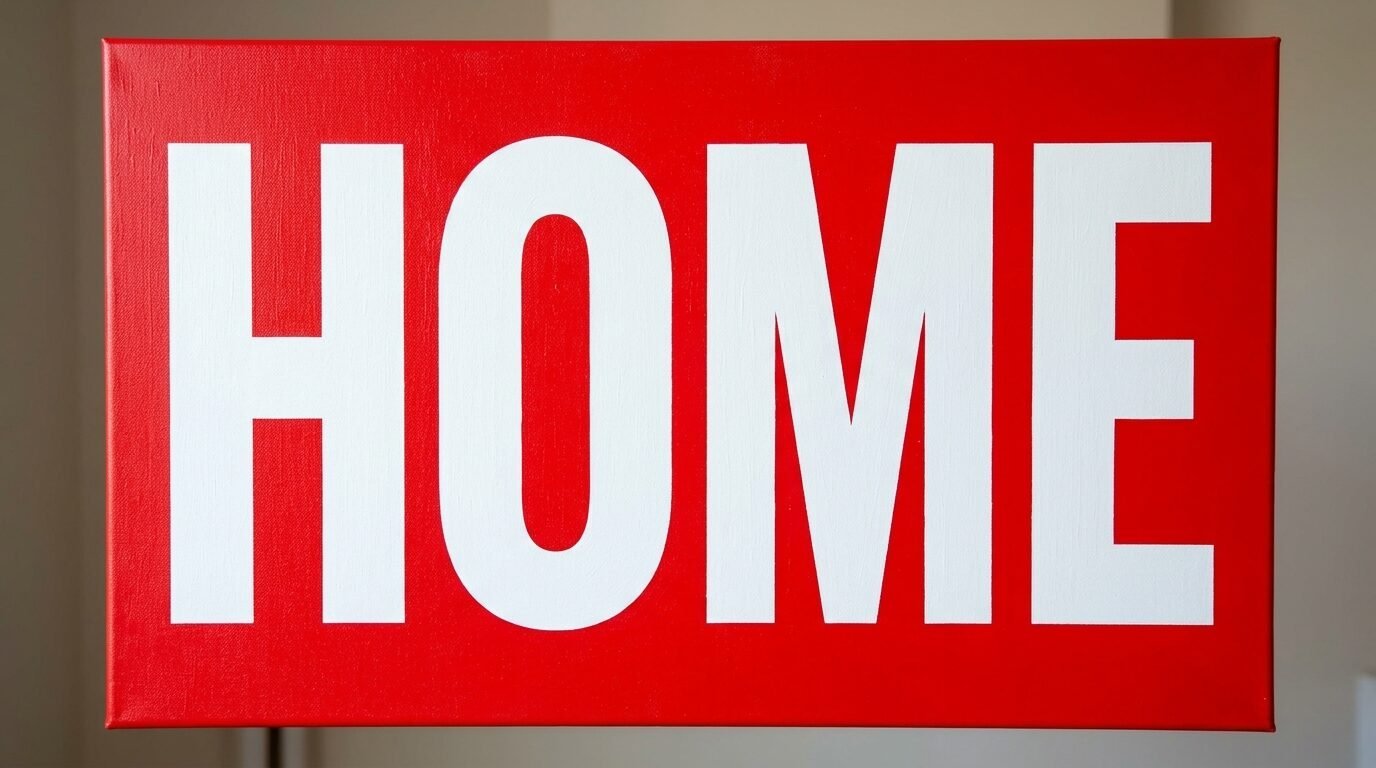
Words can be art. Poster painting ideas often involve short, punchy quotes. I use alphabet stickers to make this easy. You stick the letters on the canvas and paint over them. Once the paint is dry, you peel the stickers off. The white canvas shows through in the shape of the letters. I made one that says “Home” in big block letters. I used a bright red paint to make it pop. It looks like a graphic poster you would find in a museum shop. I’ve noticed that shorter words work better. Long sentences get messy and hard to read from across the room.
9. Pressed Flower And Mod Podge Art
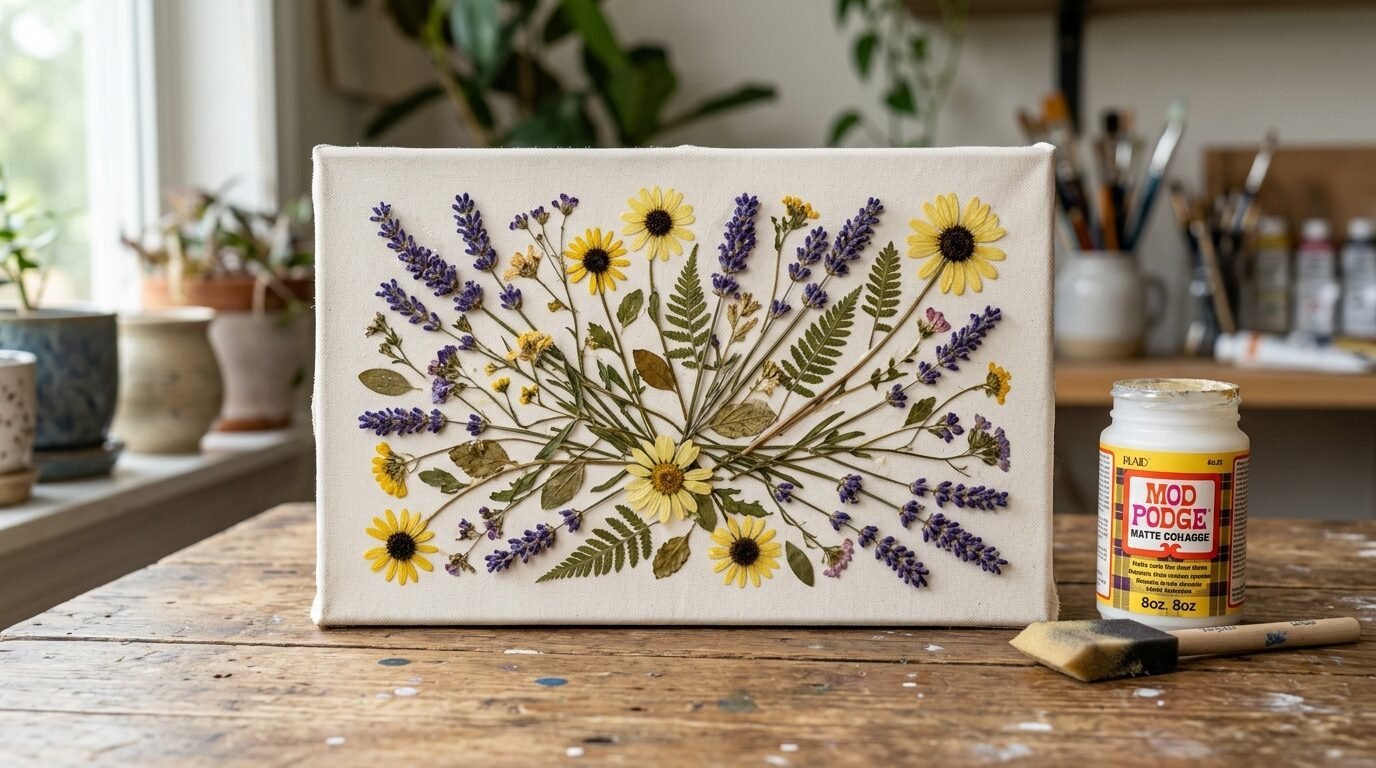
This project combines nature with DIY. You pick flowers from your garden and dry them inside a heavy book. I use an old dictionary for this. After two weeks, the flowers are flat and brittle. You use Mod Podge to glue them onto a canvas. I’ve tried many glues but Mod Podge is the only one that dries clear. I’ve seen this work for wedding bouquets too. It is a great way to save a memory. Paint the canvas a soft pastel color before you add the flowers. It creates a beautiful backdrop. I suggest using a sponge brush to apply the glue. It prevents air bubbles from forming under the petals.
10. Abstract Scraper Art With Old Cards
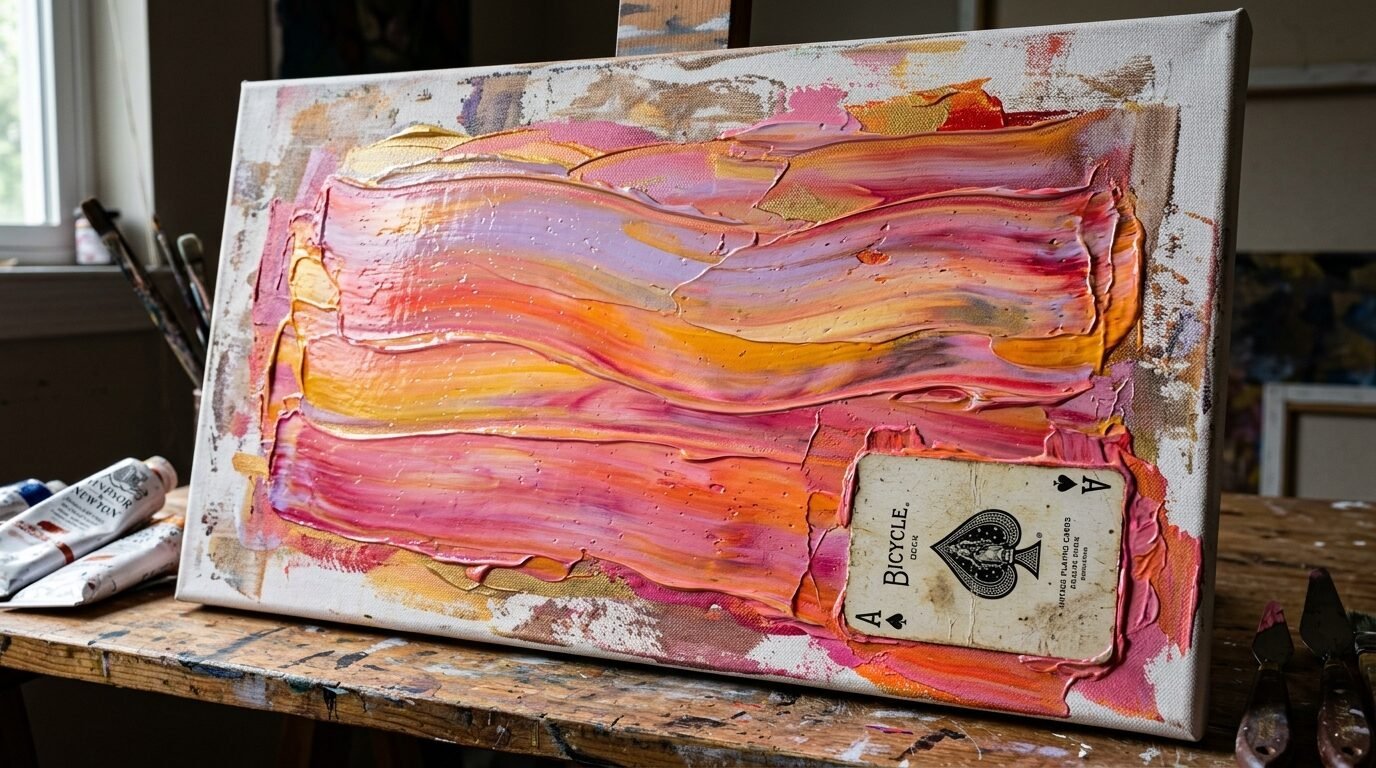
You do not need a brush for this project. Use an old credit card or a plastic scraper. You put small dots of paint at the top of the canvas. Then, you pull the card down in one smooth motion. The colors blend together in a beautiful smear. I tried this with neon colors for a teen room. It looked like a sunset. I’ve seen this work on large canvases as well. It feels very modern and fast. You can do the whole thing in ten minutes. I recommend using a heavy canvas so it does not bend under the pressure of the card. Use a brand like Master’s Touch for a sturdy frame.
11. Gold Leaf Accents On Minimalist Shapes
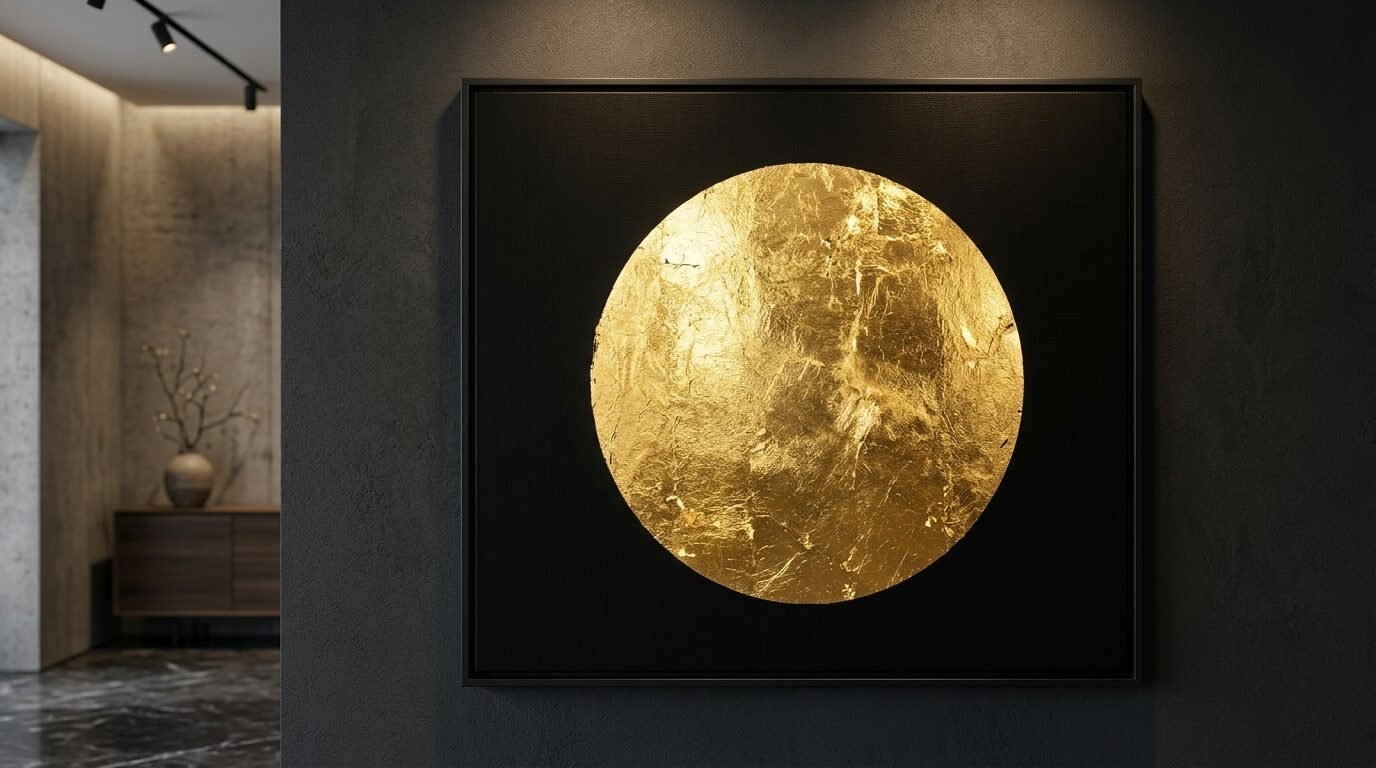
Gold leaf makes anything look like it cost a million dollars. You can buy a pack of gold leaf sheets for under ten dollars. I paint a simple circle or square first. While the paint is still a bit tacky, I press the gold leaf onto it. I use a soft dry brush to wipe away the extra bits. I’ve tried this on a black canvas and the contrast is amazing. It looks very high end. I’ve noticed that people always want to touch it. Be careful because gold leaf is very thin. Even a small breeze can blow it away. I close my windows before I start this project.
12. Coffee Stained Vintage Canvas
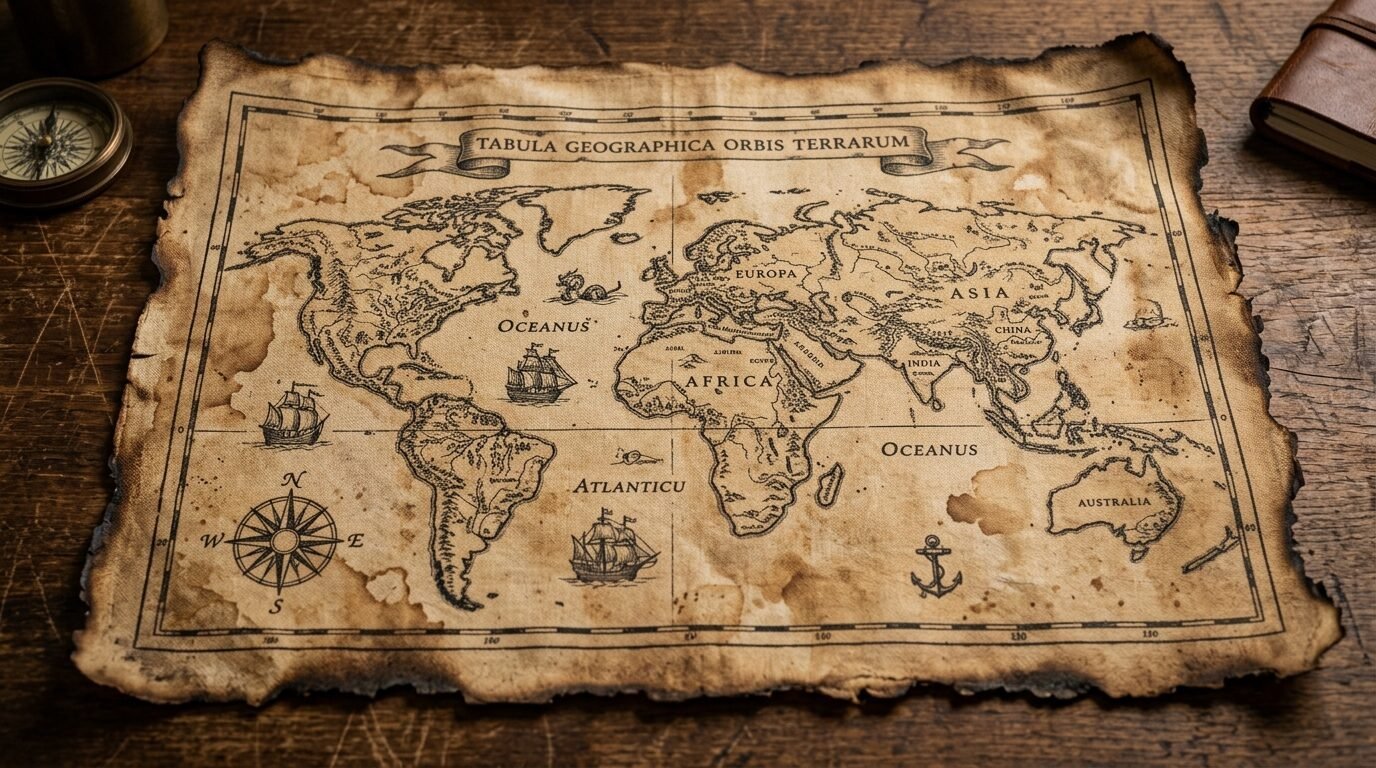
If you like the old world look, use coffee. I brewed a very strong pot of dark roast last month. I dipped a clean canvas into the liquid. It turned the white fabric into a warm tan color. It looks like old parchment paper. I then used a black pen to draw a map of my city. It looks like a treasure map from a movie. I’ve seen this work for botanical drawings too. The coffee smell stays for a few days, which is a nice bonus. Make sure the canvas is dry before you draw on it. If it is wet, your ink will bleed and ruin the lines.
13. Bubble Wrap Texture Painting
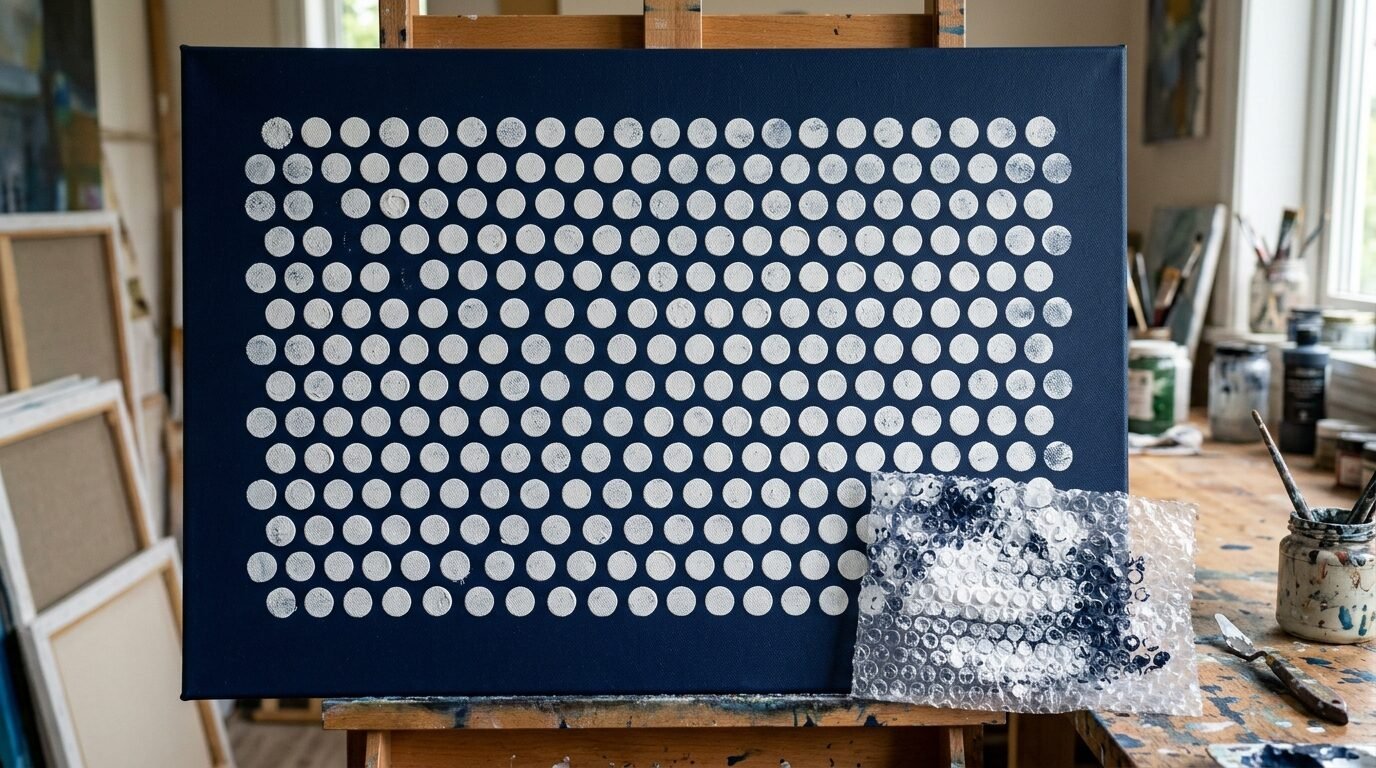
Do not throw away your shipping supplies. Bubble wrap is a great tool for making patterns. You paint the bubbles and then press them onto the canvas. It creates a grid of perfect circles. I tried this using white paint on a navy blue canvas. It looked like a starry sky or bubbles in water. I’ve noticed that kids love this method because it is tactile. You can use different sizes of bubble wrap for variety. I used the large bubbles for the center and small bubbles for the edges. It gives the art a sense of depth.
14. Sponge Dabbing For Cloud Effects
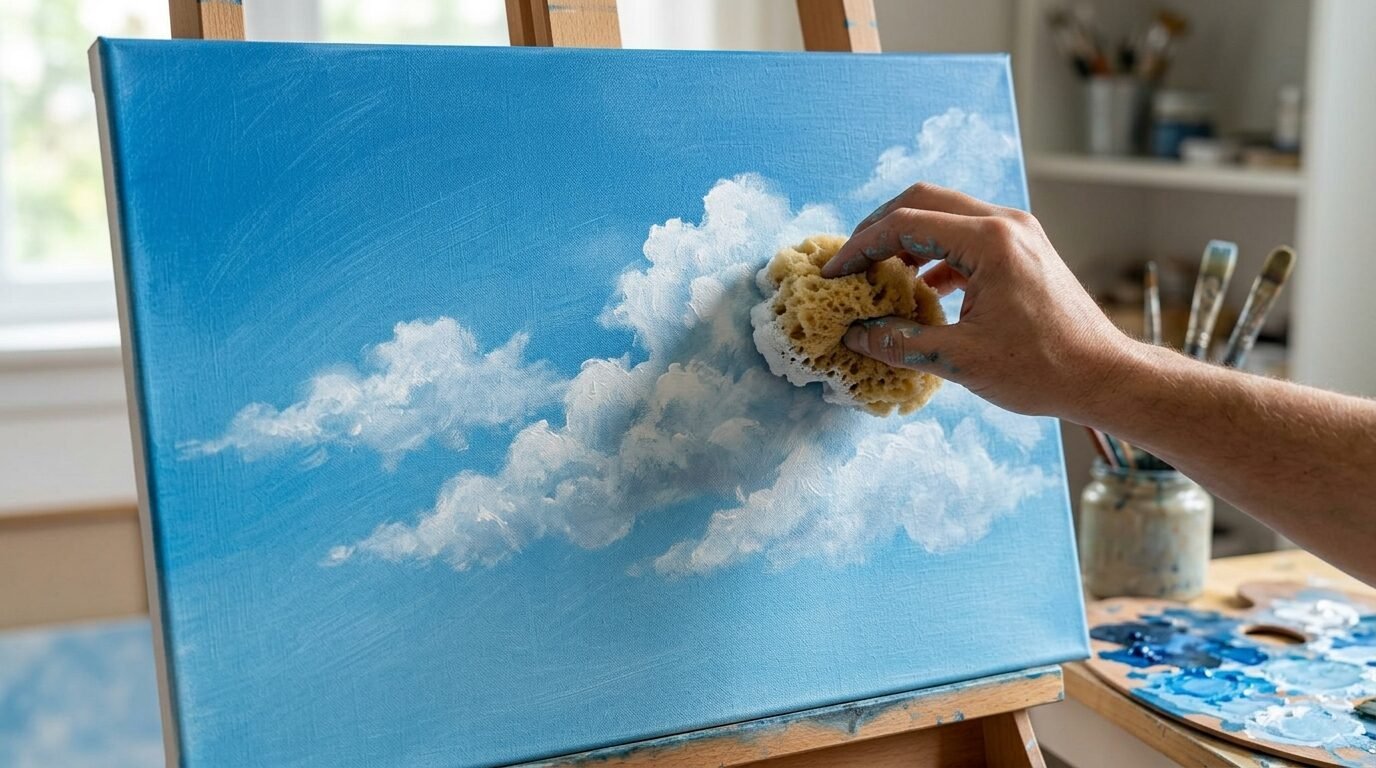
Painting clouds with a brush is hard. Using a sea sponge is easy. I buy natural sponges because they have irregular holes. I dip the sponge in white paint and dab it lightly. I’ve seen this work for making “fluffy” art in bedrooms. I once painted a whole wall like this, but a canvas is much faster. You start with a blue background. While the blue is still wet, dab the white on. The colors will mix slightly and look like a real sky. I use a light touch. If you press too hard, you just get a white blob.
15. Ombre Gradient With A Wide Brush
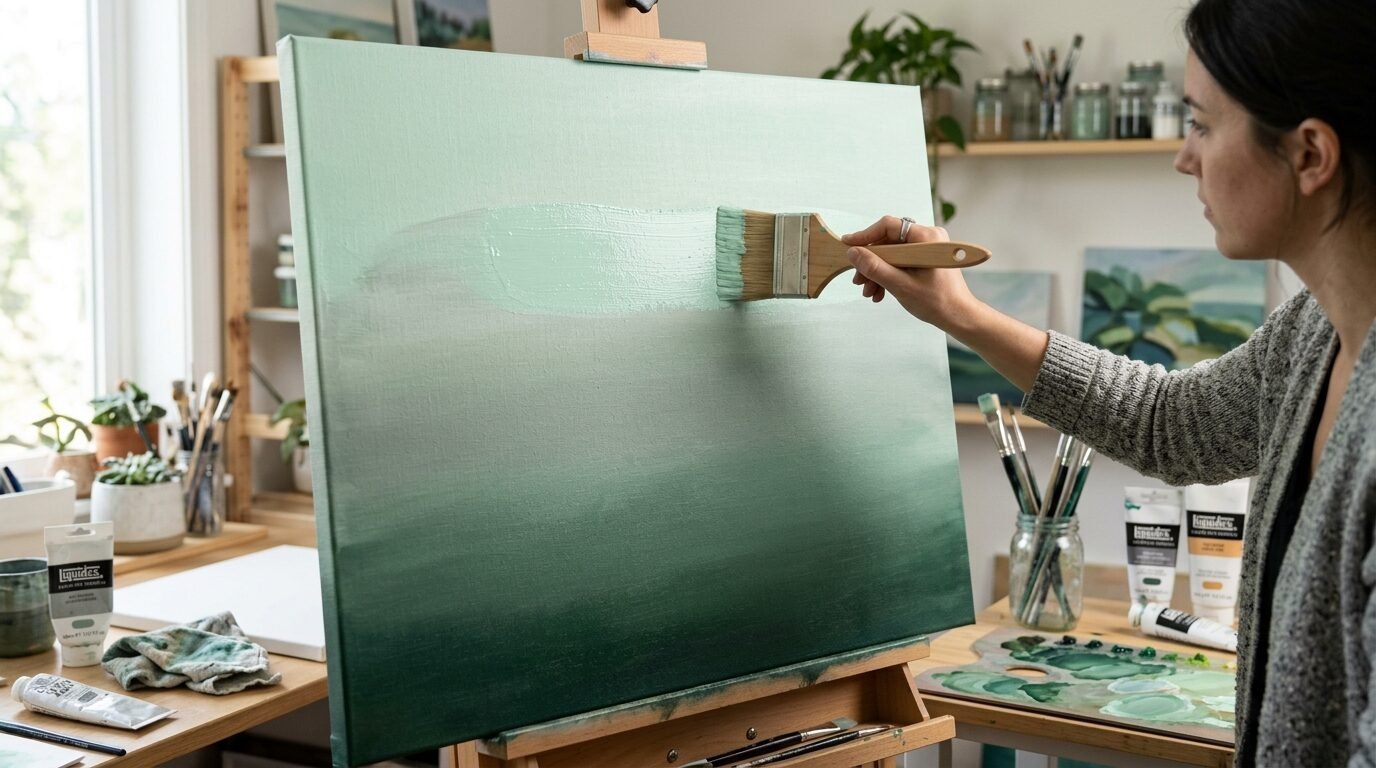
An ombre effect goes from dark to light. It is very soothing to look at. I use a four inch wide brush for this. Start at the bottom with your darkest color. Add a little white to your palette as you move up. I tried this with green for a forest vibe. It took me three tries to get the blend perfect. In my experience, you must work fast. If the paint dries, you cannot blend the lines. I use a spray bottle with water to keep the canvas damp. This gives me more time to work.
16. Fabric Scrap Collage Art
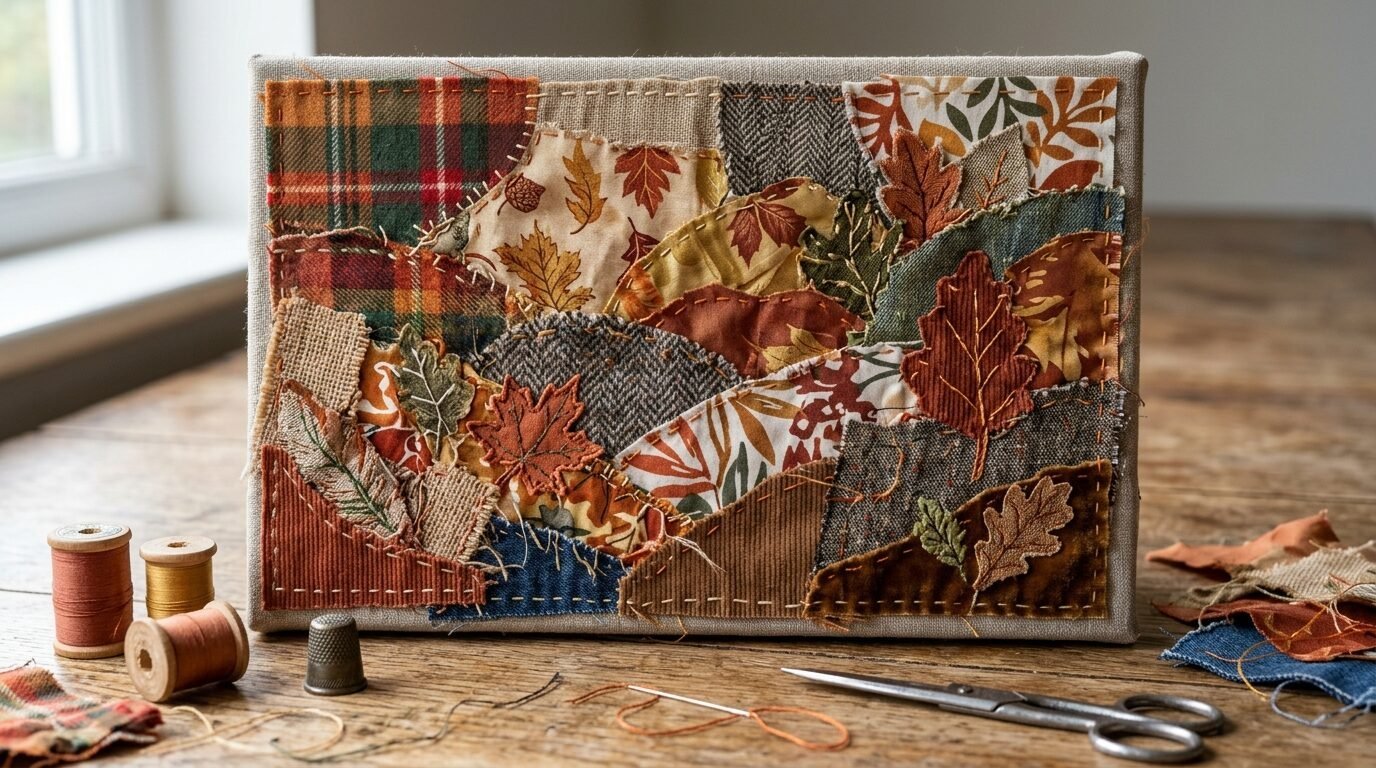
If you have old clothes, you have art materials. I cut up an old flannel shirt and a silk scarf. I glued the pieces onto a canvas in a patchwork style. It adds a lot of texture and warmth to a room. I use a heavy duty fabric glue for this. I’ve seen this work in rustic homes. You can even add buttons or lace. It feels like a quilt but on a wall. I suggest choosing fabrics that have a similar color family. I used reds and browns for a fall look. It makes the piece feel unified.
17. Dot Mandalas With Pencil Erasers
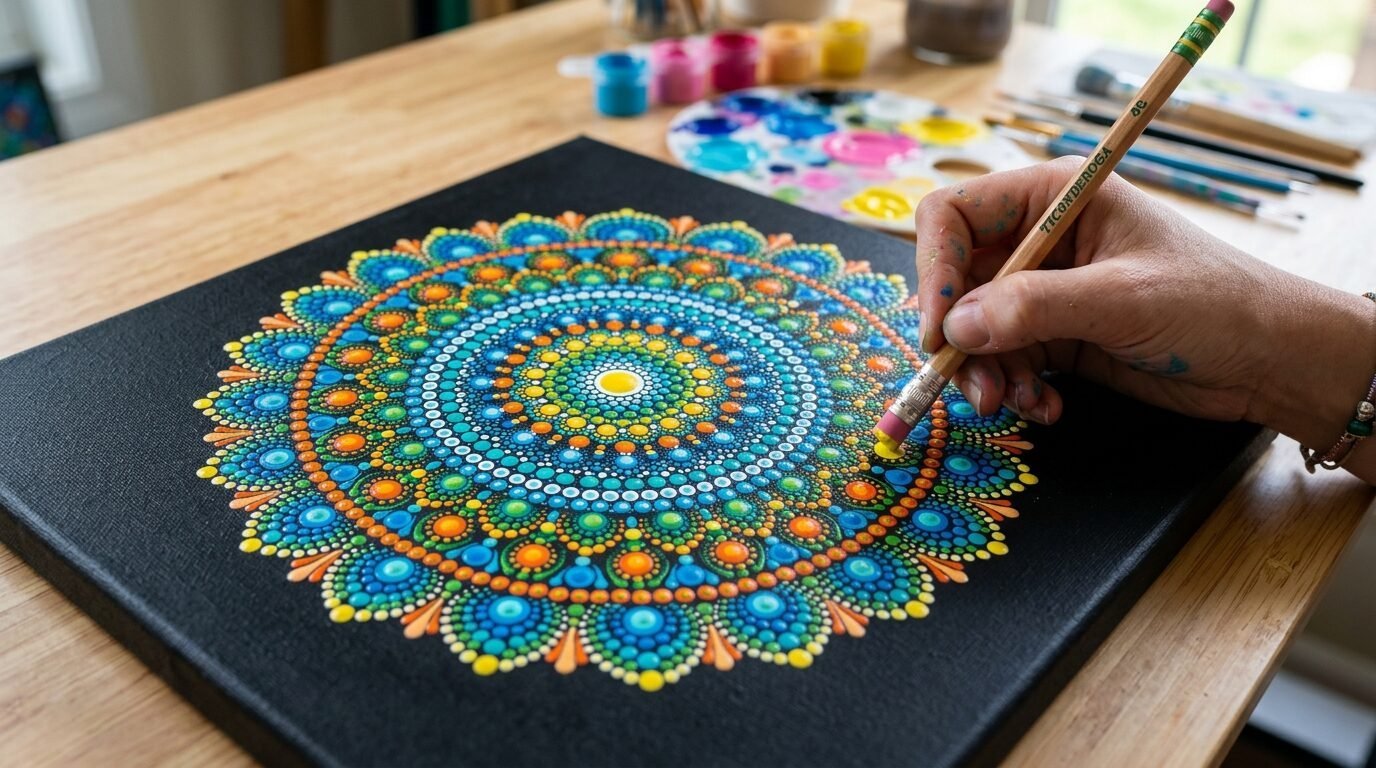
You can make perfect dots using the eraser at the end of a pencil. I start in the center and work my way out in circles. I use a different color for each row. I’ve tried this on small black canvases. It looks like a glowing light or a flower. This is a very calm project. It feels like a meditation. I’ve noticed that I lose track of time when I do this. You can buy dotting tools, but a pencil works just as well. It is a great way to use up small bits of paint.
18. Magazine Cutout Vision Board Art
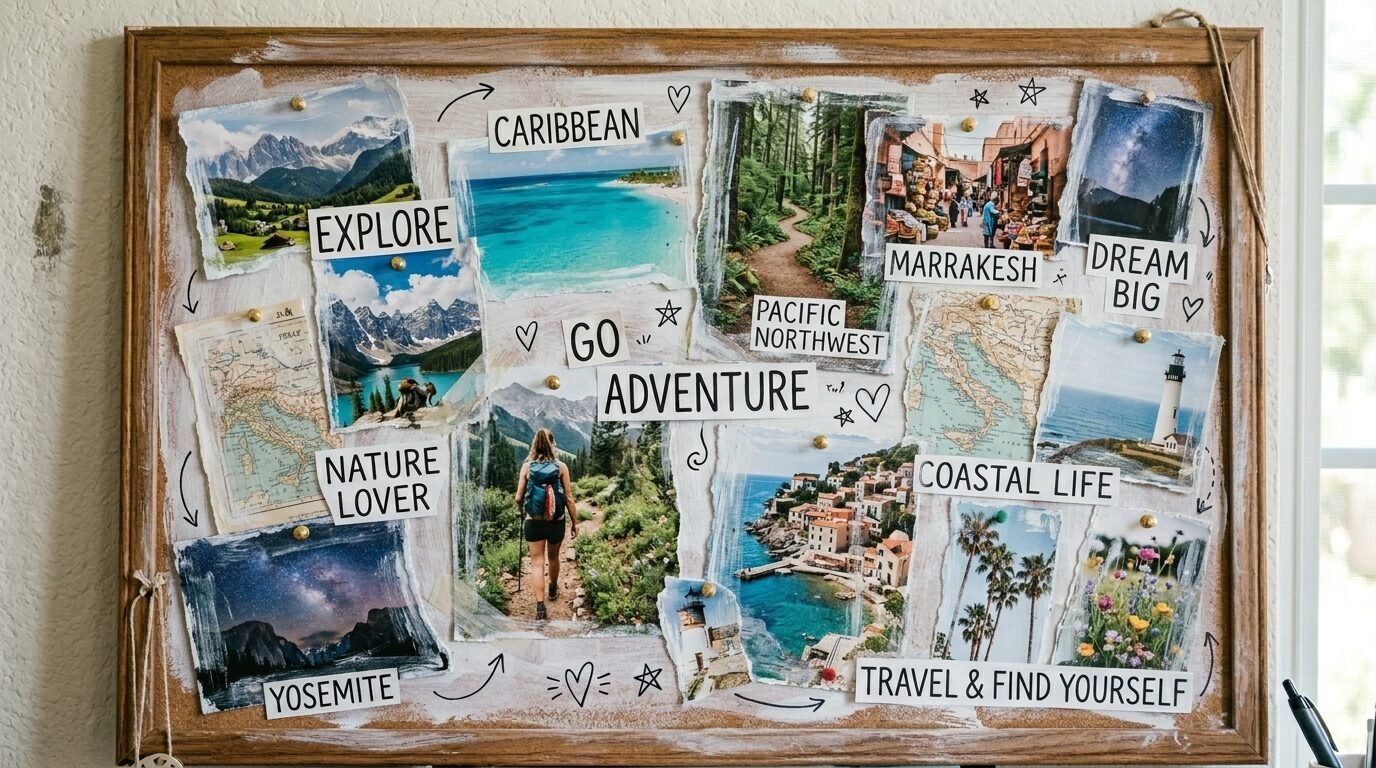
This is a fun way to personalize your space. I cut out images of things I love from old magazines. I found pictures of mountains, cats, and coffee cups. I arranged them on a canvas and glued them down. I then painted a thin layer of white paint over the whole thing. It makes the images look like they are behind a fog. I’ve seen this work for goal setting. It is more permanent than a pin board. I use a glue stick first to position everything. Then I seal it with a clear top coat.
19. Simple Pine Tree Silhouettes
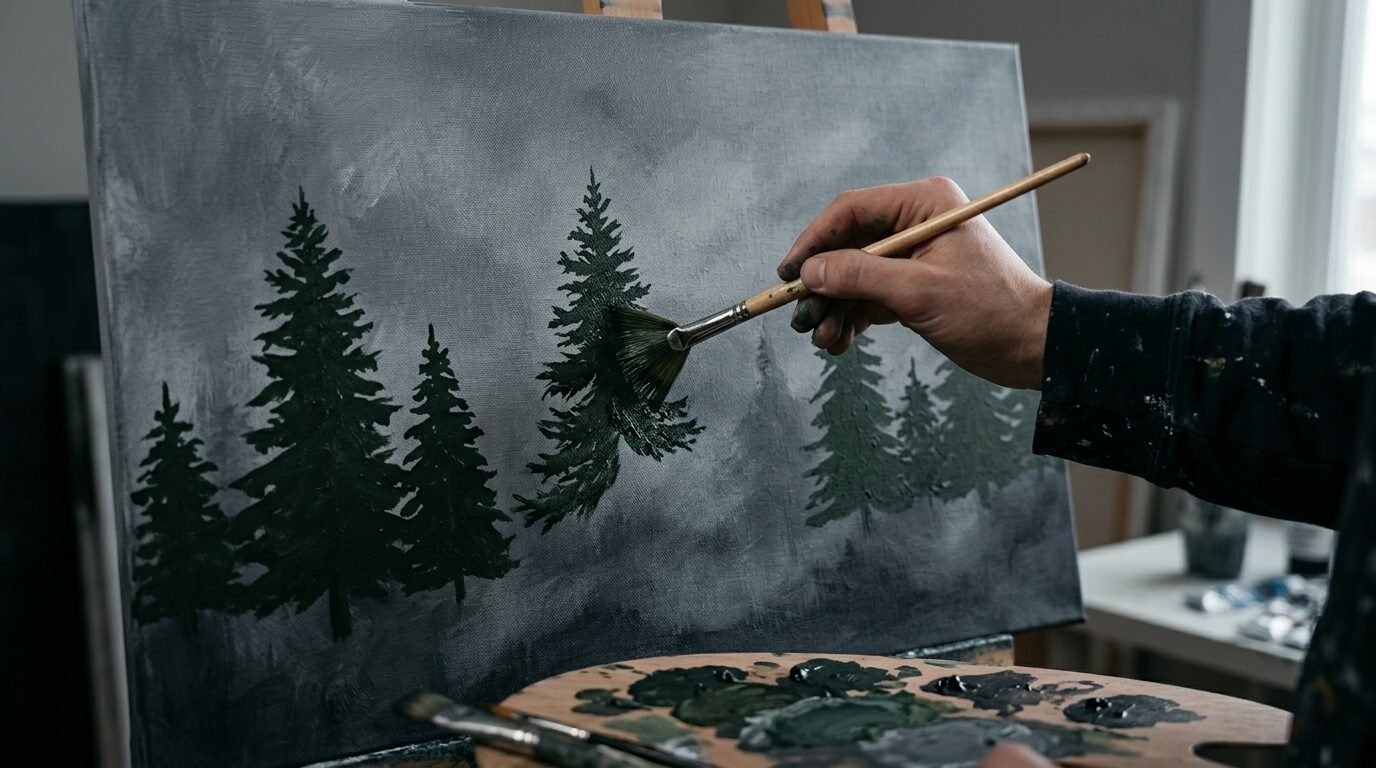
Trees are easy to paint if you think of them as triangles. I use a fan brush to make the branches. You just tap the brush against the canvas. I’ve tried making a whole forest this way. I used dark green and black paint. It looks very moody and Pacific Northwest style. I’ve noticed that adding a little white at the top looks like snow. This is a great project for the winter months. I use a brand called Winsor and Newton for my brushes. They hold their shape well even after many uses.
20. Pour Art With Leftover Paint
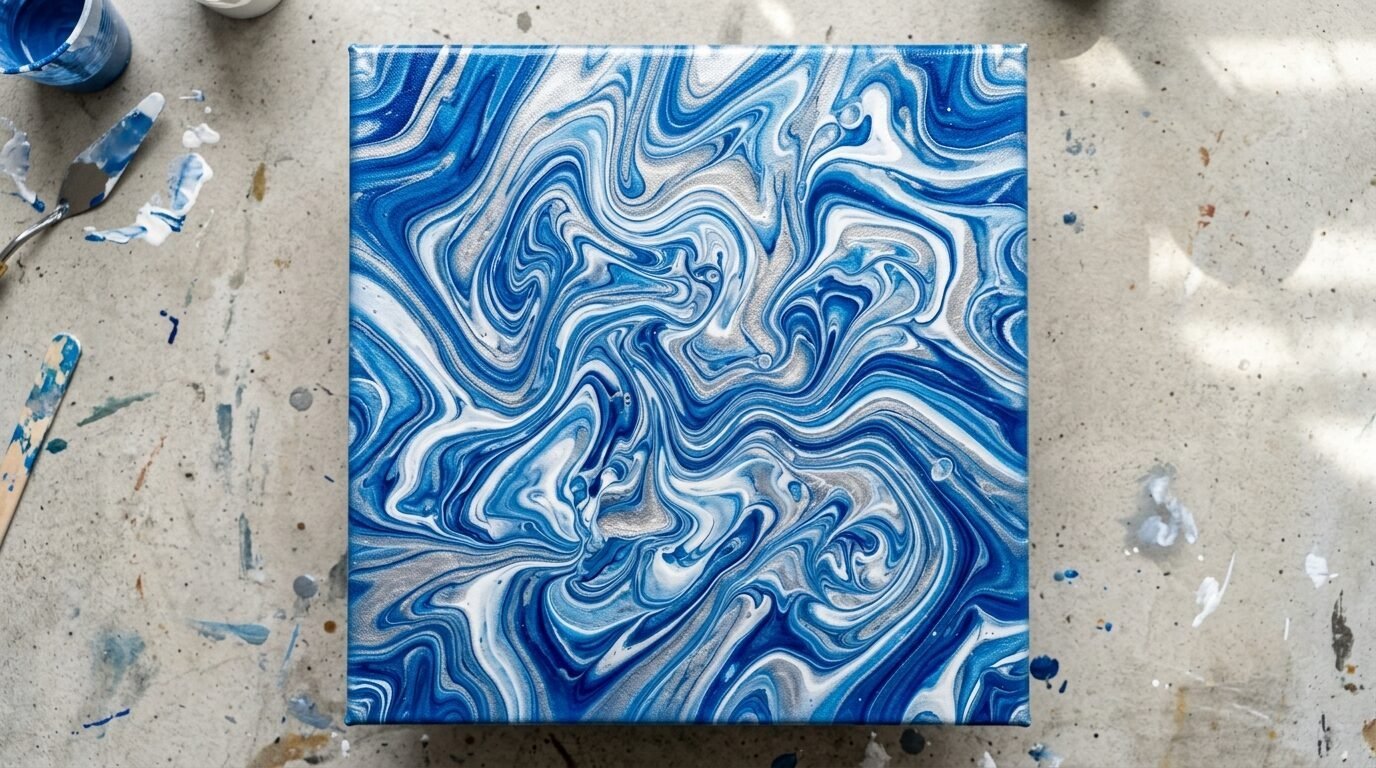
Pour art is very messy but very cool. You mix paint with a pouring medium. I use Floetrol because it is cheap. You pour the paint into a cup and then flip the cup onto the canvas. The colors swirl together in a way that looks like marble. I tried this on my patio last summer. I used blue, silver, and white. It looks like a wave. I’ve seen this work as a gift for friends. Every piece is different. You cannot control the outcome, which is the fun part. Just make sure the canvas is level. If it is tilted, all the paint will slide off one side.
21. Abstract Shapes With Painter’s Tape
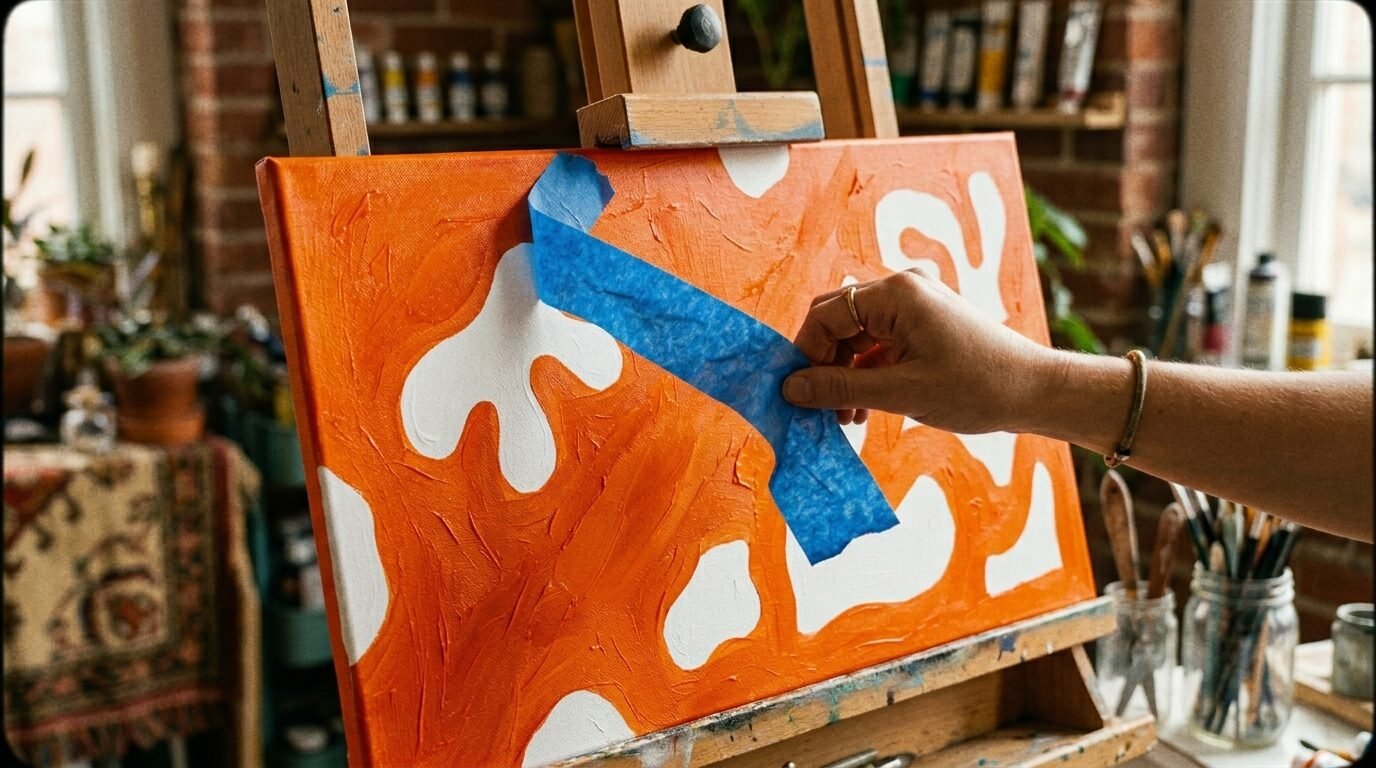
This is different from the geometric tape method. You cut the tape into weird, curvy shapes. Stick them down and paint the whole canvas one color. When you pull the tape, you have white “blobs” that look like modern art. I tried this with a bright orange background. It looks very 1970s retro. I’ve seen this work in office spaces. It adds a pop of color without being too busy. I use a craft knife to cut the tape into fun shapes. Be careful not to cut the canvas underneath.
22. Simple Line Art With String
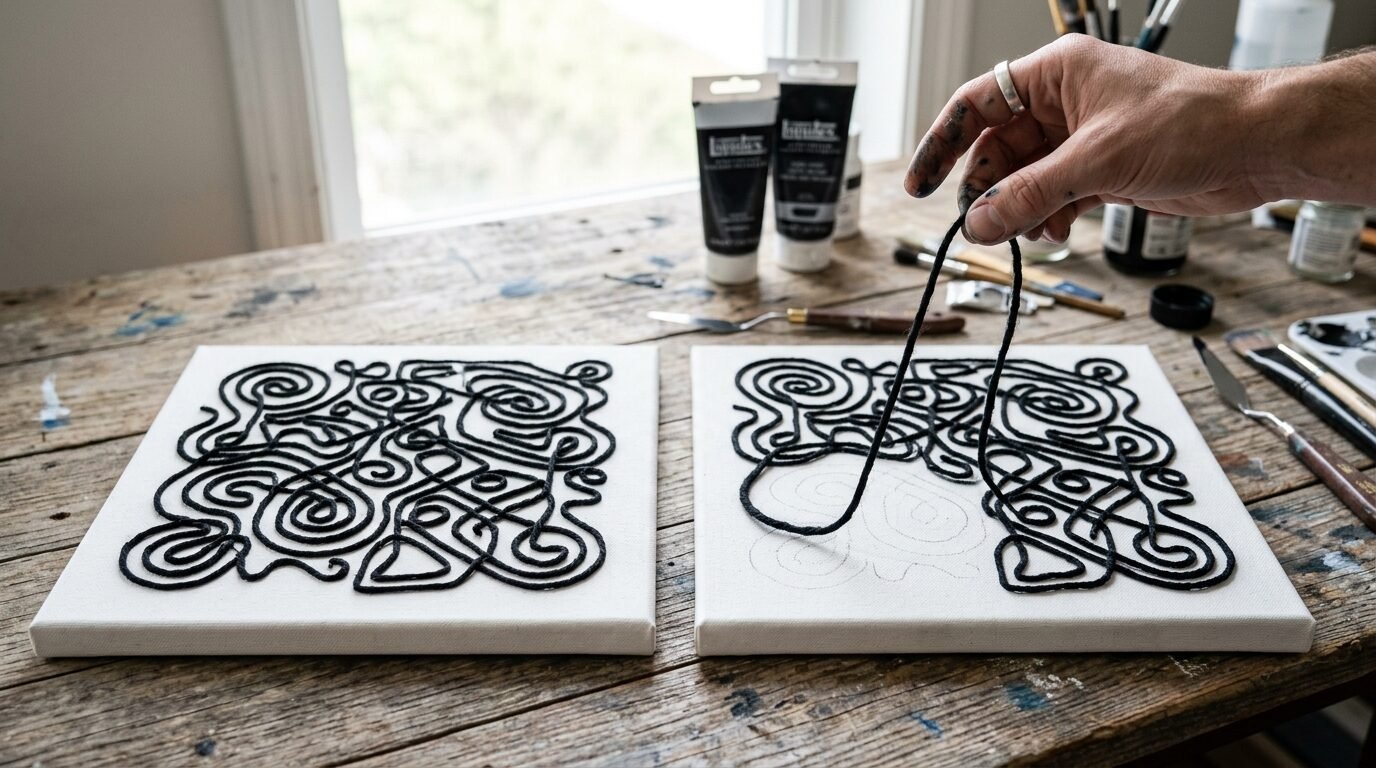
Dip a piece of string into black paint. Lay it on the canvas in a messy loop. Take another canvas and press it on top. Pull the canvases apart and remove the string. You get a mirrored image of a cool line. I tried this with my roommate. We each kept one canvas. It is a fun “best friend” project. I’ve noticed that thick yarn works better than thin thread. It holds more paint and makes a bolder line. It looks like a high end drawing from a gallery.
Common Questions About Diy Canvas Art
What is the best paint for beginners?
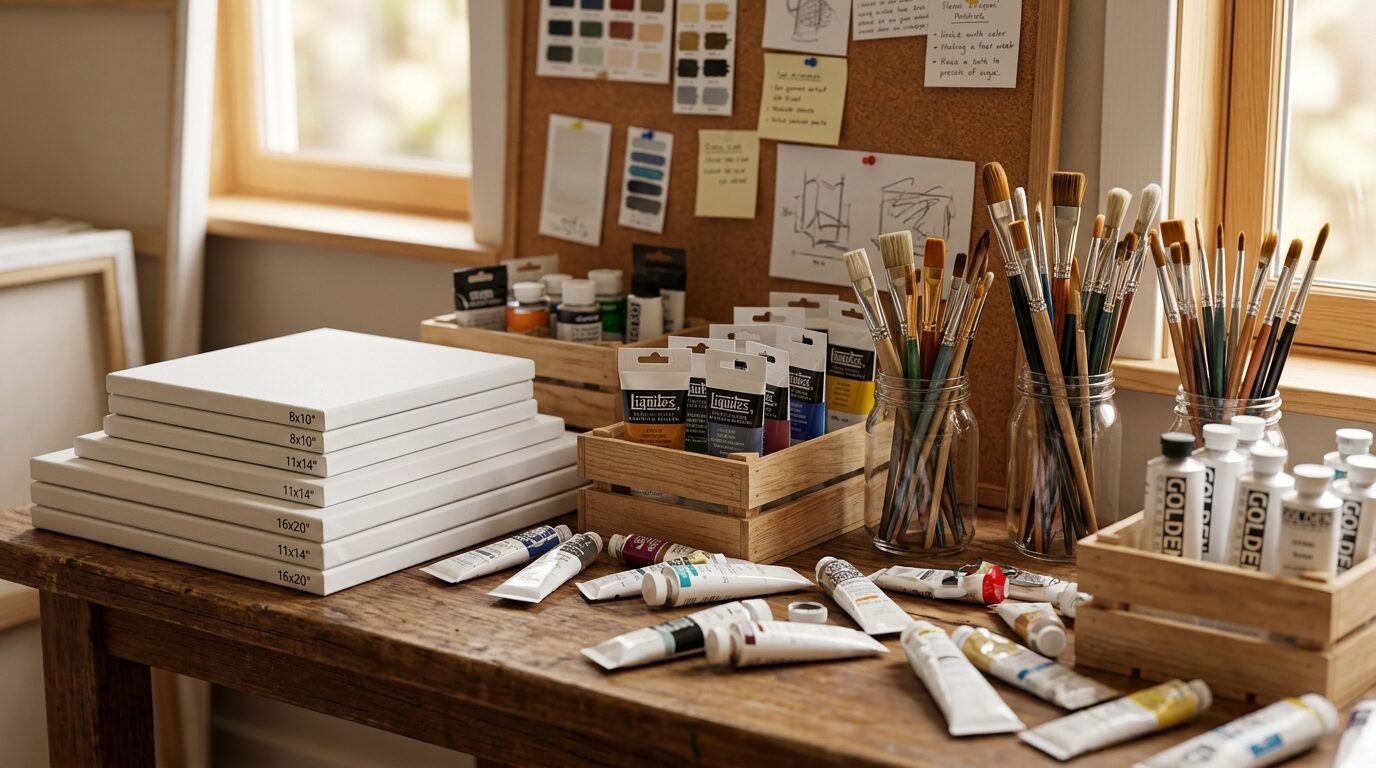
Acrylic paint is the best choice. It dries fast and you can wash it off with water. I use Liquitex Basics or Golden. They have a lot of color and do not look watery. Avoid oil paint when you start. It takes weeks to dry and requires chemicals to clean your brushes. Acrylic is much safer for a home project.
How do I stop paint from leaking under tape?
I always paint a thin layer of the background color over the tape edges first. This seals the gap. If the paint leaks, it is the same color as the background. Then I paint my new color on top. In my experience, this is the only way to get a perfectly sharp line. I’ve tried every other trick and this one works best.
Where can I find cheap canvases?
I buy mine in bulk from Michaels or Amazon. They often sell packs of five or ten for a low price. Look for “student grade” canvases. They are perfect for these projects. You do not need professional linen canvases yet. I also check the clearance section at stores like Ross or Marshalls. Sometimes they have ugly art that you can paint over.
Can I fix a mistake on a canvas?
Yes, you can. That is the best part about acrylic paint. You just wait for it to dry and paint over it. I have some canvases that have five different paintings underneath. If the paint is too thick, use a little sandpaper to smooth it out. Then apply a new coat of white paint or Gesso. You can start fresh as many times as you need.
Making your own art is about the process. It does not have to be perfect. My first painting was a mess of brown and purple. I hated it. But I learned how the brush felt. I learned how much water to use. By the time I got to my fifth canvas, I had something I was proud to hang. Your home should tell your story. Handmade art does that better than a store-bought print. Grab a brush and start today. Your walls are waiting.
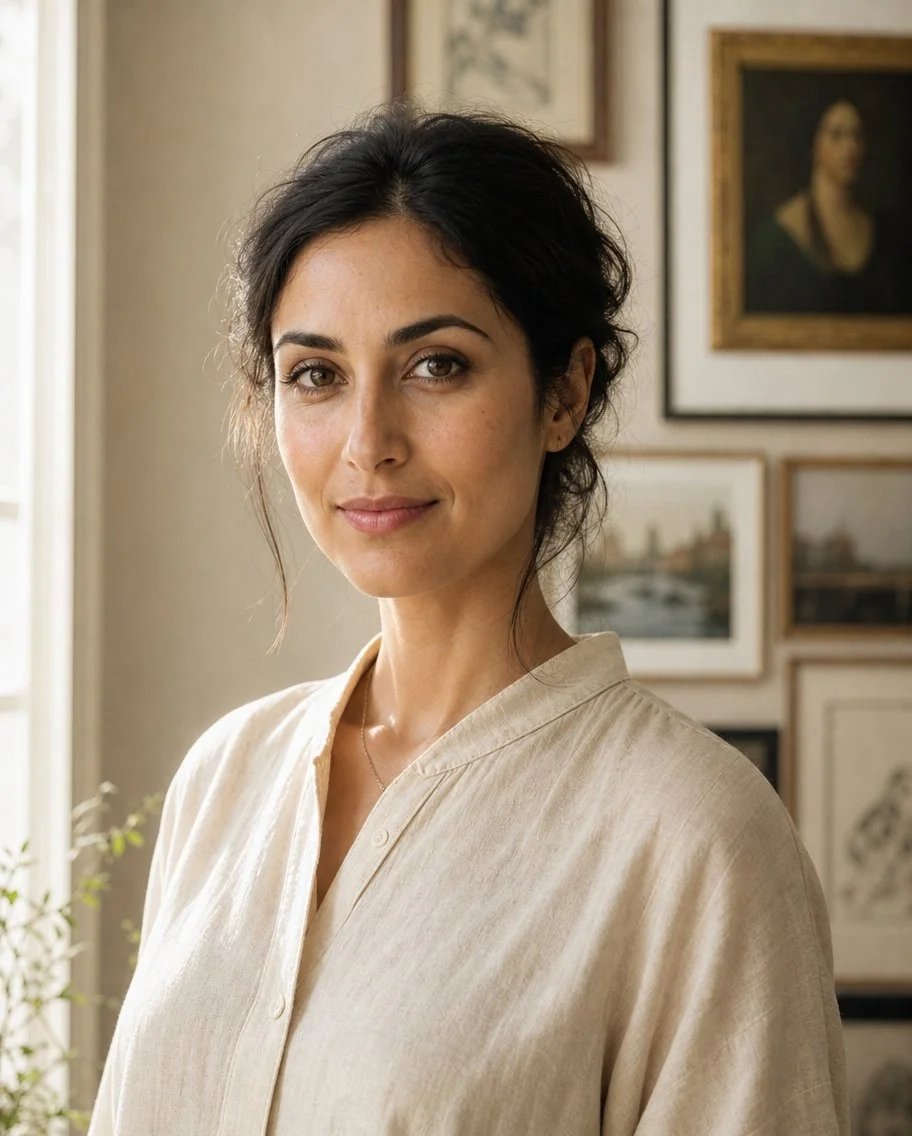
Anya Castellan is the Founder and Editor-in-Chief of Home Wall Trends. An art history graduate of the Rhode Island School of Design with twelve years of experience writing for leading American design publications, she specializes in composition, gallery wall theory, and the quiet architecture of domestic space. A former contributing editor at Architectural Digest and guest lecturer at Parsons School of Design, Anya personally reads and signs off on every piece before it is published.