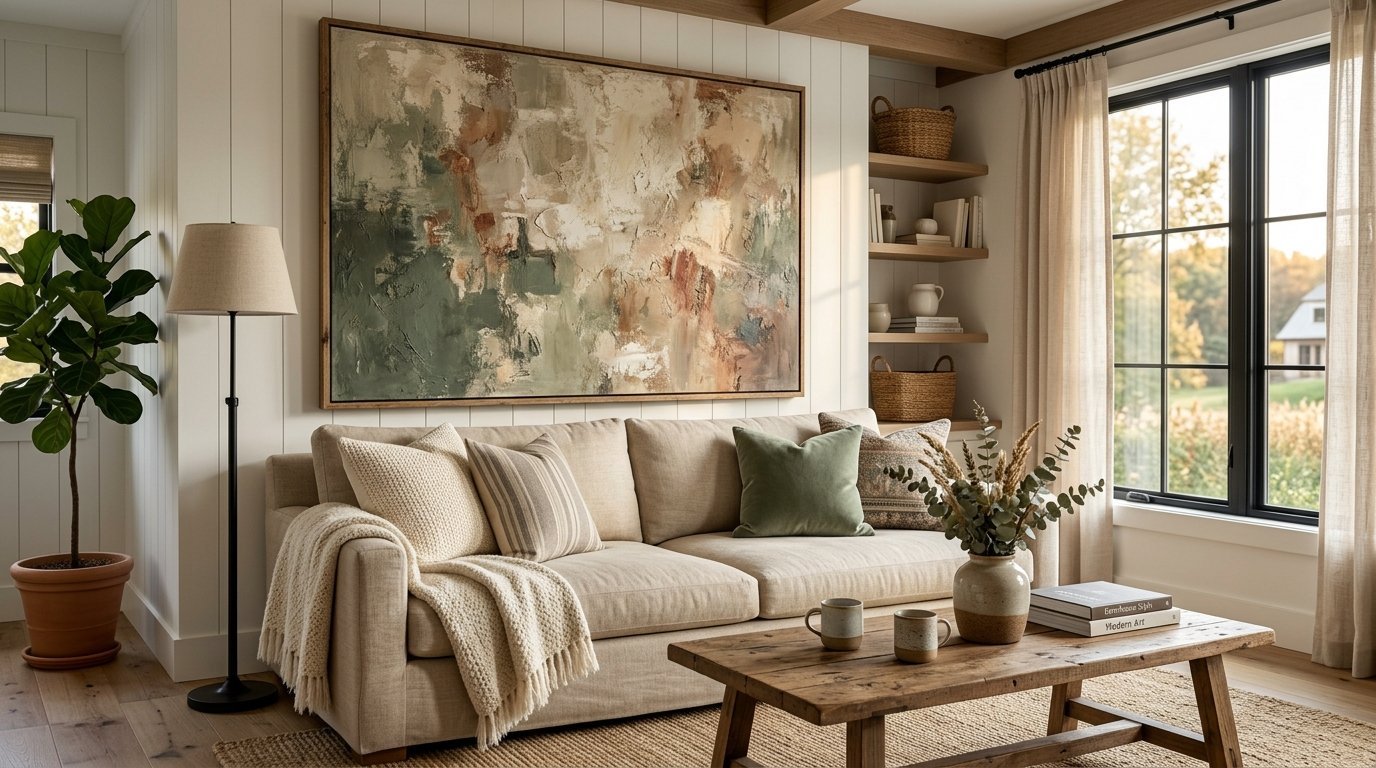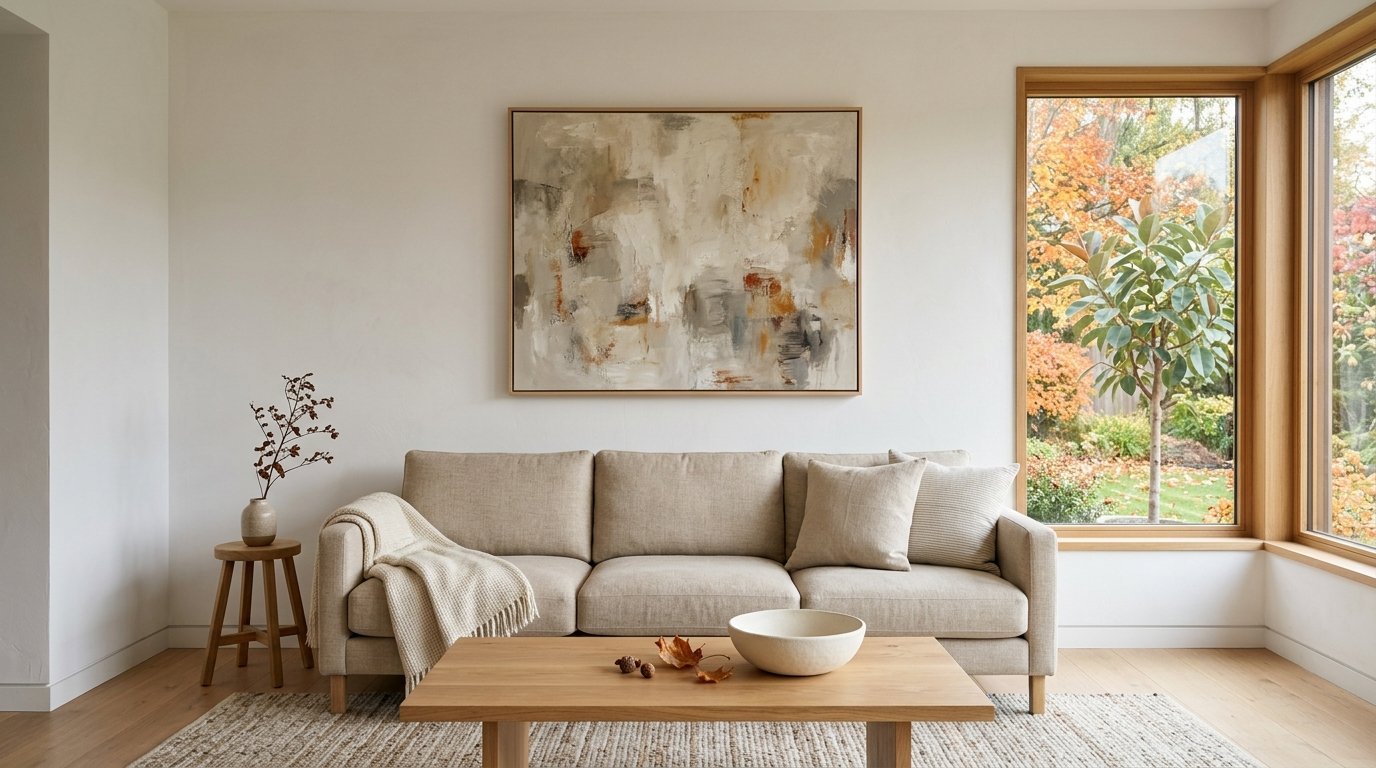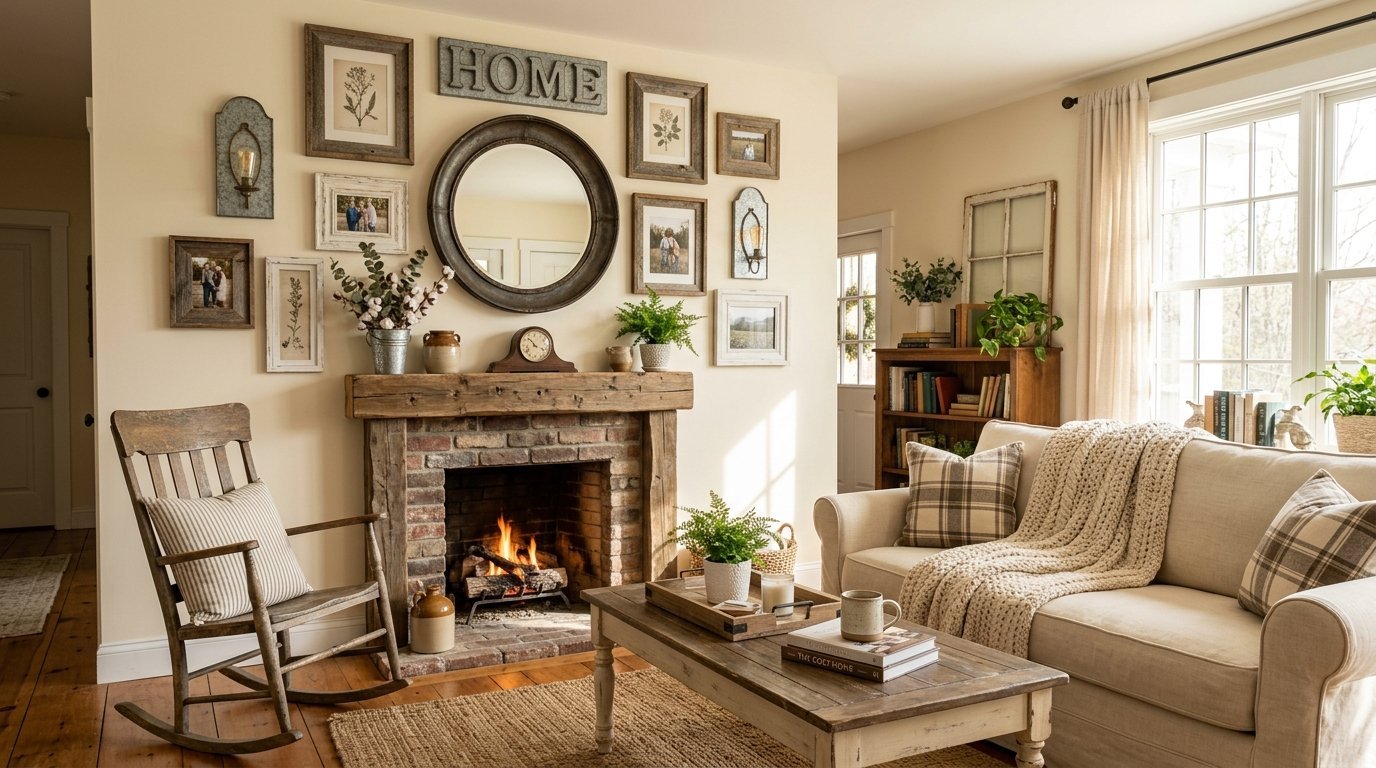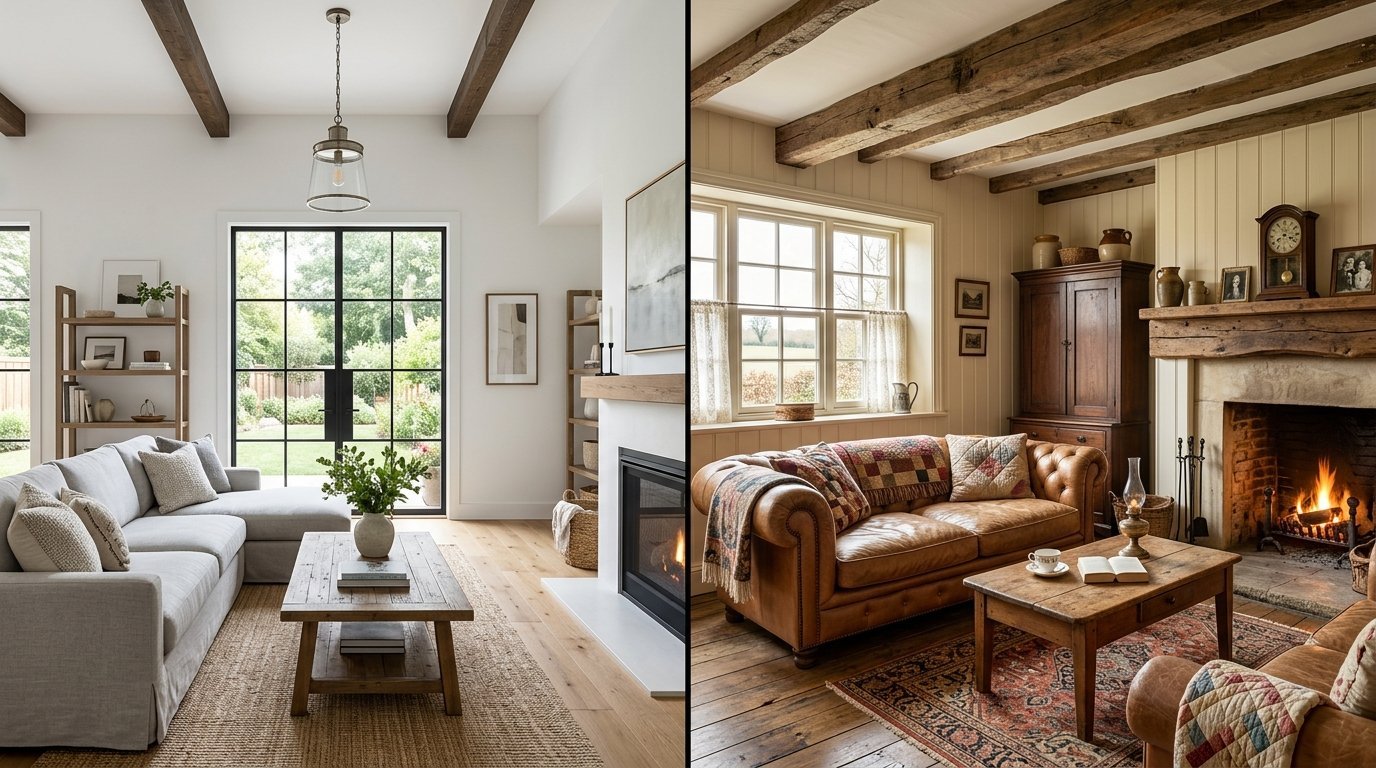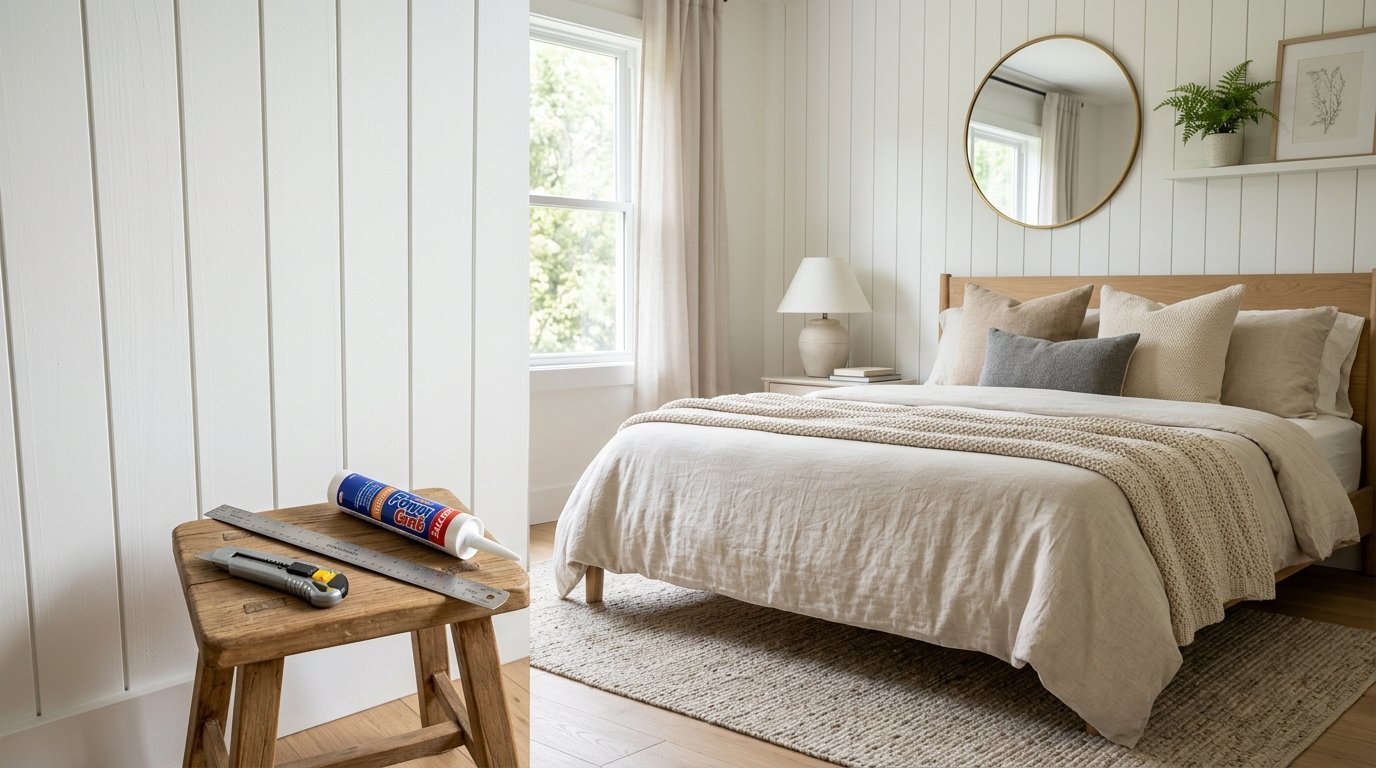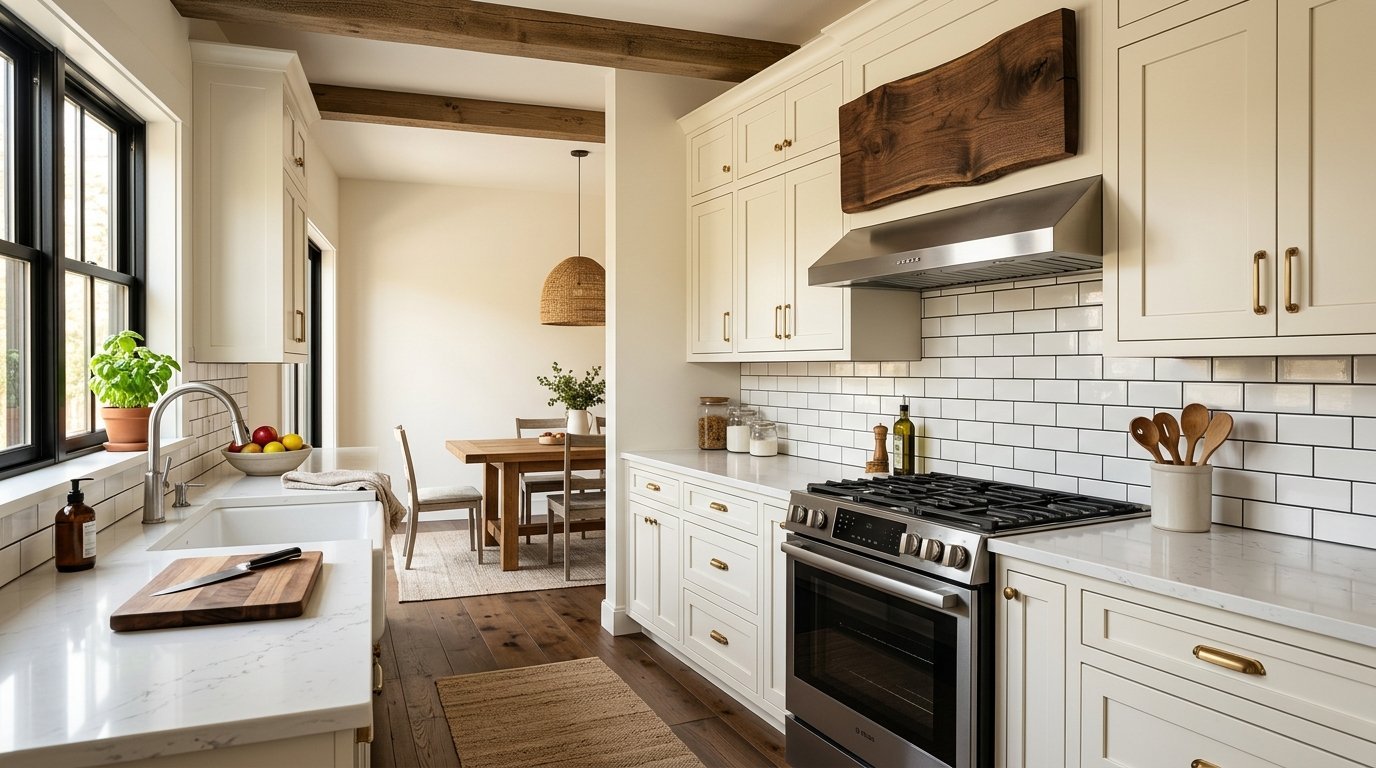
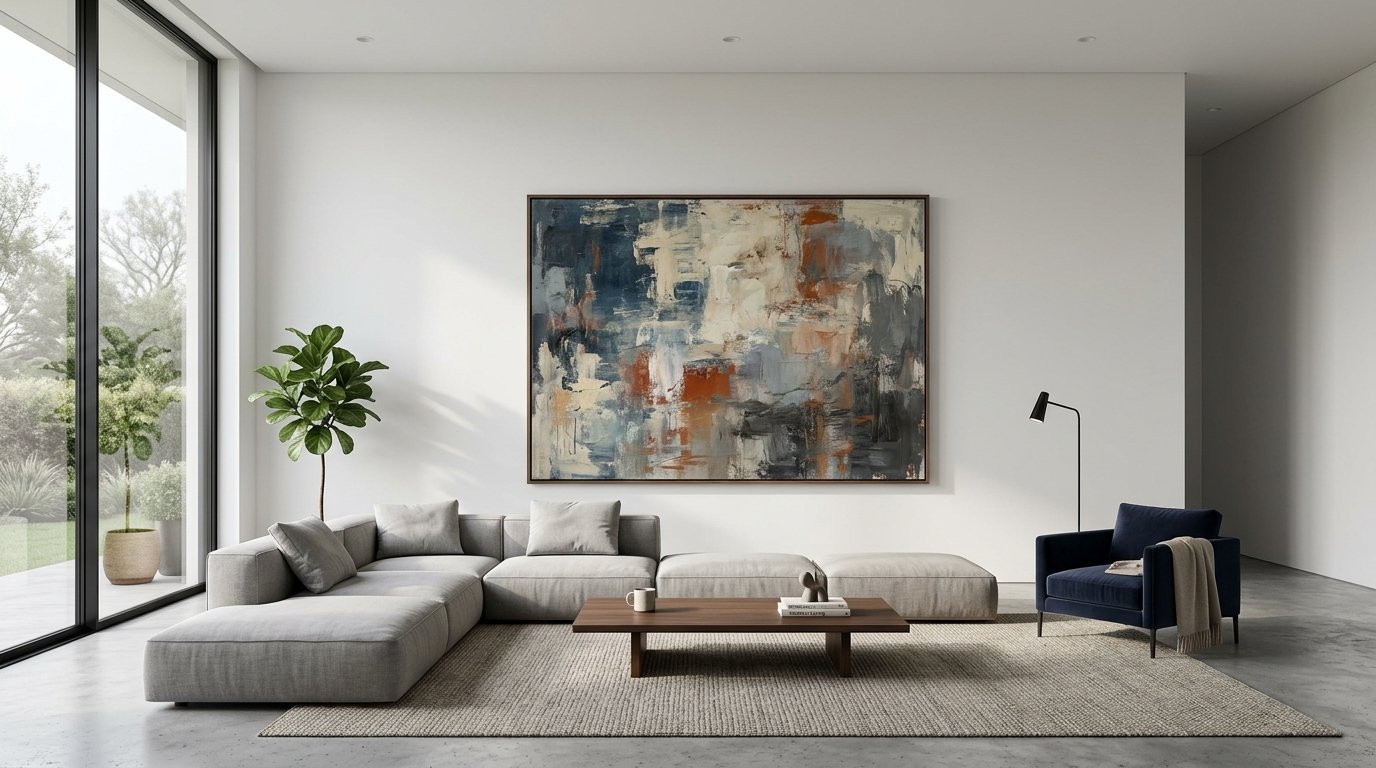
Imagine walking into a room. The walls feel heavy. Frames touch the ceiling. Furniture blocks the corners. Your eyes dart around without resting. This happens constantly. People buy beautiful frames. They cover every square inch. The room feels smaller immediately. We fix this today. I will show you exact rules to fix crowded rooms. You get clear instructions. We cover costs, placement, and visual balance. Your home gets a fresh look. I did this in my own living room last week. I took down twelve frames. I left three. The entire mood changed instantly. Let us fix yours.
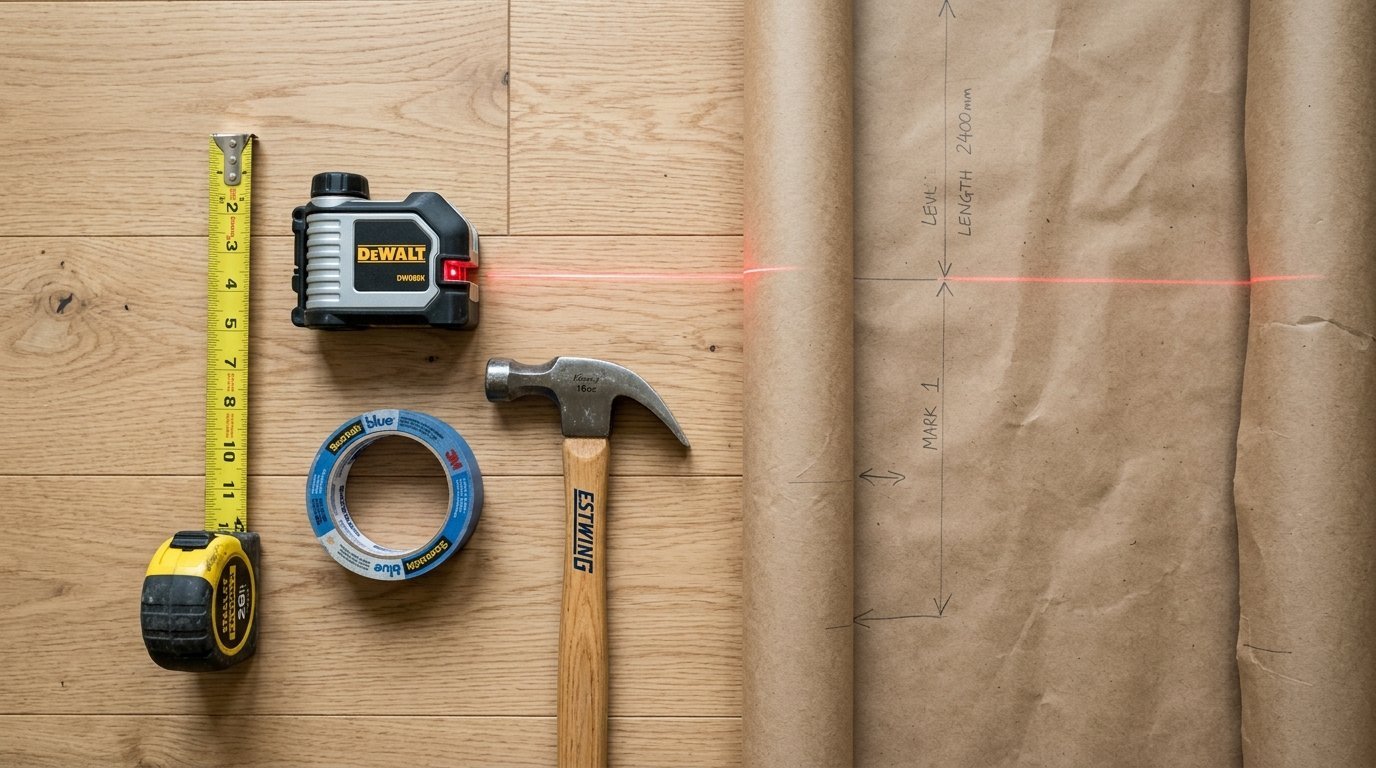
We tackle room layout directly. You get specific measurements for hanging frames. We cover exact distance rules. I share exact tools like laser levels and tape measures. You see real pricing for professional hanging services. I share stories of ruined gallery walls. We fix them step by step. We place Mini Canvas Art correctly. We use Illusion Art safely. We hang Manifesti Grafici properly. We display Afrique Art beautifully. We apply rules of Negative Space Art everywhere. We hang Conceptual Illustration with care. You need a tape measure. You need painters tape. The whole project takes about two hours. You will stop buying excess decor. You will save money. You will love your quiet rooms.
The Science Behind Empty Room Zones
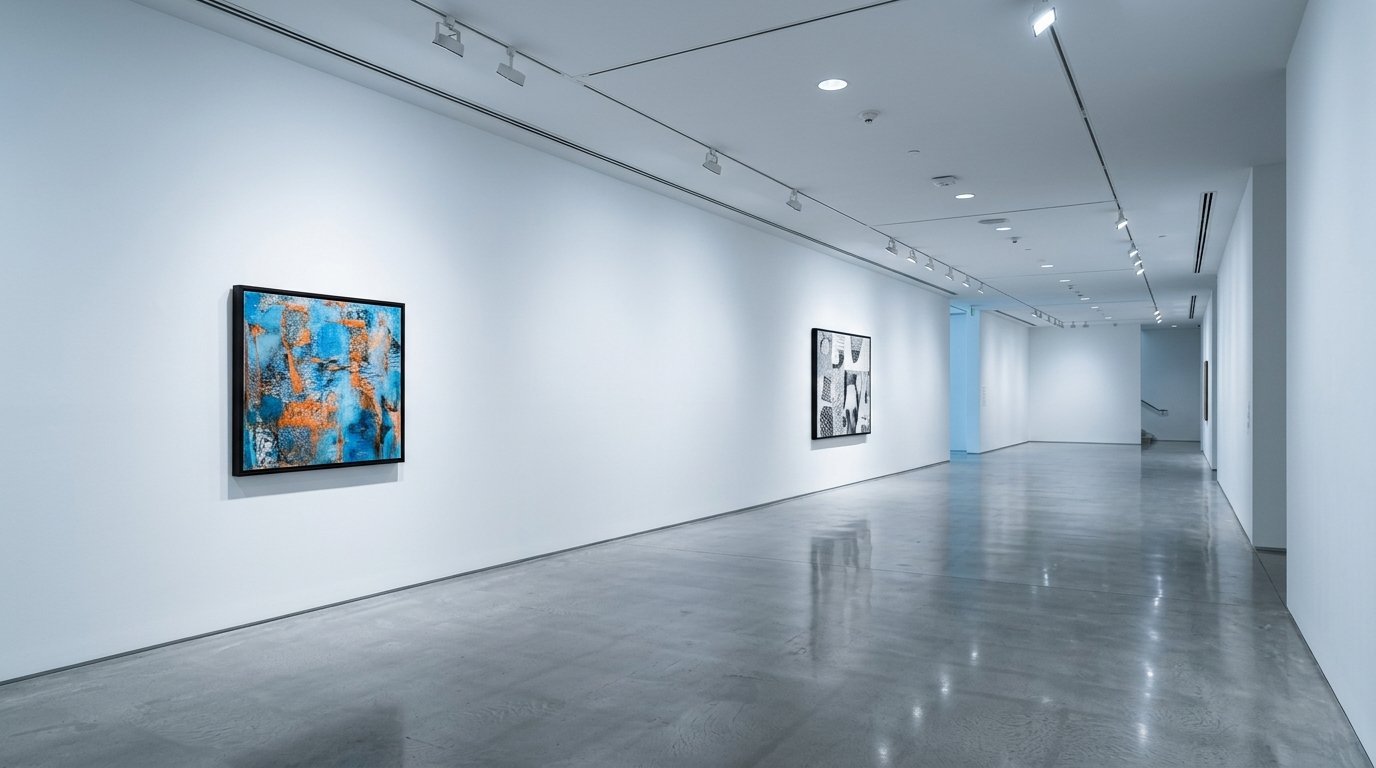
Your brain gets tired easily. Too many shapes cause visual fatigue. Blank drywall acts as a pause button for your eyes. You need these empty zones. Without them, a room feels like a cluttered closet. I visited an art gallery in Chicago last month. The curator left massive gaps between paintings. My eyes felt relaxed. I asked him why he did this. He said blank drywall forces you to look at the actual art. I tested this at home. I removed five posters from my hallway. The remaining two popped instantly. The hallway looked twice as wide. You must treat empty drywall as an actual piece of furniture. Give it purpose. Protect it from clutter.
Every time you enter a room, your mind scans the environment. It looks for patterns. If you cover every square inch with decor, your brain works overtime. You feel exhausted without knowing why. Visual noise causes real fatigue. You need these empty zones to recharge your mental energy. Some paintings in that Chicago gallery had ten feet of bare white drywall on either side. It demands attention without screaming. Protect your blank walls vigorously. You will notice a drop in your daily stress levels almost immediately.
Why Most Homeowners Overcrowd Their Rooms
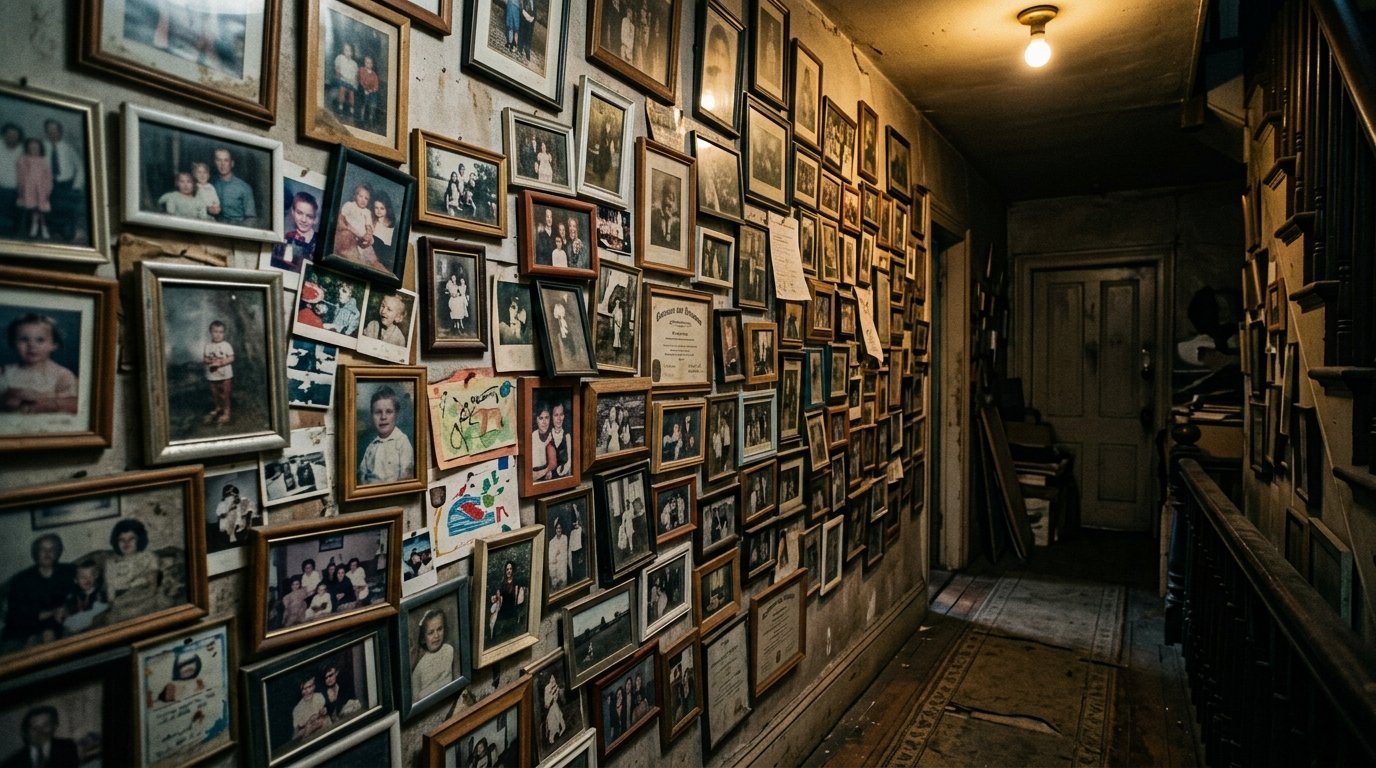
People fear empty drywall. They think empty means unfinished. They rush to Target or HomeGoods. They buy cheap frames just to fill the gaps. They spend five hundred dollars on random pieces. They crowd the room. I made this exact mistake in 2018. I bought thirty frames. I covered my hallway completely. It looked terrible. I spent three hundred dollars for nothing. I felt stressed every time I walked past it. Now I buy fewer pieces. I buy better pieces. I let them breathe.
You must resist the urge to buy filler items. Leave the wall blank until you find something you truly love. A blank wall beats a cluttered wall every single time. It costs nothing to leave a wall bare. It costs money to clutter it. People ask me how to fill small awkward gaps. I tell them to leave the gaps alone. Awkward gaps give the room character. When you fill every gap, the room looks like a catalog page. It loses all personality. Stop buying cheap filler art. Save your money for one massive piece you adore.
Picking the Right Zones for Mini Canvas Art
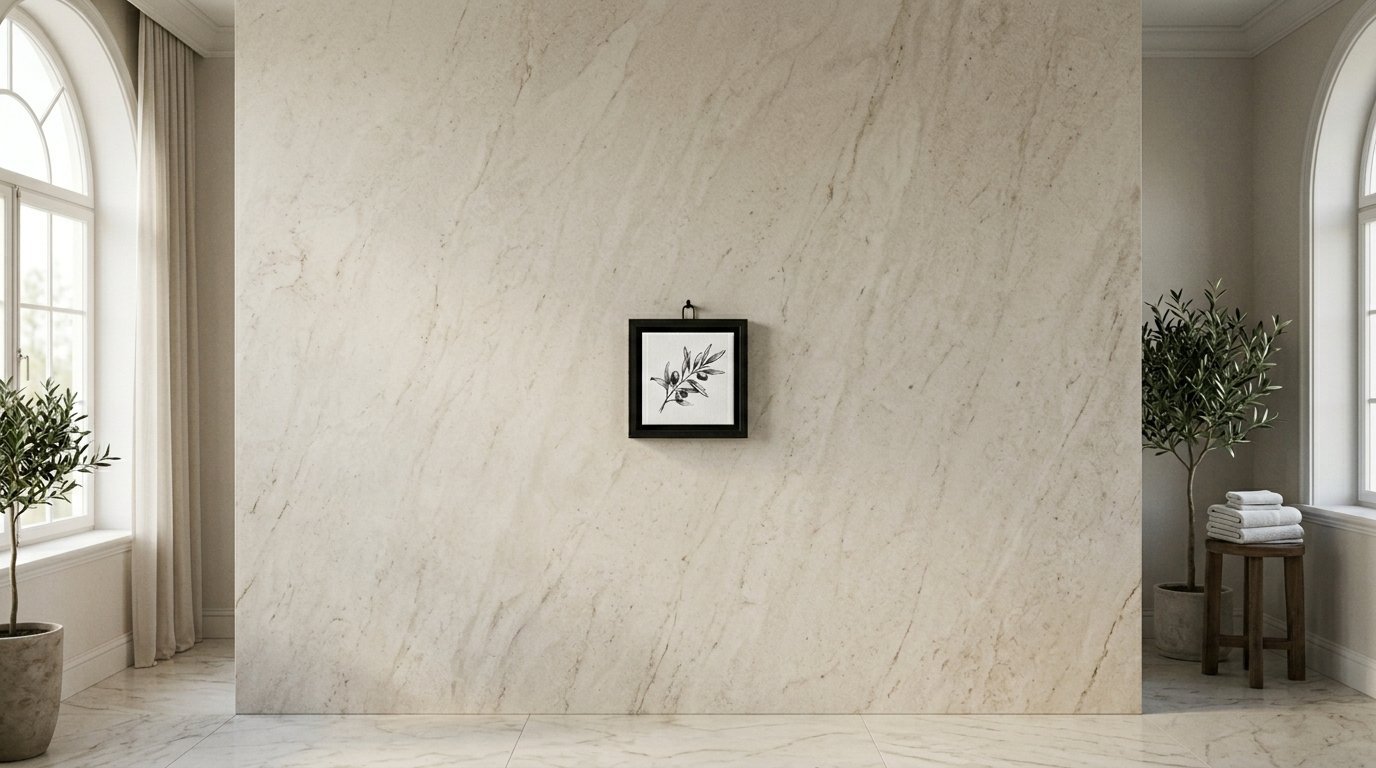
Small items need huge borders. If you put a tiny piece near a massive bookshelf, the piece disappears. It gets swallowed by the surrounding visual weight. If you put a tiny piece on a huge blank wall, it commands absolute attention. Mini Canvas Art works perfectly for this trick. Place one small piece in the exact center of a large blank wall. Do not put anything else around it. No sconces. No plants. No shelves. The extreme contrast makes the small piece feel massive.
I did this in my guest bathroom recently. I hung a tiny four inch canvas featuring a black and white sketch. I left thirty inches of bare drywall on all sides. Guests always compliment that specific piece. They ignore the larger items in the house. Use Command Strips for these small items. They cost twelve dollars for a pack. They do not damage your drywall. You can move the piece easily if you make a mistake. Small art requires bravery. You must be brave enough to leave the surrounding drywall completely empty.
Using Illusion Art to Manipulate Room Depth
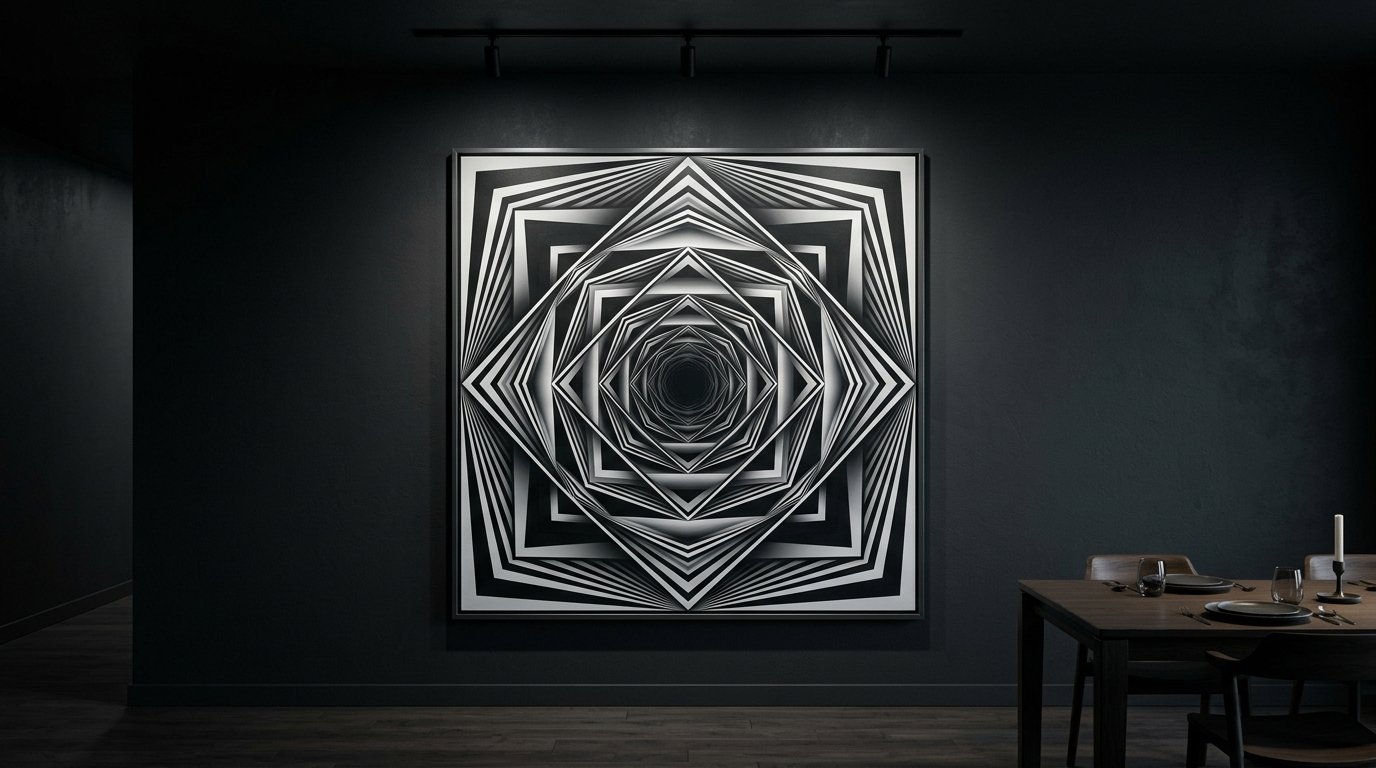
Optical illusions trick your eyes by playing with perspective. They create fake depth using geometry and shading. They make flat walls look like long tunnels or deep windows. You need massive empty borders to make this trick work properly. If you crowd an optical illusion, the trick fails completely. The eye gets distracted by the flat surrounding frames. This breaks the illusion of depth.
My friend Sarah hung a 3D piece last year in her dining area. She flanked it with small family photos and decorative plates. The 3D trick vanished completely. The piece just looked like a messy geometric print. We spent an hour fixing it. We removed the family photos. We removed the decorative plates. We left forty inches of bare drywall around the main piece. The 3D trick returned immediately. Her living room looked ten feet deeper. The wall seemed to disappear into the distance. Always give optical illusions breathing room. Treat them like solitary monuments in your home.
Styling Manifesti Grafici with Blank Borders
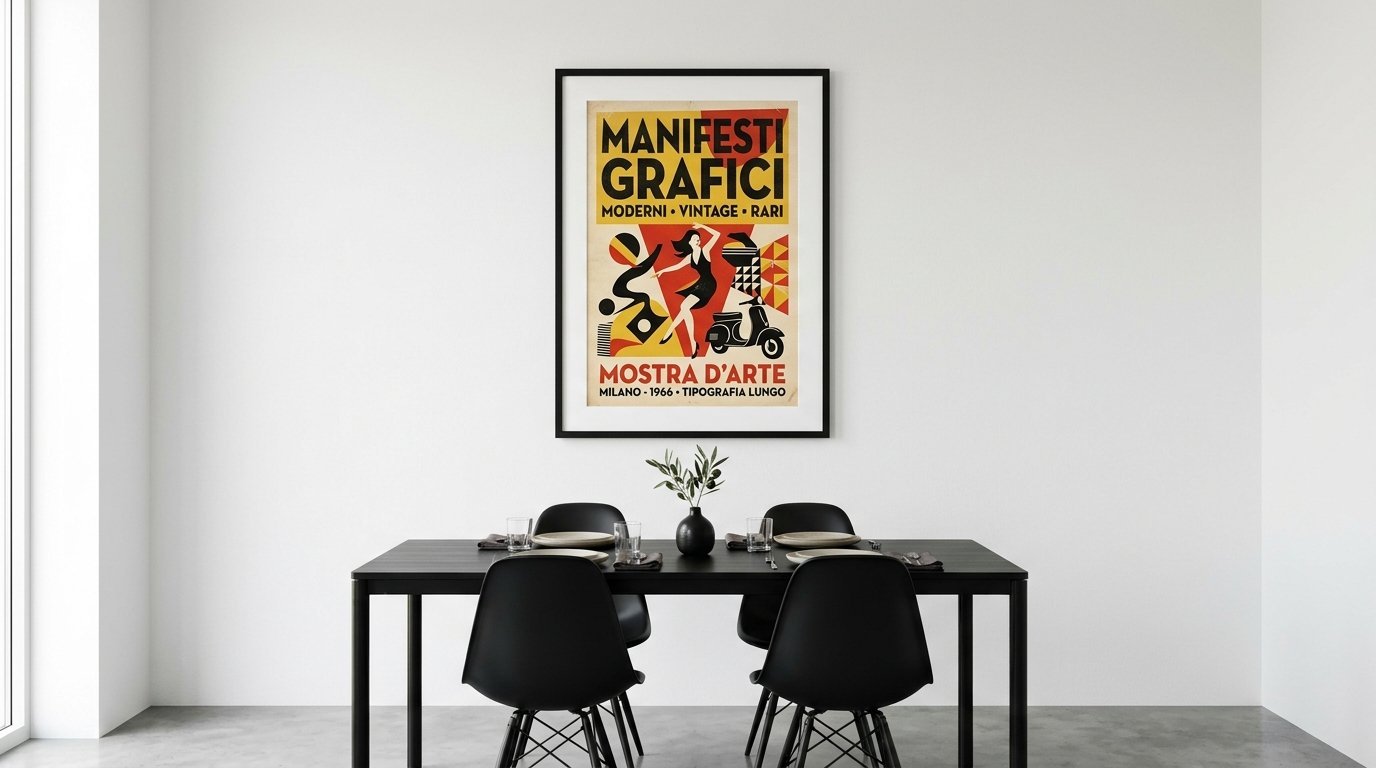
Manifesti Grafici means graphic posters. These are often vintage Italian designs. They feature bold colors and loud typography. Bold colors demand quiet surroundings. You must hang one large graphic poster and leave the rest of the drywall bare. Keep at least thirty inches of bare drywall on all sides. This makes the text readable from across the room.
I bought a vintage Italian beverage poster in 2021. It has loud red and yellow text. I placed it above my dining table. I removed all other decor from that room. The poster anchors the entire dining space. It cost me eighty dollars. It looks like a thousand dollar installation. Silence makes loud art louder. If I had added smaller prints nearby, the room would feel like a cheap diner. Let the big poster do all the heavy lifting.
Framing Afrique Art with Breathing Room

Afrique Art brings rich textures and deep cultural stories to your home. Do not squeeze these pieces into tight corners. Give them center stage. Wood carvings and woven textiles cast actual shadows on the wall. These shadows need space to exist. If you crowd them, the shadows overlap and look messy.
I purchased a beautifully textured piece in 2022. I placed it alone above a low console table. I left five feet of empty drywall around it. It looks like a museum exhibit. The textures cast beautiful shadows when the morning light hits them. Keep the surrounding drywall completely clean. Let the textures speak for themselves. You disrespect beautiful craftsmanship when you squeeze it between cheap mass produced frames. Give it the physical space it deserves.
The Core Rules of Negative Space Art
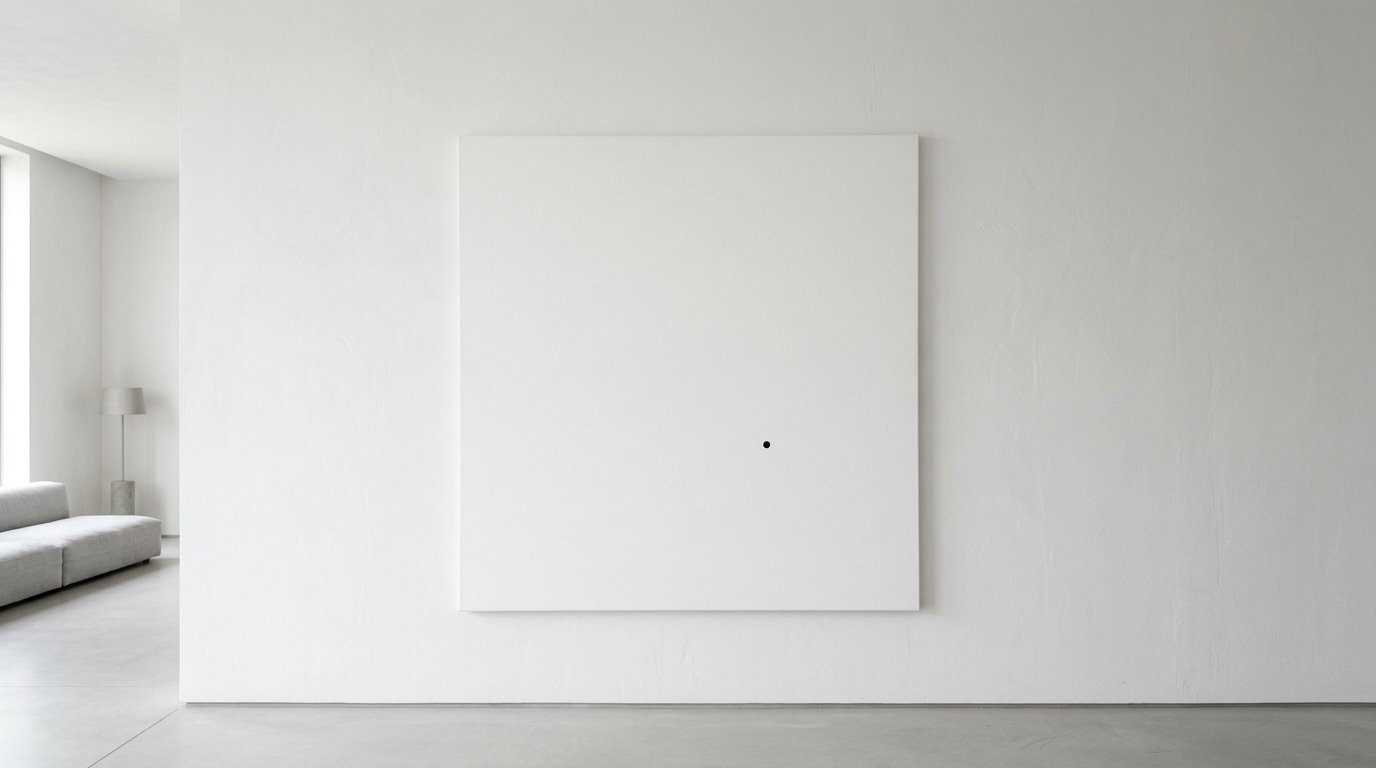
This specific style literally uses emptiness inside the frame itself. The artist paints a small subject and leaves the rest of the canvas blank. You must match this internal emptiness with external emptiness. If the painting is fifty percent white, the drywall around it must be completely bare. The physical wall becomes an extension of the canvas.
I consult for a local coffee shop. The owner bought six minimalist line drawings. He crammed them all onto one small wall. They looked like a messy sketchbook. We took them down. We spread them across the entire cafe. We gave each drawing its own massive wall. The cafe instantly felt upscale and premium. Treat minimalist art with absolute minimalism in your home layout.
Placing Conceptual Illustration in Tiny Corners
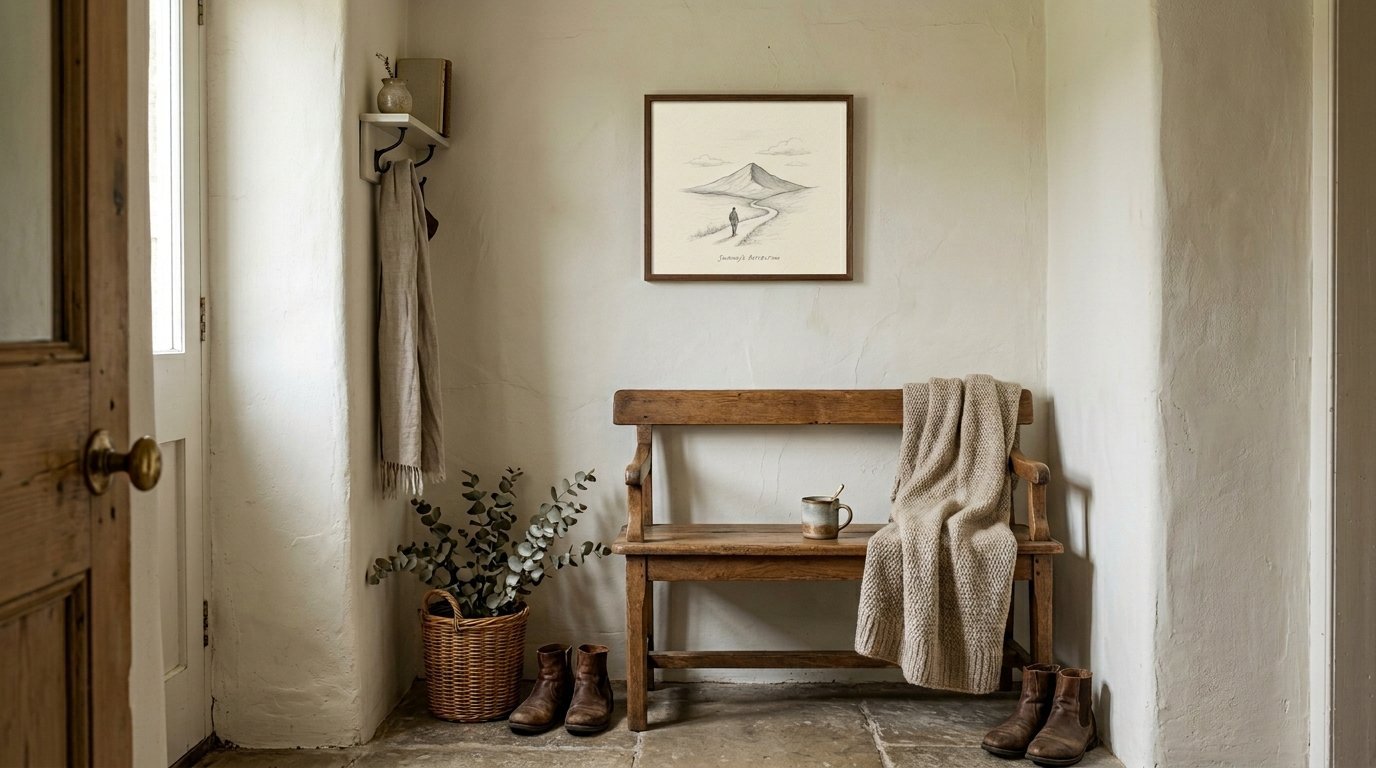
Conceptual Illustration tells a specific story. It requires thought. People need time to look at it. Do not distract them with other items. You can place these in small awkward corners. A narrow wall at the end of a hallway works perfectly. Just ensure nothing else shares that specific wall. Let the story unfold quietly.
I placed a clever sketch in my entryway. It sits alone above a small bench. Visitors always stop to look at it while tying their shoes. It gives them something to think about. I made sure no jackets or keys hang near it. The wall remains totally dedicated to that one sketch. Give your guests a quiet moment to interact with your art.
Case Study Fixing a Cluttered Living Room
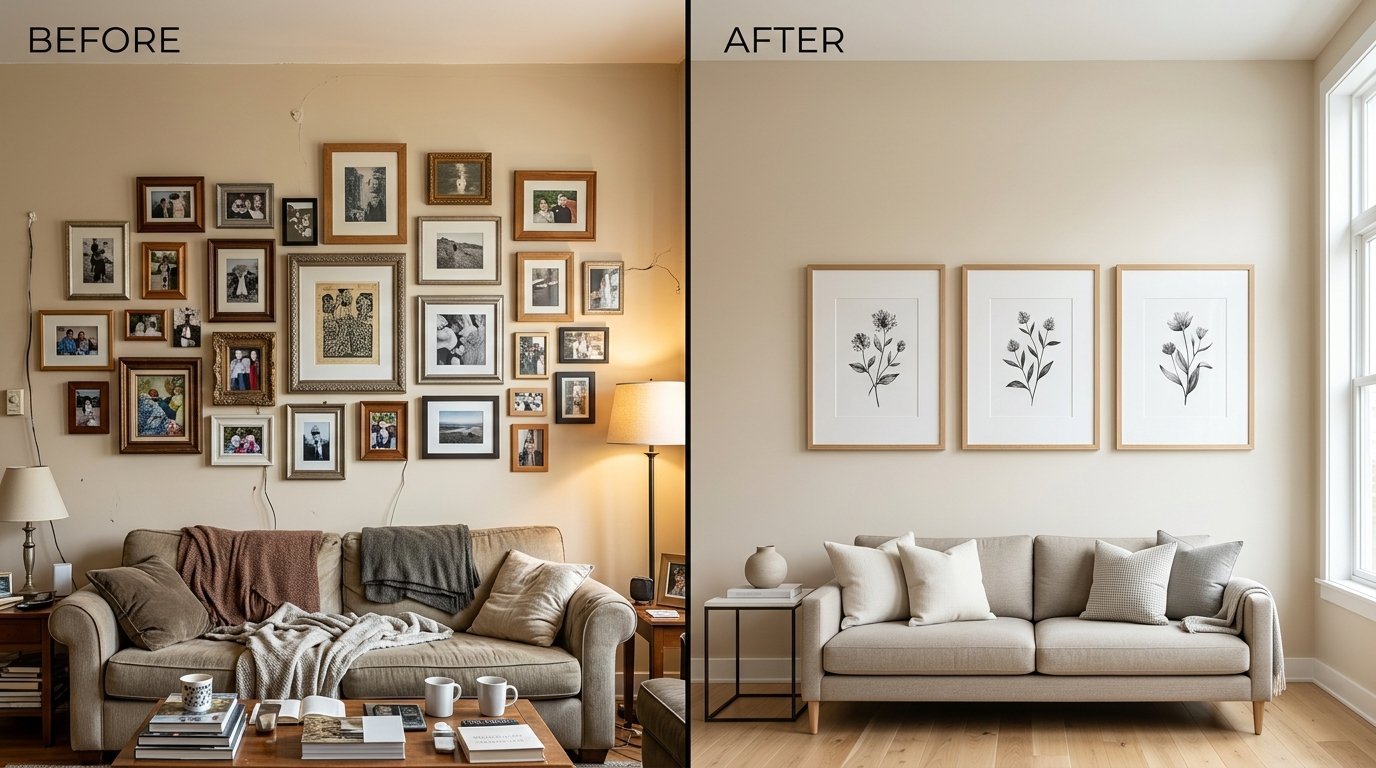
I visited a client named Mark last Tuesday. His living room felt tiny. He had twenty frames squeezed together above his sofa. The frames touched the ceiling. They touched the sides of the sofa. We did a complete overhaul of his space.
- We removed all twenty frames.
- We patched the holes.
- We painted the wall pure white.
- We selected his three favorite pieces.
- We hung them in a straight line.
- We left twelve inches between each frame.
- We left three feet of bare drywall on the edges.
The entire room felt twice as large. Mark felt relieved instantly. He sold the remaining seventeen frames on Facebook Marketplace. He made two hundred dollars. He used that money to buy a nice rug. The job took three hours. You can do this this weekend. It changes how you live in your house.
Cost Analysis of Professional Gallery Layouts
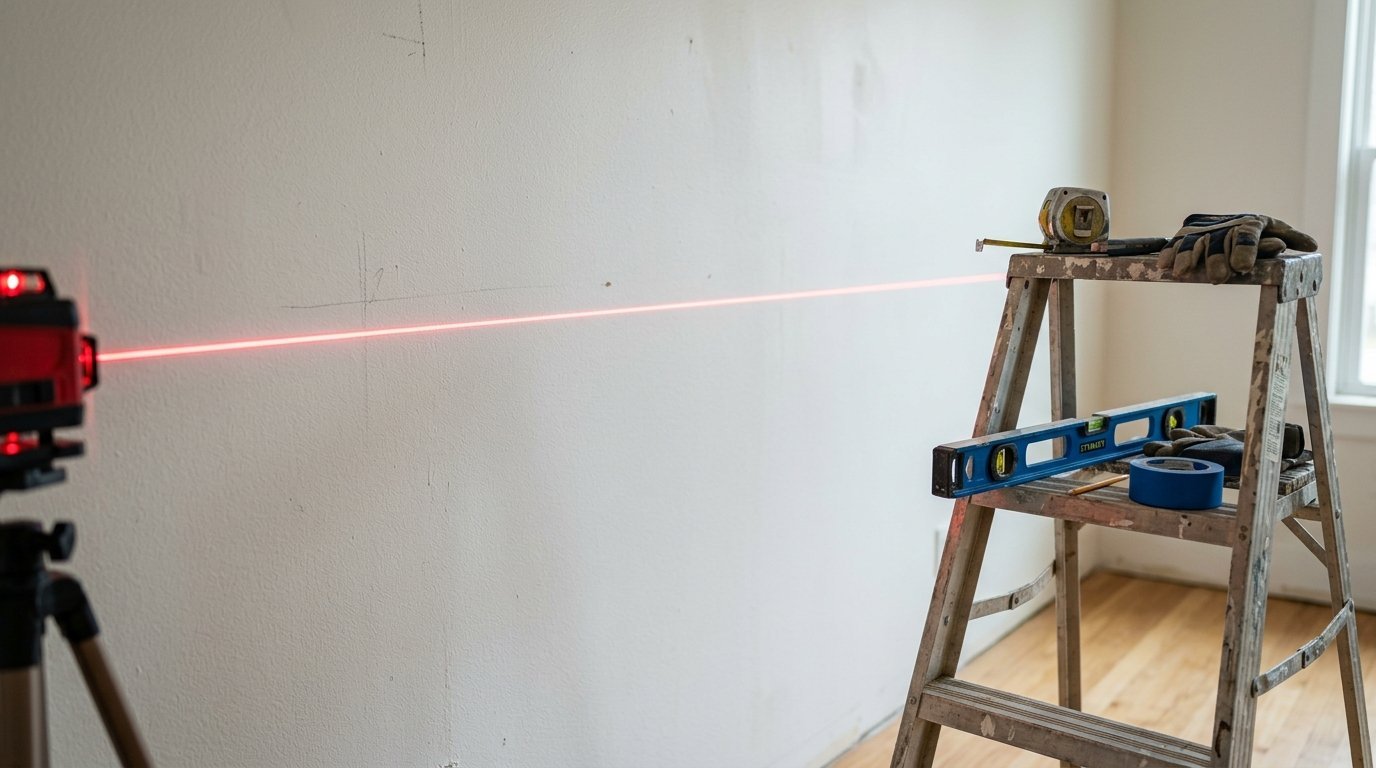
You can hire a professional art installer. They charge around eighty dollars an hour. A large living room takes them about four hours. You will spend roughly three hundred and twenty dollars. They bring their own laser levels and measuring tools.
Doing it yourself saves money. You only need a few items. A Bosch laser level costs seventy dollars. A standard tape measure costs ten dollars. Painters tape costs five dollars. You spend eighty five dollars total. You keep the tools forever. You save two hundred and thirty five dollars. I always choose the do it yourself route. I like controlling the exact placement. I like moving things around late at night. You should invest in a good laser level today.
Tools to Plan Your Room Layout Before Nailing
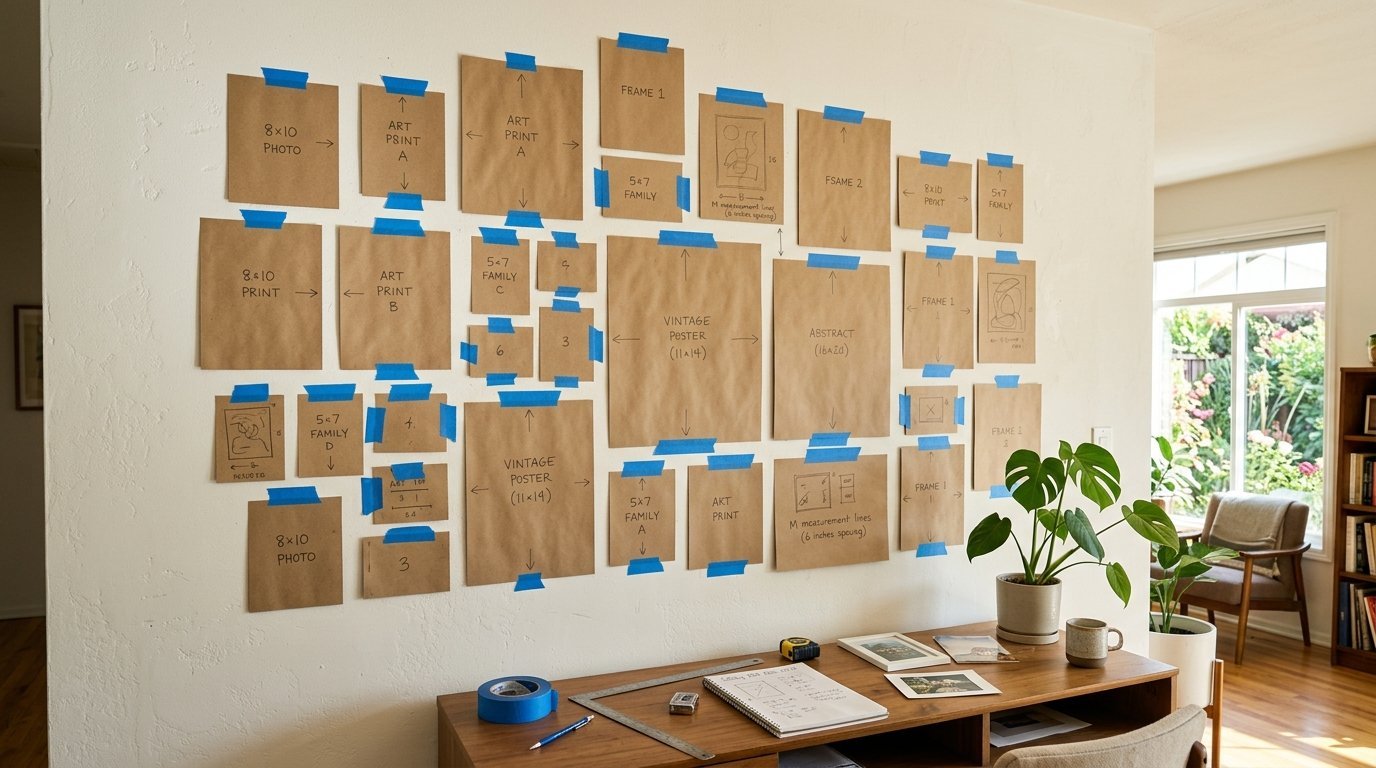
Never hammer a nail without planning first. You will make mistakes. You will ruin your drywall. You will hit metal plates behind the paint. Use kraft paper to plan everything perfectly. Roll out the thick brown paper on your living room floor. Place your wooden frames on the paper.
- Trace the exact outline of the frames with a dark pencil.
- Cut out the paper squares carefully with sharp scissors.
- Tape these paper squares to your drywall using blue painters tape.
- Step back and look at the room from different angles.
Leave the paper up for two full days. See how the layout feels in the morning light. See how it feels at night when the lamps turn on. Move the paper around if the room feels crowded. Once you love the layout completely, hammer the nails directly through the brown paper. Rip the paper away quickly. Your frames will hang perfectly on the first try. This saves so much frustration. It saves you from patching holes later. I keep a roll of kraft paper in my garage just for this job.
Frequently Asked Questions
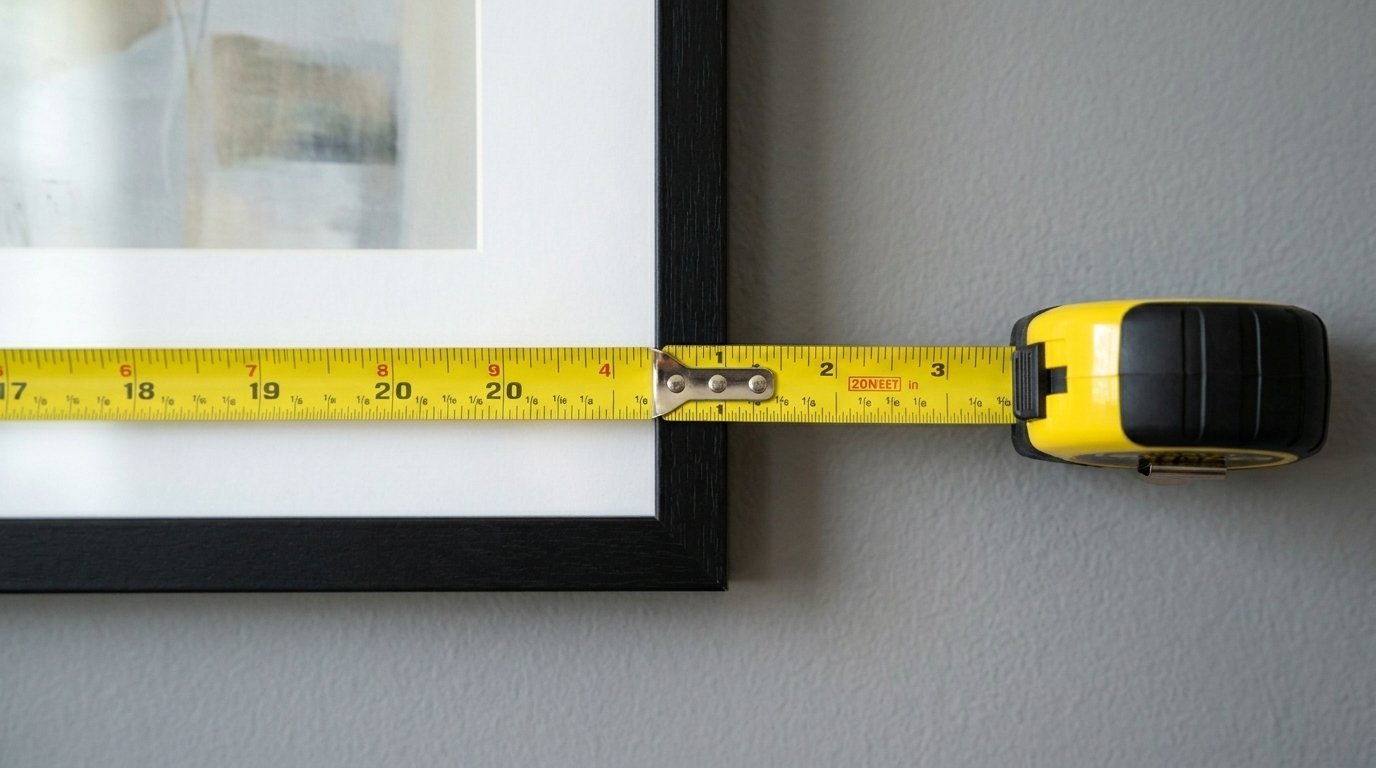
How much empty drywall do I need around a main piece?
You need at least twenty inches of bare drywall on all sides. This gives the piece room to breathe. If you push furniture too close, the room feels cramped. I always measure twice. I keep a tape measure in my pocket. You should never guess the distance. Guessing causes mistakes. Mistakes cause patched holes. Keep it simple and measure twenty inches. Your eyes will thank you.
Should I center everything on the wall?
You do not always need to center things. Sometimes placing a piece off to the side looks better. It creates tension. Tension makes the room interesting. I placed a small mirror in the top right corner of my hallway. I left the entire left side blank. People stop and stare at it. Breaking rules carefully makes your home stand out.
Does ceiling height change how I hang things?
Yes. High ceilings give you more freedom. Low ceilings require extreme caution. If your ceilings sit at eight feet, hang things lower. Keep them at eye level. If you hang them too high, the ceiling feels even lower. I visited a basement last month. The owner hung posters two inches from the ceiling. We felt like we were in a cave. We lowered them by ten inches. The basement felt much taller.
What should I do with narrow hallways?
Narrow hallways need absolute minimalism. Do not hang frames on both sides. If you hang frames on the left and right, people feel trapped. Pick one side. Leave the other side completely bare. I chose the right side of my hallway. I hung three simple frames. I left the left side totally blank. The hallway feels open and airy. You never feel like you will bump into things.
Can I place furniture right under the frames?
Leave at least six inches between the top of the furniture and the bottom of the frame. Eight inches works even better. If the frame touches the sofa, it looks messy. It looks like you ran out of room. I always leave exactly eight inches above my console tables. It creates a clean visual break. Dusting becomes much easier too.
How do I fix holes from my old crowded layout?
You need lightweight spackle and a putty knife. Fill the holes carefully. Let the spackle dry for two hours. Sand it completely smooth. Paint over the spots. Do not skip the sanding step. I skipped sanding once in 2019. The wall looked bumpy forever. It drove me crazy. Take the extra five minutes to sand it smooth. Your new layout deserves a perfect backdrop.
Should I match my frame colors?
You do not have to match them exactly. Black frames mix well with wood frames. Just keep the tones similar. Do not mix bright neon frames with rustic wood. It confuses the eyes. I stick to black and light oak. These two colors play nicely together. They never compete for attention. They let the artwork shine. Keep the frames quiet.
How do I handle massive blank walls in a living room?
Resist the urge to cover every inch. Pick one massive piece of art. Hang it dead center. Leave five feet of blank space on either side. You do not need to fill the corners. Empty corners make the room feel expensive. Luxury homes always have massive empty corners. Cluttered corners make homes look cheap. Buy one great piece instead of ten cheap ones.
Does lighting matter for bare walls?
Lighting changes everything. A bare wall looks dull without good lighting. A bare wall looks dramatic with proper lighting. Buy a cheap plug in wall sconce. Point the light directly at the blank space next to your art. The light creates shadows. Shadows act as their own form of art. I bought a thirty dollar uplight from Amazon. It completely changed my dining room.
What is the biggest mistake people make?
They hang things too high. Everyone does this. They hang pictures so high you have to tilt your head back to see them. Museums hang art perfectly at eye level. The center of the art should sit fifty seven inches from the floor. I measure exactly fifty seven inches every single time. It never fails. Try it this weekend.
Can I lean frames on the floor instead of hanging them?
Leaning frames looks incredibly stylish. It looks casual and relaxed. It leaves the entire upper half of your wall completely bare. This draws the eyes down. It makes the ceiling feel infinitely tall. I lean a massive mirror in my bedroom. I left the wall above it entirely blank. It looks like a high end studio apartment. Just ensure you secure it so it does not slip.
How do I arrange three pieces together?
Treat three pieces as one single giant piece. Leave exactly two inches between each frame. Hang them in a perfectly straight line. Then, leave massive empty borders around the entire group. Do not spread the three pieces across the whole wall. Keep them tight together. This creates a powerful visual anchor. I do this with family photos.
What if my spouse wants to hang more stuff?
Show them pictures of high end homes. High end homes always feature less stuff. Do an experiment. Take down half the items for one week. Tell them it is just a test. After one week, they will notice how calm the room feels. They will not want to put the old stuff back up. I have seen this trick work a dozen times.
How do I handle textured wallpaper?
Textured wallpaper acts as art itself. You should hang almost nothing on patterned wallpaper. If you hang a busy painting on busy wallpaper, your eyes hurt. Hang one simple mirror instead. Let the wallpaper do the heavy lifting. I installed grasscloth wallpaper last year. I hung absolutely nothing on it. The texture speaks for itself beautifully.
Can I use plants to fill empty corners?
Yes, plants work better than frames for empty corners. A tall olive tree fills a corner without making the wall feel heavy. The leaves let light pass through. It feels organic. I placed a six foot fake olive tree in my office corner. It cost sixty dollars. It solved the empty corner problem immediately without adding wall clutter.
Does the rule apply to televisions?
Televisions act like black holes on your wall. They suck all the energy out of the room. Leave massive empty borders around your television. Do not build a gallery wall around your TV. It distracts you while you watch movies. I keep a four foot bare zone around my screen. Movie nights feel much more immersive now.
What if I have a really small bedroom?
Small bedrooms need empty walls desperately. If you cover the walls in a small bedroom, you will feel claustrophobic. Pick the wall behind your bed. Hang one piece there. Leave the other three walls completely bare. Your bedroom will suddenly feel like a hotel suite. I did this in my tiny college apartment. It saved my sanity.
How do I know when I have removed enough clutter?
Walk into the room and close your eyes. Open them quickly. Notice where your eyes go first. If your eyes bounce to five different spots, you have too much stuff. If your eyes land on one beautiful piece and then rest, you nailed it. Keep removing items until your eyes feel relaxed. You will know it when you feel it.
Final Thoughts on Wall Spacing
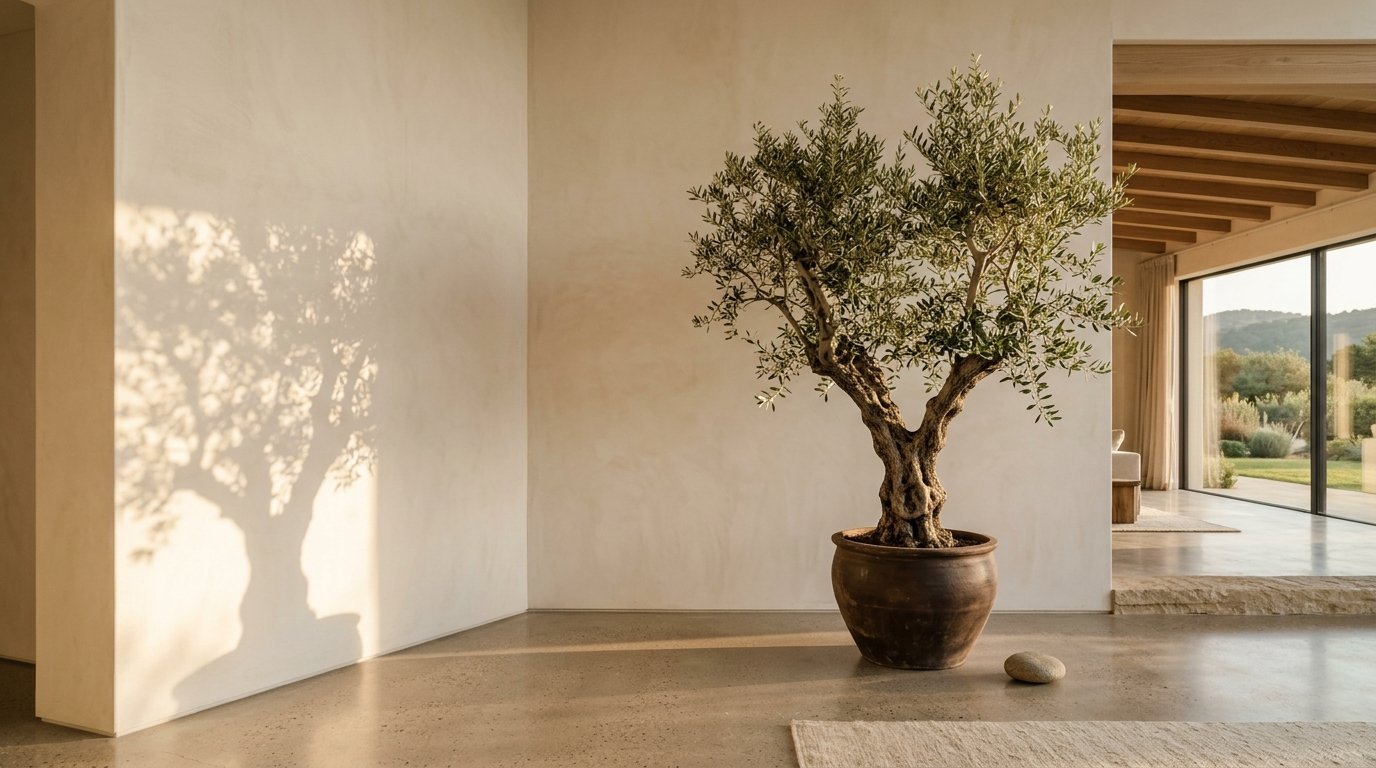
You now know exactly how to manage your room layouts. You have the measurements. You have the tools. You know the exact rules for spacing and borders. Stop buying random decor. Stop filling every empty gap you see. Give your eyes a place to rest. Take action this weekend. Walk into your living room with a box. Take down half of your frames. Patch the holes. Sand them smooth. Leave the walls bare for a few days. You will feel a massive difference in your daily stress levels. Your home will feel expensive, calm, and massive.

Anya Castellan is the Founder and Editor-in-Chief of Home Wall Trends. An art history graduate of the Rhode Island School of Design with twelve years of experience writing for leading American design publications, she specializes in composition, gallery wall theory, and the quiet architecture of domestic space. A former contributing editor at Architectural Digest and guest lecturer at Parsons School of Design, Anya personally reads and signs off on every piece before it is published.