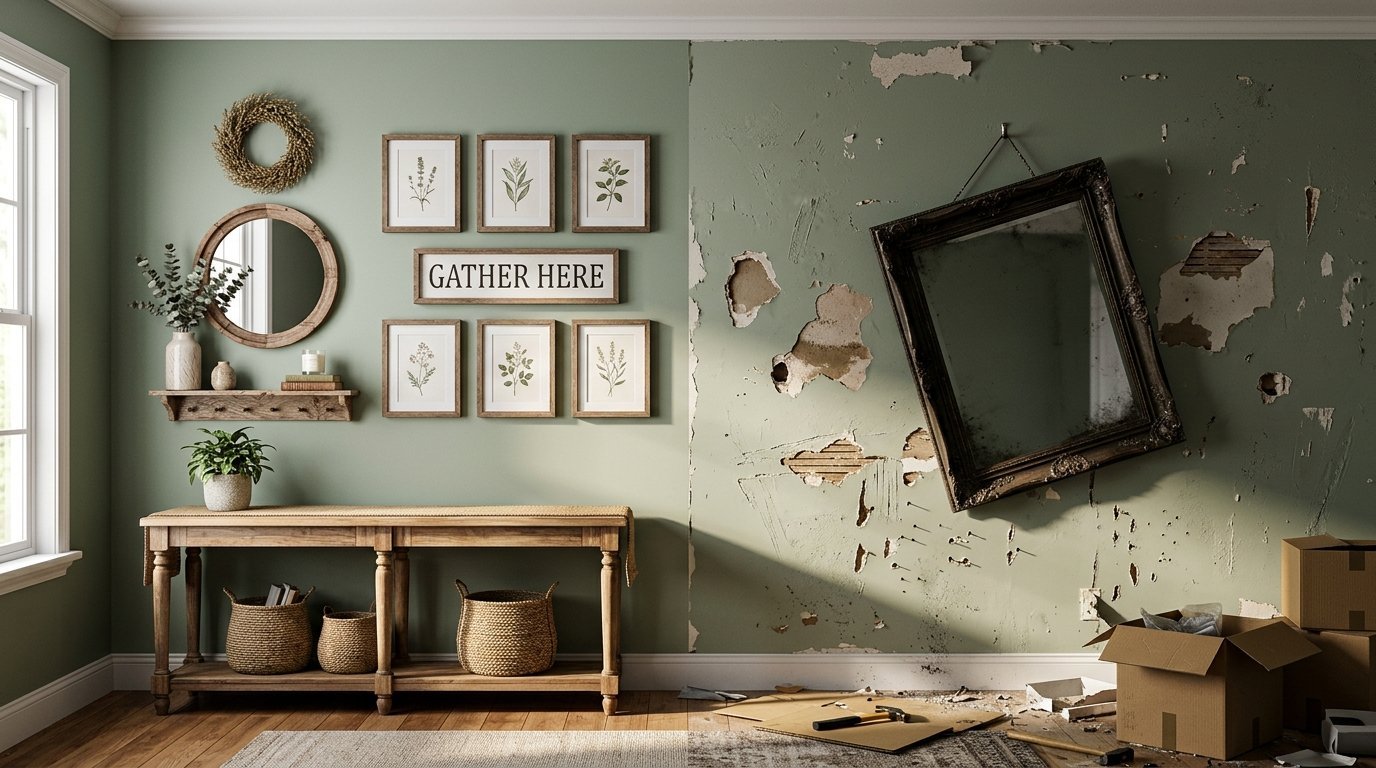
We all love decorating our living spaces. You sign the lease and immediately start planning your aesthetic room layout. Two years pass and moving day arrives. You pull down a picture frame and hear a terrible ripping sound. Half the paint comes off with the sticky strip. Your landlord walks in for the final inspection and shakes their head. Your security deposit vanishes instantly. I have seen this happen to countless renters. I write about home maintenance and DIY wall decor for a living. I talk to property managers every single week. They keep thousands of dollars from tenants over simple decorating errors. You can completely avoid these costly financial disasters. I will show you exactly what ruins walls and how to fix your approach.
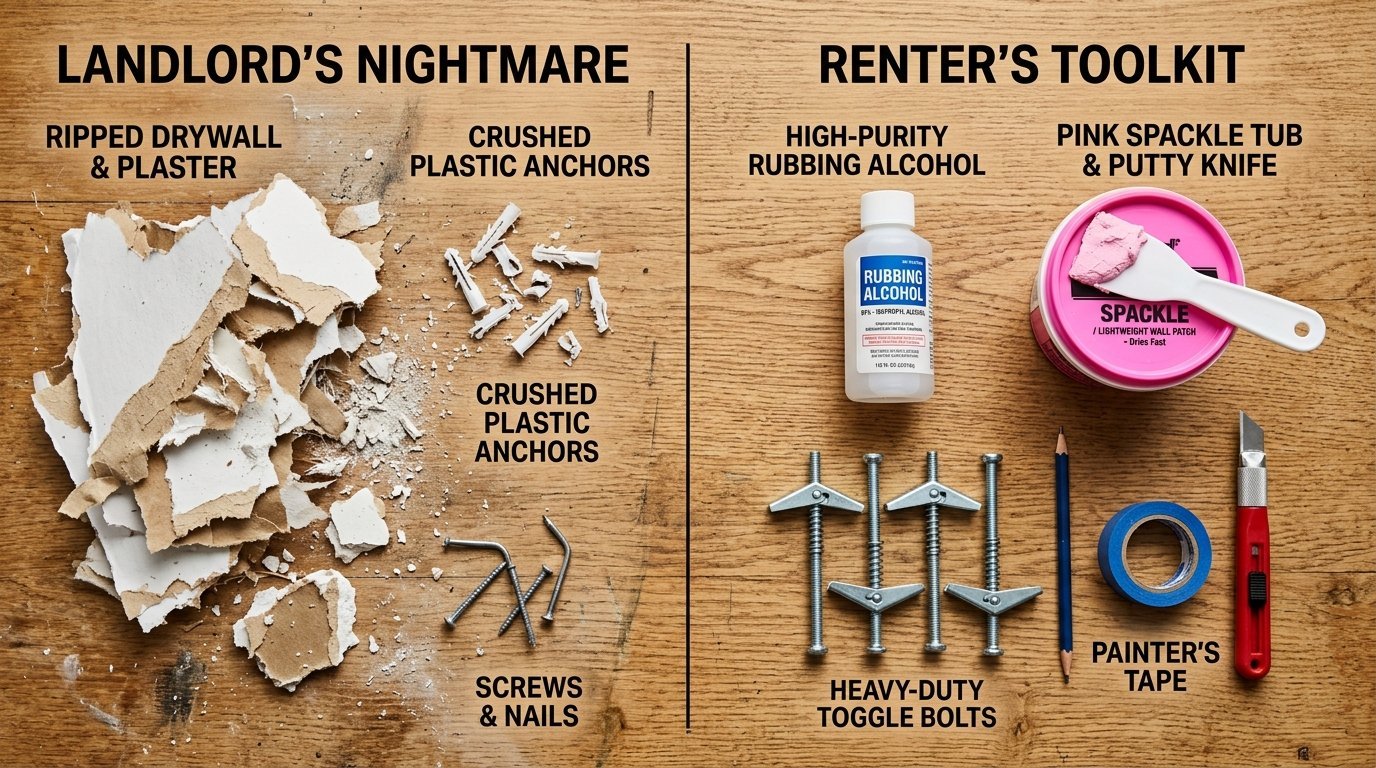
You will save your entire security deposit by following these specific steps. We will cover the exact adhesives that ruin drywall and the exact weights that pull out screws. You will see current replacement costs for ruined plaster. I will share my exact tools for safe hanging. You will get clear timelines for patching holes before your inspection. This guide covers everything from heavy mirrors to simple posters. We exclude structural changes and focus entirely on surface decoration. Read this before you hang one more picture frame.
1. Using The Wrong Adhesive On Painted Drywall
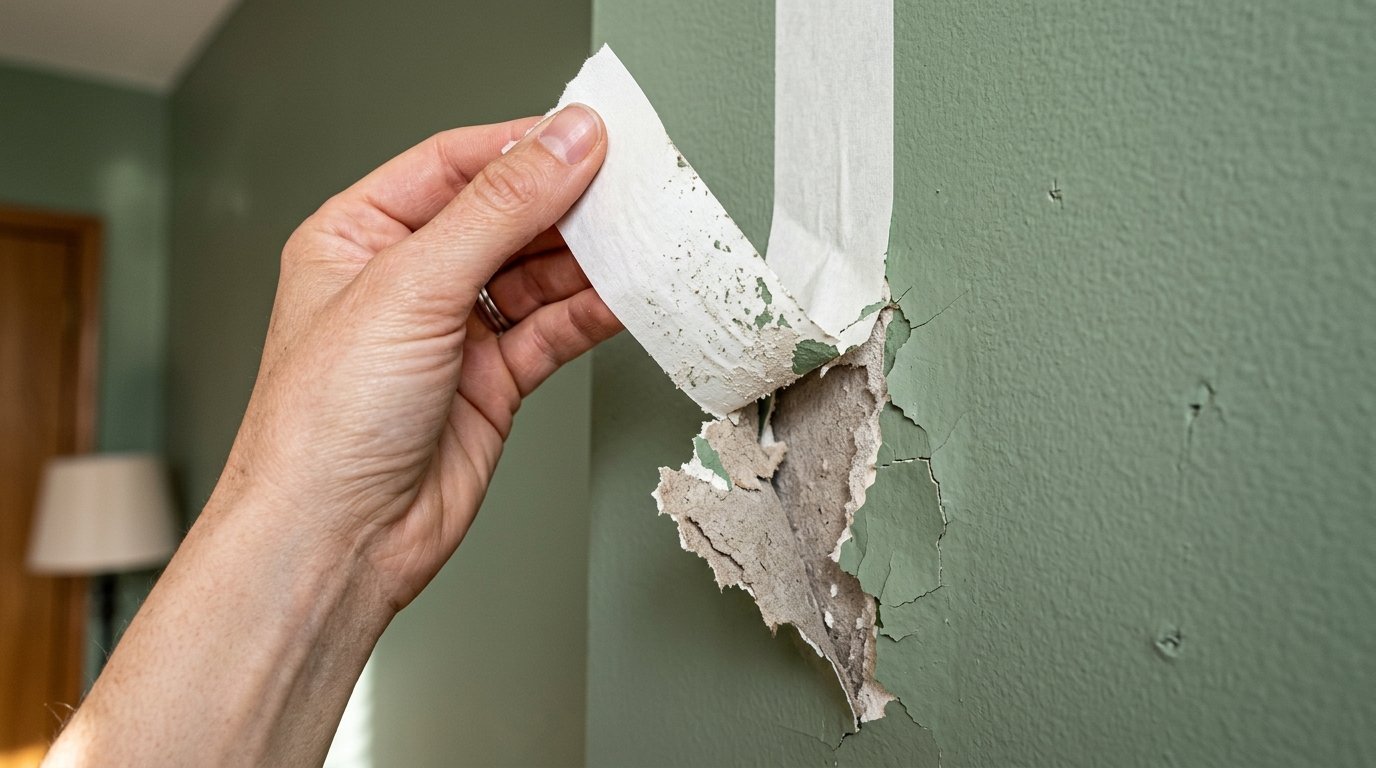
Renters love sticky strips. They seem perfectly safe for an apartment. You stick them up and forget about them. Months later you try to take them down. The adhesive bonds permanently to the cheap builder grade paint. You pull the tab and the paint rips away in a giant chunk. Sometimes it even tears the paper layer of the drywall itself.
Property managers charge around 150 dollars to patch and paint a single torn spot. Multiply that by ten frames and you owe 1500 dollars. I have noticed this exact issue in dozens of rental units. The glue gets harder over time. Heat makes the bond even stronger. Summer temperatures bake the foam backing straight into the wall surface.
Here is what nobody tells you about these sticky strips. You must pull the tab straight down against the wall. Most people pull out toward their body. Pulling outward causes the instant paint tear. The physics of the stretchy foam require a parallel stretch to release the chemical grip.
Let me share a specific story about a friend in a Chicago high rise. She spent 300 dollars framing her vintage concert posters. She bought twenty packs of heavy duty adhesive strips. She placed four strips on every single frame. She pressed them firmly against the flat white walls. Fast forward two years. Moving day arrives with boxes everywhere. She grabs the first frame and pulls. A sound like ripping cardboard echoes through the empty room. A patch of paint the size of a dinner plate comes off with the frame. She panicked and tried the next one. Same exact tragedy. She lost her entire 2000 dollar security deposit that afternoon.
You can prevent this easily with a careful removal technique.
- Use rubbing alcohol to soften the adhesive before pulling.
- Apply a few drops to the top edge and wait five minutes.
- Keep a hair dryer handy to warm up stubborn strips.
- Put the dryer on the lowest heat setting and aim it at the foam.
- Slide a piece of dental floss behind the foam to cut it safely.
- Clean the sticky residue with high purity isopropyl alcohol.
I use 3M microfiber cloths for the final wipedown. They pick up the tiniest bits of glue without scratching the gloss. Stop trusting the packaging claims blindly. Treat every sticky strip like a potential hazard to your deposit. Small finishing nails actually cause far less damage. A tiny pinhole disappears with a dab of spackle. A torn sheet of drywall paper requires professional skimming and sanding.
2. Ignoring The Weight Limits Of Floating Shelves
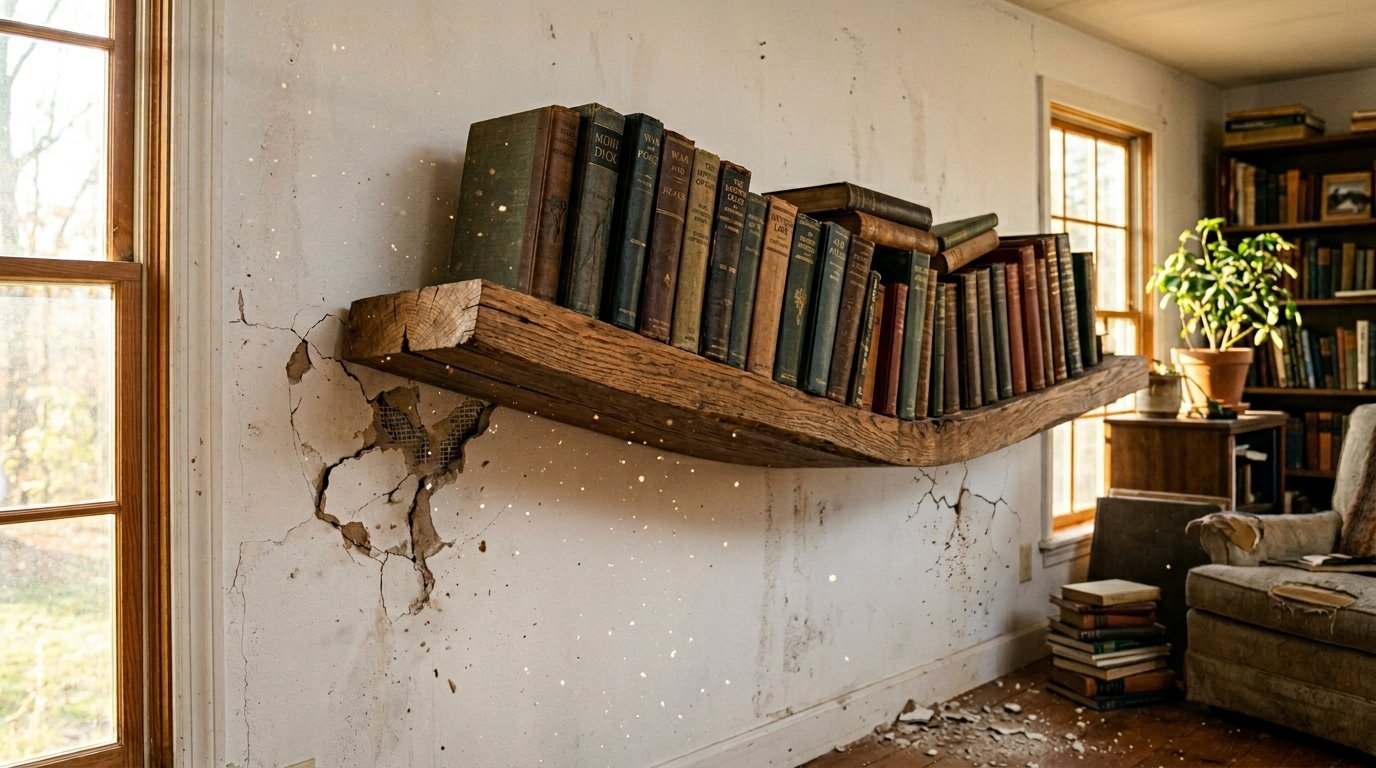
Small spaces desperately need vertical storage. Floating shelves look sleek and save floor space. Renters buy them constantly to display books and plants. The box says the shelf holds twenty pounds. You mount it using the provided plastic anchors. You stack heavy hardback books across the entire length. Two weeks later the shelf sags downward. The anchors rip massive holes in the sheetrock.
The hardware included in most shelf kits is completely worthless. Cheap plastic anchors tear straight through half inch drywall. A landlord will charge you up to 300 dollars to repair blown out anchor holes. They have to cut out the damaged square and tape in a new piece.
You must find the wooden studs inside your walls. Studs provide the only secure mounting point for anything bearing weight. I keep a magnetic stud finder in my toolbox at all times. It sticks perfectly to the hidden drywall screws. Wood studs sit exactly sixteen inches apart in most modern construction. Once you find one you can measure across to find the next.
I have tried hanging floating nightstands with basic anchors. They failed within three days. You need metal toggle bolts that fan out behind the drywall. They distribute the load across a much wider surface. Never guess the weight of your decor.
Let us look at a real cost breakdown of a failed shelf installation. A potted ceramic plant weighs roughly eight pounds after you water it. Ten hardback books weigh another fifteen pounds. The wooden shelf itself weighs five pounds. You just placed almost thirty pounds on two tiny pieces of plastic. The downward leverage acts like a crowbar against the wall. The top screw pulls straight out. The bottom screw acts as a pivot point and crushes the drywall inward.
The repair sequence requires multiple days to fix properly. The maintenance crew cuts a square hole. They insert a wooden backing block. They screw in a new drywall patch. They tape the seams with fiberglass mesh. They apply three coats of joint compound. They wait for it to dry between every single coat. Finally they sand it smooth and paint it. This massive labor bill goes directly to you.
Follow this exact protocol for mounting anything heavier than a picture frame.
- Buy heavy duty toggle bolts for areas without studs. Look for metal wings that snap open tightly.
- Weigh your items on a kitchen scale before placing them on the shelf. Write the total weight down on paper.
- Keep heavy objects near the mounting brackets rather than the center. Center weight causes bowing and stress.
- Check the shelf level once a month to catch early signs of sagging. Catching it early saves the wall from total blowout.
The repair bill will wipe out your bank account. Spend extra time planning your layout around the wooden studs. Your deposit depends entirely on this physical reality.
3. Leaving Unpatched Holes From Heavy Mirrors
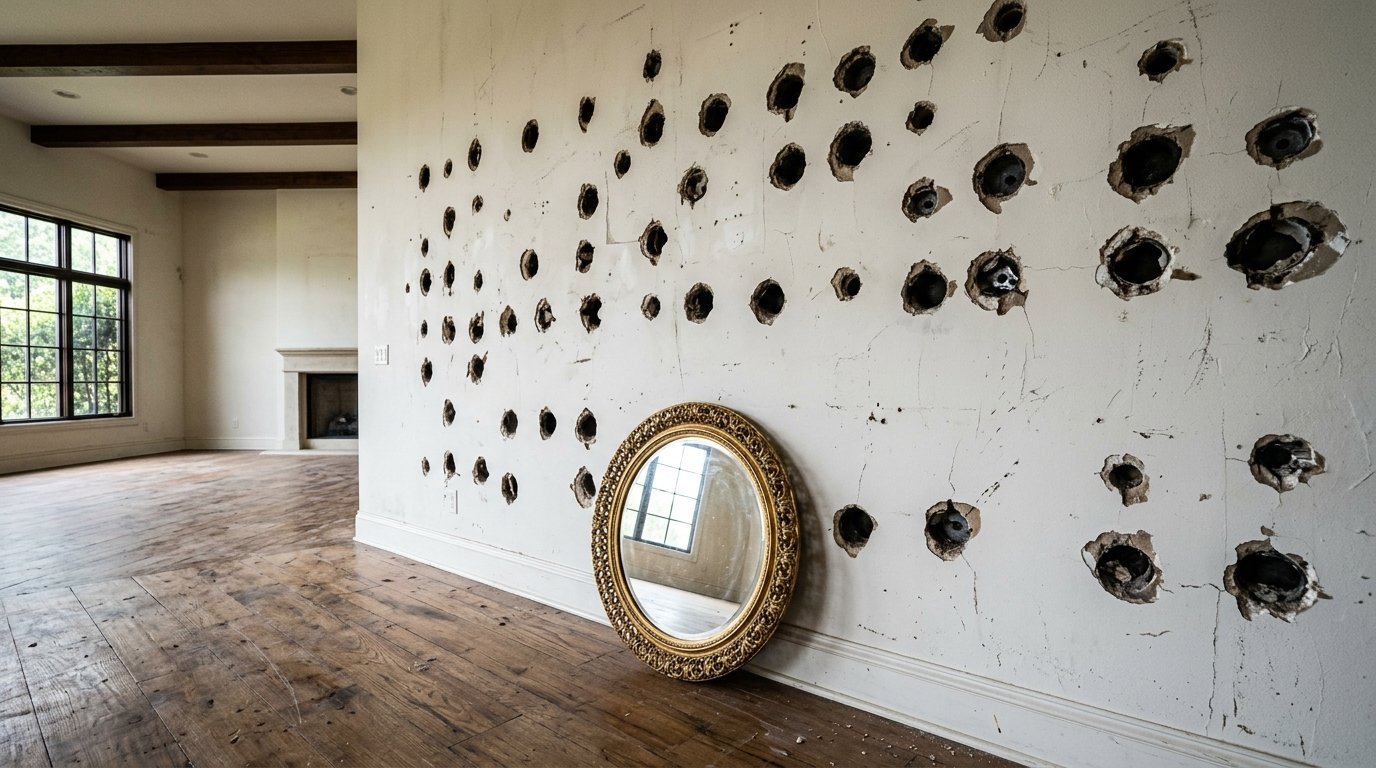
Mirrors make tight rooms feel twice as big. I spend a lot of time doing photography and staging. I constantly prepare mirror backgrounds for my shots. Getting a perfect mirror selfie requires ideal lighting and exact placement. Hanging a heavy mirror requires serious hardware. A fifty pound piece of glass needs giant screws and thick anchors.
Tenants often leave these massive holes behind when they move. They think the landlord will easily paint over them. Property managers hate giant holes. They will deduct 50 dollars per hole from your return check. Five massive bolt holes equal a lost weekend in Vegas.
I ran into a specific issue with a gold frame circle mirror in my classy bedroom last summer. Every time I wiped the glass water gathered at the absolute bottom curve. The water actually damaged the frame edge. You have to care for the mirror itself while protecting the wall behind it. I only use distilled water and a 3M cloth to clean my photography mirrors now.
Let us discuss exactly how to properly patch these craters before your final walkthrough. I have watched renters jam ivory bar soap into holes. I have seen them use white crayon wax. I even caught someone using chewed up paper wads. The maintenance staff spots these fake repairs instantly. They walk the apartment with a high powered flashlight. The beam hits the fake patch and casts an obvious shadow.
You can fix these holes yourself for less than ten dollars. You just need a tiny bit of patience.
- Buy a small tub of lightweight spackling paste from the hardware store. The pink stuff that turns white when dry works perfectly.
- Press the paste into the hole using a flexible plastic putty knife. Push firmly to fill the entire void.
- Wipe away the excess paste with a slightly damp sponge before it dries. Keep the edges flush with the surrounding paint.
- Wait twenty four hours and lightly sand the spot perfectly flat. Run your hand over it blindly to check the texture.
Do not use toothpaste to fill holes. Landlords spot the bright white minty paste immediately. It shrinks and cracks within a week. Take thirty minutes to patch your walls properly. Keep your money in your pocket. A proper repair blends completely invisible after a fresh coat of paint. You control exactly how much money the management company keeps. Do the work yourself.
4. Hardwiring Without Permission
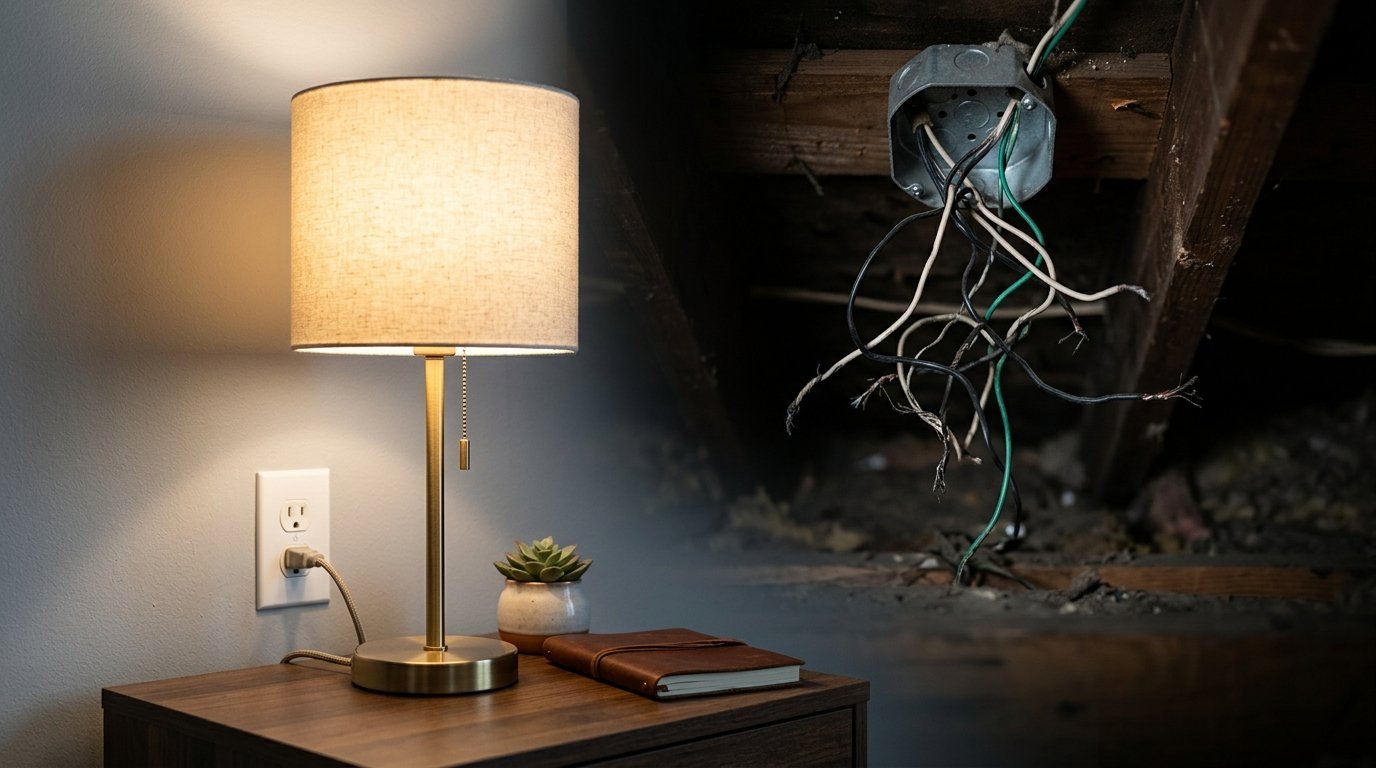
Lighting fixtures completely change the mood of a room. Renters hate those cheap glass dome lights landlords install. You might watch a tutorial online about swapping a ceiling light. You turn off the breaker and start twisting wires together. You install a beautiful modern chandelier. You also just broke your lease agreement.
Touching electrical wiring without a license creates a massive fire hazard. Landlords take this extremely seriously. If they find unauthorized electrical work they will hire an electrician to inspect it. They will pass that 250 dollar invoice straight to you. Property managers run a tight ship regarding liability. A spark from a loose wire nut can burn an entire apartment complex to the ground. Insurance companies deny claims when they discover unpermitted tenant wiring.
I have seen renters melt their ceiling boxes by installing fixtures with the wrong wattage. One guy swapped a basic hallway dome for a heavy metal vintage barn light. He twisted the wires loosely and shoved them back into the metal junction box. The sharp metal edge sliced through the plastic wire casing. Every time he flipped the switch the fixture energized. A guest touched the metal shade and received a massive shock. The landlord evicted him the next week and kept his entire deposit.
Smart home technology offers a completely safe alternative. You can get the exact lighting mood you want without touching a single wire behind the plaster.
- Twist smart LED bulbs into the existing ugly fixtures. You can adjust the color temperature from cold white to warm amber.
- Use a wireless smart switch to control the bulbs from your phone. Stick the remote directly to the wall with a gentle adhesive.
- Buy plug in wall sconces that require zero hardwiring. Mount them with simple screws and let the cord hang down elegantly.
- Hide the hanging cords behind paintable plastic wire channels. Cut the channel to size and press it along the baseboard edge.
The risk simply outnumbers the aesthetic reward. Stick to plug in options. You can pack them up safely when your lease ends. Leave the electrical panel alone. A beautiful pendant light holds zero value if it costs you your housing. Invest in floor lamps with heavy marble bases. Buy table lamps with beautiful linen shades. Place up lights behind your large indoor plants. You can create incredible layered lighting without twisting a single copper wire. Keep your hands out of the ceiling.
5. Mounting Heavy Wood Art Improperly
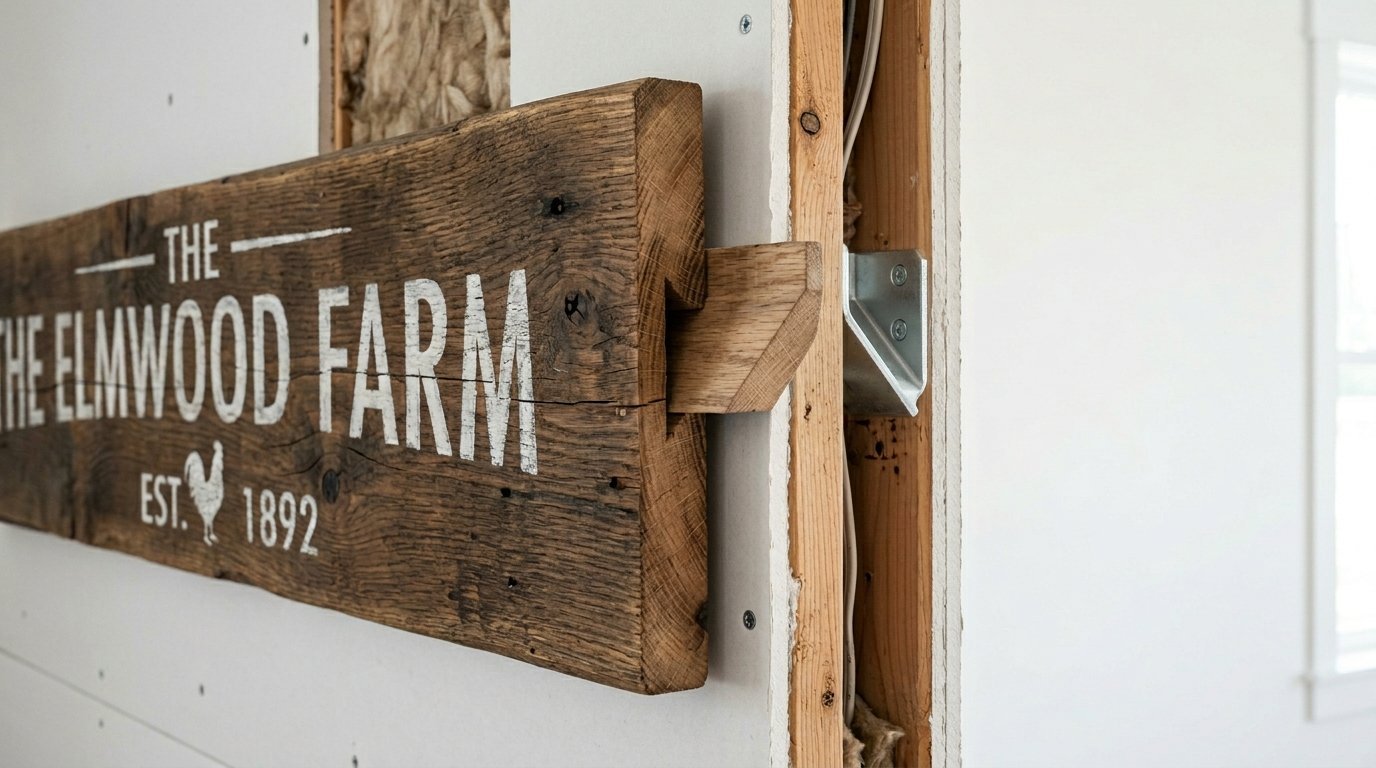
Handmade art pieces deliver incredible character to bare rooms. I love making my own diy wall decor. Around February of this year I threw a fresh piece of pine right into the trash. I tried to craft a farmhouse welcome sign. Woodworking requires patience and exact measurements. Real wood signs weigh significantly more than canvas prints. A solid slab of walnut easily tips the scale at forty pounds.
People try to hang ten pound wood slabs using tiny finishing nails. The nail bends slowly over time. One night you hear a massive crash. The wood sign hits the floor and takes a chunk of baseboard with it. Now you have wall damage and a broken floorboard to pay for. Baseboard repair costs run incredibly high. The carpenter has to cut out the crushed section, match the trim profile exactly, nail it in, caulk the gaps, and paint the entire wall perimeter. Expect a 400 dollar charge for that specific accident.
I hang my custom macrame wall hangings using proper anchor points. The thick cotton cord gets heavy. Solid wood frames require two distinct mounting points to distribute the load evenly. A single nail in the exact center creates a dangerous pivot point. The heavy sign swings back and forth whenever a door slams nearby. The constant friction grinds the paint away behind the wood.
You must distribute the physical load properly across the drywall face.
- Install a metal french cleat system for any wood sign over fifteen pounds. The interlocking aluminum rails hold hundreds of pounds safely.
- Use a bubble level to ensure the bracket sits perfectly straight. A crooked bracket ruins the visual lines of the entire room.
- Sink the primary screws directly into the wooden wall studs. The stud carries the weight straight down to the floor joists.
- Place small felt pads on the back corners of the wood to protect the paint. The soft felt stops the rough wood from scratching the gloss finish.
A french cleat locks the art against the wall securely. It never tilts or swings. The landlord will only see two clean screw holes when you leave. You can patch those easily. Protect your handmade pieces and the drywall simultaneously. Take your time planning the exact placement before you drill. Measure twice and drill once. Your massive farmhouse sign will stay exactly where you put it.
6. Using Double Sided Tape In High Humidity Areas
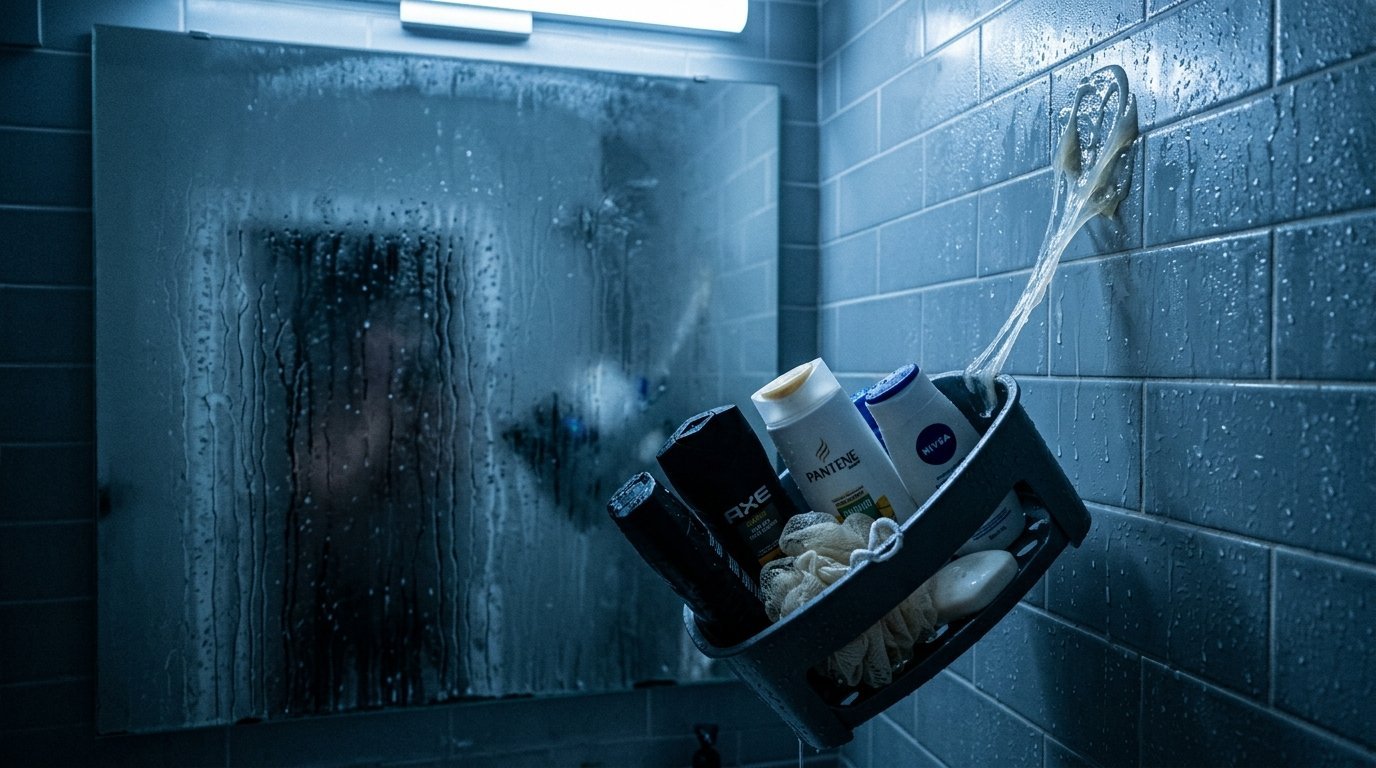
Bathrooms and kitchens destroy regular adhesives. The steam from your shower melts the glue on your kids room organization charts. Renters use heavy duty mounting tape to stick shelves inside their shower. The constant moisture breaks down the chemical bond. The shelf falls and cracks the fiberglass tub. That is a 500 dollar repair bill. Replacing a fiberglass tub floor requires special epoxy resin and serious manual labor.
I know exactly what moisture does to decor. I saw this destroy a beautiful piece in my hallway three years ago. The damp air got behind the frame and caused black spots. The silver backing completely separated from the glass. The damage spread like a dark cloud across the pristine reflection.
Double sided tape reacts terribly to humidity. It either fails completely or hardens into a solid block of cement. When you try to pry it off bathroom tiles it often chips the ceramic glaze. A landlord will charge you to replace every single chipped tile. A tile mason charges eighty dollars an hour just to show up. They have to grind out the grout, shatter the broken tile, scrape the old thinset, and perfectly level a new piece.
The temperature swings ruin the adhesive properties over and over again. You take a boiling hot shower and the room fills with thick steam. The glue turns into a soft gooey mess. An hour later the exhaust fan pulls the air out and the room freezes. The glue shrinks and cracks. This daily cycle absolutely destroys the mounting strength.
- Buy suction cup mounts designed specifically for wet environments. Look for the twist lock style that creates a powerful vacuum seal against the tile.
- Clean the tile with rubbing alcohol before pressing the suction cup down. Remove every trace of soap scum and hard water minerals.
- Choose tension rods for shower curtains instead of drilling brackets. Twist them extremely tight against the walls.
- Use over the door hooks for heavy wet towels and bathrobes. The thick wood of the door handles the wet fabric weight perfectly.
Never put sticky tape near a shower or a boiling stove. The grease from cooking bacon acts just like steam. It coats the walls in a microscopic layer of oil that ruins all adhesives. Stick to tension and suction in wet zones. They cost slightly more upfront but save you thousands in the long run.
Frequently Asked Questions
How much do landlords charge for drywall repair?
Property managers typically charge between 50 and 150 dollars per hole depending on the size and severity. A small nail hole might cost 20 dollars to patch quickly. A blown out drywall anchor can cost up to 300 dollars because it requires a structural patch. They hire professional drywall contractors and pass the massive labor costs directly to your final ledger. Avoid these fees by doing the prep work yourself before you hand back the keys.
Does toothpaste actually work to fill nail holes?
Toothpaste fails completely as a wall patch. It shrinks aggressively as it dries. It cracks within a few days of application. It also leaves a strong minty smell and a bright white spot that standard paint will not cover properly. Landlords spot toothpaste patches instantly during their walkthroughs. Buy a five dollar tub of real spackling paste instead. The real paste sands flat and accepts fresh paint flawlessly.
Are adhesive hooks truly damage free?
Adhesive strips only work perfectly under exact laboratory conditions. You must apply them to totally clean smooth surfaces without any texture. You must wait twenty four hours before hanging any weight on the plastic hook. You must pull the removal tab perfectly straight down against the drywall. If the room gets too hot or extremely humid the adhesive can permanently bond to the paint layer.
How can I hang heavy curtains without drilling holes?
Tension rods provide the safest zero damage option for heavy window treatments. You place them inside the window frame and twist the rod to tighten the internal spring. You can also buy specialized bracket mounts that tap directly into the top edge of your window trim. They leave microscopic pinholes that go completely unnoticed during a standard move out inspection. You save your walls entirely.
Can I paint my apartment walls if I paint them back later?
Most modern leases strictly forbid unauthorized painting by tenants. Even if you paint it back you rarely match the exact finish and texture the landlord originally used. Property managers buy commercial grade paint in giant bulk buckets. If your dark primer bleeds through or your ceiling edges look messy they will charge you for a professional repaint of the entire room. That costs roughly 800 dollars.
What is the safest way to remove sticky residue from walls?
High purity rubbing alcohol breaks down dried adhesive safely and quickly. Put a small amount of liquid on a clean microfiber cloth. Gently rub the sticky spot in tight little circles. Never scrub violently back and forth. Harsh scrubbing will take the matte finish right off the builder grade paint. A hairdryer running on low heat also helps soften old stubborn glue clumps.
How do I find wall studs without a digital scanner?
Look closely at your baseboards near the floor. Builders usually nail baseboards directly into the hidden studs. Find a filled nail hole on the painted trim and follow that vertical line straight up the wall. You can also knock gently on the drywall with your knuckles. A hollow sound means empty space. A solid thud indicates a wooden stud sits right behind the paper.
Do command strips work on textured walls?
Adhesive strips fail miserably on heavy plaster texture. The flat foam pad cannot make full physical contact with the bumpy wall surface. Tiny air pockets get trapped behind the glue and weaken the chemical bond instantly. The heavy framed item will fall within a few weeks. Use tiny finishing nails for textured surfaces instead. They slip right in and leave invisible holes.
Should I leave my wall anchors in the wall when I move?
Never leave plastic anchors protruding ugly from the drywall face. Property managers absolutely hate pulling them out manually. Take a pair of needle nose pliers and gently pull the plastic sleeve out. If it violently resists take a flathead screwdriver and push the plastic anchor deeper into the dark wall cavity. Then patch the clean empty hole with pink spackle.
Can I hang a massive television in a rental unit?
Read your specific lease agreement extremely carefully first. Most standard leases prohibit mounting televisions because the heavy lag bolts cause massive structural damage to the framing. If you decide to risk it you must hit two separate wooden studs perfectly in the center. You must also fill the massive half inch bolt holes with proper setting compound when you pack up.
What happens if water damages my mirror frame?
Water pools at the extreme bottom edge of hanging mirrors. It seeps deep into the wood and physically separates the silver reflective backing. I clean my photography pieces with pure distilled water to prevent ugly mineral buildup. Always spray the cloth directly instead of spraying the glass face. This specific action keeps liquid from running down into the delicate frame joints.
How do I clean high end mirrors safely?
I rely exclusively on Norwex and 3M microfiber towels for my glass work. Cheap paper towels leave terrible lint dust behind. Spray pure distilled water directly onto the dry cloth. Wipe the glass in a tight S pattern moving from top to bottom. Use a second totally dry microfiber cloth to buff out any remaining moisture instantly. The glass shines perfectly.
Will adhesive hooks hold my hanging plants safely?
Do not hang potted plants from ceiling adhesive hooks. The dirt gets incredibly heavy after you water the soil deeply. The constant downward gravity pull tears the adhesive grip off the ceiling texture. The pot crashes down spills black dirt everywhere and leaves a giant torn spot on the ceiling. Use a proper metal swag hook screwed directly into a ceiling joist.
What is a french cleat mounting system?
A french cleat uses two interlocking pieces of angled metal or wood. You screw one piece into the wall studs with the angle pointing up. You attach the second piece to the back of your art with the angle pointing down. The two pieces slide together and lock tightly. It holds massive weight securely and keeps the picture perfectly flush against the flat wall.
Can I use superglue for quick fixes on baseboards?
Never apply superglue to any rental property surface. Cyanoacrylate glue bonds instantly and permanently to porous materials like wood and paint. When the landlord tries to remove your glued item they have to chisel the baseboard away. The superglue rips the top layer of wood completely off. Stick to basic wood glue and small brad nails for trim repairs.
Final Thoughts
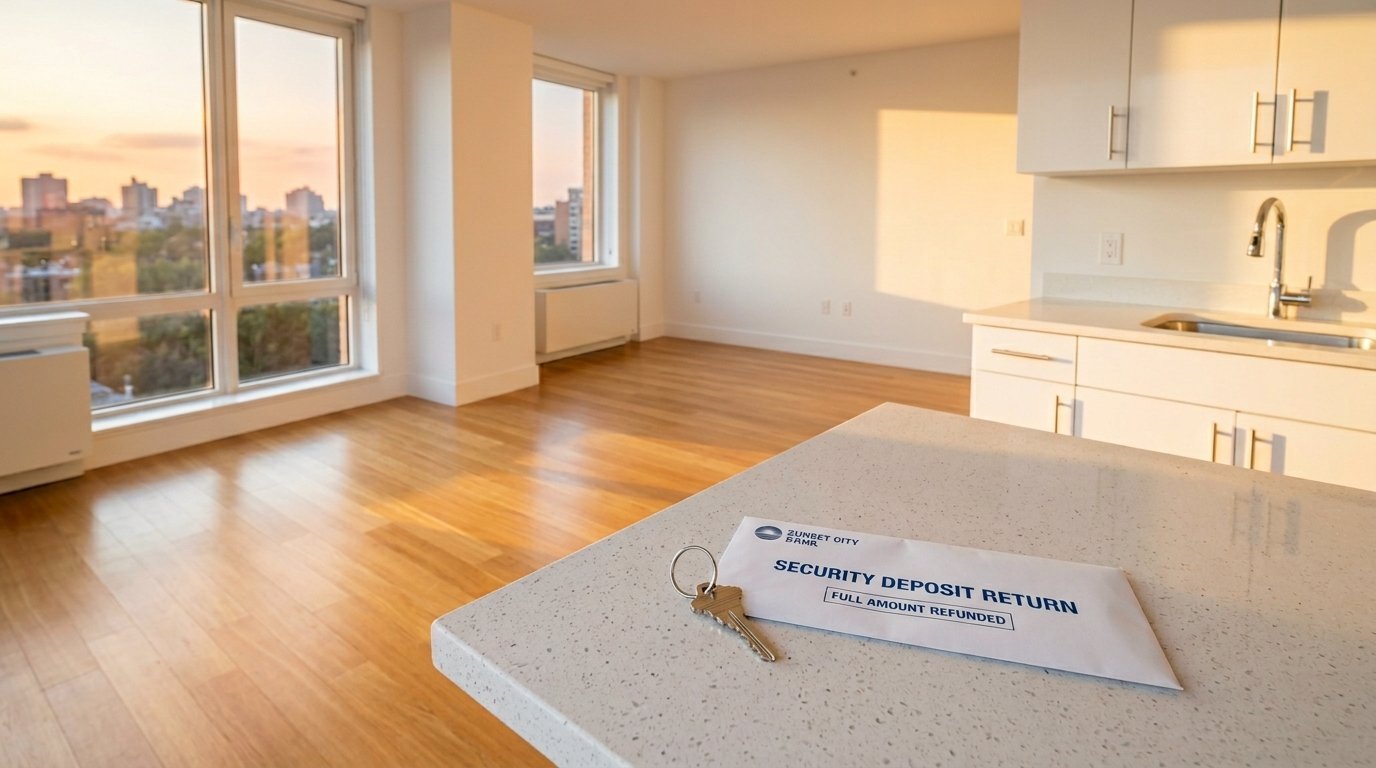
Protecting your security deposit requires simple patience and the right tools in your hands. You now know exactly how specific adhesives ruin cheap paint and why cheap plastic anchors destroy weak sheetrock. Take a walk through your living space right now. Look closely at how your heaviest items hang on the bedroom walls. Are your heavy wooden signs secured tightly to real studs? Are your bathroom floating shelves starting to sag downward?
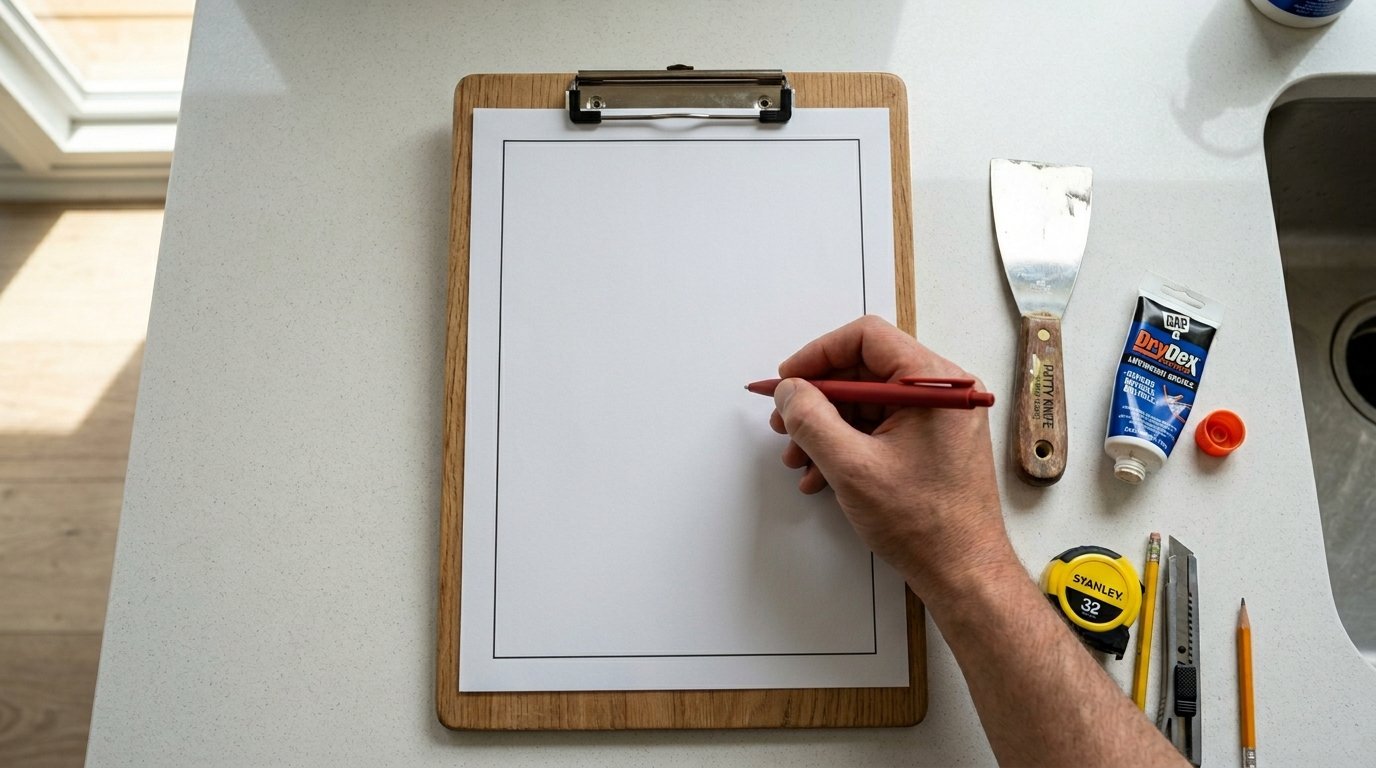
Fix these hidden daily hazards this exact weekend. Spend ten dollars on a tub of spackle and a pack of metal toggle bolts today. Do the patching work yourself before you start packing your cardboard moving boxes. The property manager walks through with a clipboard looking for mistakes. They hunt for torn paint and giant holes. Give them a perfectly flat clean wall. Keep your entire deposit safely in your bank account when you finally hand back those heavy metal keys. What is the biggest decorating mistake you have ever made in an apartment? Drop a comment below and share your worst rental disaster.

Anya Castellan is the Founder and Editor-in-Chief of Home Wall Trends. An art history graduate of the Rhode Island School of Design with twelve years of experience writing for leading American design publications, she specializes in composition, gallery wall theory, and the quiet architecture of domestic space. A former contributing editor at Architectural Digest and guest lecturer at Parsons School of Design, Anya personally reads and signs off on every piece before it is published.